
 Chloe Peterson
15 Legendary Beatles Songs That Somehow Never Hit No. 1 in America
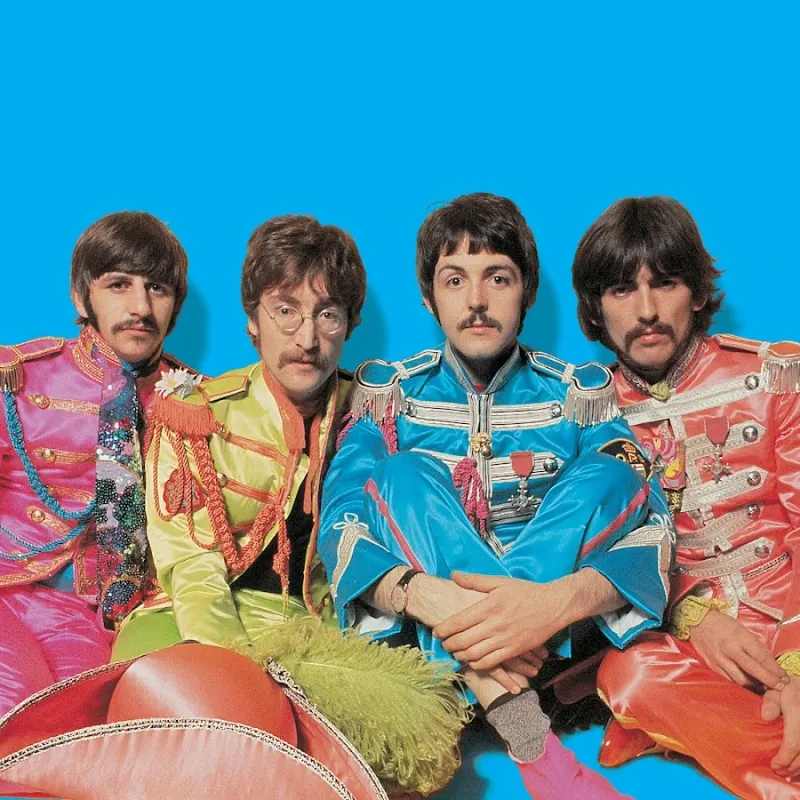
The Beatles dominated American radio and record sales throughout the 1960s, racking up twenty No. 1 hits on the Billboard Hot 100.
But some of their most beloved and influential tracks never quite reached the top of the charts.
From psychedelic masterpieces to introspective ballads, these fifteen legendary songs prove that chart position doesn’t always reflect lasting impact or cultural importance.
1. Strawberry Fields Forever
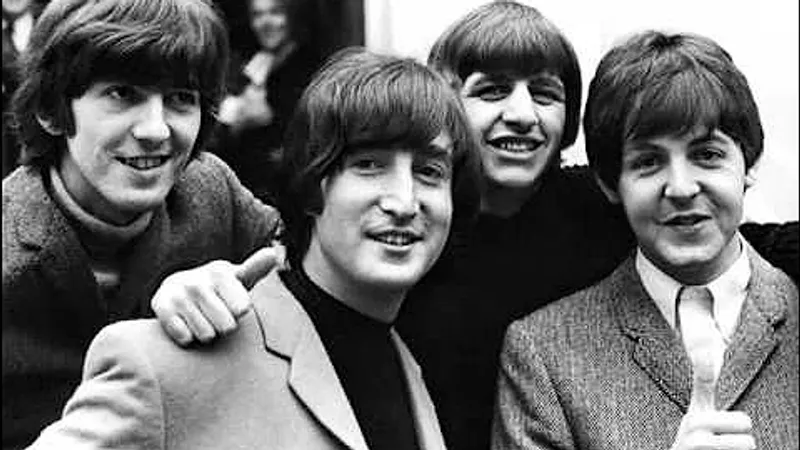
Released as a double A-side with “Penny Lane” in February 1967, this John Lennon masterpiece only reached No. 8 on the Billboard Hot 100.
The song’s experimental production techniques, including backward tapes, mellotron, and unconventional structure, made it revolutionary for its time.
Lennon wrote the lyrics while filming in Spain, reflecting on his childhood memories of playing in the Salvation Army garden near his Liverpool home.
The dreamy, surreal quality captured something entirely new in popular music.
Many music historians consider it the beginning of psychedelic rock’s golden age.
Despite its chart performance, the song remains one of the most analyzed and celebrated recordings in Beatles history, influencing countless artists across generations.
2. Here Comes the Sun
George Harrison composed this uplifting anthem in Eric Clapton’s garden on a sunny spring day in 1969, escaping endless business meetings at Apple Records.
The song never charted as a single during the Beatles’ active years, yet it became their third most-streamed track on Spotify.
Its gentle acoustic guitar introduction and optimistic lyrics about emerging from darkness resonated deeply with listeners.
The song features a Moog synthesizer, adding a warm, futuristic texture to the arrangement.
Harrison’s simple message of hope and renewal struck a universal chord that transcended commercial success.
Today, it appears in countless films, commercials, and wedding playlists, proving its enduring emotional power beyond any chart position ever could.
3. Eleanor Rigby
Paul McCartney’s haunting meditation on loneliness peaked at No. 11 in America during summer 1966.
The song featured no guitars, drums, or traditional rock instrumentation—just McCartney’s voice and a double string quartet arranged by producer George Martin.
McCartney developed the character while playing piano, initially calling her “Miss Daisy Hawkins” before settling on Eleanor Rigby.
The lyrics paint vivid portraits of isolated people living anonymous lives in modern society.
This bold artistic choice expanded what pop music could address thematically and sonically.
Critics immediately recognized its literary quality, comparing it to short fiction.
The song demonstrated that rock bands could tackle serious subjects with classical arrangements, opening doors for progressive and art rock movements.
4. While My Guitar Gently Weeps
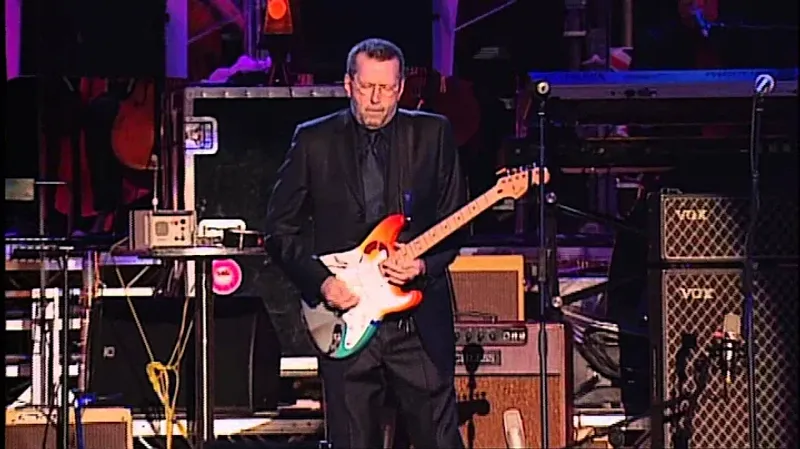
Harrison wrote this soul-searching ballad after reading the I Ching and randomly opening a book to the words “gently weeps.”
He invited Eric Clapton to play lead guitar, hoping his presence would make the other Beatles take the song more seriously during recording sessions.
The track appeared only as an album cut on the White Album in 1968, never released as a single in America.
Clapton’s weeping guitar lines perfectly complemented Harrison’s lyrics about the world’s lack of love and awareness.
Over decades, the song gained recognition as one of rock’s greatest guitar performances.
Its philosophical depth and emotional honesty showcased Harrison’s growth as a songwriter, earning respect that far exceeded any commercial chart success.
5. A Day in the Life
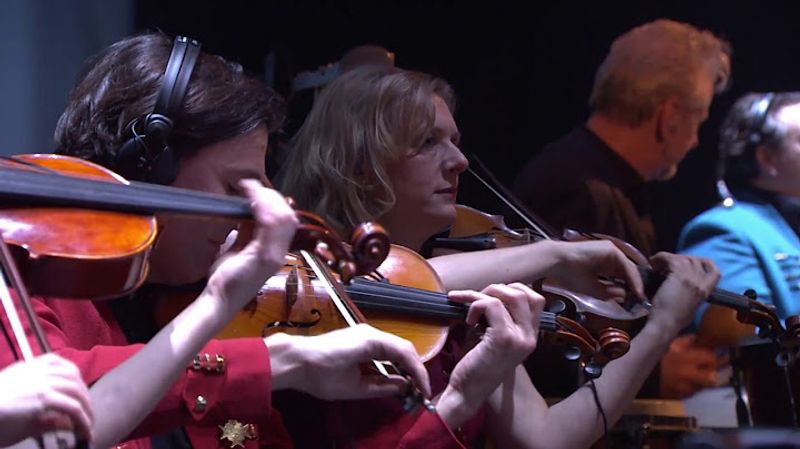
This sprawling masterpiece closes Sgt. Pepper’s Lonely Hearts Club Band with two Lennon-McCartney song fragments joined by a massive orchestral crescendo.
The BBC banned it for alleged drug references, though both writers denied the interpretation.
John Lennon’s verses drew inspiration from newspaper articles about a car accident and the Royal Albert Hall.
Paul McCartney’s middle section described his mundane morning routine, creating striking contrast.
The song’s experimental structure, including that famous forty-piece orchestra building to chaos, made it unsuitable for radio singles.
Yet musicians and critics consistently rank it among the greatest recordings ever made.
Its ambitious scope showed how far popular music had evolved in just four years of Beatles innovation.
6. Lucy in the Sky with Diamonds
Inspired by a drawing John Lennon’s son Julian brought home from school, this kaleidoscopic journey peaked at No. 2 behind “Windy” by The Association in 1967.
Lennon always maintained the LSD initials were coincidental, though few believed him.
The song’s surreal imagery—tangerine trees, marmalade skies, newspaper taxis—created a dreamlike narrative unlike anything on mainstream radio.
Its shifting time signatures and ethereal production perfectly captured the psychedelic experience without explicitly endorsing it.
Despite missing the top spot, it became synonymous with 1967’s Summer of Love.
The track influenced visual artists, filmmakers, and musicians for generations.
Elton John’s 1974 cover with Lennon reached No. 1, finally giving the song its chart-topping moment.
7. In My Life
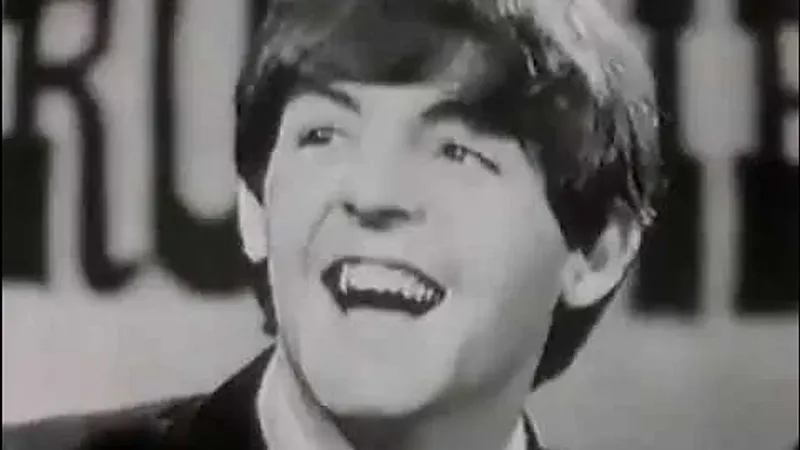
Originally conceived as a long poem about a bus journey through Liverpool, Lennon transformed it into a bittersweet meditation on memory and loss.
The song appeared only on the Rubber Soul album in 1965, never released as an American single.
George Martin’s baroque piano solo, recorded at half-speed then played back normally, gives the bridge its distinctive harpsichord-like quality.
Lennon and McCartney later disputed who wrote the melody, though Lennon claimed sole credit for the lyrics.
Rolling Stone magazine ranked it fifth on their 500 Greatest Songs list.
Its universal theme—remembering people and places from your past—resonates across generations.
The song proves that quiet introspection can be as powerful as any rock anthem or chart-topping hit.
8. Yellow Submarine
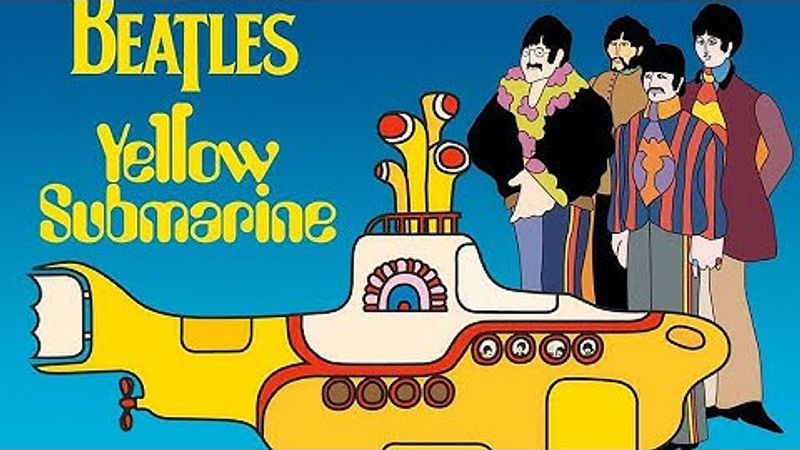
Written primarily by Paul McCartney as a children’s song for Ringo Starr to sing, this whimsical tune became one of the most recognizable songs in popular music.
It spent weeks at No. 2 in late 1966, blocked from the top by “Winchester Cathedral.”
The recording session featured sound effects created by the band and friends blowing bubbles, clanging chains, and shouting in a bathtub.
Its simple, repetitive lyrics made it perfect for audiences of all ages to sing along.
The song spawned an animated film in 1968 that became a cult classic.
Despite its playful nature, it demonstrated the Beatles’ ability to create universally appealing music.
Nearly six decades later, children still learn and sing it worldwide, a legacy few No. 1 hits achieve.
9. With a Little Help from My Friends
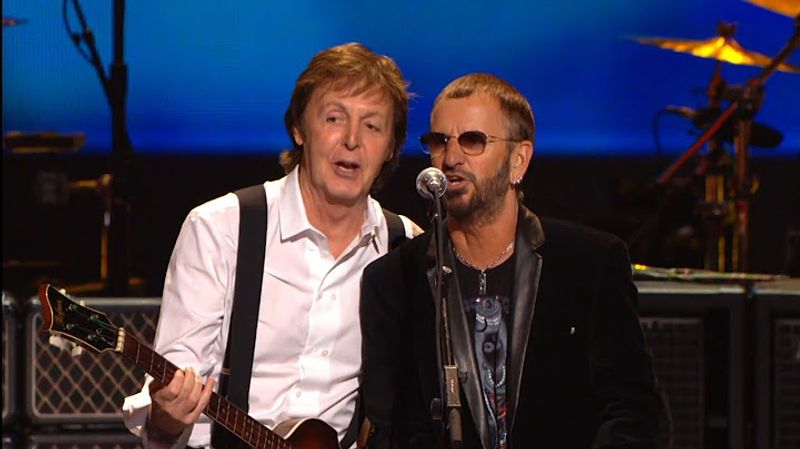
Lennon and McCartney wrote this specifically for Ringo’s limited vocal range, creating a warm anthem about friendship and support.
As the second track on Sgt. Pepper, it never charted separately in 1967, though Joe Cocker’s powerful cover reached No. 1 in Britain two years later.
The song’s call-and-response structure between Ringo and the other Beatles created an intimate, conversational feel.
Its optimistic message about getting by with help from friends perfectly captured the communal spirit of the late sixties.
Ringo’s earnest delivery made the simple lyrics deeply affecting rather than sentimental.
The song became his signature performance piece in concerts for decades.
Its enduring popularity proves that authenticity and heart matter more than vocal pyrotechnics or chart positions.
10. Nowhere Man
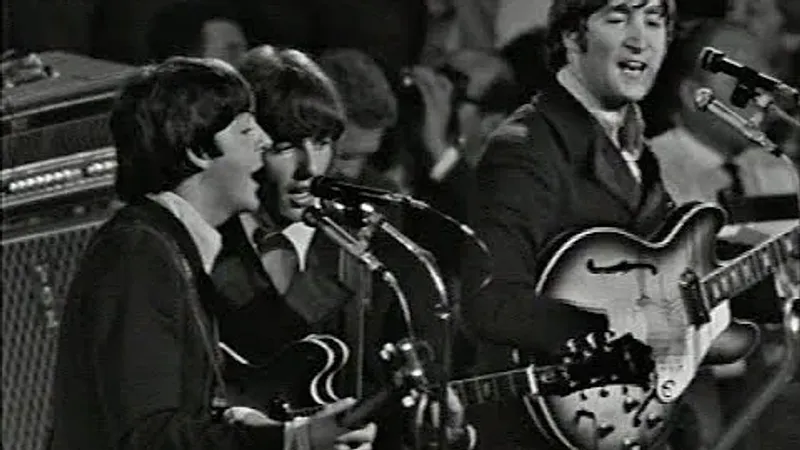
John Lennon wrote this self-reflective song during an all-night writing session, experiencing a creative breakthrough at dawn.
Released as a single in early 1966, it peaked at No. 3 on the Billboard Hot 100.
The lyrics describe someone disconnected from the world, making plans that lead nowhere—a feeling Lennon experienced during his suburban life with his first wife.
The three-part harmony vocals showcased the Beatles’ vocal blend at its finest.
This marked one of the first Beatles songs addressing internal psychology rather than romantic love.
Its existential questioning influenced folk-rock artists and proved pop songs could explore philosophical themes.
The track’s introspective honesty opened new territory for personal songwriting in mainstream music, changing what audiences expected from their favorite artists.
11. Norwegian Wood (This Bird Has Flown)
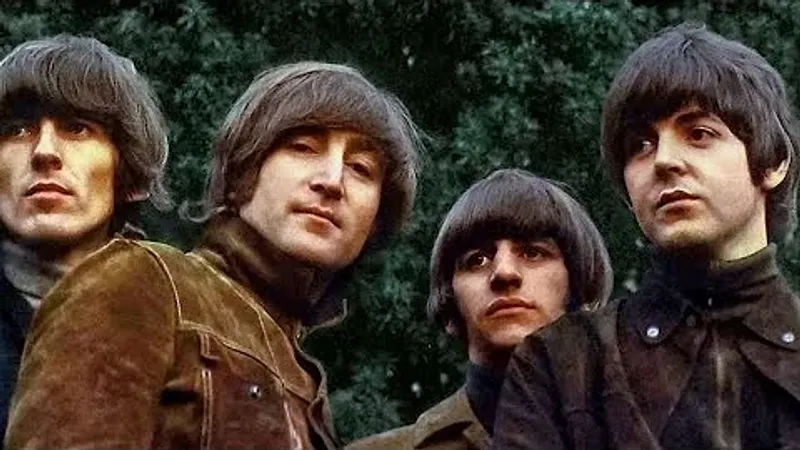
George Harrison’s sitar playing on this 1965 track marked the first time the Indian instrument appeared on a Western pop recording.
The song reached No. 2 behind “These Boots Are Made for Walkin'” when released as a single in some markets.
John Lennon’s cryptic lyrics described an extramarital affair, though he disguised the details to avoid trouble at home.
The ambiguous ending—did the narrator or the woman burn down the room?—sparked endless debate among fans and critics.
Harrison’s fascination with Indian music began here, eventually leading him to study with Ravi Shankar.
The song’s exotic sound influenced countless artists to experiment with world music elements.
Its sophisticated wordplay and unusual instrumentation showed the Beatles pushing beyond conventional pop boundaries.
12. Drive My Car
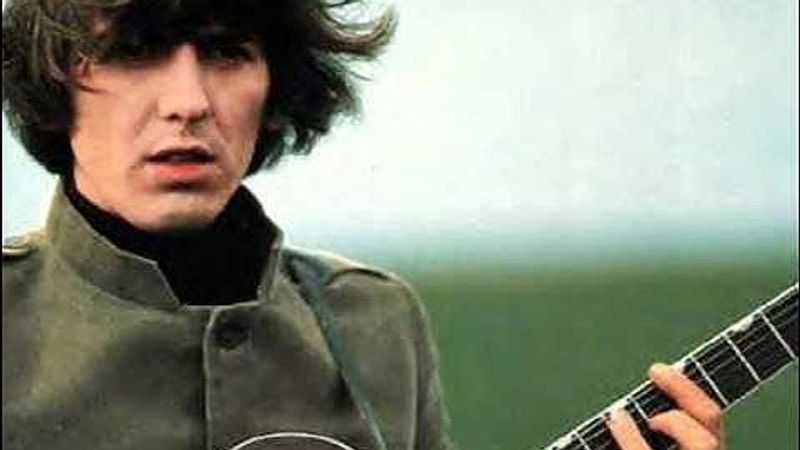
This energetic rocker kicks off Rubber Soul with a distinctive bass line and cheeky lyrics about an aspiring actress.
Never released as a single in America during the sixties, it only appeared as an album track.
Paul McCartney wrote most of the song, struggling with the lyrics until John Lennon suggested the “drive my car” hook.
The double-meaning wordplay and confident female character made it stand out from typical love songs of the era.
The tight arrangement features cowbell, piano, and layered vocals creating a sophisticated pop-soul sound.
McCartney’s bass playing drives the entire track forward with infectious rhythm.
Decades later, it remains a concert favorite, proving that album tracks can achieve legendary status without ever appearing on singles charts or receiving radio airplay.
13. She’s Leaving Home
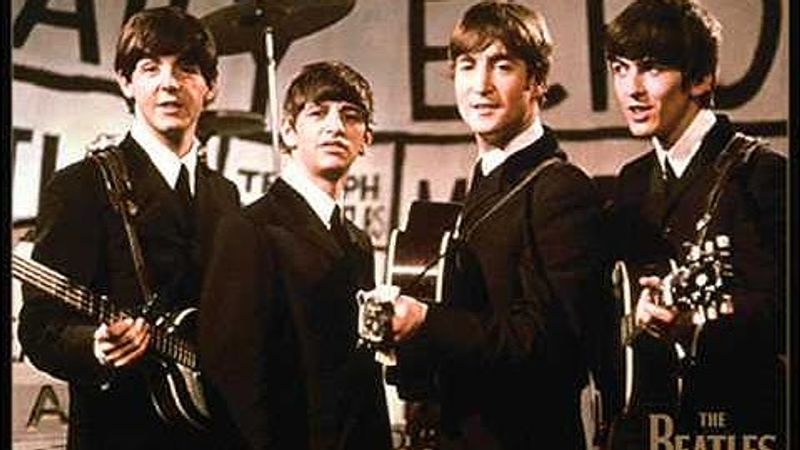
Paul McCartney composed this after reading a newspaper article about a teenage runaway, creating one of the Beatles’ most cinematic narratives.
The 1967 track features only strings and harp, with no Beatles playing instruments—just their voices telling the story.
The arrangement alternates between the daughter’s perspective and her heartbroken parents’ response.
McCartney and Lennon’s harmonies on the parental lines—”We gave her everything money could buy”—convey genuine pain and confusion.
George Martin was unavailable for the session, so McCartney hired arranger Mike Leander, briefly straining their relationship.
The song’s empathetic portrayal of generational conflict resonated with young listeners leaving home.
Its theatrical quality showed how the Beatles could craft complete short stories within three-minute songs, expanding pop music’s narrative possibilities.
14. And I Love Her
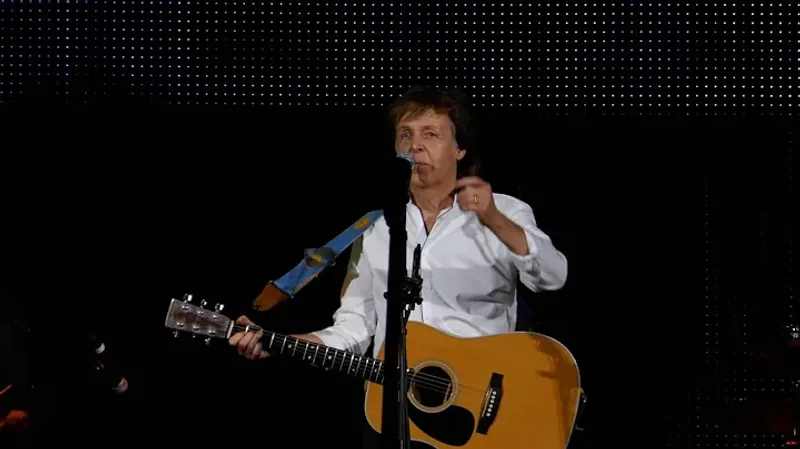
This tender ballad peaked at No. 12 in summer 1964, yet it became one of the most covered Beatles songs with over 400 recorded versions.
McCartney wrote it for his girlfriend Jane Asher, crafting a simple but elegant declaration of devotion.
George Harrison’s nylon-string guitar gives the track its distinctive Spanish flavor, while the key change in the final verse adds unexpected sophistication.
The understated arrangement lets the melody and lyrics speak for themselves without production gimmicks.
Jazz musicians particularly embraced the song, with artists like Chet Atkins and Sergio Mendes recording notable interpretations.
Its timeless quality comes from honest emotion expressed without cleverness or irony.
Wedding bands still play it regularly, making it more culturally significant than many forgotten No. 1 hits from that era.
15. I Saw Her Standing There
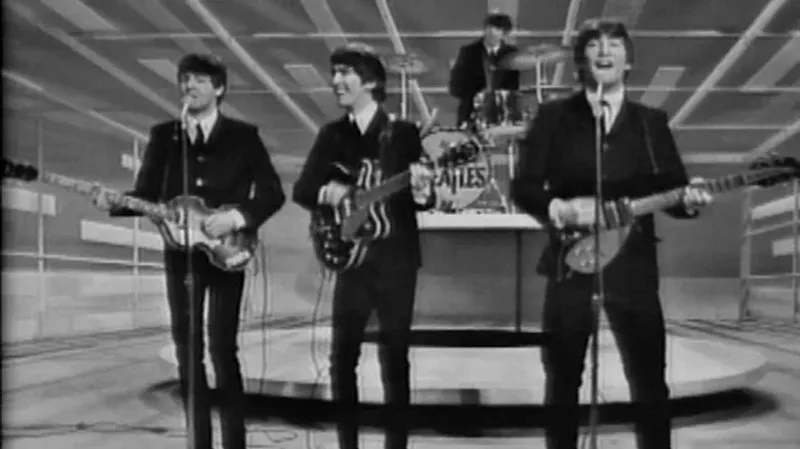
Opening their debut album Please Please Me with a count-in—”One, two, three, FOUR!”—this explosive rocker captured the Beatles’ live energy perfectly.
Released as the B-side to “I Want to Hold Your Hand” in America, it reached No. 14 in early 1964.
Paul McCartney wrote it at age twenty, originally using the line “she was just seventeen, never been a beauty queen” until John Lennon suggested the better “you know what I mean.”
The song’s twelve-bar blues structure and handclaps created irresistible dancefloor energy.
American teenagers heard it on The Ed Sullivan Show and went wild, helping launch Beatlemania across the nation.
Its youthful exuberance and rock and roll authenticity made it a concert staple throughout the Beatles’ career and beyond, outlasting countless chart-toppers in cultural memory.
Comments
Loading…