
 Mary Murphy
15 Iconic Horror Movies Where Nobody Wins
Horror movies often promise a battle between good and evil, with heroes emerging victorious by the final scene.
But some films refuse to play by those comforting rules.
They strip away hope, deny justice, and leave everyone—characters and audience alike—reeling from the devastation.
These are the stories where survival means nothing, where courage fails, and where the credits roll on absolute ruin.
1. Hereditary (2018)
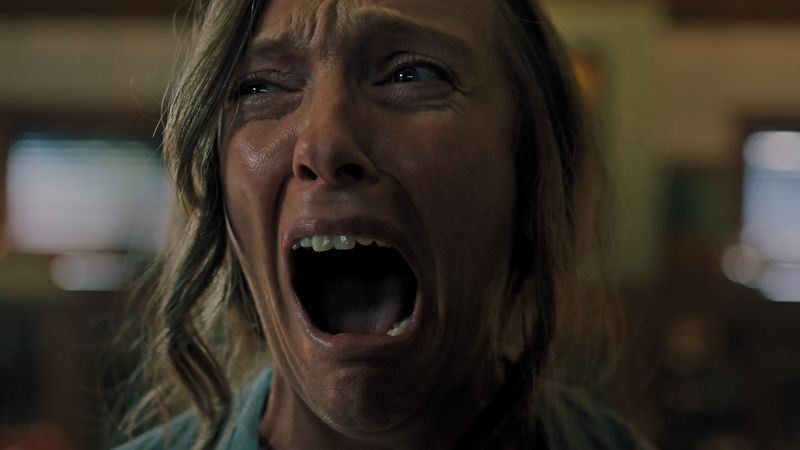
Ari Aster’s directorial debut masquerades as a family grief drama before revealing its true nature as a tale of inescapable destiny.
The Graham family unravels after a devastating accident, but their suffering runs far deeper than tragedy—it’s been orchestrated across generations.
Annie discovers her mother belonged to a demon-worshipping cult that selected her son Peter as a vessel for the entity Paimon.
Every attempt to resist or understand only tightens the noose around them.
The film’s final moments show Peter crowned in a treehouse temple, his identity completely erased by the demon now inhabiting his body.
No amount of love, willpower, or desperation could alter what was planned before he was even born, making their struggle tragically pointless from the start.
2. The Wicker Man (1973)
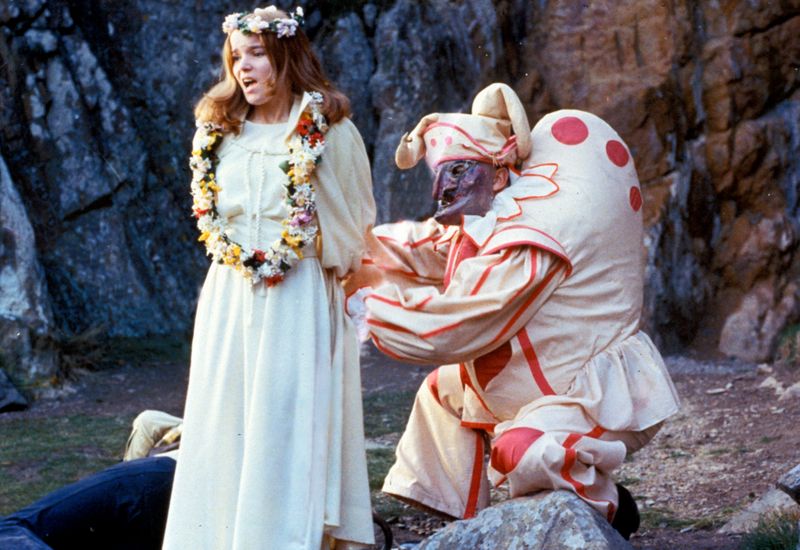
Robin Hardy’s folk horror masterpiece follows Sergeant Howie, a devout Christian policeman investigating a missing girl on a remote Scottish island.
The pagan community seems friendly at first, but their customs grow increasingly disturbing as Howie’s investigation deepens.
Every clue he follows was deliberately planted, every door opened intentionally, leading him exactly where the islanders wanted.
His rigid morality and virginity made him the perfect sacrifice for their May Day ritual.
The film ends with Howie burning alive inside a massive wicker effigy, screaming prayers while the community sings around him.
The missing girl was never in danger—she was bait. His faith offers no protection, his badge holds no authority, and his righteousness only sealed his fate as the ideal offering to pagan gods.
3. The Descent (2005)
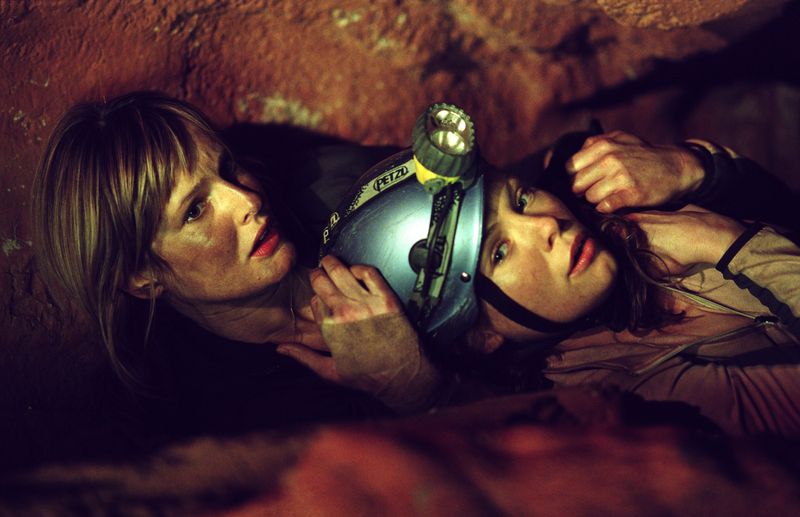
What starts as an adventure to help Sarah overcome past trauma becomes a nightmare when they discover the caves are home to blind, flesh-eating creatures.
Neil Marshall traps six women in an unmapped cave system where darkness becomes the least of their worries.
Betrayal cuts deeper than any monster when Sarah learns her friend Juno had an affair with her late husband.
The group splinters under pressure, with trust evaporating as quickly as their escape routes.
The original UK ending shows Sarah hallucinating her daughter’s birthday in the cave, accepting she’ll never leave.
Even the alternate US ending offers no real victory—just survival soaked in loss, madness, and the knowledge that friendship died alongside hope in those suffocating tunnels.
4. The Mist (2007)
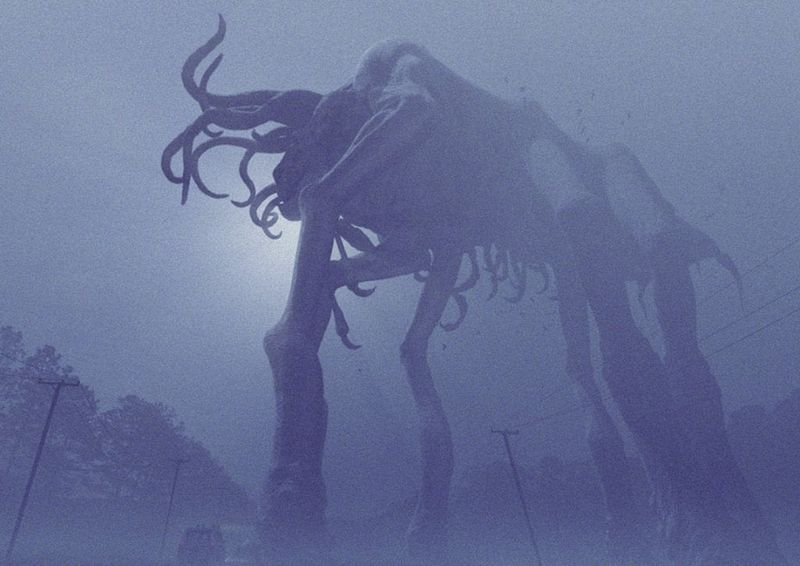
Frank Darabont’s adaptation of Stephen King’s novella delivers a gut-punch finale that haunts viewers long after the screen fades to black.
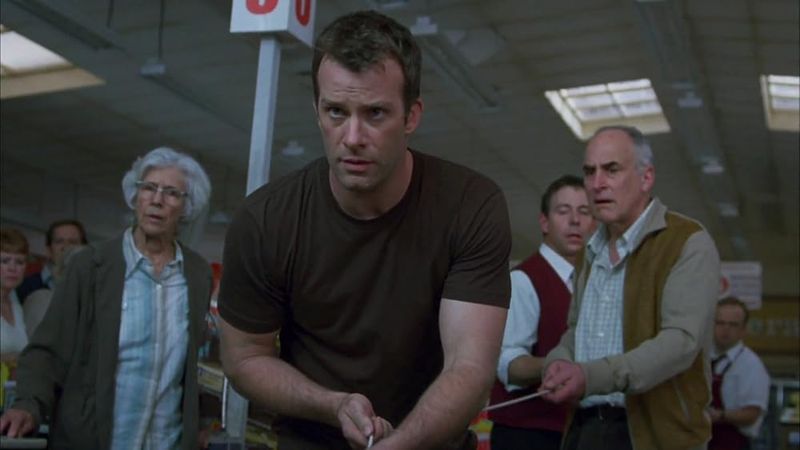
A thick, unnatural fog rolls into a small Maine town, bringing with it creatures from another dimension that trap shoppers inside a grocery store.
Tensions rise as fear and religious fanaticism take hold, fracturing the group from within.
When the protagonist makes a desperate choice to spare his loved ones from a worse fate, the military arrives moments later with the mist cleared.
That timing transforms an act of mercy into the cruelest irony imaginable, proving that sometimes waiting just one more minute changes everything.
Hope dies hardest when salvation was always just out of reach.
5. Funny Games (1997)
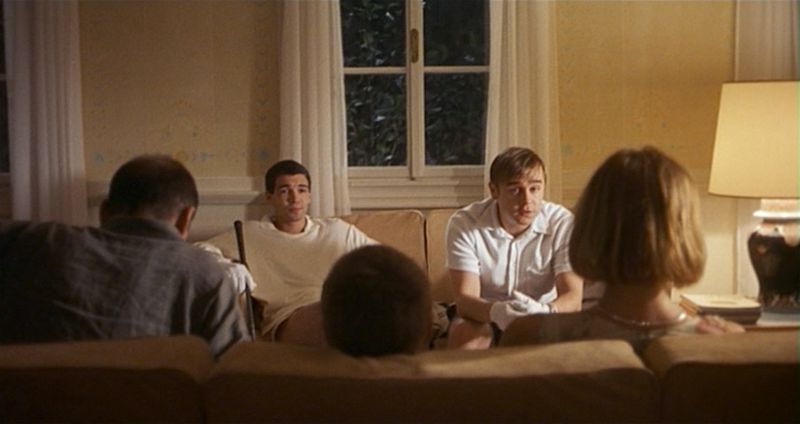
Michael Haneke crafted a deliberately uncomfortable meta-commentary on violence in media by making viewers complicit in a family’s torture.
Two polite young men in white gloves arrive at a lakeside vacation home and begin psychologically and physically tormenting the family.
When the mother finally gets her hands on a shotgun and kills one tormentor, the other simply rewinds the film with a remote control, erasing her victory.
This fourth-wall break reminds us we’re watching entertainment, yet we can’t look away.
The killers win because the narrative itself bends to their will, denying the audience any cathartic justice.
Haneke refuses to let us enjoy violence from a safe distance, instead forcing us to confront our own complicity in consuming suffering as spectacle.
6. Eden Lake (2008)
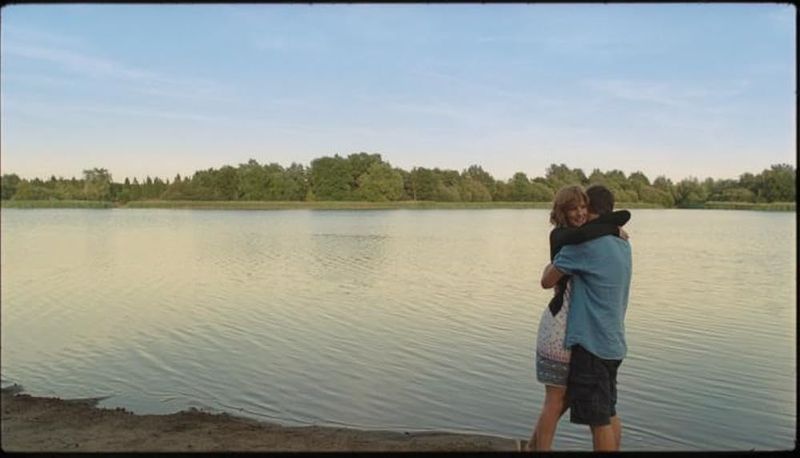
What begins as harassment escalates into sadistic violence, with the kids hunting Jenny and Steve through the woods.
James Watkins delivers brutal social commentary disguised as a survival thriller when a couple’s romantic getaway turns into a nightmare orchestrated by local teenagers.
Steve dies from his injuries, and Jenny’s desperate escape leads her to a house that seems like salvation.
Instead, she discovers it belongs to the parents of the gang’s ringleader—parents who blame her for defending herself.
The final moments imply Jenny will be killed to cover up their son’s crimes, rewarding the aggressors and punishing the victim.
The film suggests cycles of violence perpetuate because communities protect their own, no matter how monstrous, making justice impossible and escape futile.
7. The Thing (1982)
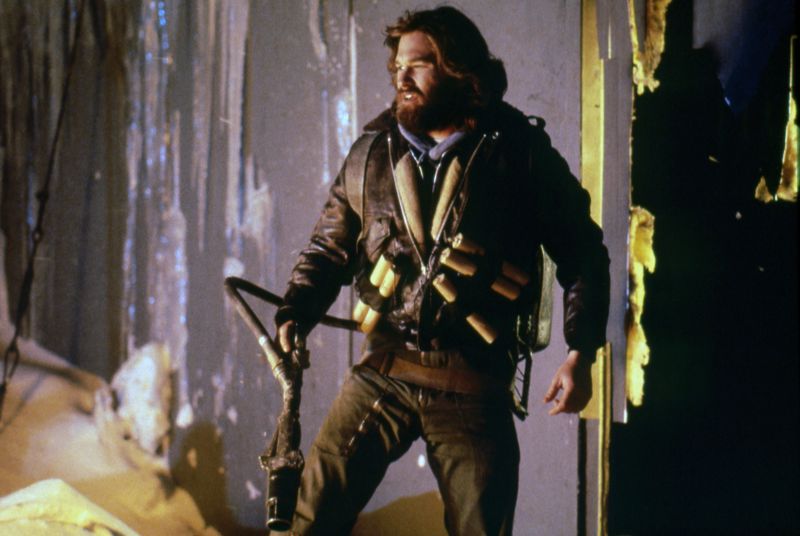
John Carpenter’s Antarctic nightmare explores what happens when you can’t trust your own eyes or your closest colleagues.
An alien organism that perfectly imitates living beings infiltrates an isolated research station, turning paranoia into the deadliest weapon.
MacReady and Childs are the only apparent survivors, sitting in the snow as their station burns behind them.
But one of them might be the Thing, and neither can be sure about the other.
The ambiguous ending offers no comfort—either humanity’s last defenders will freeze to death, or the Thing will eventually reach civilization and assimilate the entire planet.
Every test failed, every precaution proved inadequate, and trust became impossible.
Survival stopped mattering when identity itself became unknowable.
8. The Night House (2020)
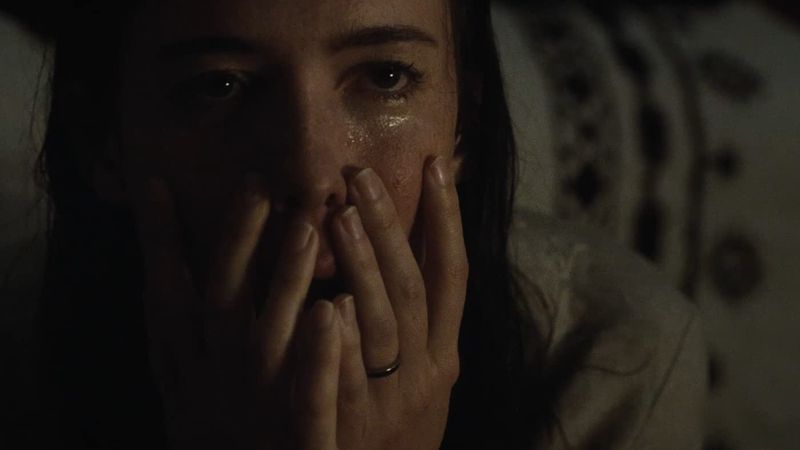
David Bruckner’s ghost story follows Beth as she grieves her husband’s unexpected suicide in their lakeside home.
Strange occurrences lead her to discover Owen built an inverted replica of their house across the lake and lured women who resembled Beth to their deaths.
Owen was trying to trick a malevolent entity that had been stalking him since childhood, offering it substitutes to spare his wife.
But his death didn’t end the threat—it only delayed it.
Beth confronts the entity, a void of nothingness that wants to consume her.
Though she survives the night, the film makes clear this darkness still lingers, waiting.
She gained terrible knowledge about her marriage but no real victory, only the burden of living with truths that can never bring comfort or closure.
9. Possession (1981)
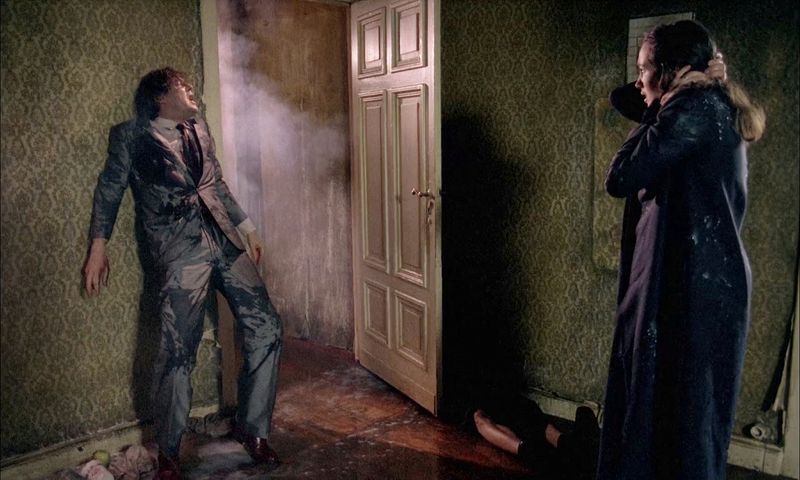
Mark returns from a spy mission to find his wife Anna behaving erratically, eventually discovering she’s having an affair—but not with another man.
Anna has birthed a tentacled creature in an abandoned apartment, a physical manifestation of her psychological fracture.
Andrzej Żuławski’s fever dream blurs the line between marital breakdown and cosmic horror in ways that feel viscerally uncomfortable.
As Mark descends into his own madness, doppelgängers appear and reality becomes increasingly unreliable.
The film ends with nuclear war implied outside while the creature, now perfected into Mark’s double, remains with Anna.
Their son is left with Mark’s doppelgänger of Anna.
Relationships dissolve into literal monsters, sanity evaporates, and the apocalypse arrives as almost an afterthought to the personal devastation already complete.
10. Jacob’s Ladder (1990)
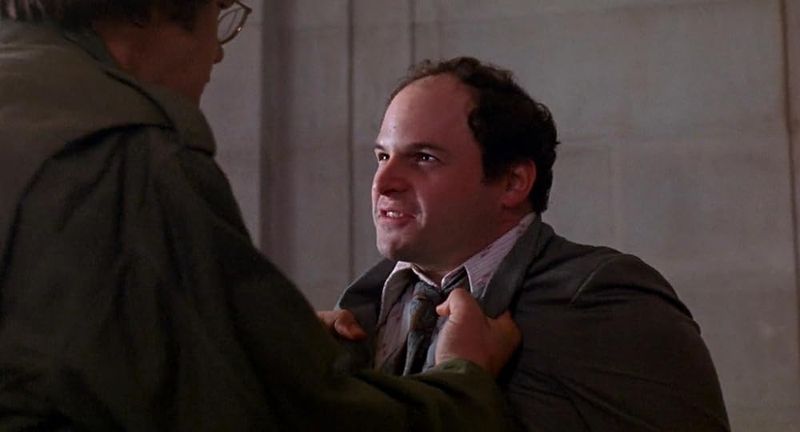
Adrian Lyne’s psychological labyrinth follows Vietnam veteran Jacob Singer as his reality fractures into nightmarish visions.
Demonic figures stalk him, his girlfriend transforms into something monstrous, and time itself becomes unreliable as past and present blur together.
Jacob discovers his unit was dosed with an experimental drug that induced violent psychosis, but even this explanation feels insufficient for the horrors he experiences.
A chiropractor offers cryptic wisdom about angels and demons being perspectives on the same phenomenon.
The devastating truth emerges gradually—Jacob has been dying on a battlefield operating table the entire time, and everything we’ve witnessed was his consciousness struggling against death.
His journey toward acceptance means surrendering to oblivion.
There’s no conspiracy to expose, no life to return to, only the long process of realizing he’s already gone.
11. Night of the Living Dead (1968)
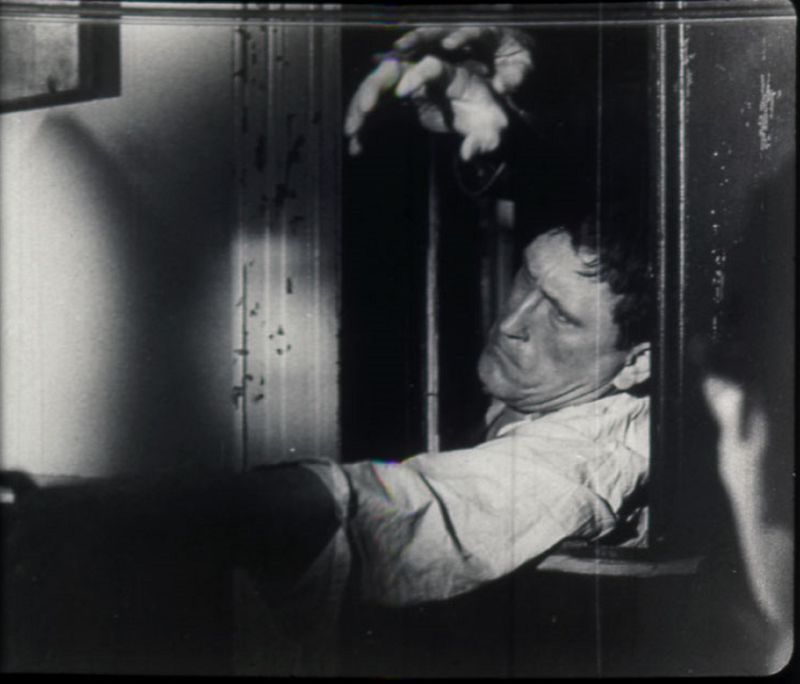
George Romero revolutionized horror while delivering biting social commentary through his zombie siege film.
Ben survives the night barricaded in a farmhouse while the undead surround him, proving himself resourceful and level-headed throughout the nightmare.
He outlasted the petty conflicts with other survivors, made the tough calls, and stayed alive until dawn when rescue finally arrived.
Then a sheriff’s posse mistakes him for a zombie and shoots him through the head without hesitation.
The final images show Ben’s body being unceremoniously dragged with meat hooks and thrown onto a burning pile of corpses.
Romero’s message lands with brutal clarity—Ben, an African American man, survived supernatural horror only to be killed by human prejudice and trigger-happy authority.
Zombies weren’t the real monsters; humanity’s casual violence and racism were.
12. These Final Hours (2013)
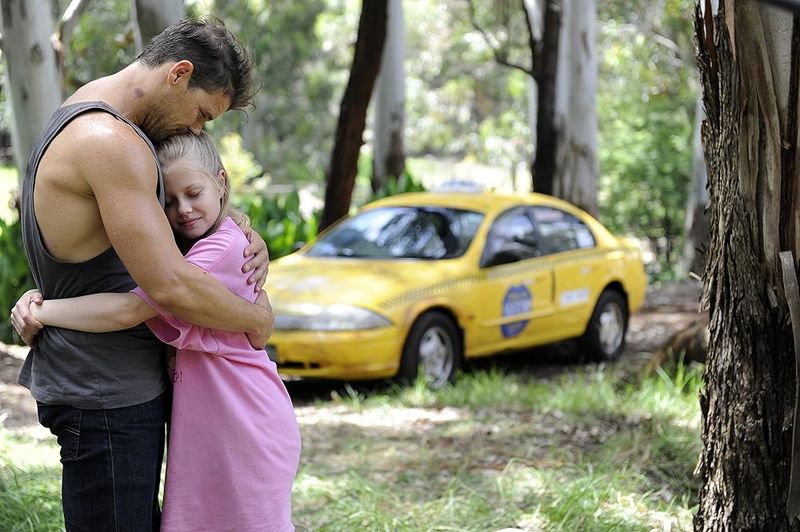
This Australian apocalypse film takes place during humanity’s last twelve hours as a global firestorm approaches Perth.
James initially plans to spend his final moments at a hedonistic party, numbing himself with his lover while the world ends.
He rescues a young girl named Rose and decides to reunite her with her father, finding unexpected meaning in his last hours.
They share genuine connection and small acts of kindness as civilization collapses into chaos around them.
But no amount of redemption changes the outcome—everyone dies when the firestorm arrives, erasing every choice, every relationship, every moment of beauty or cruelty equally.
The film argues that facing extinction with humanity intact matters, yet also acknowledges the cosmic indifference of total annihilation.
Connection provides comfort but not salvation when oblivion is absolute and unavoidable.
13. The Cabin in the Woods (2011)
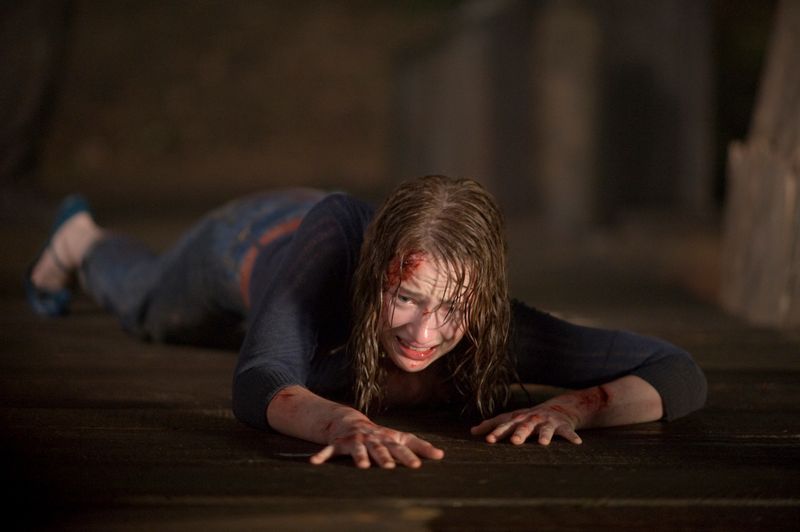
Drew Goddard and Joss Whedon deconstruct horror itself in this meta-narrative that reveals genre conventions as literal rituals.
Five college students visit a remote cabin, triggering tropes we’ve seen countless times—until the film reveals technicians are orchestrating everything from an underground facility.
The “Ancient Ones” demand annual sacrifices following specific archetypal patterns, or they’ll rise and destroy humanity.
Every horror movie we’ve ever watched was actually a documentary of these appeasement rituals happening globally.
When survivors Dana and Marty refuse to complete the ritual, they choose humanity’s destruction over participating in the cycle.
The Ancient Ones emerge as the facility crumbles, ending human civilization entirely.
The film argues that breaking toxic patterns might be worth apocalypse, offering the ultimate pyrrhic victory where principles triumph but everyone still dies.
14. The Babadook (2014)
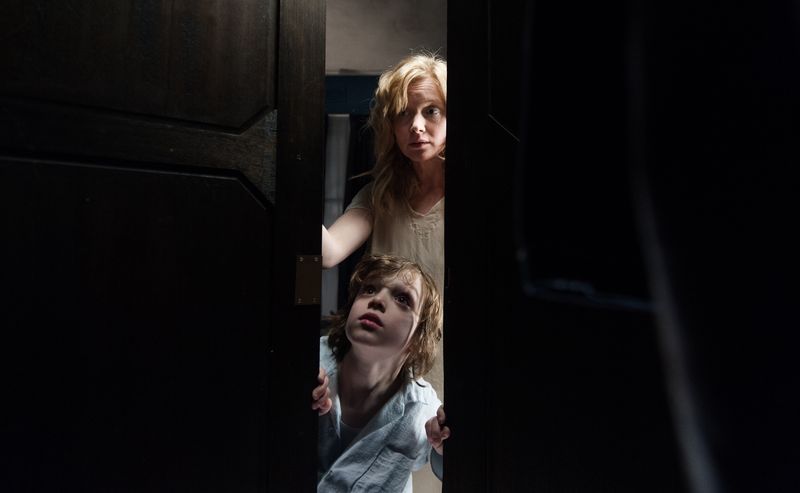
Jennifer Kent’s debut explores grief through supernatural horror as widowed mother Amelia struggles to raise her difficult son Samuel.
A sinister pop-up book introduces the Babadook, a top-hatted entity that begins manifesting in their home, growing stronger as Amelia’s mental state deteriorates.
The monster represents Amelia’s repressed trauma over her husband’s death and her complicated feelings toward Samuel, whose birth coincided with that loss.
Her attempts to destroy the book or deny the entity only make it more powerful and violent.
The film’s conclusion shows them containing the Babadook in their basement, where Amelia must regularly feed it.
This isn’t victory—it’s management.
Trauma cannot be defeated or erased, only acknowledged and controlled through constant effort.
The monster remains part of their lives forever, a dark presence requiring perpetual vigilance to prevent it from consuming them entirely.
15. Lake Mungo (2008)
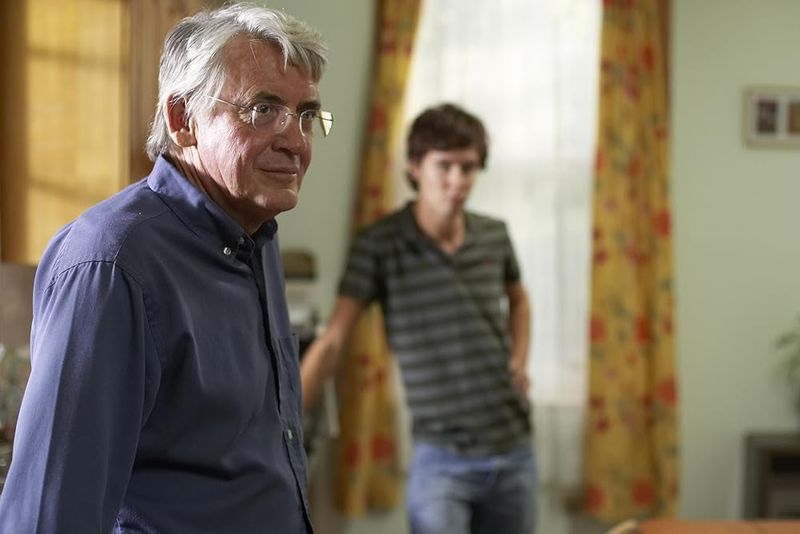
This Australian mockumentary unfolds like a true crime investigation after teenager Alice Palmer drowns.
Her family experiences paranormal activity, leading them to uncover secrets Alice kept before her death—including a disturbing premonition of her own corpse.
The family thinks they’ve found closure through various revelations and a fake haunting staged by Alice’s brother.
But a final review of footage reveals Alice’s ghost was actually present throughout, watching them, unnoticed.
The film ends with her spirit still lingering at Lake Mungo, suggesting she’s trapped or that the family will never truly understand what happened to her.
There are no dramatic confrontations or resolutions, just the quiet devastation of grief that never fully heals and questions that remain forever unanswered despite desperate searching.
Comments
Loading…