
 Hailey Watson
15 Hollywood Women Who Challenged Unrealistic Beauty Standards
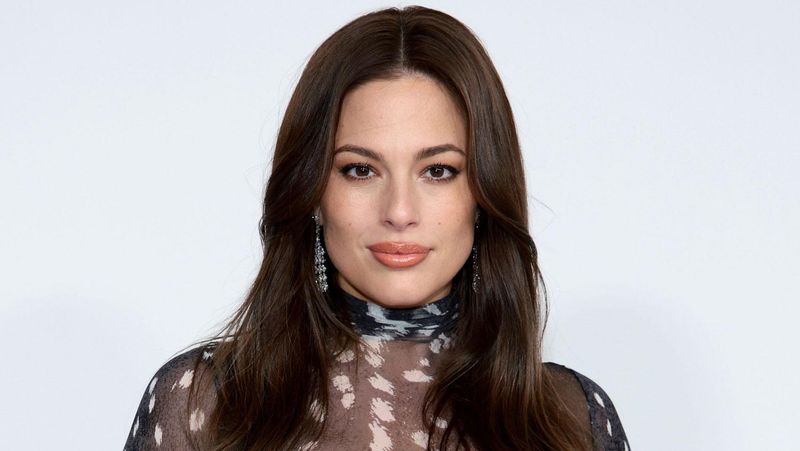
Hollywood has long pushed impossible beauty standards on women, demanding they shrink, change, or disappear to fit a narrow mold.
But a growing number of actresses and entertainers have refused to play along, speaking up about the pressures they faced behind the scenes.
Their honesty has helped shift the conversation from how women look to what they actually bring to the table.
These stories matter because they show that pushing back is not only possible — it can change an entire industry.
1. Amy Schumer
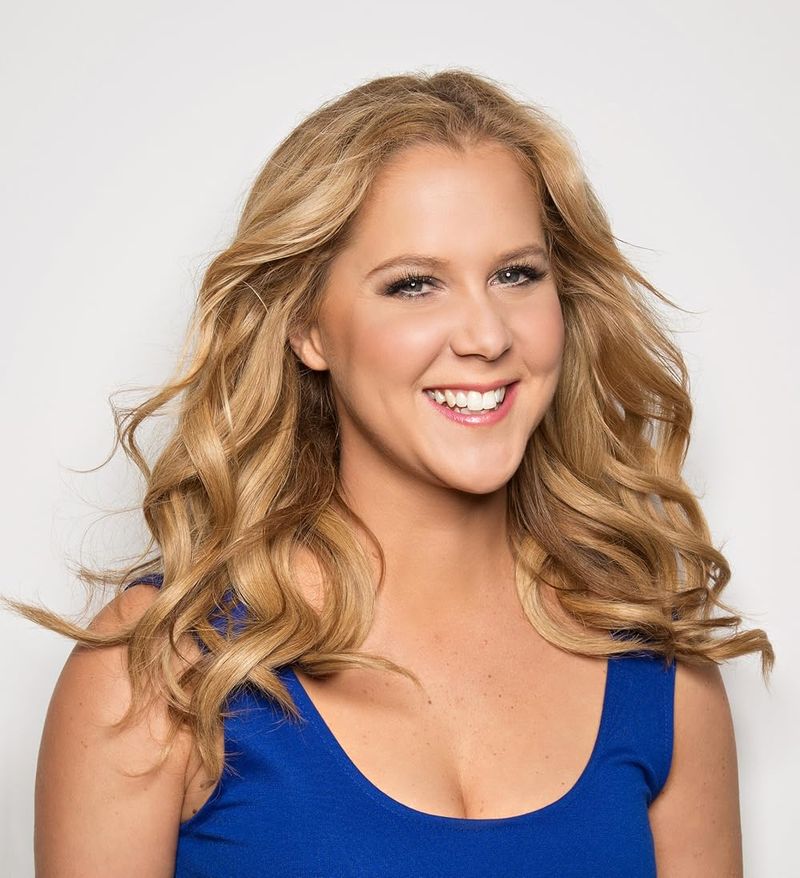
Someone in a position of power once told Amy Schumer that women above a certain weight simply were not watchable on screen.
Most people would have quietly tried to change themselves.
Schumer went public instead, turning that moment into a rallying point for honest conversations about body image in entertainment.
What made her response so powerful was the reframe.
She insisted that health means how well your body functions — not how closely it matches a visual standard set by someone else.
Her openness gave audiences permission to measure their own worth by something more meaningful than a number on a scale.
2. Kate Beckinsale
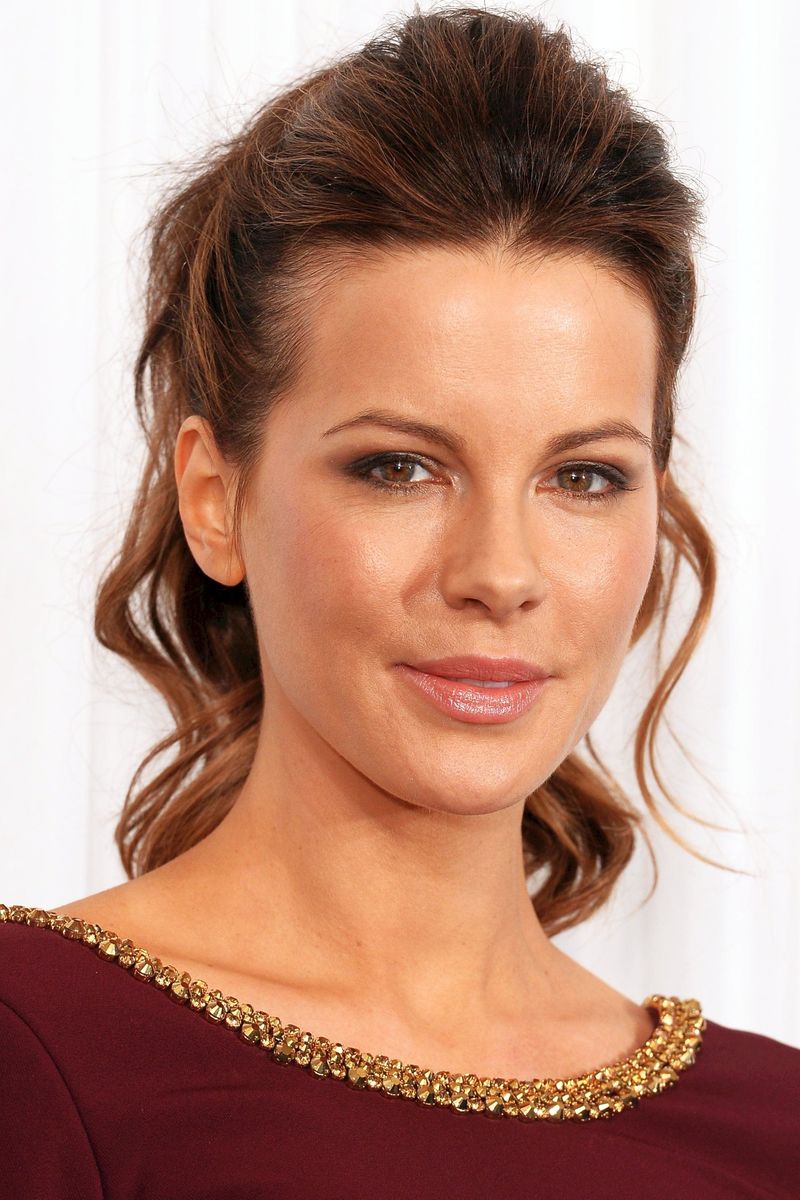
Even when the role had absolutely nothing to do with a character’s weight, Kate Beckinsale was asked to slim down for it.
She did not quietly comply — she pushed back and questioned the reasoning out loud.
That kind of public challenge is rare in an industry where silence is often the safer career move.
Her willingness to call out the illogic exposed something many fans already suspected: casting decisions in Hollywood are frequently driven by fantasy rather than what the story actually requires.
Beckinsale turned her frustration into a teachable moment about how deeply appearance-based bias runs through the entertainment world.
3. Rebel Wilson
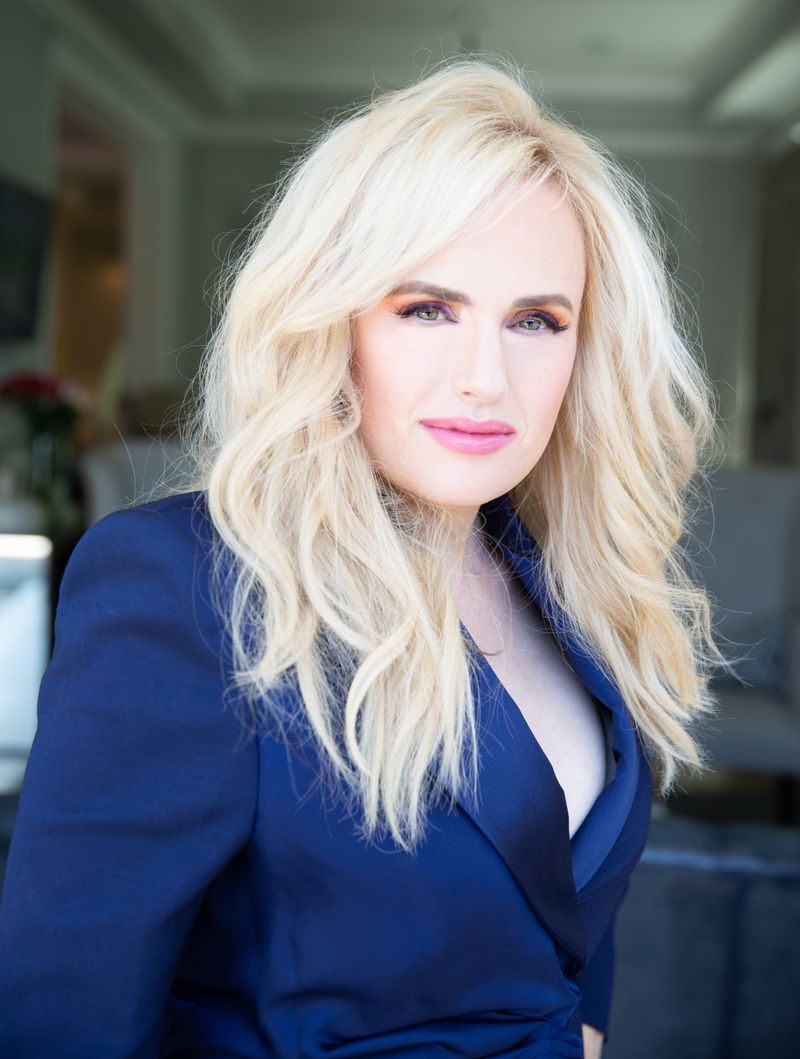
Rebel Wilson noticed something telling about her career: the opportunities that came her way shifted noticeably when her body changed — not when her skills did.
Her talent was exactly the same.
But the industry responded differently based on how she looked at any given time.
By naming this pattern out loud, Wilson shone a light on one of Hollywood’s most uncomfortable truths — that women are often valued for their appearance before their craft.
Her honesty was not a complaint; it was a mirror held up to an industry that needed to see its own reflection a little more clearly.
4. Ashley Graham
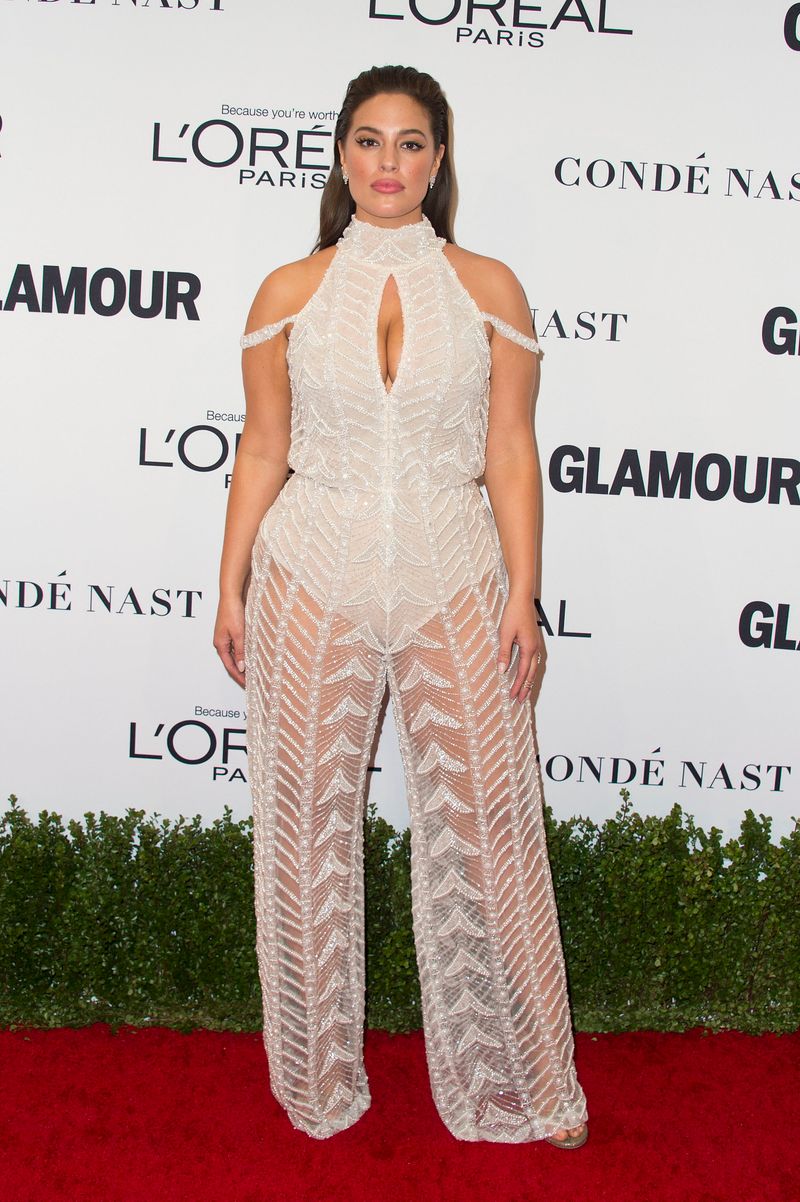
Before Ashley Graham became a household name, industry insiders told her straight up that her size would keep her from ever making it big.
She ignored every word of that.
Instead of punishing her body with extreme diets, she chose to nourish it and show up fully as herself.
That decision paid off in a massive way.
Graham became a Sports Illustrated cover star, a talk show host, and a global advocate for body inclusivity.
Her visibility helped push brands, designers, and casting directors to rethink who gets to be seen as beautiful in the first place.
5. Amanda Seyfried
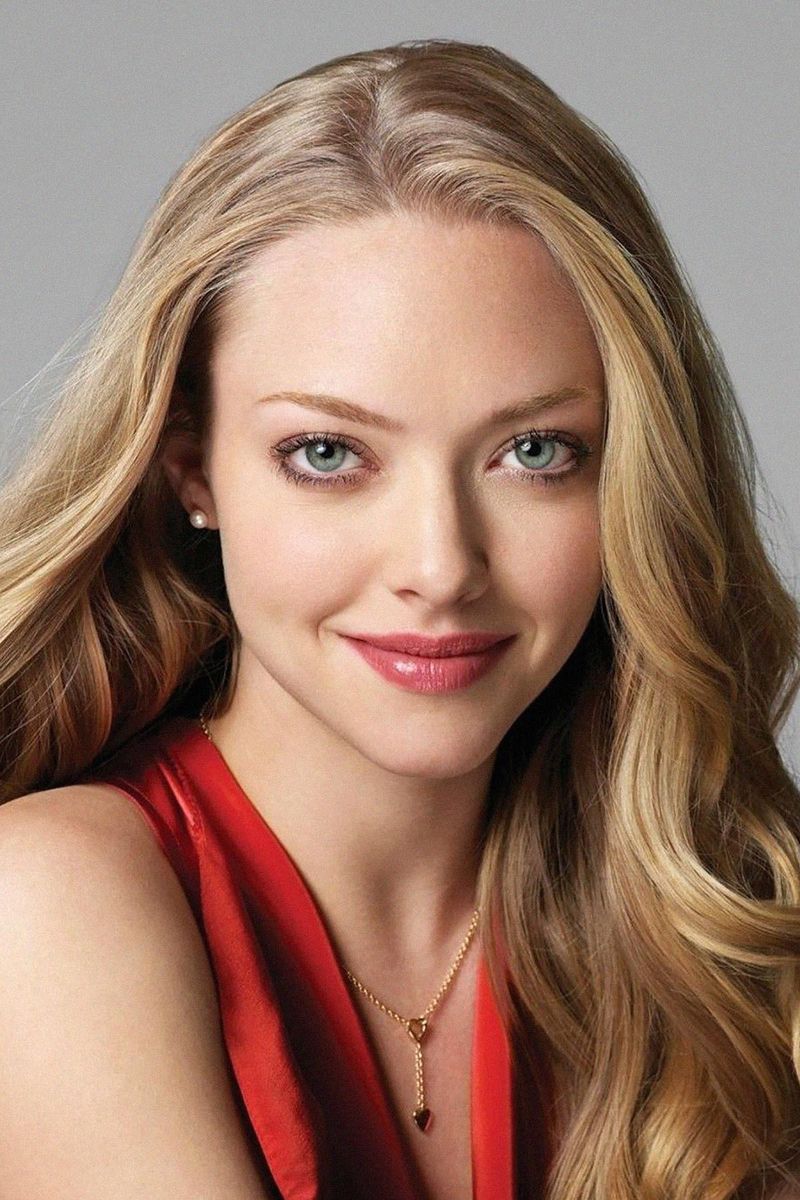
Early in her career, Amanda Seyfried genuinely believed that being thin was the price of admission in Hollywood.
That belief shaped her choices, her habits, and the way she saw herself.
It was not until later that she recognized how damaging that mindset had been — and chose to speak about it openly.
Her honesty gave language to a fear that many young actresses carry quietly: the worry that their worth on screen is tied entirely to their size.
Seyfried’s shift in perspective helped normalize the idea that an actress’s craft, range, and emotional depth matter far more than fitting a particular physical mold.
6. Christina Hendricks
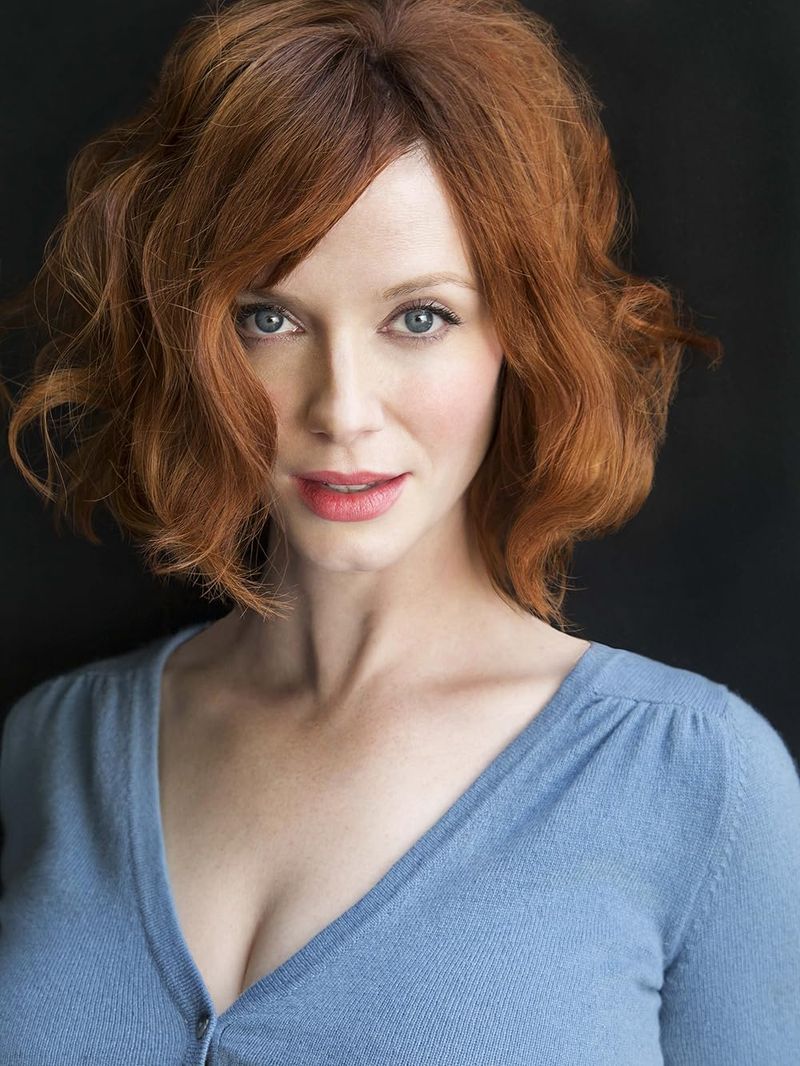
Early in her career, Christina Hendricks faced pressure to lose weight.
She said no. At the time, the industry treated her curves as a problem to be fixed rather than a feature to be celebrated.
Fast forward a few years, and those same curves became widely praised as iconic.
What changed?
Mostly, her refusal to apologize for them.
Hendricks is living proof that industry standards do not actually lead — they follow.
When a woman holds her ground with enough confidence and consistency, the culture around her often adjusts.
That is a lesson worth keeping long after the credits roll.
7. Bryce Dallas Howard
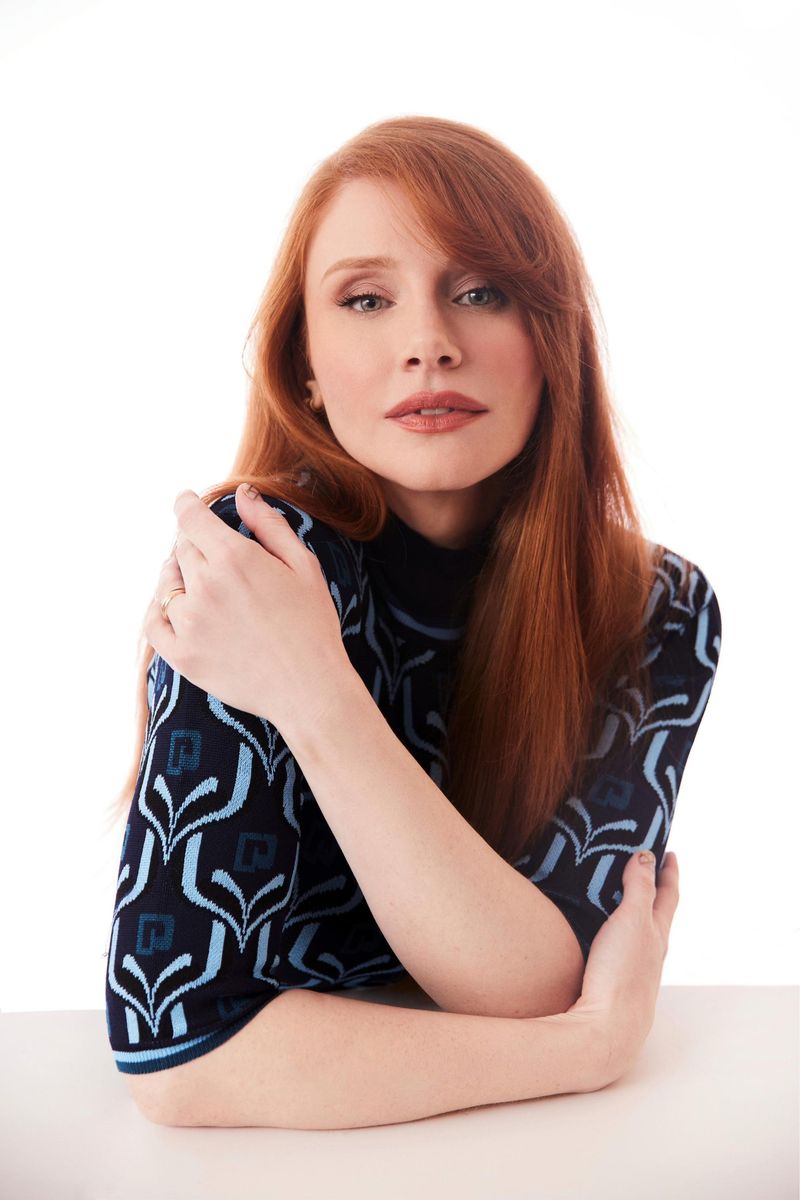
Bryce Dallas Howard made a clear decision: she would set expectations with studios about her body upfront, and she would not budge on them.
Rather than treating self-respect as something personal and private, she made it part of how she operates professionally.
That reframing is quietly radical in an industry built on image control.
By refusing to physically transform for roles that never required it, Howard demonstrated that protecting your sense of self is not a liability — it is a form of professional integrity.
Her approach offers a practical model for anyone navigating a workplace that tries to make appearance a bargaining chip.
8. Carrie Fisher
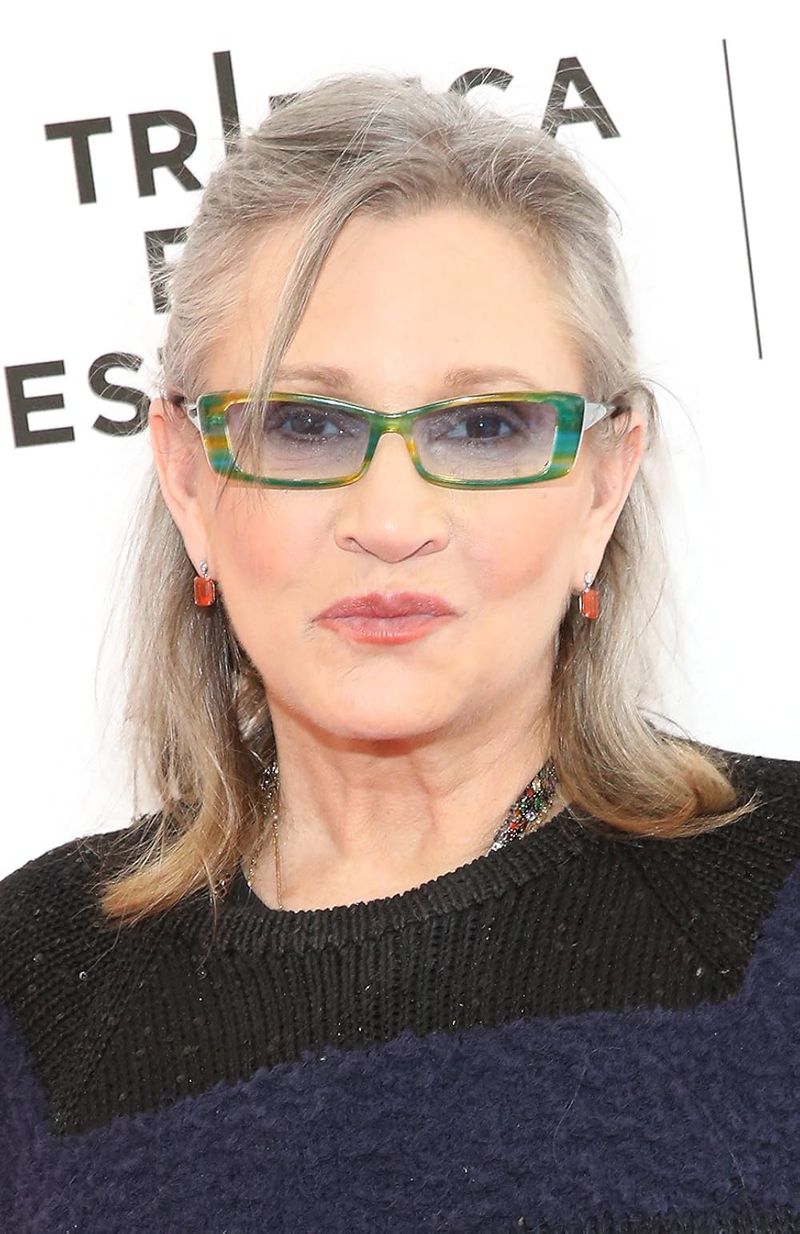
Even decades after her most famous role, Carrie Fisher was still being criticized for her weight.
Hollywood expected her to look the same as she had at 19 — and when she did not, people said so publicly.
Fisher fired back with characteristic wit and zero tolerance for the absurdity of it all.
Her famous response — that she would put her age and size in her will as a reminder that her body was not an apology — became a cultural touchstone.
Fisher reminded everyone that beauty is not something a woman owes the world.
It is not an achievement, and it is certainly not a debt.
9. Misty Copeland
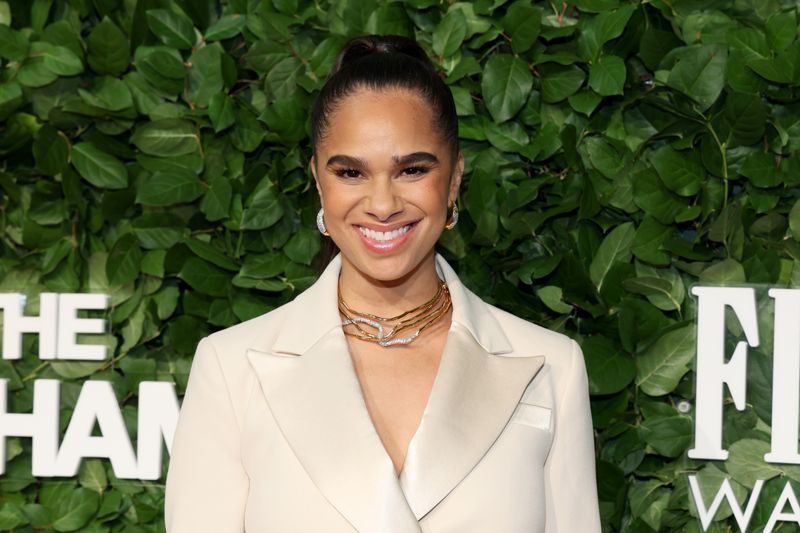
Misty Copeland was already excelling at the highest levels of ballet when she was told to change her physique.
Think about that for a moment — her body was already doing extraordinary things, and still it was deemed not quite right by those in charge.
She chose performance over conformity, and history sided with her.
Copeland became the first African American female principal dancer at American Ballet Theatre, shattering both racial and body-type barriers simultaneously.
Her career forced the dance world to reconsider what strength, grace, and elegance actually look like — and the answer turned out to be far broader than anyone had previously admitted.
10. Jennifer Lawrence
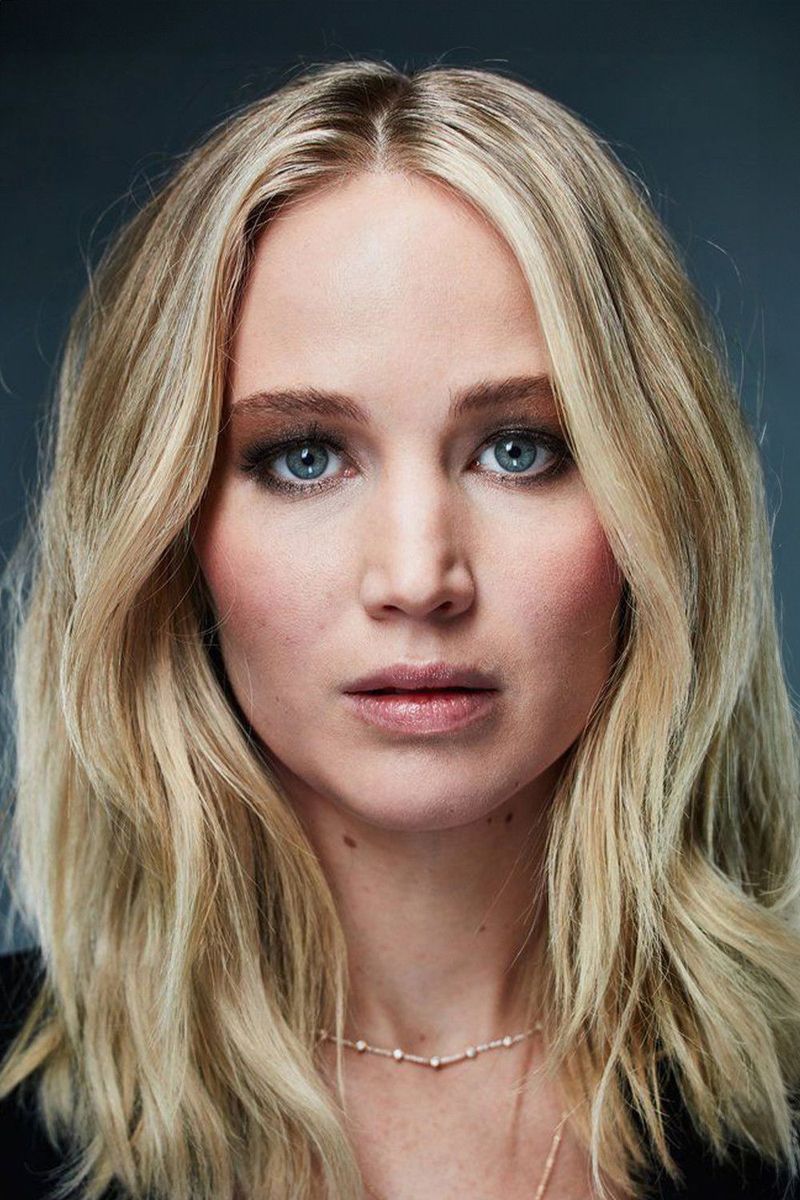
Jennifer Lawrence was asked to lose weight for some of the biggest roles of her career.
She refused.
Her reasoning was not just personal — she thought carefully about the young girls who would be watching those films and what message a visibly shrinking leading lady would send to them.
Even holding an Oscar does not make you immune to Hollywood’s body demands, and Lawrence made that clear.
But she also proved that pushing back is possible without sacrificing success.
Her stance helped normalize the idea that an actress can hold her ground on body image and still headline blockbuster franchises worth billions of dollars.
11. Jennifer Aniston
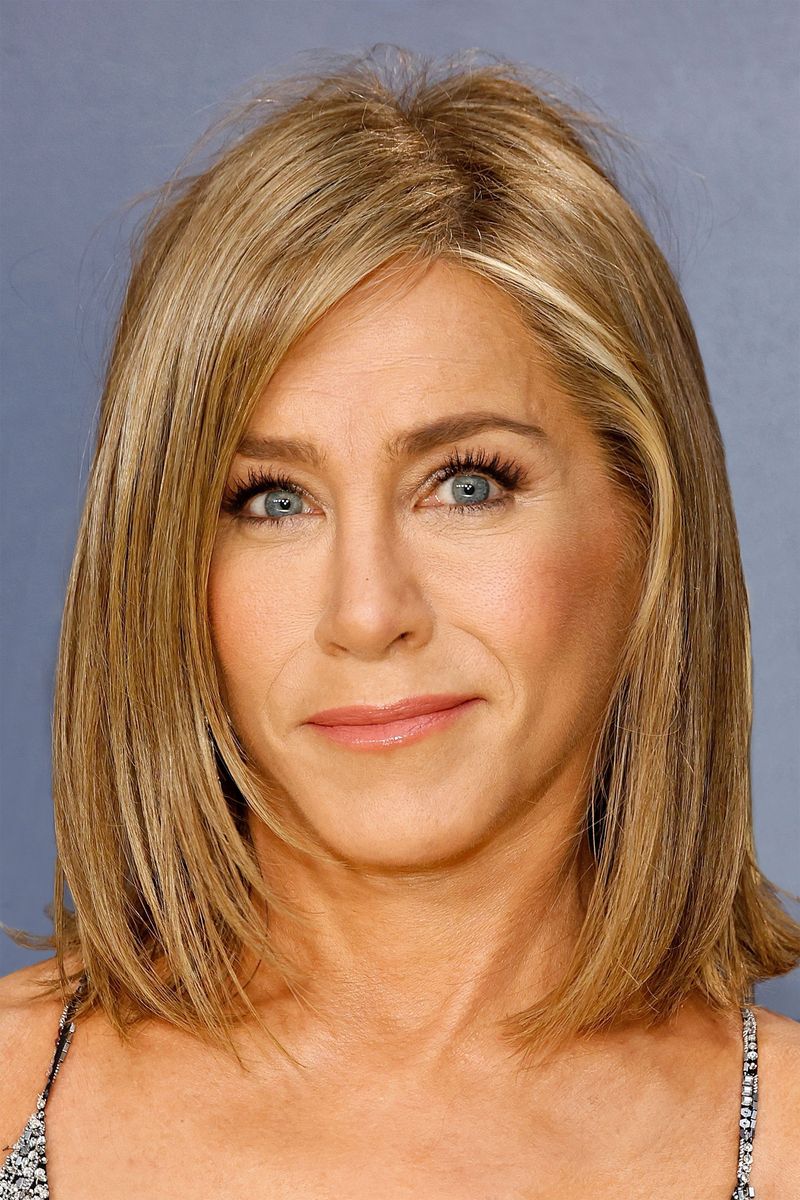
When Jennifer Aniston was just starting out, she was told her weight was holding her career back.
She lost the weight.
For a long time, that story stayed private — just another quiet sacrifice made by a young woman trying to break into a brutal industry.
Years later, she talked about it.
That honesty mattered because it revealed how completely normalized body criticism was for women entering Hollywood.
It was not an exception; it was standard operating procedure.
By sharing her experience, Aniston helped younger generations understand that the pressure they face is systemic — and that naming it out loud is the first step to changing it.
12. Amber Riley
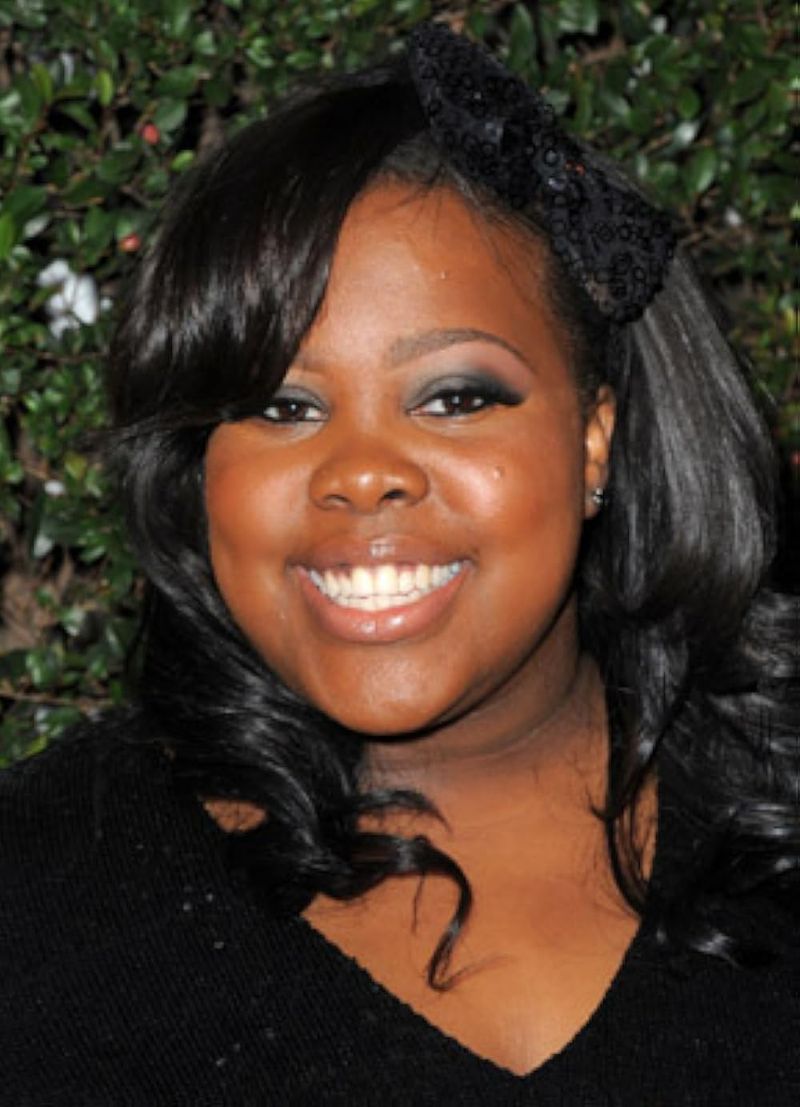
Amber Riley made a deliberate choice: she would not harm herself to meet an industry standard that was never designed with her in mind.
When roles came along that used her size as a punchline, she passed on them.
That kind of refusal takes real courage when you are still building a career.
What Riley modeled was something quieter than a protest but just as powerful — self-protection as a form of leadership.
By drawing that line for herself, she showed other women in similar positions that walking away from harmful opportunities is not weakness.
Sometimes it is the most strategic and self-honoring move available.
13. Florence Pugh
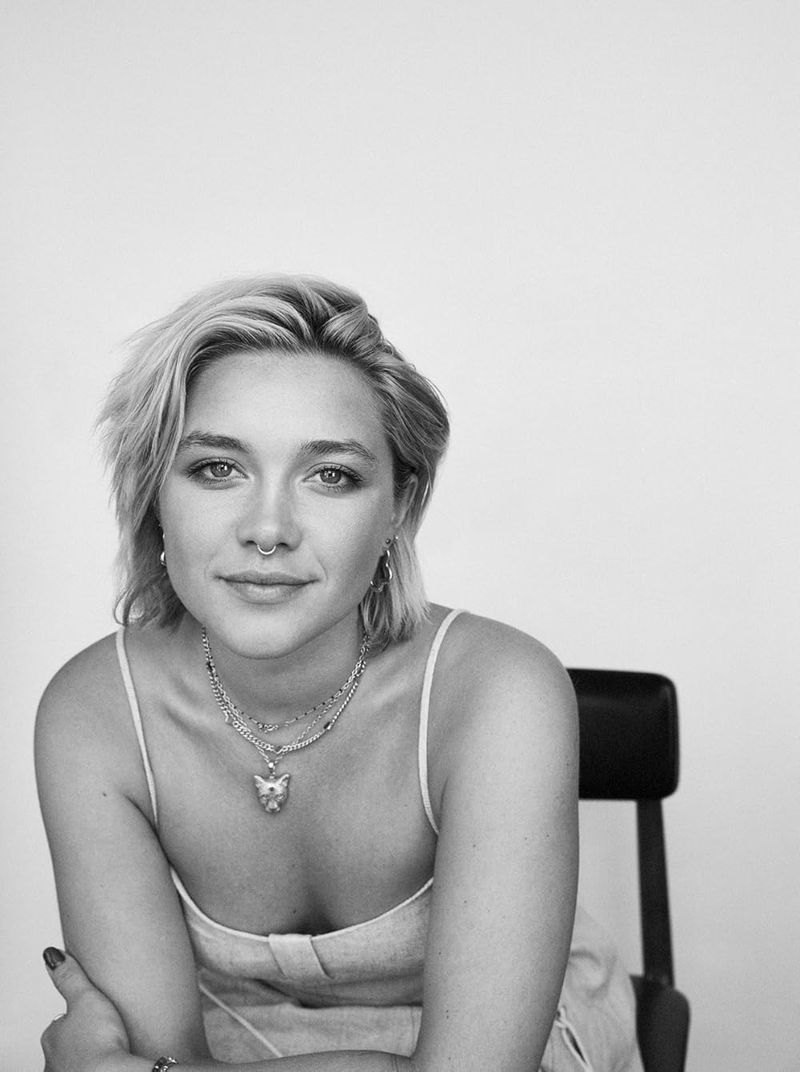
Florence Pugh faced pressure to change her body early in her career and pushed back almost immediately.
Even as she landed bigger and bigger roles in major productions, she continued to refuse the constant physical monitoring that the industry often treats as routine for women on screen.
For Pugh, this is fundamentally about autonomy — the right to make decisions about her own body without needing anyone else’s approval.
She has spoken about it with a directness that feels refreshing in an industry that usually expects gratitude over honesty.
Her stance is a reminder that self-ownership does not shrink to fit a role description.
14. Margot Robbie

Right at the start of her Hollywood career, Margot Robbie was handed strict dieting expectations as if they were just another part of the job description.
She looked at those expectations and chose not to follow them.
For someone still establishing herself in one of the world’s most competitive industries, that took serious nerve.
What her refusal demonstrated is something the industry rarely acknowledges: authenticity and genuine confidence can carry more screen presence than any manufactured version of a body ever could.
Robbie went on to become one of the most bankable stars in Hollywood, which makes her early pushback feel less like a risk and more like wisdom.
15. Demi Moore
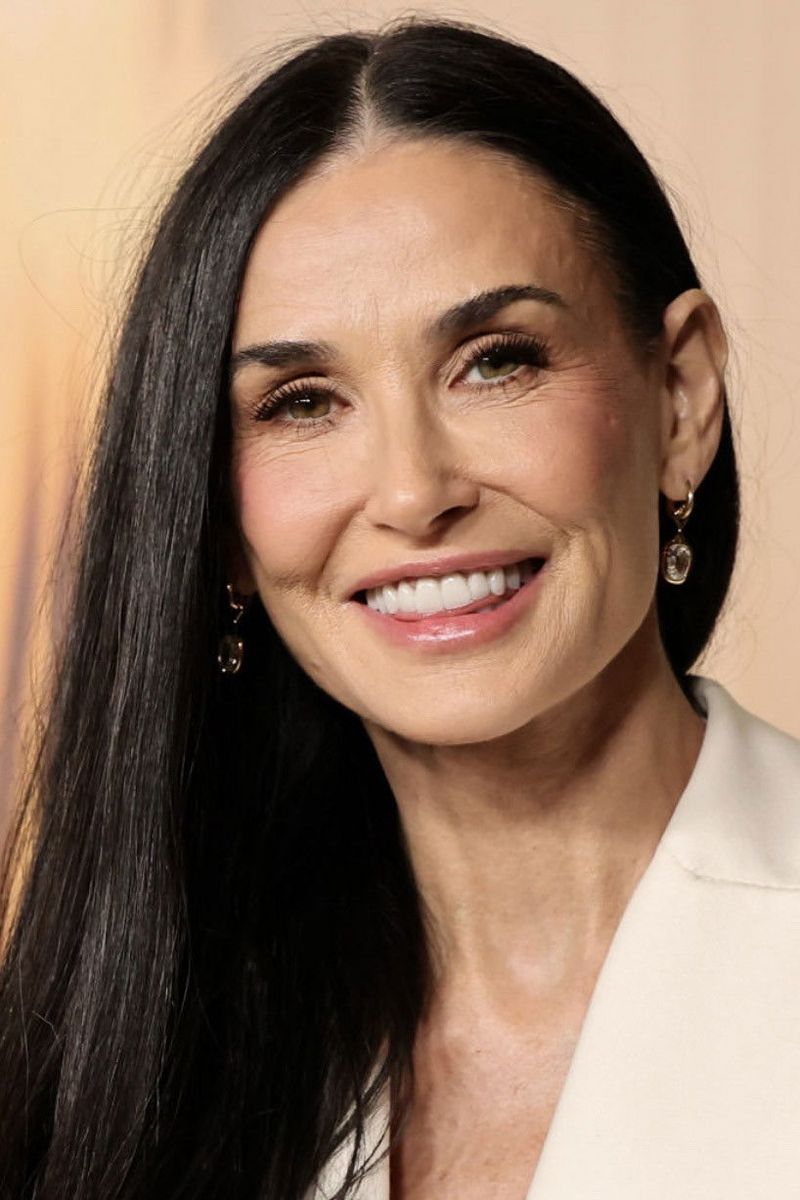
Demi Moore developed an eating disorder after years of being pressured to lose weight for Hollywood roles.
She eventually shared this in her memoir, pulling back the curtain on just how much damage the industry’s obsession with controlling women’s bodies can cause over time.
This was not a brief struggle — it shaped years of her life.
Her story is a sobering reminder that unrealistic beauty standards are not just annoying or unfair — they carry real, lasting health consequences.
Moore’s willingness to name what happened to her transformed a deeply personal wound into a warning that the entertainment industry, and the culture around it, still very much needs to hear.
Comments
Loading…