
 Mila Ross
15 Hollywood Feuds That Were Way Deeper Than They Seemed
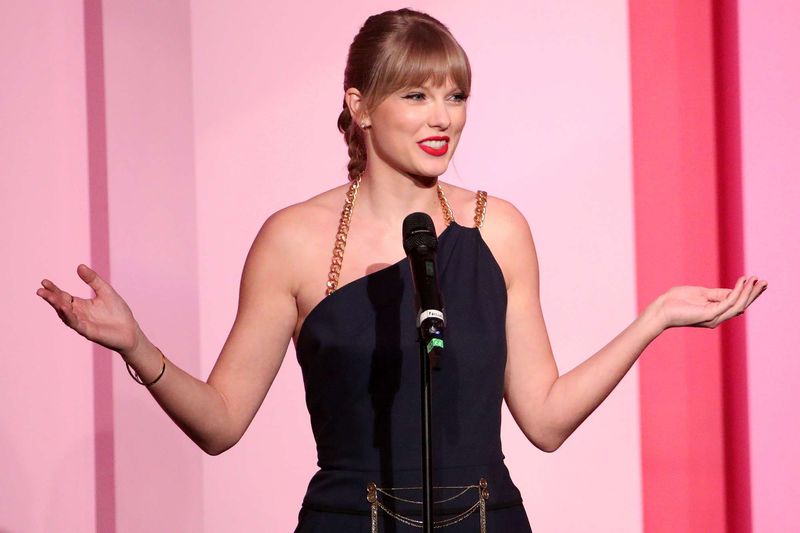
Hollywood has always been filled with drama, both on-screen and off.
Some celebrity feuds seem like simple disagreements, but many hide much bigger issues about power, money, and control.
These conflicts often reveal uncomfortable truths about how the entertainment industry really works and who gets to call the shots.
1. Kim Cattrall vs. Sarah Jessica Parker
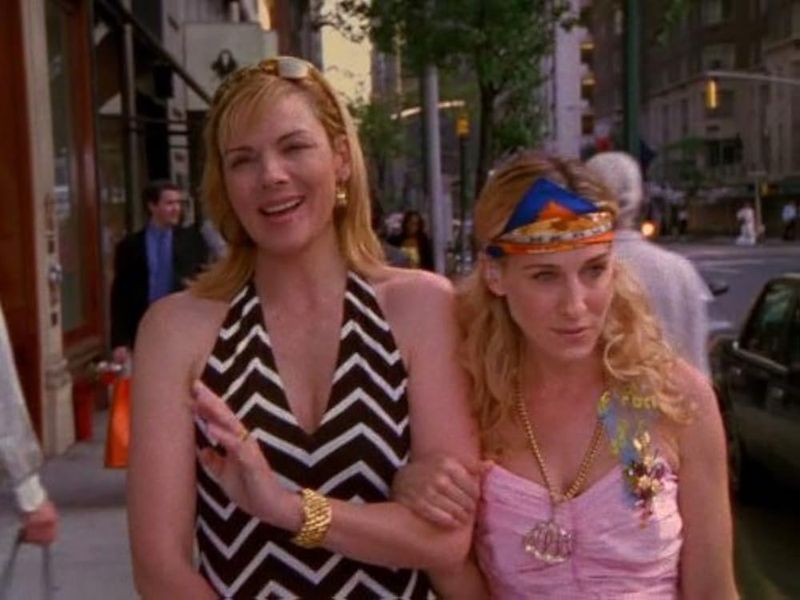
The tension behind Sex and the City was rooted in unequal pay and power rather than personality clashes.
Cattrall’s refusal to conform to a narrative of unity challenged expectations placed on women in entertainment.
The fallout highlighted how silence is often mistaken for professionalism.
While the public saw catfights, the reality involved legitimate grievances about compensation and respect.
Cattrall stood firm on her worth despite pressure to play nice.
The media often painted her as difficult, but she was simply demanding fairness.
This feud showed how women who advocate for themselves get labeled negatively.
Their conflict remains a lesson in workplace equality.
2. Kanye West vs. Jay-Z

Their fallout reflected diverging paths as Jay-Z gained institutional power while Kanye grew increasingly erratic.
What once felt like brotherhood slowly became strained by imbalance and unmet loyalty expectations.
The feud revealed how success can quietly redefine personal relationships.
Jay-Z’s business empire contrasted sharply with Kanye’s unpredictable public behavior.
Both artists had different visions of what success and friendship should look like.
Public rants and cryptic lyrics replaced private conversations.
The breakdown illustrated how fame complicates even the strongest bonds.
Their story is a cautionary tale about ambition and loyalty colliding in unexpected ways.
3. Taylor Swift vs. Scooter Braun
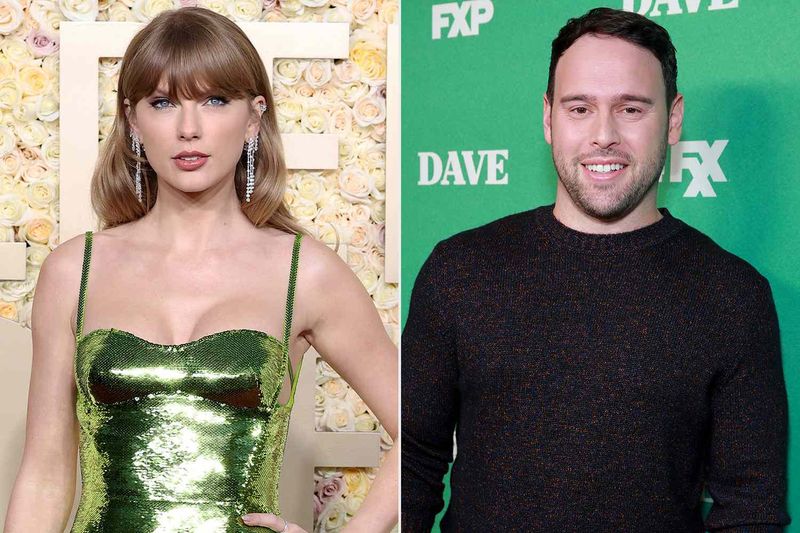
What appeared to be a business dispute over music ownership exposed a long-standing industry practice that left artists without control over their work.
Braun’s acquisition of Swift’s masters symbolized that imbalance and sparked widespread backlash.
Swift’s decision to re-record her albums turned the feud into a landmark fight for artist autonomy.
Her public stance empowered other musicians to speak out about similar injustices.
The conflict wasn’t just personal—it challenged how the music business treats creators.
Fans rallied behind Swift, making this more than a celebrity squabble.
It became a movement about fairness and ownership in creative industries.
4. Britney Spears vs. Her Family
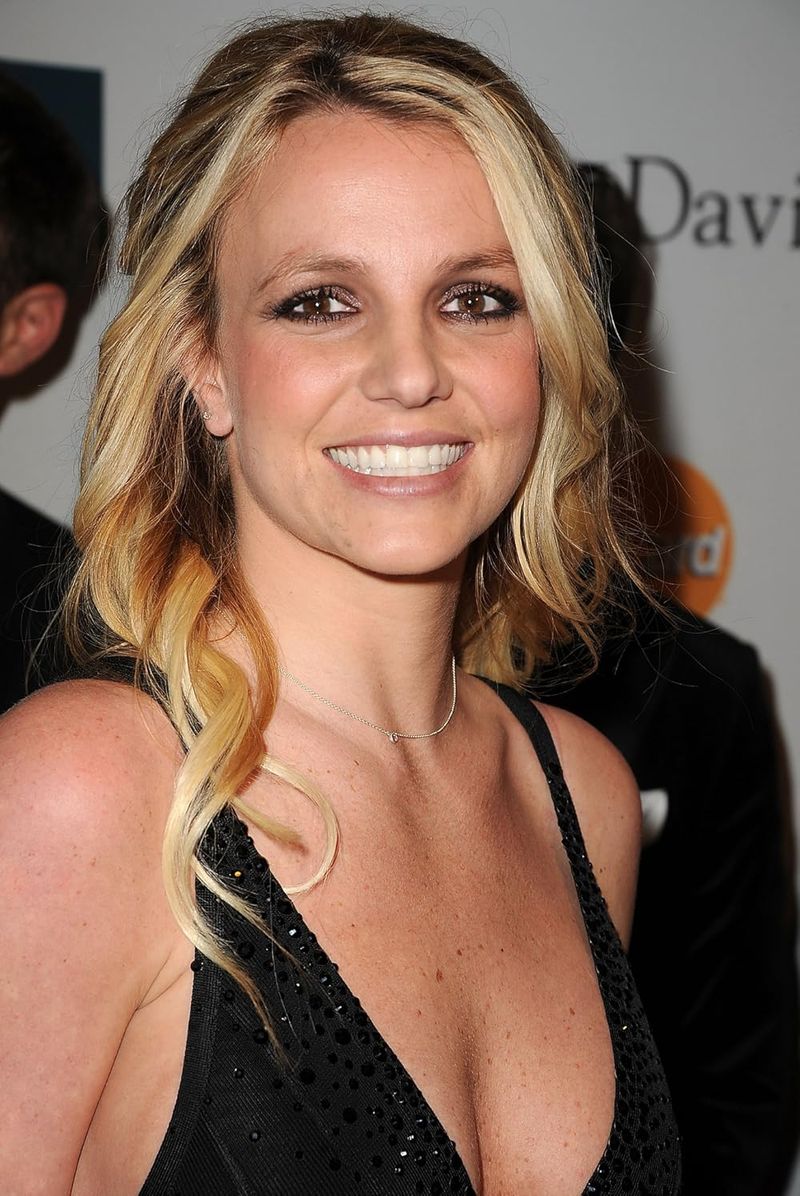
This conflict went far beyond family drama and centered on control disguised as care.
The conservatorship stripped Spears of autonomy while profiting from her labor.
Its collapse sparked global conversations about exploitation and personal rights.
For over a decade, Britney couldn’t make basic decisions about her own life.
Her family benefited financially while she remained trapped.
The #FreeBritney movement brought attention to abuses hidden behind legal guardianship.
When the conservatorship finally ended, it marked a victory for disability rights advocates everywhere.
Britney’s battle exposed how systems meant to protect can become tools of control.
Her courage inspired countless others to speak up.
5. Olivia Wilde vs. Florence Pugh
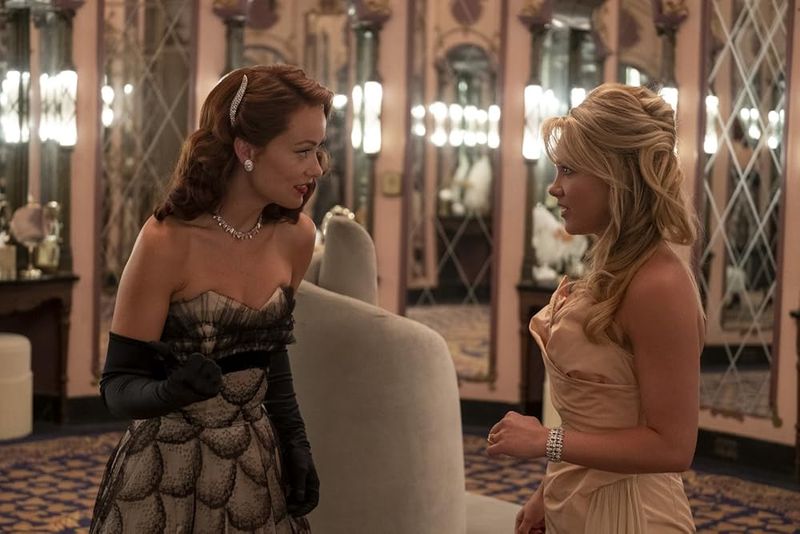
The tension surrounding Don’t Worry Darling was less about gossip and more about narrative control.
Wilde’s public framing clashed with Pugh’s strategic silence.
Their dynamic highlighted how power often dictates whose voice is amplified.
Behind-the-scenes conflicts became tabloid fodder, but the real issue involved directorial authority and actor autonomy.
Pugh’s minimal promotion spoke volumes without saying much.
She refused to participate in a narrative she didn’t control.
Wilde faced criticism for how she handled the situation publicly.
The feud demonstrated how Hollywood still struggles with women in leadership positions.
Both women navigated a minefield of public perception and professional boundaries.
6. Madonna vs. Lady Gaga
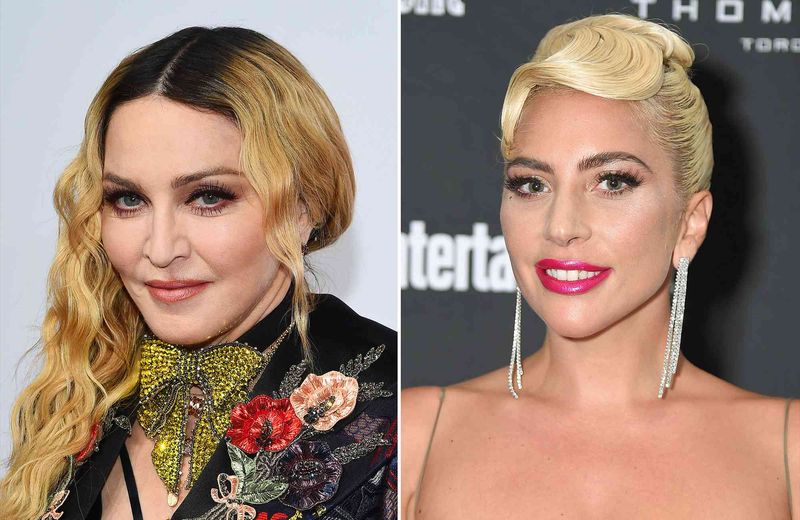
Accusations of imitation masked a deeper struggle over legacy and cultural ownership.
Madonna saw her influence reflected back through a new generation without acknowledgment.
The feud revealed how innovation and inheritance collide in pop culture.
Gaga’s rise coincided with Madonna’s attempt to remain relevant in a changing industry.
Comparisons were inevitable, but Madonna’s public comments suggested genuine frustration.
She felt her pioneering work was being repackaged without credit.
Gaga, meanwhile, carved her own path while clearly drawing inspiration from icons before her.
The conflict highlighted generational tensions in entertainment.
Both artists redefined pop music, but the question of originality lingered uncomfortably.
7. Johnny Depp vs. Amber Heard
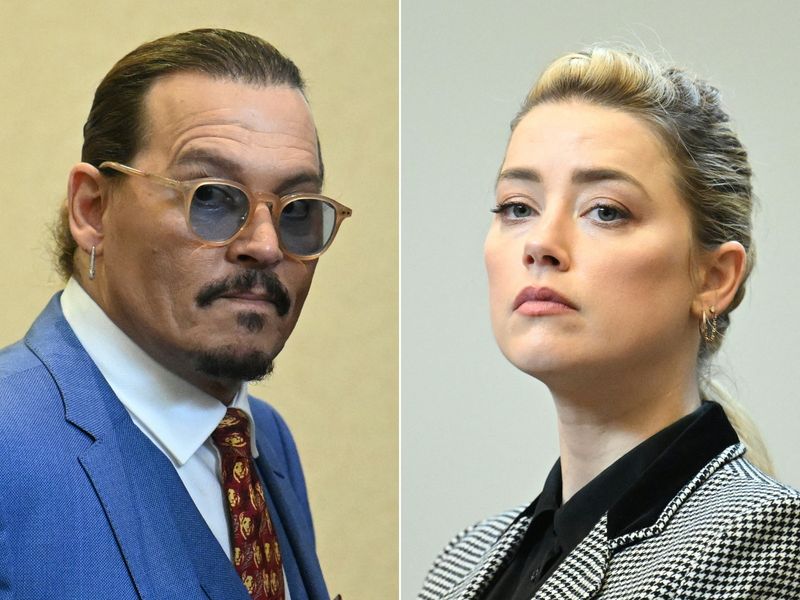
What began as a private breakup evolved into a global spectacle shaped by media and social platforms.
Public opinion became a parallel courtroom, often flattening complexity into sides.
The feud demonstrated how fame can distort justice and truth.
Both parties made serious allegations that played out in multiple legal battles.
Social media turned the trial into entertainment, with fans choosing teams.
The nuance of domestic violence discussions got lost in viral moments and memes.
The outcome raised questions about believability, gender, and celebrity status.
Neither party emerged unscathed from the public scrutiny.
This feud became a cultural flashpoint about accountability and perception.
8. Mariah Carey vs. Jennifer Lopez
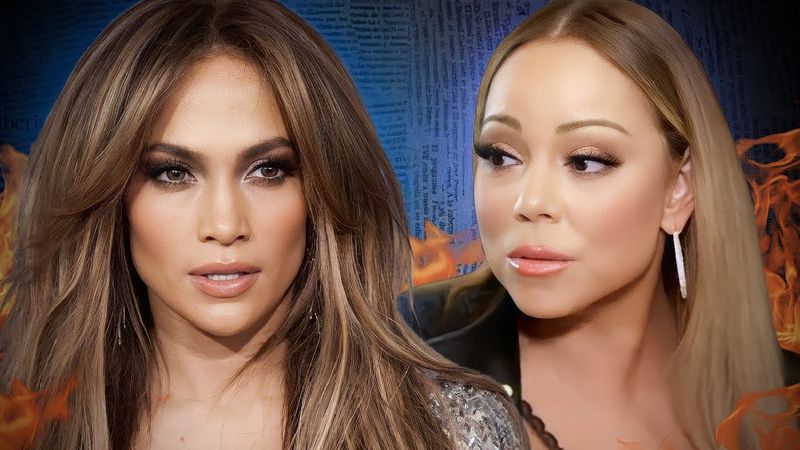
Carey’s refusal to acknowledge Lopez wasn’t trivial but symbolic.
Recognition in the music industry operates as power, and withholding it can be strategic.
The silence spoke volumes about status and validation.
When Carey famously said “I don’t know her,” it became iconic for its dismissiveness.
Lopez had transitioned from dancing to singing, entering Carey’s territory.
The perceived slight reflected territorial instincts in a competitive industry.
Years of subtle jabs and indirect comments kept the feud alive.
Fans fueled the rivalry by constantly comparing their careers.
What seemed petty actually revealed how female artists are pitted against each other for limited spotlight.
9. Gwyneth Paltrow vs. Winona Ryder
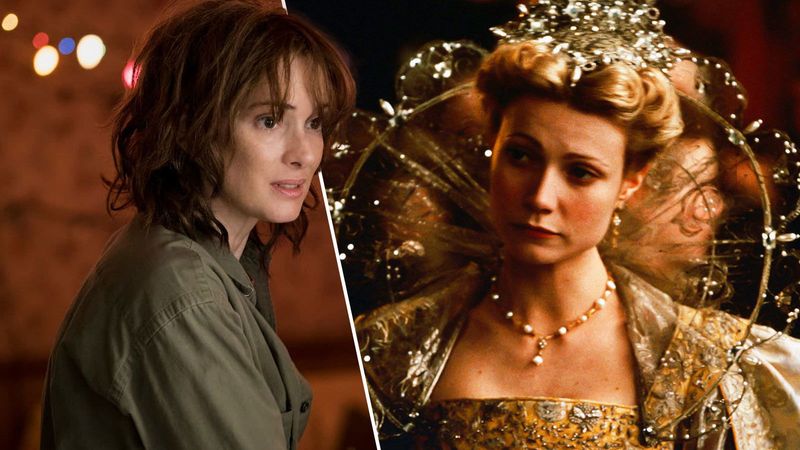
Their rumored fallout reflected the scarcity of roles for women in Hollywood.
Competition for limited opportunities fostered suspicion and rivalry.
The feud illustrated how systemic pressure can turn peers into adversaries.
Stories circulated about stolen scripts and broken friendships during their 1990s heyday.
Both actresses competed for the same prestigious parts in an unforgiving industry.
The alleged betrayal became Hollywood legend, though details remain murky.
Their conflict highlighted how young actresses were forced to view each other as threats.
The system created an environment where collaboration felt impossible.
Today, both have reflected on that era’s intense competition with more perspective and understanding.
10. Ryan Murphy vs. Former Collaborators

Repeated disputes over credit and control revealed a pattern rather than isolated incidents.
Murphy’s brand often overshadowed the creatives behind his projects.
The conflict highlighted how collaboration can coexist with centralized power.
Several writers and producers have spoken about feeling undervalued on Murphy’s shows.
His name became synonymous with success, but questions arose about whose stories were being told.
Credit disputes became public, revealing tensions about authorship.
Murphy’s prolific output came with a cost to some creative relationships.
The pattern suggested systemic issues about how showrunners wield power.
These feuds forced conversations about equity and recognition in television production.
11. Shannen Doherty vs. Her Co-Stars

Doherty’s reputation was shaped by conflict narratives that ignored nuance.
Health issues and workplace dynamics were flattened into a single label of “difficult.”
The feud showed how reputations are built—and weaponized—in Hollywood.
Her departures from Beverly Hills 90210 and Charmed were framed as personality problems.
Later revelations suggested more complicated workplace situations and health challenges.
Doherty herself pushed back against the one-dimensional portrayal.
The “difficult woman” label has haunted her career for decades.
Her story illustrates how Hollywood punishes women who don’t conform to expectations.
Looking back, many recognize how unfairly she was characterized and how little support she received.
12. Oprah Winfrey vs. Mo’Nique

Their disagreement stemmed from pay disputes and expectations of compliance.
Mo’Nique’s refusal to stay silent was framed as ungratefulness.
The feud exposed how power enforces silence under the guise of professionalism.
Mo’Nique felt she was unfairly compensated and then blacklisted for speaking up.
Oprah’s involvement added complexity, given her position as a powerful Black woman in entertainment.
The conflict raised questions about solidarity and industry gatekeeping.
Mo’Nique’s career suffered significantly after the public dispute.
Her experience became a cautionary tale about challenging powerful figures.
The feud highlighted how speaking truth to power comes with real professional consequences, especially for Black women.
13. Leonardo DiCaprio vs. the Studio System
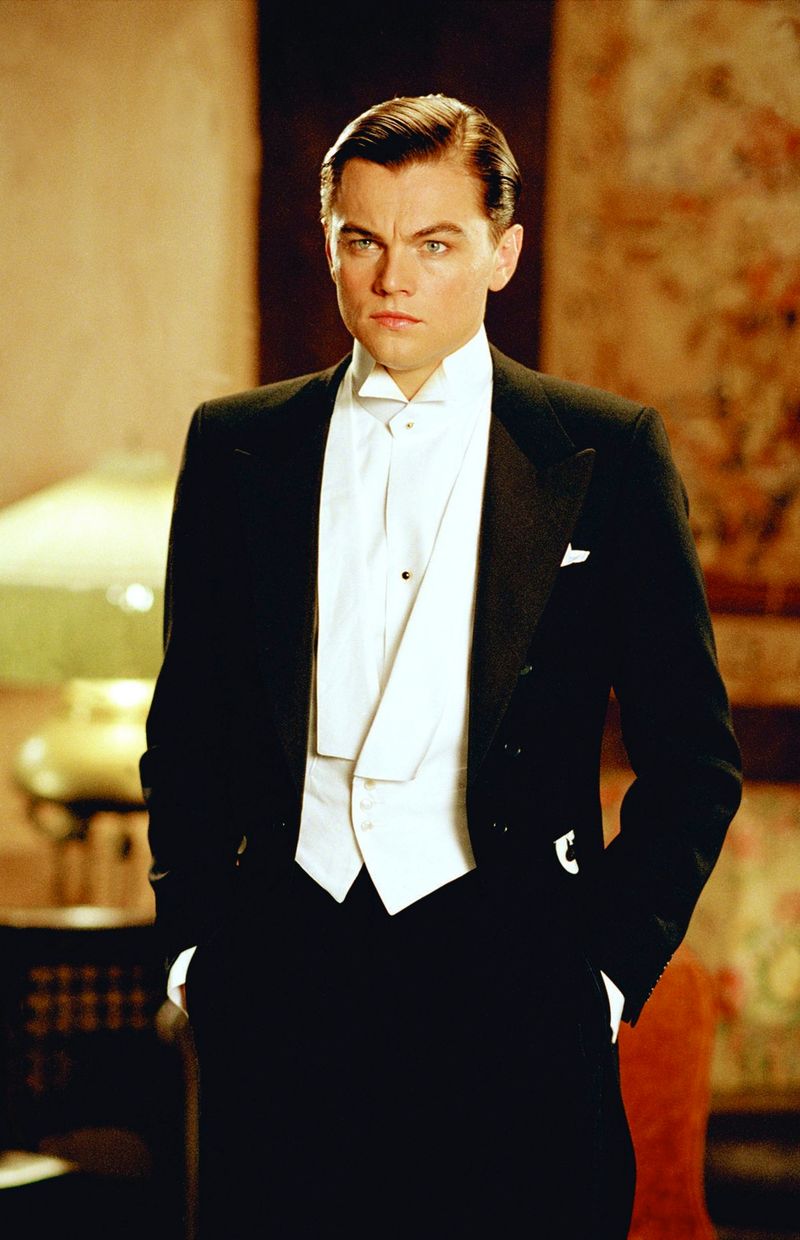
DiCaprio’s avoidance of franchises functioned as quiet resistance.
By limiting overexposure, he maintained creative leverage.
The feud proved that opting out can be a powerful industry statement.
While other A-listers committed to multi-film deals, DiCaprio chose selective projects with acclaimed directors.
This strategy preserved his artistic credibility and negotiating power.
Studios wanted him for blockbusters, but he consistently declined.
His choices allowed him to work on passion projects like environmental documentaries.
The approach demonstrated an alternative path to sustained Hollywood success.
DiCaprio’s career became proof that actors don’t need franchises to remain relevant and influential.
14. Will Smith vs. Chris Rock
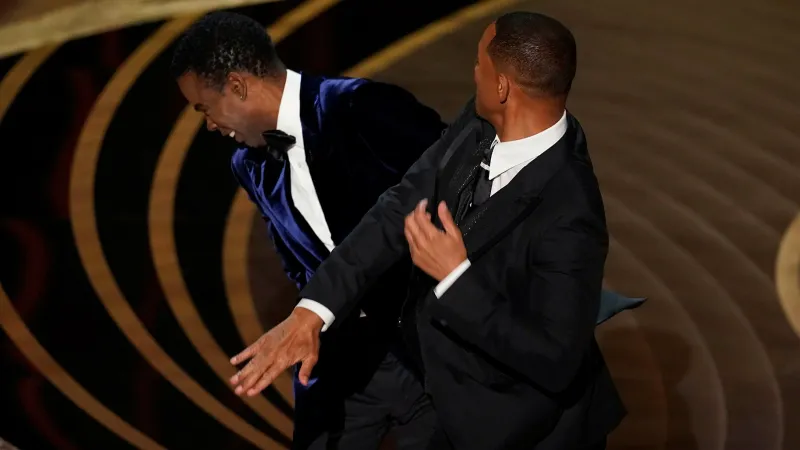
The Oscars slap was the eruption of deeper tensions surrounding respect, race, and public humiliation.
What looked impulsive reflected long-simmering cultural fault lines.
The aftermath forced Hollywood to confront accountability and spectacle.
Rock’s joke about Jada Pinkett Smith triggered a physical response that shocked millions watching live.
The incident became instant global news, overshadowing the entire ceremony.
Complex discussions about masculinity, protection, and boundaries followed.
Smith faced professional consequences including a ten-year Academy ban.
Rock addressed it in his comedy, processing the experience publicly.
The feud revealed how personal pain and public personas collide in unpredictable, explosive ways.
15. Arnold Schwarzenegger vs. Sylvester Stallone
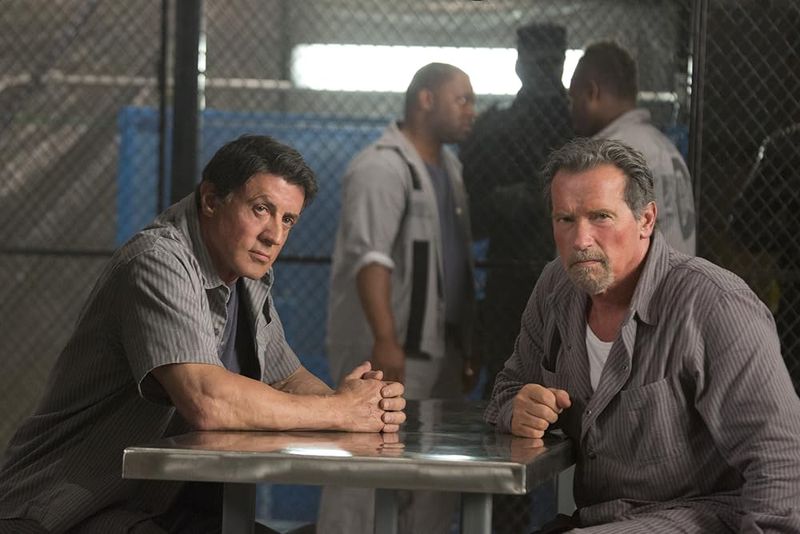
Their rivalry extended beyond box office numbers into identity and masculinity.
Each star embodied competing visions of the action hero era.
The feud helped define an entire genre and its cultural impact.
During the 1980s and 1990s, their competition was legendary and sometimes petty.
They compared physiques, paychecks, and opening weekend numbers.
The rivalry pushed both to bigger stunts and more outrageous action sequences.
Eventually, they became friends and even co-starred together.
Their reconciliation showed maturity and mutual respect.
Looking back, their feud was essential to creating the action movie landscape we know today, influencing countless films and careers.
Comments
Loading…