
 Harper Hall
15 Hit TV Shows That Never Recovered After One Major Cast Change
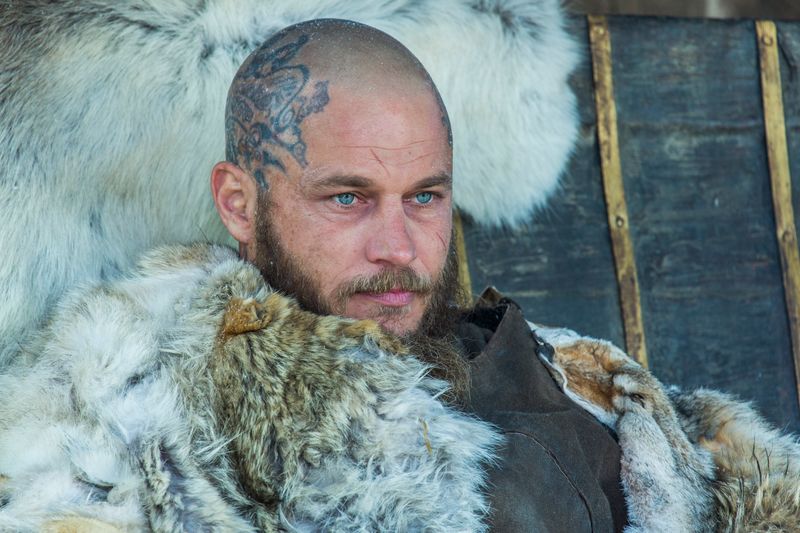
Television history is full of shows that seemed unstoppable—until one crucial casting change pulled the rug out from under them.
Whether a beloved lead exited, was fired, or simply couldn’t be replaced, these departures altered chemistry, tone, and storytelling in ways audiences never forgave.
From sitcoms to prestige dramas, these 15 hit TV shows prove that sometimes losing one actor is all it takes to derail everything for longtime fans.
1. Topher Grace in That ’70s Show
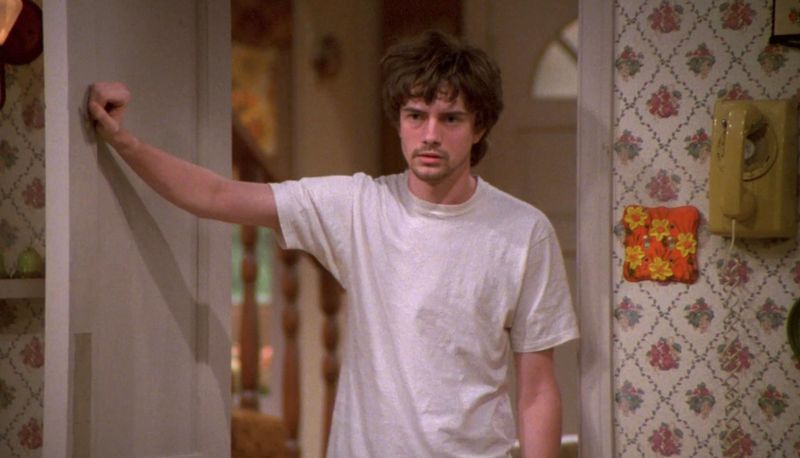
Eric Forman wasn’t just another character—he was the glue holding the basement gang together.
His awkward charm and relatable struggles made viewers feel like part of the circle.
When Topher Grace left before the final season, the show lost its emotional anchor.
The remaining episodes felt directionless without Eric’s presence.
His relationship with Donna had been a central storyline for years, and his absence created a gaping hole.
Producers tried filling the void with new characters, but nothing clicked the same way.
Fans tuned out in droves during that final season.
The magic that made That ’70s Show special simply vanished when its heart walked out the door.
2. Charlie Sheen in Two and a Half Men
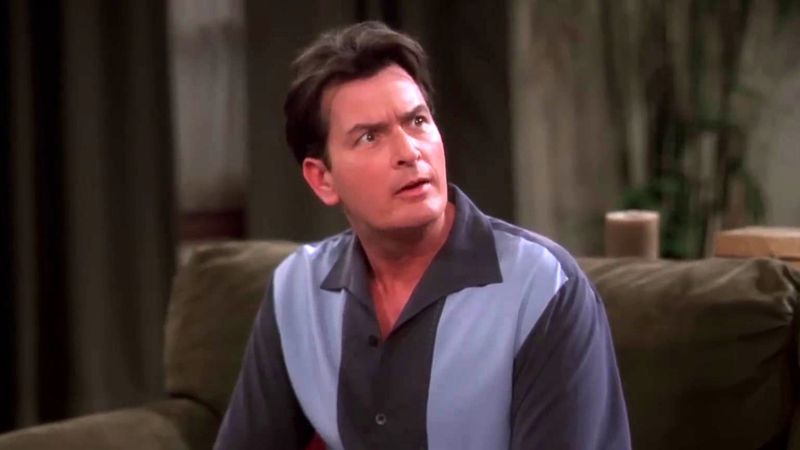
Charlie Harper’s unapologetic lifestyle and razor-sharp wit defined Two and a Half Men for eight wildly successful seasons.
His real-life meltdown led to one of television’s most publicized firings.
The show attempted to continue with Ashton Kutcher as a billionaire filling the Malibu beach house.
Unfortunately, the replacement fundamentally altered the show’s DNA.
Kutcher’s character brought different energy that clashed with the established formula.
Long-time viewers felt betrayed by the tonal shift, and the edgy humor that made the series a hit disappeared.
Ratings initially spiked from curiosity but steadily declined afterward.
The show limped through four more seasons, never recapturing its former glory or cultural relevance.
3. David Duchovny in The X-Files
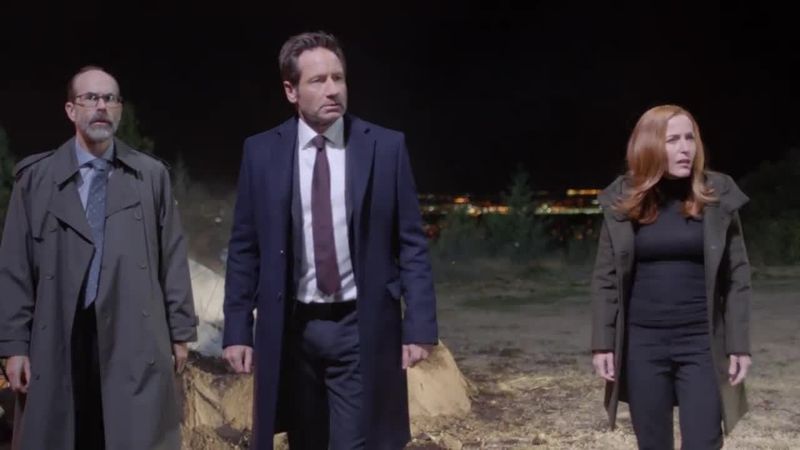
When David Duchovny reduced his involvement in seasons eight and nine, the show’s entire foundation shook.
Fox Mulder and Dana Scully weren’t just partners—they were television’s most compelling duo.
Producers introduced new agents to carry the mythology forward, but the spark was gone.
The X-Files had always been about Mulder’s obsessive quest for truth and Scully’s scientific skepticism balancing him.
Removing half of that equation left the series feeling incomplete.
New characters Robert Patrick and Annabeth Gish tried their best but couldn’t replicate the magic.
Ratings tumbled as frustrated fans abandoned ship.
The show that once dominated pop culture ended with a whimper rather than the bang it deserved.
4. Steve Carell in The Office
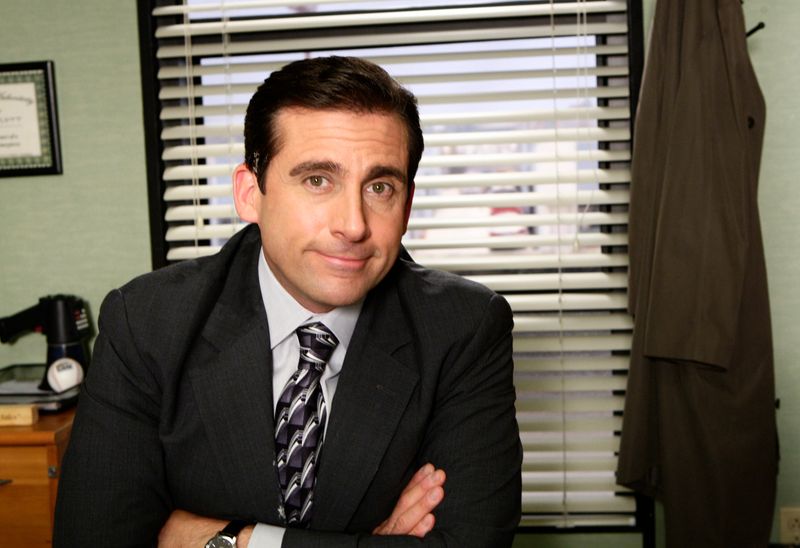
Michael Scott’s cringe-worthy antics and surprising heart made The Office appointment television.
Steve Carell’s departure after season seven left Dunder Mifflin without its comedic soul.
The writers scrambled to find a replacement manager, cycling through celebrity cameos and promoting existing characters.
None of these attempts successfully filled the void.
Andy Bernard’s promotion changed his character in unflattering ways.
The ensemble cast remained talented, but the show lacked its gravitational center.
The final two seasons had touching moments and solid episodes, but something essential was missing.
Viewership declined significantly, and many fans consider the series effectively over when Michael left.
His goodbye remains the emotional series finale for countless devoted watchers.
5. Roseanne Barr in Roseanne / The Conners
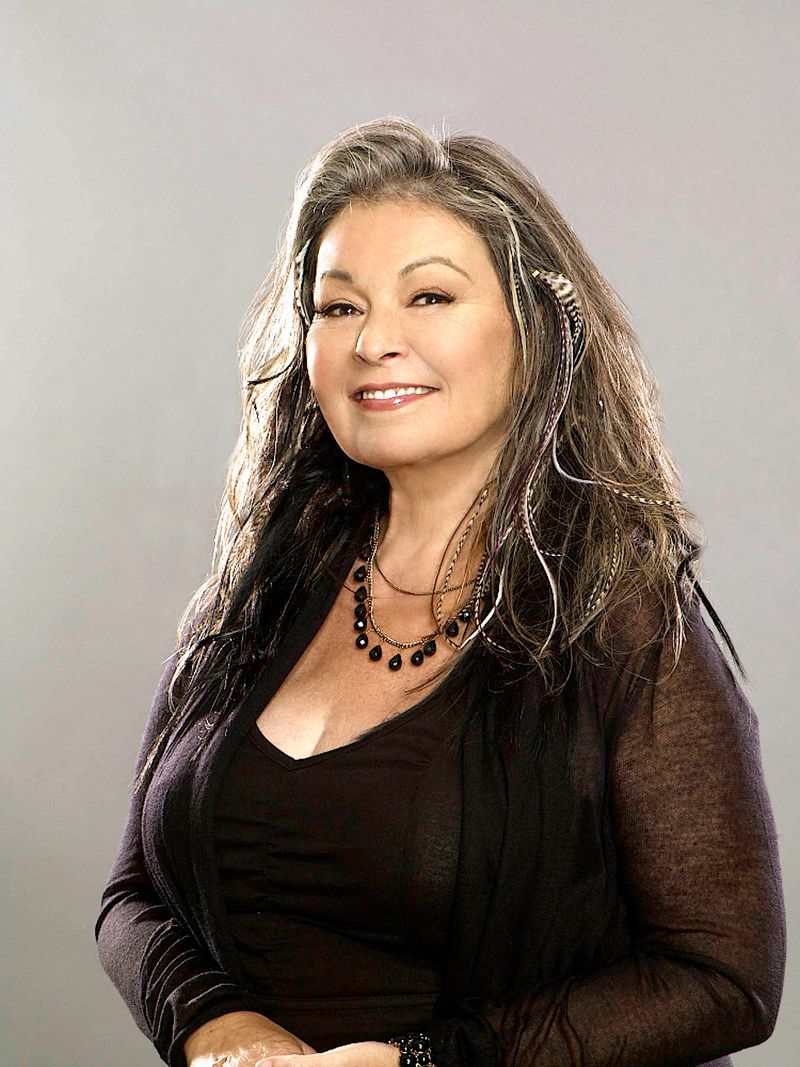
Roseanne Conner’s brash humor and working-class authenticity made her show groundbreaking television.
When controversial tweets led to Roseanne Barr’s firing, the network faced an impossible choice.
They killed off the title character and rebranded as The Conners, hoping the supporting cast could carry on.
While The Conners found an audience, it became a fundamentally different show.
Roseanne’s sharp tongue and unfiltered perspective had been the series’ defining characteristic.
Without her, the family dynamic shifted dramatically, losing much of its edge.
The remaining actors delivered strong performances, but the show’s identity crisis was obvious.
What once felt revolutionary became just another family sitcom struggling to find its voice.
6. Andy Whitfield in Spartacus
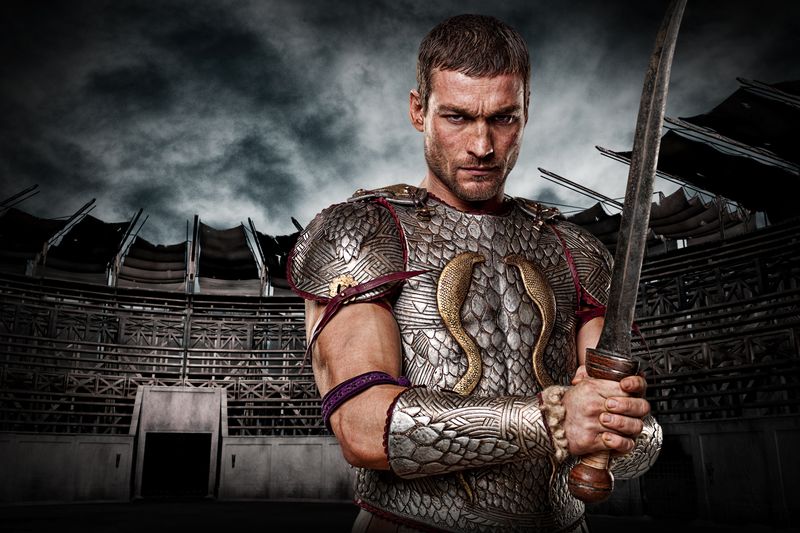
Tragedy struck Spartacus when Andy Whitfield’s cancer diagnosis forced him away from the title role.
His raw intensity and commanding screen presence had made the gladiator rebellion viscerally compelling.
Liam McIntyre stepped in with genuine effort and dedication, but the transition proved jarring for viewers.
Whitfield had embodied Spartacus with a unique combination of vulnerability and ferocity.
His personal journey mirrored the character’s struggle for freedom in heartbreaking ways.
McIntyre brought different strengths, but many fans couldn’t separate the performer from the performance.
The show continued for two more seasons with solid action and storytelling.
However, it never quite recaptured the lightning-in-a-bottle quality that Whitfield’s portrayal provided during that explosive first season.
7. Travis Fimmel in Vikings
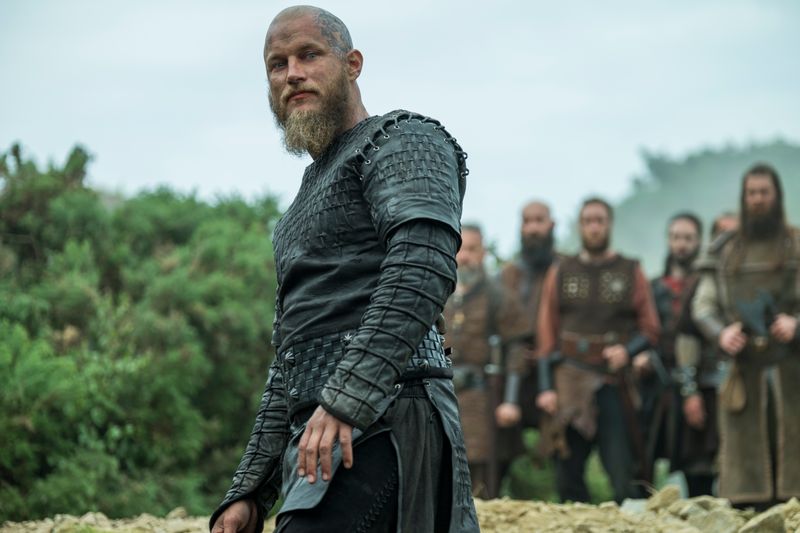
Ragnar Lothbrok’s death midway through Vikings left an enormous void.
Travis Fimmel’s magnetic performance had been the show’s driving force, his charisma making every scene electric.
His character’s evolution from farmer to legendary king provided the narrative spine for four seasons.
The series attempted to continue by focusing on Ragnar’s sons and their various conquests.
While these characters had their own compelling stories, none possessed their father’s screen presence.
The show became more fragmented, jumping between multiple storylines without a central figure to unite them.
Many viewers checked out after Ragnar’s departure, unable to invest in the scattered narrative.
Vikings continued for two more seasons, but it felt like watching the epilogue rather than the main event.
8. Robert Sheehan in Misfits

Nathan Young’s irreverent humor and chaotic energy made Misfits must-watch television.
Robert Sheehan’s rapid-fire delivery and fearless commitment to the outrageous character defined the show’s anarchic spirit.
When he left after two seasons, the British sci-fi series lost its comedic anchor.
Replacement character Rudy shared some similarities but couldn’t replicate Nathan’s specific charm.
The show’s tone shifted noticeably, becoming darker and less playful.
Other original cast members also departed gradually, compounding the problem.
Misfits continued for three more seasons with declining viewership and critical enthusiasm.
The spark that made it a cult sensation flickered out without the character who embodied its rebellious, unpredictable nature from the beginning.
9. Zach Braff and Original Cast in Scrubs
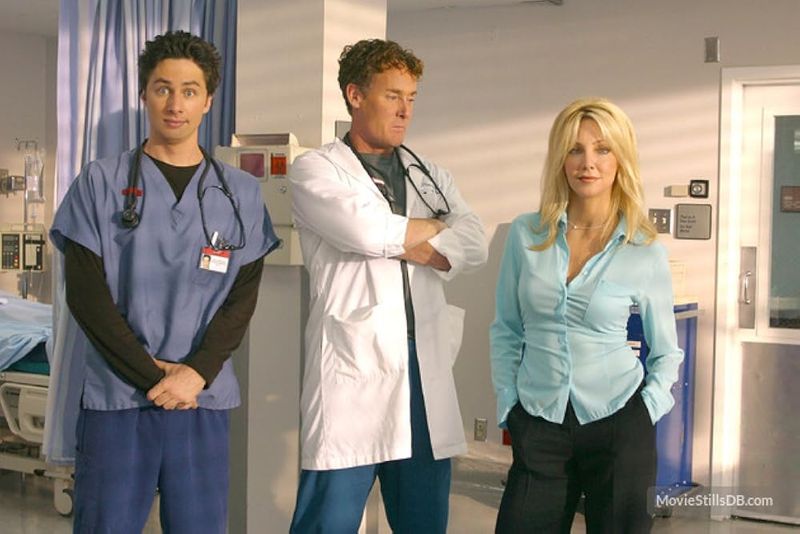
Scrubs season nine felt like a completely different show—because it essentially was.
Zach Braff, Sarah Chalke, and most of the original cast departed, leaving only a handful of familiar faces.
The new season followed medical students at a different location with fresh characters.
Creator Bill Lawrence intended it as a spin-off called Scrubs: Med School.
Network executives insisted on keeping the original title, creating confusion and disappointment.
The new cast had potential, but viewers wanted J.D.’s imaginative narration and the established Sacred Heart family.
This awkward transition alienated the loyal fanbase that had followed the show for eight seasons.
What should have been a fresh start became a cautionary tale about forcing continuations when stories naturally conclude.
10. Kevin Spacey in House of Cards
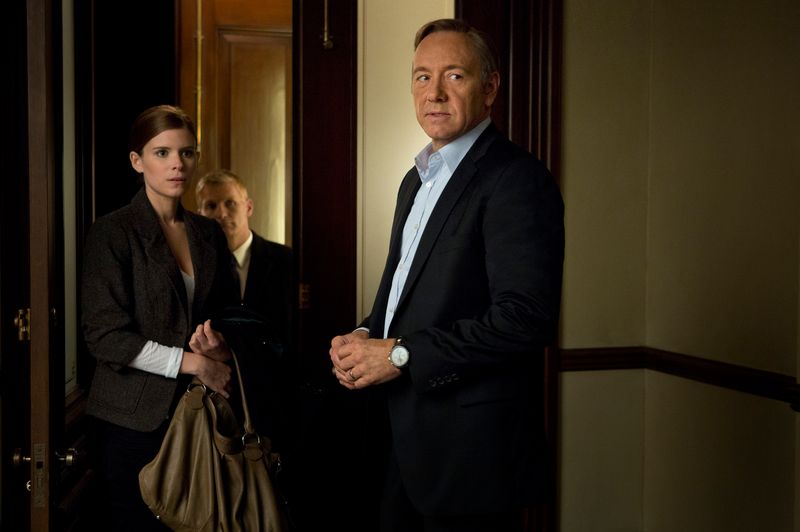
Frank Underwood’s Machiavellian schemes were the beating heart of House of Cards.
Kevin Spacey’s chilling performance and direct-to-camera asides made viewers complicit in his villainy.
When serious allegations emerged, production scrambled to remove him entirely from the final season.
The show killed Frank off-screen and pivoted to Claire Underwood’s presidency.
While Robin Wright delivered powerful work, the sudden narrative shift felt forced and incomplete.
The entire final season seemed rushed, trying to conclude storylines that had been built around Frank’s presence.
Critics and audiences alike found the conclusion unsatisfying.
What had been Netflix’s flagship drama ended awkwardly, unable to escape the shadow of its disgraced former star and struggling to find narrative coherence.
11. Dick York in Bewitched
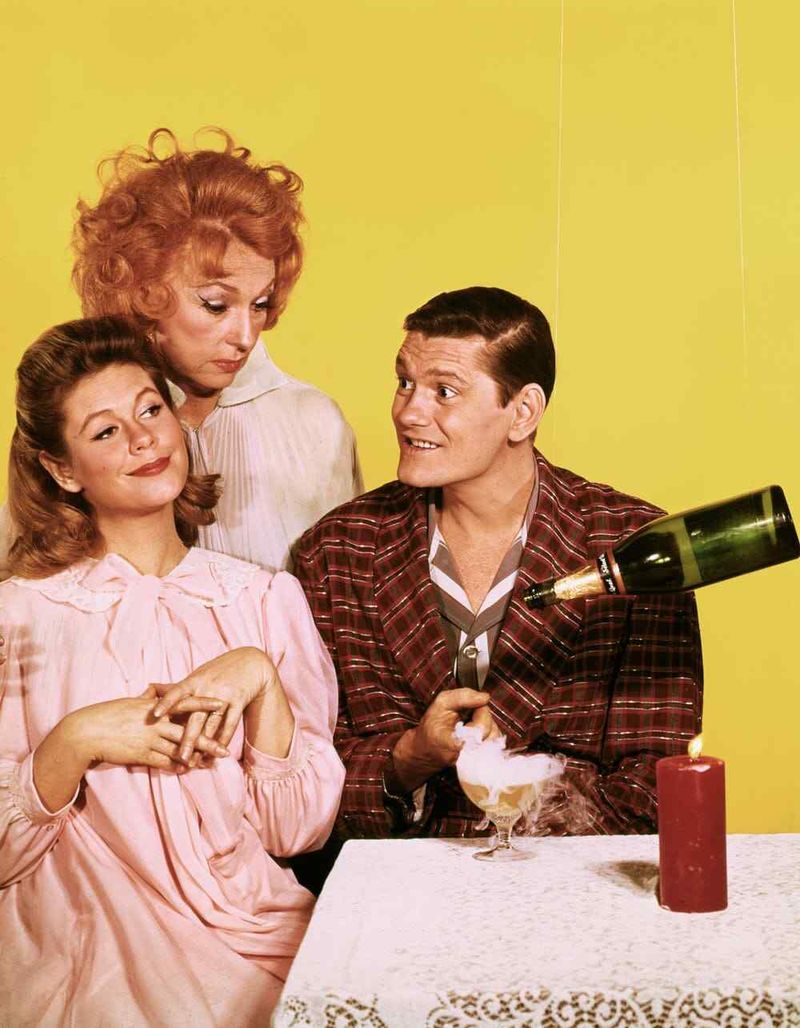
Darrin Stephens was television’s most exasperated mortal husband, constantly dealing with magical chaos.
Dick York played him with perfect befuddlement for five seasons until severe back pain forced him to leave.
Dick Sargent took over the role, but the recasting broke the spell for many viewers.
York had brought specific neurotic energy that defined Darrin’s relationship with Samantha.
Sargent was smoother and less flustered, changing the dynamic considerably.
For audiences invested in the original portrayal, the switch was impossible to ignore.
Bewitched continued for three more seasons with decent ratings, but the magic felt diminished.
The recasting remains one of television’s most discussed examples of how replacing a lead can alter a show’s entire chemistry.
12. Multiple Leads in Fear the Walking Dead

Fear the Walking Dead killed off major characters with alarming frequency.
The show began with the Clark family as its foundation, but Travis died in season three, and Madison in season four.
Nick’s death in the same season completed the original family’s destruction.
Each departure forced the series to reinvent itself, preventing viewers from forming lasting attachments.
New characters constantly arrived while established favorites disappeared.
The show became unrecognizable from its early seasons, lacking consistent emotional through-lines.
This revolving-door approach left Fear the Walking Dead feeling aimless and disconnected.
While The Walking Dead maintained core characters for years, its spin-off never learned that viewers need someone to root for consistently throughout a series’ run.
13. Clayne Crawford in Lethal Weapon
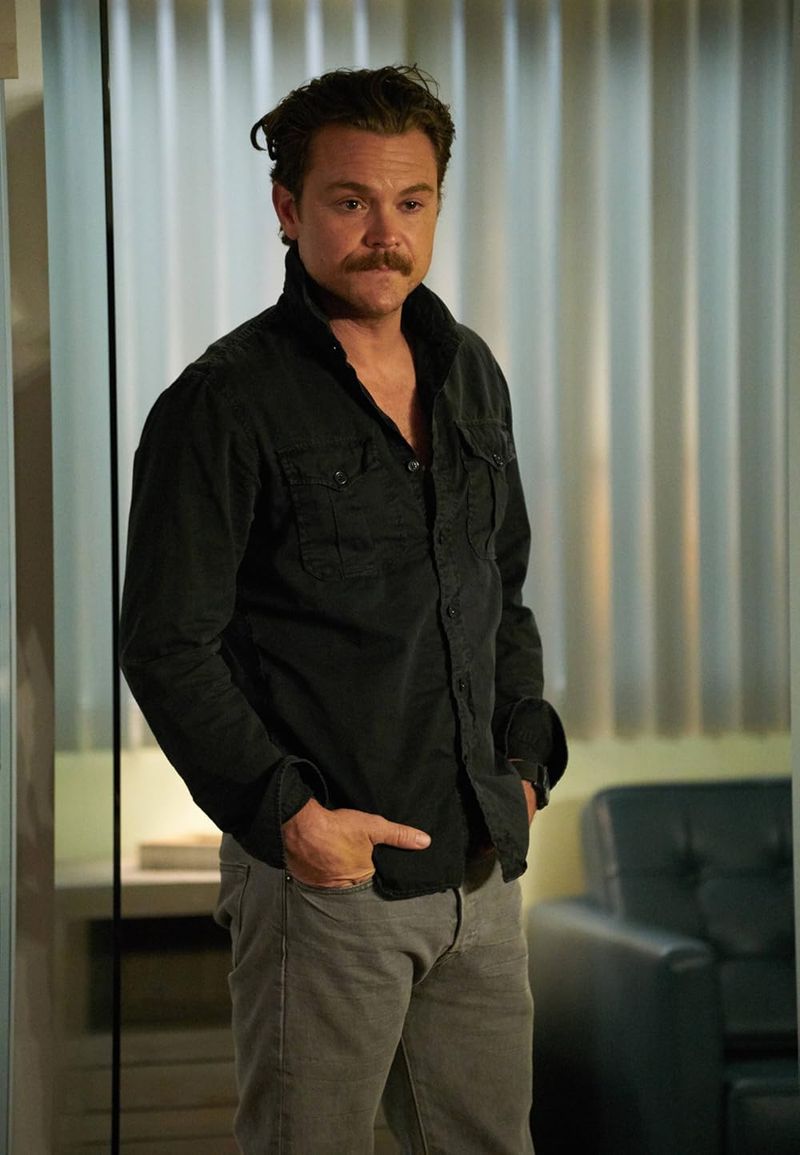
Martin Riggs brought damaged intensity to the Lethal Weapon television adaptation.
Clayne Crawford’s volatile performance captured the character’s suicidal edge while developing genuine chemistry with co-star Damon Wayans.
Behind-the-scenes conflicts led to Crawford’s firing after two seasons.
Seann William Scott joined as a new character to partner with Wayans.
While Scott is a capable actor, the show’s entire premise rested on the specific Riggs-Murtaugh dynamic.
Changing half that equation fundamentally altered what made the series work.
The third season struggled in ratings before cancellation.
Fans of the original two seasons felt betrayed, and the replacement never clicked.
The show became a cautionary tale about sacrificing chemistry for workplace conflict resolution.
14. Shannen Doherty in Charmed
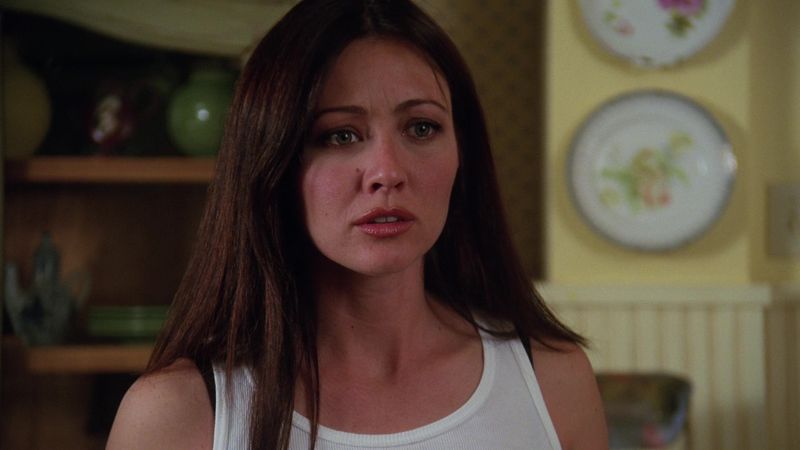
The Power of Three was Charmed’s entire concept—three sisters, three witches, one unbreakable bond.
Shannen Doherty’s Prue was the responsible eldest sister, her dynamic with Piper and Phoebe forming the show’s emotional core.
When she departed after season three, the sisterhood was fundamentally altered.
Rose McGowan joined as previously unknown half-sister Paige, and the show continued for five more seasons.
While McGowan brought her own strengths, the chemistry shifted noticeably.
The original trio’s balance of personalities had been carefully established and couldn’t be perfectly recreated.
Charmed remained popular, but many fans consider the Prue years superior.
The sisterly bond that made the show special felt diluted after that crucial cast change redefined the family dynamic.
15. Suzanne Somers in Three’s Company
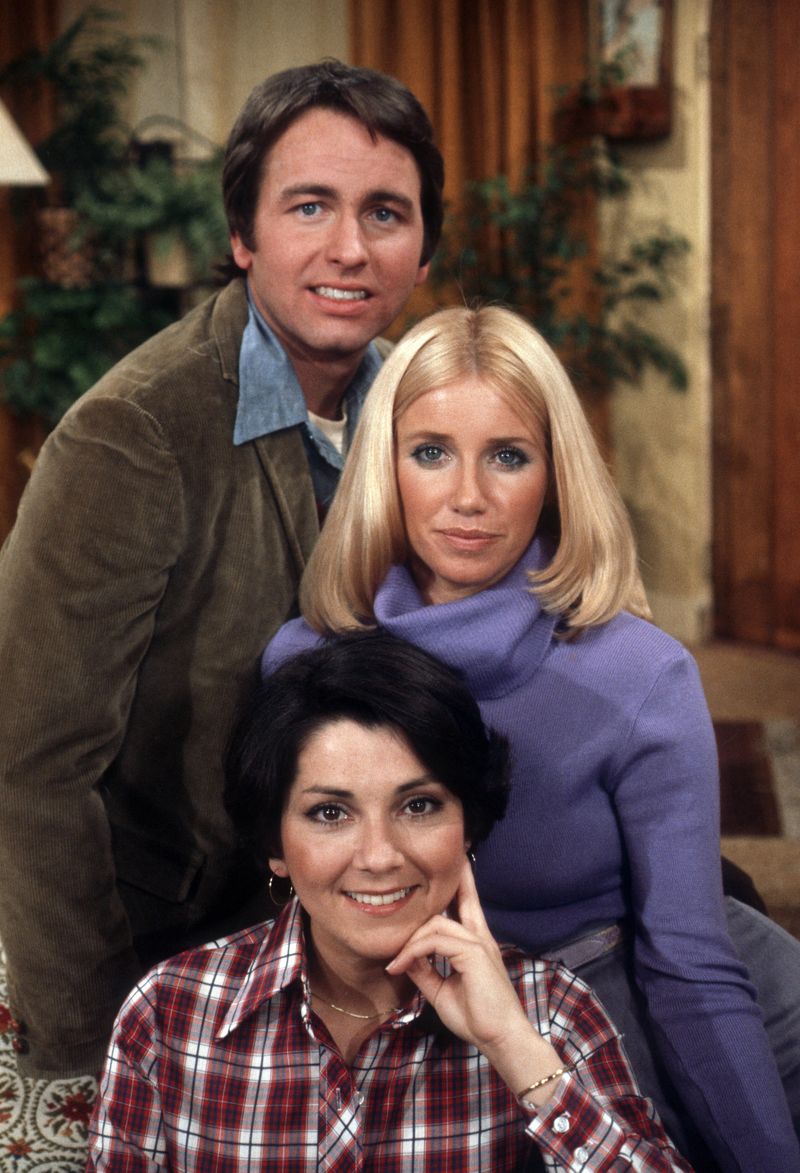
Chrissy Snow’s ditzy charm was essential to Three’s Company’s comedic formula.
Suzanne Somers brought perfect timing and surprising depth to what could have been a one-note character.
Her chemistry with John Ritter and Joyce DeWitt created television magic for four seasons.
A salary dispute led to Somers’ departure, and the show cycled through multiple blonde replacements.
Jenilee Harrison and Priscilla Barnes both tried to fill those shoes, but the original rhythm was disrupted.
The specific dynamic between Chrissy, Janet, and Jack couldn’t be replicated with substitutes.
Three’s Company continued until 1984, but its golden era ended with Somers’ exit.
The show that had been a ratings juggernaut gradually declined, never quite recapturing the effortless chemistry that made it special.
Comments
Loading…