
 Jade Reed
15 Greatest Final Albums Fans Still Talk About
When musicians bow out, their final albums often become legendary statements that echo through time. These last records capture raw emotion, artistic evolution, and sometimes even prophetic farewells that fans can’t stop discussing.
Whether bands broke up, artists passed away, or groups simply called it quits, these closing chapters left permanent marks on music history that still spark passionate conversations today.
1. “Forth” — The Verve (2008)
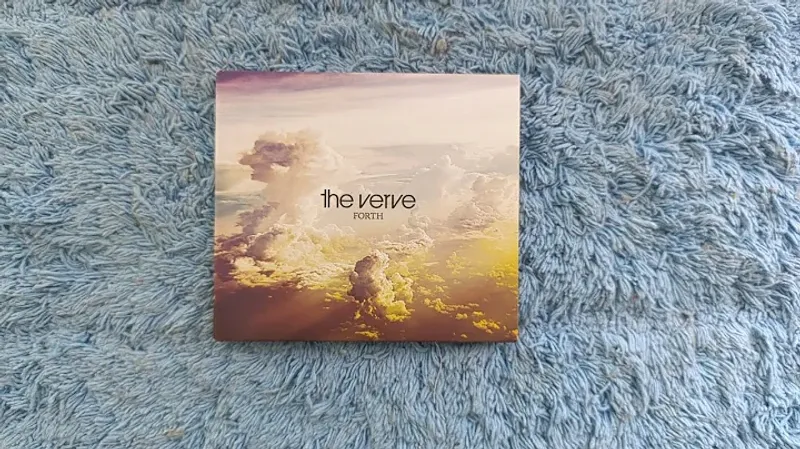
After a decade-long hiatus, The Verve reunited to deliver their swansong with emotional intensity.
Forth showed the British rock legends hadn’t lost their ability to craft sweeping, atmospheric soundscapes that pulled listeners into their world.
Songs blended orchestral arrangements with raw guitar work, proving their chemistry remained electric.
Richard Ashcroft’s vocals soared across tracks that balanced hope and melancholy perfectly.
The album reached number one in the UK, reminding everyone why The Verve mattered so much.
Though tensions eventually ended the reunion, this final statement captured lightning in a bottle one more time, giving fans a proper goodbye they still cherish today.
2. “Blackstar” — David Bowie (2016)

Released just two days before his death, Bowie’s final masterpiece felt like a haunting farewell letter to the world.
Blackstar explored jazz, art rock, and experimental sounds that pushed boundaries even as the legend faced his mortality.
Every lyric seemed carefully chosen, every note deliberate and meaningful in ways that became heartbreaking after his passing.
The title track and “Lazarus” contained cryptic references to death that suddenly made terrible sense.
Critics praised its artistic bravery while fans mourned the loss of an irreplaceable icon.
This album transformed from mysterious art piece to profound goodbye, cementing Bowie’s reputation as a fearless innovator until his very last breath.
3. “Collapse into Now” — R.E.M. (2011)
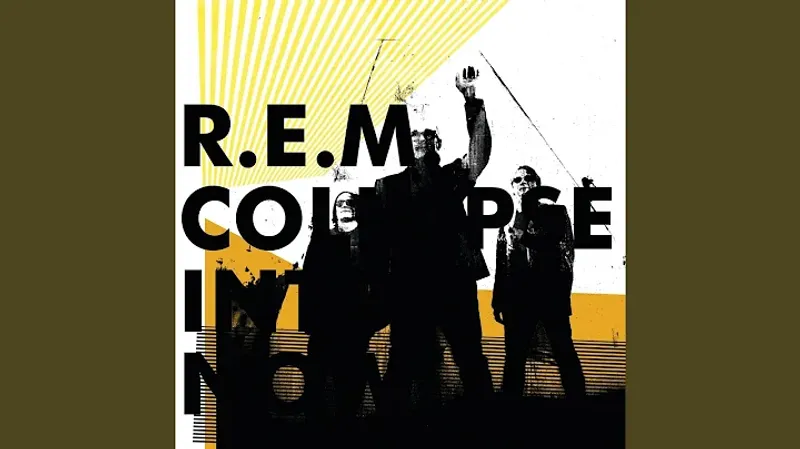
Nobody knew this would be R.E.M.’s final chapter when it dropped, making its title strangely prophetic.
The Athens legends packed their fifteenth studio album with collaborations featuring Patti Smith, Peaches, and Eddie Vedder, creating a celebration of their influential career.
Each track felt like a love letter to different eras of their sound, from jangly college rock to arena anthems.
Michael Stipe’s vocals carried wisdom earned from three decades of making music together.
When the band announced their breakup months later, fans returned to this album with fresh appreciation.
It became an accidental farewell that somehow captured everything great about R.E.M., leaving their legacy intact and their influence undeniable.
4. “In Utero” — Nirvana (1993)
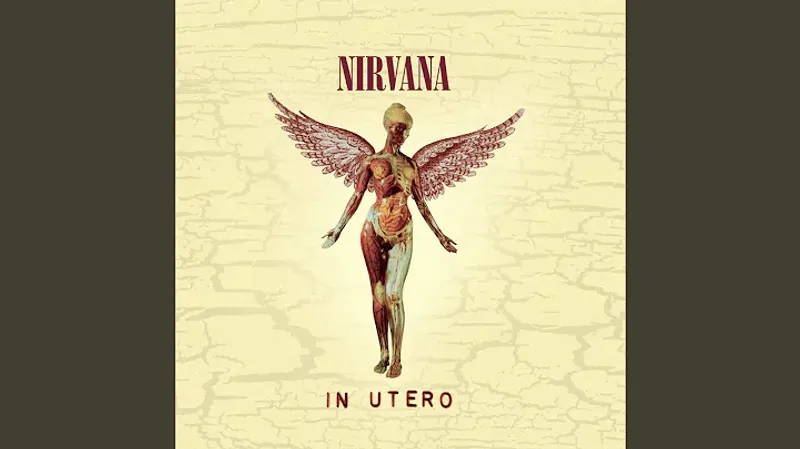
Kurt Cobain’s raw, abrasive final studio album with Nirvana deliberately pushed back against mainstream success.
In UteroNevermind featured harsh production choices and uncomfortable subject matter that challenged fans expecting another .
Steve Albini’s recording style preserved the band’s punk roots, creating an authentic document of their artistic vision without commercial polish.
Songs like “Heart-Shaped Box” and “All Apologies” revealed Cobain’s inner turmoil in retrospect.
His death just months after release transformed this album into a tragic epilogue that fans dissect endlessly.
The unfiltered honesty and deliberate ugliness made it a powerful statement about artistic integrity, ensuring its place in rock history as a defiant final word.
5. “Icky Thump” — The White Stripes (2007)
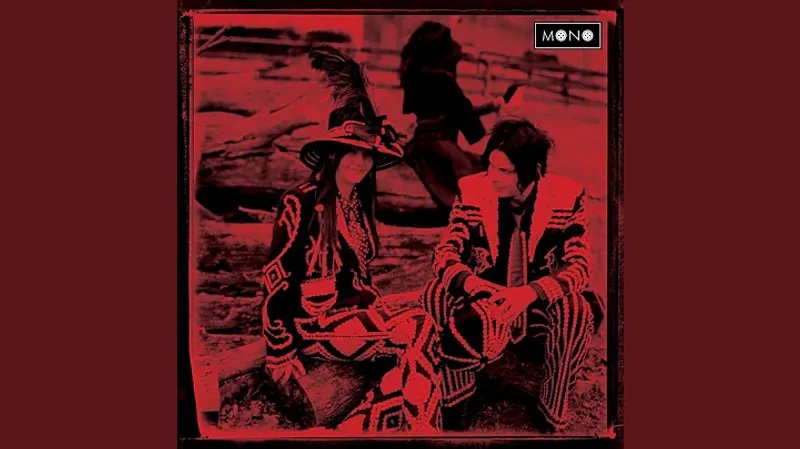
Jack and Meg White’s final collaboration exploded with garage rock fury and unexpected bagpipes.
Icky Thump expanded their minimalist sound with longer songs and wilder experimentation while keeping their stripped-down core intact.
The title track became an instant classic, showcasing Jack’s guitar wizardry and the duo’s telepathic musical connection.
Critics hailed it as their most ambitious work, blending blues, punk, and folk into something uniquely theirs.
When the band quietly dissolved in 2011, this album stood as proof of their evolution from Detroit upstarts to rock royalty.
Fans still debate whether they quit at their peak, but nobody questions the power of this explosive farewell that left everyone wanting more.
6. “Circles” — Mac Miller (2020)

Completed posthumously after Mac Miller’s tragic death, this album fulfilled his vision of a companion piece to Swimming.
Circles showcased his growth as a producer and songwriter, blending hip-hop with folk, funk, and soul in deeply personal ways.
Producer Jon Brion helped finish the project using Mac’s clear instructions, honoring the artist’s intentions with careful respect.
Lyrics about struggle and acceptance hit differently knowing Miller couldn’t escape his demons.
Fans found comfort and heartbreak in equal measure throughout these introspective tracks.
The album became a bittersweet gift from beyond, proving Mac’s talent was still blossoming when tragedy struck, making his loss even more painful for devoted listeners worldwide.
7. “Strangeways, Here We Come” — The Smiths (1987)
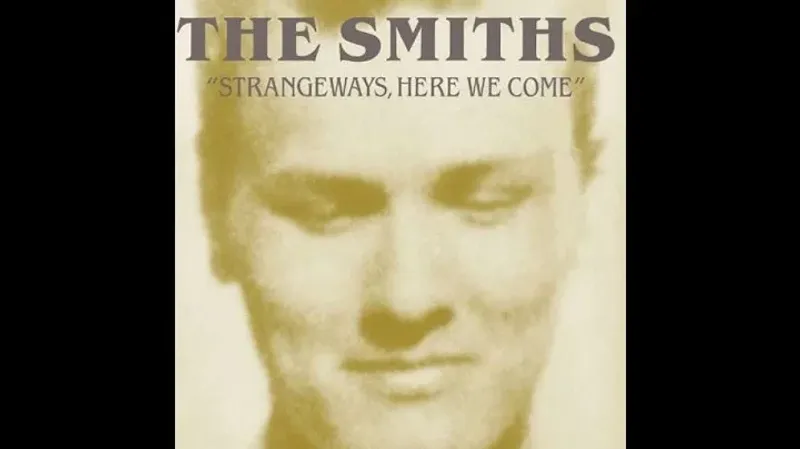
Recorded while the band was falling apart, The Smiths’ final album somehow emerged as one of their strongest.
Strangeways, Here We Come featured Morrissey’s sharpest lyrics paired with Johnny Marr’s most inventive guitar arrangements, creating magic despite behind-the-scenes tension.
Songs ranged from the playful “Girlfriend in a Coma” to the devastating “Last Night I Dreamt That Somebody Loved Me.”
The album title referenced a Manchester prison, fitting for a band feeling trapped by their circumstances.
Released after their breakup announcement, it felt like discovering buried treasure from a lost civilization.
Decades later, fans still mourn what could have been while celebrating this perfect closing statement from alternative rock’s most influential miserabilists.
8. “Let It Be” — The Beatles (1970)
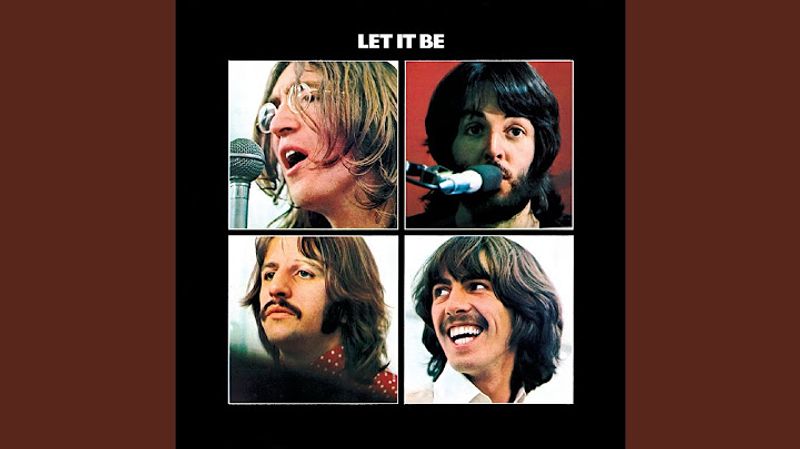
Though recorded before Abbey Road, this album became The Beatles’ official final release amid bitter breakup drama.
Let It Be captured the Fab Four at their most strained, with Phil Spector’s controversial production adding orchestral gloss to raw sessions.
The title track offered spiritual comfort while “Get Back” yearned for simpler times, creating unintentional commentary on the band’s dissolution.
Arguments over the album’s sound contributed to their permanent split, making it simultaneously triumphant and tragic.
Fans endlessly debate whether it properly honored their legacy or tarnished their reputation.
Regardless, this messy goodbye from the world’s biggest band remains essential listening, documenting the painful end of a cultural phenomenon that changed music forever.
9. “Closer” — Joy Division (1980)

Ian Curtis hanged himself two months before this album’s release, forever changing how listeners heard its dark beauty.
Closer plunged deeper into despair than their debut, with Curtis’s baritone voice delivering lyrics that now read like suicide notes.
Producer Martin Hannett created cold, spacious soundscapes that perfectly matched the singer’s inner torment and isolation.
Songs like “Decades” and “The Eternal” felt prophetic in their finality and resignation.
The album influenced countless post-punk and alternative bands while haunting fans with its tragic backstory.
Joy Division’s remaining members formed New Order, but this devastating final statement from their original incarnation remains untouchable, a masterpiece born from unbearable pain that still resonates powerfully today.
10. “In Through the Out Door” — Led Zeppelin (1979)

Recorded during a difficult period with Robert Plant grieving his son’s death, Led Zeppelin’s final studio album showed new dimensions.
In Through the Out Door featured more keyboards than ever before, with John Paul Jones stepping forward while Jimmy Page battled personal demons.
The shift in sound divided fans but demonstrated the band’s willingness to evolve even after a decade of dominance.
“All My Love” became Plant’s touching tribute to his lost child, adding emotional weight to the proceedings.
When drummer John Bonham died the following year, the band immediately disbanded, making this their unintended farewell.
Though less heavy than earlier work, it proved these rock gods could still create compelling music under impossible circumstances.
11. “The Eternal” — Sonic Youth (2009)
Before their 2011 breakup following Thurston Moore and Kim Gordon’s divorce, Sonic Youth delivered this excellent final studio album.
The Eternal balanced their experimental noise-rock roots with more accessible songwriting, creating one of their most cohesive late-period works.
Decades into their career, the band still sounded vital and relevant, proving age hadn’t dulled their creative edge.
Tracks like “Anti-Orgasm” and “Calming the Snake” showcased their ability to make dissonance beautiful and challenging music compelling.
Nobody expected this would be their last hurrah when it arrived.
Looking back, it serves as a fitting testament to their influence on alternative music, capturing everything that made Sonic Youth essential without feeling like a greatest-hits retread or nostalgic victory lap.
12. “Sublime” — Sublime (1996)

Bradley Nowell died of a heroin overdose two months before this album’s release, robbing the world of a unique talent.
Sublime blended punk, reggae, ska, and hip-hop into a California sound that defined a generation’s laid-back rebellion.
Hits like “What I Got” and “Santeria” became anthems despite the tragedy surrounding them, showcasing Nowell’s gift for catchy melodies and honest lyrics.
The album went multi-platinum, proving Sublime’s mainstream potential that would never be fully realized.
Fans wonder what heights the band could have reached if addiction hadn’t claimed their frontman.
This self-titled masterpiece remains a bittersweet reminder of talent cut short, capturing sunny vibes shadowed by the darkness Nowell couldn’t escape despite his musical brilliance.
13. “Back to Black” — Amy Winehouse (2006)

Amy Winehouse’s sophomore album became her tragic epitaph when she died in 2011 at just 27 years old.
Back to Black revived classic soul and Motown sounds with brutally honest lyrics about love, addiction, and self-destruction.
Her powerful voice and Mark Ronson’s production created timeless tracks that sounded both vintage and fresh, earning massive critical and commercial success worldwide.
“Rehab” and the title track documented her struggles with substance abuse and toxic relationships in devastating detail.
The album’s themes became unbearably prophetic after her death, transforming celebration into mourning.
Winehouse proved herself a generational talent on this record, making her early death even more heartbreaking and ensuring this masterpiece would be analyzed and cherished forever by heartbroken fans.
14. “Hypnotic Eye” — Tom Petty and the Heartbreakers (2014)

Tom Petty’s final studio album with the Heartbreakers arrived three years before his unexpected death in 2017.
Hypnotic Eye debuted at number one, proving the legendary rocker still had commercial appeal and artistic relevance after four decades.
The album featured raw, garage-rock energy that recalled their earliest work while showcasing the tight musicianship of a band who’d played together forever.
Petty’s songwriting remained sharp, tackling modern life with his trademark wit and wisdom throughout these tracks.
Nobody imagined this would be his last statement when it released to positive reviews.
His sudden passing transformed these songs into a final gift from an American icon, reminding fans why Tom Petty and the Heartbreakers remained beloved until the very end of their remarkable journey together.
15. “Pearl” — Janis Joplin (1971)
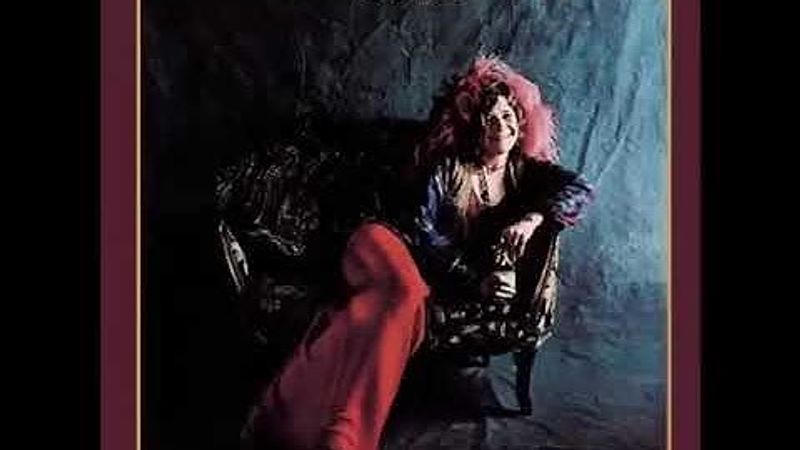
Janis Joplin’s raspy voice had never sounded better than on this album released three months after her fatal overdose.
Pearl featured the Full Tilt Boogie Band backing her most confident, joyful performances despite the personal struggles consuming her offstage. “Me and Bobby McGee” became her only number-one hit posthumously, a bittersweet triumph she never witnessed herself.
The album showcased her evolution from bluesy belter to versatile vocalist capable of tenderness and power equally.
Producers left the final track, “Buried Alive in the Blues,” as an instrumental because Joplin died before recording vocals.
That haunting absence reminds listeners of the talent lost when she joined the 27 Club, making this brilliant album both celebration and memorial to a one-of-a-kind artist.
Comments
Loading…