
 Mary Murphy
15 Forgotten Bands from the ’60s
The 1960s was a golden era for rock and roll, bursting with creativity and musical experimentation. While The Beatles and The Rolling Stones dominated the charts, countless other talented groups created memorable songs that deserved just as much attention.
Many of these bands faded into obscurity over the decades, their contributions to music history largely forgotten by younger generations.
This journey through 15 overlooked groups will reintroduce you to the sounds that once filled radios and dance floors across America and Britain.
1. The Buckinghams
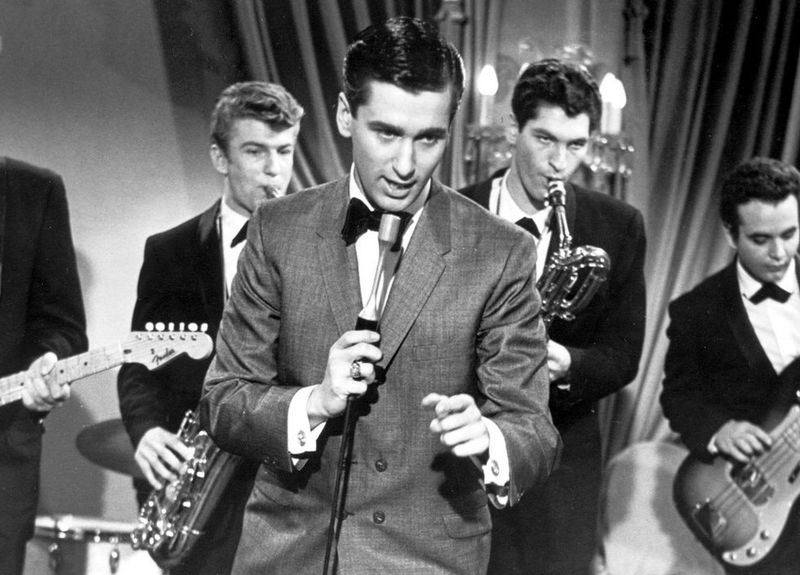
Chicago gave birth to this brass-driven rock band that perfectly captured the spirit of 1967.
Their polished sound combined horns with rock guitars in ways that felt fresh and sophisticated.
“Kind of a Drag” shot to number one on the Billboard charts, proving that Midwestern bands could compete with coastal acts.
The group followed up with “Don’t You Care” and “Mercy, Mercy, Mercy,” both becoming Top 10 hits.
Lead singer Dennis Tufano’s smooth vocals gave the band a distinctive edge over grittier garage rock competitors.
Their horn arrangements influenced later Chicago-style rock bands.
Despite their commercial success, The Buckinghams dissolved by 1970 as musical tastes shifted toward heavier sounds.
2. The Fourmost
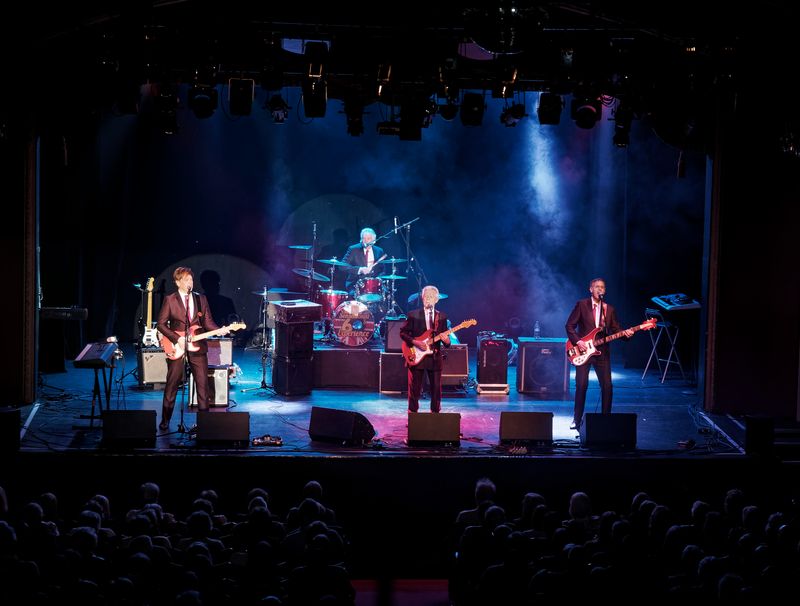
Brian Epstein managed this Liverpool quartet alongside The Beatles, giving them access to Lennon-McCartney compositions.
Their harmonies carried that unmistakable Merseybeat energy that defined early ’60s British rock.
“Hello Little Girl” became their debut single, a song The Beatles had previously recorded but never released.
The track climbed to number nine on UK charts in 1963.
They recorded “I’m in Love” and “A Little Loving,” both written by John Lennon and Paul McCartney specifically for the group.
Their cheerful stage presence made them popular on British television variety shows.
The band continued performing into the 21st century, keeping the Merseybeat flame alive for devoted fans.
3. The Standells
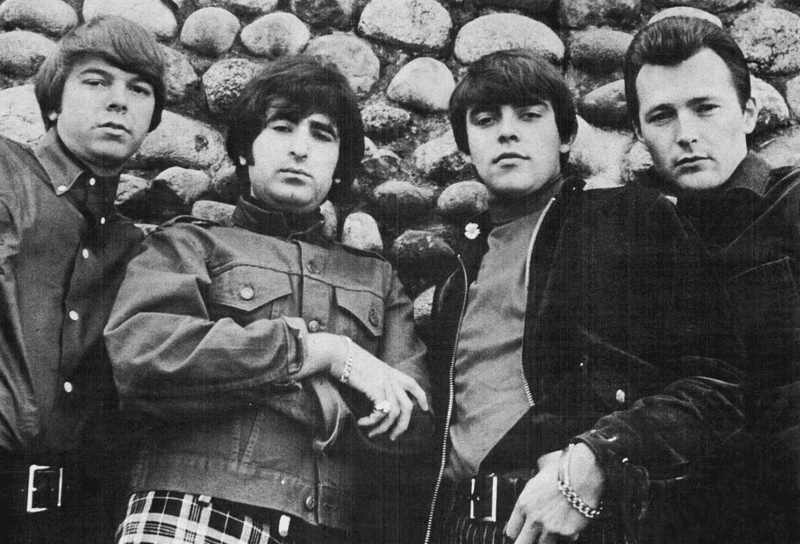
Raw energy exploded from every note this Los Angeles garage band played during the mid-1960s.
Their rebellious attitude matched perfectly with the emerging counterculture movement sweeping through California.
“Dirty Water” remains their most famous track, an anthem celebrating Boston despite the band’s West Coast origins.
The song’s gritty guitar riff and snarling vocals captured teenage frustration brilliantly.
Lead singer Larry Tamblyn brought theatrical intensity to their live performances, often destroying equipment on stage.
The group appeared in several teen exploitation films, including the cult classic “Riot on Sunset Strip.”
Their influence on punk rock became evident decades later when bands cited them as inspiration for stripped-down, aggressive sounds.
4. The Escapades
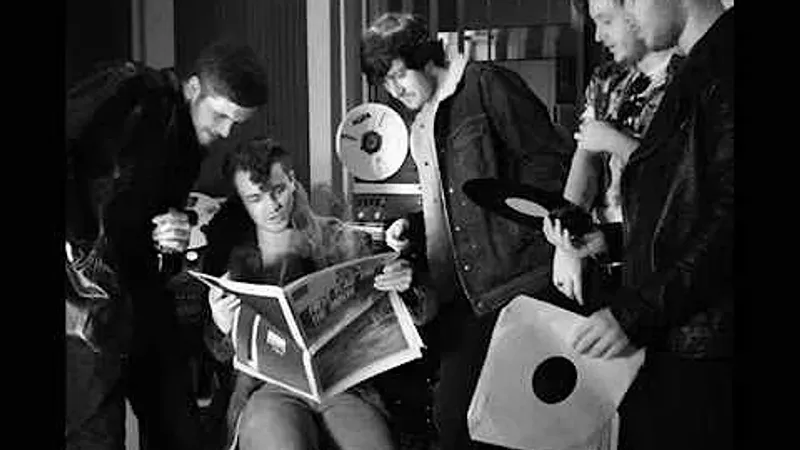
This underrated Memphis band combined soul influences with British pop sensibilities, standing out through precise vocal harmonies.
“Mad, Mad, Mad” showcased their ability to craft catchy hooks that stuck in listeners’ heads for days.
The song received regional success but never broke through to national charts.
Recording for various labels throughout their career prevented them from building consistent momentum with audiences.
Their sound evolved from garage rock to more polished pop as the decade progressed.
Band members eventually pursued session work, contributing to recordings by more famous artists.
Their story represents countless talented groups that circumstances prevented from achieving deserved recognition.
5. The Shadows of Knight
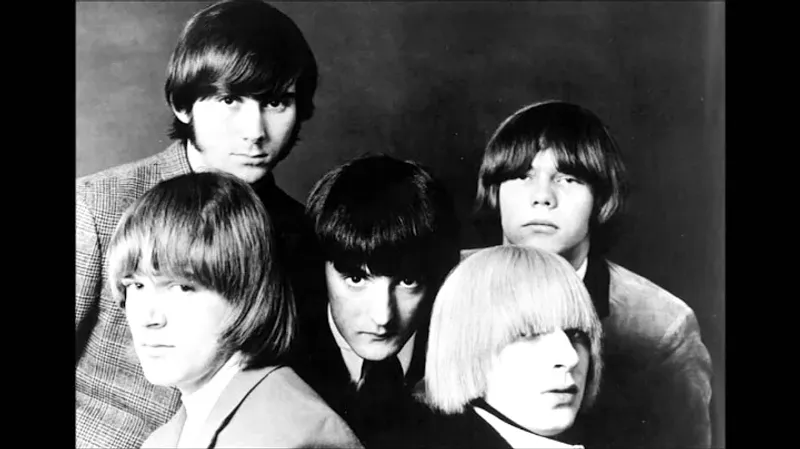
Suburban Chicago teenagers formed this powerhouse that delivered one of the decade’s most ferocious cover versions.
Their interpretation of “Gloria” transformed the song into a garage rock masterpiece that still sounds electrifying today.
The 1966 recording climbed to number ten nationally, introducing millions to their aggressive style.
Lead singer Jim Sohns growled the lyrics with primal intensity that made the original seem tame.
“Oh Yeah” and “Bad Little Woman” followed, showcasing their ability to write original material matching their covers’ energy.
Radio stations often banned their records for suggestive lyrics, which only increased their appeal among teenagers.
Internal conflicts and lineup changes weakened the band by decade’s end.
6. The Beau Brummels
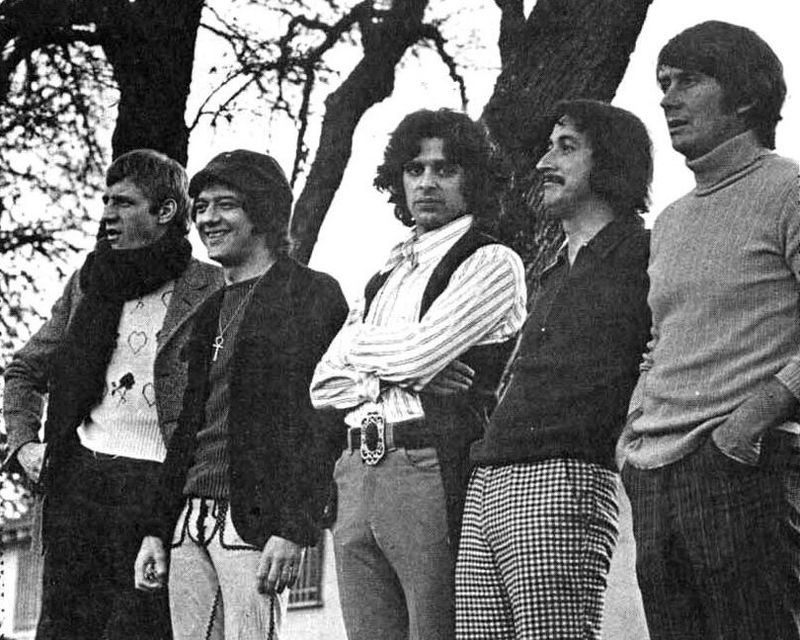
Arriving before the city’s psychedelic heyday, this San Francisco group paired jangly guitar riffs with melancholic melodies to shape early folk-rock.
“Laugh, Laugh” reached number fifteen in 1965, establishing them as serious contenders in the British Invasion-dominated market.
Sal Valentino’s yearning vocals gave their songs emotional depth that resonated with heartbroken teenagers.
“Just a Little” climbed even higher on the charts, peaking at number eight.
Their album “Triangle” demonstrated artistic ambition with orchestral arrangements and conceptual songwriting.
Commercial success eluded them as psychedelia overtook folk-rock in San Francisco’s music scene.
Critics later recognized their influence on country-rock and power pop genres.
7. The Chambers Brothers
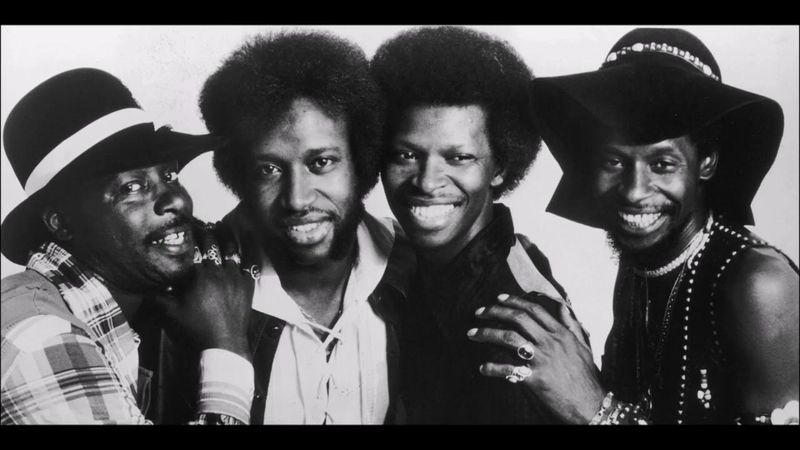
Four brothers from Mississippi brought gospel fervor to psychedelic rock, creating a unique fusion nobody else attempted.
Their marathon live performances could stretch single songs beyond ten minutes, mesmerizing audiences with hypnotic grooves.
“Time Has Come Today” became their signature statement, an eleven-minute epic exploring social consciousness and musical experimentation.
The cowbell introduction remains instantly recognizable to classic rock fans.
Radio edits shortened the song to under three minutes, allowing it to reach number eleven on pop charts.
Their music bridged racial divides during a turbulent era, attracting both Black and white audiences.
The group continued recording through the 1970s, though never recapturing their late-’60s commercial peak.
8. The Left Banke
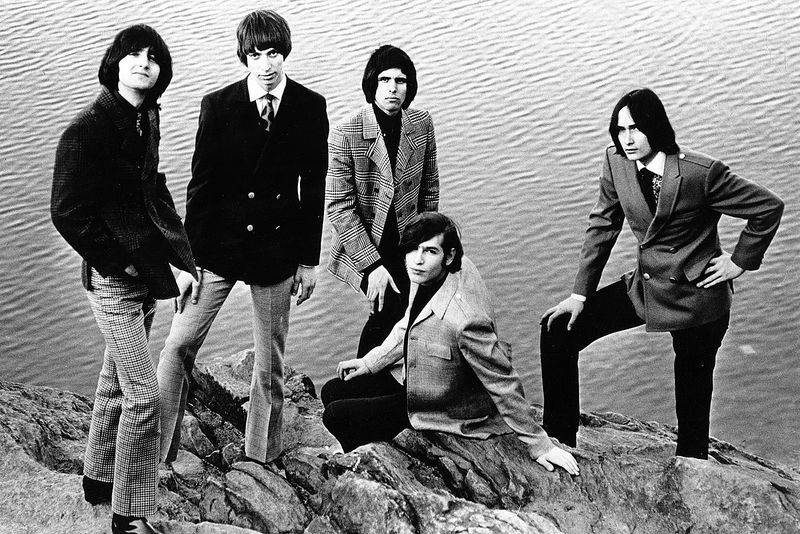
Baroque pop reached its pinnacle with this New York group’s lush orchestrations and classical influences.
Harpsichords and string arrangements elevated their songs beyond typical rock instrumentation.
“Walk Away Renee” captured romantic longing with heartbreaking beauty, climbing to number five in 1966.
Michael Brown’s sophisticated composition showcased maturity beyond his teenage years.
“Pretty Ballerina” followed with similar success, cementing their reputation for crafting elegant pop symphonies.
Internal tensions between band members led to Brown’s departure before their second album.
Their influence extended to later baroque pop revivalists and chamber pop artists.
The band’s brief existence left behind a small but perfect catalog that continues inspiring musicians seeking to blend classical and rock elements.
9. Manfred Mann
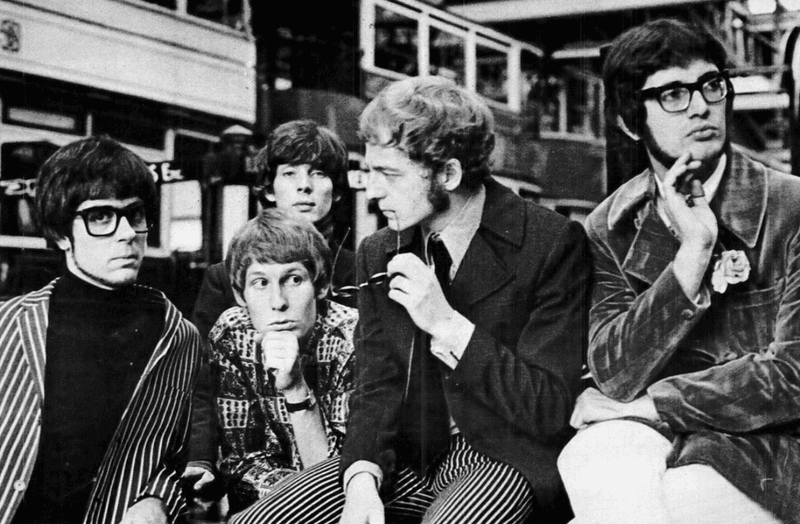
Their signature organ sound defined their approach to British rock, turning overlooked songs into popular hits through clever arrangements.
“Do Wah Diddy Diddy” topped charts on both sides of the Atlantic in 1964, showcasing their ability to make simple melodies irresistibly catchy.
Paul Jones’ enthusiastic vocals perfectly complemented the band’s energetic instrumental backing.
Bob Dylan’s “The Mighty Quinn” gave them another number one hit in 1968.
Their jazz backgrounds allowed them to incorporate sophisticated musicianship into accessible pop songs.
Multiple lineup changes throughout the decade kept their sound evolving.
Later incarnations moved toward progressive rock, but their ’60s pop hits remain their most beloved work.
10. The Human Beinz
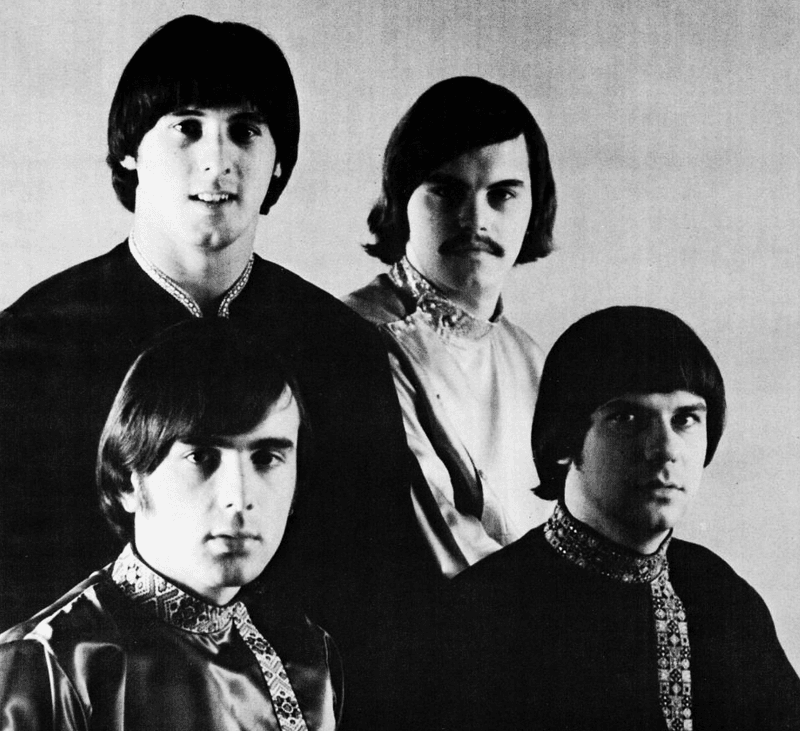
Youngstown, Ohio produced this quartet that delivered one of the decade’s most explosive one-hit wonders.
Their spelling of “Beinz” reflected the playful wordplay common in psychedelic-era band names.
“Nobody But Me” erupted with frantic energy that made it impossible to sit still while listening.
The 1967 recording featured call-and-response vocals and a driving beat that anticipated funk music.
Originally recorded by The Isley Brothers, The Human Beinz version transformed it into a garage rock anthem.
The song’s success led to television appearances and national touring opportunities.
Follow-up singles failed to match their breakthrough hit’s impact.
The band dissolved by 1969, but “Nobody But Me” continues appearing in commercials and movie soundtracks.
11. The Vogues
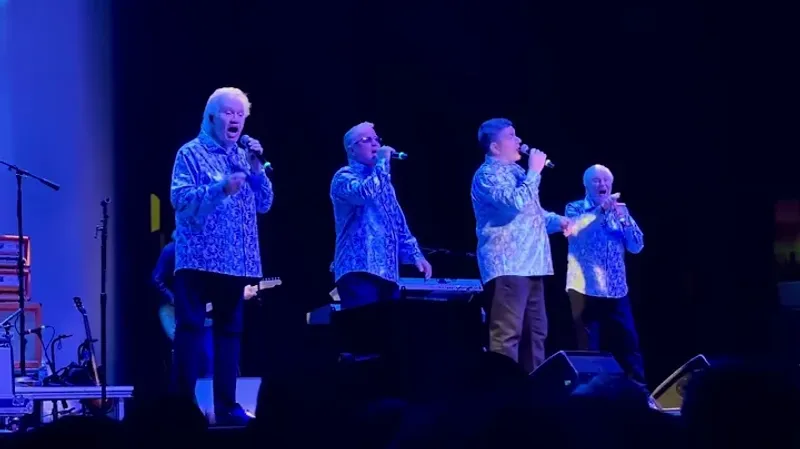
Known for their vocal harmonies, Pittsburgh’s group delivered smooth, mainstream pop that contrasted with the raw garage rock of the mid-1960s.
“You’re the One” launched their career in 1965, reaching number four nationally.
The song’s doo-wop influenced harmonies felt nostalgic even when new.
“Five O’Clock World” became their signature tune, perfectly capturing the working person’s anticipation of freedom after a long day.
“Turn Around, Look at Me” showcased their ability to deliver emotional ballads with sincerity.
The group continued performing for decades, becoming fixtures on oldies circuits.
Their catalog represents the softer side of ’60s rock that often gets overlooked in favor of edgier acts.
12. The Sonics
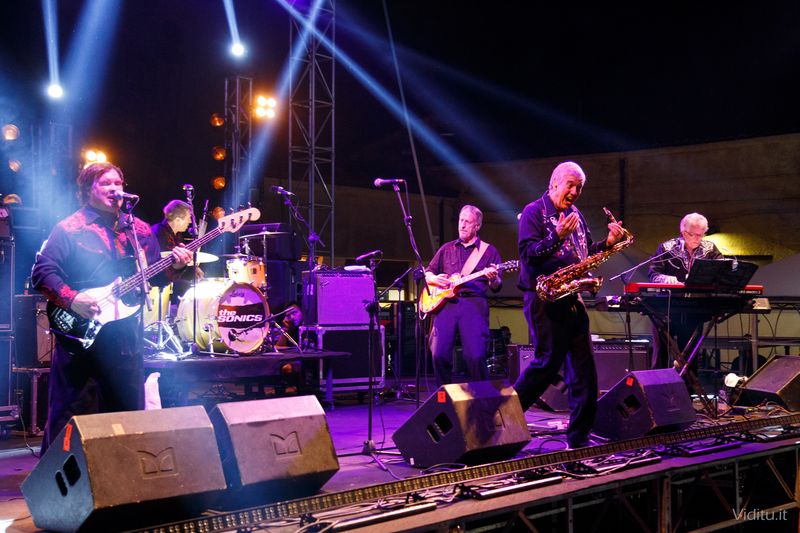
Tacoma, Washington unleashed this proto-punk force that played louder and meaner than anyone else in the mid-1960s.
Their distorted guitars and screaming vocals sounded like nothing else on contemporary radio.
“The Witch” and “Psycho” showcased their willingness to embrace darkness and aggression that most pop bands avoided.
Lead singer Gerry Roslie’s raspy howl influenced countless punk and grunge vocalists decades later.
Regional success in the Pacific Northwest never translated to national chart positions.
Their raw production values and confrontational style proved too extreme for mainstream audiences.
Punk rockers in the 1970s rediscovered their records, recognizing them as spiritual ancestors.
The Sonics’ influence on alternative rock became undeniable once grunge emerged from their hometown region.
13. The Zombies
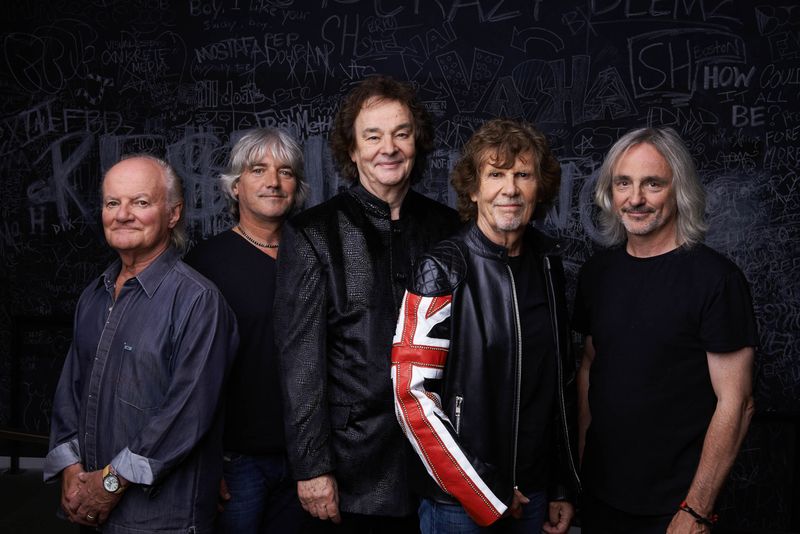
From St. Albans, England came a group whose jazz-inspired arrangements set them apart, featuring Rod Argent on keyboards and Colin Blunstone’s distinctive vocals.
“She’s Not There” announced their arrival in 1964 with its minor-key melody and electric piano solo.
The song reached number two in America, establishing them as serious competitors.
“Time of the Season” became their biggest hit, though it arrived after the band had already broken up.
The album “Odessey and Oracle” is now considered a psychedelic pop masterpiece.
Their influence grew exponentially after their dissolution.
Modern baroque pop and indie rock artists frequently cite them as major inspirations.
14. The Marmalade
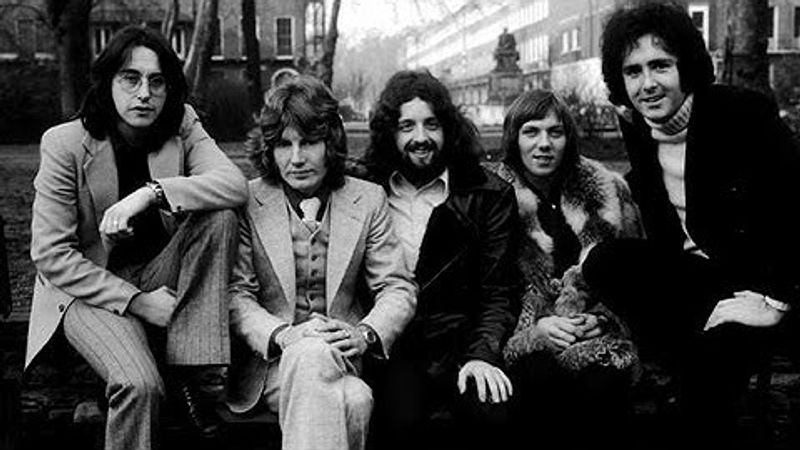
Glasgow’s contribution to British pop arrived with this versatile group that mastered both rock and bubblegum styles.
Their ability to adapt to changing musical trends kept them relevant throughout the decade.
“Reflections of My Life” became their international breakthrough in 1969, featuring a haunting melody and philosophical lyrics.
The song’s melancholic tone contrasted with the upbeat pop dominating charts.
Their cover of The Beatles’ “Ob-La-Di, Ob-La-Da” topped UK charts, demonstrating their commercial instincts.
Lead guitarist Junior Campbell’s songwriting skills developed significantly as the decade progressed.
The band continued recording into the 1970s with various lineup changes.
Their Scottish roots gave them a distinct perspective within the English-dominated British Invasion scene.
15. Herman’s Hermits
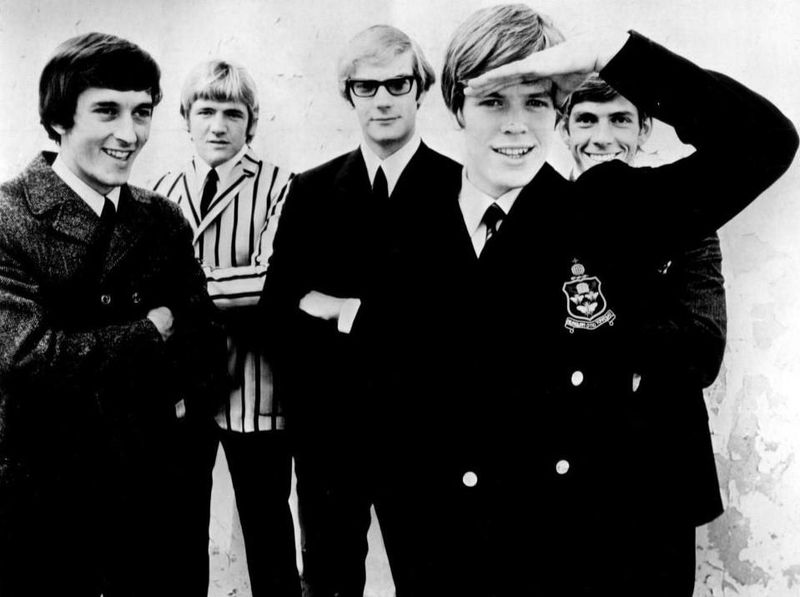
Hailing from Manchester, this boyish band conquered American audiences while their homeland remained skeptical, with Peter Noone’s charisma driving their international appeal.
“Mrs. Brown, You’ve Got a Lovely Daughter” topped American charts despite never being released as a single in Britain.
Their music hall-influenced style felt distinctly British, appealing to American audiences seeking authenticity.
“I’m Into Something Good” and “There’s a Kind of Hush” showcased their ability to deliver innocent pop with infectious enthusiasm.
They scored more hits in America during the ’60s than any British act except The Beatles.
Critics dismissed them as lightweight, but their commercial success proved audiences loved their wholesome approach to rock music.
Comments
Loading…