
 Isabel Parker
15 Essential Neo-Noir Films That Redefined Modern Cinema
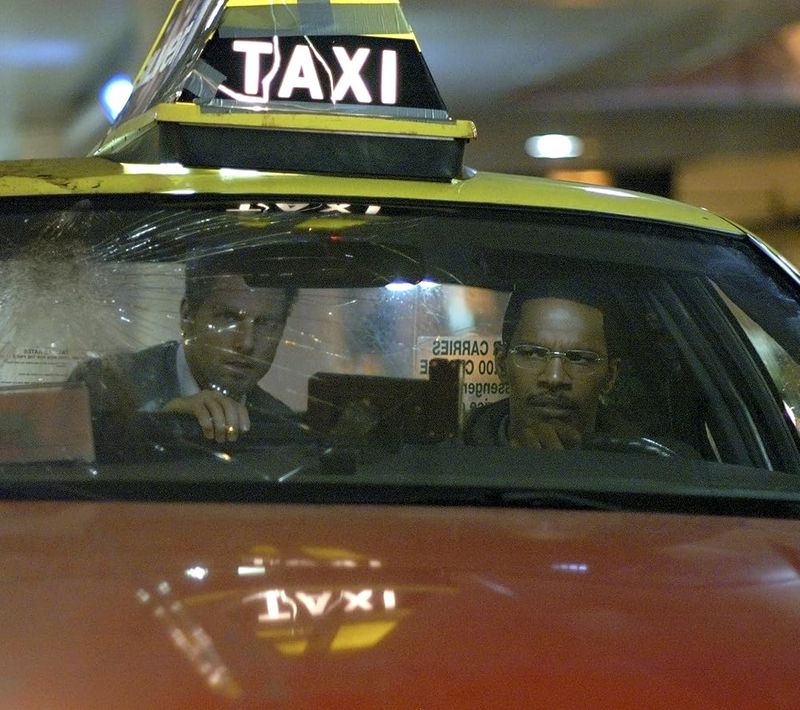
Classic film noir gave us shadowy detectives and dangerous dames in black-and-white worlds of crime and corruption.
But when filmmakers started mixing those dark themes with modern stories, colorful visuals, and twisted psychology, neo-noir was born.
These 15 groundbreaking movies took the best parts of old-school noir and reimagined them for new audiences, creating unforgettable characters, shocking twists, and worlds where right and wrong blur together in fascinating ways.
1. Chinatown (1974)
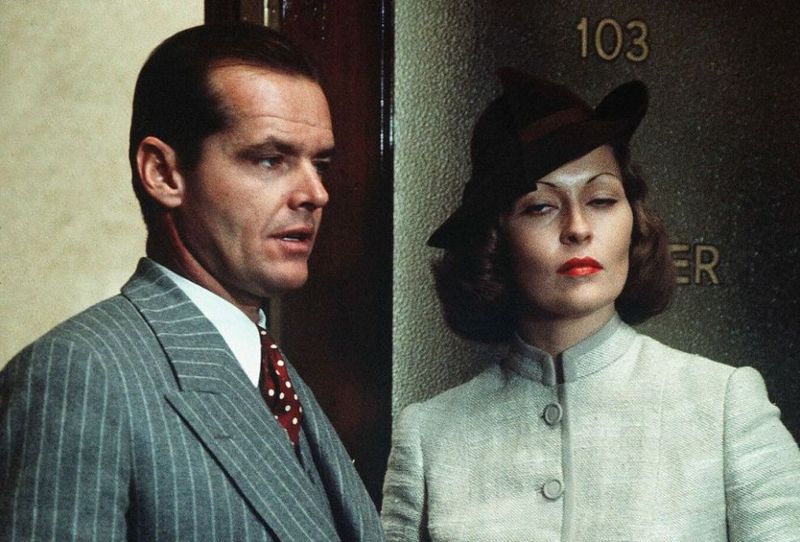
Private investigator Jake Gittes thinks he’s working just another cheating-spouse case in sunny 1930s Los Angeles.
What starts as routine surveillance explodes into a nightmare involving stolen water, powerful families, and secrets too dark to imagine.
Director Roman Polanski crafted a mystery where every answer leads to three more questions.
The film’s ending remains one of cinema’s most devastating moments, proving that sometimes the bad guys win and heroes can’t save everyone.
Jack Nicholson’s performance as Gittes captures a man slowly realizing he’s way out of his depth.
Unlike classic noir set in shadowy nights, much of Chinatown unfolds in bright California sunshine, making its darkness even more unsettling.
2. Blade Runner (1982)
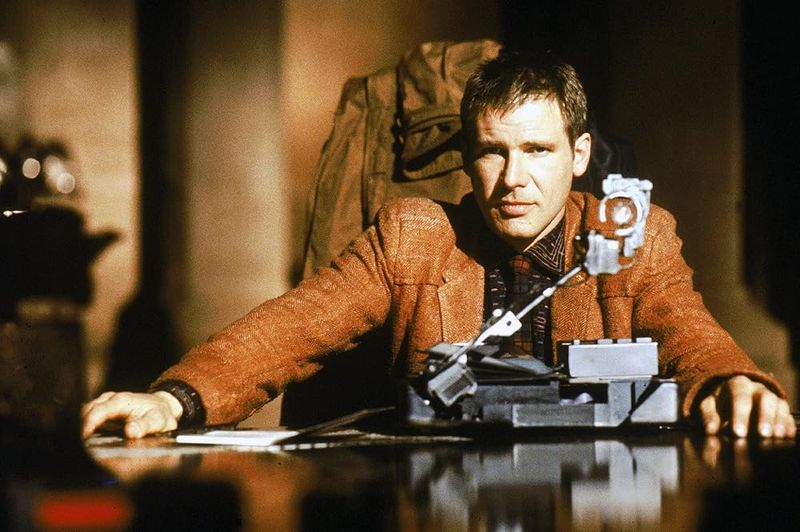
Rain never stops falling in 2019 Los Angeles, where detective Rick Deckard hunts artificial humans called replicants who look exactly like real people.
Ridley Scott’s masterpiece asks uncomfortable questions: What makes someone truly human?
Can machines have souls?
The stunning visuals mix film noir’s shadowy streets with science fiction’s technological future.
Harrison Ford plays Deckard as a tired cop forced back into dangerous work, while Rutger Hauer delivers an unforgettable performance as a replicant desperate to live longer.
The movie flopped initially but became hugely influential, inspiring countless films, shows, and games.
Its ambiguous ending still sparks debates decades later about Deckard’s true nature.
3. Taxi Driver (1976)
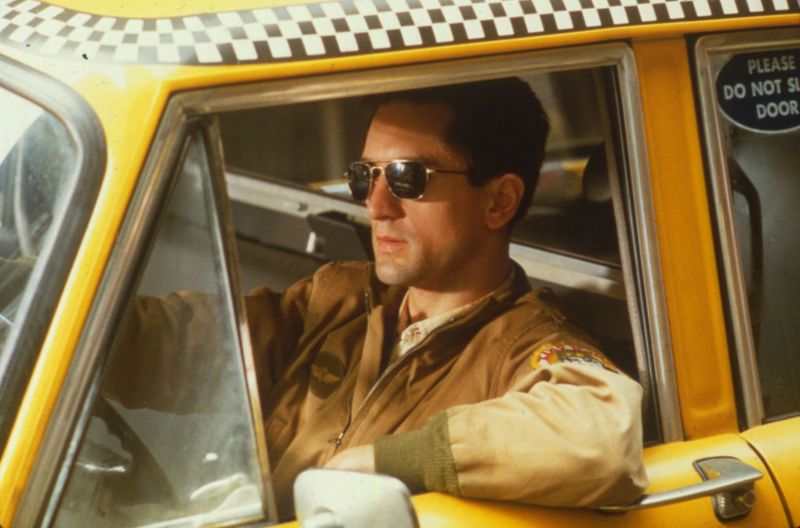
Travis Bickle can’t sleep, so he drives a yellow cab through New York’s filthiest neighborhoods every night.
Martin Scorsese’s disturbing character study follows Travis as loneliness and disgust with society’s corruption twist his mind toward violence.
Robert De Niro disappears into the role of a man slowly losing his grip on reality.
The famous “You talkin’ to me?” scene shows Travis practicing tough-guy poses in the mirror, rehearsing for confrontations that exist only in his head.
Bernard Herrmann’s haunting jazz score makes the city feel like a living nightmare.
Whether Travis becomes a hero or villain depends entirely on perspective, capturing neo-noir’s moral confusion perfectly.
The film’s climactic violence shocked 1970s audiences with its unflinching brutality.
4. L.A. Confidential (1997)
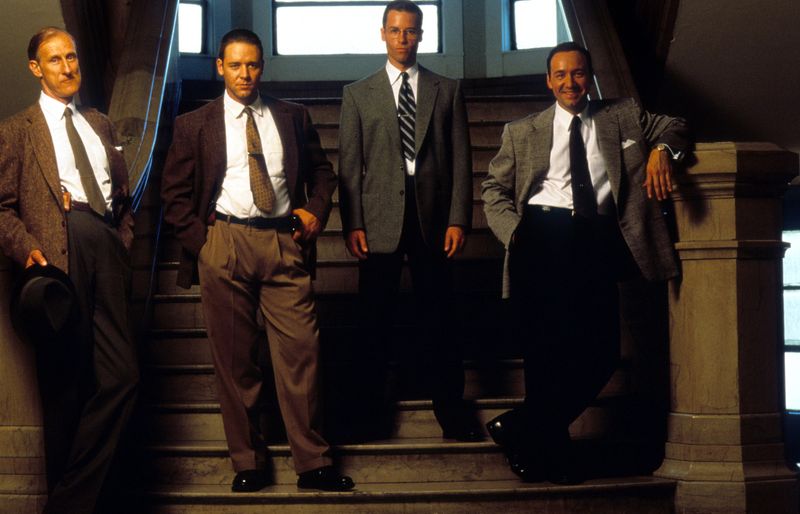
Three cops with completely different styles—a brutal enforcer, a slick celebrity detective, and an idealistic rookie—collide while investigating murders in glamorous 1950s Hollywood.
Curtis Hanson’s adaptation of James Ellroy’s complex novel somehow makes sense of dozens of characters and plot threads without losing viewers.
The result feels like discovering a lost classic noir from the actual 1950s.
Kevin Spacey, Russell Crowe, and Guy Pearce create fascinating contrasts as the three detectives who must overcome mutual distrust to solve the case.
Kim Basinger won an Oscar playing a prostitute altered by surgery to resemble movie stars.
Every scene drips with period detail and moral compromise, reminding us that corruption hides beneath even the shiniest surfaces.
5. Memento (2001)
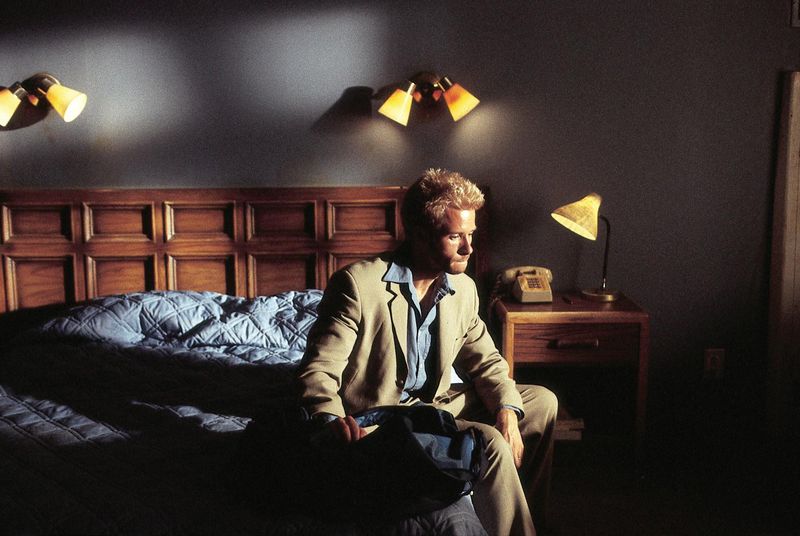
Leonard can’t form new memories after an attack that killed his wife, so he tattoos facts on his body and carries Polaroid photos with handwritten notes.
Christopher Nolan tells Leonard’s revenge quest backwards, with scenes in reverse chronological order, making viewers experience his confusion firsthand.
You’re never sure who’s lying or what really happened.
Guy Pearce brilliantly portrays a man who might be manipulated by everyone around him, including himself.
Each scene starts with Leonard already in the middle of something, forcing him to piece together context from his notes.
The black-and-white sequences moving forward eventually collide with the color scenes moving backward, revealing a devastating truth.
This structural experiment proved neo-noir could reinvent storytelling itself.
6. Se7en (1995)
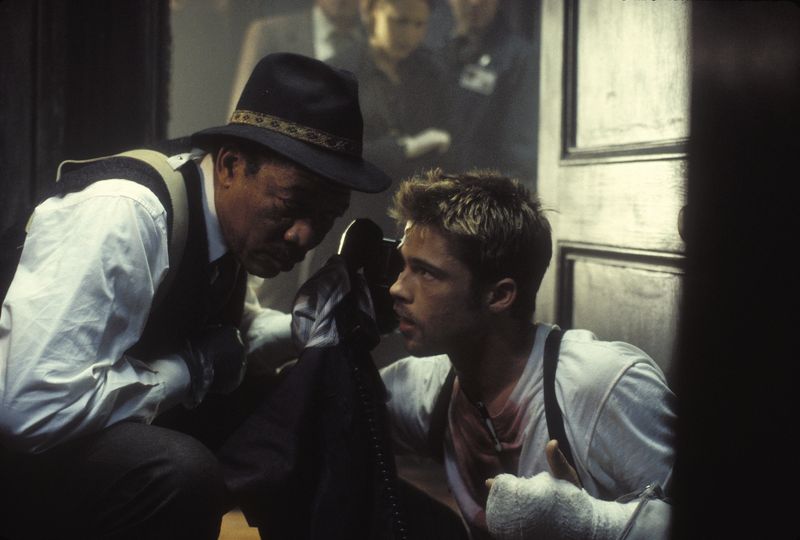
Veteran Detective Somerset wants to retire, but rookie Detective Mills drags him into hunting a serial killer who stages murders based on the seven deadly sins.
David Fincher creates a nameless city where rain never stops and hope seems impossible.
Each crime scene grows more disturbing, testing how much darkness audiences can stomach.
Brad Pitt and Morgan Freeman make a perfect mismatched pair—impulsive youth versus weary experience.
The film’s desaturated colors drain warmth from every frame, making even daylight scenes feel oppressive.
That infamous ending in the desert remains shocking because it proves evil can win by turning good people into monsters.
Se7en demonstrated that neo-noir could push psychological horror to unbearable extremes while maintaining artistic credibility.
7. Nightcrawler (2014)
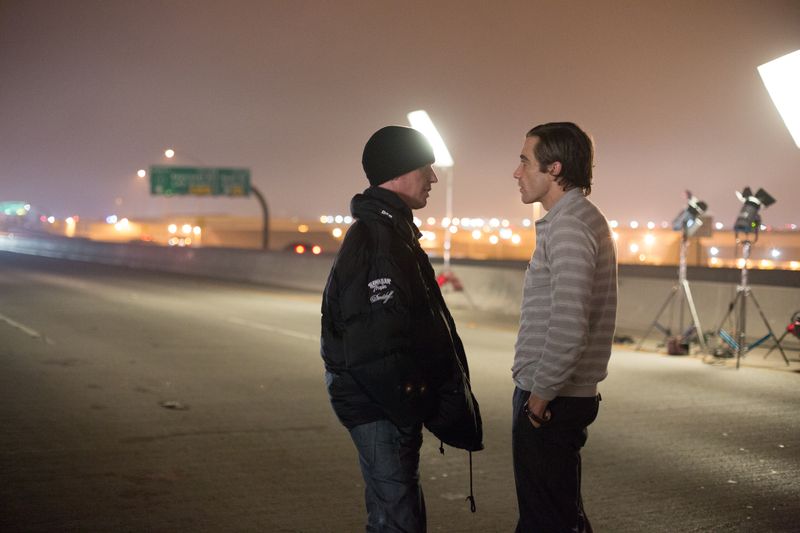
Lou Bloom discovers he can make money filming car crashes and murders for TV news, so he buys a police scanner and prowls Los Angeles after dark.
Jake Gyllenhaal lost weight and created creepy manmannerisms for this role, playing Lou as a sociopath who learns business-speak from internet videos.
His hollow motivational phrases contrast sickeningly with his complete lack of ethics.
Director Dan Gilroy exposes how local news exploits tragedy for ratings, with station director Nina equally willing to cross moral lines.
Lou doesn’t just film crimes—he starts manipulating crime scenes and withholding evidence to create better footage.
The nighttime Los Angeles cinematography glows with beautiful ugliness.
This modern neo-noir proves that monsters don’t need fangs when capitalism rewards their worst instincts.
8. Mulholland Drive (2001)
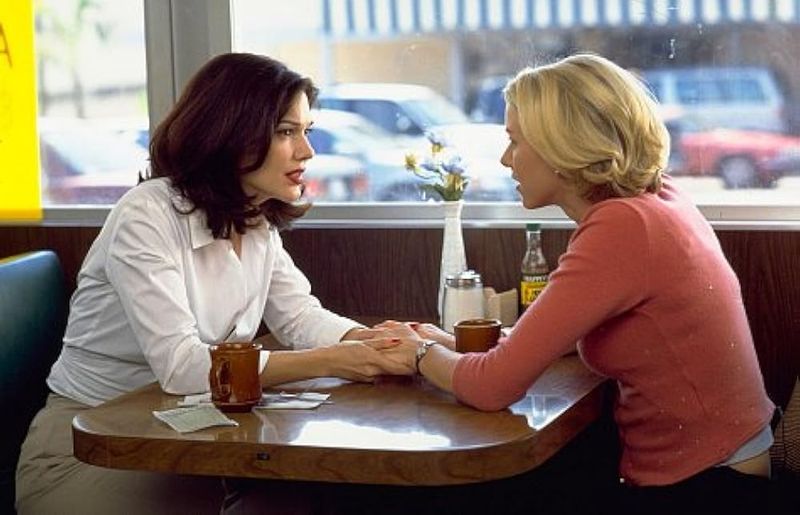
After a car accident on the famous Hollywood hills road, a beautiful woman with amnesia stumbles into Betty’s apartment.
Together they try solving the mystery of her identity, but nothing makes logical sense in David Lynch’s puzzle-box masterpiece.
Reality keeps shifting, characters transform, and viewers must decide what actually happened versus what’s fantasy.
Naomi Watts gives a stunning dual performance as innocent Betty and troubled Diane—or are they the same person?
The film feels like a beautiful nightmare about Hollywood destroying dreams and identities.
That terrifying scene behind the diner still makes people jump.
Lynch takes noir’s psychological confusion to surreal extremes, creating a movie that rewards repeated viewings as you notice new clues and connections each time.
9. Heat (1995)
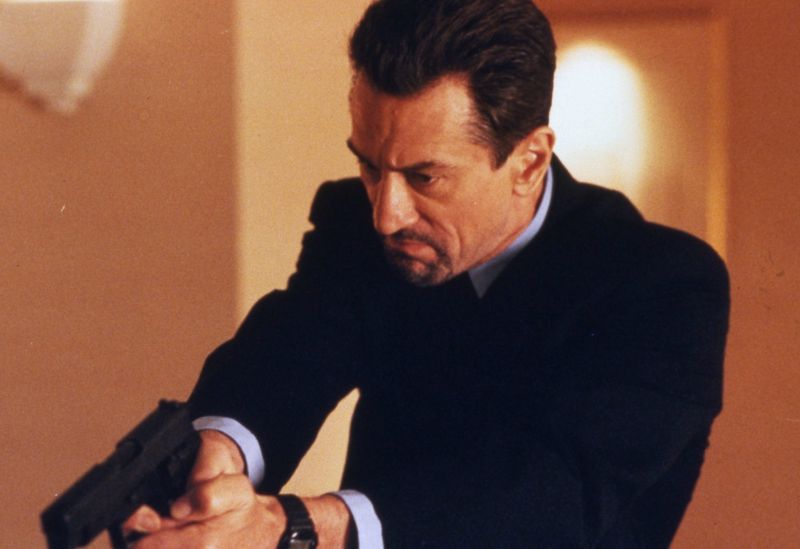
Master criminal Neil McCauley lives by a strict rule: stay ready to walk away from everything in thirty seconds if you spot trouble.
Detective Vincent Hanna obsessively hunts criminals at the cost of his personal life.
Michael Mann’s epic puts these mirror-image professionals on a collision course through meticulously planned heists and investigations.
The famous coffee shop scene where Al Pacino and Robert De Niro finally sit down together crackles with tension and mutual respect between enemies.
That downtown LA shootout remains one of cinema’s most realistic gunfights, with deafening sound design that makes viewers flinch.
Both men sacrifice normal happiness for their professions, questioning whether expertise justifies loneliness.
Heat proves neo-noir works just as well at nearly three-hour length when every scene matters.
10. Sin City (2005)
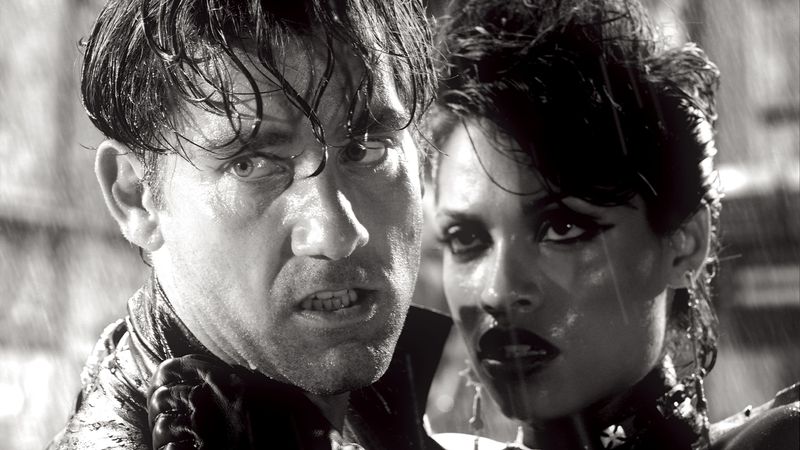
Basin City earned its nickname because everyone there is a sinner—corrupt cops, brutal criminals, and desperate anti-heroes populate Frank Miller’s graphic novel world.
Directors Robert Rodriguez and Miller translated the comic panels directly to screen using mostly black-and-white cinematography with splashes of color for blood, eyes, and other key elements.
The result looks like nothing else in cinema.
Multiple storylines interweave as characters like Marv, Dwight, and Hartigan fight personal wars against Basin City’s worst monsters.
Mickey Rourke disappears under makeup as the hulking Marv, seeking vengeance for a murdered woman.
The exaggerated violence plays like a brutal cartoon, pushing noir’s cynicism to comic-book extremes.
Sin City proved graphic novels could be adapted with absolute visual fidelity while maintaining neo-noir’s dark soul.
11. Cape Fear (1991)
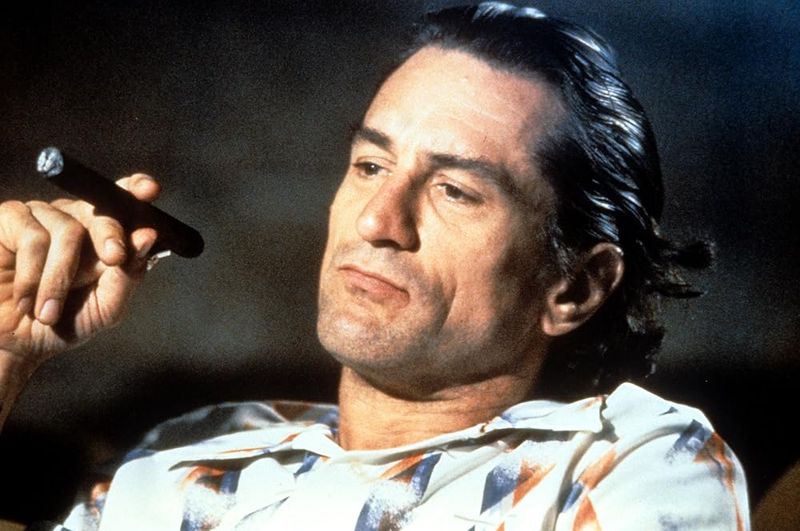
Max Cady spent fourteen years in prison planning revenge against Sam Bowden, the defense lawyer who deliberately sabotaged his case.
Martin Scorsese’s remake transforms the original 1962 thriller into a nightmarish examination of guilt and vulnerability.
Robert De Niro makes Cady terrifying not through simple violence but through calculated psychological torture of Bowden’s entire family.
Nick Nolte plays Sam as a man whose past sins catch up when Cady exploits every legal protection to stalk them.
The film questions whether Sam deserves what’s happening, blurring victim and villain roles.
Bernard Herrmann’s original score was reworked to maintain classic noir atmosphere.
That houseboat climax during a hurricane remains intensely claustrophobic.
Cape Fear demonstrates how neo-noir can update older stories while deepening their moral complexity.
12. Collateral (2004)
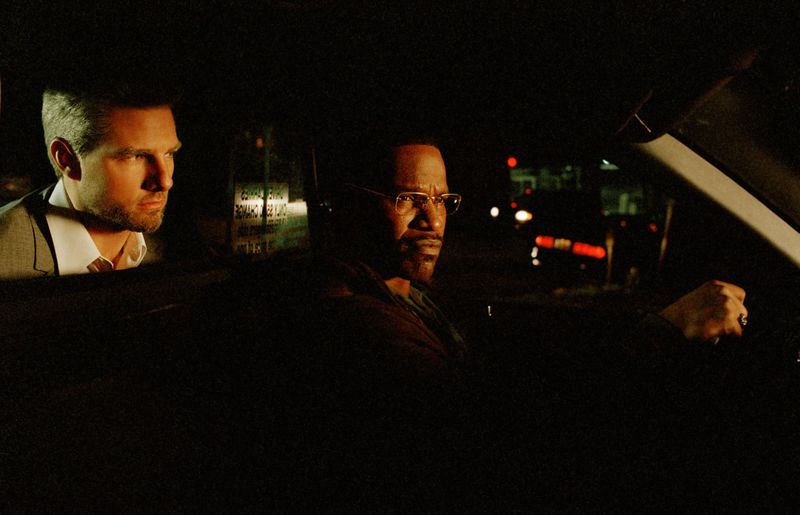
Cabbie Max picks up what seems like a regular fare—businessman Vincent needs to make five stops around Los Angeles tonight.
Then a body falls onto Max’s taxi, and he realizes Vincent is a contract killer who’s made Max his unwilling accomplice and driver.
Michael Mann shoots nighttime LA digitally, making the city glow with artificial beauty that contrasts with the ugly murders.
Tom Cruise plays against type as Vincent, a cold professional who discusses philosophy between kills.
Jamie Foxx’s Max transforms from passive dreamer to someone forced to take action when innocent lives depend on him.
That jazz club scene where Vincent confronts his next target showcases the film’s moral questions about fate and choice.
Collateral traps viewers in one long night where every decision matters and escape seems impossible.
13. Fargo (1996)
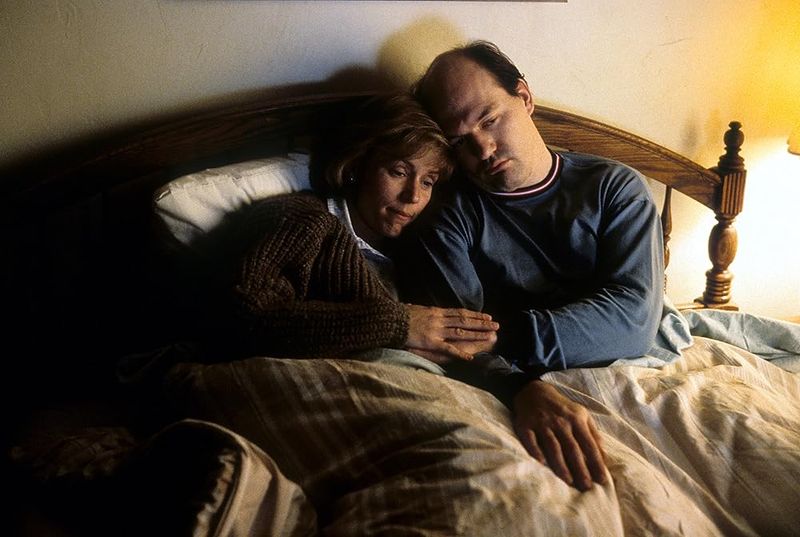
Car salesman Jerry Lundegaard hires two criminals to kidnap his wife so he can collect ransom from his wealthy father-in-law.
Everything goes wrong in spectacularly stupid ways, leaving bodies scattered across frozen Minnesota.
The Coen Brothers mix dark comedy with genuine horror, finding humor in criminal incompetence while never making light of the victims.
Frances McDormand won an Oscar playing Marge Gunderson, the pregnant police chief whose folksy manner hides sharp intelligence.
Her investigation contrasts wholesome Midwestern niceness against senseless violence and greed.
That wood chipper scene became infamous for its disturbing matter-of-factness.
Steve Buscemi and Peter Stormare create memorable villains—one motor-mouthed, one eerily silent.
Fargo proves neo-noir doesn’t require big cities or traditional tough guys when human stupidity and evil exist everywhere.
14. Blue Velvet (1986)
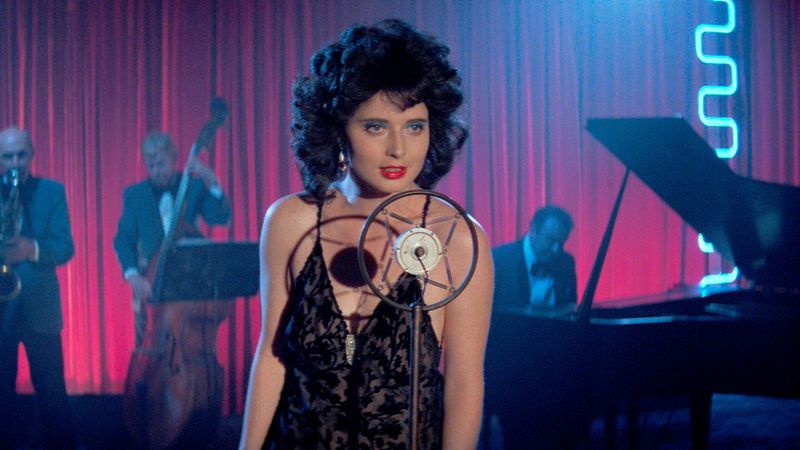
College student Jeffrey finds a severed human ear in a field, leading him to spy on lounge singer Dorothy and discover the violent criminal Frank Booth hiding beneath his hometown’s perfect surface.
David Lynch’s breakthrough neo-noir exposes rot under suburban normalcy, mixing surreal imagery with shocking violence.
Dennis Hopper’s performance as the gas-huffing Frank remains one of cinema’s most disturbing villains.
Kyle MacLachlan plays Jeffrey as an innocent corrupted by curiosity and voyeurism, unable to stop investigating despite the danger.
Isabella Rossellini brings tragic vulnerability to Dorothy, a woman trapped in Frank’s nightmare.
That opening sequence of perfect flowers hiding insects underneath announces Lynch’s theme immediately.
Blue Velvet influenced countless filmmakers by proving neo-noir could venture into psychological surrealism while maintaining crime-story structure and existential dread.
15. Bound (1996)
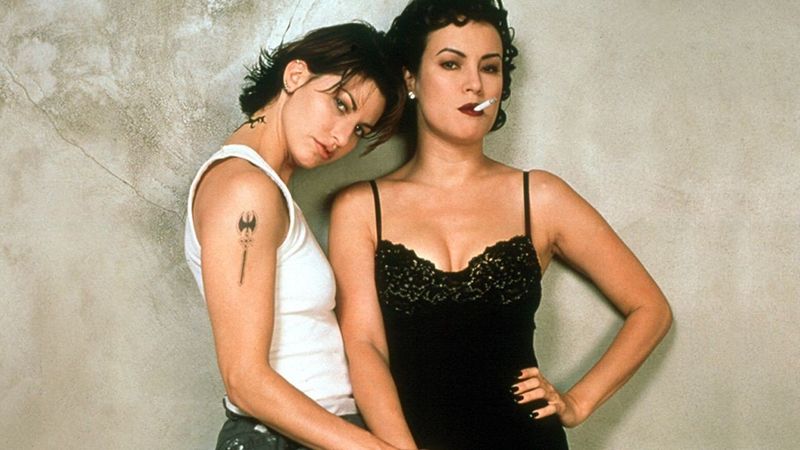
Ex-con Corky takes a renovation job at a Chicago apartment building and meets Violet, whose boyfriend Caesar works for the Mafia.
The Wachowskis’ directorial debut follows the women as they plot to steal two million dollars from Caesar and frame him for embezzlement.
Smart camera angles and tight editing build suspense as their plan nearly unravels multiple times.
Jennifer Tilly and Gina Gershon create electric chemistry as Violet and Corky, two women willing to risk everything for money and each other.
Joe Pantoliano makes Caesar increasingly paranoid and dangerous as he realizes someone’s playing him.
The film updates classic noir’s femme fatale dynamics with genuine romance and partnership instead of betrayal.
Bound proved the Wachowskis understood suspense and style years before The Matrix, crafting a lean thriller where intelligence defeats masculine violence.
Comments
Loading…