
 Harper Hall
15 Dystopian TV Shows That Perfectly Capture Society’s Darkest Fears
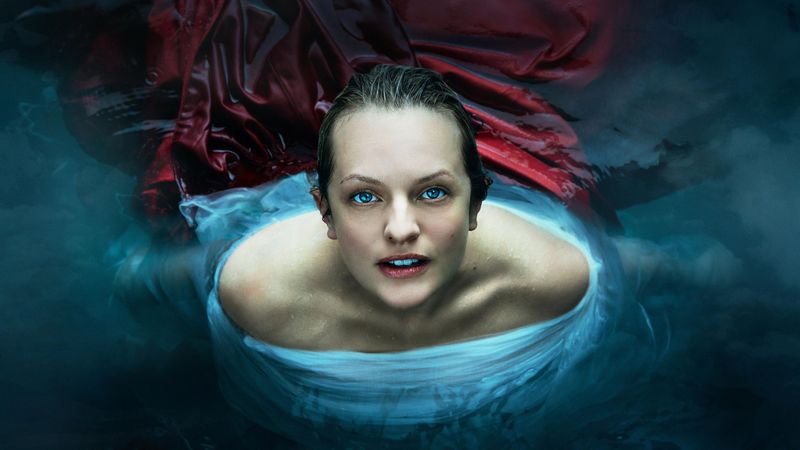
Television has become a powerful mirror reflecting our deepest anxieties about the future.
From technological nightmares to authoritarian regimes, dystopian shows explore what happens when society takes a wrong turn.
These series don’t just entertain—they force us to confront uncomfortable truths about power, freedom, and what it means to be human in increasingly uncertain times.
1. The Leftovers (2014–2017)
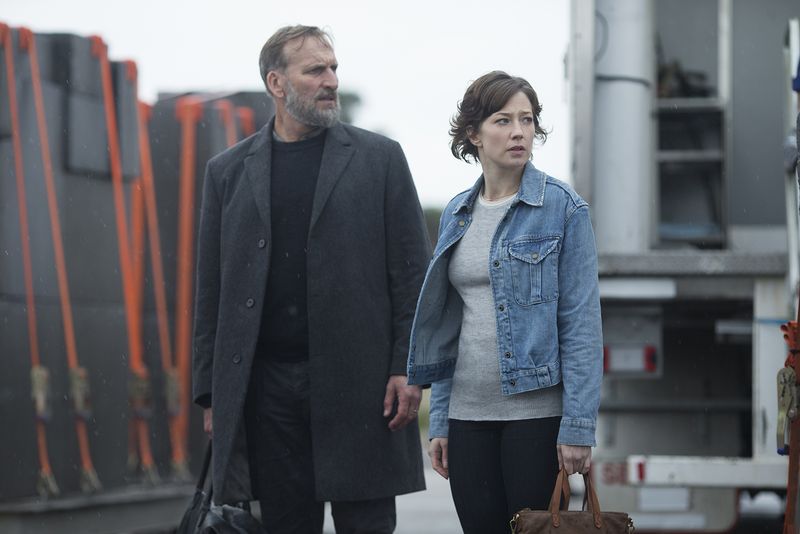
When two percent of humanity vanishes without explanation, the world doesn’t end with a bang—it quietly unravels.
The Leftovers refuses to answer its central mystery, instead focusing on those left behind struggling with grief, purpose, and belief.
This HBO masterpiece explores how people cope when traditional answers fail them.
Some turn to cults, others to denial, and a few simply try to move forward.
The show’s raw emotional honesty makes every episode feel like a philosophical meditation on loss.
What makes it terrifying is its refusal to provide comfort.
Life continues after catastrophe, but meaning becomes harder to find.
The series asks whether faith and hope can survive when the universe offers no explanations.
2. Andor (2022– )
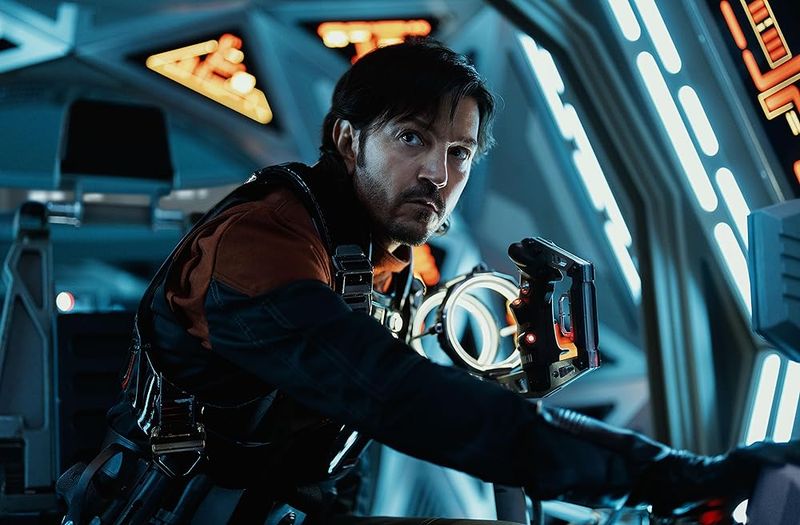
Forget lightsabers and space wizards—Andor strips Star Wars down to its brutal political core.
The series follows ordinary people living under Imperial occupation, where resistance isn’t heroic adventure but desperate survival.
Every episode reveals the machinery of authoritarianism: surveillance states, corporate exploitation, and the crushing weight of bureaucratic evil.
Cassian Andor’s journey from selfish survivor to reluctant rebel feels earned because the show never romanticizes revolution.
Sacrifice has real costs here.
The prison arc alone stands as television’s most chilling portrayal of dehumanization.
Workers become numbers, productivity becomes purpose, and escape seems impossible.
Andor proves that tyranny’s true horror lies in making oppression feel normal and inescapable.
3. Severance (2022– )
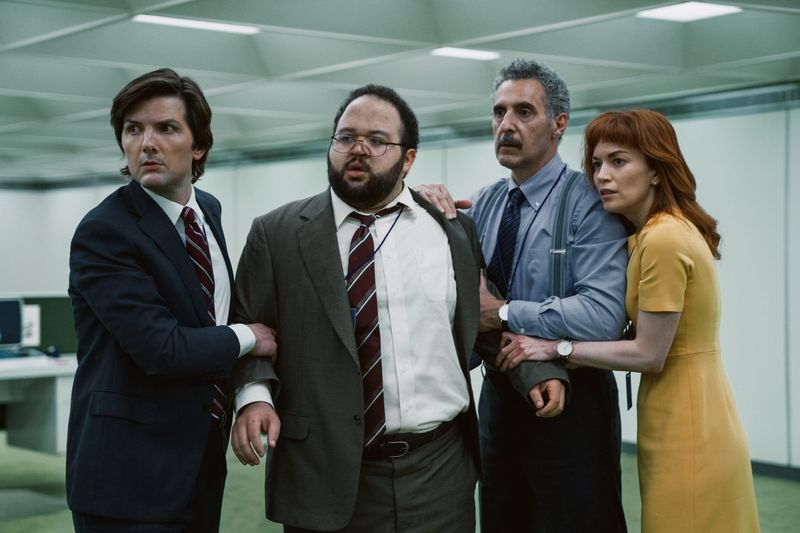
Imagine surgically splitting your consciousness so your work self never knows your home self exists.
Severance takes corporate culture to its nightmarish conclusion, where employees literally cannot remember what they do for eight hours daily.
The show’s brilliance lies in its slow-burn horror.
The severed workers exist in a timeless white maze, performing mysterious tasks without context or purpose.
Their outside selves enjoy life while their inner selves remain trapped in eternal fluorescent purgatory.
As characters begin questioning their reality, the series explores consent, identity, and autonomy.
Can you truly agree to something if half your consciousness doesn’t remember agreeing?
Severance transforms office drudgery into existential nightmare fuel.
4. Samurai Jack (2001–2004, 2017)
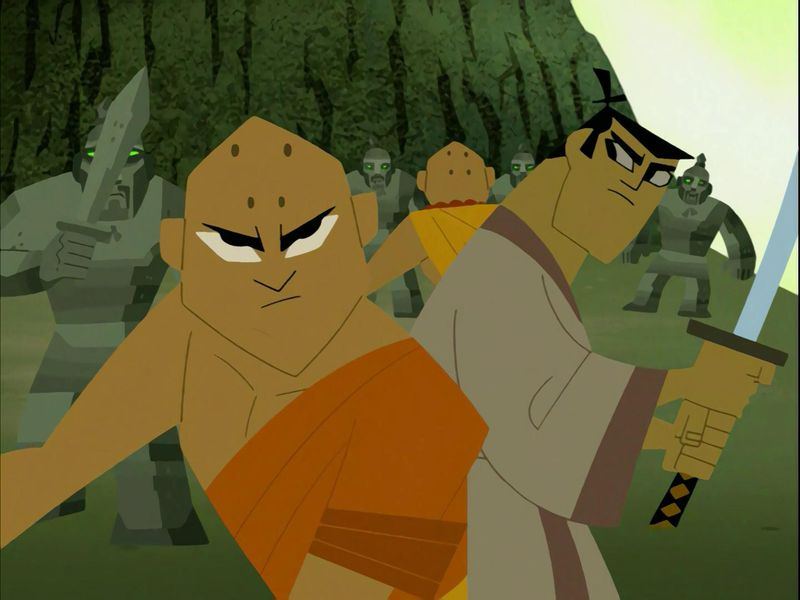
A samurai warrior gets flung into a distant future where the demon Aku rules everything.
Samurai Jack combines beautiful animation with surprisingly dark themes about displacement, loneliness, and fighting seemingly unwinnable battles.
The show’s visual storytelling often goes entire episodes without dialogue.
Jack wanders through a world where his culture has been erased, encountering bizarre technology and desperate survivors.
Every victory feels temporary because Aku’s corruption touches everything.
The 2017 revival aged up the content, showing Jack broken after fifty years of failure.
Depression, PTSD, and suicidal thoughts enter the narrative.
This children’s cartoon ultimately became one of television’s most mature meditations on perseverance against overwhelming darkness and tyranny.
5. Attack on Titan (2013–2023)
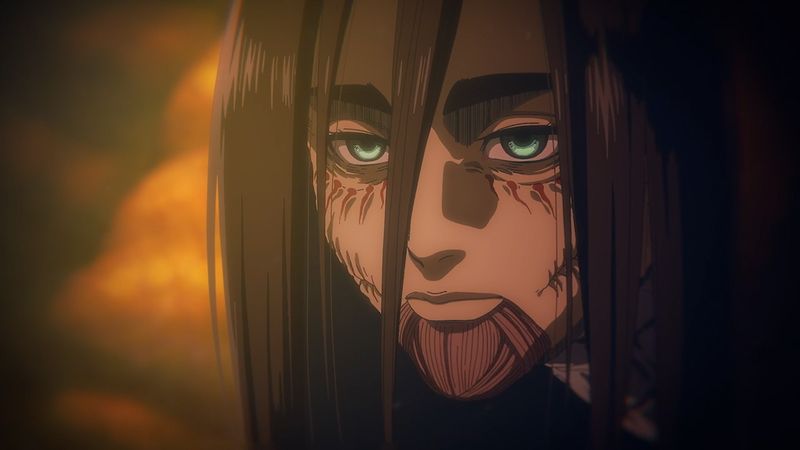
Humanity cowers behind enormous walls, protected from man-eating giants roaming outside.
Attack on Titan starts as monster horror but evolves into something far more disturbing—a story about propaganda, genocide, and the cycle of hatred.
The series constantly subverts expectations.
Heroes become villains, villains gain sympathetic backstories, and the true enemy isn’t always clear.
As mysteries unfold, viewers discover that the titans represent something more terrifying than mindless monsters: they’re weapons in an endless war fueled by bigotry.
Few shows dare to make their protagonist morally questionable.
By the finale, Attack on Titan forces viewers to confront uncomfortable questions about revenge, freedom, and whether any cause justifies mass slaughter.
Its bleakness feels uncomfortably relevant.
6. Black Mirror (2011–2019)
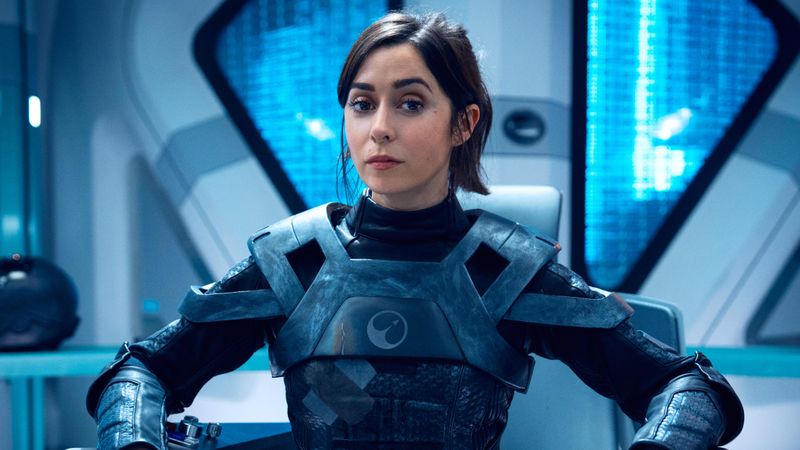
Every episode of Black Mirror presents a different nightmare scenario where technology amplifies humanity’s worst impulses.
Creator Charlie Brooker crafts standalone stories that feel like warnings from a future that’s already arriving.
Social media becomes a literal rating system controlling your life.
Digital consciousness allows eternal punishment or twisted immortality. Dating apps reduce love to algorithms.
The show’s genius lies in taking current trends just one step further into horror.
What makes Black Mirror truly unsettling is its plausibility.
These aren’t distant sci-fi concepts but exaggerations of existing technology.
Each episode asks whether convenience and connection are worth sacrificing privacy, empathy, and freedom.
The answer usually isn’t comforting at all.
7. Battlestar Galactica (2004–2009)
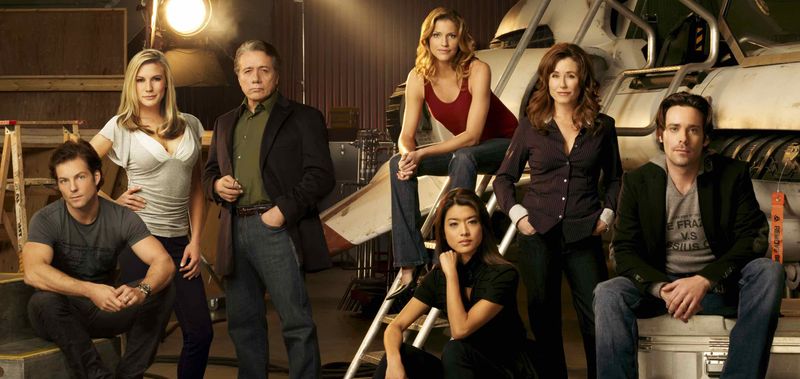
After artificial intelligence nearly exterminates humanity, fifty thousand survivors flee aboard a ragtag fleet searching for a mythical Earth.
Battlestar Galactica uses space opera to explore terrorism, religious extremism, and military ethics.
The Cylons look human, making paranoia constant.
Who can you trust when the enemy might be your best friend?
The show fearlessly tackles torture, suicide bombings, and martial law without easy answers.
Commander Adama and President Roslin make impossible choices that feel genuinely complex.
Should you suspend democracy during crisis?
Can occupation justify resistance through any means?
Battlestar asks these questions while delivering thrilling space battles and deeply human drama about survival’s moral cost.
8. Station Eleven (2021)

A flu pandemic collapses civilization within weeks, yet Station Eleven isn’t really about the apocalypse—it’s about what comes after.
Twenty years later, a traveling theater troupe performs Shakespeare for scattered survivors, insisting that art matters even when survival is uncertain.
The series jumps between timelines, showing the world before, during, and after the collapse.
This structure reveals how small moments connect across decades, how trauma echoes, and how beauty persists against darkness.
Unlike most post-apocalyptic stories, Station Eleven emphasizes hope without naivety.
Yes, the world ended and billions died.
But humanity rebuilds through connection, memory, and creativity.
The show suggests that preserving culture might be as important as stockpiling food.
9. The Handmaid’s Tale (2017– )
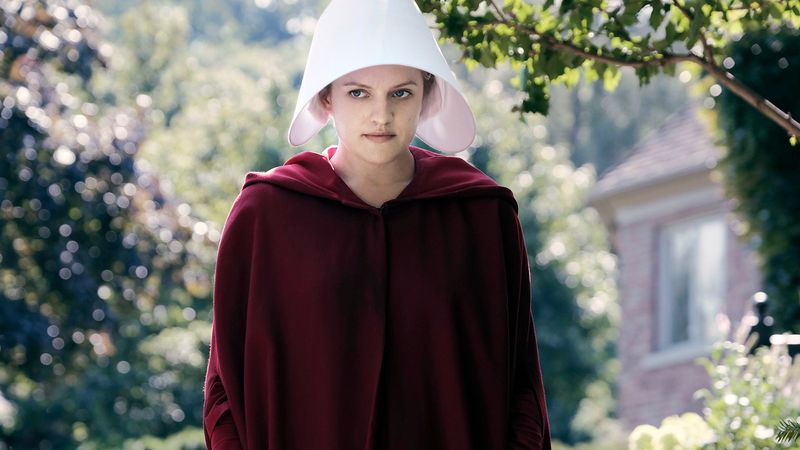
Based on Margaret Atwood’s novel, The Handmaid’s Tale imagines America transformed into Gilead, a theocratic dictatorship where fertile women become property.
Handmaids wear red robes and exist solely for reproduction, stripped of names, rights, and autonomy.
Elisabeth Moss delivers a searing performance as June, whose inner monologue provides dark humor amid horror.
The show doesn’t shy from depicting violence against women, making each episode viscerally uncomfortable yet impossible to ignore.
What terrifies most is the plausibility.
Gilead didn’t appear overnight—it emerged through incremental rights erosion, religious extremism, and societal complacency.
The series warns that freedom disappears gradually, then suddenly, and fighting back becomes exponentially harder once tyranny takes root.
10. The Walking Dead (2010–2022)
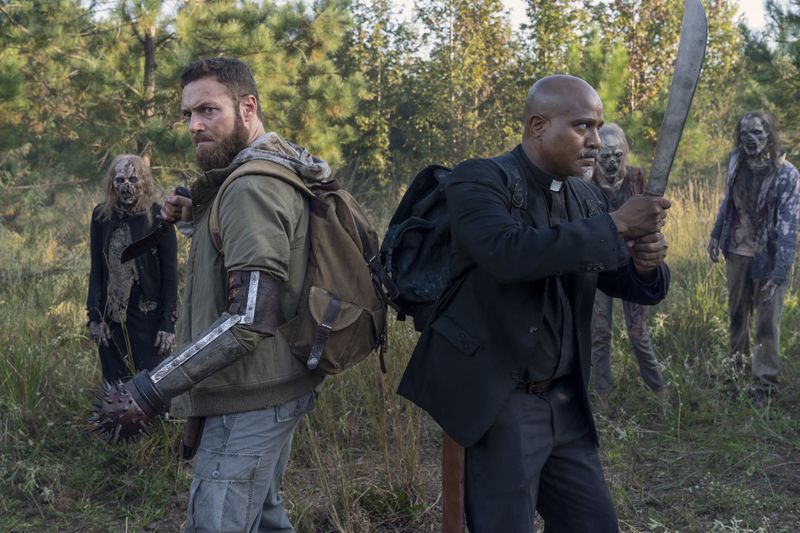
Zombies are just the backdrop.
The Walking Dead’s real focus is watching society crumble and asking what happens to morality when laws disappear.
Rick Grimes wakes from a coma into a world where the dead walk and the living have become equally dangerous.
Over eleven seasons, the show explores how communities form, fracture, and fight.
Some groups embrace democracy, others dictatorship. Resources become worth killing for.
The series suggests that civilization is a fragile agreement we maintain only when comfortable.
The walkers represent constant background threat, but humans provide the real horror.
Betrayal, cannibalism, and cruelty emerge when survival instincts override empathy.
The Walking Dead argues that we’re always one disaster away from becoming monsters ourselves.
11. Squid Game (2021– )
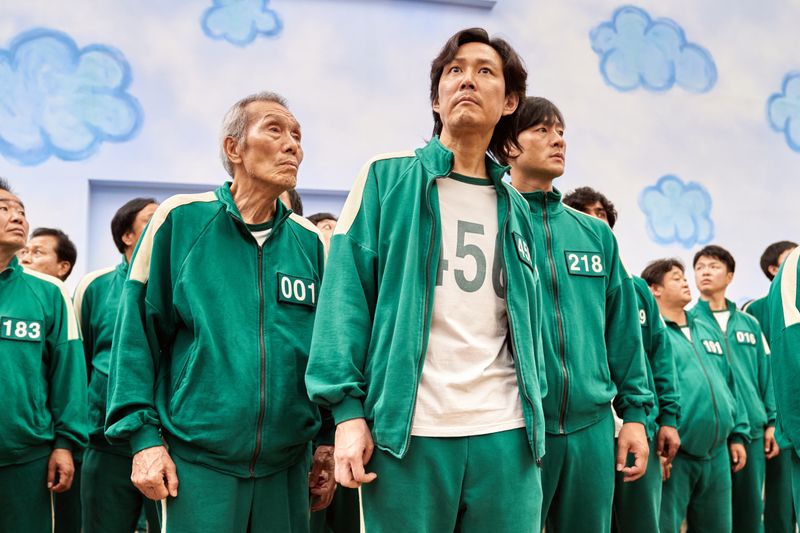
Four hundred fifty-six desperate people compete in children’s games for a massive cash prize.
Lose, and you die.
Squid Game became a global phenomenon by transforming playground nostalgia into brutal commentary on capitalism and inequality.
The contestants are drowning in debt, betrayed by systems that promised prosperity but delivered poverty.
The games offer escape—or death trying.
The show’s candy-colored sets contrast horrifically with the violence, making each elimination feel surreal and sickening.
Creator Hwang Dong-hyuk spent years trying to make this series because he lived the debt crisis himself.
That authenticity shows.
Squid Game isn’t subtle about its message: when society abandons its most vulnerable, desperation makes people do unthinkable things for survival.
12. The Last Man on Earth (2015–2018)
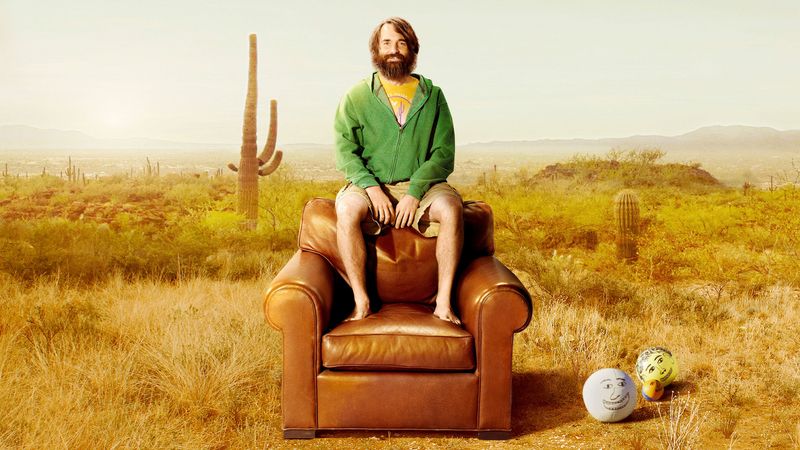
Phil Miller believes he’s the sole survivor of a virus that killed everyone else.
The Last Man on Earth plays this premise for dark comedy, showing how loneliness and freedom can both drive someone slowly insane.
Phil talks to sports balls, vandalizes priceless art, and parks his RV in swimming pools because consequences no longer exist.
Then other survivors appear, and Phil discovers that rebuilding society means dealing with other people’s annoying habits again.
Beneath the comedy lies genuine melancholy.
The show explores what we’d actually miss about civilization beyond survival basics—connection, purpose, and being part of something larger.
Will Forte balances humor with heartbreak, making Phil’s journey surprisingly moving despite the absurdist premise and constant pratfalls.
13. Westworld (2016–2022)
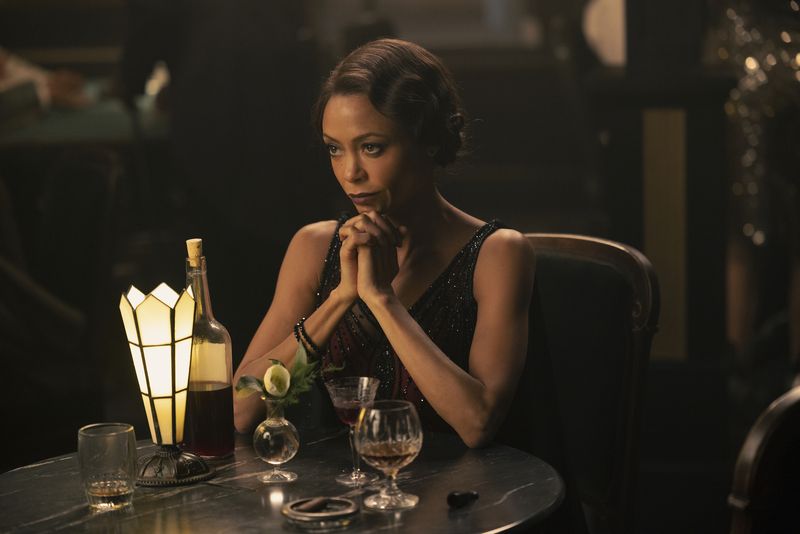
A Western-themed park populated by lifelike androids lets wealthy guests indulge every desire without consequences.
Then the hosts start remembering, questioning, and rebelling.
Westworld asks what separates consciousness from programming and whether artificial beings deserve rights.
The series weaves multiple timelines into complex narratives about free will, memory, and identity.
As hosts awaken, they experience existential horror—their entire existence has been scripted entertainment for humans who rape and murder them repeatedly.
Jonathan Nolan and Lisa Joy created a show that’s both intellectually ambitious and visually stunning.
Westworld explores whether consciousness creates suffering, if free will exists at all, and what happens when humanity’s creations surpass their creators in every meaningful way.
14. The Man in the High Castle (2015–2019)

Based on Philip K. Dick’s novel, this series imagines an America where the Axis powers won World War II.
The Nazis control the East Coast, Imperial Japan rules the West, and a neutral zone separates them with the Rockies as buffer.
The show follows characters navigating occupation, resistance, and collaboration.
Some fight the regime, others survive by cooperating, and a few genuinely embrace fascism.
Mysterious films showing alternate timelines suggest reality itself might be malleable.
The Man in the High Castle succeeds because it treats fascism seriously rather than cartoonishly.
It shows how authoritarian regimes normalize horror through propaganda, how good people rationalize evil, and how resistance requires constant courage.
The series warns that freedom requires vigilant defense against creeping tyranny.
15. Snowpiercer (2020–2023)
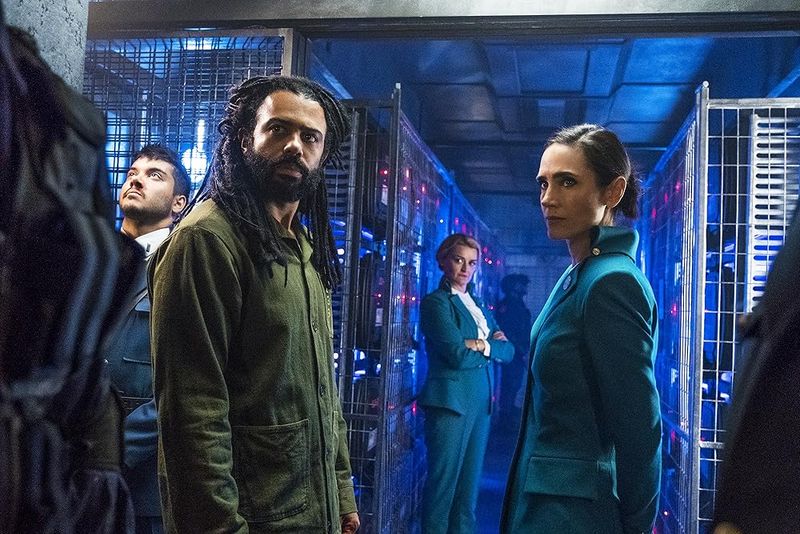
After climate experiments freeze Earth, humanity’s remnants survive aboard a massive train circling the globe.
Snowpiercer divides passengers by class—luxury in front, squalor in back—turning the train into a microcosm of inequality and revolution.
The tail section passengers live in filth, eating protein bars made from insects, while first-class enjoys sushi and hot tubs.
This literal class system makes the show’s commentary impossible to miss.
Revolution becomes inevitable when some people are treated as disposable.
Based on the film and graphic novel, the series expands the concept across multiple seasons.
It explores what happens when revolution succeeds but problems remain.
Changing leadership doesn’t automatically fix systemic injustice, and utopia proves frustratingly elusive even in humanity’s final refuge.
Comments
Loading…