
 Mary Murphy
15 Black Musicians Who Shaped Rock ’n’ Roll Before Elvis
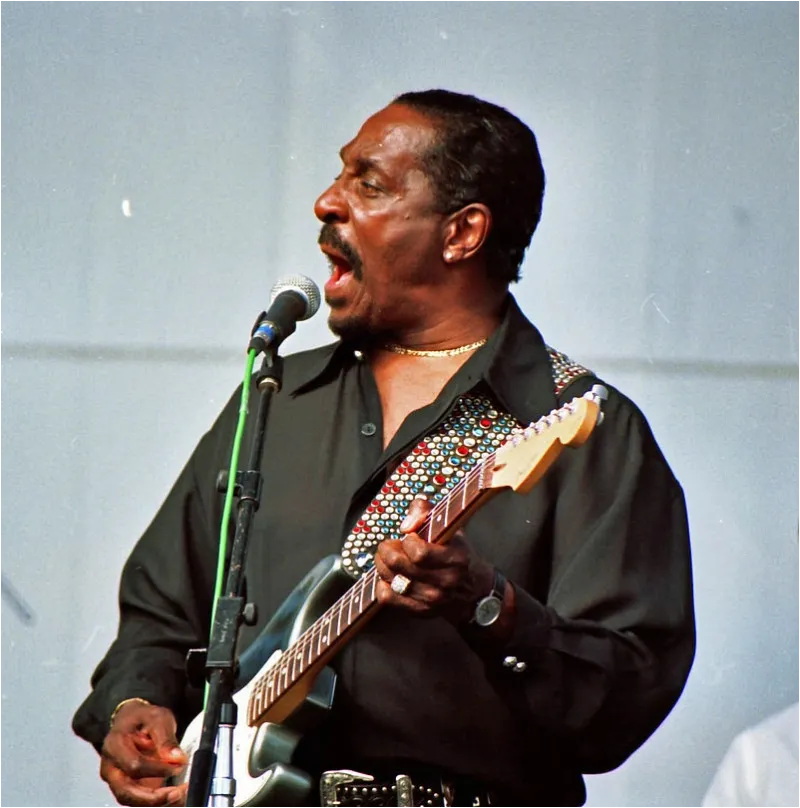
Before Elvis shook hips on television, the ground was already rumbling.
Black innovators carved the riffs, rhythms, and rebellious spark that made rock feel dangerous, joyful, and alive.
As you scroll, you will hear echoes you thought began later, now revealed in raw, electrifying origins.
Let these architects guide you to the roots you might have missed.
1. Sister Rosetta Tharpe
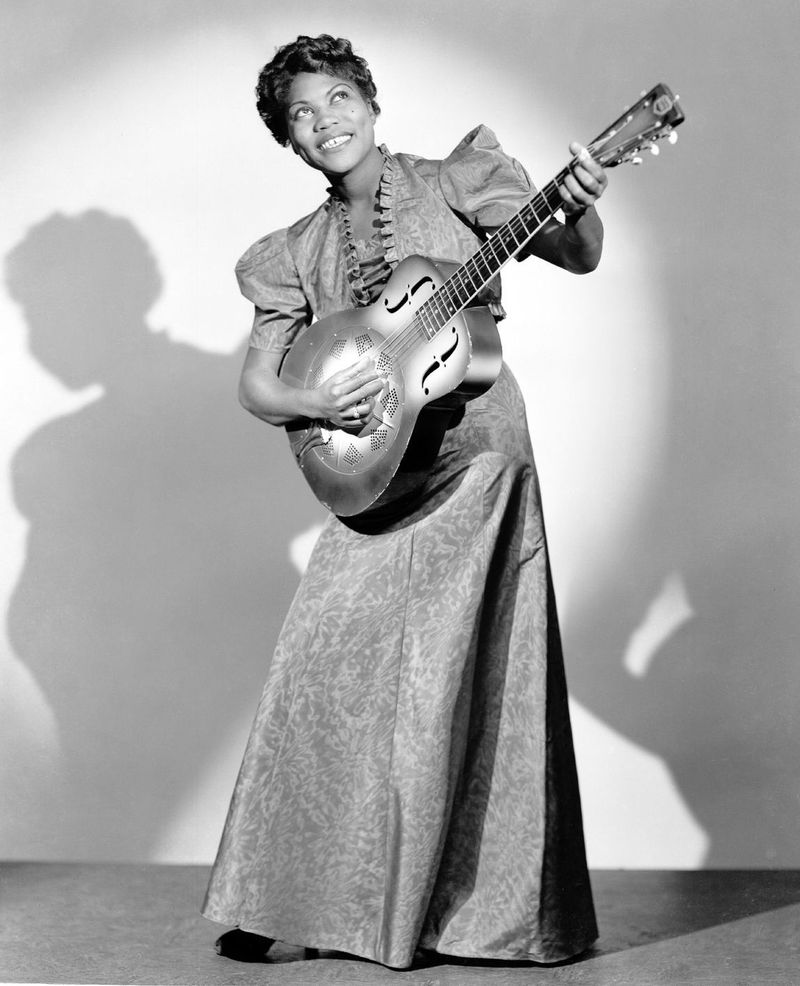
From the moment Sister Rosetta Tharpe hit a stage, she changed music forever.
Her fearless blend of gospel conviction and electric-guitar swagger shattered expectations in the 1930s and 1940s.
Audiences had never seen a woman—especially a Black woman—play with such fire and technical brilliance.
Her groundbreaking performances became a blueprint for rock attitude and energy.
Musicians across genres studied her bold rhythms and ecstatic showmanship.
Long before rock had a name, she brought its essential spark.
Even today, her influence is heard in countless guitar-driven styles.
She remains one of rock’s most important architects.
2. Bo Diddley
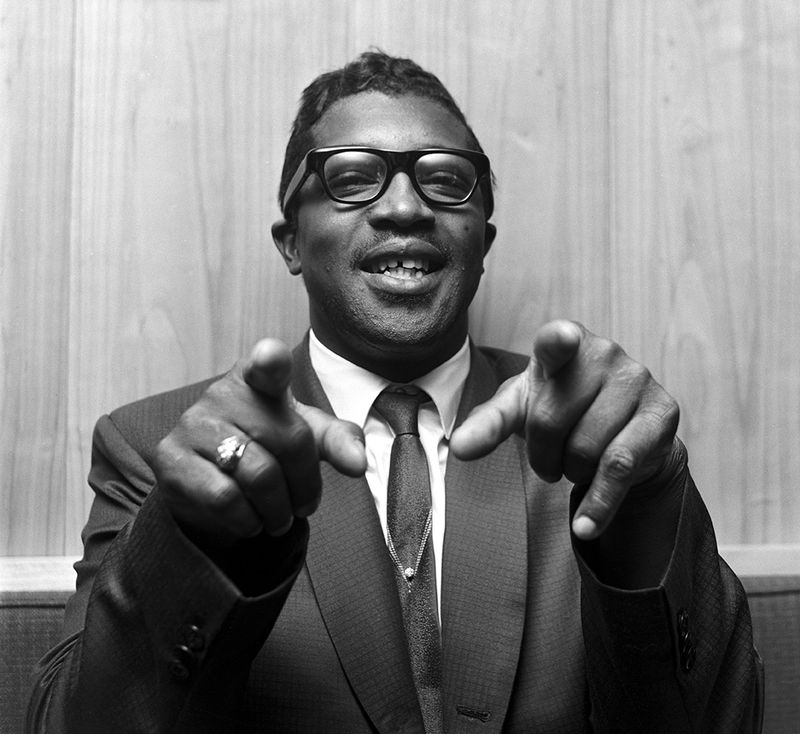
Bo Diddley stepped into the spotlight with a rhythmic identity all his own.
His signature beat, rooted in African and Afro-Caribbean patterns, became one of rock’s most enduring foundations.
Musicians across genres tried to replicate his percussive guitar style.
Audiences were captivated by his stage presence and inventive showmanship.
Diddley blurred lines between blues, R&B, and something unmistakably modern.
His homemade guitars and experimental sound shaped future generations of rock explorers.
Even his visual aesthetic influenced artists seeking bold, unapologetic images.
Few creators contributed such a distinct sonic fingerprint to early rock’s evolution.
3. Jackie Brenston
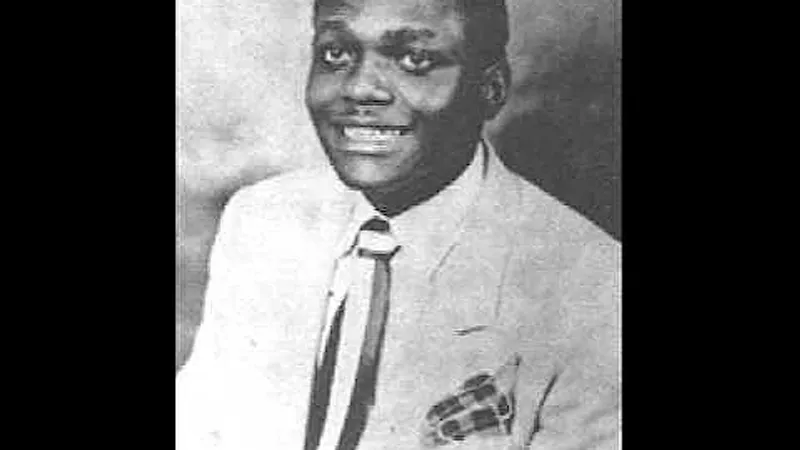
Jackie Brenston entered music history with a sound that felt unmistakably new.
His fiery vocals on “Rocket 88” helped launch a song many scholars call the first true rock ’n’ roll record.
The track’s distorted guitar, driving beat, and youthful swagger separated it from earlier R&B.
Brenston delivered every line with urgency and attitude.
His collaboration with Ike Turner showcased how innovation often emerges from musical partnerships.
Listeners responded to the record’s rebellious spirit and fresh sonic edge.
The song’s national success proved the world was ready for a new genre.
Brenston’s contribution remains a cornerstone of rock’s origin story.
4. Chuck Berry
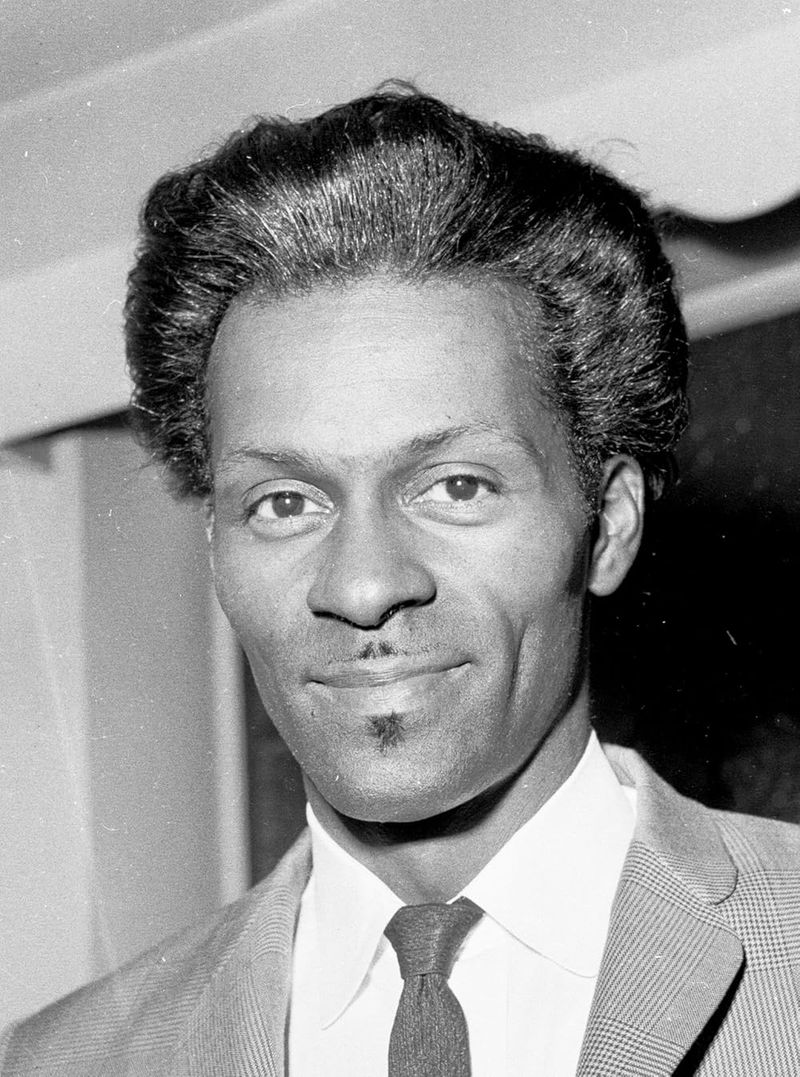
Every Chuck Berry performance felt like a master class in early rock ’n’ roll.
His signature riffs, clever storytelling, and irresistible bounce shaped what the world would soon call rock music.
Teen culture found an authentic voice in his lyrics, which captured freedom, rebellion, and youthful ambition.
Berry’s guitar lines became foundational vocabulary for generations of musicians.
His stage moves, including the famous duckwalk, offered a new kind of spectacle.
Producers and bands studied his precision and rhythmic drive.
Each record he released pushed the genre forward with confidence.
His legacy remains inseparable from rock’s core identity.
5. Fats Domino
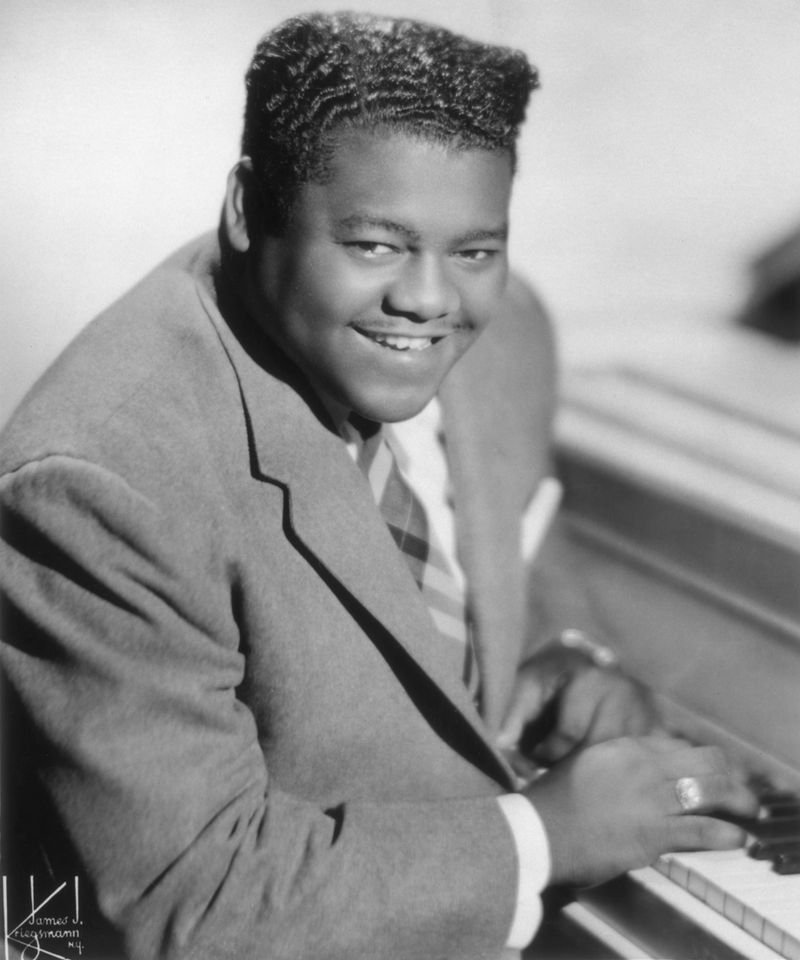
Fats Domino introduced the world to a gentler, piano-driven path toward rock ’n’ roll.
His warm voice and rolling New Orleans rhythms created a sound that resonated with wide audiences.
Hits like “The Fat Man” showcased his ability to blend blues roots with irresistible bounce.
Fans embraced his friendly personality and effortless musicality.
Domino’s records sold millions, proving that R&B-based styles could dominate mainstream charts.
His approach influenced countless early rock musicians who admired his melodic instincts.
Producers loved his consistency and natural groove.
Domino’s legacy stands as one of the smoothest bridges from R&B to rock.
6. Lloyd Price
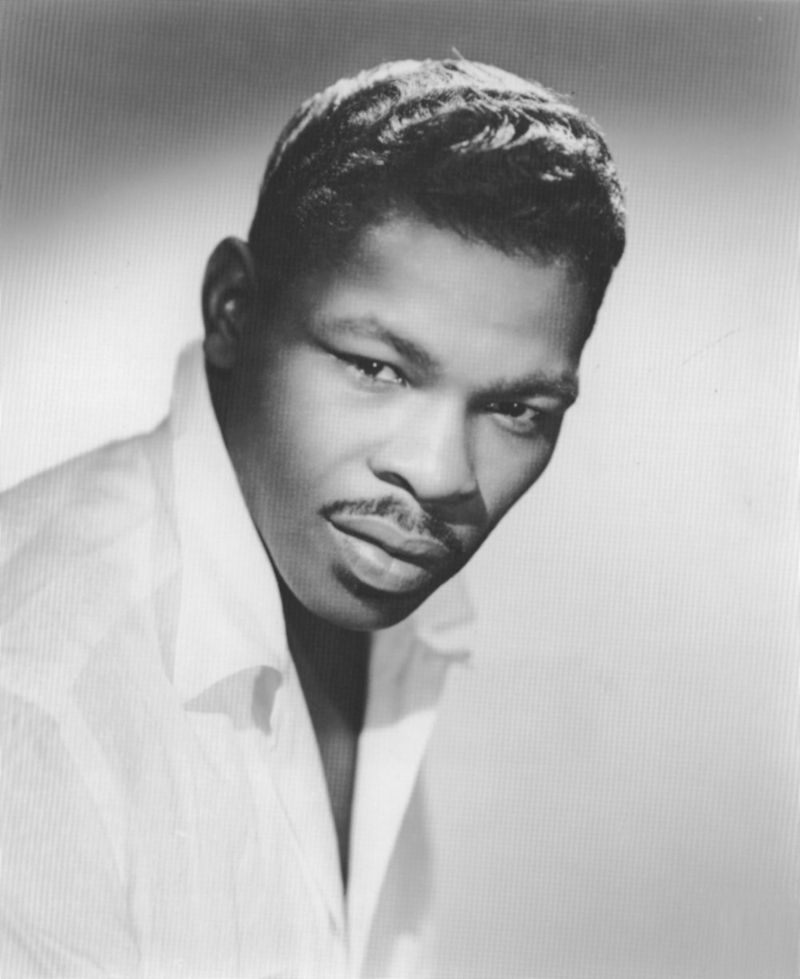
Lloyd Price entered the musical landscape with a bold, gospel-infused sense of rhythm.
His breakout hit “Lawdy Miss Clawdy” became a defining classic of early rock ’n’ roll.
Listeners gravitated toward his smooth delivery and confident style.
The song’s piano riff and driving beat set a powerful precedent for future rock arrangements.
Price’s charisma translated easily to live performances and studio sessions.
He demonstrated how gospel-inspired passion could merge seamlessly with R&B energy.
Musicians admired his clarity and emotional strength.
Price’s influence continues to shape rock’s vocal approach and its connection to Black musical tradition.
7. Big Mama Thornton
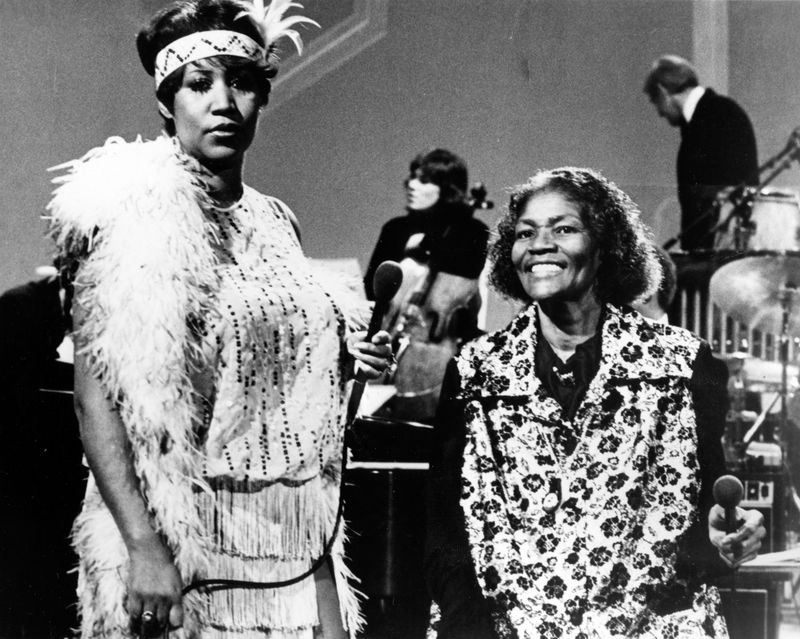
Few voices in history carried the raw power of Big Mama Thornton.
Her commanding delivery turned every performance into an emotional force field.
Songs like “Hound Dog,” recorded years before Elvis, demonstrated her unmatched vocal authority.
She bridged blues tradition with a fiery edge that foreshadowed rock’s intensity.
Musicians admired her ability to dominate a band with pure presence.
Her phrasing, grit, and confidence shaped countless vocal styles that followed.
Thornton’s artistry showed how deeply blues and early rock were intertwined.
Her influence continues to echo through soul, rock, and blues singers across decades.
8. Ruth Brown
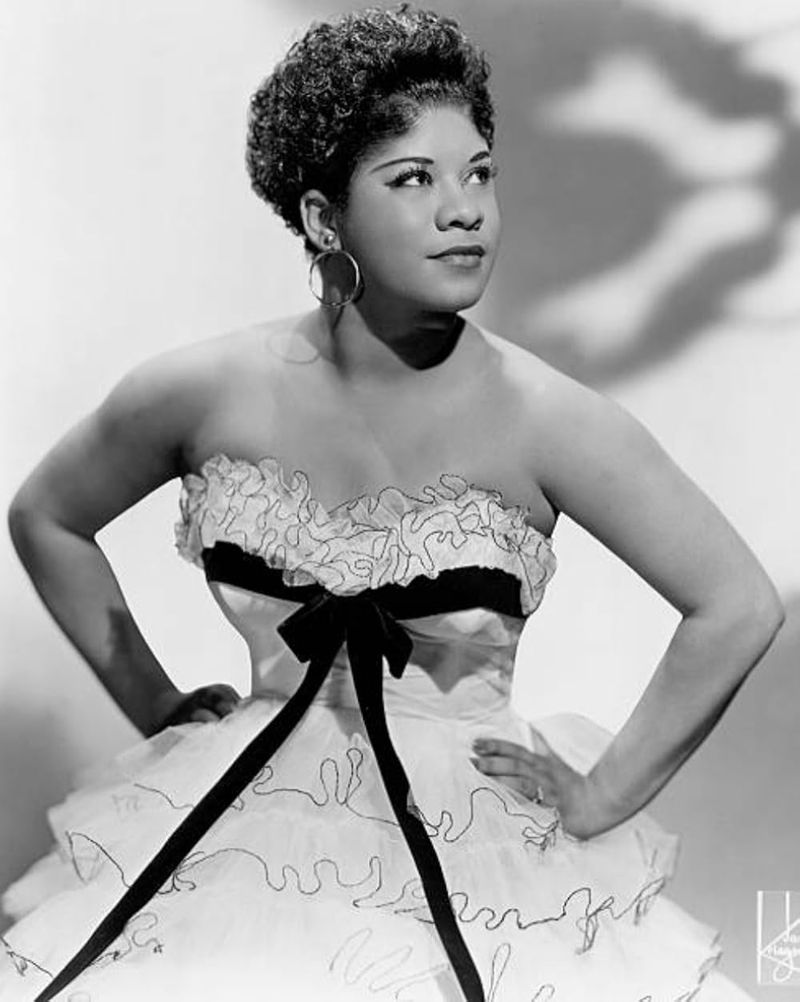
Ruth Brown brought unmatched vocal expression to early rhythm and blues.
Her powerful phrasing and emotional nuance set a new standard for female performers.
Songs like “Mama, He Treats Your Daughter Mean” showcased her commanding style.
Audiences were drawn to her blend of humor, heartbreak, and confidence.
She helped define the sound of Atlantic Records, earning them the nickname “The House That Ruth Built.”
Her success demonstrated that women could drive the direction of modern music.
Brown’s influence shaped early soul, R&B, and rock singers alike.
Her work remains essential to understanding rock’s vocal roots.
9. Little Richard

Little Richard didn’t simply enter the rock ’n’ roll scene—he detonated it.
His explosive vocals, wild piano pounding, and outrageous charisma defined a new musical frontier.
Songs like “Tutti Frutti” unleashed a kind of energy the world had never heard.
His fearless self-expression helped liberate performance norms for future artists.
Fans were captivated by his speed, intensity, and vibrant personality.
Other musicians borrowed from his vocal style, rhythmic urgency, and flamboyance.
He broke barriers surrounding race, gender expression, and musical identity.
Little Richard’s influence remains one of the most transformative in rock’s evolution.
10. Ike Turner
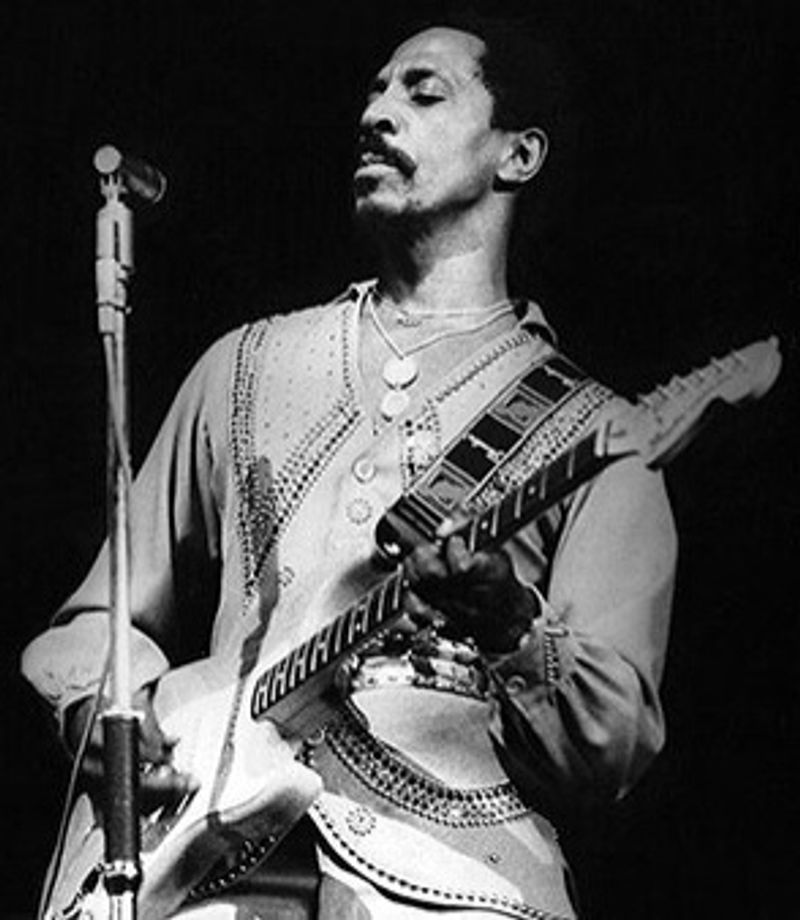
Long before rock was formally recognized, Ike Turner was experimenting with its future sound.
As a bandleader, arranger, and guitarist, he embraced distortion, rhythm, and propulsion in bold new ways.
His 1951 recording “Rocket 88,” featuring Jackie Brenston, is frequently cited as a contender for the first rock ’n’ roll song.
Turner’s sharp musical instincts helped shape the direction of early R&B-rock crossover.
Behind the scenes, he pushed musicians to play louder, tighter, and faster.
His studio work influenced how early rock records were arranged and produced.
Turner’s innovations remain essential to understanding rock’s earliest breakthroughs.
11. Arthur “Big Boy” Crudup
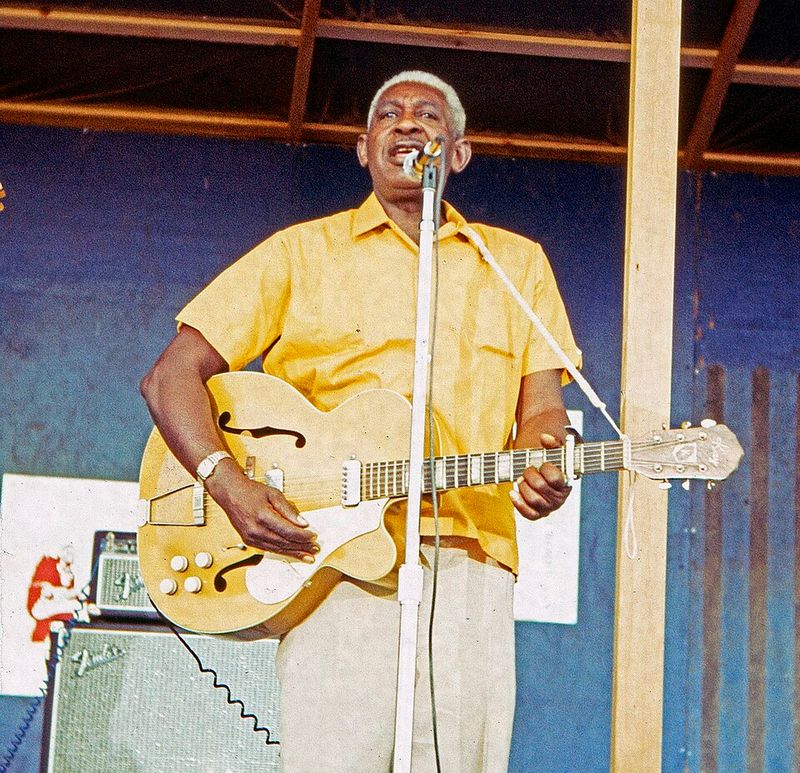
Arthur “Big Boy” Crudup stepped into American music with a blues style ripe for transformation.
His songwriting carried a rhythmic swing that hinted at rock’s coming evolution.
“That’s All Right” became one of his most enduring works and later inspired major reinterpretations.
Listeners appreciated his soulful delivery and simple yet potent arrangements.
His guitar patterns offered a framework that younger musicians eagerly adopted.
Crudup’s influence reached well beyond the charts, shaping how blues fed into rock’s foundation.
Producers recognized his ability to craft songs that felt timeless.
His legacy remains intertwined with rock’s earliest emergence.
12. Wynonie Harris

Wynonie Harris burst onto the scene with a vocal energy that bordered on explosive.
His jump-blues style delivered a rowdy, electric intensity that predated rock’s mainstream rise.
“Good Rocking Tonight” showcased his ability to command attention with every shout and phrase.
Crowds loved the unrestrained excitement he brought to the stage.
Harris shaped early rock attitudes through swagger, rhythm, and showmanship.
Musicians recognized his pioneering blend of blues grit and uptempo fire.
His recordings influenced countless performers seeking a bolder sound.
Harris’s contributions positioned him as one of the key catalysts of rock’s evolution.
13. Professor Longhair
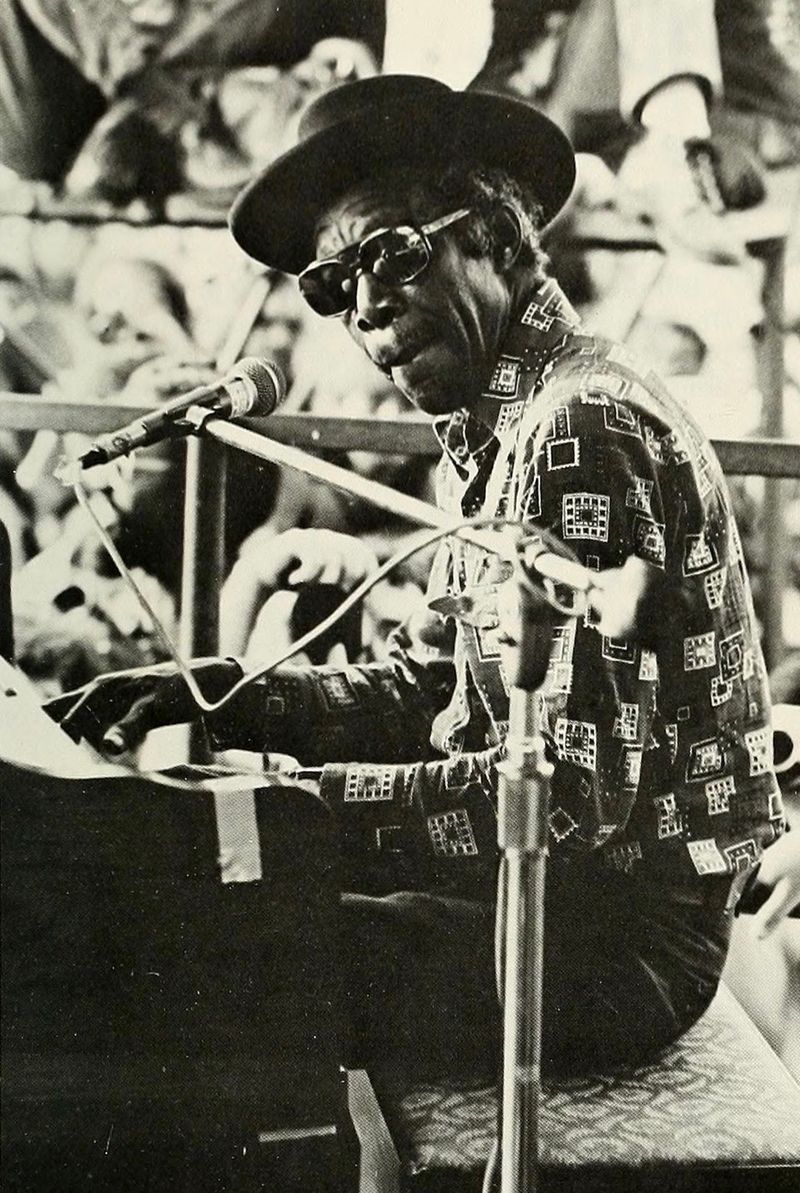
Few musicians transformed the pulse of American music as boldly as Professor Longhair did.
His piano style fused Caribbean rhythms, blues phrasing, and boogie-woogie flair into something irresistibly original.
Songs like “Tipitina” showcased a hypnotic blend of syncopation and sway that listeners instantly recognized.
Bands admired his uncanny ability to make even simple progressions feel alive and unpredictable.
His innovations shaped the heartbeat of New Orleans R&B and redefined how grooves could flow.
Early rock pioneers borrowed heavily from his rolling left hand and playful accents.
Decades later, pianists still study his unmistakable touch.
Professor Longhair’s fingerprints remain embedded in rock ’n’ roll’s rhythmic DNA.
14. Sister Wynona Carr
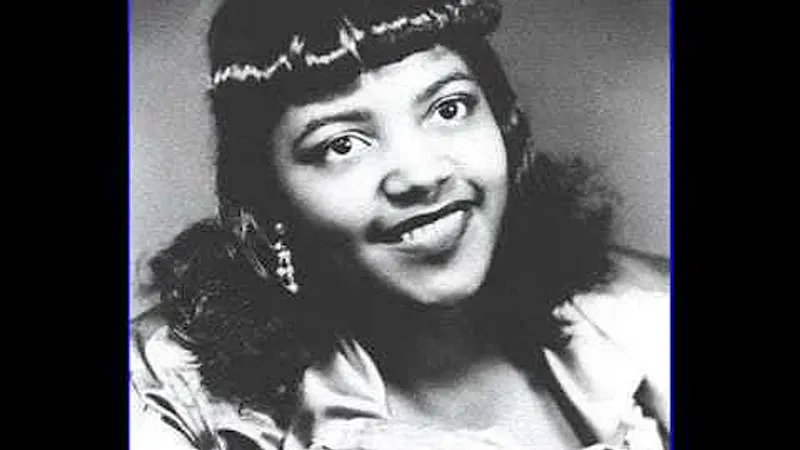
Sister Wynona Carr emerged from the gospel world with a sound bursting with personality.
Her spirited vocals and modern arrangements set her apart from traditional gospel styles.
Songs like “The Ball Game” revealed her skill for storytelling and inventive phrasing.
Fans admired her ability to blend spiritual themes with contemporary rhythm.
Carr’s artistry added emotional vibrancy to mid-century gospel music.
Her work created subtle bridges between sacred music and early rock influences.
Younger artists drew inspiration from her bold, expressive approach.
Though not widely recognized, her contributions helped shape the vocal aesthetics of early rock.
15. LaVern Baker
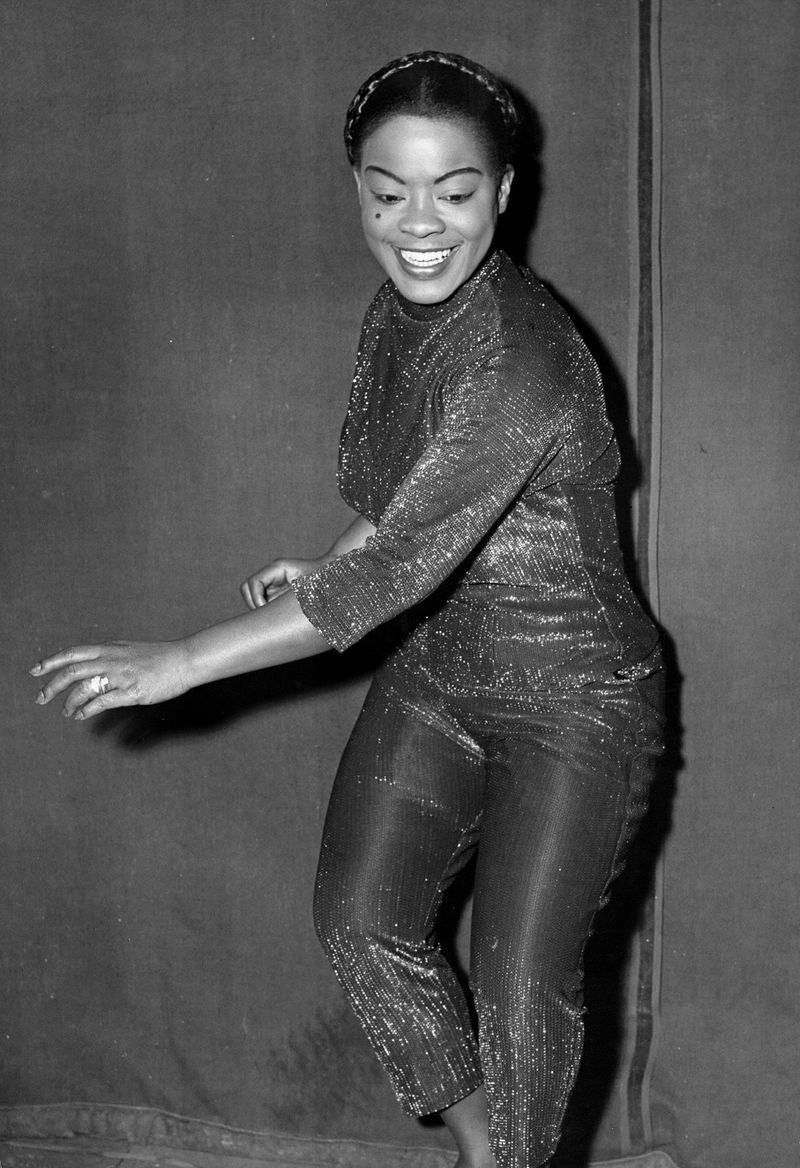
LaVern Baker arrived with a voice that commanded attention from the very first note.
Her powerful delivery gave R&B a dramatic flair that pushed the genre toward rock.
Hits like “Tweedlee Dee” highlighted her precision, confidence, and emotional punch.
Audiences were drawn to her mix of strength, elegance, and fiery presence.
She brought a cinematic quality to every recording.
Producers valued her versatility and ability to elevate any arrangement.
Her influence helped shape the vocal style of emerging rock singers.
Baker’s legacy continues as a testament to the crucial role Black women played in rock’s foundation.
Comments
Loading…