
 Chloe Peterson
15 Beloved Celebrities Whose Deaths Changed Pop Culture Forever
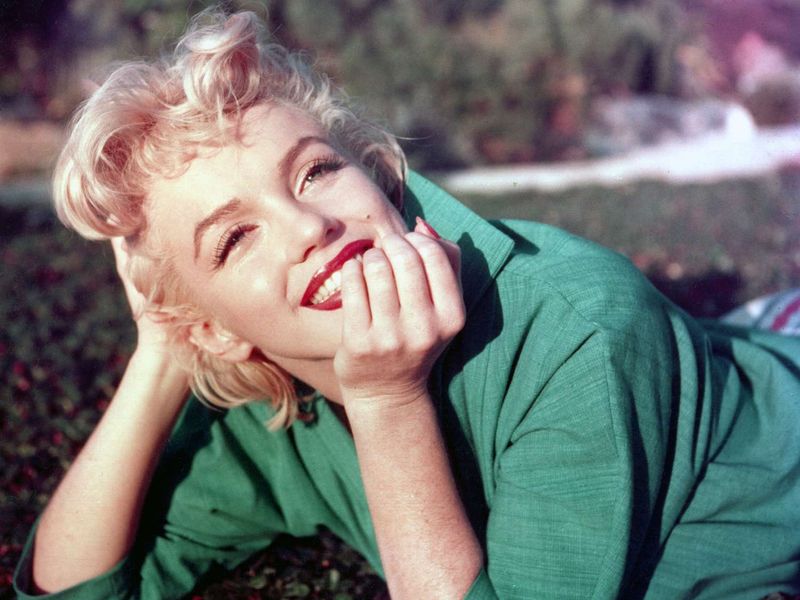
Some losses hit harder than others.
When certain celebrities pass away, the world doesn’t just lose a talented person—it loses a piece of itself.
These deaths spark conversations, shift how we think about fame, and leave marks on music, movies, and culture that last for generations.
1. Anton Yelchin (1989–2016)
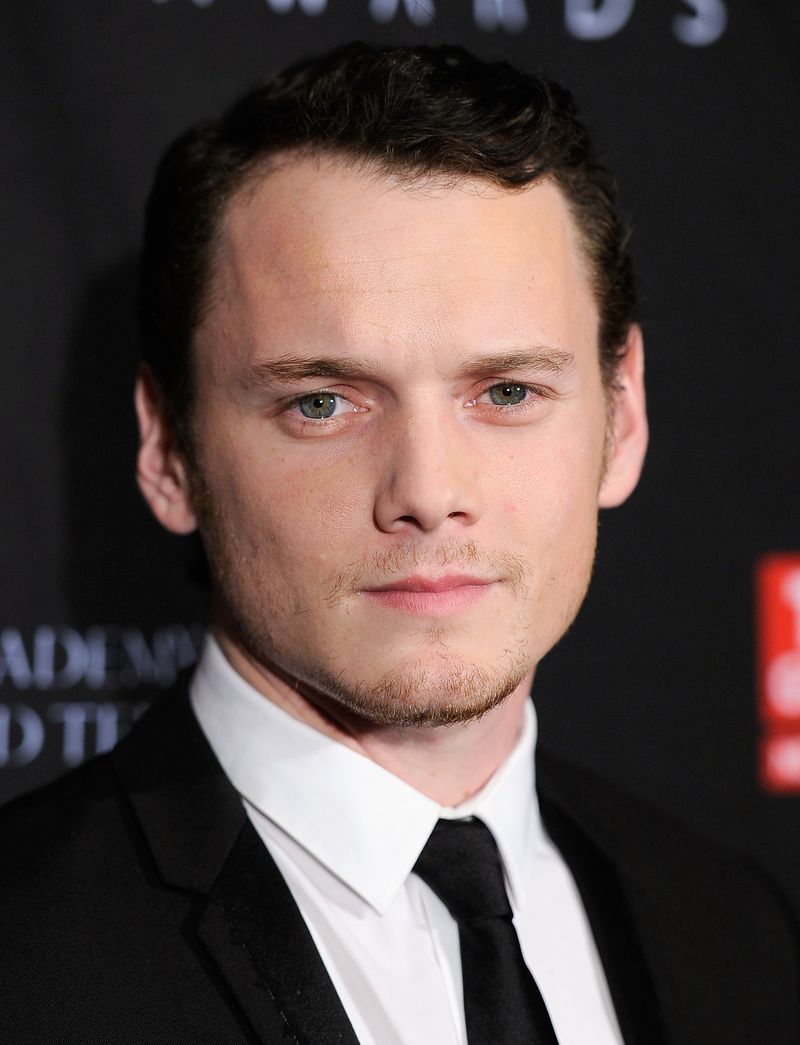
Anton Yelchin was climbing Hollywood’s ladder fast, known for playing Chekov in the rebooted Star Trek films.
His death was a freak accident—his own car rolled backward and pinned him in his driveway.
The randomness of it stunned fans and fellow actors alike.
Anton’s passing led to a massive vehicle recall and changes in car safety standards.
He was talented, kind, and loved by everyone who worked with him.
His story reminds us how fragile life can be, even for rising stars with bright futures ahead.
2. Heath Ledger (1979–2008)
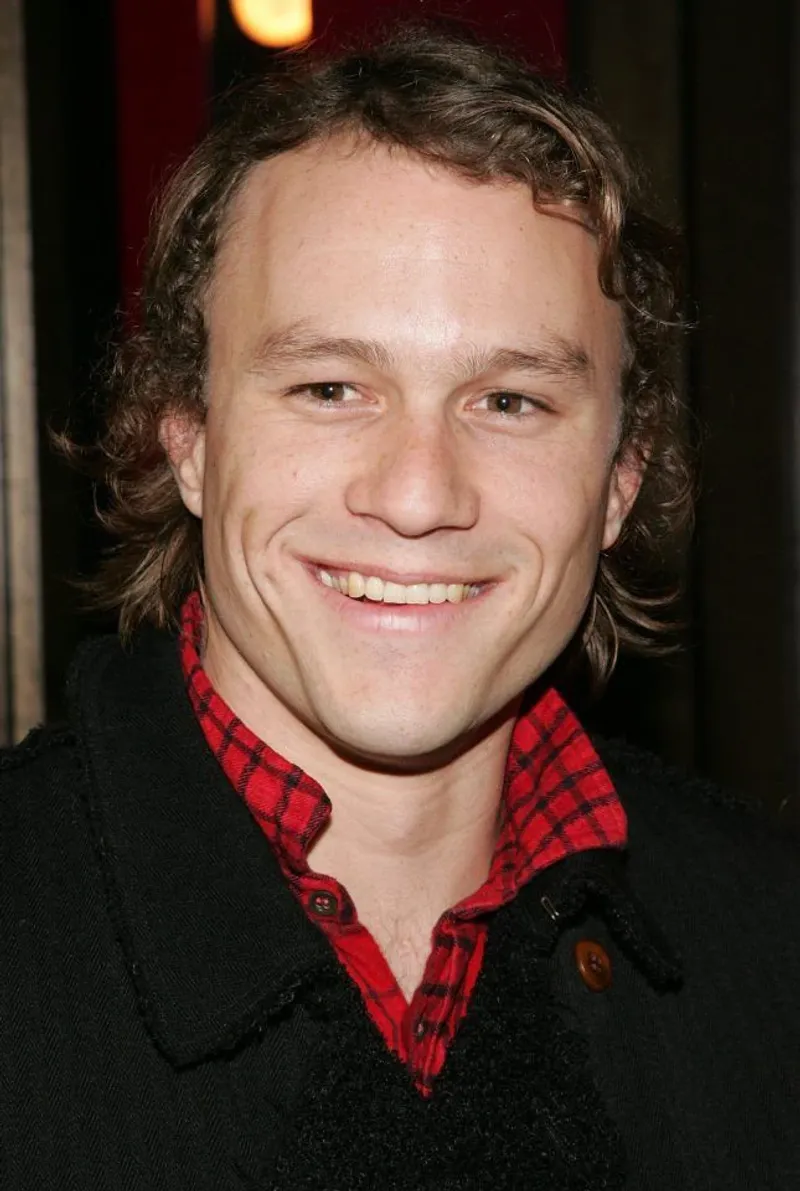
Heath Ledger transformed into the Joker for The Dark Knight, creating one of cinema’s most chilling villains.
Tragically, he died from an accidental overdose before the movie even hit theaters.
When audiences finally saw his performance, they were stunned by his commitment and talent.
He won an Oscar after his death, a bittersweet honor that highlighted what the world had lost.
His passing made Hollywood rethink how intense method acting can affect mental and physical health.
Heath’s Joker remains unforgettable, proving that true artistry can outlive the artist.
3. James Dean (1931–1955)
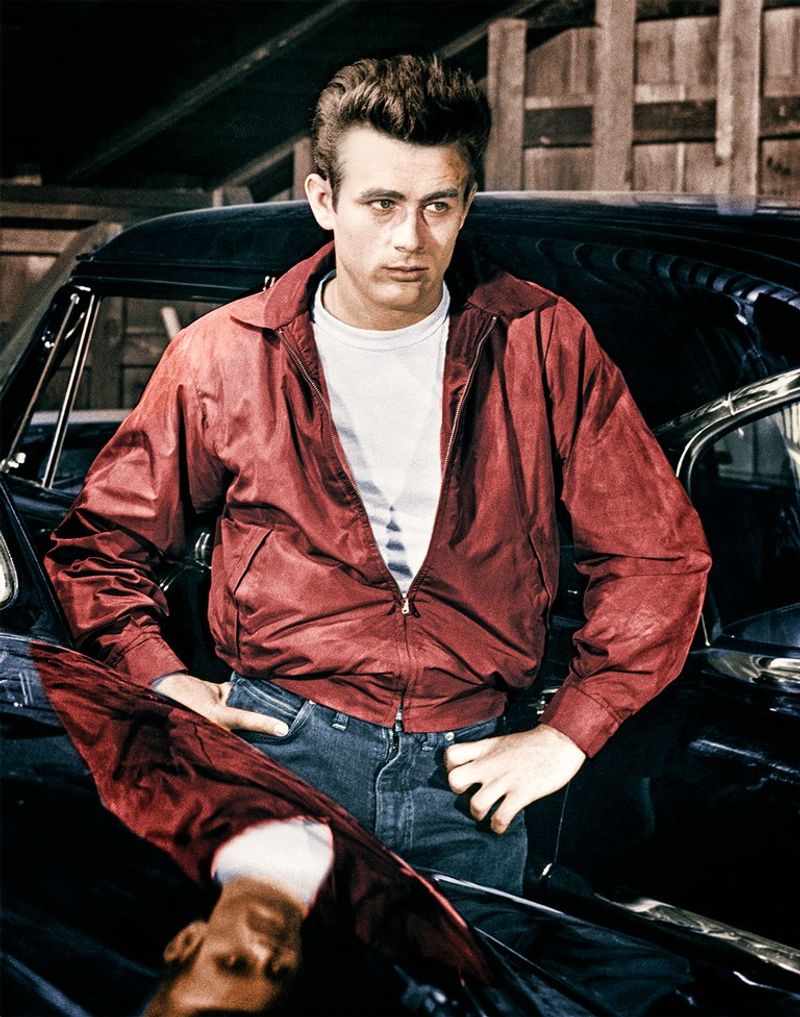
At just 24, James Dean died in a car crash, but his legend was already cemented.
He starred in only three major films—Rebel Without a Cause, East of Eden, and Giant—yet became the ultimate symbol of teenage rebellion.
His moody looks and restless energy captured what it felt like to be young and misunderstood.
Decades later, his image still appears on posters, T-shirts, and in music videos.
James proved you don’t need a long career to leave a massive impact.
His early death turned him into an eternal icon of cool.
4. Bruce Lee (1940–1973)
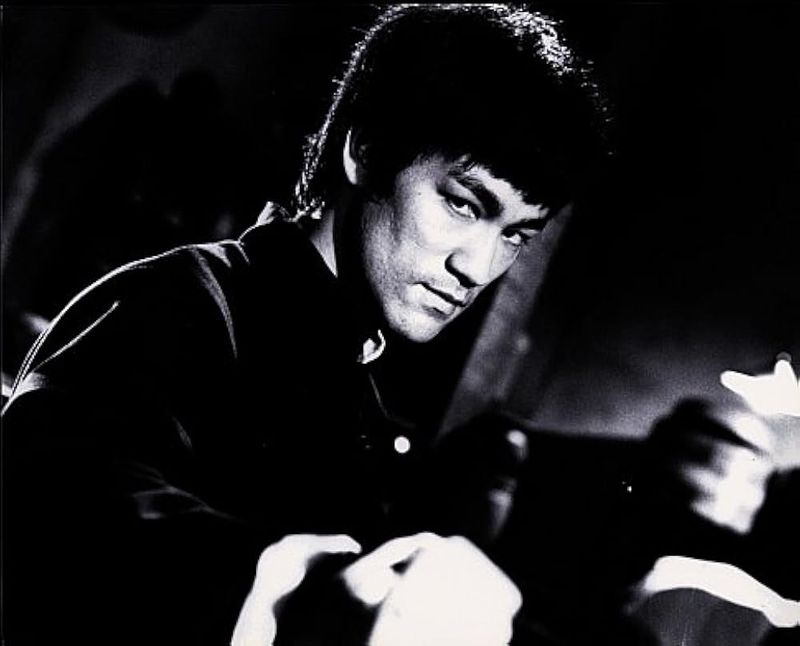
Bruce Lee didn’t just do martial arts—he revolutionized how the world saw Asian actors and fighters.
His movies like Enter the Dragon introduced kung fu to Western audiences and inspired generations of action stars.
When he died suddenly at 32, rumors and mysteries swirled around the cause.
His death made him a mythical figure, larger than life.
Bruce broke down racial barriers in Hollywood and proved that discipline and philosophy could blend with entertainment.
Today, his influence stretches from movies to fitness culture and beyond.
5. Chadwick Boseman (1976–2020)
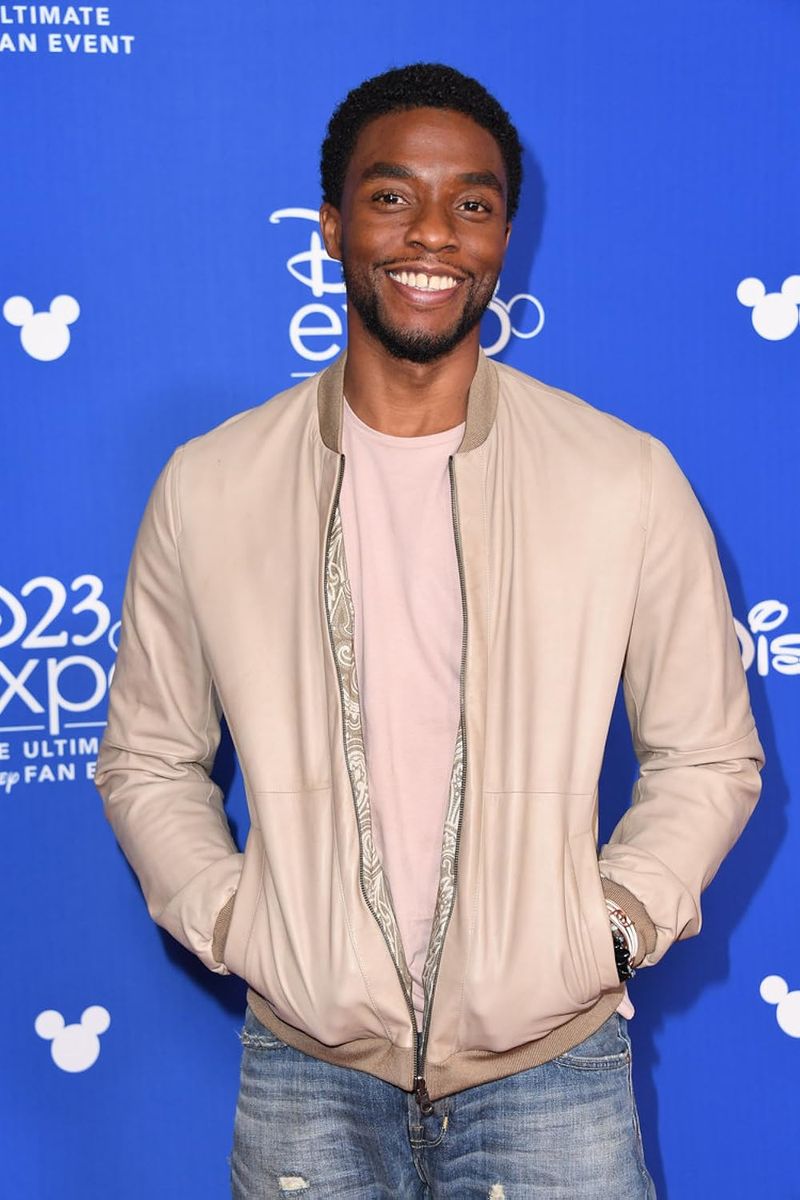
Chadwick Boseman became a superhero both on-screen and off.
As Black Panther, he gave Black children a hero who looked like them, changing representation in blockbuster films forever.
What shocked the world was learning he filmed those powerful roles while secretly battling cancer.
His dignity and strength during his illness inspired millions.
Chadwick’s death reminded everyone that heroes come in many forms, and courage isn’t always loud.
His legacy continues to shape conversations about diversity, strength, and what it means to be truly heroic.
6. Michael Jackson (1958–2009)
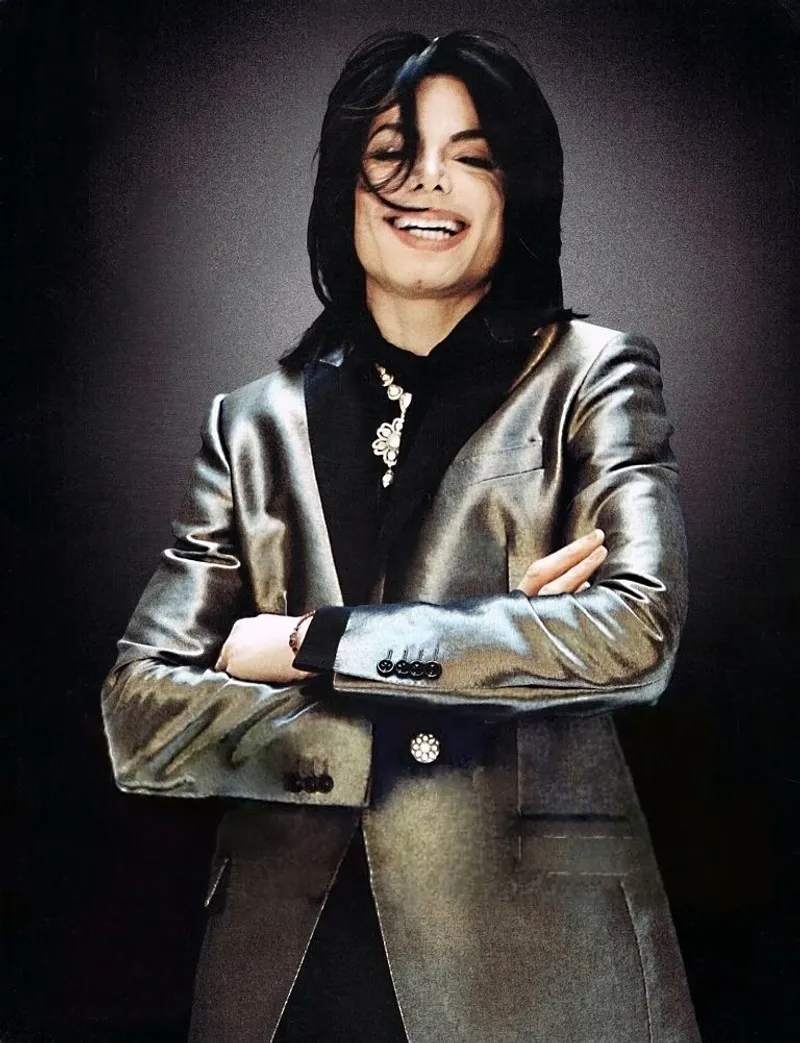
When Michael Jackson died, the world stopped.
The King of Pop had shaped music, dance, and fashion for decades with hits like Thriller and Billie Jean.
His sudden death from cardiac arrest sparked a global outpouring of grief unlike anything seen before.
Millions mourned online, creating a new era of digital celebrity memorials.
Michael’s complicated life and legacy sparked debates about fame, talent, and personal struggles.
His death changed how we process losing icons, proving that some stars truly are larger than life.
7. Robin Williams (1951–2014)
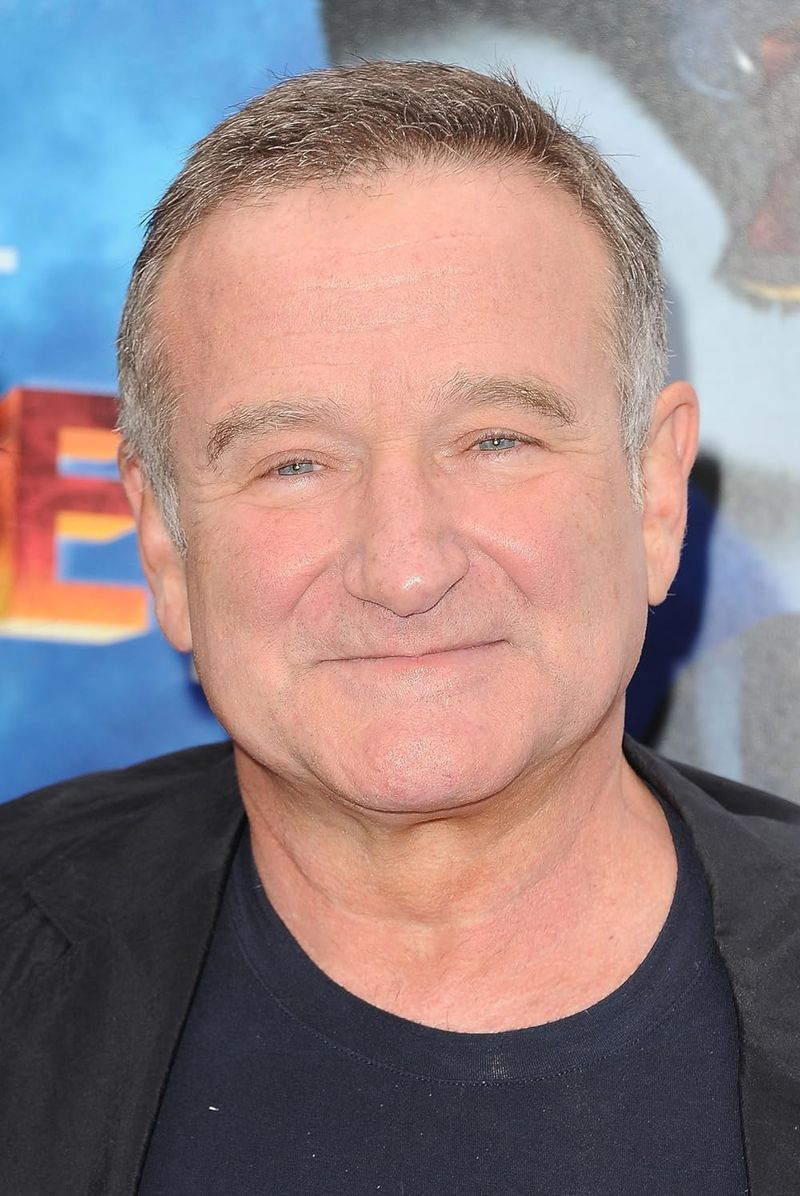
Robin Williams made millions laugh with his lightning-fast humor and incredible impressions.
He starred in beloved films like Mrs. Doubtfire, Good Will Hunting, and Dead Poets Society, bringing warmth to every role.
His death in 2014 shocked the world and sparked important conversations about mental health and depression.
People realized that even someone who seemed so joyful could be struggling inside.
His passing changed how celebrities and fans talk about sadness and getting help.
Robin’s legacy reminds us to check on those we love, no matter how happy they seem on the outside.
8. Cameron Boyce (1999–2019)

Cameron Boyce grew up on Disney Channel, starring in shows like Jessie and the Descendants movies.
Kids everywhere adored his energy, dancing, and infectious smile.
When he died suddenly from a seizure at just 20, an entire generation mourned.
His death brought attention to epilepsy and the importance of medical research.
Cameron’s family started a foundation in his name to help others.
He showed that even a short life can touch millions and create lasting change through kindness and talent.
9. Cory Monteith (1982–2013)
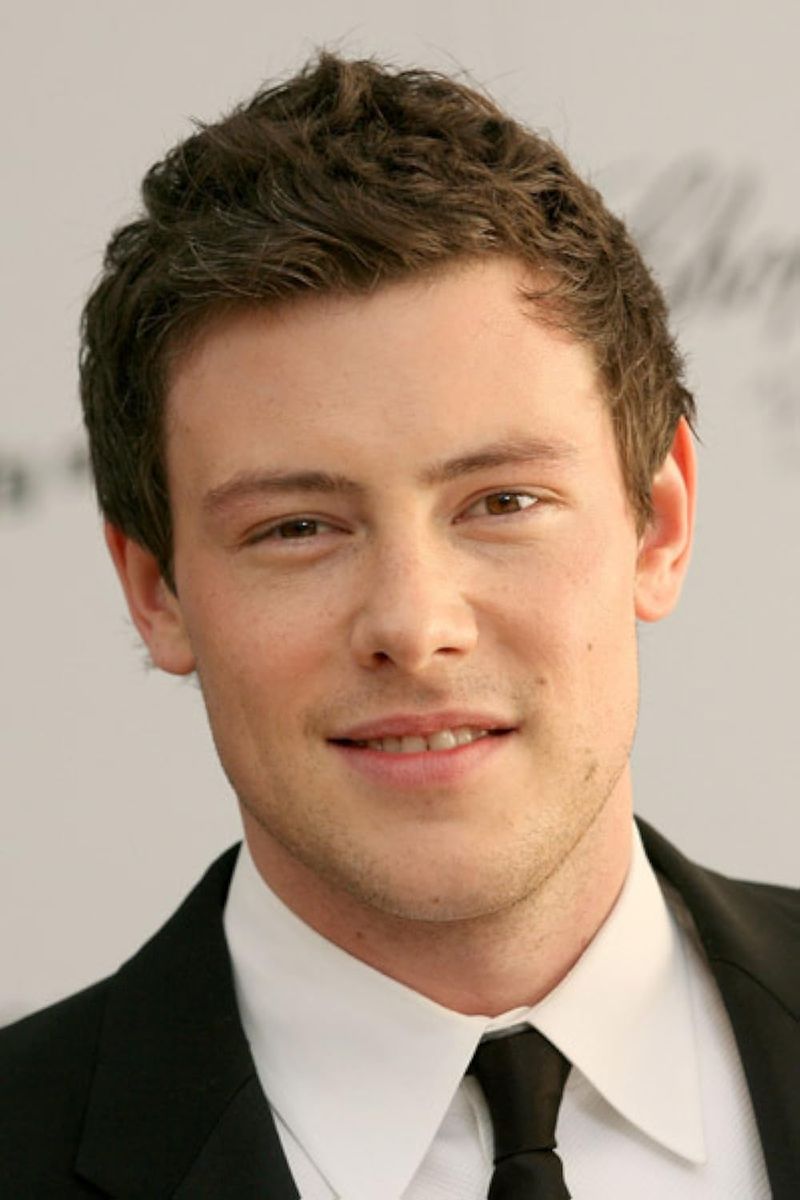
Playing Finn Hudson on Glee, Cory Monteith became the heart of a series that celebrated misfits, music, and second chances.
His real-life struggle with addiction was something he spoke about openly, trying to help others.
When he died from an overdose, fans felt like they lost a friend, not just a TV character.
Glee had to write his death into the show, creating one of television’s most emotional episodes.
Cory’s story highlighted how addiction doesn’t discriminate, affecting even beloved stars.
His honesty about his battles continues to encourage people to seek help.
10. Brittany Murphy (1977–2009)
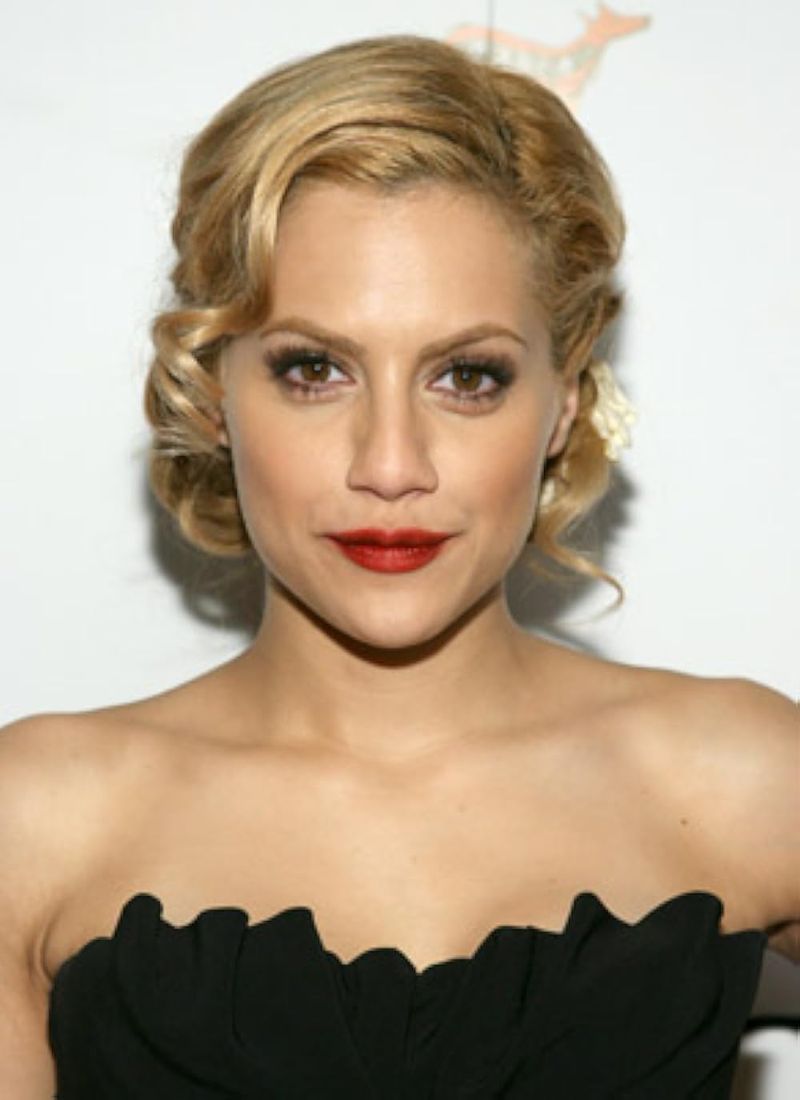
Brittany Murphy lit up the screen with her quirky charm in movies like Clueless and 8 Mile.
Her voice work and comedic timing made her unforgettable.
When she died suddenly from pneumonia and anemia, Hollywood was left with more questions than answers.
The mysterious circumstances surrounding her death—and her husband’s death months later—fueled speculation for years.
Brittany’s passing highlighted how the pressures of fame can take a hidden toll.
She remains a symbol of talent gone too soon, leaving fans wondering what more she could have achieved.
11. Sharon Tate (1943–1969)
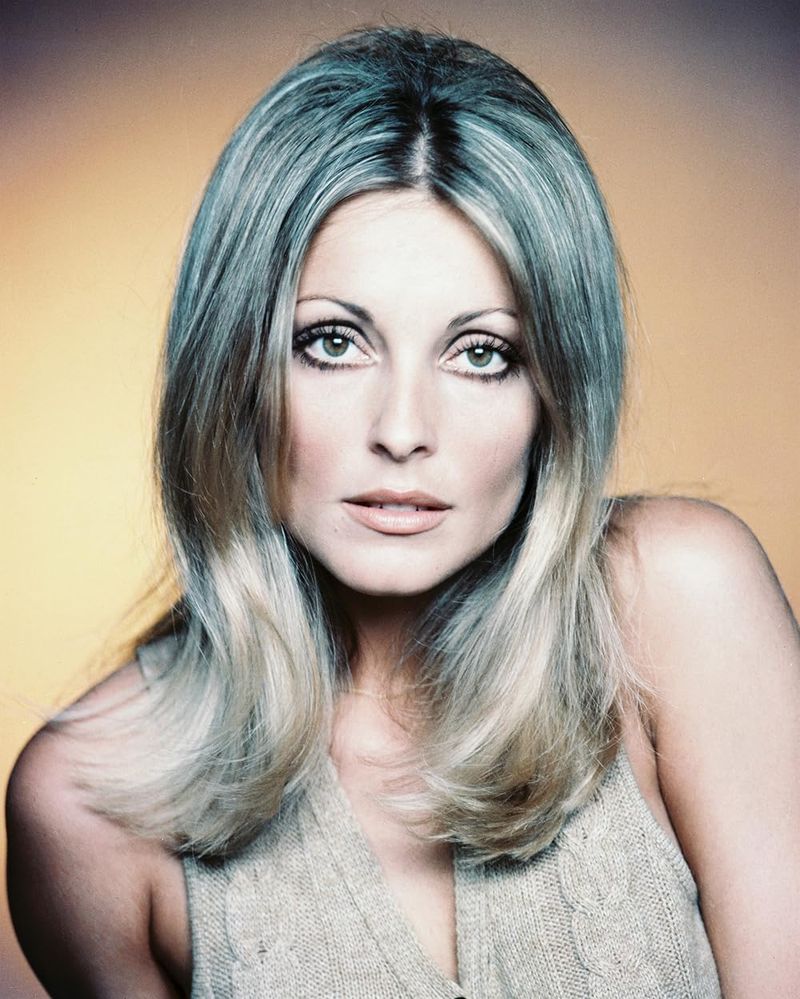
Sharon Tate was a rising star with beauty and talent, married to director Roman Polanski.
Her murder by the Manson Family while eight months pregnant shocked the nation and ended Hollywood’s carefree 1960s era.
The brutality of her death marked a dark turning point in American culture.
Sharon’s story became a cautionary tale about fame, vulnerability, and evil.
Her legacy isn’t just about tragedy—she’s remembered for her kindness and potential.
Decades later, her name still represents one of Hollywood’s most heartbreaking losses.
12. Prince (1958–2016)
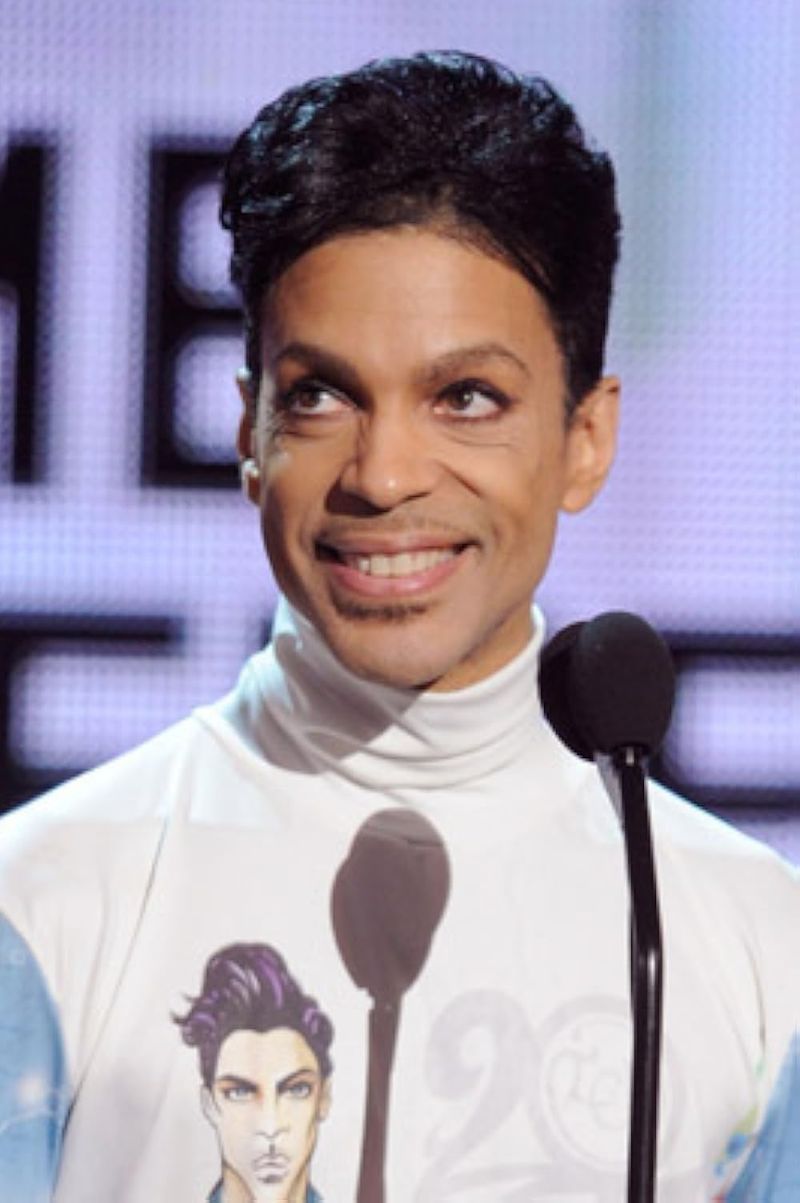
A musical genius who refused to be boxed in, Prince blended rock, funk, and pop into something entirely his own.
Songs like Purple Rain and When Doves Cry showcased his incredible range.
His death from an accidental overdose stunned fans who saw him as invincible.
Prince had famously fought for artists’ rights to own their music, making his passing even more significant.
His death reignited conversations about creative freedom and the music industry’s treatment of artists.
Prince’s purple legacy continues to inspire musicians to stay true to themselves.
13. Whitney Houston (1963–2012)
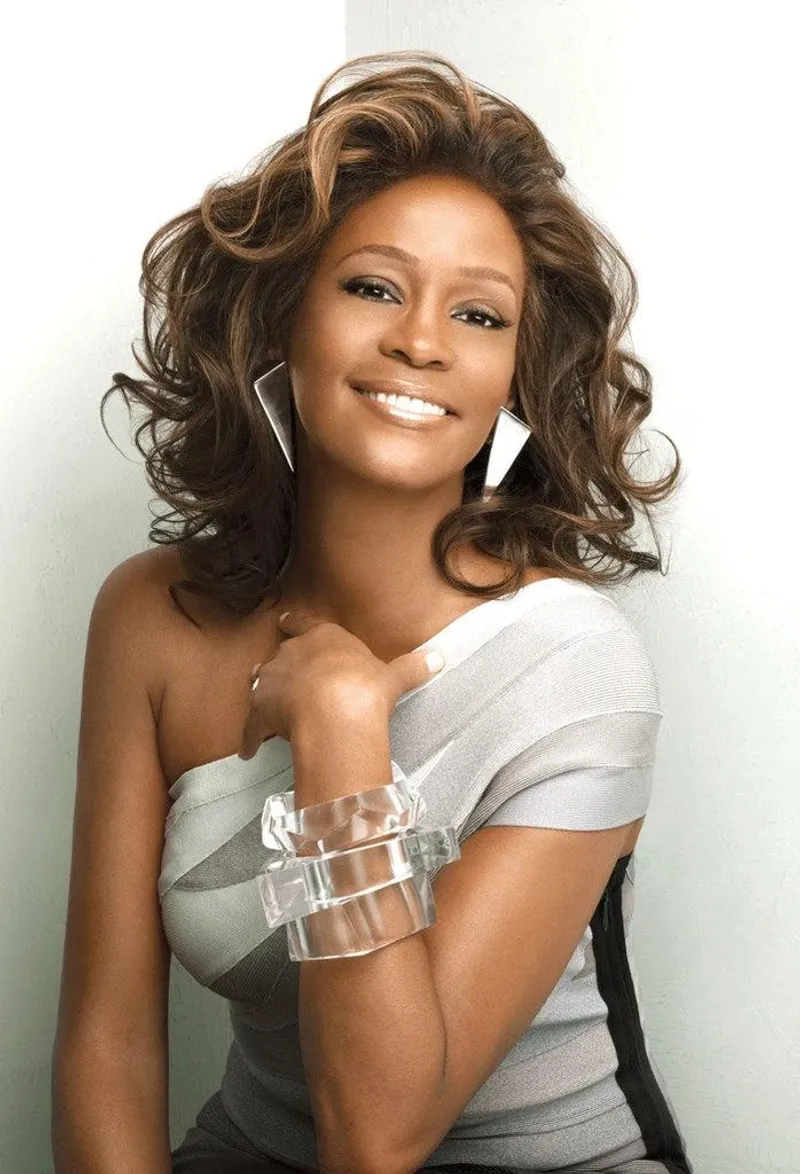
Whitney Houston had one of the greatest voices in music history, with powerhouse hits like I Will Always Love You.
Her struggles with addiction were public and painful, making her death in a hotel bathtub all the more tragic.
Fans worldwide mourned the loss of such extraordinary talent.
Whitney’s death forced conversations about the pressures Black female artists face and the toll of fame.
Her funeral was watched by millions, celebrating her voice while acknowledging her pain.
She remains a reminder that even the strongest voices can need support.
14. Kurt Cobain (1967–1994)
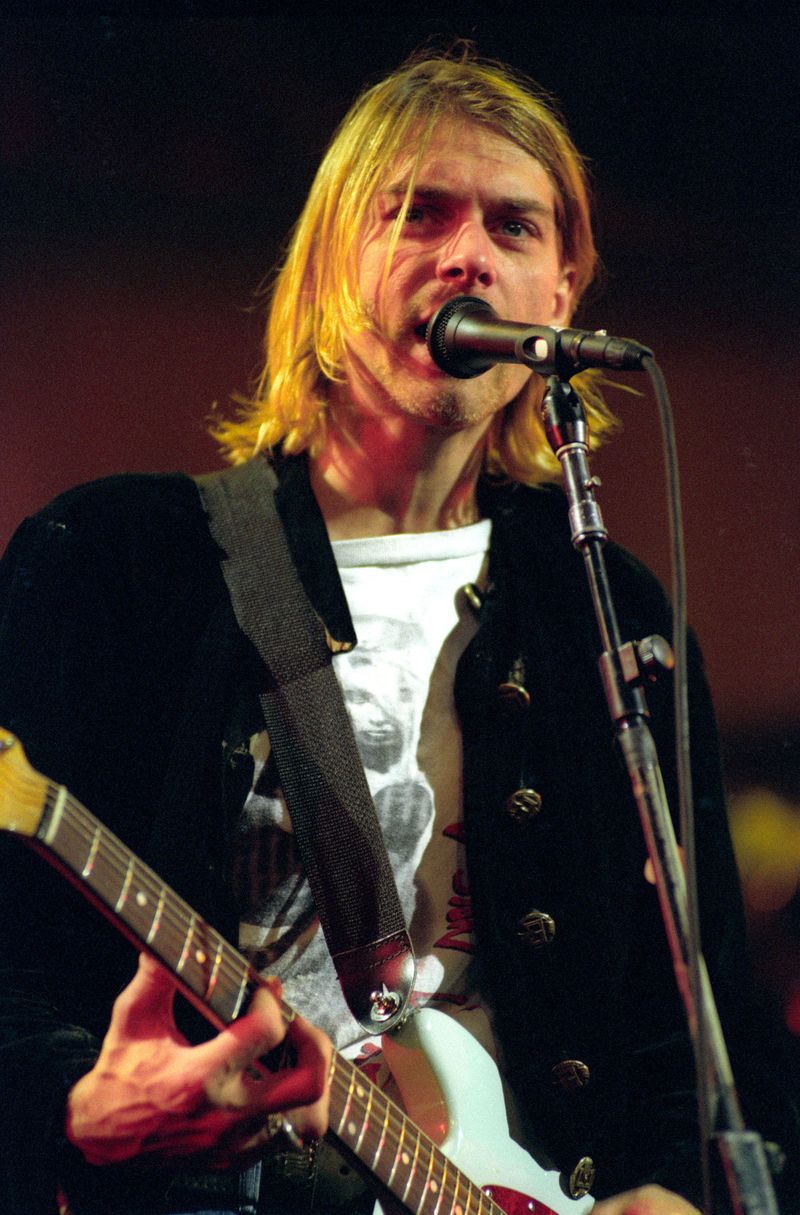
Kurt Cobain gave voice to a generation with Nirvana’s raw, emotional grunge sound.
Songs like Smells Like Teen Spirit became anthems for disaffected youth everywhere.
When he died by suicide in 1994, it felt like the end of an era—grunge’s shining moment dimmed forever.
His death brought mental health and the pressures of fame into harsh focus.
Kurt became a symbol of artistic authenticity and the cost it can carry.
Decades later, his music still resonates with anyone who feels misunderstood or lost.
15. Marilyn Monroe (1926–1962)
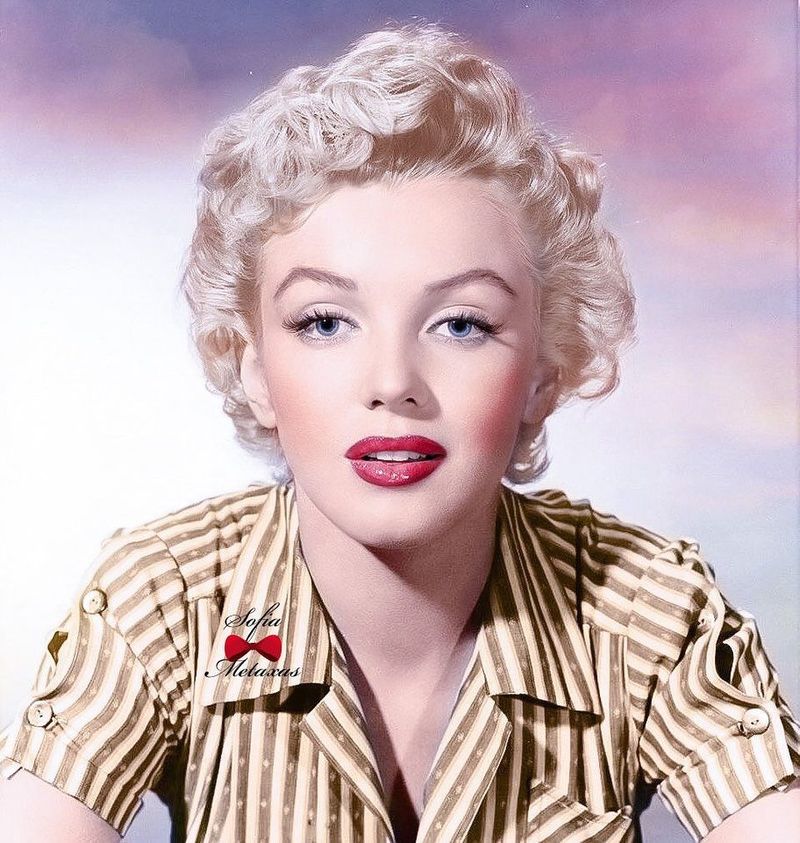
Beautiful, glamorous, and seemingly untouchable, Marilyn Monroe was the ultimate movie star.
Films like Some Like It Hot made her a legend, but behind the scenes, she battled loneliness and pressure.
Her death from an overdose at 36 remains surrounded by mystery and conspiracy theories.
Marilyn’s passing exposed Hollywood’s darker side, where stars were used and discarded.
She became a symbol of both beauty and tragedy, influencing how we view fame even today.
Her image endures, reminding us that stardom often comes with a hidden price.
Comments
Loading…