
 Harper Hall
15 Bands People Loved Before It Was Cool
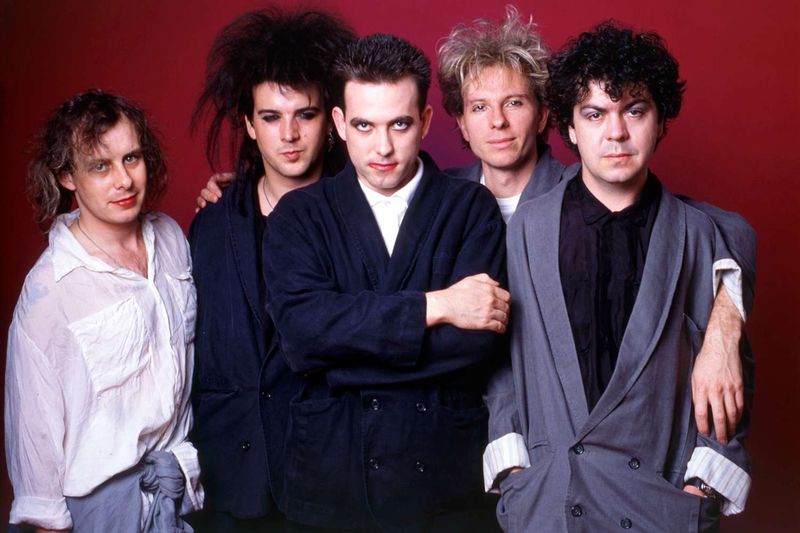
Every generation has those special bands that true music fans discovered first, long before they became household names or influenced countless other artists.
These groups created groundbreaking sounds in small clubs and underground venues, building devoted followings through word-of-mouth and pure talent. Their early fans knew something magical was happening, even when the rest of the world hadn’t caught on yet.
1. The Velvet Underground
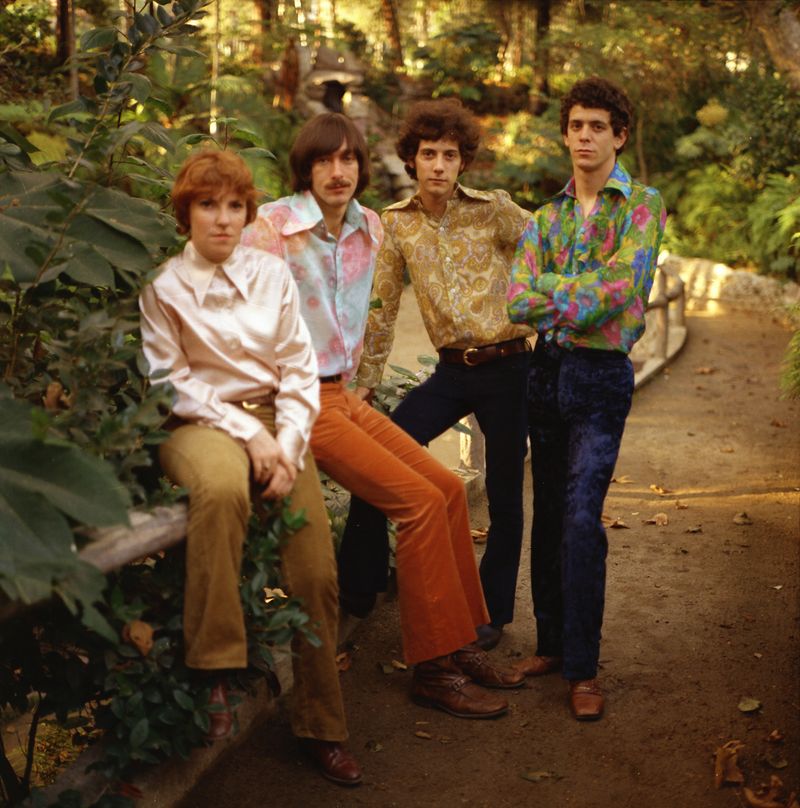
Lou Reed and his bandmates created something completely different in the 1960s New York City scene.
Their debut album barely sold any copies when it first came out, but nearly everyone who bought it started their own band afterward.
Mixing poetry with feedback-drenched guitars, they sang about topics nobody else dared to touch.
Andy Warhol designed their famous banana album cover, connecting fine art with rock music in a totally new way.
Their experimental approach influenced punk, alternative, and indie rock for decades to come, proving that commercial success doesn’t define importance.
2. Pixies
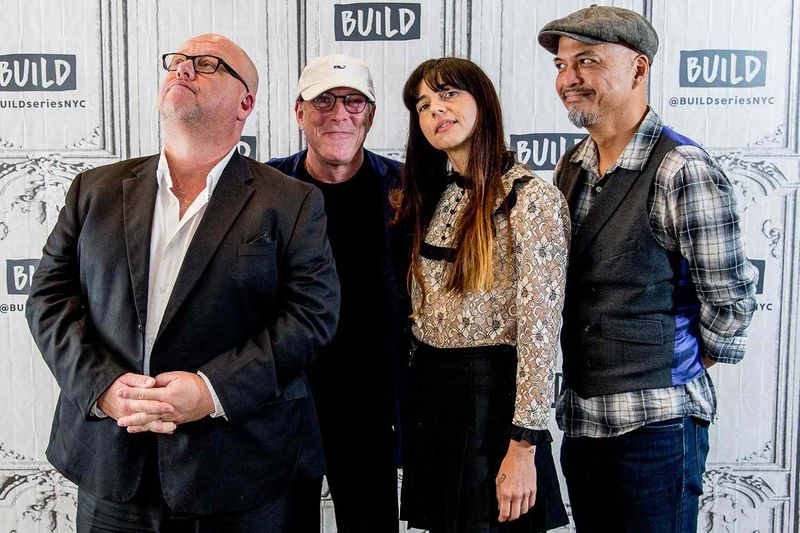
Boston’s loudest secret weapon emerged in the late 1980s with a sound nobody expected.
Black Francis screamed and whispered his way through songs about surrealism and science fiction.
Their quiet-loud-quiet song structure became the blueprint for countless alternative bands that followed.
Kim Deal’s bass lines and backing vocals added sweetness to their chaotic energy.
Kurt Cobain openly admitted that Nirvana basically tried to copy their formula, which says everything about their influence on modern rock music.
College radio stations couldn’t get enough of them.
3. Talking Heads
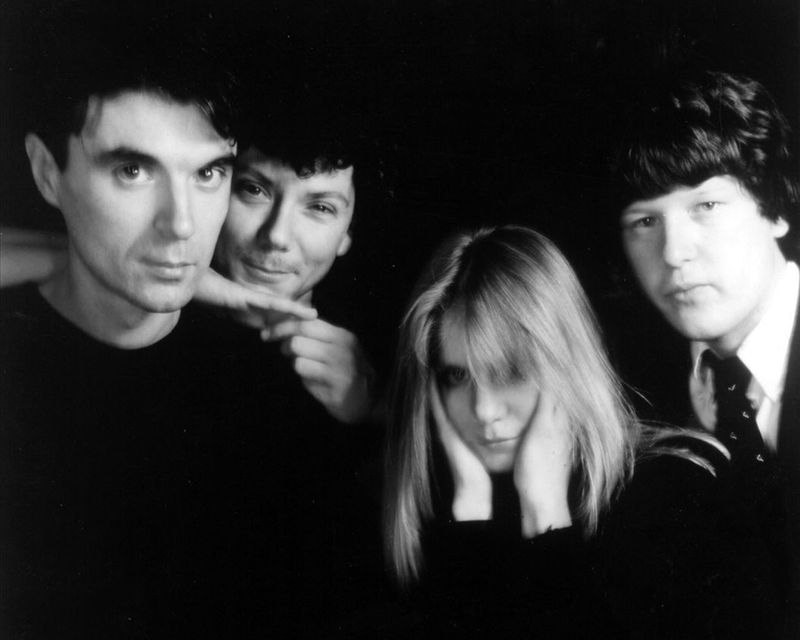
David Byrne wore that ridiculously oversized suit for a reason – everything about this band pushed boundaries.
Starting as art students in New York, they turned CBGB into their laboratory for musical experiments.
Funk rhythms met nervous energy met African music influences in ways that shouldn’t have worked but absolutely did.
Their live performances became legendary theatrical experiences rather than just concerts.
Songs like “Psycho Killer” made people dance while feeling slightly uncomfortable, which was exactly the point they wanted to make about modern life.
4. The Smiths
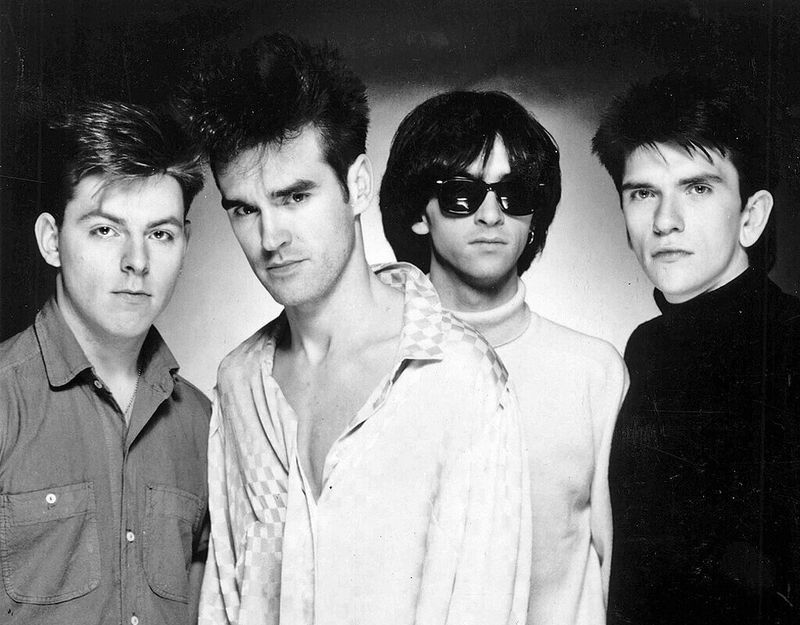
Morrissey’s dramatic lyrics about loneliness turned sadness into an art form during the mid-1980s.
Johnny Marr’s jangly guitar work created bright melodies that contrasted perfectly with the gloomy words.
British teenagers who felt different finally had a band that understood their outsider feelings.
Their refusal to appear on Top of the Pops the way other bands did showed their independent streak.
Fashion changed because of them – suddenly everyone wanted vintage clothes and gladioli flowers.
They broke up after just five years but left behind songs that still resonate today.
5. Joy Division
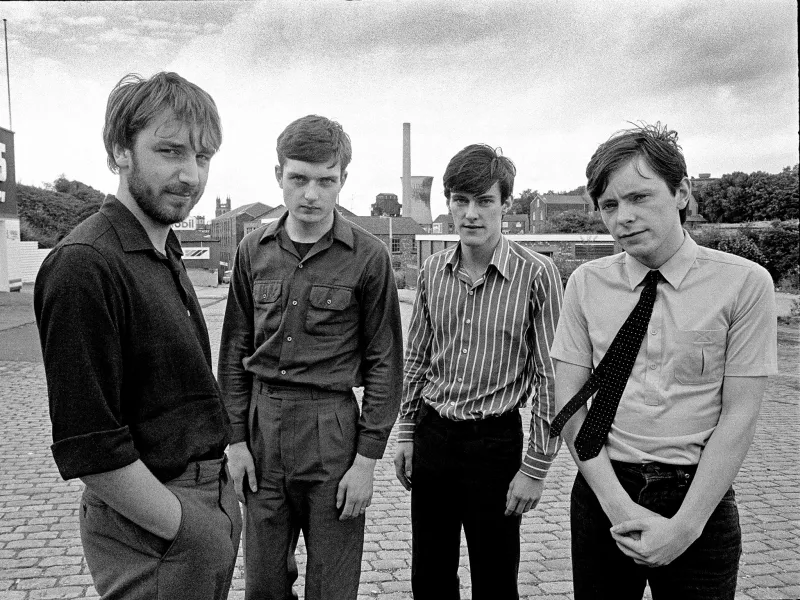
Manchester’s gray industrial landscape seeped into every note this band played.
Ian Curtis’s deep voice and haunting lyrics captured feelings many people had but couldn’t express.
Their sound felt cold and mechanical yet deeply emotional at the same time.
Factory Records released their music with minimalist artwork that matched their stark sonic approach.
Tragically, Curtis died right before their first American tour, ending the band but cementing their legendary status.
New Order rose from their ashes, but Joy Division’s dark magic remained unique and unrepeatable.
6. Sonic Youth
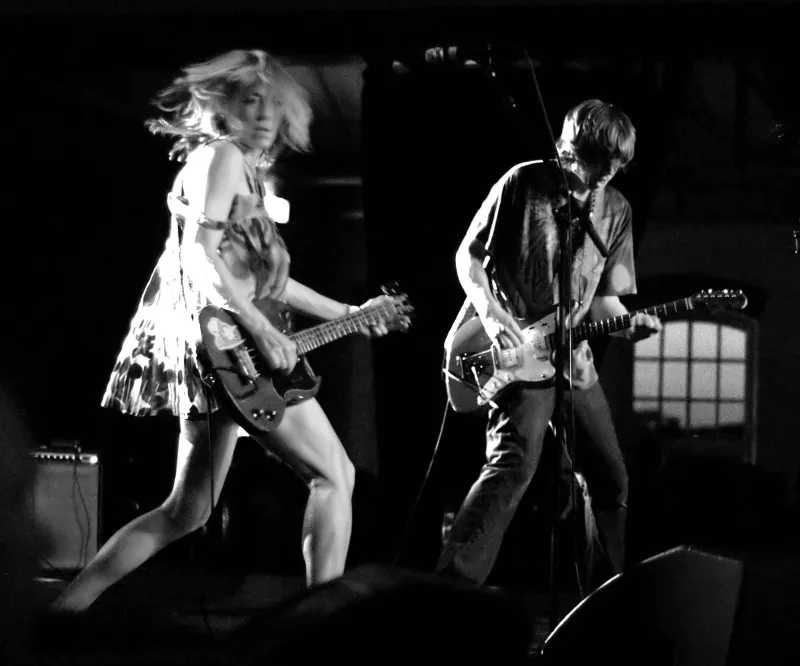
Guitars shouldn’t sound like that, but Sonic Youth proved they absolutely could.
Their alternative tunings and prepared instruments created textures that seemed impossible with traditional rock setups.
Kim Gordon and Thurston Moore built a marriage and a band on challenging what music could be.
Downtown New York’s art scene embraced them as musical equivalents of abstract expressionist painters.
They somehow made feedback and dissonance beautiful rather than just noisy.
Major labels eventually signed them, bringing underground experimentalism to unexpected audiences across America.
7. The Stooges
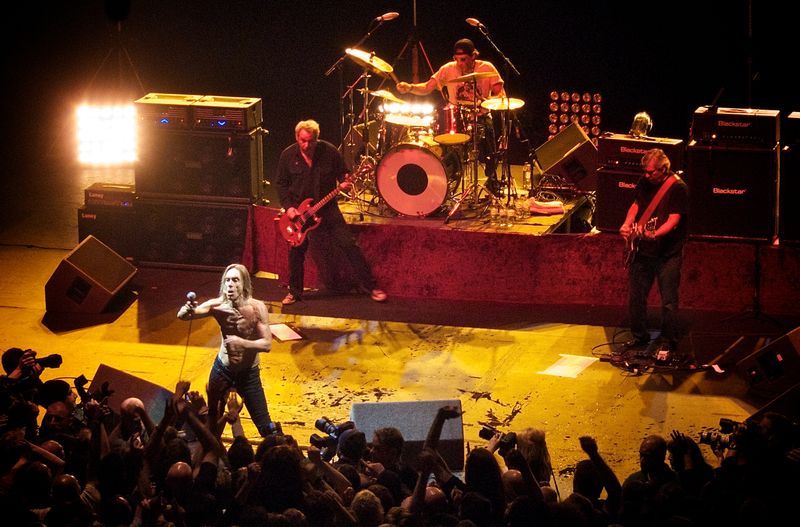
Iggy Pop rolled around in broken glass onstage because regular rock performances seemed too boring.
Detroit’s automotive decay provided the perfect backdrop for their raw, aggressive sound.
Their first albums confused critics and sold poorly, but underground rockers recognized something revolutionary happening.
Simple, powerful riffs stripped away all the fancy stuff that had crept into rock music.
The punk explosion of the 1970s wouldn’t have existed without The Stooges laying the groundwork first.
Decades later, they finally got inducted into the Rock and Roll Hall of Fame.
8. R.E.M.
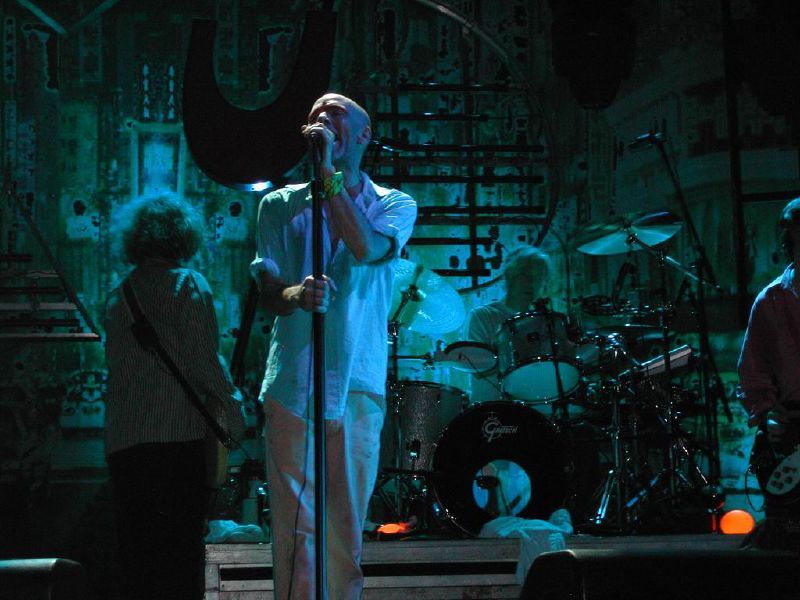
Athens, Georgia seemed like an unlikely place for a musical revolution to start.
Michael Stipe mumbled his lyrics so mysteriously that fans debated what songs actually meant.
College radio stations championed them when commercial stations wouldn’t touch their jangly sound.
Their independent label success proved bands didn’t need major corporations to build devoted audiences.
By staying true to their artistic vision, they eventually became mainstream without compromising their integrity.
Countless alternative bands followed the path R.E.M. carved through the music industry’s wilderness.
9. Radiohead
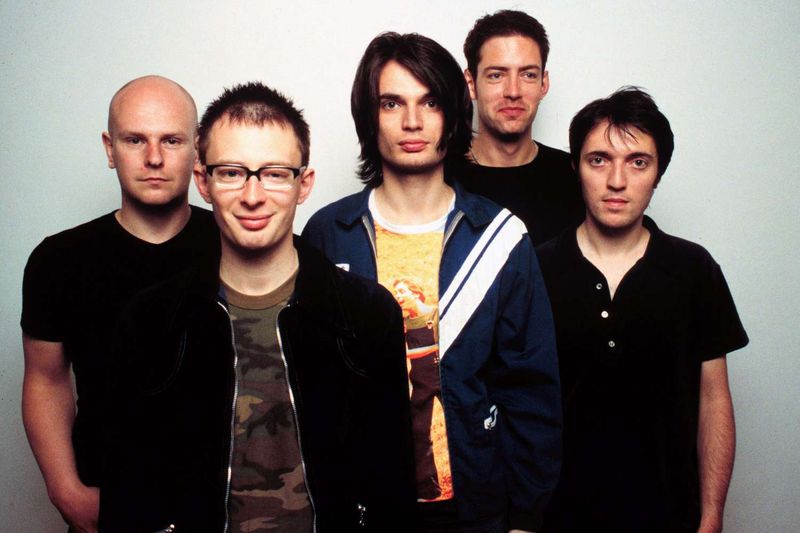
Everyone knew “Creep” in the 1990s, but early fans recognized Radiohead had much more to offer.
Thom Yorke’s anxious vocals perfectly captured millennial dread before most people even felt it.
After their first hit, they could have made the same album repeatedly, but instead they experimented wildly.
OK Computer transformed them from a one-hit wonder into visionaries exploring technology’s impact on humanity.
Their later electronic experiments confused some fans but gained them respect as fearless artists.
They proved commercial success and artistic integrity don’t have to be opposites.
10. My Bloody Valentine
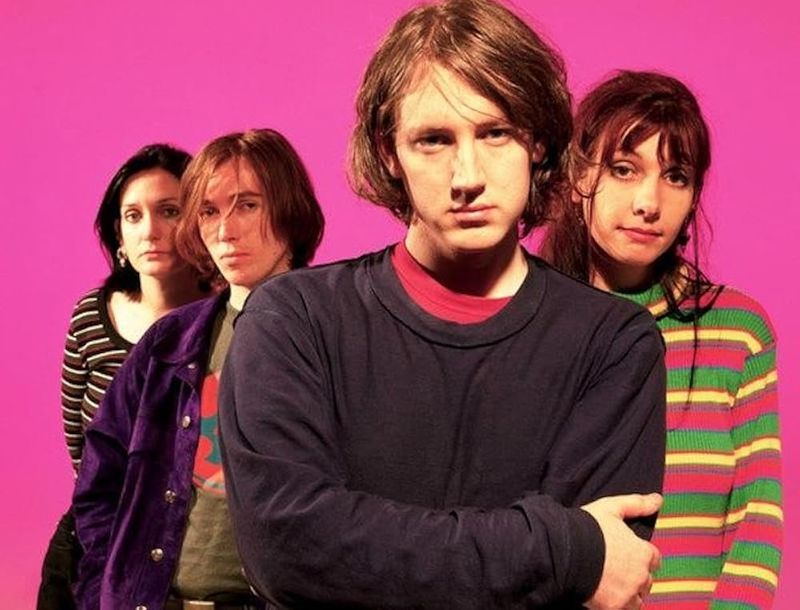
Kevin Shields spent years perfecting sounds that seemed to come from another dimension entirely.
Their guitars created walls of noise that somehow felt soft and dreamlike rather than harsh.
Shoegaze got its name partly because their fans stared at effects pedals while creating these swirling soundscapes.
Recording their masterpiece Loveless nearly bankrupted their record label because of Shields’s perfectionism.
Early listeners needed time to adjust their ears to these unconventional sonic textures.
Decades later, their influence appears in everything from indie rock to electronic music production.
11. The Cure
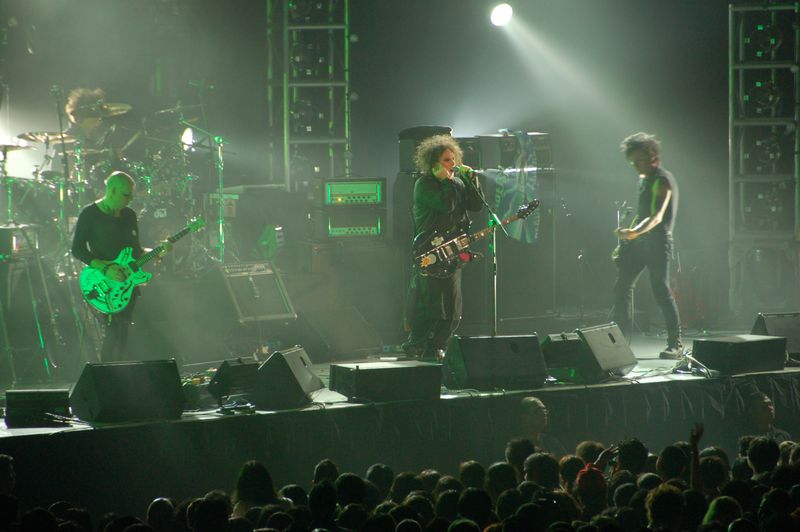
Robert Smith’s messy hair and smeared lipstick became iconic symbols of 1980s alternative culture.
Their music swung wildly between upbeat pop songs and deeply depressing gothic soundscapes.
Early fans discovered them through college radio and underground clubs before MTV caught on.
Songs about heartbreak and alienation connected with teenagers who felt misunderstood by mainstream society.
Their three-hour concerts became legendary marathons through their massive catalog of moody masterpieces.
Fashion and music merged through their influence on goth and alternative subcultures worldwide.
12. Depeche Mode
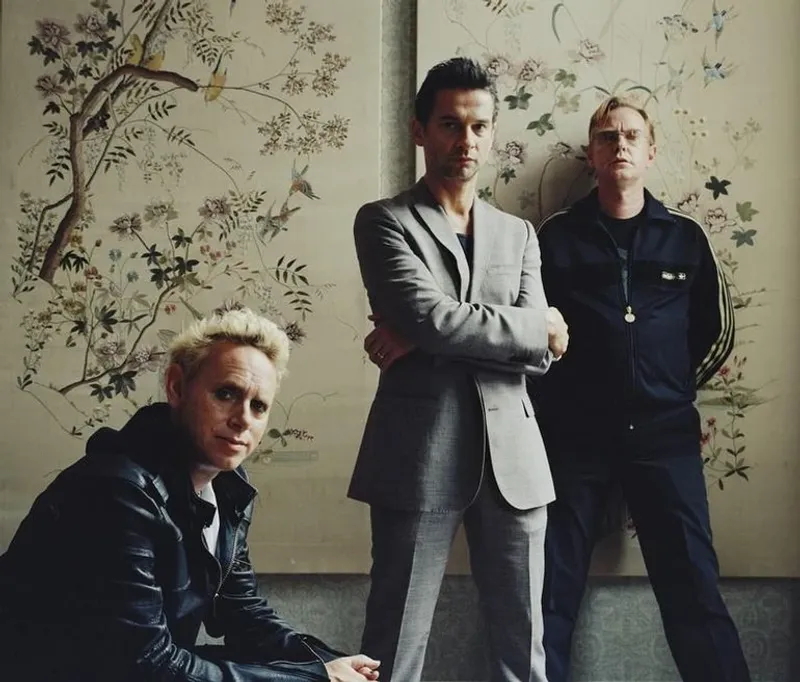
Synthesizers weren’t supposed to create dark, emotional music, but Depeche Mode proved everyone wrong.
Starting as a British pop group, they evolved into electronic music pioneers exploring darker themes.
Their early fans in small clubs watched them grow into stadium-filling superstars.
Dave Gahan’s voice added soul to the cold precision of electronic instruments.
American audiences initially ignored them while Europeans made them massive stars.
Eventually, their influence spread across industrial, techno, and alternative rock genres, showing electronics could convey real emotion and depth.
13. Fugazi
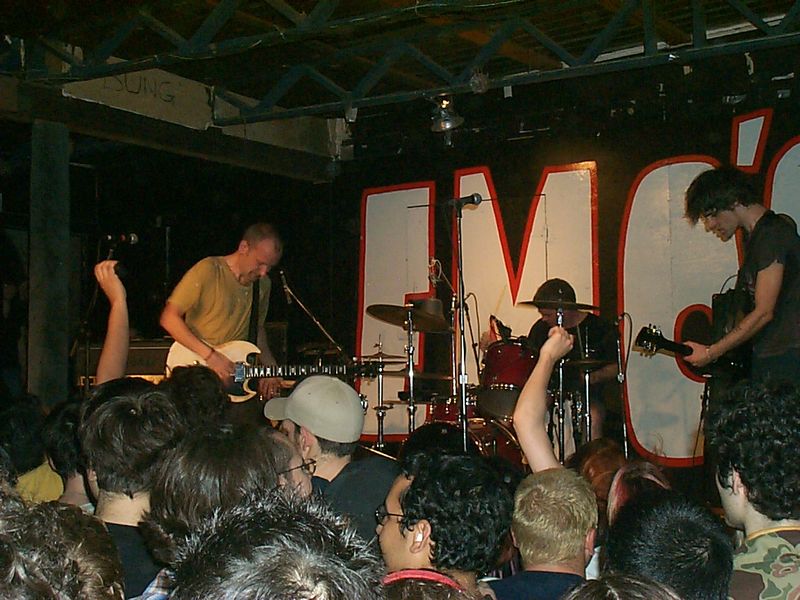
Ian MacKaye had principles and refused to compromise them for anyone or anything.
Five-dollar concerts, no merchandise exploitation, and complete independence from corporate music defined their approach.
Washington DC’s punk scene exploded partly because Fugazi showed how bands could operate ethically.
Their angular guitar work and stop-start rhythms created intensity without relying on speed alone.
They proved punk wasn’t just about rebellion but about building alternative communities and systems.
Early fans felt part of something bigger than music – a movement toward authentic, principled art.
14. The Replacements
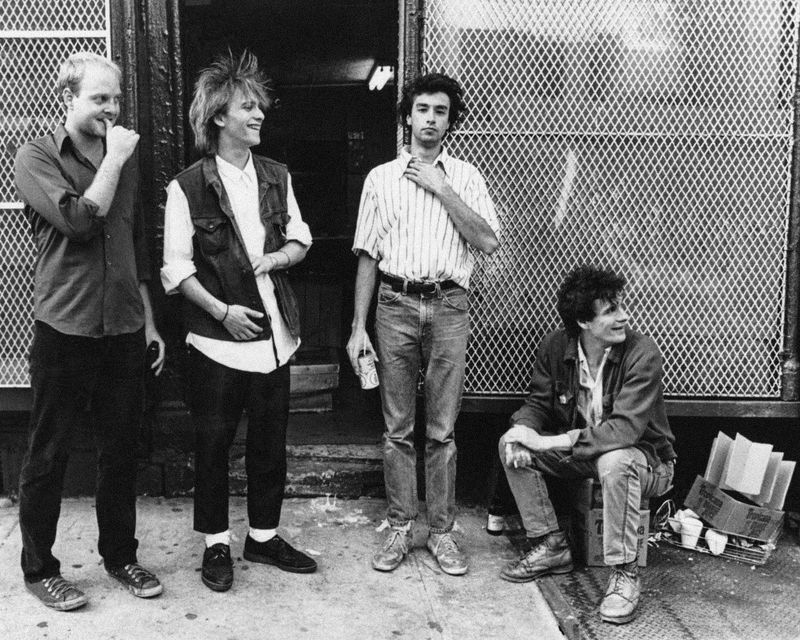
Paul Westerberg wrote songs that balanced punk energy with heartfelt, almost country-influenced melodies.
Their chaotic live shows became legendary – sometimes brilliant, sometimes trainwrecks, always unpredictable.
Minneapolis seemed far from music industry centers, which helped them develop their unique sound independently.
They influenced everyone from Nirvana to Wilco, bridging punk and alternative rock perfectly.
Self-destructive tendencies prevented them from achieving the commercial success their talent deserved.
Fans who discovered them early felt like they’d found something precious and fragile that mainstream audiences might ruin.
15. Blur
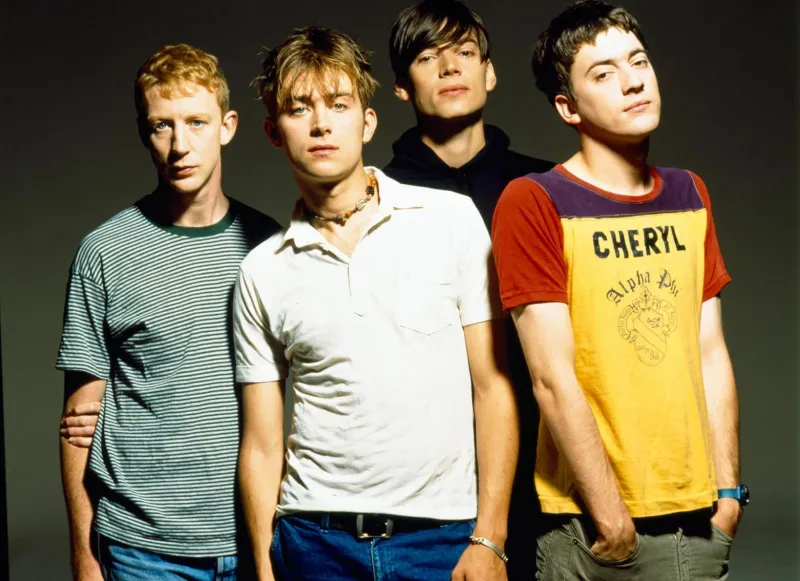
Before the Britpop explosion, Blur was just another London band trying to find their sound.
Damon Albarn’s witty observations about British life gave their music sharp, satirical edges.
Their rivalry with Oasis dominated UK music magazines, but early fans knew Blur had more artistic depth.
American audiences mostly missed their clever commentary on British class and culture.
They evolved dramatically across albums, refusing to repeat successful formulas just for commercial safety.
Art school backgrounds influenced their experimental approach, making them more than just another guitar band chasing hits.
Comments
Loading…