
 Jade Reed
15 Anime Series That Are Hidden Masterpieces
Some of the greatest anime ever made never got the spotlight they deserved. While big titles like Naruto and Dragon Ball grabbed all the attention, a handful of truly brilliant series quietly aired and faded from the mainstream conversation.
These hidden masterpieces tackle deep themes, stunning art, and unforgettable stories that stick with you long after the final episode. If you’re ready to explore beyond the popular picks, this list is your guide to anime that will genuinely blow your mind.
1. Space Brothers (2012–2014)
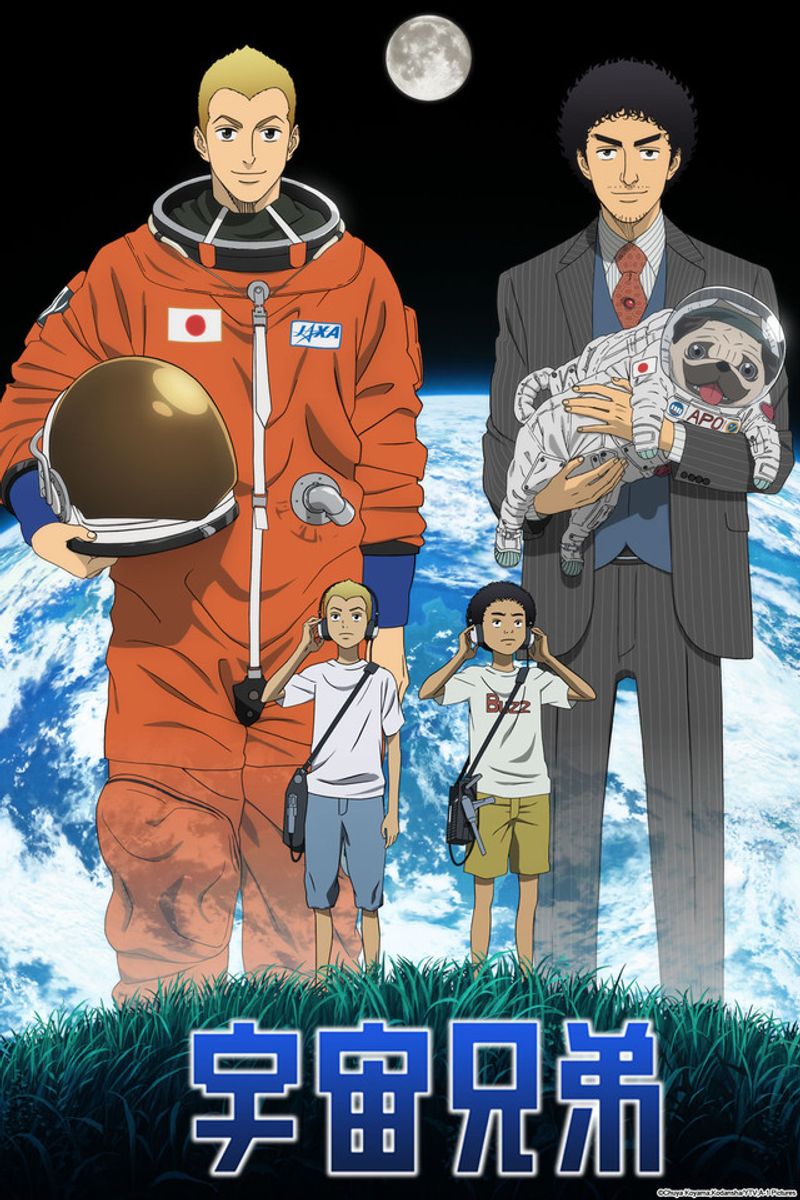
What would you sacrifice to keep a childhood promise?
Space Brothers follows Mutta Nanba, a man in his 30s who gets a second chance to chase his dream of becoming an astronaut, all because his younger brother already made it to the moon.
The series is packed with realistic science, heartfelt humor, and moments that genuinely make you root for the underdog.
Every episode feels earned, not rushed.
It ran for 99 episodes and never overstayed its welcome.
If you want an anime that feels like a warm, motivating hug from start to finish, this one delivers every time.
2. Rainbow (2010)
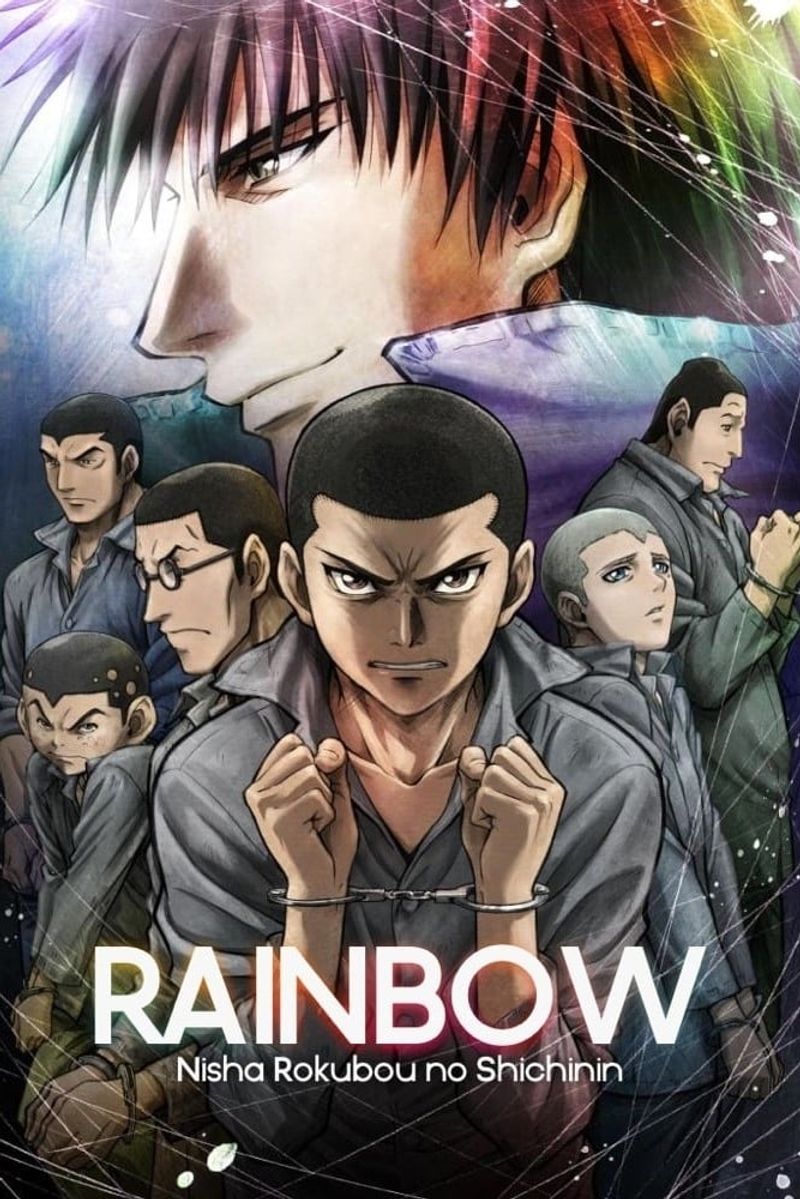
Brutal, raw, and completely unforgettable — Rainbow is not for the faint-hearted.
Set in post-World War II Japan, six teenage boys are thrown into a harsh reform school where survival depends entirely on brotherhood and loyalty.
The series tackles poverty, abuse, and injustice with a level of honesty that most anime never attempt.
Yet somehow, it never feels hopeless because the bonds between the characters carry the entire story.
Produced by Madhouse, Rainbow aired in 2010 and barely made a dent in mainstream popularity.
Fans who found it, though, consistently call it one of the most emotionally powerful anime ever created.
3. Terror in Resonance (2014)
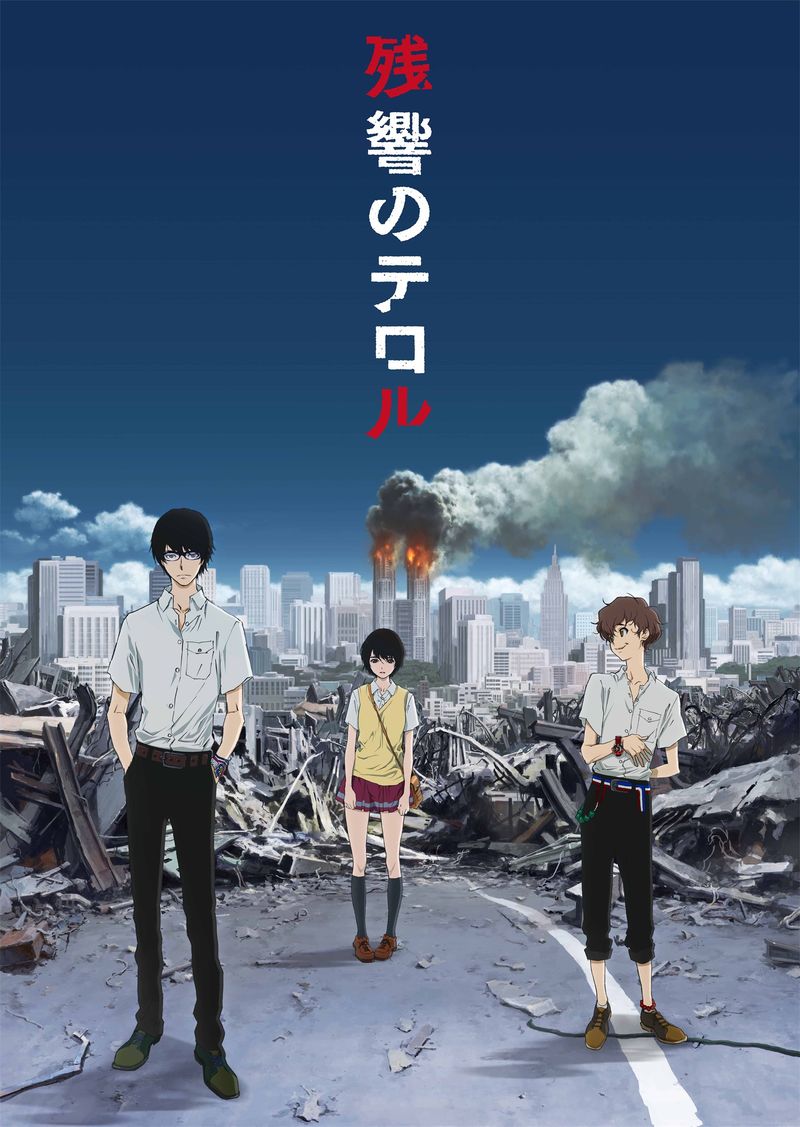
Two teenage boys blow up a Tokyo government building and then dare the police to catch them.
Terror in Resonance opens with that premise and never lets go of the tension it creates from the very first scene.
Directed by Shinichiro Watanabe, the same genius behind Cowboy Bebop, this 11-episode series asks hard questions about government secrecy, trauma, and what pushes people toward extreme actions.
The soundtrack by Yoko Kanno is absolutely stunning.
Critics praised it, but mainstream audiences moved on quickly.
Watching it feels like reading a smart thriller novel that just happens to be animated beautifully.
4. March Comes in Like a Lion (2016–2018)
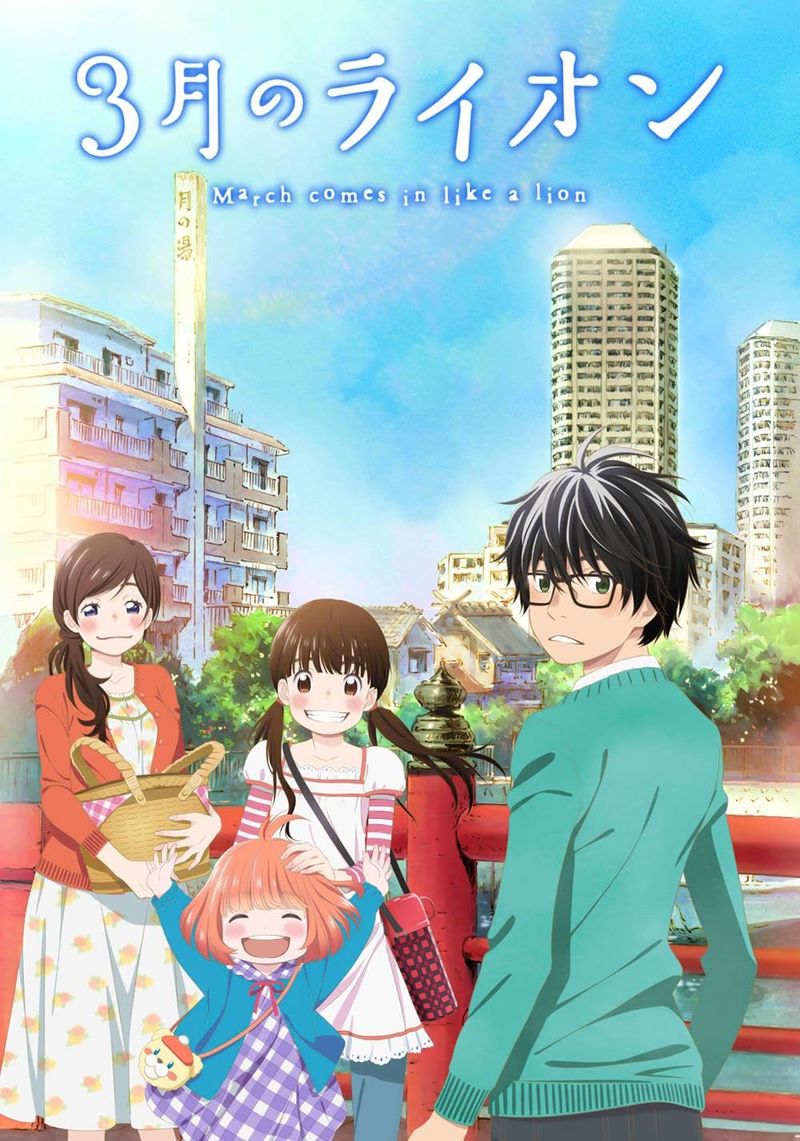
Loneliness has a very specific feeling, and March Comes in Like a Lion captures it better than almost any other anime.
The story follows Rei Kiriyama, a 17-year-old professional shogi player who lives alone and struggles deeply with depression and isolation.
Shaft Studio’s animation is visually poetic, using abstract imagery to express emotions that words can’t quite reach.
The show balances sadness with genuine warmth through a kind family that slowly pulls Rei back into the world.
You don’t need to know anything about shogi to love this series.
It’s really a story about healing, connection, and learning that asking for help is not weakness.
5. Monster (2004–2005)
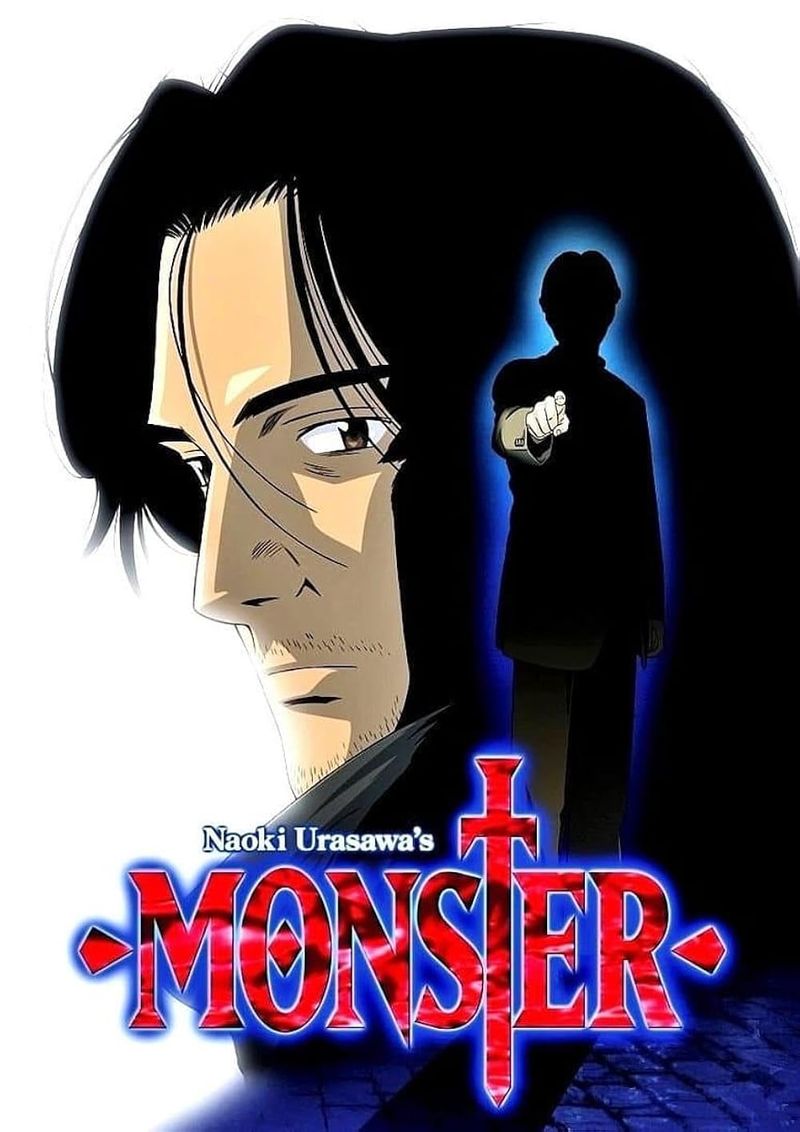
Imagine saving a child’s life only to discover, years later, that the child grew up to become a serial killer.
That is exactly the nightmare Dr. Kenzo Tenma finds himself living in Monster, a 74-episode psychological thriller set across Germany.
Based on Naoki Urasawa’s legendary manga, the series is slow-burning, deeply intelligent, and absolutely gripping.
Every character feels real, every twist is earned, and the villain is one of the most chilling figures in all of anime.
Monster never got a flashy re-release or sequel hype.
It just quietly sits at the top of nearly every serious anime fan’s all-time favorites list, waiting to be discovered.
6. Gankutsuou (2004–2005)
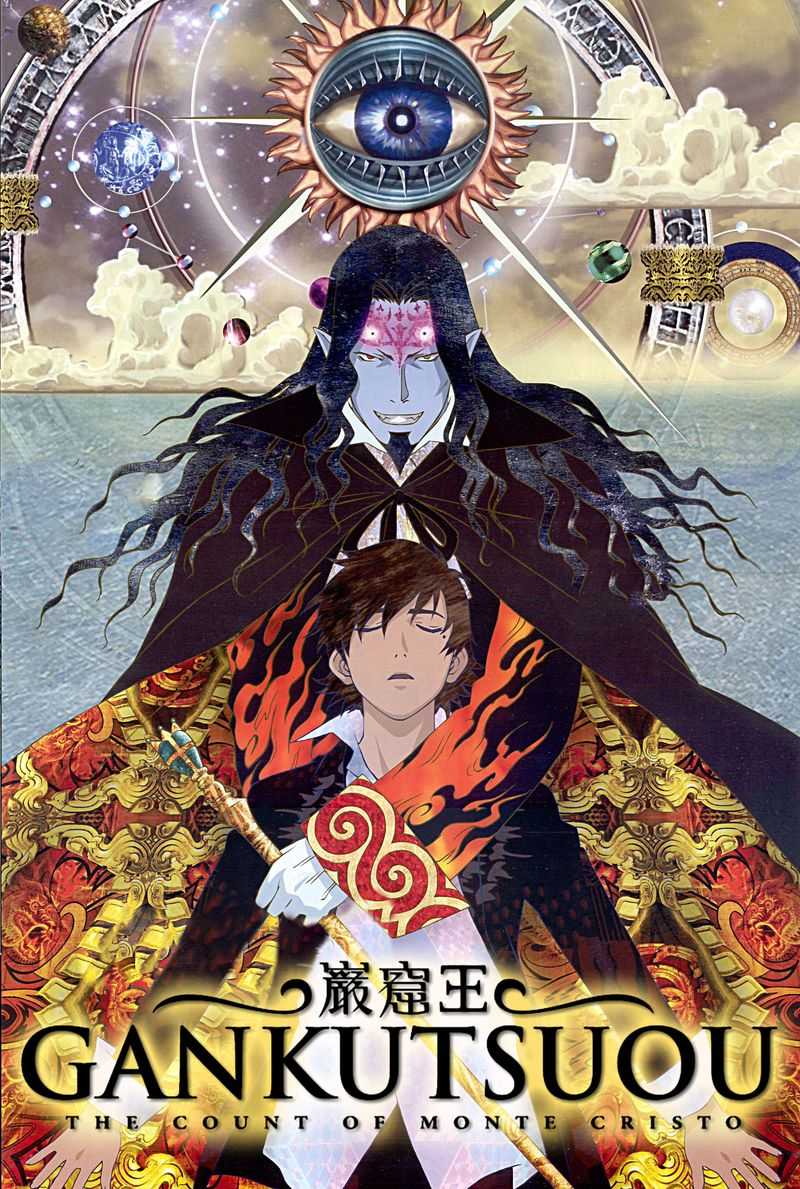
Forget every adaptation of The Count of Monte Cristo you’ve seen before — Gankutsuou sets the classic revenge story in outer space and wraps it in the most visually mind-bending animation style ever put on screen.
The textures on characters’ clothing actually stay fixed in place while the characters move, creating a haunting, otherworldly effect that makes every scene feel like a moving painting.
It’s disorienting at first, then absolutely mesmerizing.
The story follows young Albert as he befriends the mysterious Count, unaware of the dark plans being set in motion.
Studio Gonzo created something genuinely one-of-a-kind here that deserves far more recognition than it receives.
7. Legend of the Galactic Heroes (1988–1997)
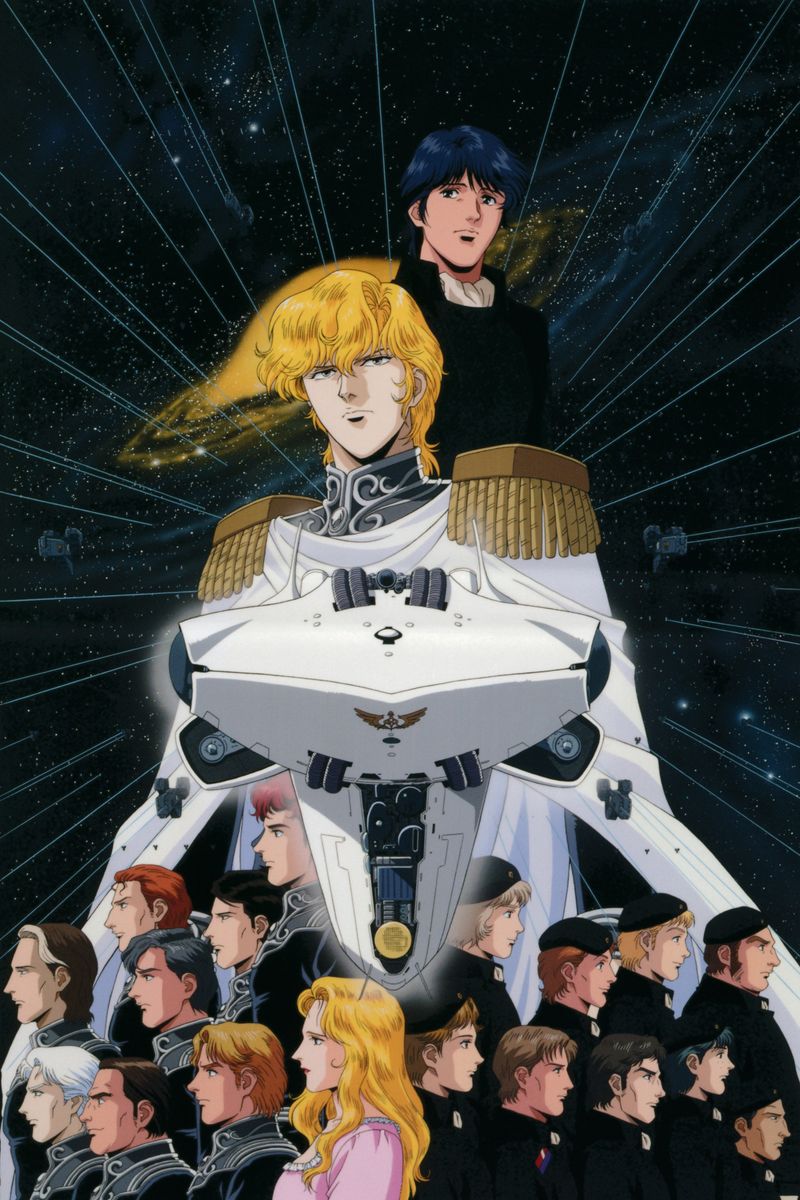
With 110 episodes spanning nearly a decade of production, Legend of the Galactic Heroes is basically the War and Peace of anime.
It tells the story of two brilliant military leaders on opposite sides of an interstellar war, exploring democracy, autocracy, and the true cost of power.
There are no giant robots or flashy superpowers here — just incredibly smart writing, complex characters, and political drama that feels shockingly relevant today.
Many historians and political science fans consider it essential viewing.
Getting through the older animation style takes patience, but the reward is one of the most intellectually satisfying stories ever told in any medium.
This one genuinely changes how you think.
8. Serial Experiments Lain (1998)
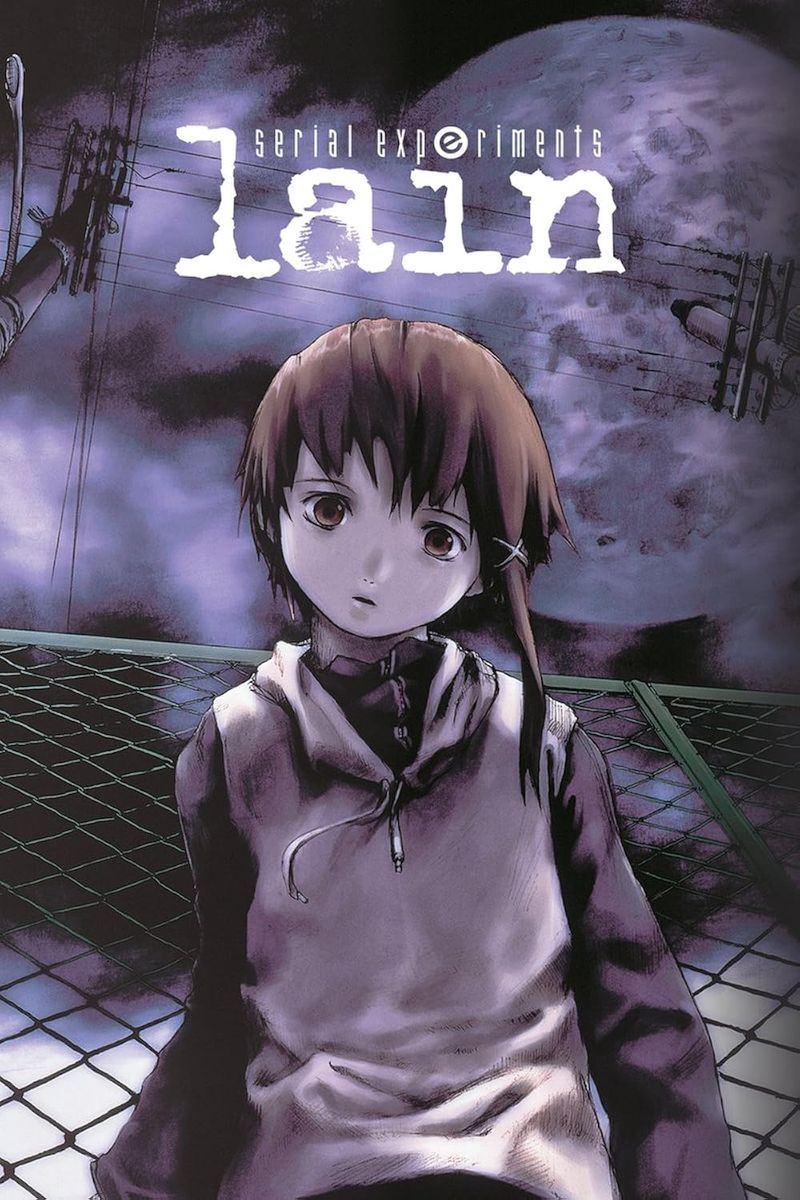
Back in 1998, before social media or smartphones existed, Serial Experiments Lain was already asking terrifying questions about identity, technology, and what it means to be real.
That alone makes it feel like a prophecy dressed up as animation.
The story follows Lain, a shy middle school girl who gets pulled into a mysterious digital world called the Wired, where the line between reality and cyberspace begins to dissolve completely.
The pacing is deliberately strange and unsettling.
This series rewards patient viewers who enjoy puzzling things out.
Watching it once isn’t enough — each rewatch reveals new layers that make the whole experience richer and even more haunting than before.
9. Natsume’s Book of Friends (2008–2017)
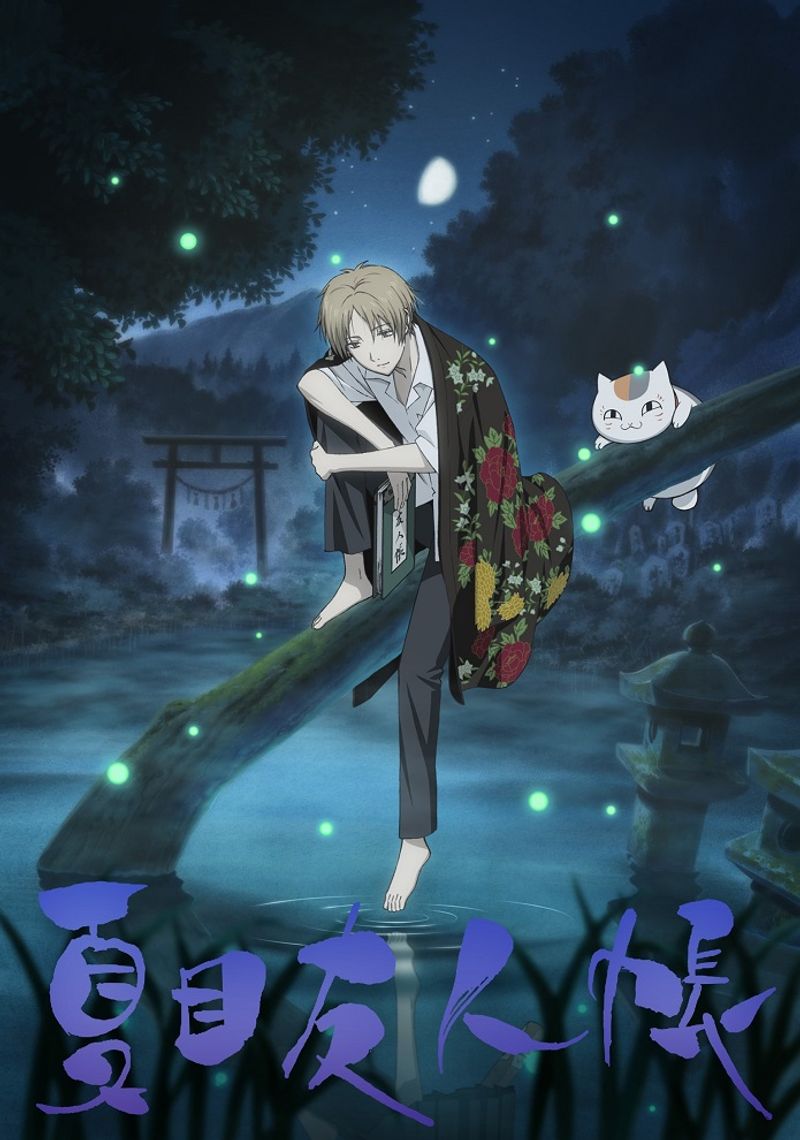
Some anime feel like a warm afternoon with nowhere to be.
Natsume’s Book of Friends is exactly that kind of series — slow, gentle, and quietly magical in a way that sneaks up on your heart before you realize what happened.
Natsume Takashi can see spirits, a gift inherited from his grandmother.
He spends each episode returning the names of spirits trapped in her old book, forming unexpected bonds along the way.
The show ran for eight seasons across nearly a decade.
Each episode works as a self-contained story, making it easy to watch casually.
The emotional depth builds slowly, and by the final season, the payoff feels deeply personal and completely earned.
10. The Big O (1999–2003)
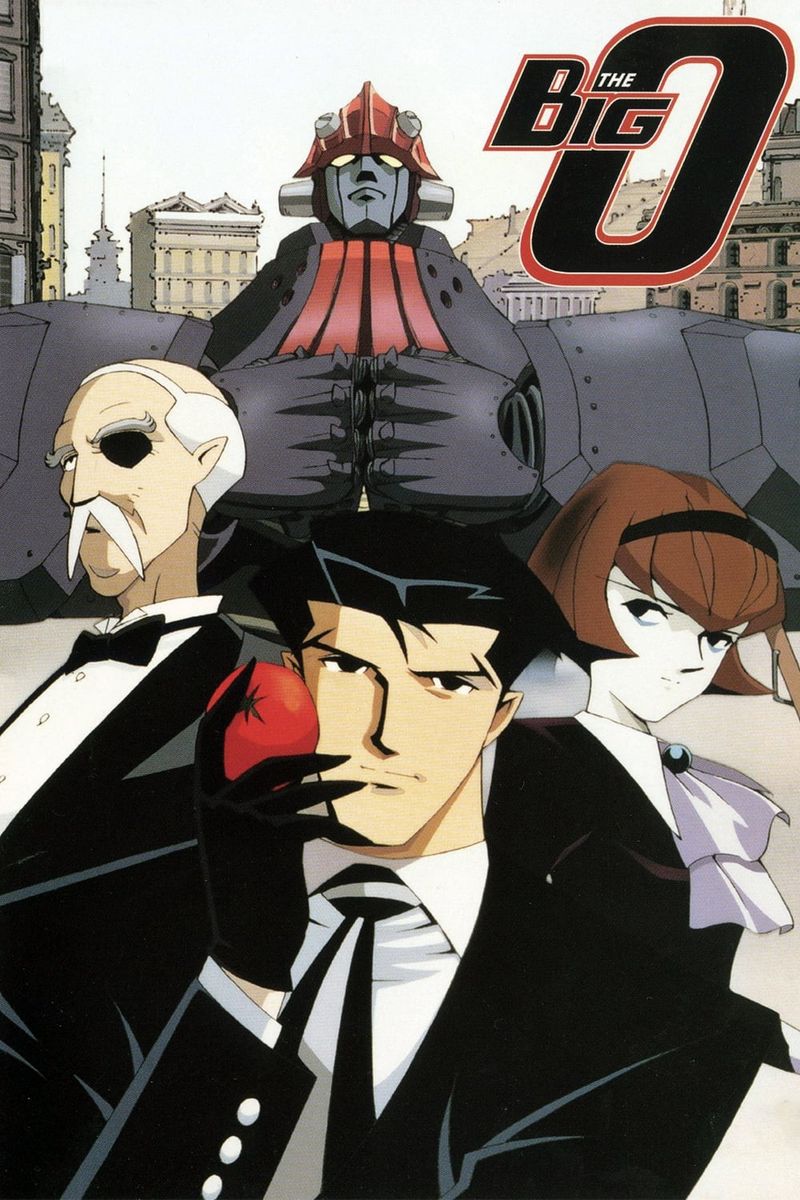
Picture Batman crossed with giant robots, wrapped in a film noir mystery set in a city where everyone has lost their memories.
That’s The Big O, and it’s one of the most stylish, underappreciated anime ever to come out of the late 1990s.
Roger Smith is a negotiator in the amnesiac city of Paradigm, piloting a massive robot called Big O when negotiations fail.
The black-and-white aesthetic, jazz soundtrack, and philosophical undertones give it a completely unique personality.
The show was actually cancelled in Japan but saved by Cartoon Network’s Adult Swim, which funded a second season.
That backstory alone makes it a fascinating piece of animation history worth exploring.
11. Kaiji (2007–2011)
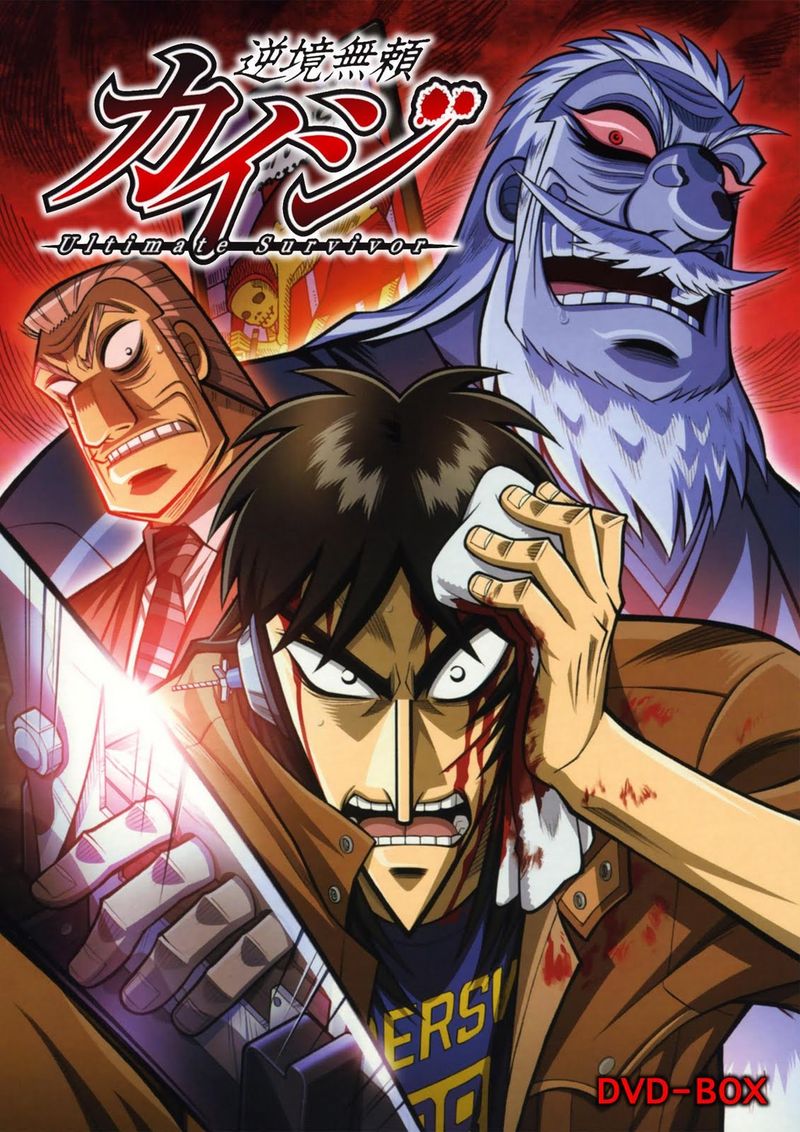
Few anime will make your palms sweat the way Kaiji does.
The story follows Kaiji Itou, a broke and directionless young man who gets tricked into a deadly gambling event on a ship, where losing means losing far more than just money.
Creator Nobuyuki Fukumoto has a gift for designing gambling scenarios that feel both completely absurd and nail-bitingly tense at the same time.
The art style is angular and ugly in the best possible way, perfectly matching the desperate mood.
Kaiji is also surprisingly deep about class inequality and how systems are designed to keep poor people poor.
It’s thrilling entertainment with real ideas underneath every bet.
12. Golden Kamuy (2018–2023)
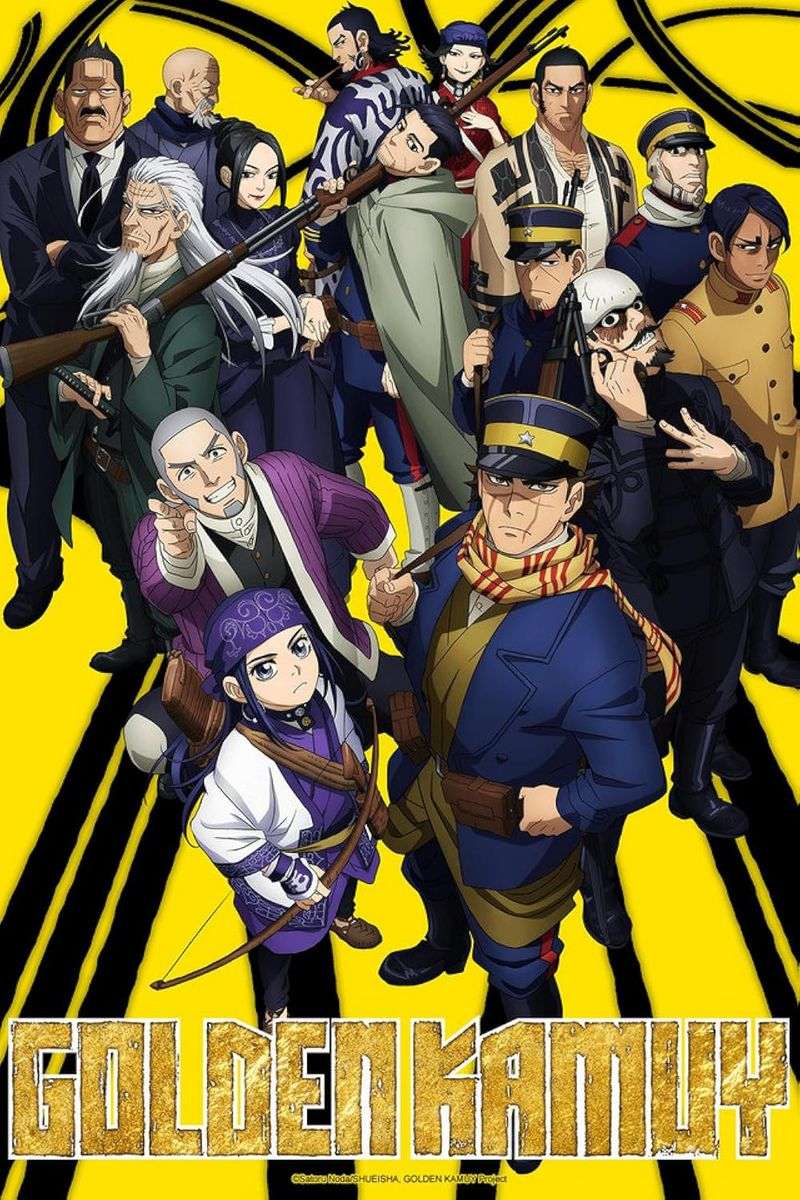
Hidden gold, tattooed prisoners, Ainu culture, and one absolutely unhinged cast of characters — Golden Kamuy is the most chaotically entertaining anime of the past decade.
Set in early 20th-century Hokkaido, it follows war veteran Sugimoto as he hunts for a legendary stash of stolen gold.
What makes this series special is its genuine respect for Ainu Indigenous culture and cuisine, weaving real history and traditions into a wild adventure story.
The show ran for five seasons and only got better as it went.
The humor is completely bizarre, the action is brutal, and the food scenes are oddly beautiful.
Golden Kamuy refuses to be just one thing, and that unpredictability is exactly what makes it so addictive.
13. Mushi-shi (2005–2014)
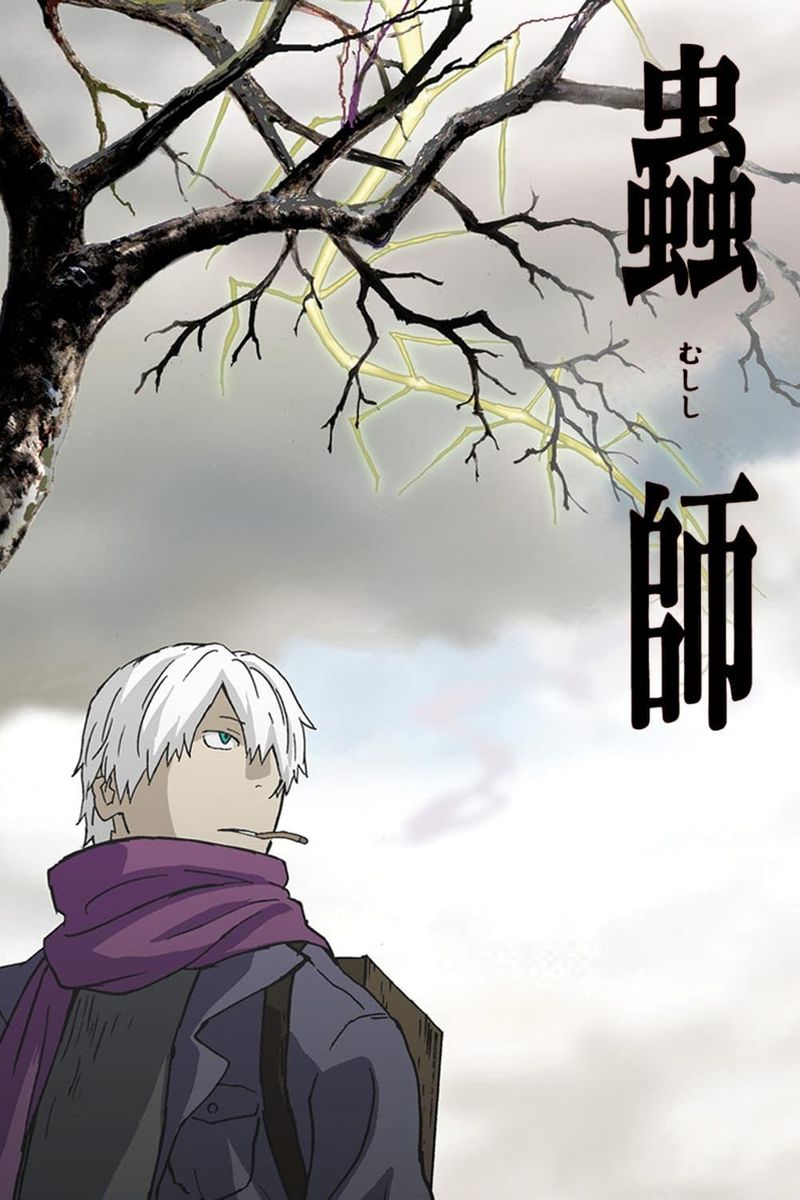
Silence has a texture in Mushi-shi, and the show uses it brilliantly.
Ginko is a wandering traveler who deals with Mushi — mysterious life forms that exist between the physical and spiritual worlds, often causing strange ailments in the humans they encounter.
Every episode is its own complete story, quiet and meditative like reading a beautifully illustrated folk tale.
There’s no overarching villain, no power-up moments, and no tournament arcs.
Just thoughtful storytelling and stunning natural imagery.
The series has a way of making you feel genuinely calm after watching it.
For anyone burned out on high-energy shonen anime, Mushi-shi is the perfect, restorative antidote that reminds you animation can be peaceful and profound.
14. Princess Tutu (2002–2003)
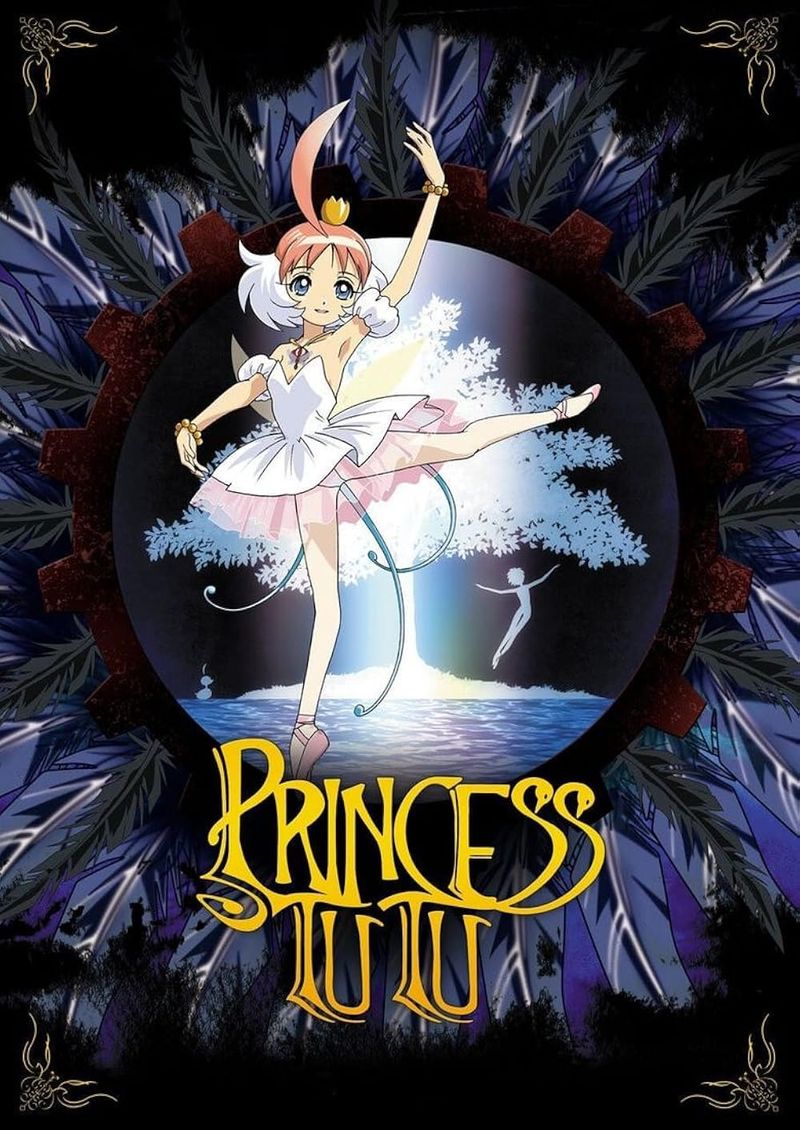
Don’t let the cute title fool you — Princess Tutu is a deeply layered, emotionally complex anime that deconstructs fairy tales in ways that would impress college literature students.
A duck magically transforms into a girl named Ahiru, who then transforms into Princess Tutu to restore the shattered heart of a prince.
The show uses classical ballet music, Greek tragedy themes, and meta-storytelling to create something genuinely unlike anything else in anime.
Every episode references real ballets and weaves them into the plot brilliantly.
It aired in 2002 and was largely overlooked outside dedicated fan circles.
Watching it now feels like discovering a secret treasure that somehow escaped the attention it always deserved.
15. Planetes (2003–2004)
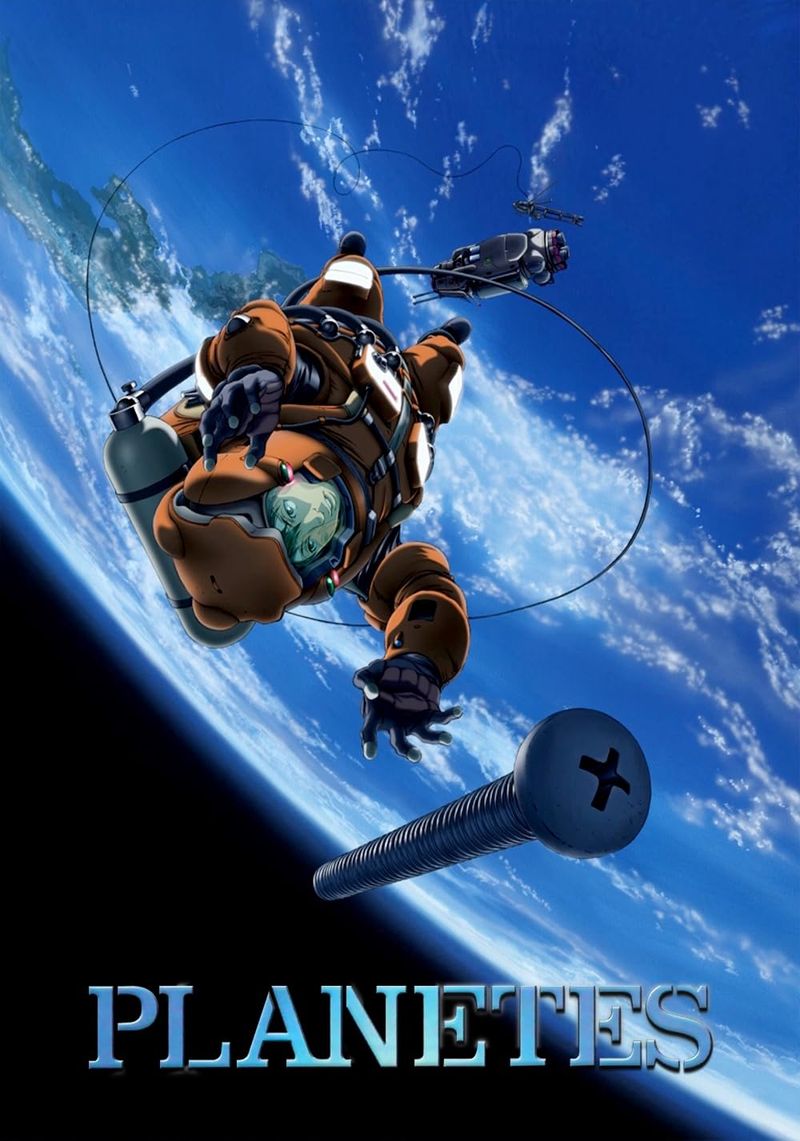
Space is romantic until you realize someone has to clean it up.
Planetes follows a crew of debris collectors orbiting Earth in the near future, doing the unglamorous but essential work of clearing space junk so satellites and spacecraft don’t get destroyed.
Based on Makoto Yukimura’s manga, the series balances hard science fiction with deeply human stories about ambition, love, and what it truly means to chase a dream.
The science is remarkably accurate for an anime from 2003.
Planetes aired alongside flashier series and never found a wide audience, which is honestly a shame.
It’s one of the most grounded, emotionally honest portrayals of space exploration ever animated, and it absolutely deserves a second look.
Comments
Loading…