
 Mila Ross
15 Albums Every Baby Boomer Had in Their Record Collection
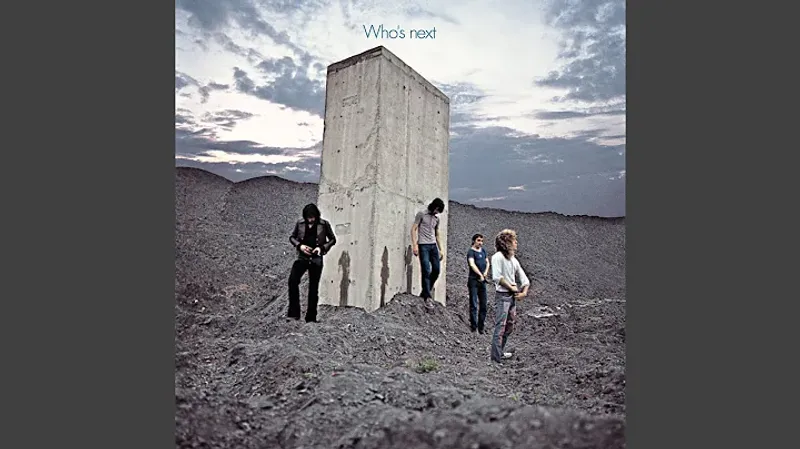
Baby boomers grew up during the golden age of rock, folk, and psychedelic music, when vinyl records weren’t just entertainment—they were cultural treasures.
Every serious music lover had certain albums spinning on their turntable, soundtracks to protests, road trips, and late-night conversations.
These iconic records defined a generation and continue to influence musicians today.
1. The Beatles – Abbey Road (1969)
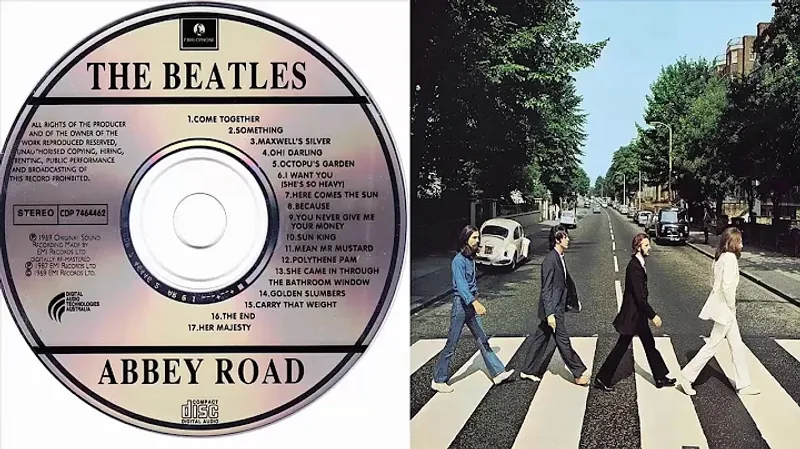
Four musicians crossing a London street became one of the most recognizable images in music history.
Abbey Road represents The Beatles at their creative peak, blending experimental sounds with unforgettable melodies that still resonate decades later.
Side two’s medley flows seamlessly from one song to another, creating a musical journey unlike anything heard before. “Come Together” opens with a hypnotic bass line, while “Something” showcases George Harrison’s songwriting genius.
Paul McCartney’s “Here Comes the Sun” brings warmth and optimism that boomers embraced during turbulent times.
This album proved The Beatles could still innovate even as their partnership neared its end, making it essential listening for any serious collector.
2. The Beatles – Sgt. Pepper’s Lonely Hearts Club Band (1967)
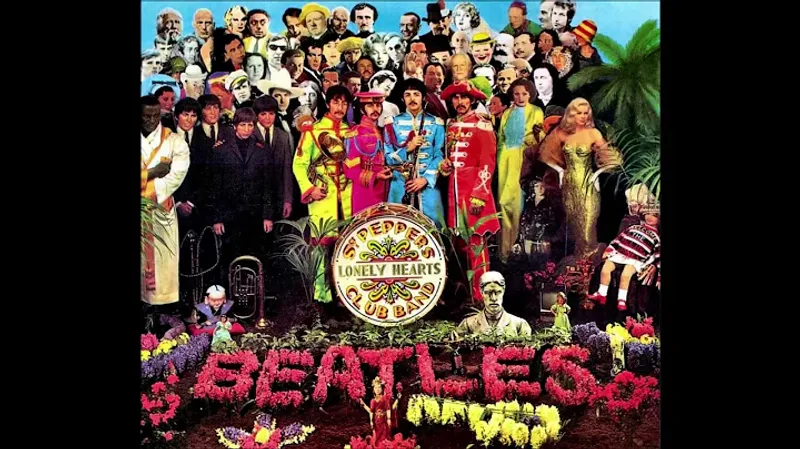
Psychedelic colors exploded across this album cover, featuring The Beatles surrounded by cardboard cutouts of cultural icons.
Sgt. Pepper transformed what a rock album could be, treating the LP as a complete artistic statement rather than just a collection of singles.
“Lucy in the Sky with Diamonds” painted vivid dreamscapes, while “A Day in the Life” combined orchestral chaos with everyday observations.
The concept of a fictional band performing allowed The Beatles creative freedom to experiment wildly.
Recording technology was pushed to its limits, with tape loops, backward recordings, and innovative microphone placements creating new sonic textures.
Boomers purchased this album not just for music but for the cultural revolution it represented, challenging conventions and expanding consciousness.
3. The Rolling Stones – Let It Bleed (1969)
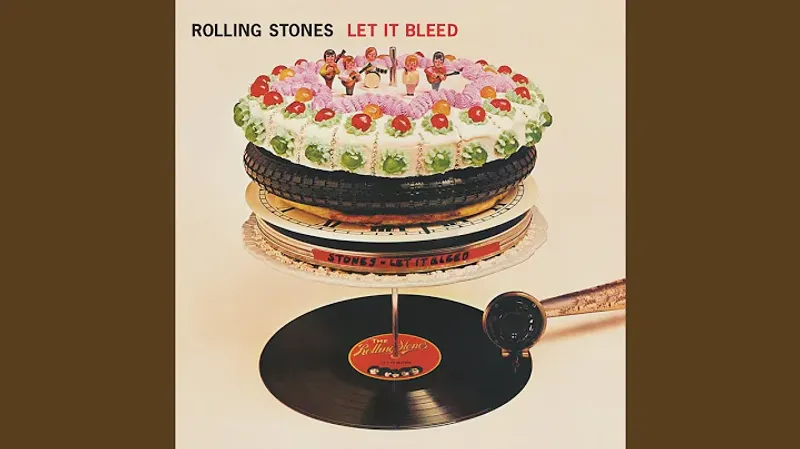
Raw energy and bluesy grit define this Stones masterpiece, released during one of rock’s most creative periods.
Let It Bleed captures the darker side of the sixties, when optimism gave way to cynicism and rebellion took on sharper edges.
“Gimme Shelter” opens with apocalyptic intensity, its lyrics reflecting the violence and chaos of the era.
Mick Jagger’s vocals throughout convey a world-weary wisdom beyond his years, while Keith Richards’ guitar work remains untouchable.
“You Can’t Always Get What You Want” closes the album with gospel choirs and philosophical acceptance.
Boomers connected with this record’s honesty about life’s disappointments and struggles, making it a fixture in collections alongside more optimistic albums from earlier in the decade.
4. Bob Dylan – Highway 61 Revisited (1965)
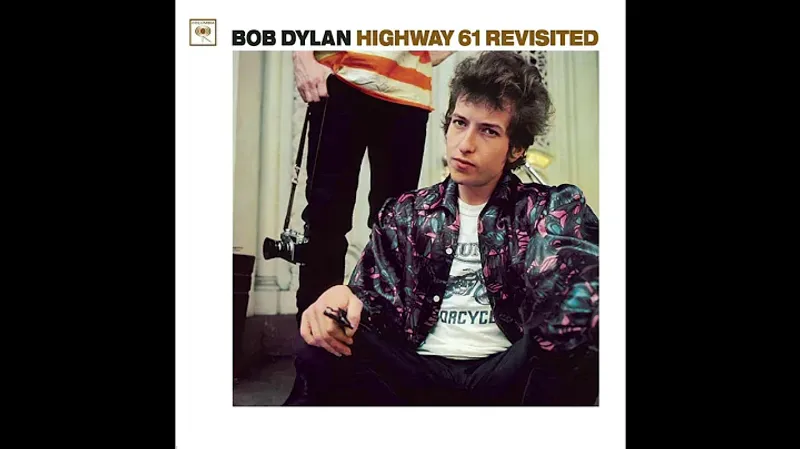
Electric guitars shocked folk purists when Dylan plugged in, but this album revolutionized what popular music could say.
Highway 61 Revisited combines surreal poetry with rock and roll energy, creating songs that demanded repeated listening to unpack their meanings.
“Like a Rolling Stone” stretches past six minutes, breaking radio conventions while asking uncomfortable questions about identity and belonging.
Dylan’s nasal voice delivers lyrics packed with literary references, absurdist humor, and social commentary.
Al Kooper’s organ fills add texture to arrangements that balance raw power with musical sophistication.
Boomers debated Dylan’s lyrics in dorm rooms and coffee shops, treating this album as literature set to music rather than simple entertainment, cementing its place in every serious collection.
5. Simon & Garfunkel – Bridge Over Troubled Water (1970)
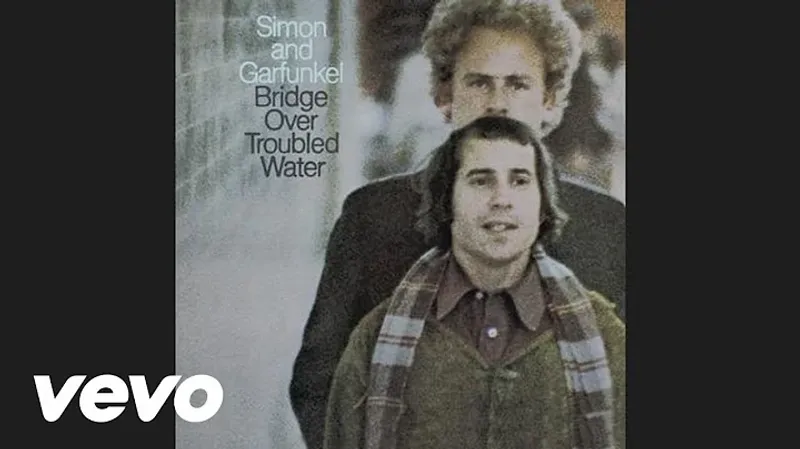
Gentle harmonies and thoughtful lyrics made this duo’s final studio album a comforting presence during uncertain times.
Bridge Over Troubled Water showcases Paul Simon’s sophisticated songwriting and Art Garfunkel’s angelic voice, creating music that feels both intimate and grand.
The title track builds from quiet piano to gospel-influenced crescendo, offering reassurance and support when listeners needed it most.
“The Boxer” tells a story of resilience with vivid imagery and that unforgettable drum sound.
“Cecilia” brings playful energy with unconventional percussion, while “El Condor Pasa” incorporates Andean folk melodies.
Boomers appreciated the album’s emotional range and musical ambition, making it perfect for both introspective moments and gatherings with friends, ensuring its place on countless shelves.
6. The Beach Boys – Pet Sounds (1966)
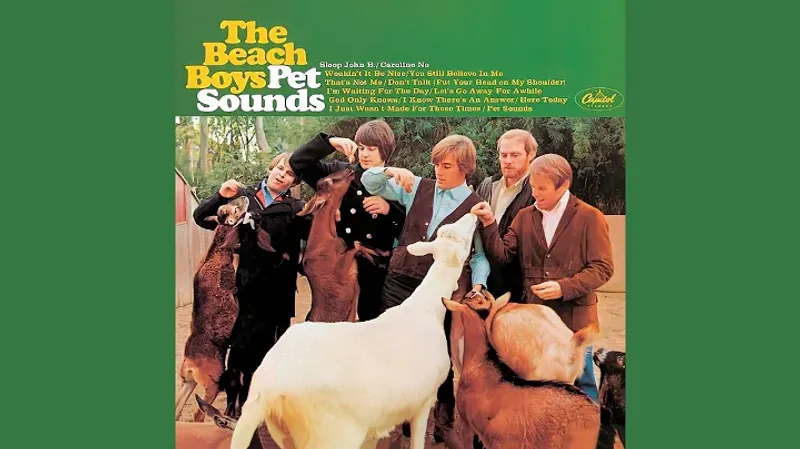
Brian Wilson’s studio experimentation created lush soundscapes that went far beyond surf rock’s simple pleasures.
Pet Sounds layers instruments in innovative ways, using unconventional sounds like bicycle bells and Coca-Cola cans alongside traditional orchestration to build emotional depth.
“Wouldn’t It Be Nice” captures youthful longing with complex harmonies that sound effortless.
“God Only Knows” features one of pop music’s most beautiful melodies, its vulnerability and sincerity touching listeners across generations.
The album’s introspective mood reflected Wilson’s personal struggles and artistic growth.
Boomers initially overlooked Pet Sounds compared to British invasion albums, but over time recognized its genius, with many acquiring copies later to fill gaps in their collections and appreciate its groundbreaking production techniques.
7. Led Zeppelin – Led Zeppelin IV (1971)
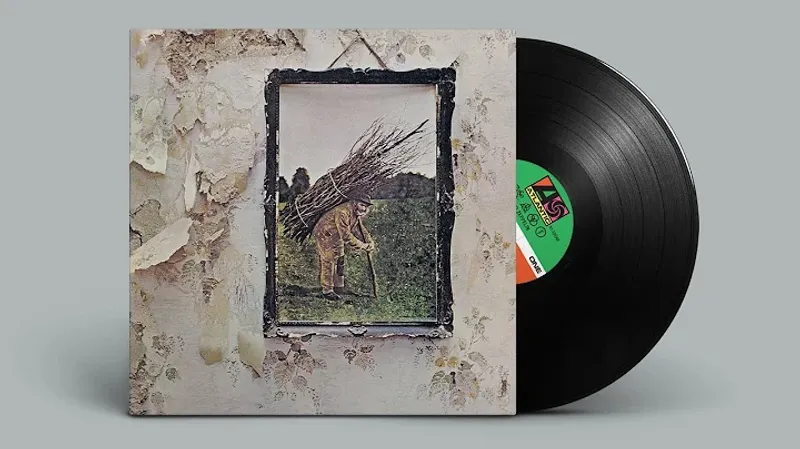
Heavy riffs and mystical imagery combined to create hard rock’s most influential album.
Led Zeppelin IV contains no title or band name on its cover, just four mysterious symbols representing each member, yet became instantly recognizable to millions of fans worldwide.
“Stairway to Heaven” builds from acoustic delicacy to electric power, becoming rock radio’s most requested song.
Jimmy Page’s guitar work throughout demonstrates technical mastery and creative innovation that guitarists still study today.
“Black Dog” features a complex rhythm that challenges musicians, while “When the Levee Breaks” uses revolutionary drum sounds.
Boomers cranked this album loud, appreciating its raw power and musical sophistication, making it mandatory listening for anyone serious about rock music and essential for every collection.
8. Pink Floyd – The Dark Side of the Moon (1973)
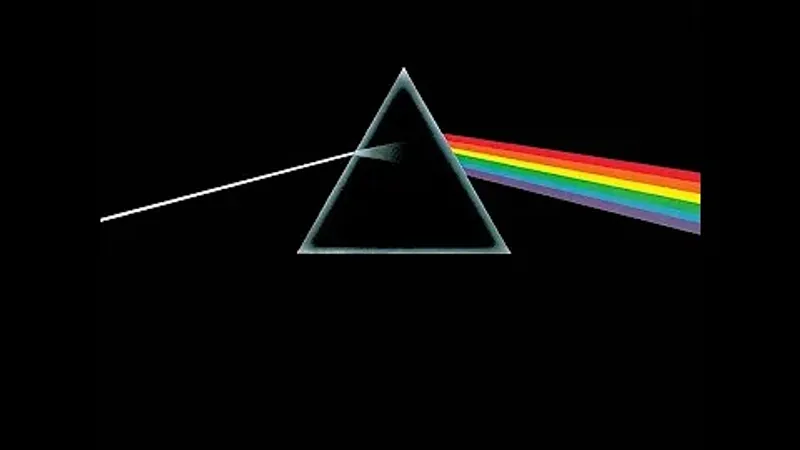
Conceptual ambition reached new heights with this exploration of human experience, pressure, and mental health.
The Dark Side of the Moon uses sound effects, spoken word samples, and instrumental passages to create an immersive journey that demands full-album listening rather than single-song sampling.
“Time” opens with alarm clocks before exploring mortality and wasted opportunities.
David Gilmour’s guitar solos on “Money” and other tracks communicate emotion as powerfully as any lyrics could.
The album’s iconic prism cover became instantly recognizable, decorating dorm rooms across America.
Pink Floyd’s attention to sonic detail made this album perfect for demonstrating stereo equipment, while its themes resonated with boomers questioning conventional life paths, ensuring it stayed on turntables for years.
9. The Who – Who’s Next (1971)
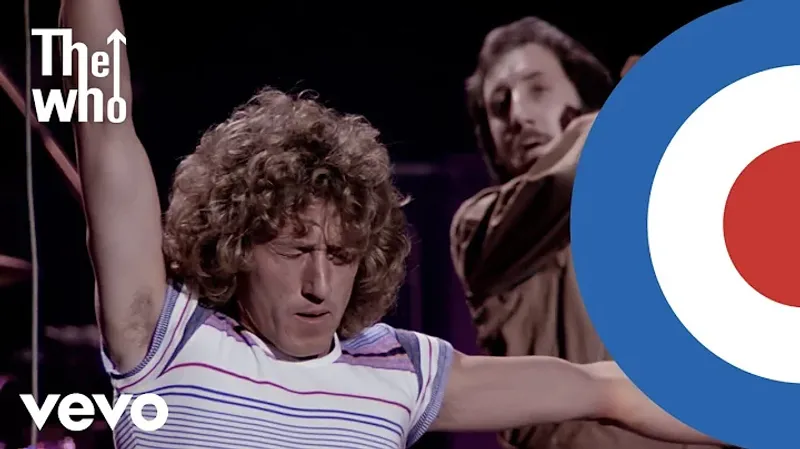
Synthesizers met rock power on this album that captured youthful frustration and energy perfectly.
Who’s Next emerged from an abandoned concept project, yet its individual songs became anthems that defined rock’s possibilities when combining electronic experimentation with traditional instrumentation.
“Baba O’Riley” opens with hypnotic keyboard patterns before exploding into full-band fury and that unforgettable violin outro.
“Won’t Get Fooled Again” builds tension for over eight minutes, with Roger Daltrey’s primal scream becoming legendary.
Keith Moon’s drumming throughout displays controlled chaos, while Pete Townshend’s guitar work alternates between delicate and aggressive.
Boomers embraced this album’s themes about disillusionment with authority and generational change, finding it spoke directly to their experiences growing up during tumultuous decades of social transformation.
10. Jimi Hendrix – Are You Experienced (1967)
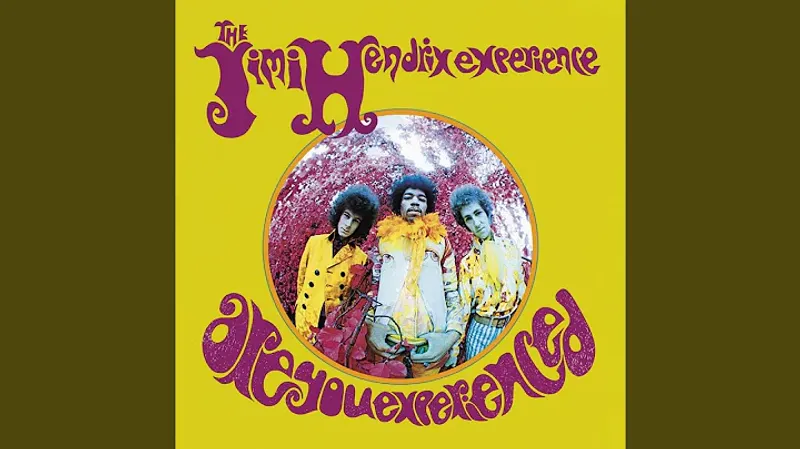
Guitar playing would never be the same after Hendrix unleashed his revolutionary approach to the instrument.
Are You Experienced introduced the world to sounds nobody knew electric guitars could make, using feedback, distortion, and wah-wah effects to create sonic textures that seemed otherworldly.
“Purple Haze” opens with one of rock’s most recognizable riffs, while “Foxy Lady” showcases Hendrix’s bluesy roots transformed through psychedelic experimentation.
His vocals complement rather than compete with his guitar work, creating unified artistic statements.
“The Wind Cries Mary” demonstrates his ability to craft beautiful ballads alongside explosive rockers.
Boomers recognized they were witnessing genius, with many wearing out their copies through repeated listening, trying to understand how Hendrix achieved his magical sounds and innovative techniques.
11. Creedence Clearwater Revival – Cosmo’s Factory (1970)
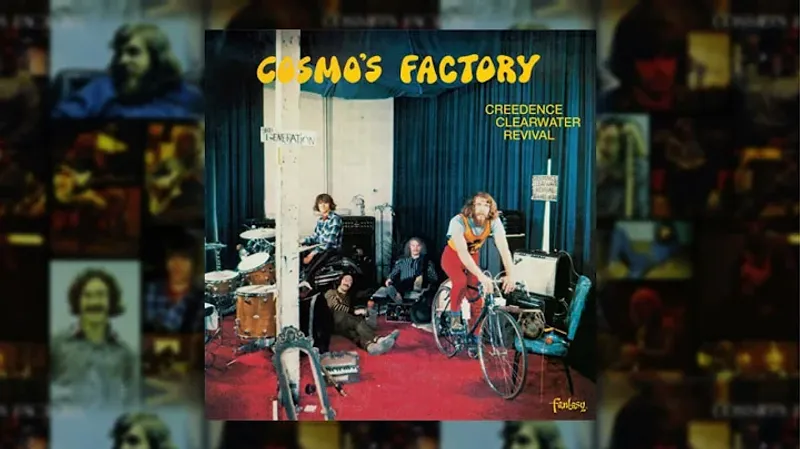
Swamp rock from California might sound contradictory, but CCR made it authentic and irresistible.
Cosmo’s Factory showcases John Fogerty’s songwriting at its peak, delivering hit after hit with straightforward arrangements that prioritize feeling over technical flash or studio trickery.
“Travelin’ Band” charges forward with infectious energy, while “Lookin’ Out My Back Door” tells whimsical stories with country-rock flair.
The eleven-minute version of “I Heard It Through the Grapevine” transforms Motown soul into something entirely different.
CCR’s blue-collar aesthetic appealed to working-class boomers who found arena rock pretentious.
Fogerty’s voice carries conviction whether singing about bayous or social issues, making this album a reliable choice for parties, road trips, or solitary listening sessions that demanded authentic American rock without unnecessary complications.
12. Fleetwood Mac – Rumours (1977)
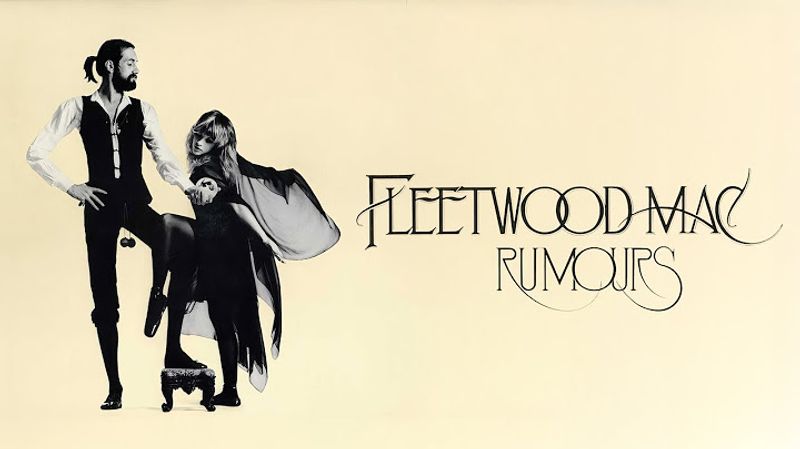
Personal heartbreak fueled commercial success as band members processed their relationship dramas through music.
Rumours turned private pain into universal statements about love and loss, with its polished production and memorable hooks making difficult emotions accessible and even enjoyable to experience repeatedly.
“Go Your Own Way” channels anger into driving rock, while “Dreams” floats with Stevie Nicks’ distinctive voice creating hypnotic atmospheres.
Christine McVie’s “Don’t Stop” offers optimism despite the album’s overall melancholy.
The rhythm section keeps everything grounded while guitars and vocals soar above.
Boomers related to these songs about complicated adult relationships, finding comfort knowing even successful musicians struggled with the same issues, making Rumours both a critical darling and a record that stayed on turntables for years.
13. Carole King – Tapestry (1971)
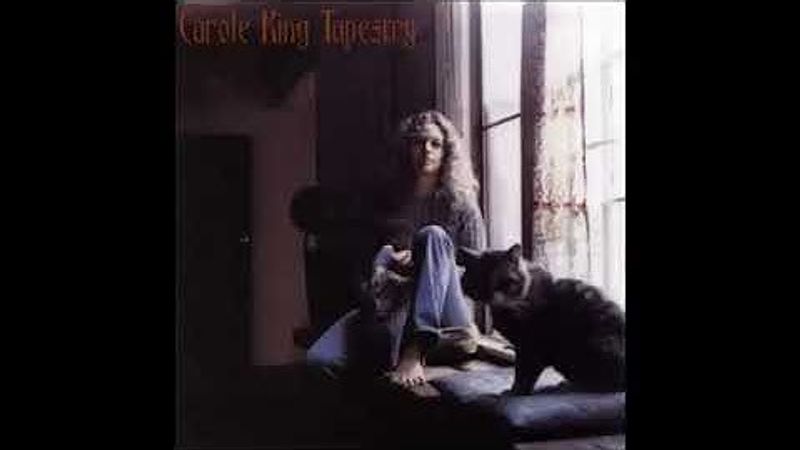
Singer-songwriter intimacy reached millions with this warm, personal album that felt like conversations with a wise friend.
Tapestry features King at her piano, delivering songs with honesty and vulnerability that contrasted with rock’s bombast, proving quiet moments could be just as powerful as loud ones.
“It’s Too Late” captures the sad acceptance of relationship endings with mature perspective.
“I Feel the Earth Move” brings joyful energy, while “You’ve Got a Friend” offers unconditional support that James Taylor would also make famous.
King’s voice isn’t technically perfect, but its authenticity connects emotionally in ways polished vocals cannot.
Boomer women especially embraced Tapestry, hearing their own experiences reflected in its lyrics, while men appreciated its emotional honesty, making it cross demographic lines and become universally beloved.
14. The Eagles – Hotel California (1976)
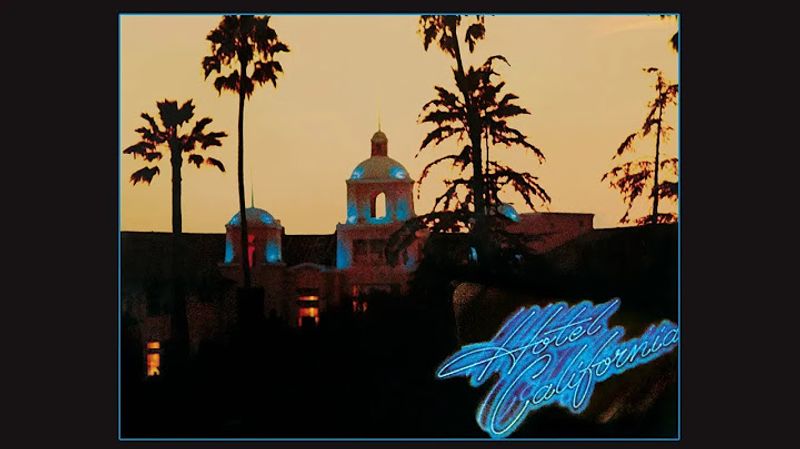
California dreaming turned dark on this album that examined success’s hollow promises and excess’s consequences.
Hotel California combines country-rock accessibility with sophisticated arrangements and cynical lyrics, creating music that works on multiple levels depending on how deeply listeners want to engage with its themes.
The title track’s twin guitar solos became rock standards, while its mysterious lyrics about hotels you can never leave sparked endless interpretation debates.
“New Kid in Town” explores fame’s fleeting nature with bittersweet melodies.
“Life in the Fast Lane” captures seventies excess with driving rhythm and knowing humor.
Boomers who had achieved material success found this album’s critique of American dreams resonating, recognizing that achieving goals doesn’t guarantee happiness, making it both celebration and warning about their generation’s journey.
15. Elvis Presley – Elvis’ Golden Records (1958)
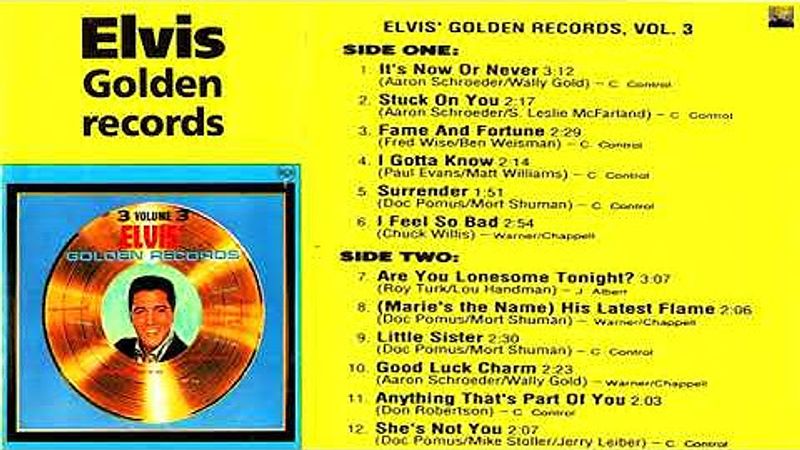
Before The Beatles arrived, Elvis was the king who made rock and roll dangerous and irresistible to teenagers.
Elvis’ Golden Records compiled his biggest hits from the fifties, preserving the raw energy and charisma that scandalized parents while thrilling their children and changing popular culture forever.
“Hound Dog” and “Don’t Be Cruel” showcase Elvis at his rebellious peak, while “Love Me Tender” proves he could deliver ballads with genuine tenderness.
His voice moves effortlessly between styles, backed by pioneering musicians creating new sounds.
Early boomers remember when Elvis was controversial rather than nostalgic.
This compilation allowed them to own his essential recordings in one package, reminding them of rock’s revolutionary origins before it became mainstream, making it a connection to their youth and music’s transformative power.
Comments
Loading…