
 Harper Hall
15 Actors With Disabilities Who Redefined What Success Looks Like in Hollywood
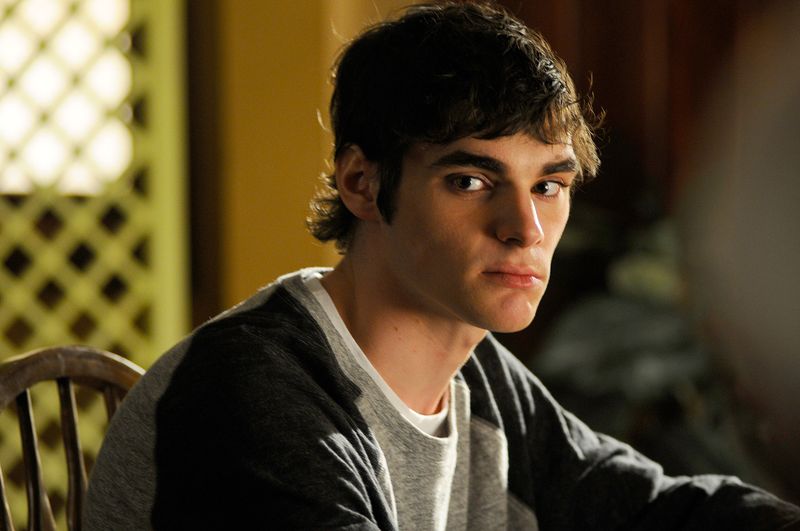
Hollywood has never been an easy place to fit in, and that’s especially true when an industry expects bodies and voices to look and work one narrow way.
Still, many performers have built big careers while living with disabilities, chronic conditions, or mobility and sensory differences.
Some have been open about their diagnoses for years, while others shared their stories later, after proving their talent on set.
Their success isn’t about “overcoming” for applause, but about doing excellent work while navigating real-world barriers and access needs.
In many cases, their visibility has also helped audiences rethink what leading roles can look and sound like.
The actors below span film, television, and theater, and each has left a mark through standout performances and undeniable craft.
Where disability details are mentioned, they reflect information these stars have publicly discussed or that has been widely reported.
Here are 15 examples of success that broaden what we picture when we picture a Hollywood star.
1. Marlee Matlin (Deaf)
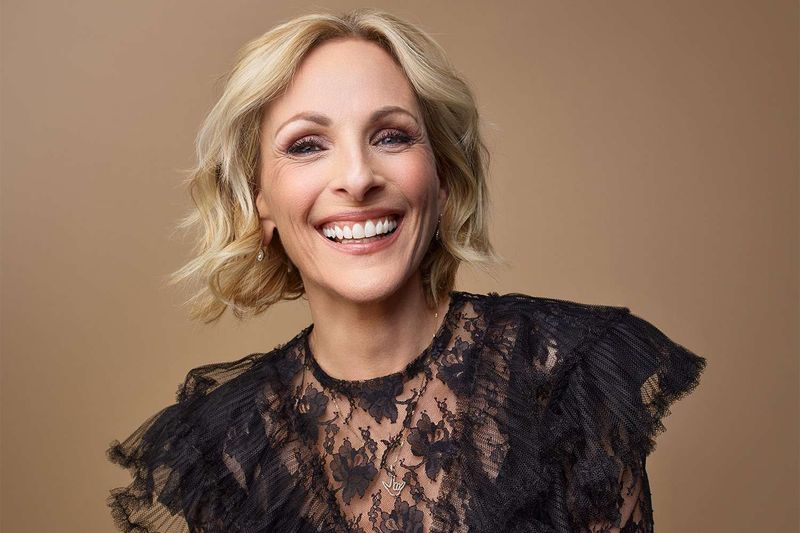
An early Oscar win helped cement this Deaf performer as a lasting force in film and television.
Her work consistently shows how expressive signing, timing, and presence can carry a scene without needing “spoken” dialogue.
Rather than being limited to one type of role, she’s moved across genres, from drama to comedy to long-running TV appearances.
She has also used her platform to push for better captioning, access, and authentic casting choices for Deaf and hard-of-hearing talent.
When she appears on-screen, the story doesn’t need to revolve around disability to feel meaningful and complete.
That combination of craft and cultural impact has made her a reference point for representation done with confidence and depth.
For many viewers, her career offered the first proof that Deaf actors can be central, complicated, and award-worthy in mainstream entertainment.
2. Troy Kotsur (Deaf)
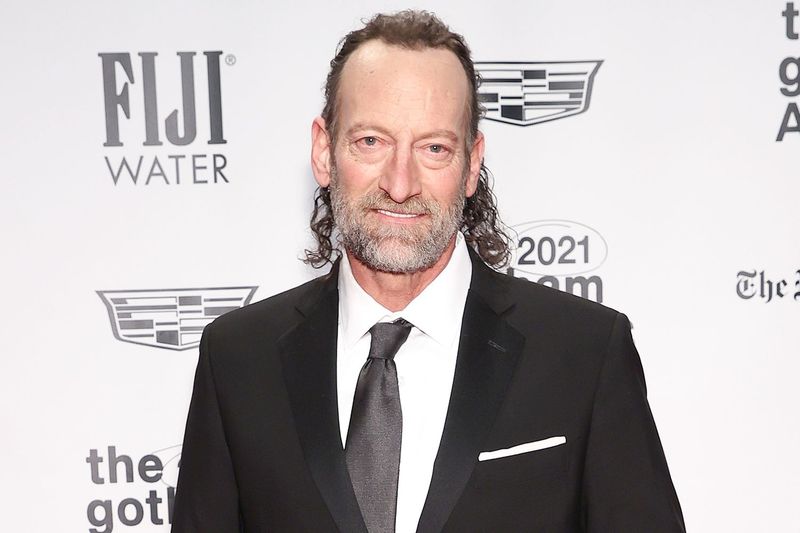
A breakout performance in a widely loved film introduced many audiences to the power of Deaf acting at a top awards level.
His screen presence blends warmth and intensity, proving that subtle physical choices can speak as loudly as any monologue.
Because he comes from Deaf theater and performance spaces, his work carries a grounded authenticity that viewers can feel immediately.
He has spoken about the importance of access, including interpreters and production environments that treat communication as a shared responsibility.
Instead of being framed as a novelty, his success has helped normalize Deaf talent in the most mainstream Hollywood conversations.
That matters not just for visibility, but for the kinds of roles studios will greenlight and cast in the future.
By doing great work and taking up space publicly, he has expanded what audiences expect from leading men and supporting standouts alike.
3. Lauren Ridloff (Deaf)
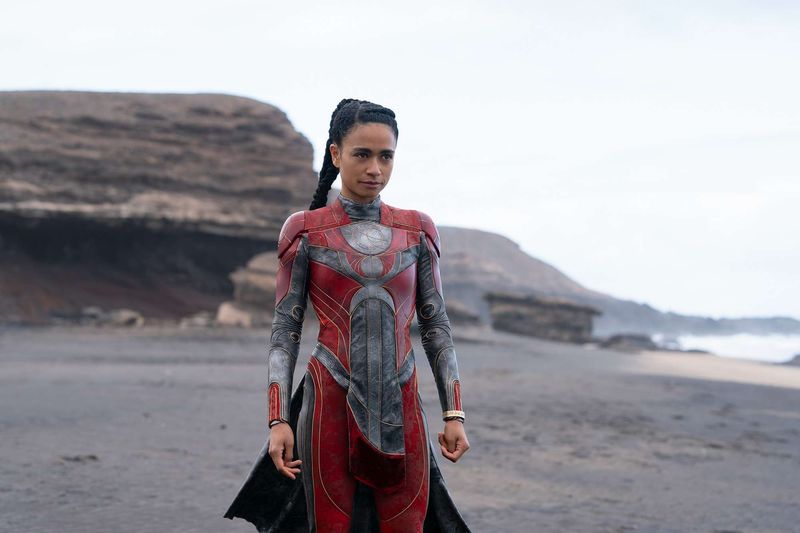
A steady climb through prestige TV and blockbuster film has made this Deaf actor a familiar face to mainstream audiences.
Her performances balance emotional clarity with a calm authority that translates across signing, facial expression, and physical storytelling.
By joining major franchise projects, she helped prove that Deaf characters can exist naturally inside epic worlds without being treated as an “issue.”
She has also highlighted how small accommodations, like interpreters and accessible communication on set, can change everything for performers.
What stands out most is how effortlessly she plays characters with full lives beyond any single identity marker.
That approach encourages casting directors to think of disability as part of a person, not a plot obstacle.
For viewers who rarely see themselves represented, her visibility signals that big stages and big screens are not off-limits.
4. Millicent Simmonds (Deaf)
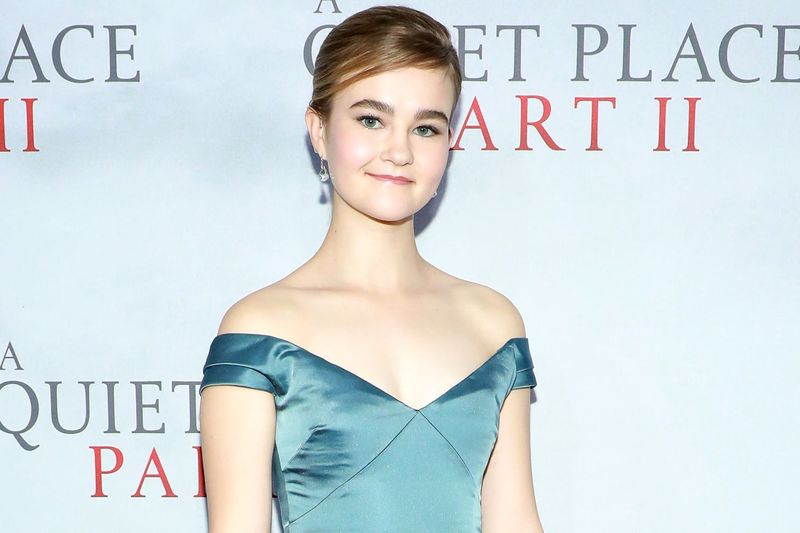
A high-profile horror franchise gave this young Deaf star a platform to show how tension and emotion can be built without spoken lines.
Her acting is especially effective because she uses stillness, eye contact, and timing in a way that heightens every moment.
Instead of being cast as a side note, she’s been positioned as a core part of the story’s heart and stakes.
She has also spoken about how representation can shape what Deaf kids believe is possible for their own futures.
On-screen, her characters feel three-dimensional, with relationships and motivations that go far beyond a single descriptor.
That kind of casting matters, because it shifts disability from “special episode” territory into everyday storytelling.
With each role, she’s helping mainstream audiences see Deaf performers as leading talent, not an exception to the rule.
5. RJ Mitte (Cerebral palsy)

A major role on one of television’s most talked-about dramas brought this actor’s cerebral palsy into the mainstream without making it a gimmick.
His performance helped audiences connect with a character who felt real, vulnerable, and complicated in a high-stakes story.
Because he has lived experience, the physicality on-screen reads as authentic rather than imitated for dramatic effect.
He has also discussed how important it is for productions to cast disabled actors instead of defaulting to non-disabled performances.
Over time, his visibility has encouraged broader conversations about access, opportunity, and the kinds of roles disabled actors get offered.
The success of the show proved that audiences will embrace disability on-screen when it’s written and cast with respect.
Today, he remains a familiar example of how talent and consistency can carry a career, even in an industry that often resists difference.
6. Peter Dinklage (Achondroplasia/dwarfism)
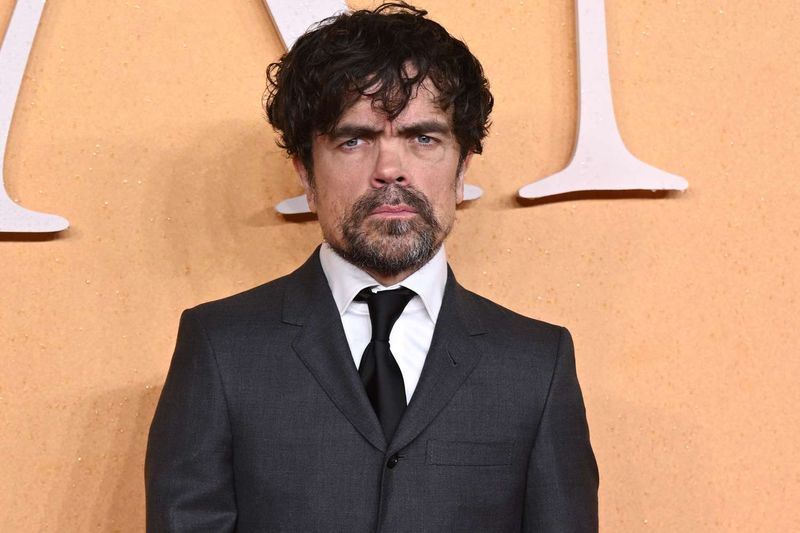
A globally iconic television role helped turn this actor into a household name while challenging Hollywood’s narrow ideas about leading men.
His performances are sharp, funny, and emotionally precise, which is why audiences remember his characters long after the credits roll.
Rather than accepting stereotypical parts, he has built a career by choosing roles that emphasize intelligence, power, and complexity.
He has also been outspoken about representation, particularly when projects recycle harmful tropes about dwarfism.
The result is a body of work that feels purposeful, not merely prolific.
He has shown that actors with dwarfism can lead major productions without their bodies being treated as the entire point.
When studios take that lesson seriously, it opens doors for more performers to be cast for skill first and assumptions last.
7. Gaten Matarazzo (Cleidocranial dysplasia)
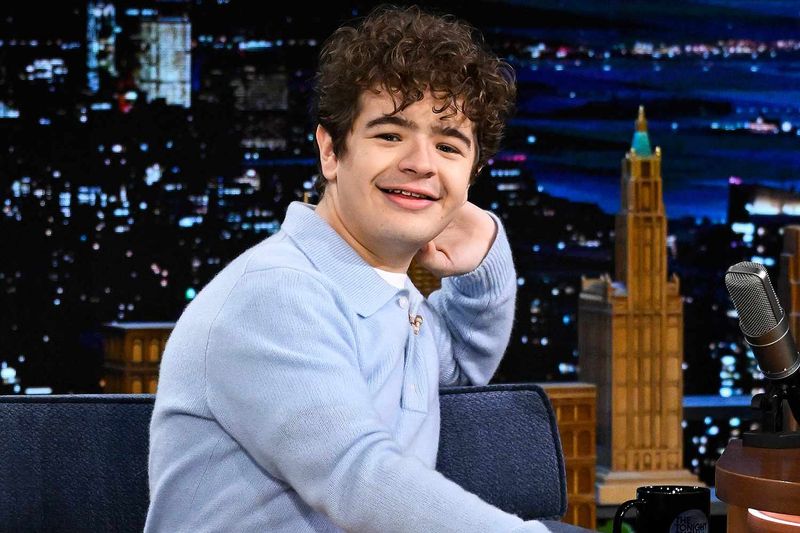
A breakout role on a cultural phenomenon made this actor instantly recognizable, and he’s used that visibility to educate people thoughtfully.
Living with cleidocranial dysplasia has shaped some physical traits audiences notice, but his charisma is what truly carries the performance.
He brings humor and heart in a way that feels natural, which is why viewers connect so strongly to his characters.
By speaking openly, he has helped normalize medical and skeletal differences that many people had never heard of before.
That openness can be powerful, because it replaces awkward curiosity with real understanding and empathy.
His career also proves that young disabled actors can become fan favorites without being reduced to “inspirational” storylines.
As he continues working, his example helps expand what casting teams imagine when they picture the next breakout star.
8. Jamie Brewer (Down syndrome)
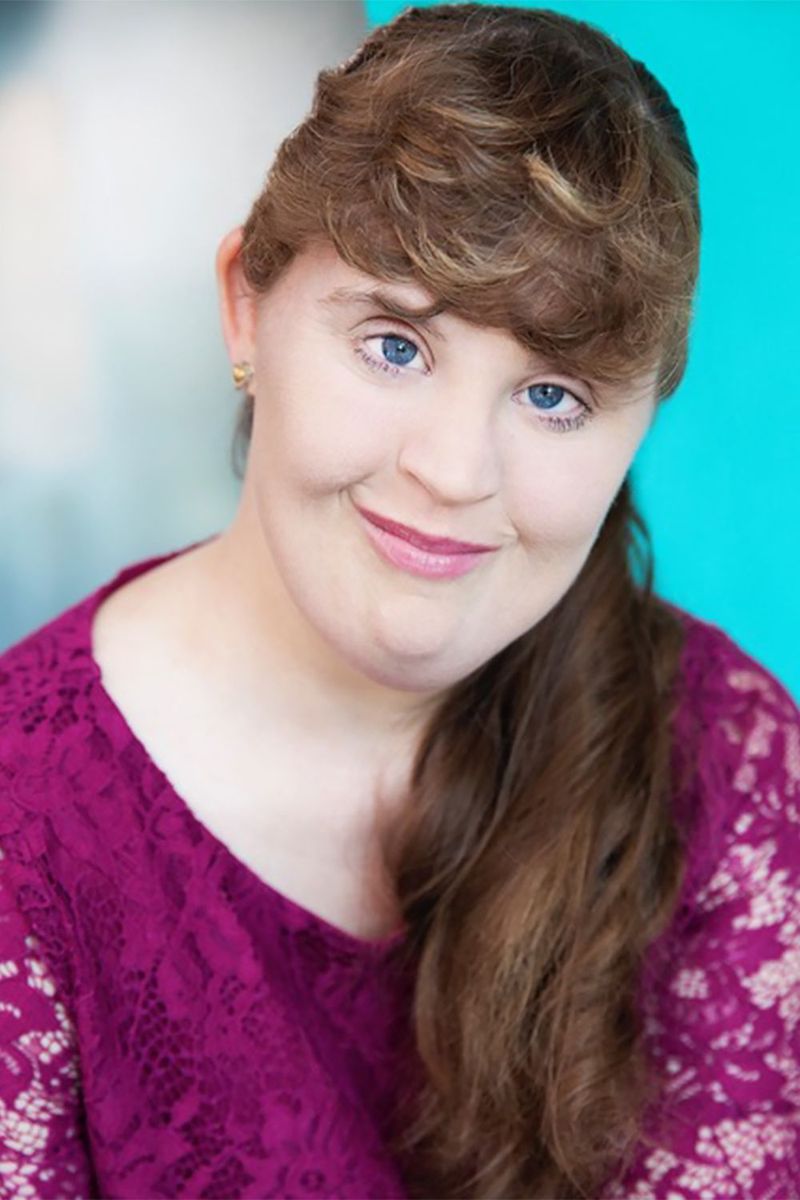
A prominent role in a long-running, high-visibility TV franchise helped this actor challenge assumptions about who gets cast in edgy mainstream entertainment.
Her performances bring a memorable mix of vulnerability and strength, which stands out in ensemble-heavy seasons.
Because Down syndrome has historically been underrepresented on major scripted television, her casting carried real cultural weight.
She has also spoken about confidence, inclusion, and the importance of being seen as multidimensional rather than defined by a label.
On-screen, her characters are part of the story’s fabric, not treated as a token or a lesson for others.
That kind of portrayal helps shift public perception from pity to respect, and from novelty to normalcy.
With each appearance, she reinforces a simple truth: audiences respond to talent, and talent isn’t limited by chromosomes.
9. Zack Gottsagen (Down syndrome)
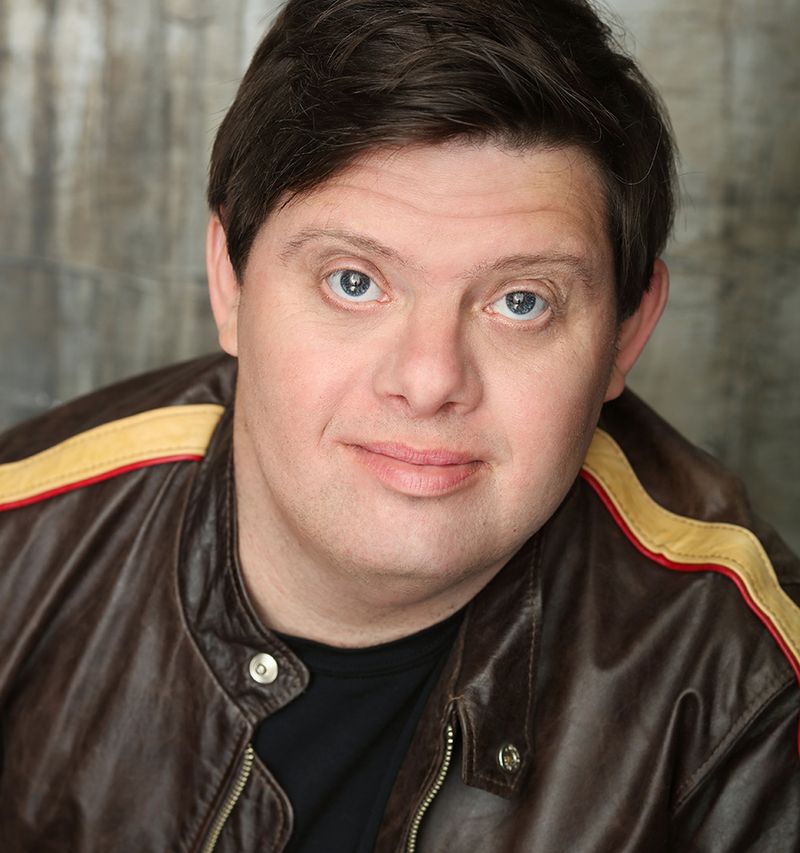
A warmly received film performance introduced many viewers to a leading man with Down syndrome whose dreams and personality felt fully realized.
His chemistry with co-stars and his comedic timing made the story feel grounded rather than sentimental.
Instead of treating disability as a twist, the film centered friendship, agency, and adventure in a way audiences could simply enjoy.
He has also made high-profile public appearances that signaled how far inclusion can go when gatekeepers say yes.
What matters most is that he was cast to be himself, not to be “explained” to the audience.
That choice showed studios that disability-inclusive casting can be commercially and creatively successful at the same time.
His continued visibility helps push Hollywood toward more roles where disabled actors are protagonists, not side characters orbiting someone else’s growth.
10. Ali Stroker (Wheelchair user; paralysis from childhood injury)

A history-making stage career has shown how a wheelchair can be part of a performer’s presence without limiting the power of the work.
Her voice, comedic skill, and emotional range are what audiences talk about first, which is exactly how it should be.
By earning major recognition in theater and appearing on-screen, she has demonstrated that accessibility and excellence can coexist.
She often speaks about the practical realities of ramps, backstage access, and inclusive casting that treats disabled performers as expected.
That advocacy matters, because the barrier is rarely talent and far more often infrastructure and imagination.
When she takes roles in mainstream projects, it helps normalize mobility devices as everyday, not extraordinary.
Her career is a reminder that representation isn’t only about being visible, but about being valued as a professional with real star power.
11. Michael J. Fox (Parkinson’s disease)
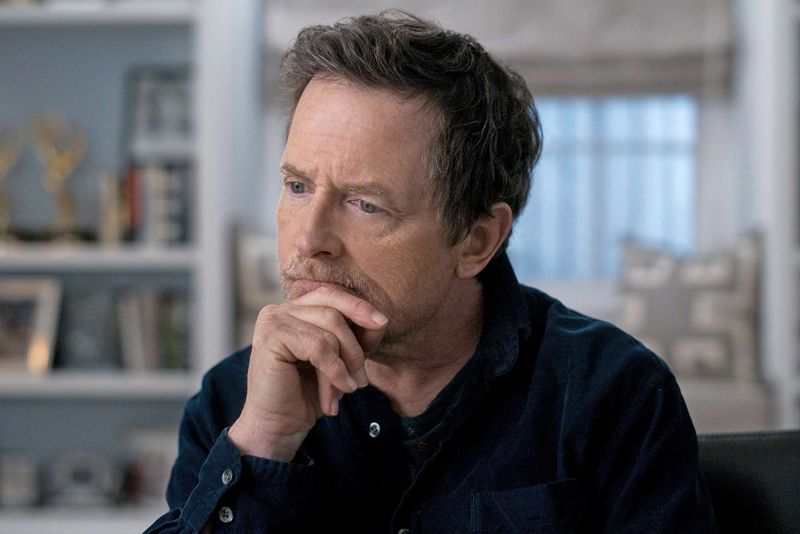
A beloved actor and cultural figure, he continued working after going public with Parkinson’s disease and expanded his impact beyond entertainment.
His career already included iconic roles, but his later years added a different kind of leadership rooted in honesty and visibility.
By appearing in guest roles and public projects, he showed that a neurological condition doesn’t erase timing, charm, or comedic intelligence.
He has also become strongly associated with advocacy, helping fund research and keeping the conversation in the public eye.
Importantly, his story highlights how disability can enter someone’s life after fame, reshaping work rather than ending it.
For audiences, seeing him still create has been both comforting and clarifying about what chronic illness can look like.
His legacy blends talent with transparency, and that combination has influenced how Hollywood talks about long-term health conditions.
12. Christina Applegate (Multiple sclerosis)
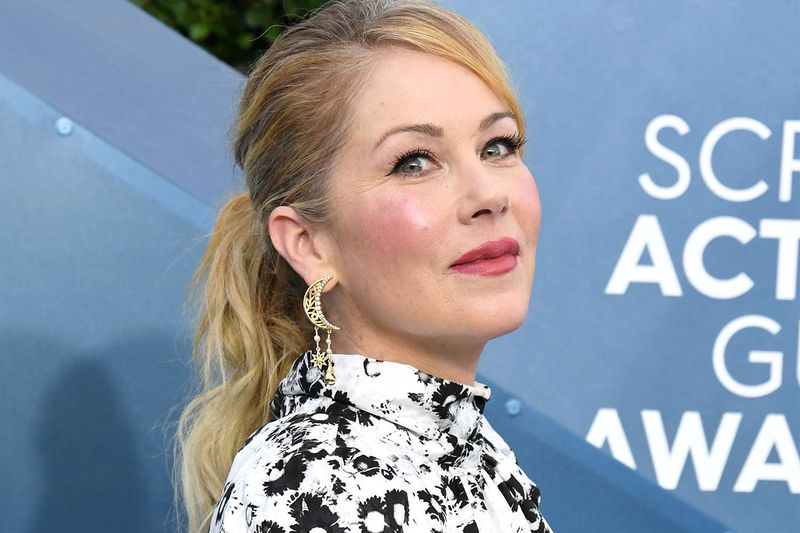
A widely respected performer, she has continued to work and create after sharing her multiple sclerosis diagnosis publicly.
Her career spans sharp comedy and grounded drama, which is why audiences already trusted her long before the diagnosis became public.
By speaking candidly, she has helped demystify MS and highlighted how unpredictable symptoms can affect daily life and work.
She has also emphasized dignity, humor, and realism, avoiding the kind of sugary framing that often follows disability stories.
That honesty makes her influence feel more relatable to people managing chronic conditions behind the scenes.
Even when her workload changed, her identity as a skilled actor and storyteller remained front and center.
Her example shows that success doesn’t have to look the same forever to still be success, and adaptability can be its own form of strength.
13. Selma Blair (Multiple sclerosis)
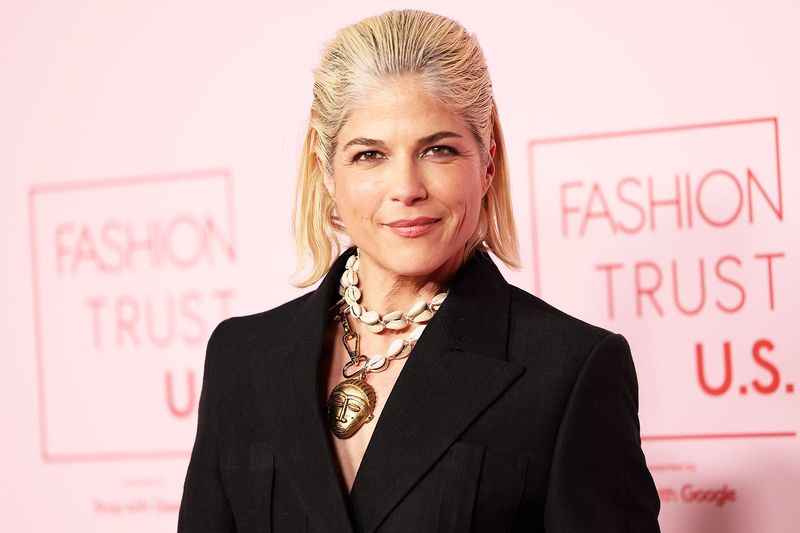
A candid public disclosure brought renewed attention to this actor’s career and to the realities of living with multiple sclerosis.
Her performances have always leaned fearless, and that same directness shows up in how she discusses symptoms and treatment.
By being visible at events and in projects when possible, she has challenged the idea that disabled people must disappear from public life.
She has also addressed the emotional side of chronic illness, including frustration, grief, and the need for support systems.
That approach resonates because it doesn’t pretend the hard parts are motivational, or that perseverance always feels heroic.
At the same time, her willingness to return to work underscores how creative identity can remain steady even when the body changes.
For many viewers, her openness has offered language for experiences they struggled to explain, and that visibility can be deeply validating.
14. Dan Aykroyd (Autism spectrum; has also discussed Tourette’s)
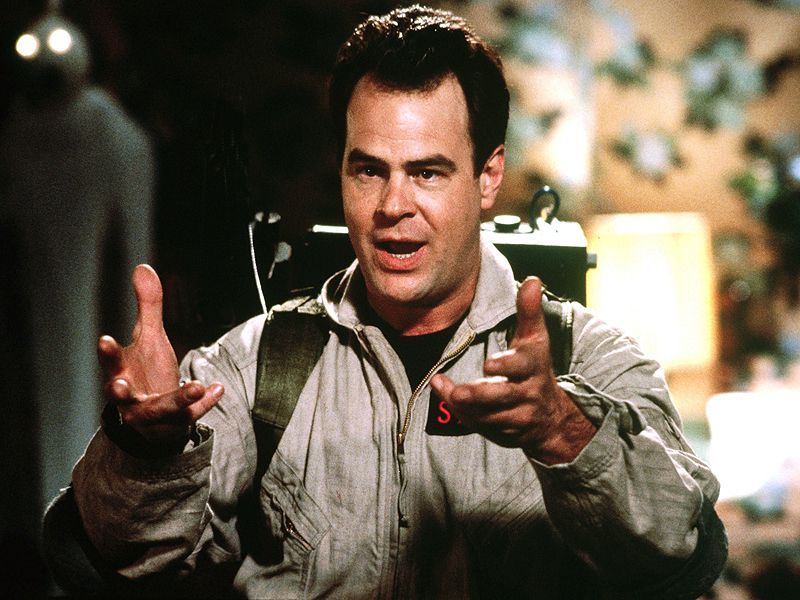
A creative career built on distinctive characters and inventive comedy has been shaped, in part, by neurodivergent traits he has discussed publicly.
He has described how intense focus and deep interests can fuel imaginative work, especially in writing and world-building.
That perspective matters because it reframes neurodivergence as a different operating system, not a lack of ability.
His long-running success across acting, screenwriting, and producing also shows how varied strengths can coexist in one career.
While Hollywood often rewards a narrow kind of social ease, his work demonstrates that originality can be a bigger asset than conventional charisma.
For audiences, learning about his diagnosis can add context without reducing him to it.
His story is a useful reminder that disability and difference are not always visible, and that many careers are built while managing internal challenges others never see.
15. Daryl Hannah (Autism/Asperger’s, per her interviews)
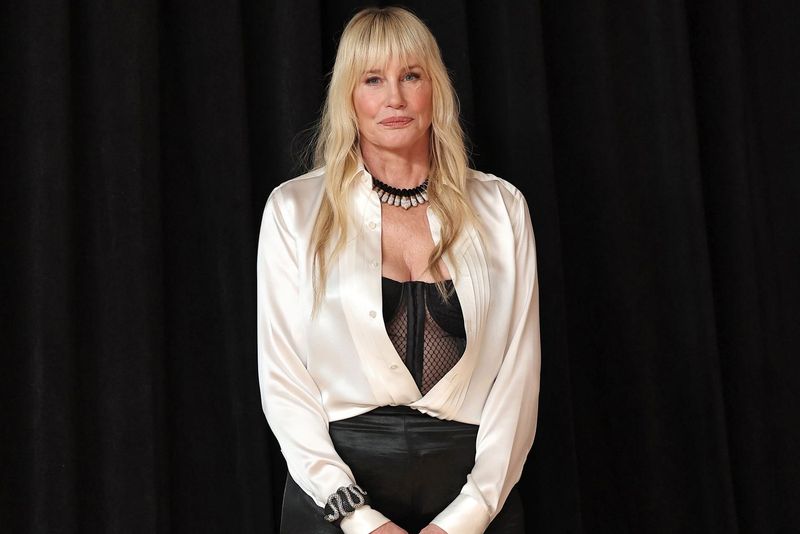
A recognizable film career has been paired with personal disclosures about being on the autism spectrum, offering a different lens on celebrity.
She has discussed social anxiety and sensory challenges, which can make an industry built on constant interaction especially demanding.
Even so, she became known for memorable roles that relied on presence, mystery, and emotional intensity.
Her story highlights that acting and public life are not the same thing, and someone can thrive creatively while finding publicity difficult.
When famous people share experiences like these, it can reduce stigma and help others feel less alone.
It also encourages a broader understanding of autism that includes women and adults, groups often overlooked in mainstream conversations.
Ultimately, her career demonstrates that success can be real even when the path includes coping strategies, boundaries, and a strong need for control over one’s environment.
Comments
Loading…