
 Mila Ross
15 Actors Who Looked Like the Next Big Thing—Until Hollywood Moved On

Hollywood loves a “next big thing” narrative, and every few years it feels like the industry collectively picks a handful of actors to anoint as future legends.
They land the buzzy breakout role, show up on every magazine cover, and suddenly they’re headlining massive franchises or starring opposite the biggest names in the business.
Sometimes it works, and sometimes it doesn’t, for reasons that have nothing to do with talent.
A single box-office flop, a poorly timed project, a shift in public taste, or even a personal decision to step back can completely change a career’s trajectory.
The fascinating part is that many of these performers didn’t “fail” at all—they simply didn’t become the unavoidable A-listers we assumed they would be.
Here are 15 actors who once seemed destined to take over Hollywood.
1. Taylor Kitsch
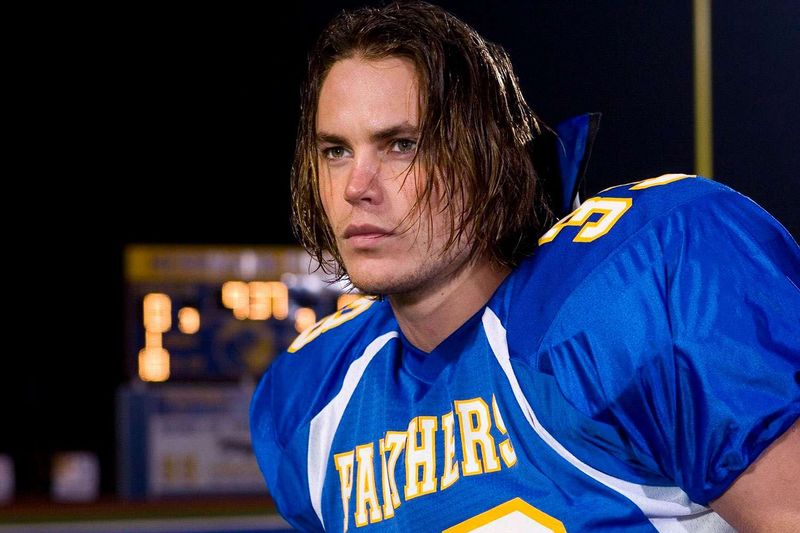
For a while, it felt like the entertainment world was determined to turn this former model into a full-blown leading man.
After winning over viewers on Friday Night Lights, he had the kind of quiet intensity and rugged charm that seemed perfect for blockbuster stardom.
Then came the big studio gamble: John Carter and Battleship arrived as major swings meant to launch him into the “can open any movie” tier.
When those films underperformed, the momentum shifted almost overnight, which is a brutal reality of franchise culture.
Instead of disappearing, he pivoted into projects that better suited his strengths, showing up in acclaimed series and smaller films where his grounded presence could shine.
In another timeline, a single hit might have changed everything, but his career became more selective than super-sized.
2. Sam Worthington
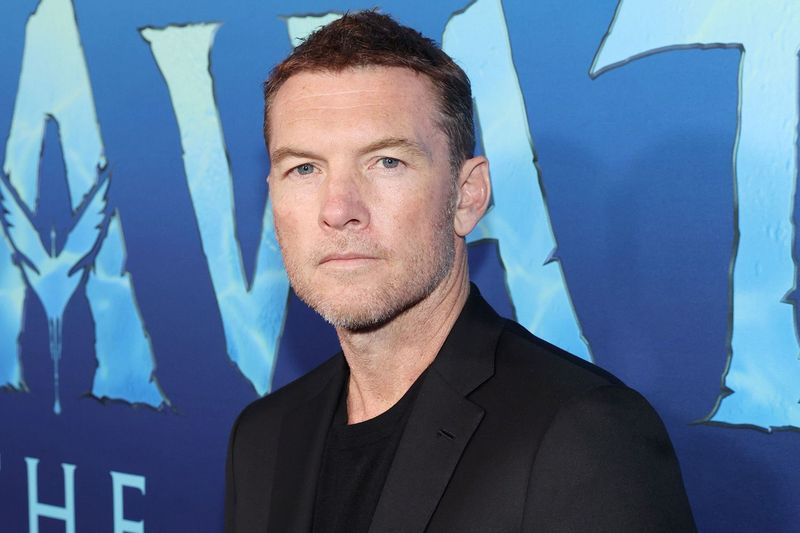
Few actors get handed a rocket ship the way this one did, because leading Avatar instantly turned him into a recognizable face worldwide.
The expectation was that he’d become a permanent fixture in major action movies, the kind of star studios build entire slates around.
He did land big projects and plenty of high-profile roles, but the broader “new A-lister era” never fully materialized outside of the Avatar universe.
Part of the issue is that giant effects-driven films can make it harder for audiences to connect to the performer rather than the spectacle, especially when the character spends much of the time in a digital body.
Over time, he settled into a steadier career that includes thrillers and supporting roles, while still returning to the franchise that made him famous in the first place.
3. Josh Hartnett
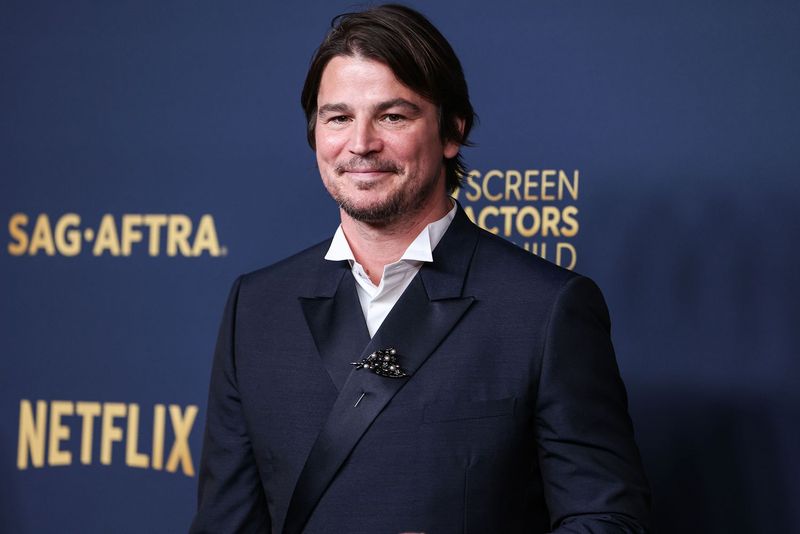
At the peak of late-’90s and early-2000s fame, he had the exact mix Hollywood loves: leading-man looks, genuine charisma, and a résumé packed with major titles.
Between big studio movies and high-profile war dramas, it seemed like a matter of time before he became one of the defining stars of his generation.
Then, instead of chasing the typical path, he stepped away from the relentless spotlight, which only added to the “what happened?” mystique.
When he returned more consistently, it was often on his own terms, leaning into darker material and interesting ensemble projects rather than the standard heartthrob pipeline.
That choice reframed his story from “derailed momentum” to “intentional pivot,” but it still leaves a lingering sense that he could have dominated the era if he’d wanted to play the game the usual way.
4. Mena Suvari
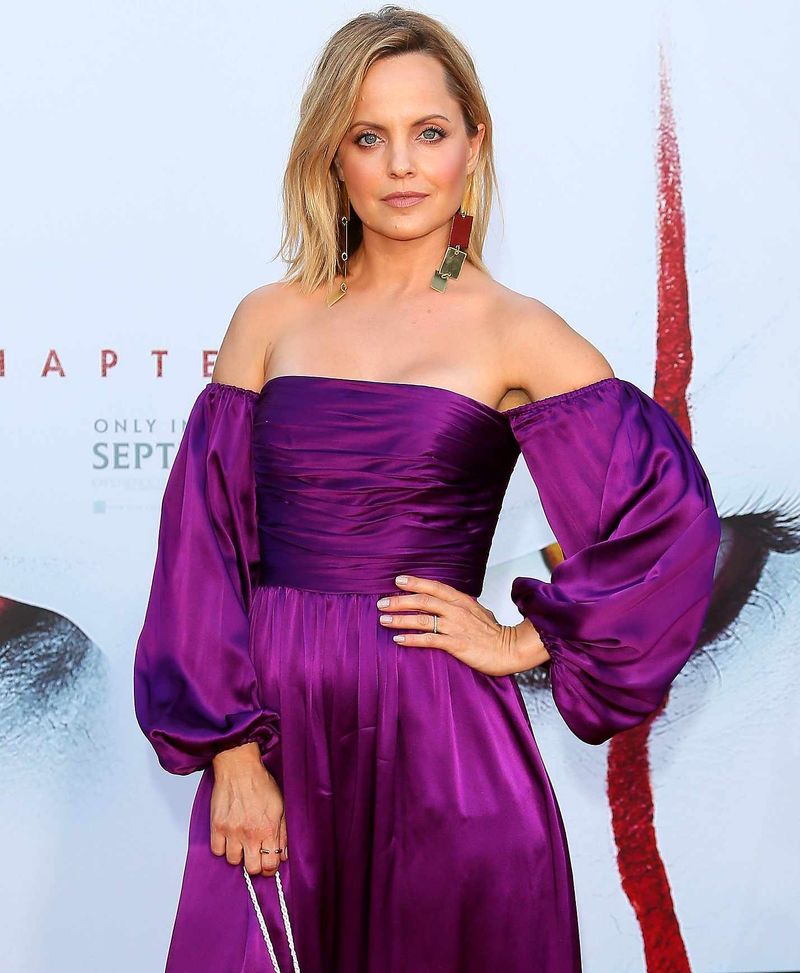
A breakout can be so huge that it feels like the start of something unstoppable, and that was the vibe after her late-’90s run.
With American Beauty and American Pie landing so close together, she became instantly recognizable, and the industry seemed ready to turn her into a long-term leading lady.
The challenge is that early success can box an actor into a narrow set of expectations, especially when the roles are tied to a particular youth-driven moment in pop culture.
Instead of becoming a constant in big studio films, her career shifted into a mix of smaller movies and television work, where she could take risks without being trapped by the “it girl” label.
She never stopped working, but the massive mainstream trajectory many people predicted didn’t stick in the same way.
5. Thora Birch
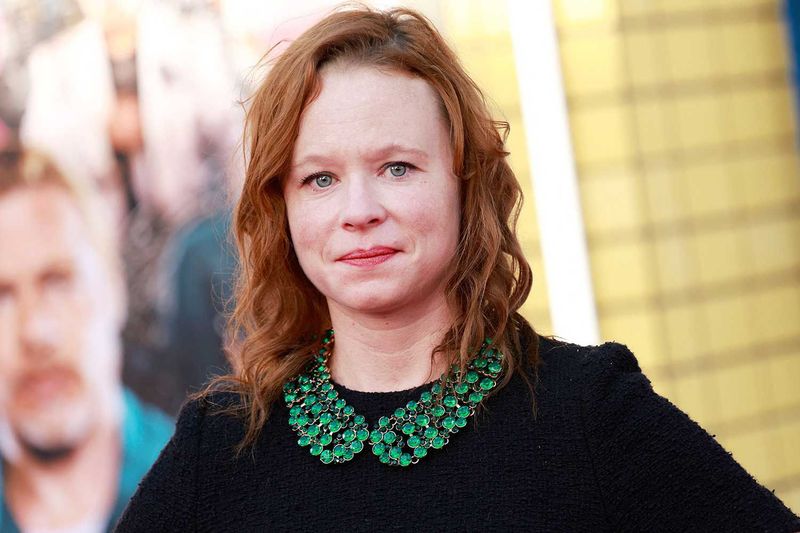
Some performers become icons before they’re even old enough to drive, and her early roles made her instantly familiar to an entire generation.
Between the beloved nostalgia of Hocus Pocus and the critical weight of American Beauty, she had the kind of credibility most actors spend decades trying to build.
The expectation was that she’d transition into a steady stream of prestige projects and headline roles, but her mainstream visibility cooled significantly as the years went on.
In Hollywood, the shift from child or teen success to adult stardom is notoriously tricky, and the industry doesn’t always make room for actors who don’t fit its constantly changing idea of marketable.
Even so, her performances remain memorable because they carried emotional intelligence and presence far beyond her age.
Her path became quieter rather than dominant, but the talent was never the question.
6. Jonathan Rhys Meyers
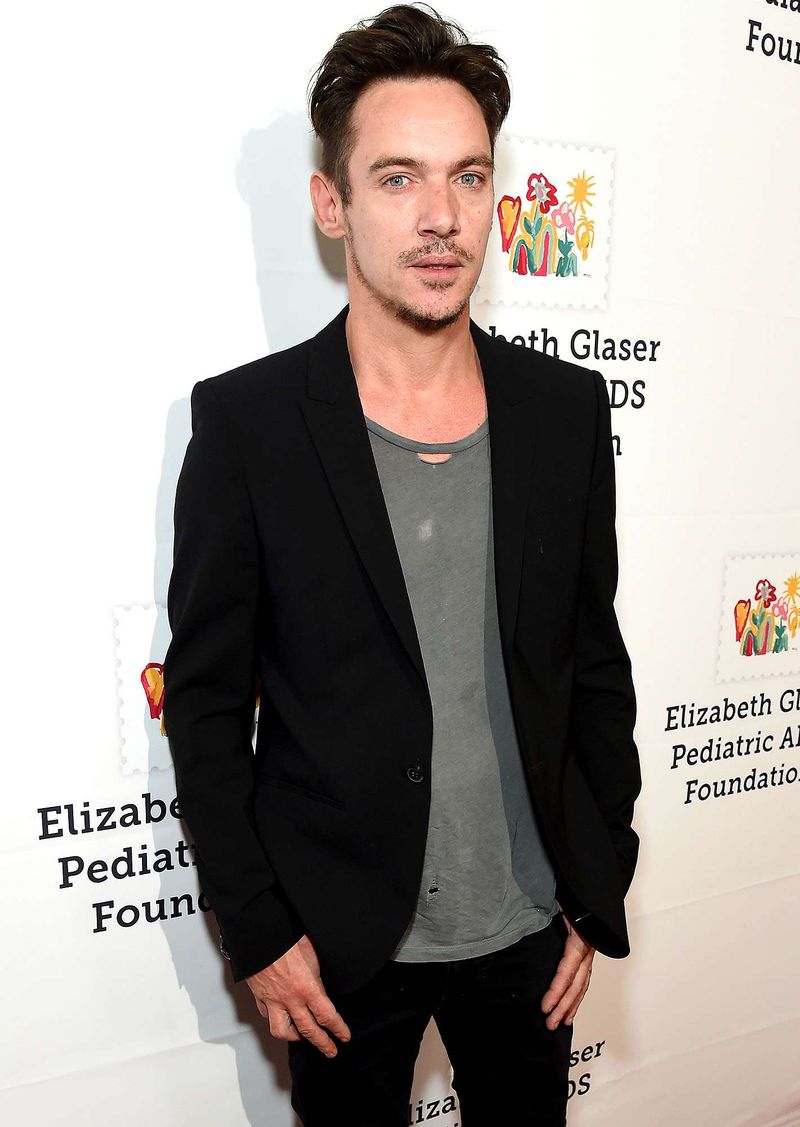
When a performer has that kind of magnetic intensity, it’s easy to assume the career will keep climbing.
After early buzz and standout roles, he cemented his status as a serious star with The Tudors, where he brought charisma and danger in a way that made viewers completely lock in.
From there, the expectation was a smooth move into consistent, high-profile film leads, yet his trajectory became more uneven than the typical “TV-to-film takeover” story.
Some projects didn’t land the way they should have, and personal struggles sometimes became part of the public narrative, which Hollywood can be unforgiving about.
Still, he’s the kind of actor who can elevate a scene instantly, making it easy to understand why so many people once predicted he’d be everywhere.
His career is more zig-zag than straight line, but the star quality is real.
7. Clive Owen
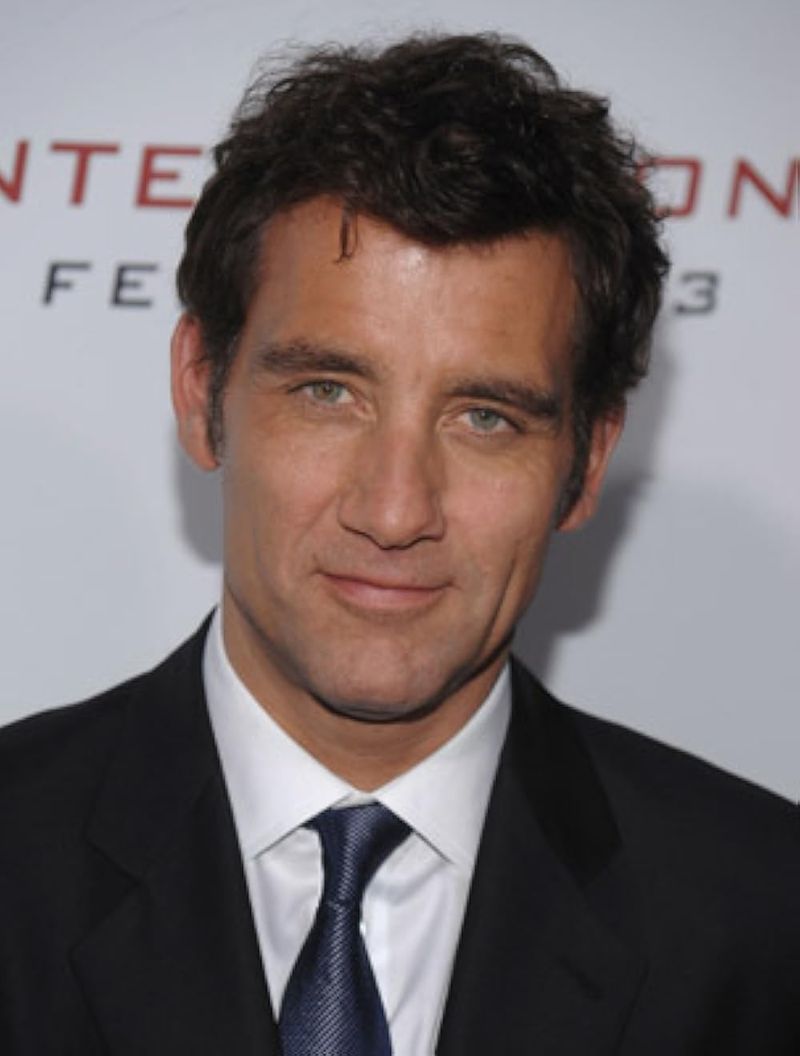
There was a stretch where he seemed like the obvious answer to “who’s the next great leading man?” because he had the voice, the gravitas, and the ability to look effortlessly cool without trying too hard.
Films like Children of Men and Inside Man showcased a rare combination of intelligence and toughness, and he even floated in the cultural conversation as potential Bond-level casting.
Yet despite critical respect and a strong filmography, he never became the kind of box-office magnet that studios rely on for guaranteed openings.
Part of it may be that his appeal skews sophisticated rather than broadly commercial, and Hollywood often rewards loud, easy-to-package personas over subtle intensity.
He continued working steadily, including prestige TV and film roles, but the full-blown megastar takeover many expected never arrived.
Instead, he became more of a “your favorite actor’s favorite actor” presence.
8. Michael Biehn
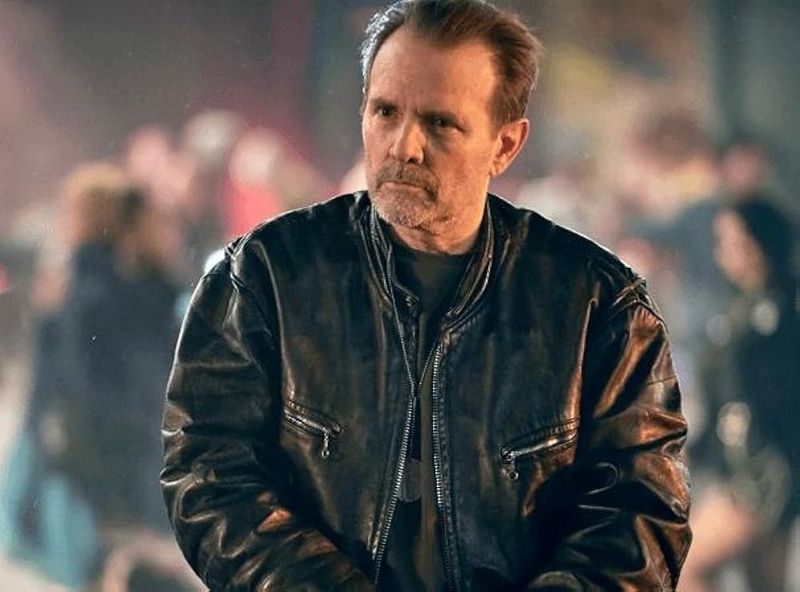
Action history is full of actors who felt like they were going to rule the genre for decades, and his run in the 1980s and early 1990s made that outcome seem almost guaranteed.
Being a key part of The Terminator and Aliens alone would put anyone in pop-culture legend status, and he had the kind of rugged authenticity that made his characters believable under pressure.
The strange part is that the career didn’t translate into the long-term mainstream domination you’d expect from that résumé.
Instead of continuing as a blockbuster staple, his path became more cult-favorite than constantly headline-making, with appearances in smaller films, genre projects, and later roles that reminded audiences how strong he could be.
Some careers don’t fade so much as shift into different lanes, and his became one defined by loyal fans rather than nonstop studio pushes.
Still, it’s hard not to wonder how different things might have looked with one more massive hit at the right time.
9. Bridget Fonda
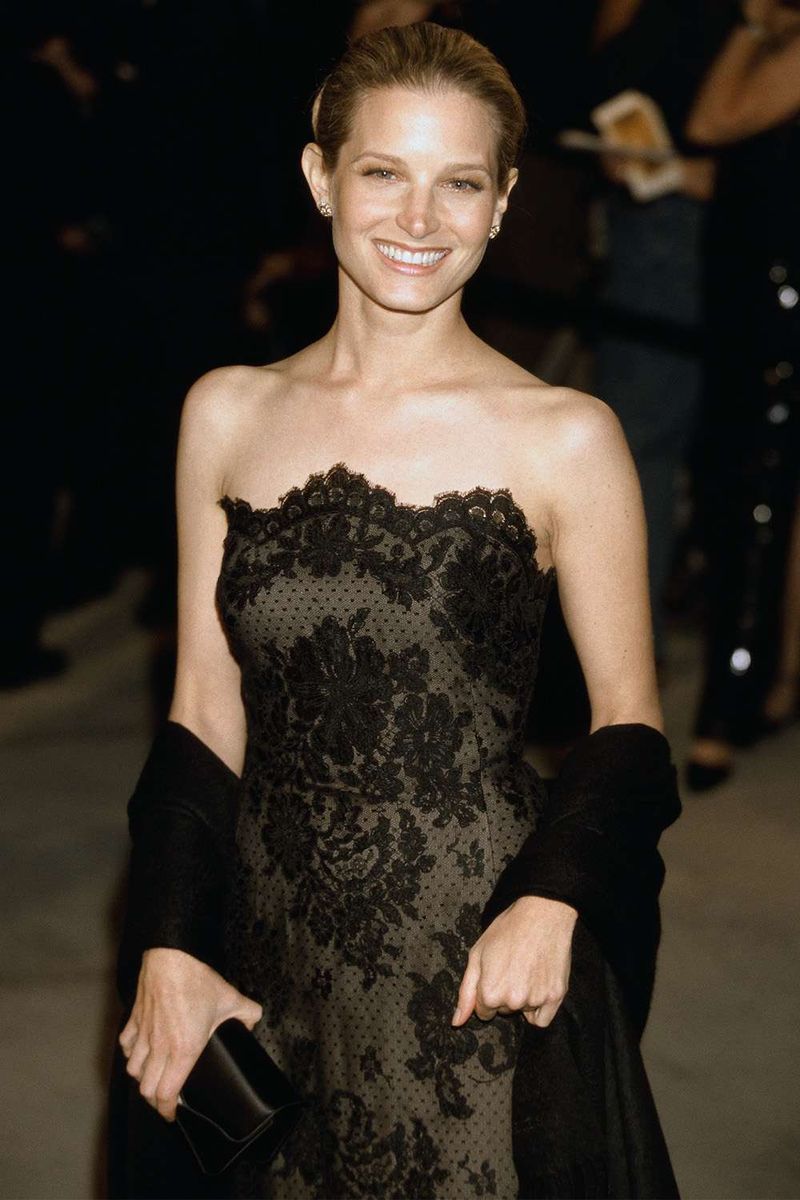
In the 1990s, she had the kind of screen presence that made it seem like she could do anything, whether it was edgy thrillers, sharp comedies, or more dramatic roles.
With performances in films like Single White Female and Jackie Brown, she felt like a natural long-term leading lady—famous, talented, and connected to a Hollywood legacy that audiences already recognized.
Then, rather than staying in the public eye, she stepped away from acting, which gave her career a very different ending than the typical “slow decline” narrative.
Because she didn’t spend years taking smaller roles on the way out, her absence felt sudden and permanent, which only added to the sense of “what could have been.”
Many actors chase privacy but rarely get to fully choose it, and her story stands out as a reminder that becoming a megastar isn’t everyone’s goal.
Sometimes the “next big thing” simply decides to live a quieter life.
10. Freddie Prinze Jr.
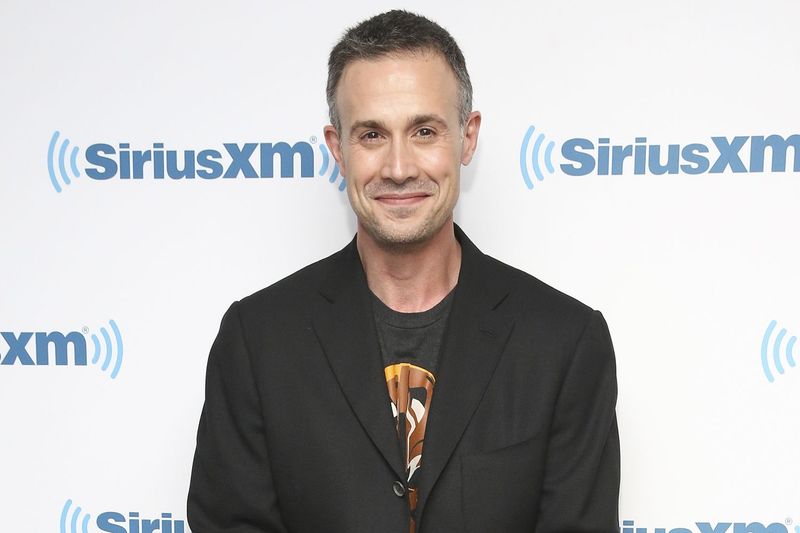
There was a time when you couldn’t turn on a TV or walk past a movie poster without seeing his face, and that kind of saturation usually signals a lasting career.
Between teen hits like She’s All That and genre favorites like I Know What You Did Last Summer, he looked like the obvious choice to become a major adult leading man once the teen wave passed.
The tricky part is that teen-idol fame doesn’t always translate into long-term Hollywood leverage, especially when the industry’s tastes shift and a particular movie era ends.
Instead of smoothly transitioning into the next stage, his mainstream film presence became less consistent, and he leaned into different kinds of work over time.
While he never fully vanished, the trajectory changed from “future megastar” to “nostalgic favorite,” which is a very different kind of fame.
Still, his peak-era run was so dominant that it’s easy to understand why people assumed he’d stay permanently on top.
11. Leelee Sobieski
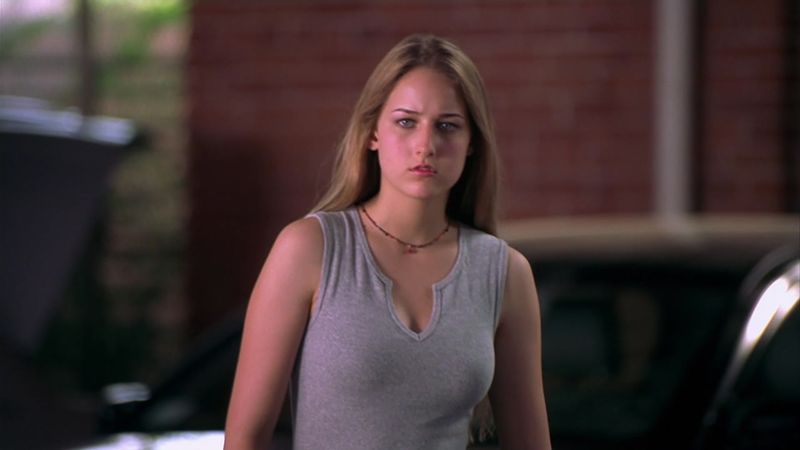
Early in her career, the mix of prestige projects and high-profile attention made her feel like she was being groomed for serious, long-term stardom.
She appeared in major films at a young age and carried herself with an old-Hollywood poise that stood out among her peers.
Because she had both mainstream visibility and dramatic credibility, many people expected her to become one of those adult stars who effortlessly transitions from youthful roles into awards-season territory.
Instead, her acting work became less central over time, and she ultimately stepped away from the industry in a way that felt decisive.
That choice gave her career a different shape than the typical “faded from view” story, because it wasn’t just a lack of opportunities—it looked more like a deliberate shift in priorities.
When you revisit her earlier roles, it’s striking how naturally she commanded attention, which makes the “what if?” factor even stronger.
Hollywood may have wanted her for the long haul, but she seemed to want something else.
12. Emile Hirsch
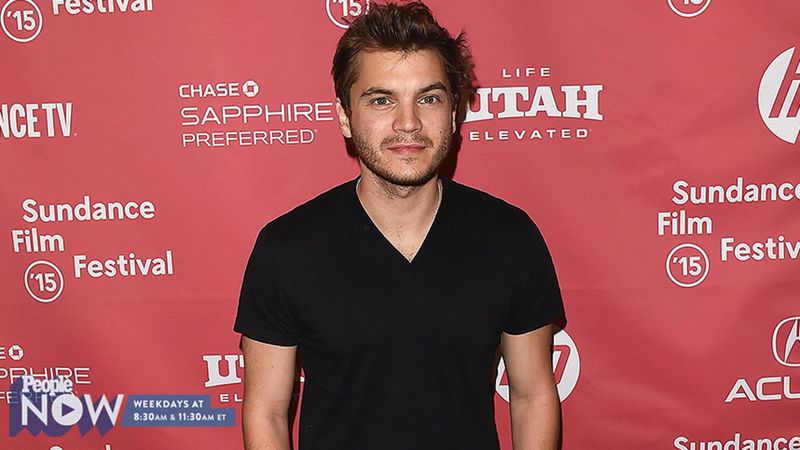
The “serious actor” pipeline usually looks like this: one acclaimed breakout, followed by bigger prestige roles, followed by a steady climb into awards-season regular territory.
His performance in Into the Wild made it seem like he was headed exactly in that direction, because it showcased emotional range, vulnerability, and a kind of intensity that critics love.
He continued to work in notable projects, but the career acceleration many expected didn’t happen at the same pace, and his mainstream visibility became more uneven than the early signs suggested.
Hollywood can be unpredictable for actors who don’t fit neatly into a brandable type, and even strong performances don’t guarantee consistent studio backing.
Over time, he leaned into a mix of independent films and varied roles that kept him working, even if they didn’t keep him constantly in the spotlight.
His story is a reminder that talent and momentum aren’t always enough to lock in the “next big thing” status for life.
13. Shannyn Sossamon

Sometimes an actor arrives with such effortless appeal that it feels like the start of a long reign, and her early-2000s breakout made that seem inevitable.
With roles in A Knight’s Tale and romantic comedies that defined the era, she had a distinctive look and a natural, cool energy that separated her from the more polished “manufactured” starlets of the time.
The expectation was a steady climb into bigger leading roles, yet her mainstream presence cooled faster than fans anticipated.
Part of that may be the way Hollywood cycles through young female leads, constantly searching for the next fresh face rather than investing in longevity.
Instead of becoming a permanent romantic-comedy fixture, her career shifted toward smaller projects and a quieter public profile, which made the early hype feel like it disappeared.
Even so, her performances still pop in rewatching because they carry a laid-back charm that feels authentic rather than calculated.
It’s easy to see why people once assumed she’d be everywhere.
14. Garrett Hedlund
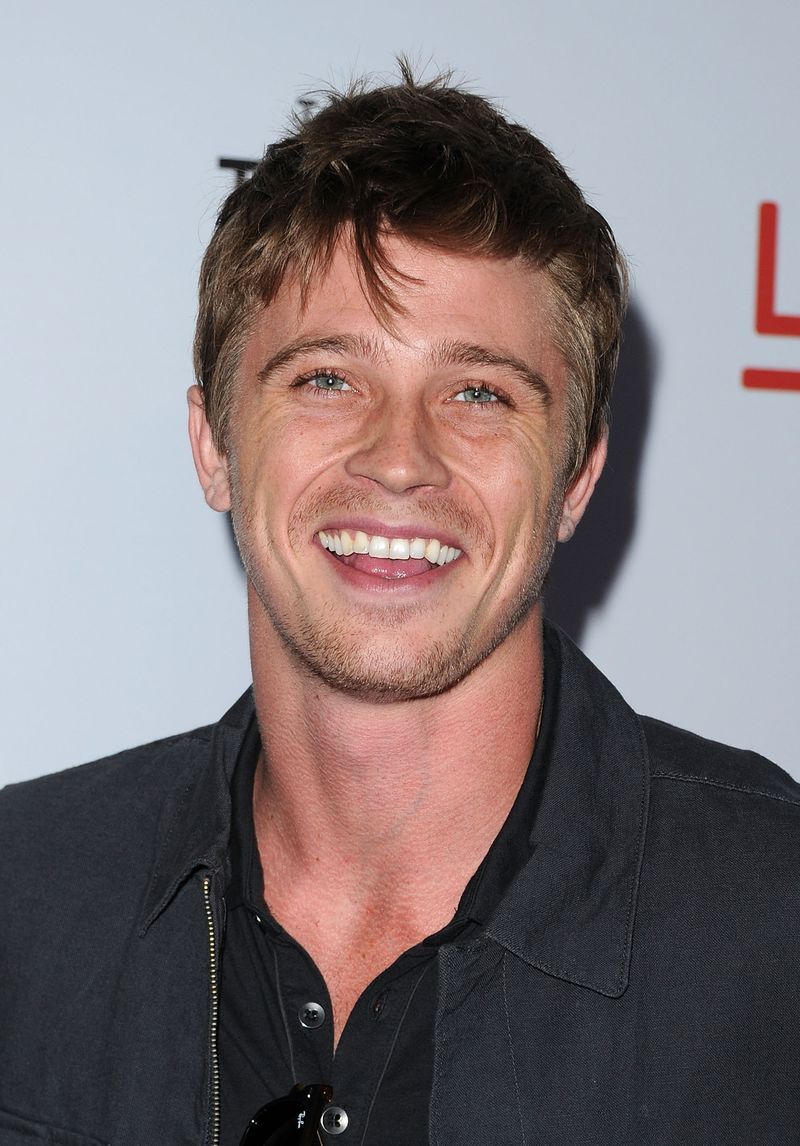
Leading-man potential can sometimes be obvious long before the “big moment,” and his career had that steady build that usually ends in lasting A-list status.
Between early roles and a strong presence in ensemble casts, he seemed poised for the kind of breakout that turns someone into a decade-long household name.
When TRON: Legacy arrived, it looked like the franchise door had opened, and the industry seemed ready to position him as the face of a major blockbuster era.
The problem is that Hollywood often ties an actor’s momentum to whether a franchise becomes a phenomenon, and not every expensive movie becomes a cultural takeover.
After that, his work continued across film and television, but the “permanent headliner” narrative softened into something more selective and unpredictable.
He remained a recognizable talent with a strong screen presence, yet the full-scale movie-star machine never locked into place.
In a different market—one less obsessed with instant franchise dominance—he might have become a much bigger household name.
15. Mischa Barton
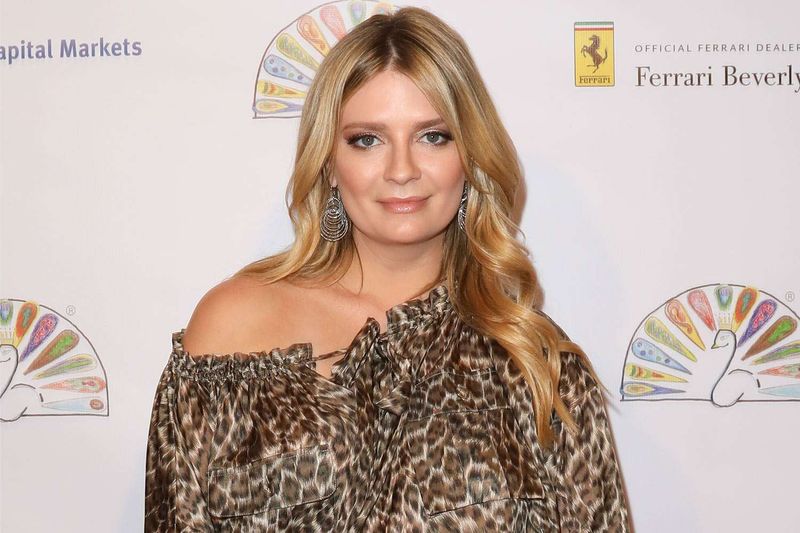
Teen TV stardom can feel like a guaranteed pipeline to lifelong fame, and her rise made it seem like she’d be the next great crossover star.
During the height of The O.C., she wasn’t just popular—she was a full-on cultural moment, the kind of name that dominated tabloids, red carpets, and fashion coverage all at once.
The challenge with that level of exposure is that it can become overwhelming, and it can also distort expectations of what an actor’s career “should” look like next.
When the post-show roles didn’t match the hype of her early fame, the narrative quickly shifted, as if the entire industry forgot how hard it is to maintain momentum after such a massive, youth-driven peak.
She continued working in various projects, but the trajectory didn’t follow the superstar arc people predicted when she was at the center of pop culture.
Her story is one of the clearest examples of how fame can arrive too fast and burn too hot, leaving little room for a normal career evolution.
Comments
Loading…