
 Mary Murphy
14 Zombie Films That Redefined the Genre
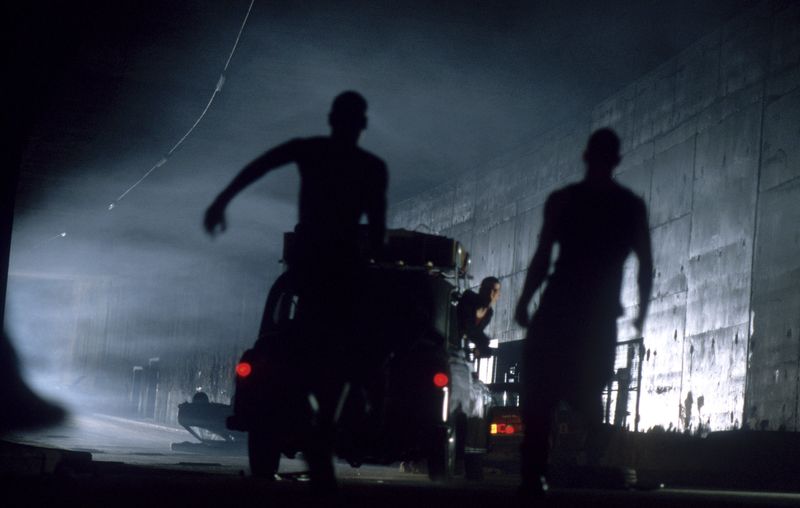
Zombie movies have shuffled their way from low-budget horror flicks to some of cinema’s most innovative and thought-provoking films. These undead creatures have become more than just mindless monsters—they’ve evolved into mirrors reflecting our society’s deepest fears and anxieties.
From groundbreaking special effects to clever social commentary, certain zombie films have completely changed how we think about the genre. Here are fourteen unforgettable movies that transformed zombies from simple scary creatures into cultural icons.
1. Night of the Living Dead (1968)
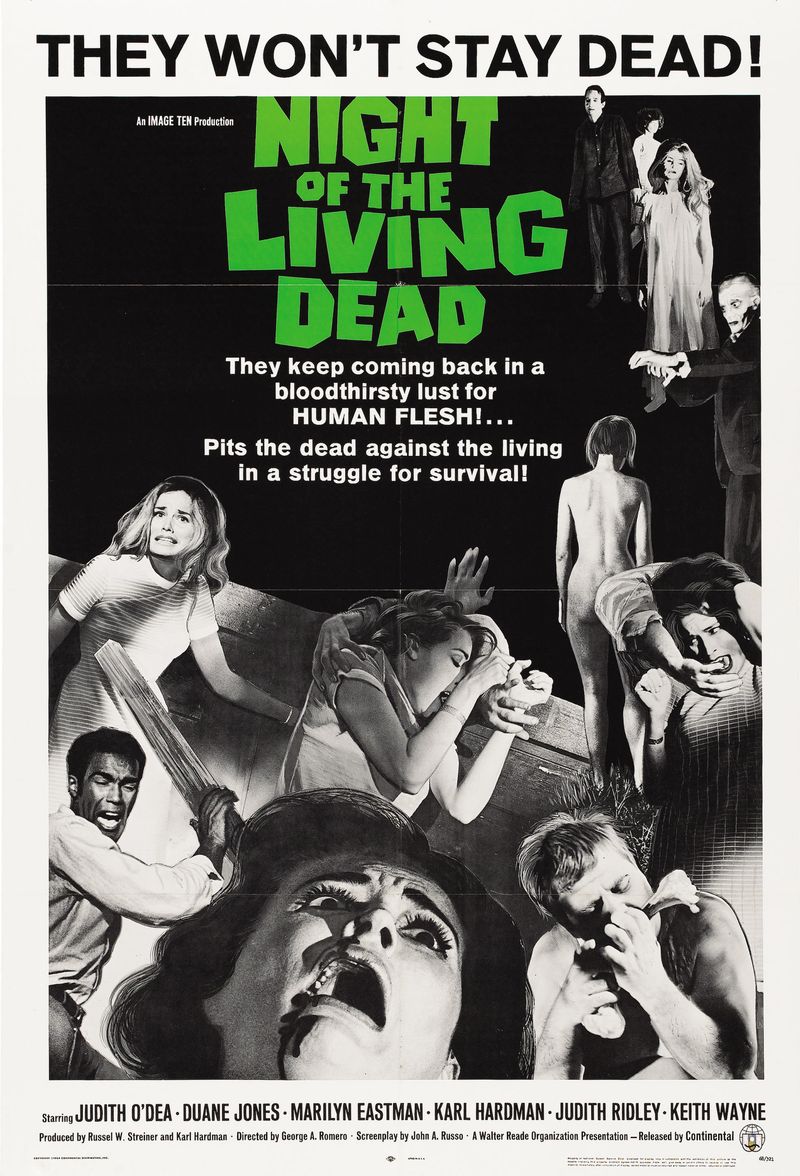
George Romero’s black-and-white masterpiece didn’t just create the modern zombie—it invented an entirely new kind of horror.
Before this film, zombies were connected to voodoo and Caribbean folklore, but Romero reimagined them as flesh-eating ghouls risen from the grave.
The movie’s raw, documentary-style filming made everything feel terrifyingly real.
Shot on a tiny budget in Pennsylvania, it proved that scary movies didn’t need fancy effects or big studios to be effective.
What really set this film apart was its shocking ending and casting choices that challenged 1960s social norms.
The tension inside that besieged farmhouse still feels fresh today, making this the blueprint every zombie movie since has followed.
2. Dawn of the Dead (1978)
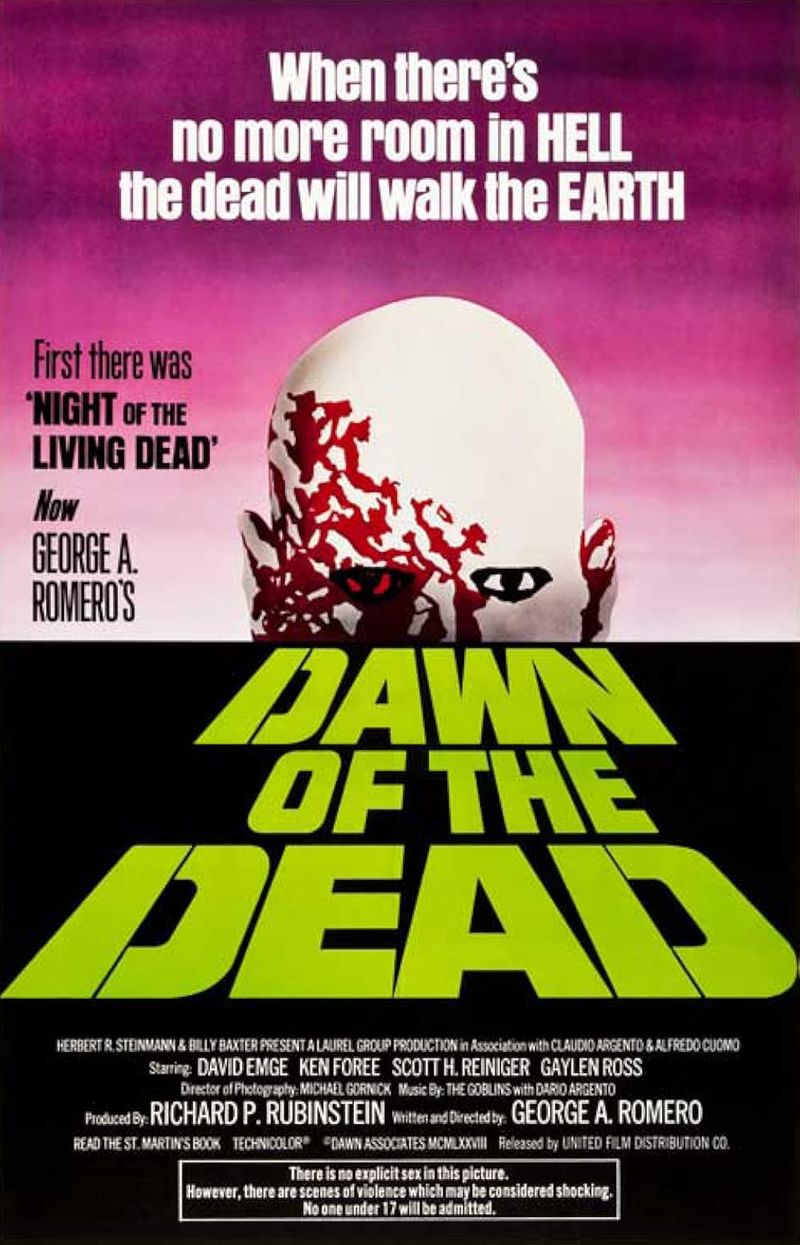
Romero returned a decade later with an even bolder vision, trapping survivors inside a shopping mall overrun by the undead.
This wasn’t just about surviving zombies—it was a brilliant satire about American consumerism and materialism.
Watching zombies mindlessly wander through stores, drawn by instinct to a place they frequented in life, creates an unsettling commentary.
The survivors initially enjoy the mall’s luxuries, but soon realize possessions mean nothing when society collapses.
Tom Savini’s groundbreaking gore effects pushed boundaries and set new standards for horror makeup.
The film balances dark humor with genuine scares, proving zombie movies could be both entertaining and intellectually stimulating while delivering unforgettable thrills.
3. Day of the Dead (1985)
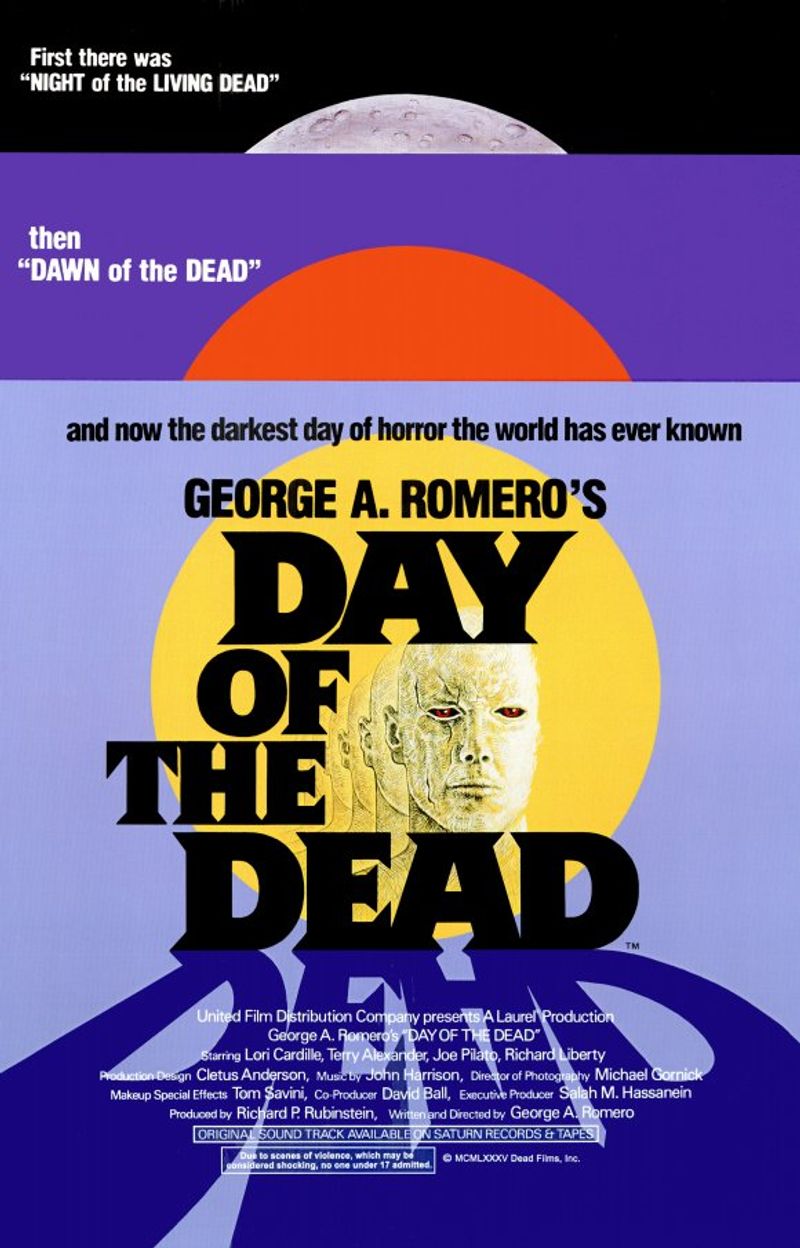
Completing his original trilogy, Romero took survivors underground into a military facility where tensions between soldiers and scientists create drama as dangerous as the zombies outside.
This darker, more claustrophobic entry explores what happens when humanity’s worst impulses emerge during crisis.
The film introduced Bub, a zombie undergoing experiments who shows signs of memory and learning.
This revolutionary idea—that zombies might retain some humanity—changed how filmmakers approached undead characters forever.
While initially divisive among fans, the movie’s themes about military aggression versus scientific reason feel incredibly relevant today.
The spectacular gore effects remain impressive, particularly the infamous finale that delivers some of horror cinema’s most memorable moments.
4. The Return of the Living Dead (1985)
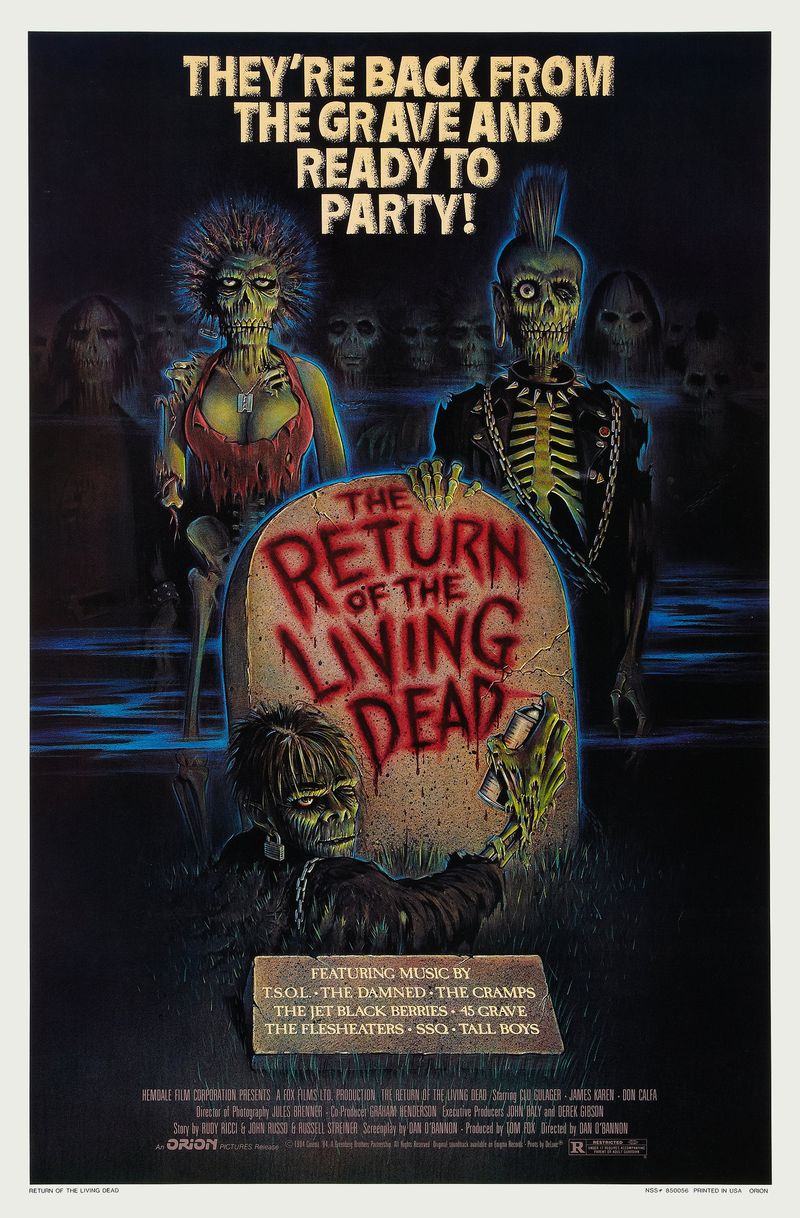
Dan O’Bannon’s punk-rock infused horror-comedy took zombies in a completely different direction, blending genuine scares with outrageous humor.
Unlike Romero’s slow shufflers, these zombies could run, talk, and—most terrifyingly—couldn’t be killed by destroying the brain.
The film introduced the now-famous zombie cry for “Braaaains!” which became permanently embedded in pop culture.
Its soundtrack of punk bands and rebellious attitude captured 1980s counterculture perfectly.
Featuring the iconic Tar Man zombie and unforgettable characters, this movie proved the genre could embrace comedy without losing its horror edge.
The creative zombie designs and practical effects work remain impressive, while its irreverent tone influenced countless horror-comedies that followed.
5. The Evil Dead (1981)
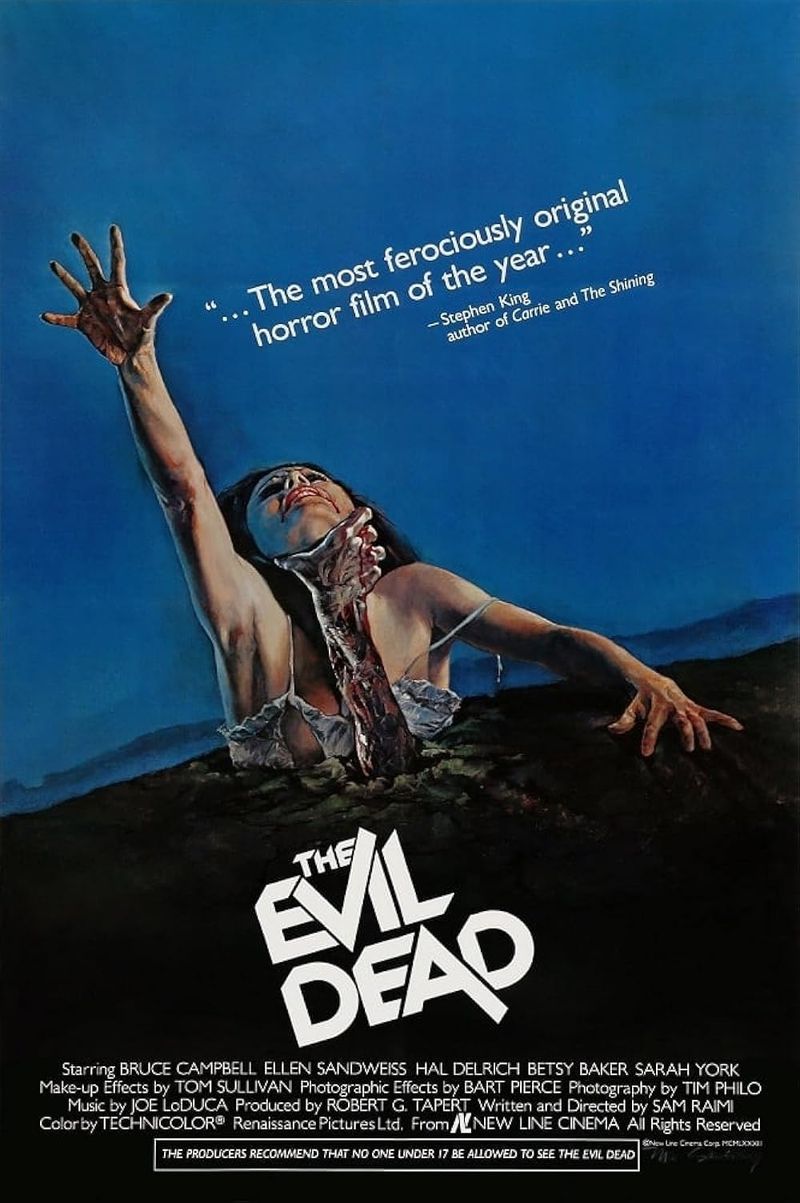
Sam Raimi’s ultra-low-budget debut became a cult sensation through sheer creative energy and inventive camera work.
While technically featuring demonic possession rather than traditional zombies, its influence on undead horror cannot be overstated.
The film’s relentless pacing and increasingly bizarre situations create an atmosphere of pure chaos.
Raimi’s dynamic camera movements—including the famous “force POV” shots racing through the forest—revolutionized horror cinematography on a shoestring budget.
Bruce Campbell’s performance as Ash Williams launched both their careers into horror legend status.
The combination of gruesome practical effects, dark humor, and genuine terror created a template that influenced zombie filmmakers for decades, proving innovation matters more than money.
6. 28 Days Later (2002)
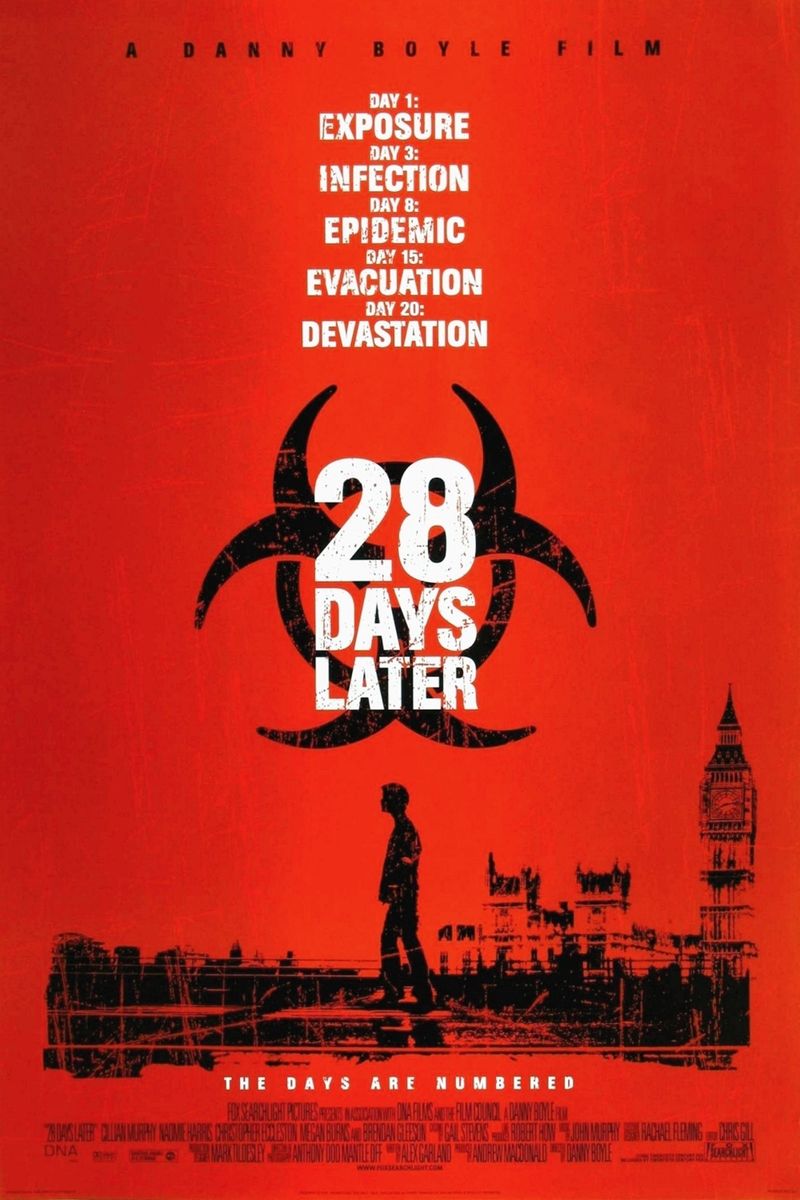
Danny Boyle’s digital-video masterpiece reinvented zombies for the 21st century by making them fast, furious, and utterly relentless.
Technically infected with a rage virus rather than undead, these creatures brought terrifying speed and aggression to the genre.
The opening sequence of Cillian Murphy wandering through a deserted London remains one of cinema’s most haunting images.
Shot guerrilla-style with minimal crew, the film’s grainy digital look created an unsettling documentary realism.
Beyond the scares, the movie examines how quickly civilization crumbles and how humans can become more dangerous than monsters.
Its success proved zombie films could be artistically ambitious while delivering visceral thrills, inspiring a new generation of infected-style horror movies worldwide.
7. 28 Weeks Later (2007)
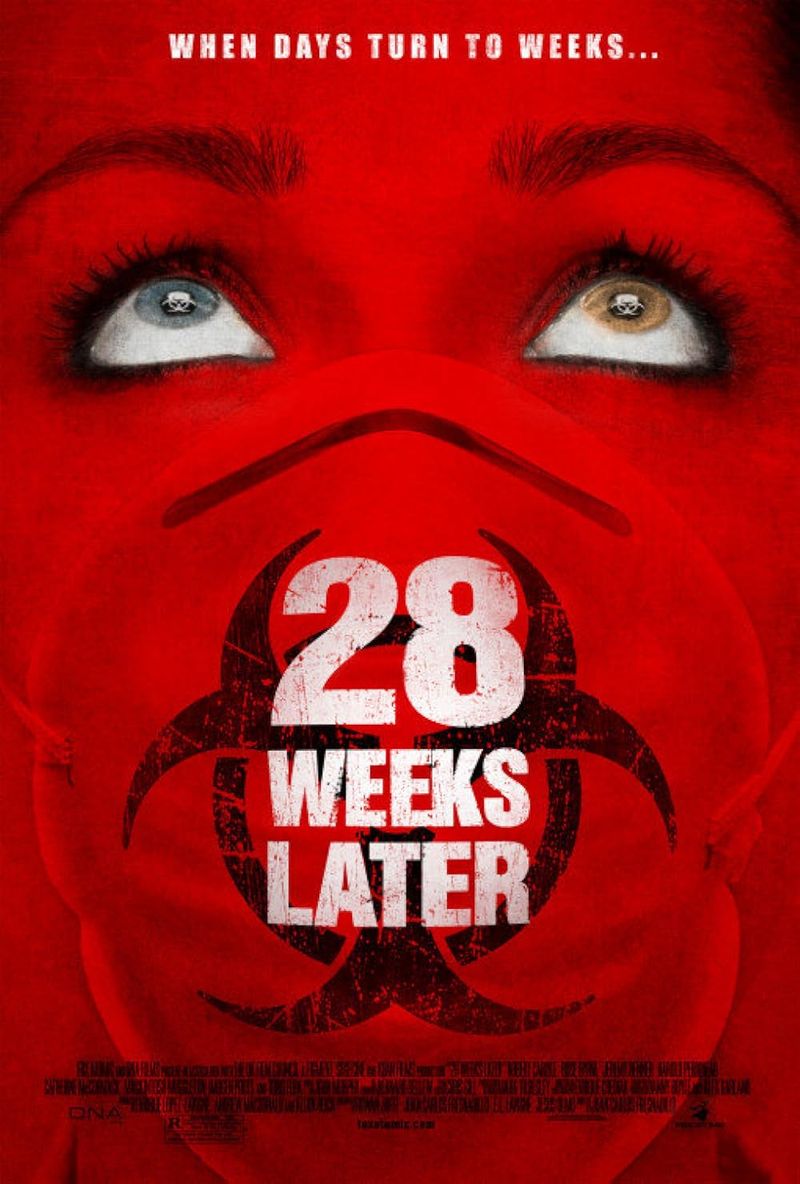
Juan Carlos Fresnadillo’s sequel expanded the rage virus concept into a broader examination of military occupation and failed reconstruction efforts.
The opening sequence alone—featuring Robert Carlyle’s character making an impossible choice—ranks among horror’s most intense moments.
Where the first film focused on survival and discovery, this entry explores what happens when authorities attempt to rebuild society.
The infection’s return during London’s repopulation creates devastating consequences that feel grimly plausible.
Superior action sequences and larger scale don’t sacrifice the original’s emotional core or social commentary.
The film’s exploration of family bonds tested by catastrophe adds depth to the zombie mayhem, while its ambiguous ending suggests humanity’s problems extend far beyond any virus.
8. Shaun of the Dead (2004)
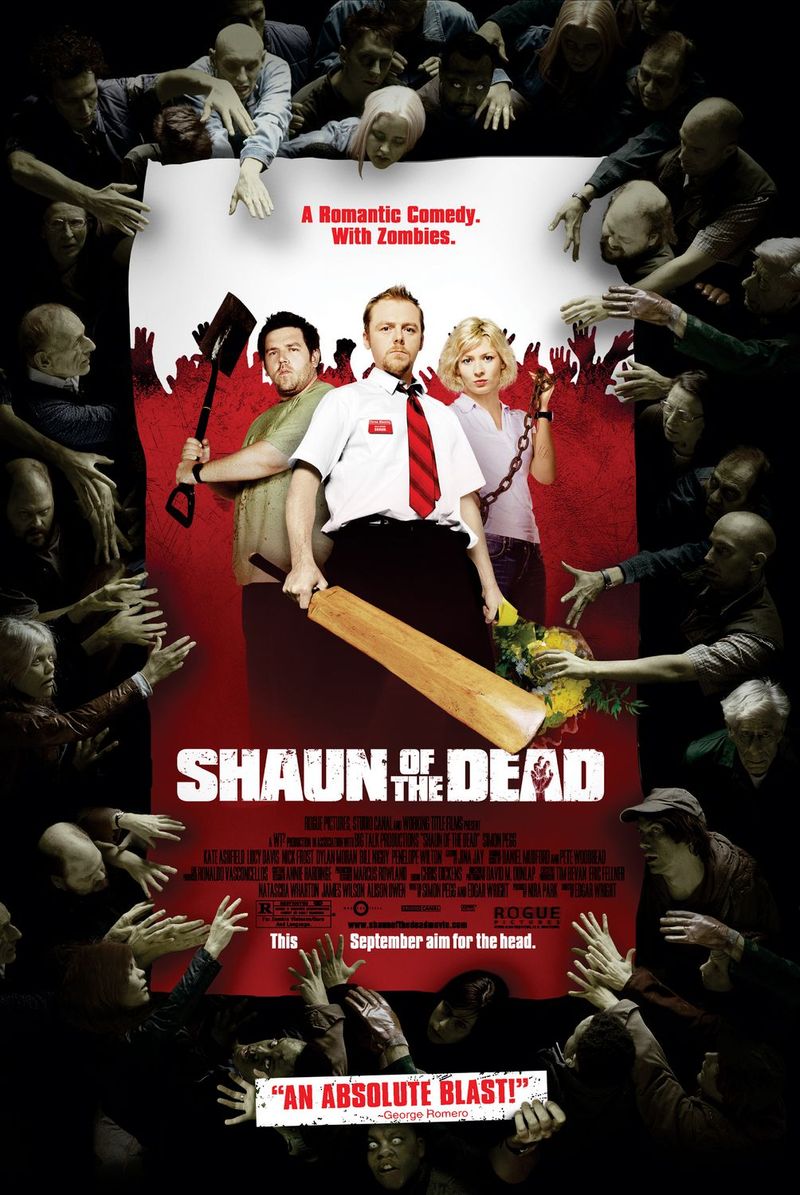
Edgar Wright and Simon Pegg created the perfect zombie romantic comedy by treating the undead apocalypse as an inconvenient backdrop to everyday relationship problems.
This wasn’t parody—it was genuine affection for the genre wrapped in British humor.
The film’s brilliance lies in its details: background zombies appearing before characters notice, recurring gags that pay off hours later, and fight scenes choreographed to Queen songs.
Every frame contains jokes that reward repeat viewing.
Beneath the laughs lies real heart, as Shaun must grow up and take responsibility while literally fighting off his past.
The movie proved zombie films could be funny, scary, and emotionally resonant simultaneously, spawning countless imitators but never being equaled in its clever balance.
9. Zombieland (2009)
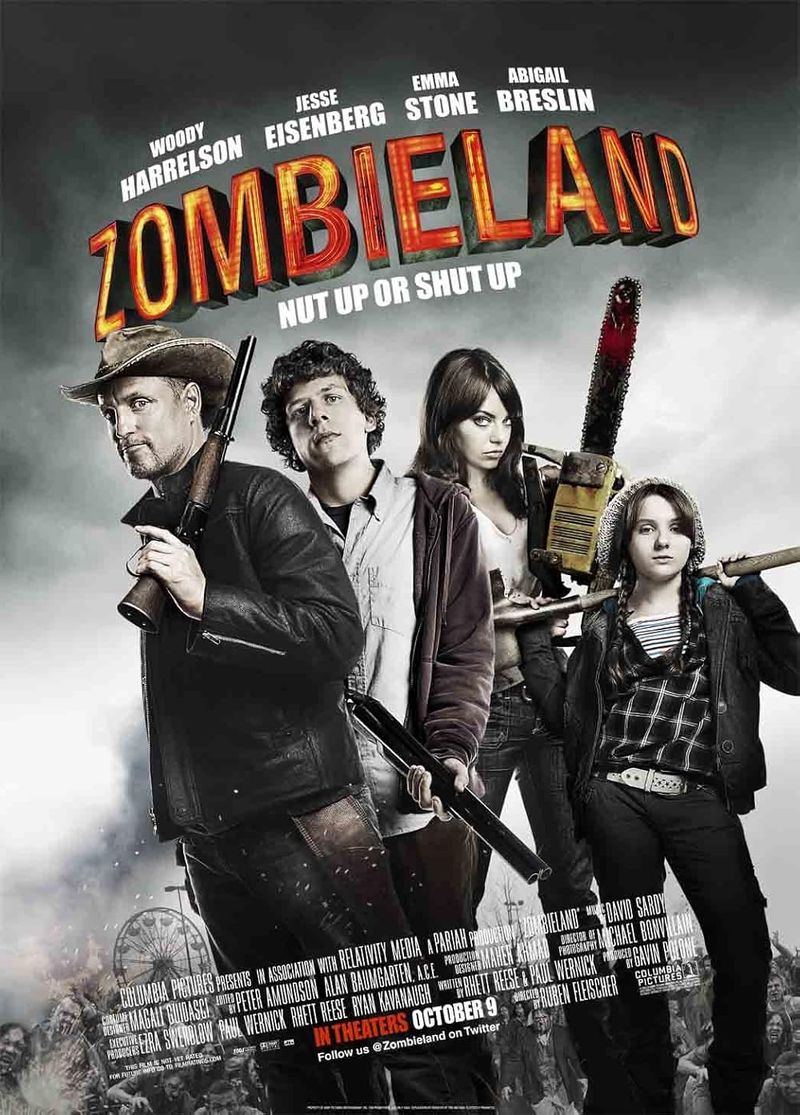
Ruben Fleischer’s comedy-horror road movie turned surviving the zombie apocalypse into a hilarious adventure with heart.
Jesse Eisenberg’s neurotic Columbus and his survival rules provided a fresh, funny framework for undead mayhem.
The chemistry between the four main survivors creates genuine warmth amid the carnage.
Woody Harrelson’s Tallahassee, seeking the last Twinkie on Earth, became an instant icon of zombie cinema’s lighter side.
Bill Murray’s surprise cameo delivers one of comedy’s greatest celebrity appearances, while the abandoned amusement park finale showcases creative zombie kills.
The film balances laughs with legitimate scares and touching moments about found family, proving the genre still had room for innovation and fun after decades of serious survival stories.
10. REC (2007)
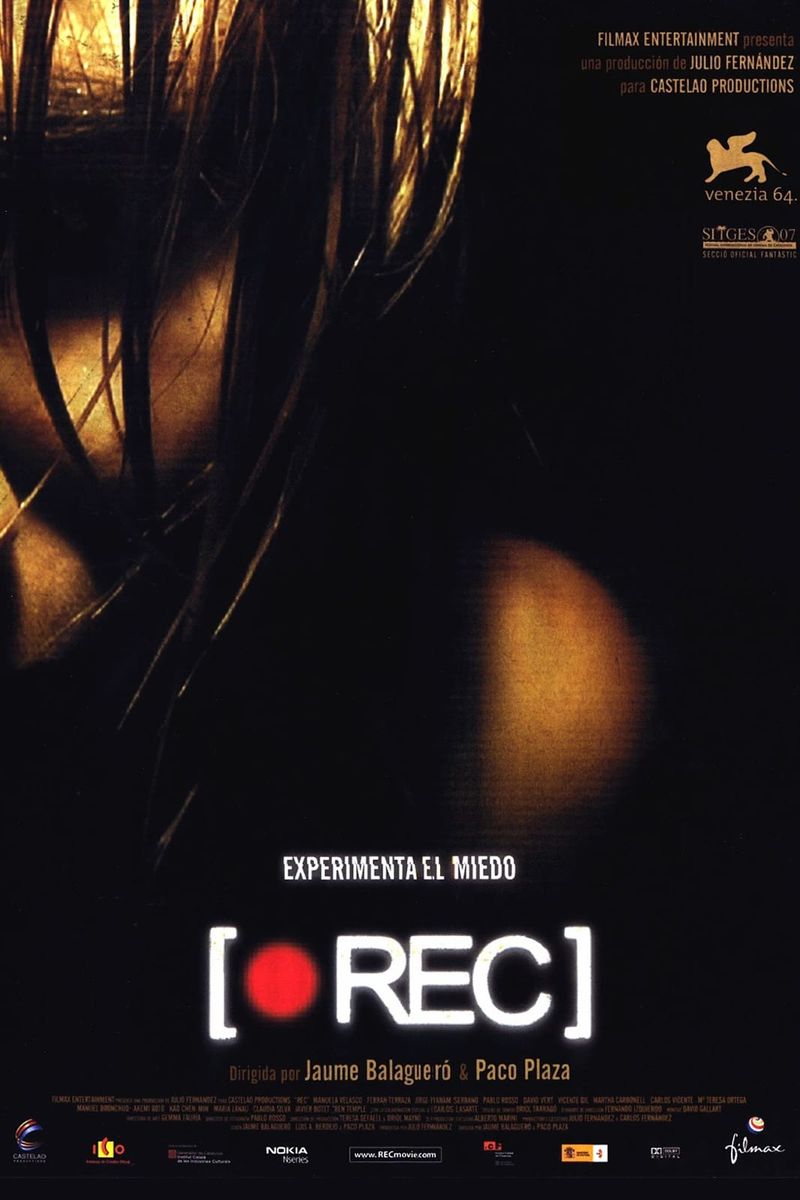
This Spanish found-footage thriller confined a news crew and residents inside a quarantined apartment building as a mysterious infection spreads.
Directors Jaume Balagueró and Paco Plaza created unbearable tension through the cameraman’s perspective as escape becomes impossible.
The real-time format makes every moment feel immediate and authentic.
As the situation deteriorates, the handheld camera work intensifies the claustrophobic terror of being trapped with increasingly violent infected.
The final attic sequence, shot in night-vision, delivers some of horror’s most effective scares without relying on jump-scare tricks.
REC revitalized found-footage horror and proved international zombie films could match or exceed Hollywood productions in pure terror, spawning multiple sequels and an American remake.
11. Train to Busan (2016)
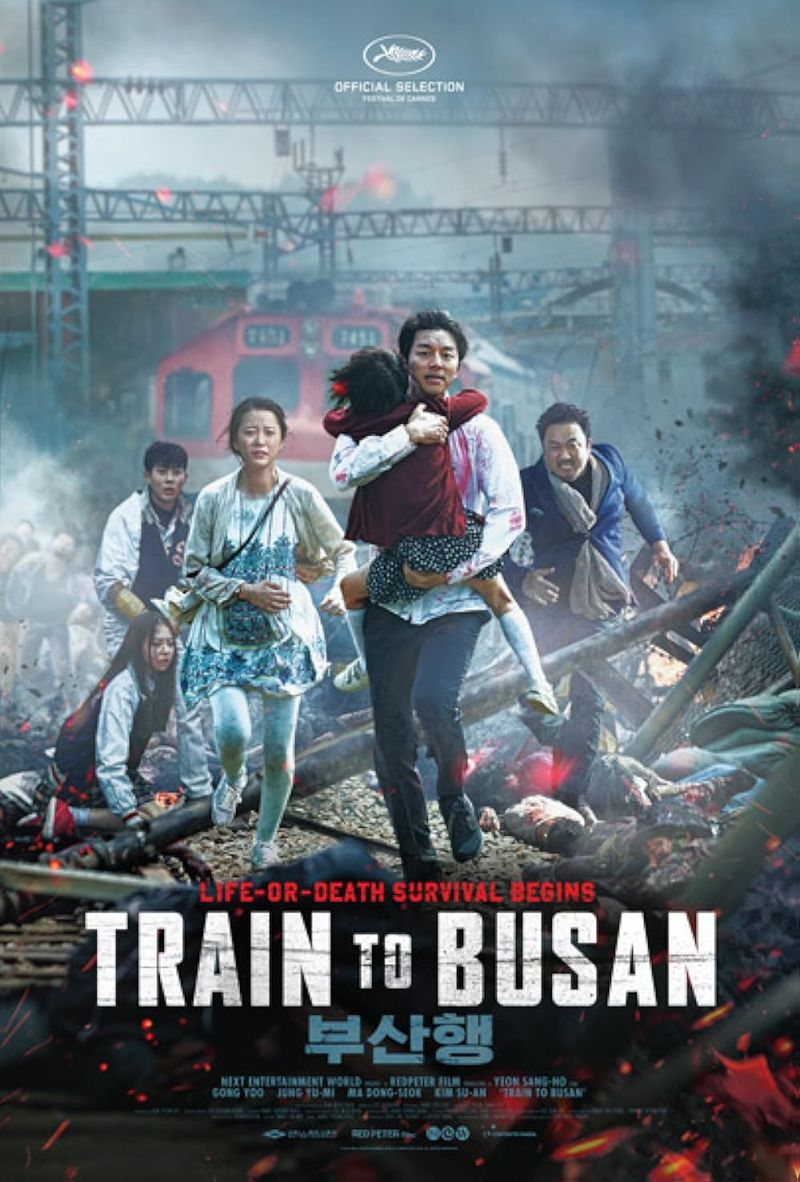
Yeon Sang-ho’s Korean thriller trapped passengers on a high-speed train as a zombie outbreak sweeps the nation.
The confined setting creates incredible tension as survivors must move through infected cars to reach safety.
What elevates this beyond typical zombie fare is its emotional depth and social commentary.
The film examines class divisions, corporate greed, and parental sacrifice through its diverse cast of characters facing impossible choices.
The action sequences are breathtakingly choreographed, with fast-moving infected creating constant danger in tight spaces.
Train to Busan became a global phenomenon by proving zombie movies could deliver both spectacular thrills and genuine tears, introducing international audiences to Korean cinema’s incredible talent for blending genres seamlessly.
12. World War Z (2013)
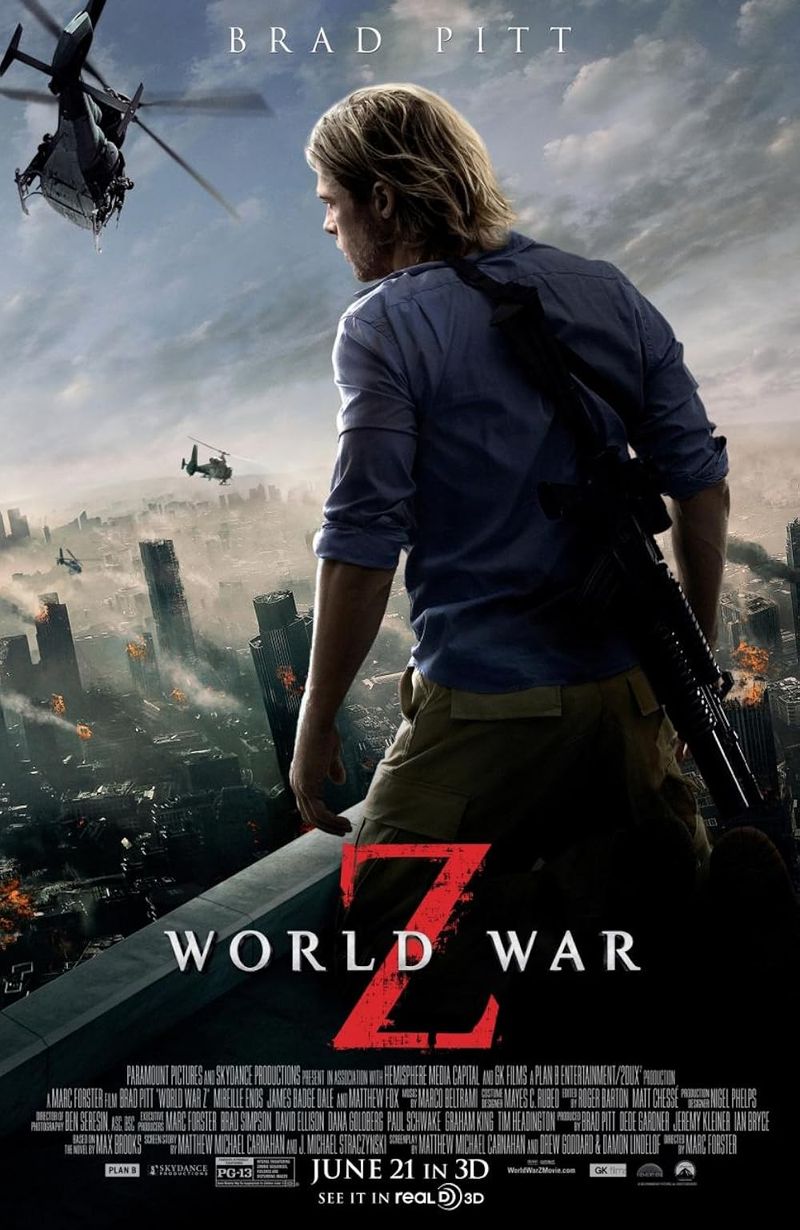
Marc Forster’s big-budget adaptation of Max Brooks’ novel took zombies global, showing the worldwide collapse of civilization through spectacular set pieces.
Brad Pitt’s former UN investigator races across continents seeking the infection’s origin and possible cure.
The film’s scope was unprecedented for zombie cinema, with massive CGI hordes swarming like insects over walls and through cities.
The Jerusalem sequence showcases zombie filmmaking on a scale never before attempted.
Despite production troubles, the final product delivers intelligent thrills and treats the outbreak like a genuine pandemic requiring scientific investigation.
Its approach to zombies as a solvable problem rather than unstoppable force offered a refreshing perspective, proving the genre could work as globe-trotting thriller alongside traditional survival horror.
13. I Am Legend (2007)
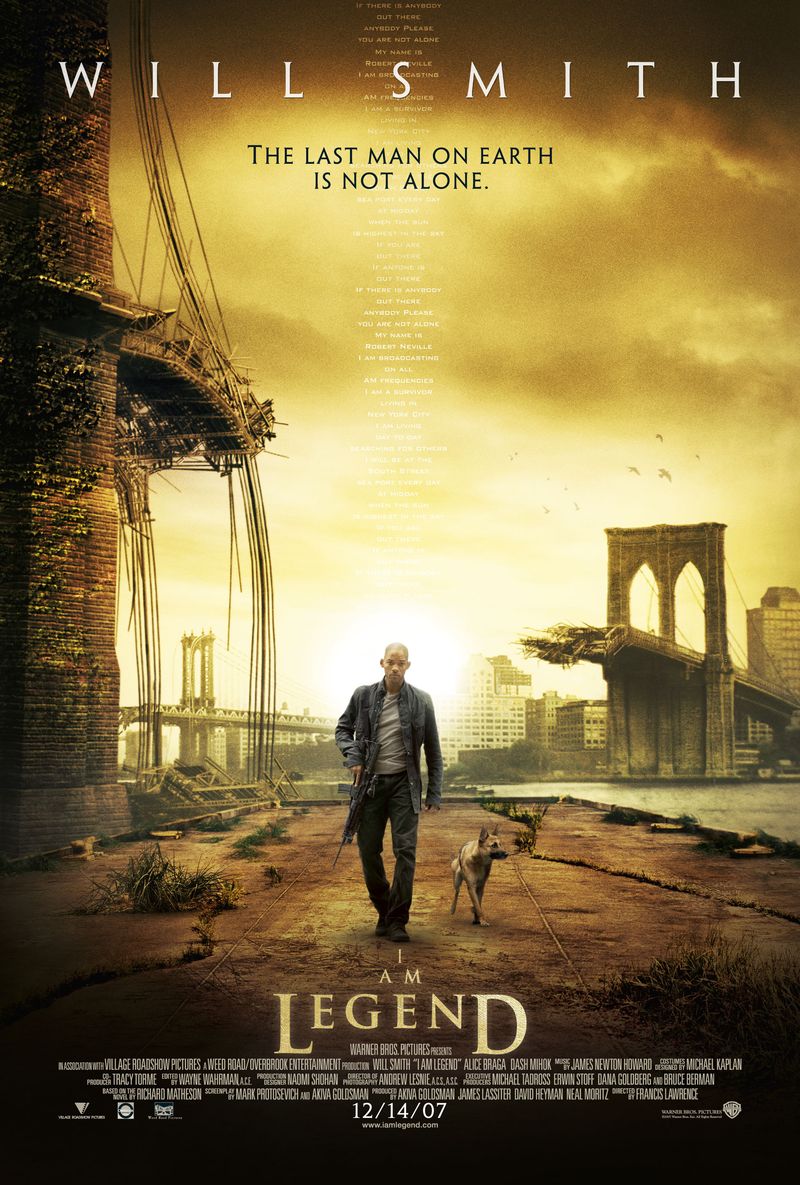
Francis Lawrence’s adaptation of Richard Matheson’s novel placed Will Smith as possibly Earth’s last human, surviving among infected mutants in an overgrown Manhattan.
While the creatures are vampire-zombie hybrids, the film’s influence on post-apocalyptic zombie media is undeniable.
The movie’s first half brilliantly depicts isolation and loneliness through Robert Neville’s daily survival routines.
His relationship with his dog Sam provides emotional weight to the desolate setting.
Seeing New York reclaimed by nature creates haunting beauty amid the horror.
Though the CGI creatures received criticism, the film’s exploration of solitude, hope, and sacrifice resonated deeply.
Its themes about finding purpose when everything is lost influenced how zombie stories approach lone survivors in dead worlds.
14. The Girl with All the Gifts (2016)
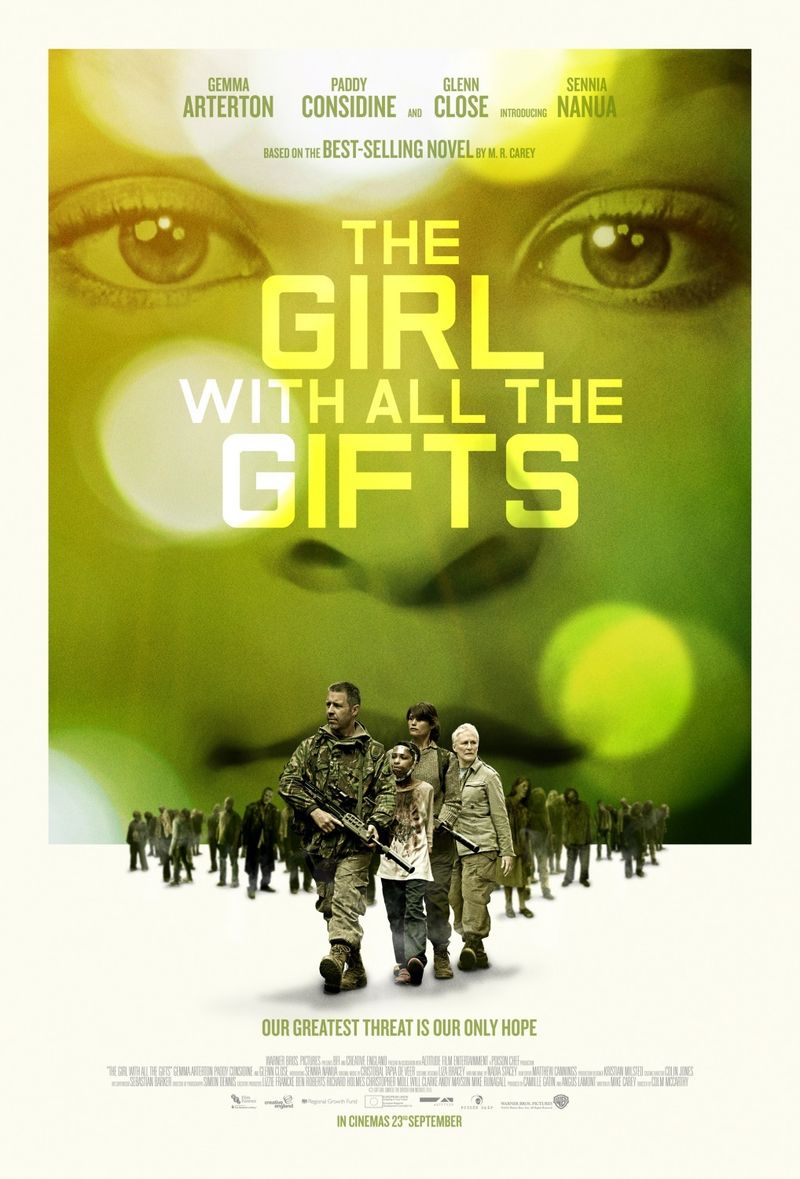
Colm McCarthy’s adaptation of M.R. Carey’s novel flipped zombie narratives by focusing on Melanie, a child who’s infected but retains her humanity and intelligence.
This fresh perspective challenged everything audiences assumed about the undead.
Sennia Nanua’s performance as Melanie brings complexity to a character caught between two worlds—neither fully human nor mindless monster.
The film explores themes of evolution, prejudice, and what defines humanity.
As the story progresses, it becomes clear this isn’t about curing the infection but accepting that humanity’s time may be ending.
The thought-provoking finale offers no easy answers, instead presenting evolution as inevitable.
This intelligent approach proved zombie cinema could still surprise audiences with genuinely original ideas after decades of similar stories.
Comments
Loading…