
 Jade Reed
14 Woke Films That Sparked Debate — and Bad Reviews

Hollywood has always been a mirror reflecting society’s evolving values, but sometimes that mirror cracks under pressure. Films that aimed to push progressive boundaries have often found themselves caught in cultural crossfire, earning both passionate defenders and fierce critics.
When box office numbers fell short and review scores plummeted, debates erupted about whether these movies failed because of their messages or despite them.
1. What Men Want (2019)
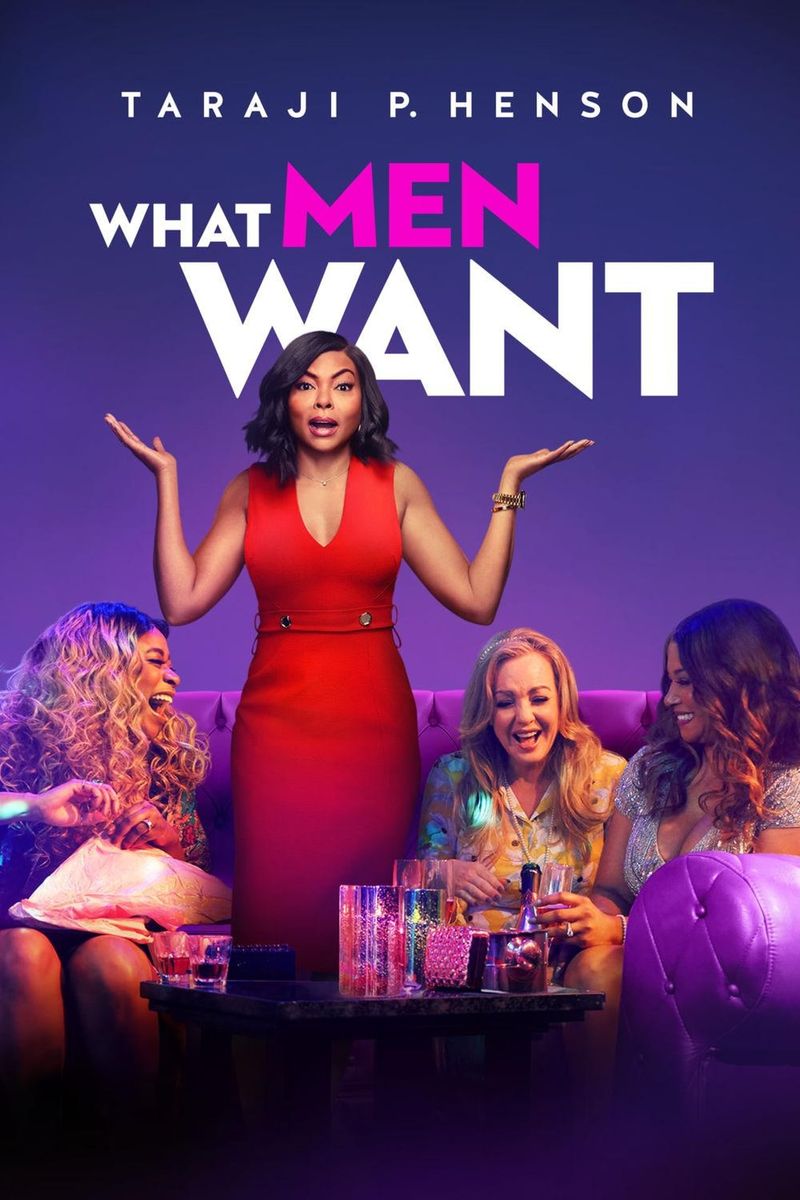
Gender-flipping the Mel Gibson comedy from 2000, this remake put Taraji P.
Henson in the lead role as a sports agent who gains the ability to hear men’s thoughts.
The premise promised sharp commentary on workplace sexism and dating dynamics.
Instead, critics found the execution clumsy and the humor forced.
Many reviewers pointed out that simply reversing genders doesn’t automatically create insightful social commentary.
The film struggled to find its own voice, relying too heavily on broad stereotypes.
Audiences gave it a lukewarm reception, with a Rotten Tomatoes score hovering around 50%.
Box office returns were modest, suggesting the concept didn’t resonate as strongly as studios hoped.
The movie became an example of how good intentions need solid storytelling to succeed.
2. Wonder Woman 1984 (2020)
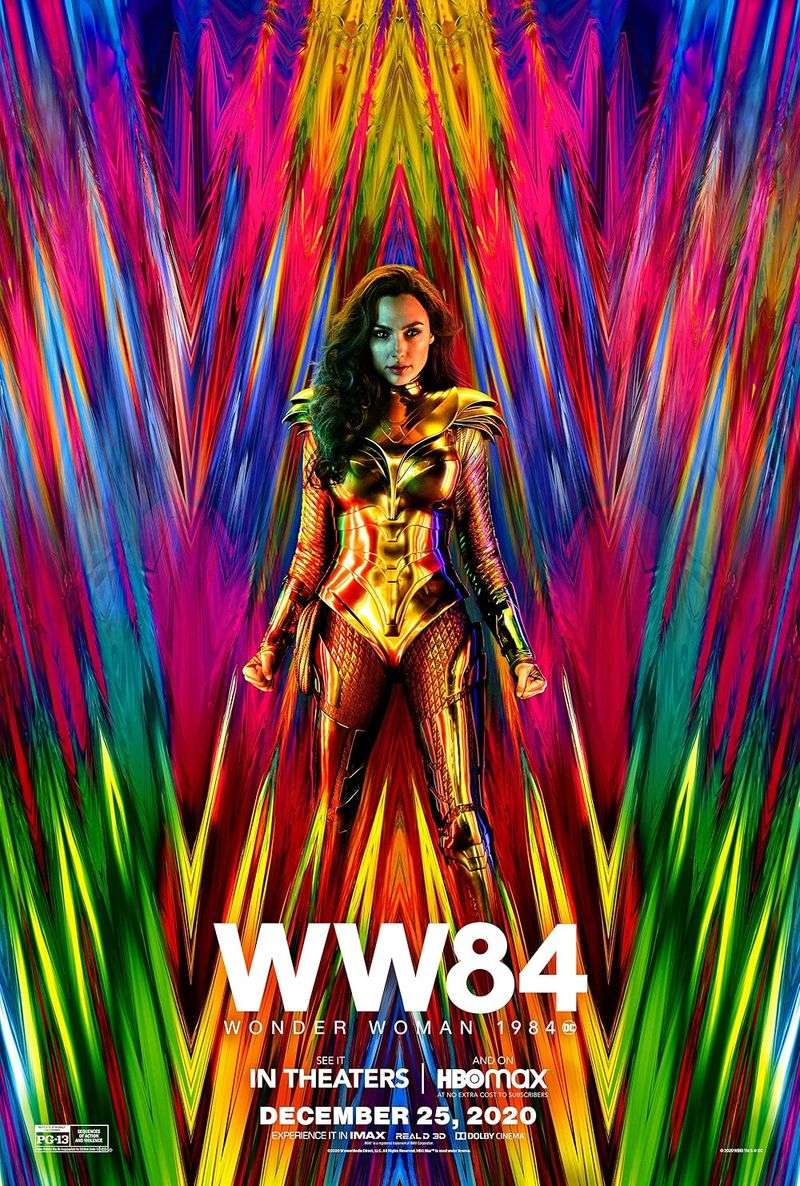
Following the massive success of the first Wonder Woman film, this sequel arrived during the pandemic with high expectations and a message about truth in the age of misinformation.
Gal Gadot returned as Diana Prince, facing off against Maxwell Lord and Cheetah.
Critics praised the film’s ambitions but found the execution messy and overly long.
The movie’s themes about greed, lies, and wish fulfillment felt heavy-handed to many viewers.
Some fans were disappointed by the awkward handling of Steve Trevor’s return, which raised uncomfortable questions the film never addressed.
The CGI received particular criticism for looking unfinished.
Despite earning decent streaming numbers on HBO Max, the film divided the fanbase and marked a stumble for the DC franchise.
3. The Kindness of Strangers (2019)
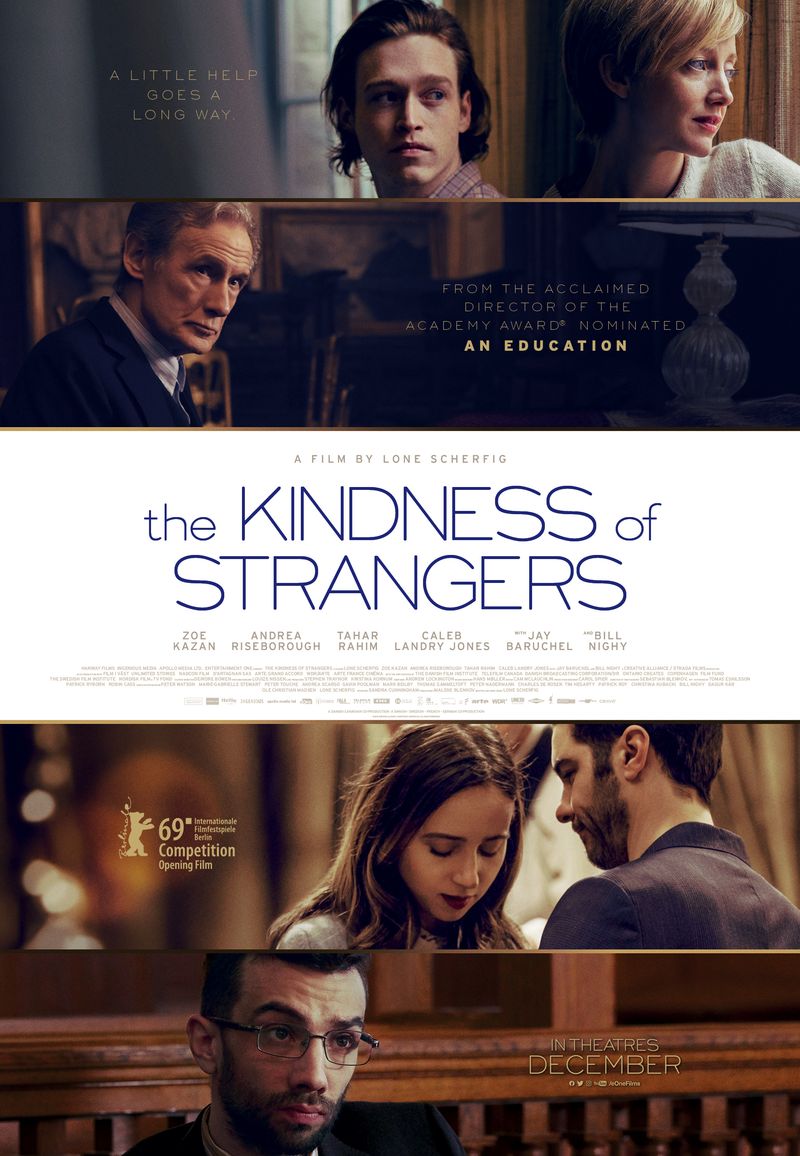
Director Lone Scherfig gathered an impressive cast including Zoe Kazan, Andrea Riseborough, and Bill Nighy for this drama about intersecting lives in New York City.
The film attempted to explore themes of compassion, vulnerability, and human connection across different backgrounds.
Unfortunately, critics found it preachy and unrealistic in its portrayal of urban kindness.
Reviews consistently mentioned that the movie felt dated, like it belonged to an earlier era of filmmaking.
The interconnected storylines never quite gelled, leaving viewers emotionally distant.
Despite strong performances, the script couldn’t support the weight of its own earnestness.
Festival audiences were polite but unenthusiastic, and the film barely made a dent in theaters.
4. Tomb Raider (2018)
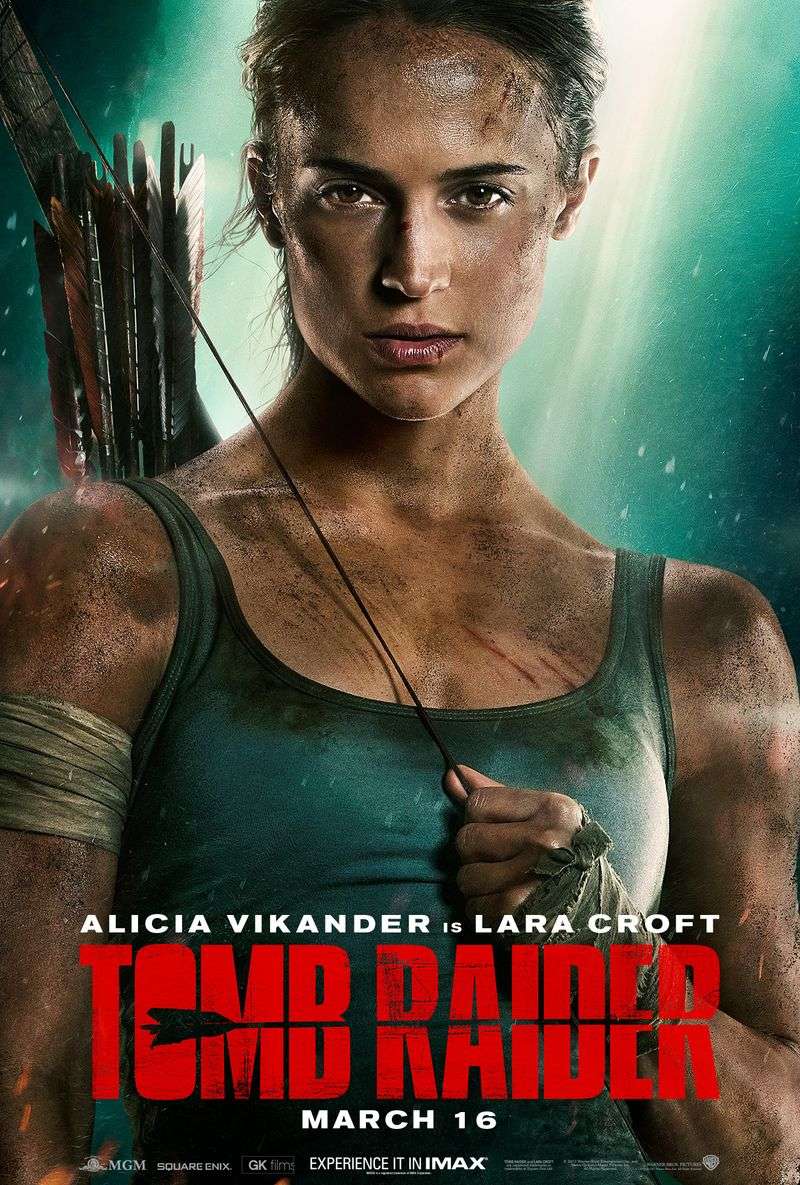
Stepping into the role of Lara Croft, Alicia Vikander delivered a grittier, more realistic interpretation of the character.
The reboot sought to distance itself from the portrayals of the past, this time highlighting Lara’s intellect and determination instead.
While some welcomed this change, critics were divided, citing uninspired action sequences.
Critics acknowledged the attempt to modernize the character but felt the story was too familiar and predictable.
The movie borrowed heavily from the 2013 video game reboot without capturing its emotional depth.
Action scenes felt derivative of better adventure films.
Box office performance was okay internationally but underwhelming domestically, preventing the planned franchise from continuing.
5. Birds of Prey (2020)
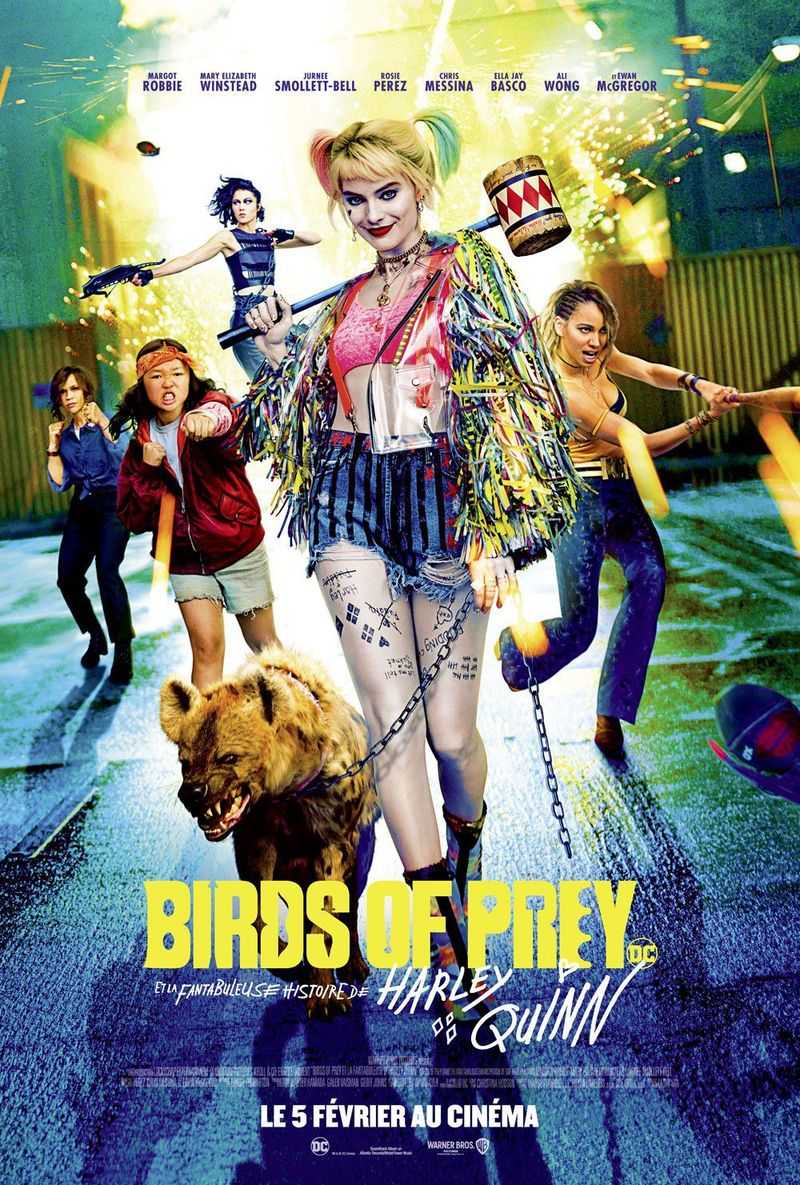
Margot Robbie returned as Harley Quinn in this female-led DC adventure that assembled a team of antiheroes to take down a crime lord.
The film embraced a chaotic, colorful aesthetic and featured an all-female ensemble including Mary Elizabeth Winstead and Jurnee Smollett.
Marketing struggled to communicate what the movie actually was, leading to confusion among potential viewers.
Critics appreciated the style and action choreography but found the story disjointed and the villain underdeveloped.
The film’s fragmented narrative structure alienated some audience members.
Box office returns fell short of expectations, though the movie developed a cult following on streaming platforms.
Debates arose about whether the disappointing performance reflected quality issues or audience biases against female-led action films.
6. Dear Evan Hansen (2021)
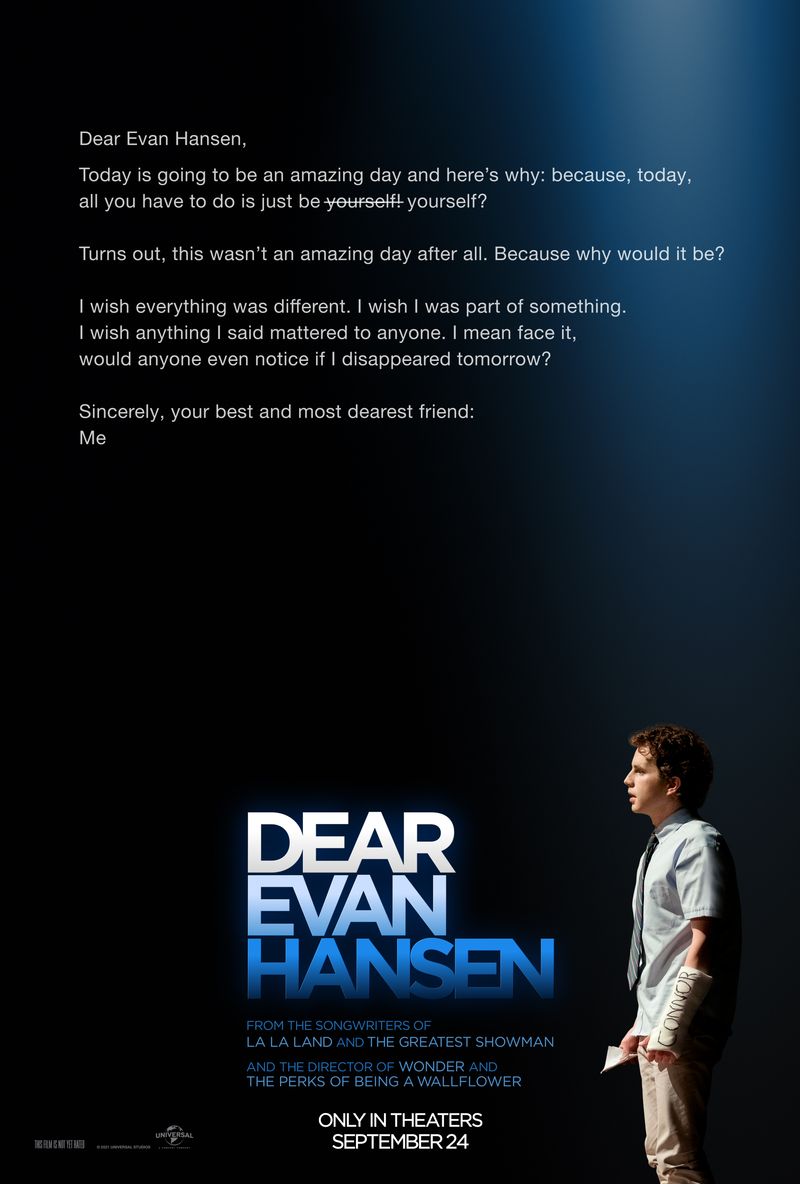
Adapting the beloved Broadway musical to film proved controversial from the start, particularly with the casting of 27-year-old Ben Platt reprising his stage role as a high school student.
The story follows a teen with social anxiety who becomes entangled in a web of lies after a classmate’s death.
What worked on stage felt creepy and uncomfortable on screen.
Critics savaged the film for its implausible plot and Platt’s unconvincing appearance as a teenager.
The movie’s treatment of mental health and suicide struck many viewers as exploitative rather than sensitive.
Musical numbers that soared in theaters felt awkward in the realistic film setting.
Social media reactions were brutal, with the film becoming a punchline almost immediately upon release.
7. Ghostbusters (2016)
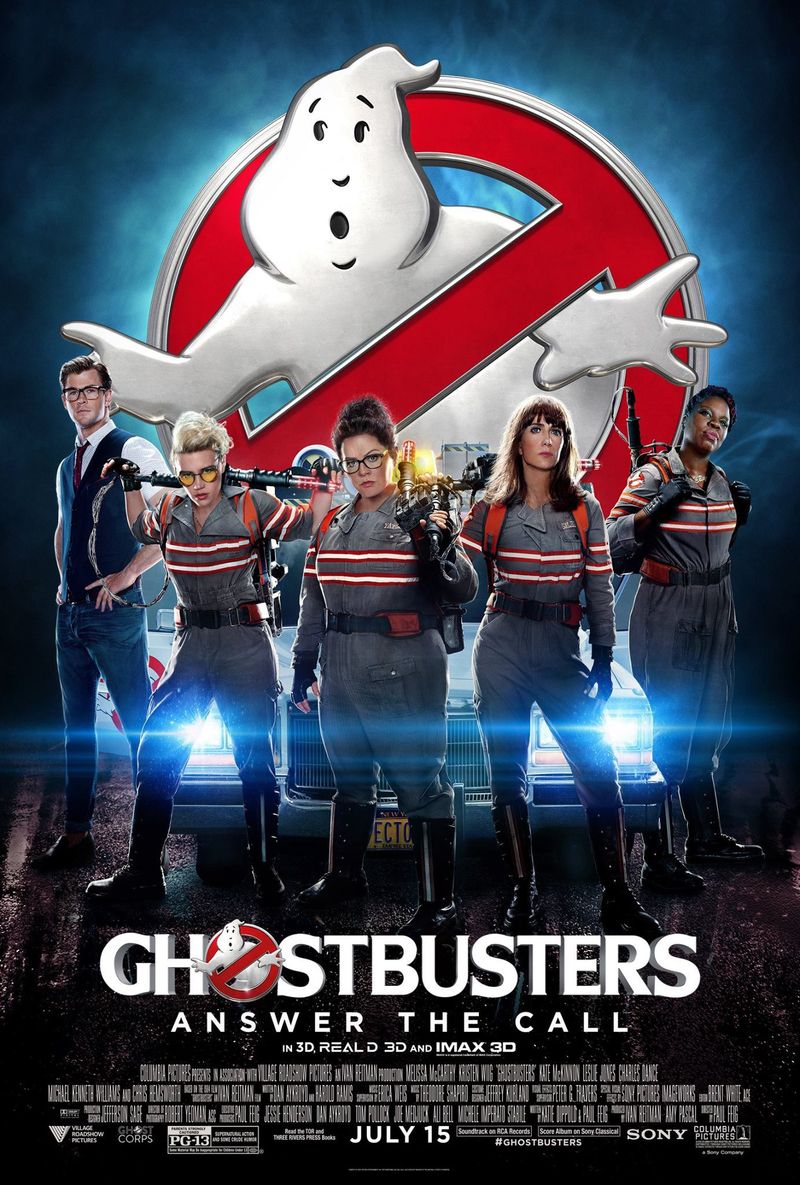
Director Paul Feig’s all-female reboot of the beloved 1984 classic became a lightning rod for controversy before it even hit theaters.
Starring Melissa McCarthy, Kristen Wiig, Kate McKinnon, and Leslie Jones, the film faced an unprecedented backlash fueled by online anger about gender-swapping the main characters.
The actual movie got lost in the culture war noise.
Reviews were mixed, with some praising the cast’s chemistry while others found the script lacking the original’s charm.
The special effects were criticized as overly cartoonish.
Box office performance was decent but not enough to justify the production and marketing costs.
The film remains a divisive symbol of Hollywood’s approach to reboots and representation.
8. Mulan (2020)

In a major departure from the original, Disney’s live-action remake eliminated the songs and Mushu, aiming for a more serious and historically focused portrayal of the legendary warrior.
The $200 million production became mired in controversy before release, stemming from the lead actress’s political views and filming choices.
Debuting during the pandemic on Disney+ with a premium price, the film missed out on a standard theatrical run.
Critics found the film visually impressive but emotionally hollow compared to the original.
The addition of chi powers and a witch character confused the tone.
Removing the humor and music that made the original beloved left something that satisfied neither Eastern nor Western audiences.
The film became a financial and PR headache for Disney.
9. The Hustle (2019)
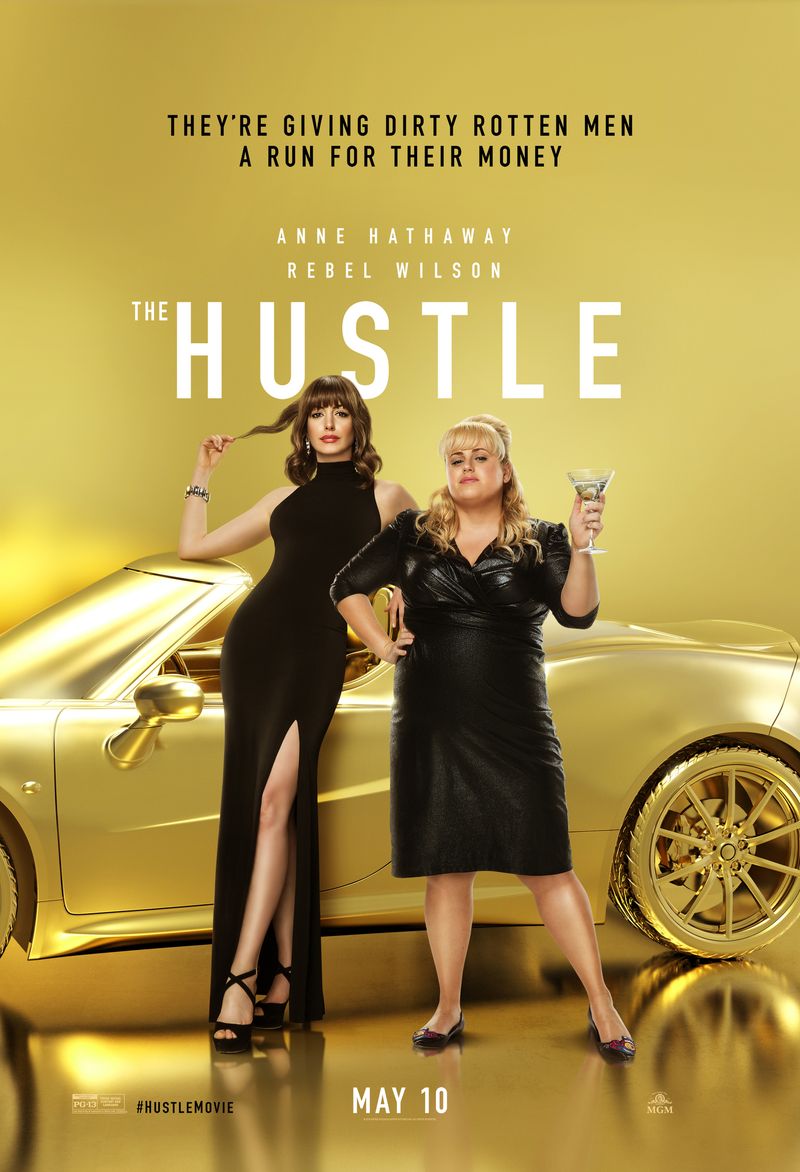
Anne Hathaway and Rebel Wilson starred in this gender-swapped remake of Dirty Rotten Scoundrels, playing con artists competing on the French Riviera.
The film attempted to update the premise with female empowerment themes and contemporary humor.
Critics almost universally panned it as unfunny and unnecessary.
Comparisons to the superior original were inevitable and unflattering.
The chemistry between the leads never quite clicked despite both being talented comedians.
Jokes fell flat, and the plot felt recycled without adding anything fresh or insightful.
Audiences largely stayed away, and the film quickly disappeared from theaters.
It joined a growing list of gender-swapped remakes that failed to justify their existence beyond the casting change itself.
10. Music (2021)
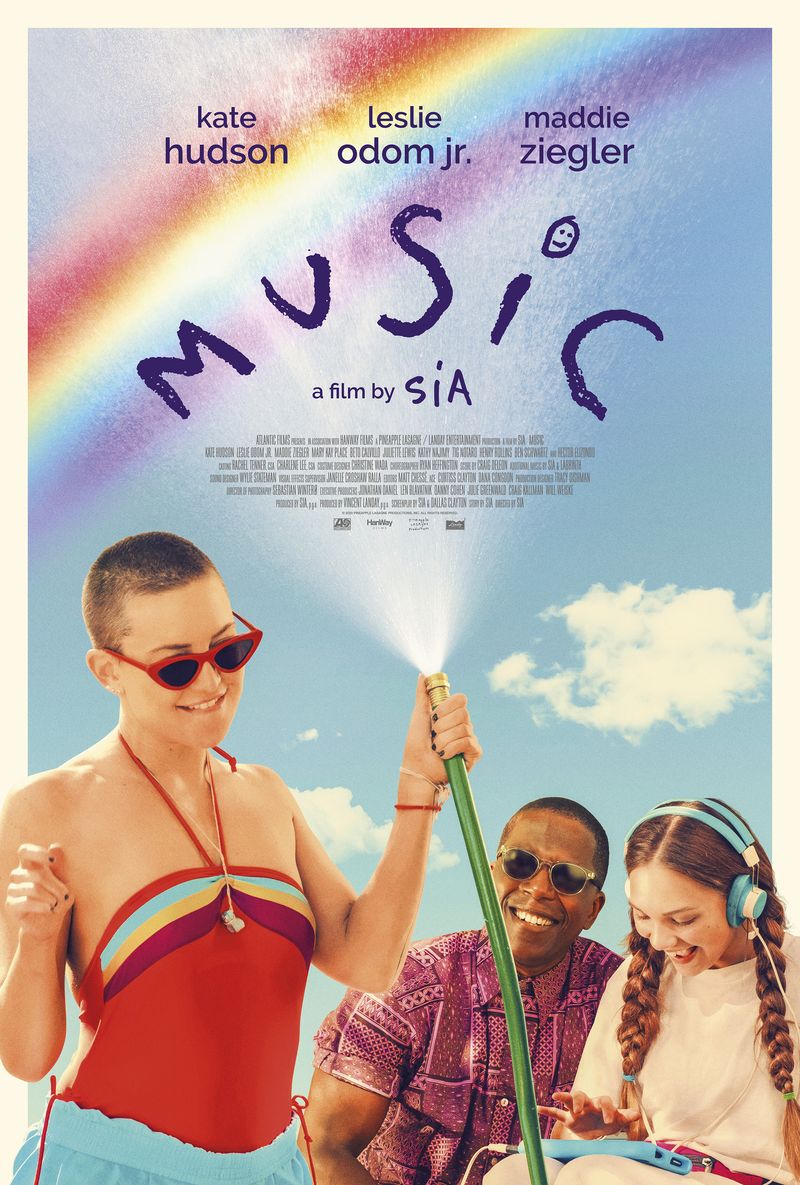
The singer’s directorial debut centered on Music, a nonverbal autistic character portrayed by neurotypical performer Maddie Ziegler.
Almost immediately, autism advocacy groups condemned the film for its casting choices and its depiction of dangerous restraint practices.
The controversy intensified after Sia responded defensively on social media.
Critics condemned the film’s offensive stereotypes and dangerous misinformation about autism.
The musical sequences, while visually striking, felt disconnected from the emotional reality of the story.
Several scenes were edited or removed after the initial controversy.
The film earned multiple Razzie nominations and became a cautionary tale about representation done wrong.
It damaged Sia’s reputation and highlighted the importance of authentic casting and consultation.
11. A Wrinkle in Time (2018)
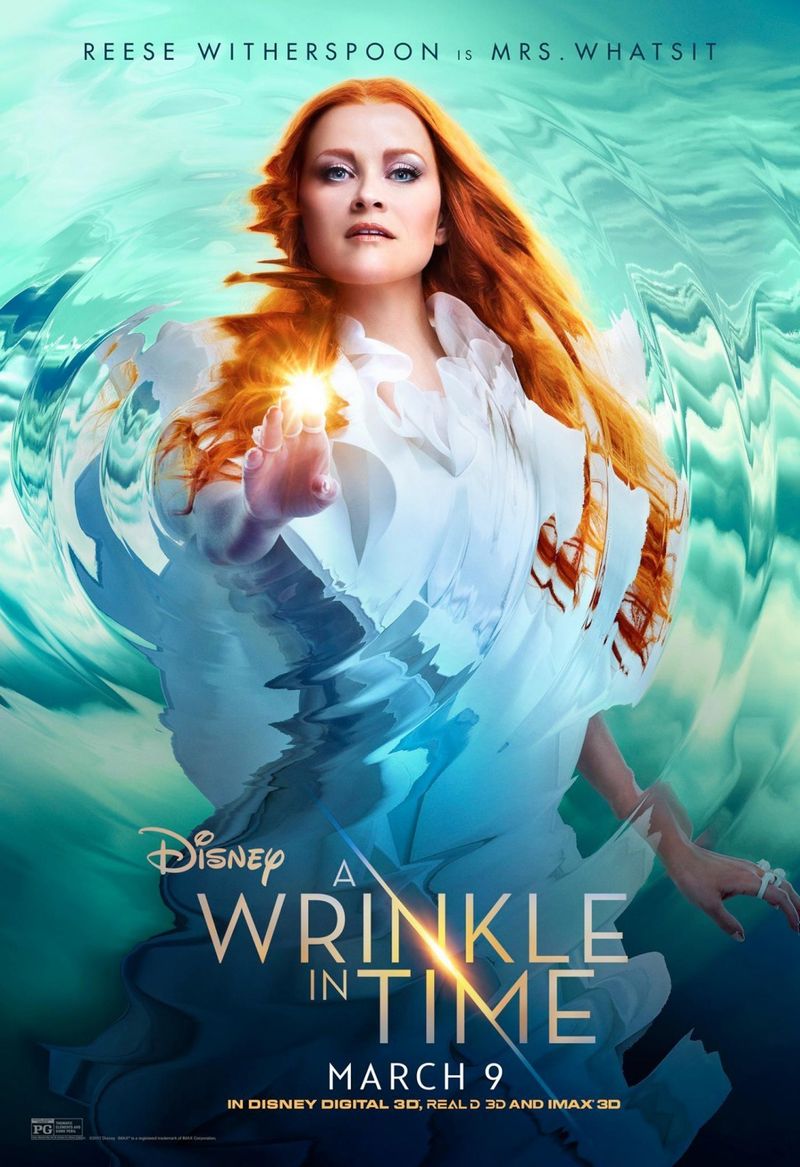
Ava DuVernay became the first Black woman to direct a film with a budget over $100 million, adapting Madeleine L’Engle’s beloved science fiction novel.
The diverse cast included Storm Reid, Oprah Winfrey, Reese Witherspoon, and Mindy Kaling.
Despite the groundbreaking nature of the production, the film received disappointing reviews and box office returns.
Critics praised the representation and visual ambition but found the story muddled and emotionally distant.
The book’s complex themes about darkness, love, and conformity didn’t translate well to screen.
CGI effects were criticized as overwhelming and distracting.
The film’s underperformance raised frustrating questions about whether diverse big-budget projects get second chances when they stumble.
12. Terminator: Dark Fate (2019)
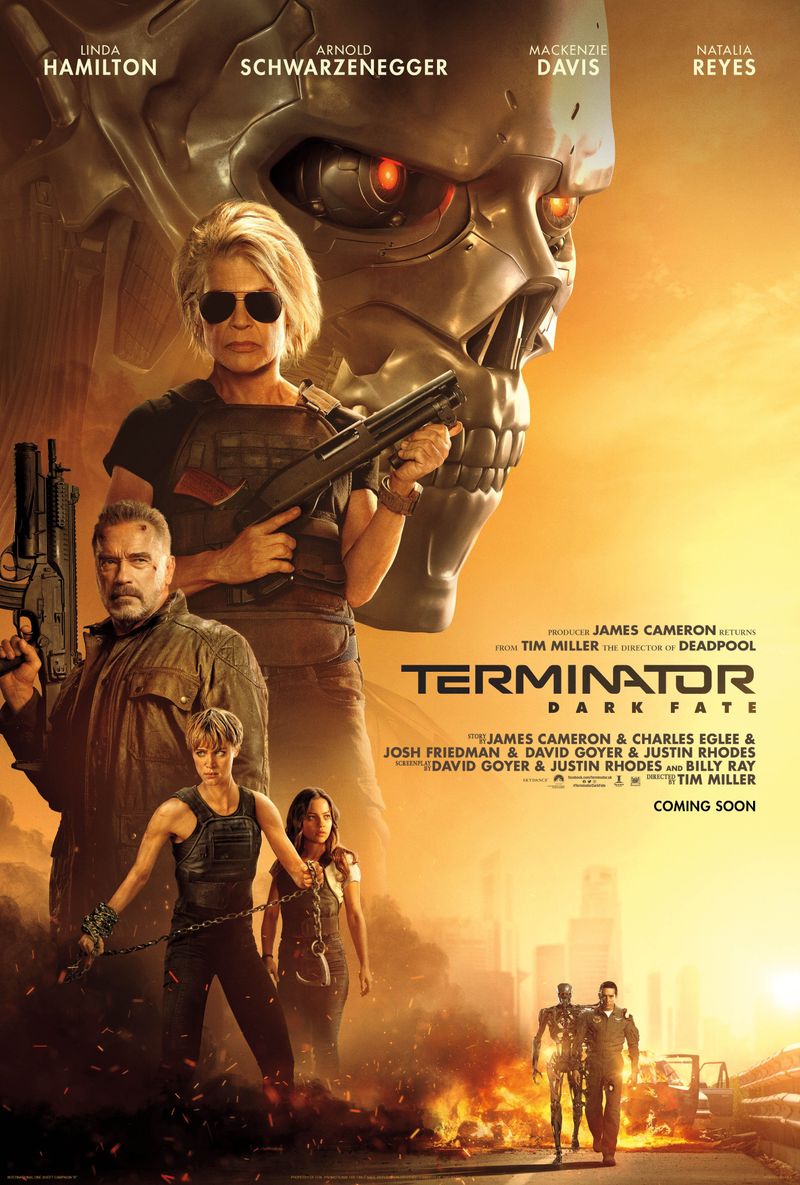
Bringing back Linda Hamilton and ignoring all sequels after Terminator 2, this film attempted to pass the torch to a new generation of female warriors.
Mackenzie Davis played an enhanced soldier from the future protecting a young woman destined to lead the resistance.
The film made bold choices with its legacy characters that angered longtime fans.
Reviews acknowledged the strong action sequences and performances but noted the franchise fatigue.
The plot felt too similar to earlier films without offering enough new ideas.
Marketing struggled to attract younger viewers unfamiliar with the series.
Box office results were disastrous, losing the studio an estimated $100 million and likely ending the franchise for good.
13. Like a Boss (2020)
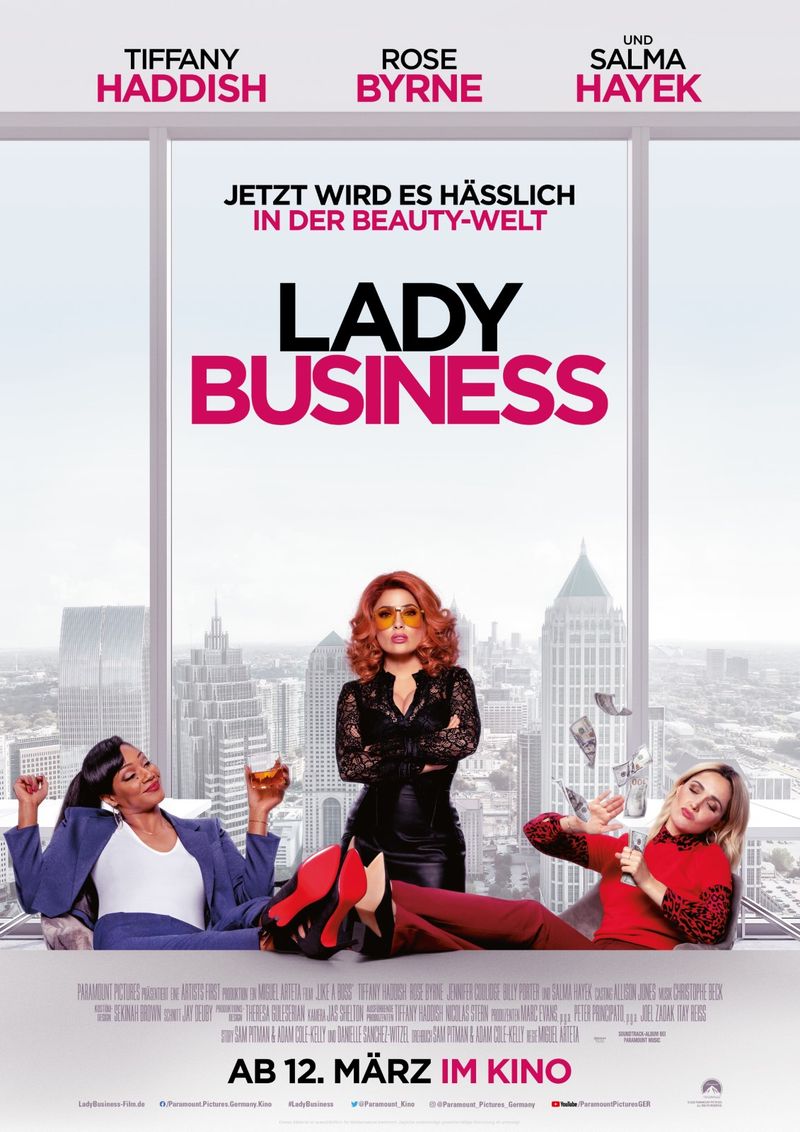
Tiffany Haddish and Rose Byrne played best friends whose beauty company gets threatened by a cosmetics mogul played by Salma Hayek.
The film aimed to celebrate female friendship and entrepreneurship while delivering raunchy comedy.
Instead, critics found it formulaic and laugh-free, wasting its talented cast on a thin script.
The movie’s attempts at empowerment messaging felt shallow and contradicted by its actual plot about beauty standards.
Jokes were predictable, and the story hit every expected beat without surprises.
Chemistry between the leads couldn’t overcome weak material.
Released in January, traditionally a dumping ground for studios, the film quickly faded from memory.
It exemplified how representation alone can’t compensate for fundamental storytelling problems.
14. Charlie’s Angels (2019)
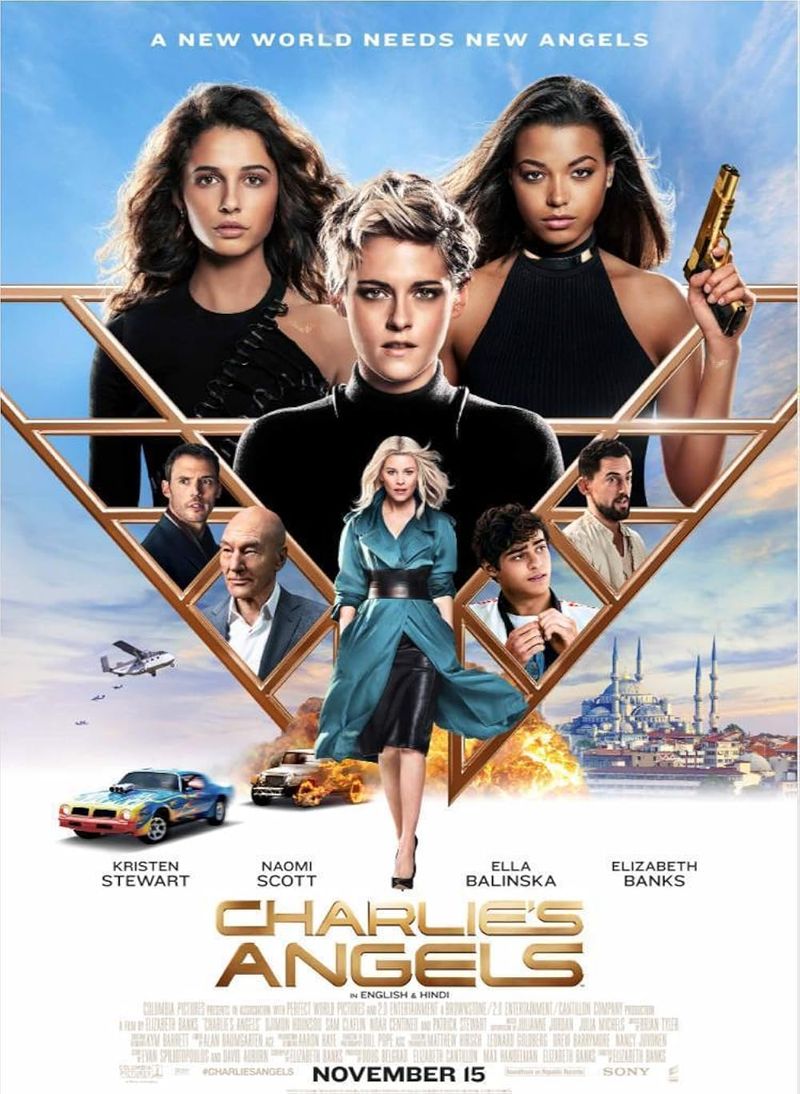
The reboot was written, directed, and headlined by Elizabeth Banks, who expanded the Angels concept into an international organization of women spies.
Kristen Stewart, Naomi Scott, and Ella Balinska starred as the latest trio taking on high-stakes missions.
Despite its focus on female strength and sisterhood, the film struggled to draw audiences.
Critics gave middling reviews, noting the film was pleasant but forgettable with uninspired action scenes.
The franchise lacked the cultural relevance it once had, and the marketing failed to create excitement.
Banks later blamed the poor box office on sexism, sparking heated debates.
The film’s financial failure effectively killed any plans for future installments and became another data point in discussions about female-led action franchises.
Comments
Loading…