
 Chloe Peterson
14 Underrated Retro Anime That Age Better Than Today’s Favorites
Some of the greatest anime ever made never got the spotlight they deserved. While newer shows flood streaming platforms every season, a handful of older series quietly hold up better than almost anything airing today.
These forgotten classics tackle real emotions, bold storytelling, and unforgettable characters that still feel fresh decades later. If you think old anime means outdated anime, these 14 picks are about to change your mind.
1. Urusei Yatsura (1981–1986)
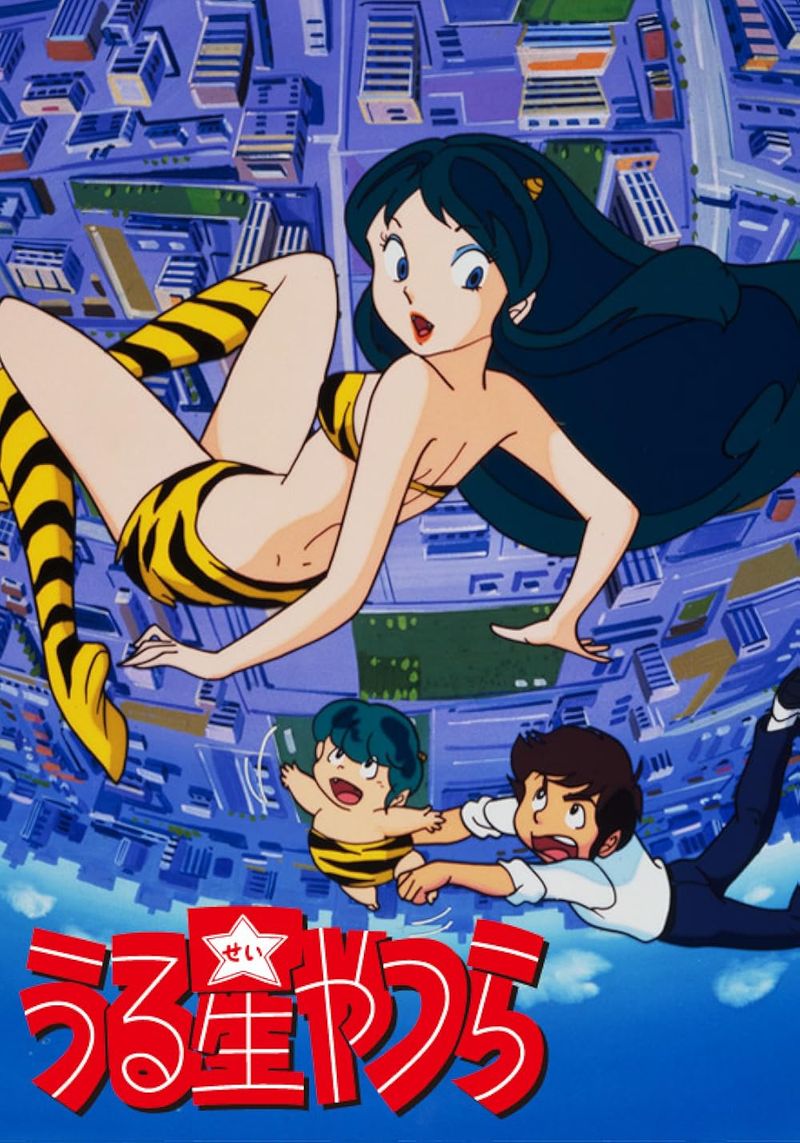
Long before romantic comedies became a staple of anime, Urusei Yatsura was already doing it louder, weirder, and funnier than almost anything since.
Created by Rumiko Takahashi, this show follows the unlucky Ataru Moroboshi and his alien fiancée Lum, whose electric personality — literally — sparks chaos everywhere.
The humor still lands because it comes from real character quirks, not just cheap gags.
Each episode feels like a tiny explosion of creativity.
The show tackles jealousy, misunderstandings, and loyalty in ways that sneak up on you between the laughs.
Fans of modern rom-coms owe this series a serious debt.
2. Bubblegum Crisis (1987–1991)
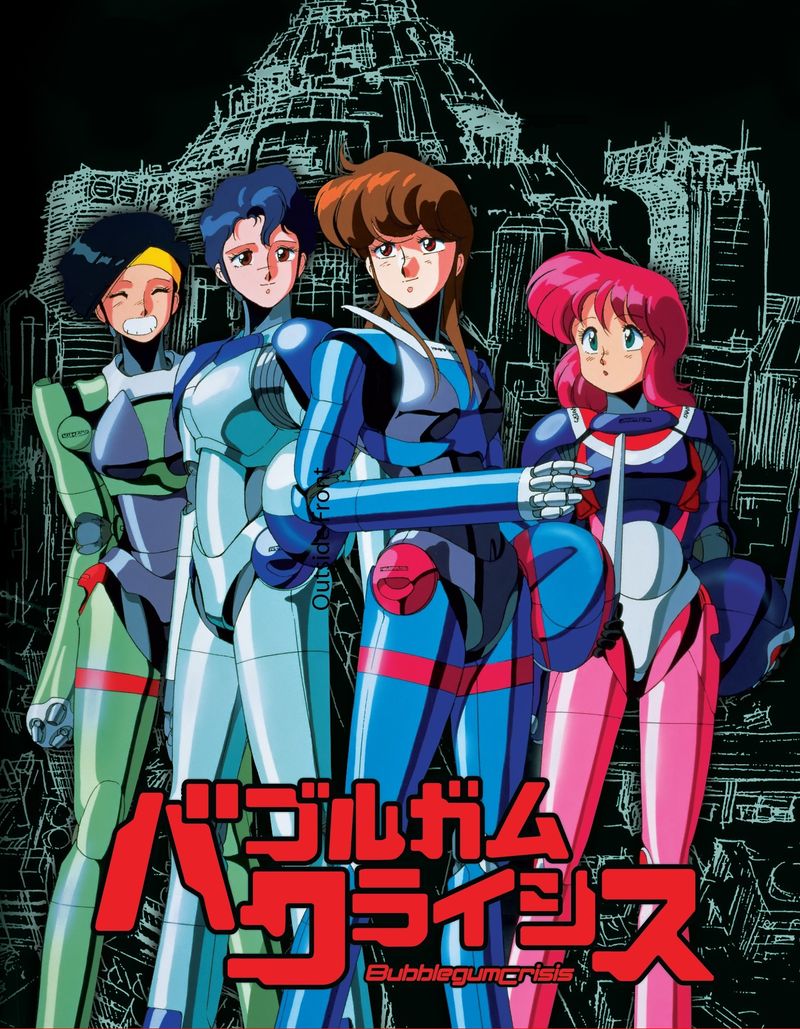
Imagine a world where four women in high-tech battle suits fight rogue robots in a neon-drenched city — and somehow it never feels over the top.
Bubblegum Crisis blends cyberpunk aesthetics with rock music and genuine emotional stakes in a way that still feels electric today.
The Knight Sabers are cool, complicated, and refreshingly capable without needing anyone to rescue them.
At just eight OVA episodes, the pacing is tight and purposeful.
Every scene earns its place.
Decades before strong female leads became a talking point in anime discussions, this series was already setting the standard without making a big deal about it.
3. Sherlock Hound (1984–1985)
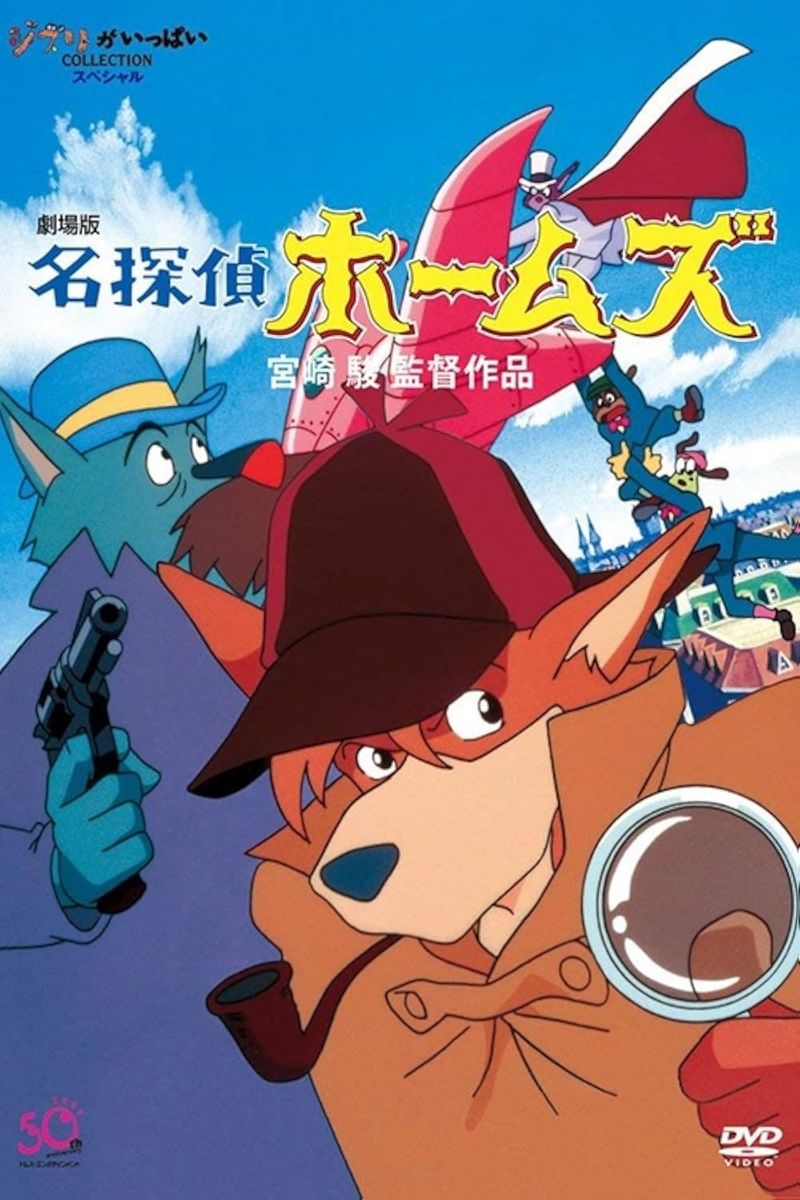
Co-directed by a young Hayao Miyazaki, this charming mystery series reimagines Sherlock Holmes as a clever dog living in a beautifully animated Victorian world.
Sound strange?
It absolutely works.
The adventures are fun, fast-paced, and surprisingly well-crafted for a children’s show.
Miyazaki’s episodes in particular carry that unmistakable warmth and sense of wonder that would later define Studio Ghibli.
What makes it hold up is simple: good storytelling never gets old.
Each mystery is engaging without being confusing, and the characters have real personality.
Kids today would love it just as much as audiences did forty years ago.
4. The Vision of Escaflowne (1996)
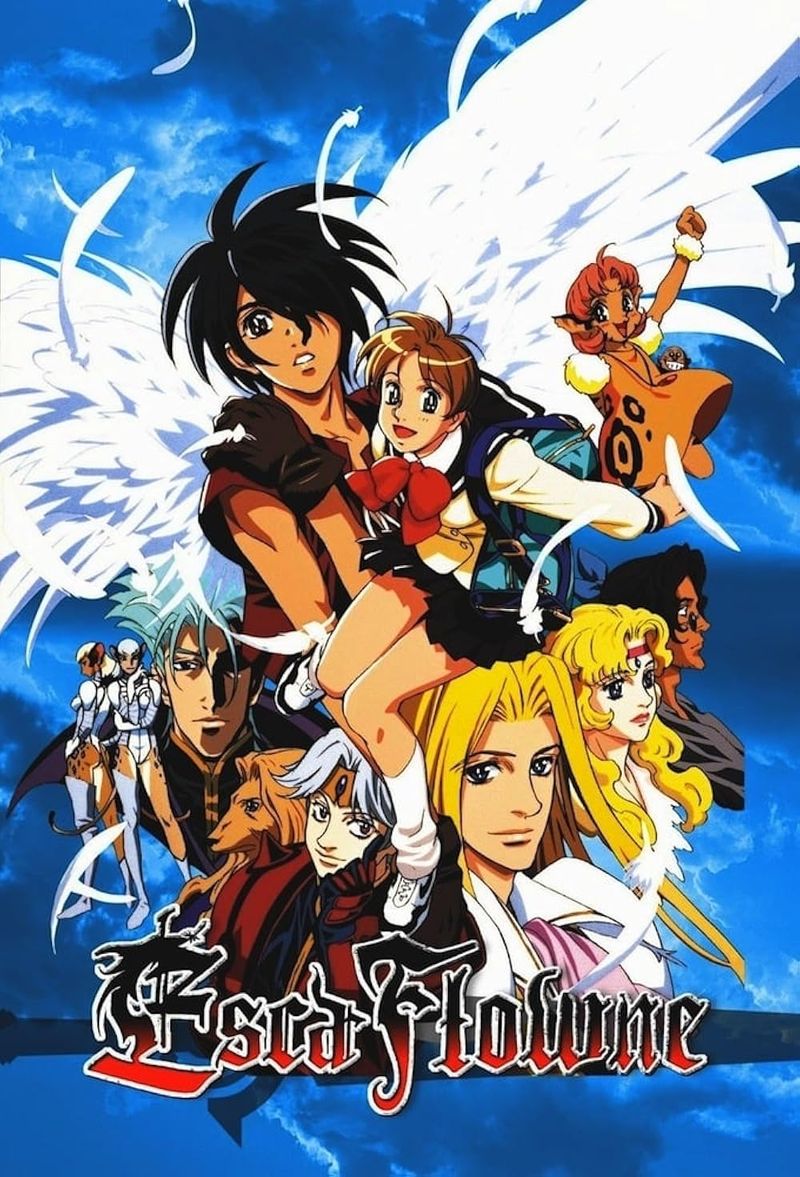
Fantasy, mecha, romance, and tarot cards — Escaflowne throws a lot at the wall, and somehow every single thing sticks.
The story follows Hitomi, a high school girl transported to a world of warring kingdoms and giant battle robots.
Unlike most mecha shows, the emotional core here belongs entirely to the characters, not the machines.
Their fears and hopes drive every decision.
The soundtrack by Yoko Kanno and Hajime Mizoguchi remains one of anime’s greatest achievements.
Even if you have never seen the show, hearing the opening theme feels like remembering something beautiful.
This one genuinely rewards patient viewers from start to finish.
5. Serial Experiments Lain (1998)
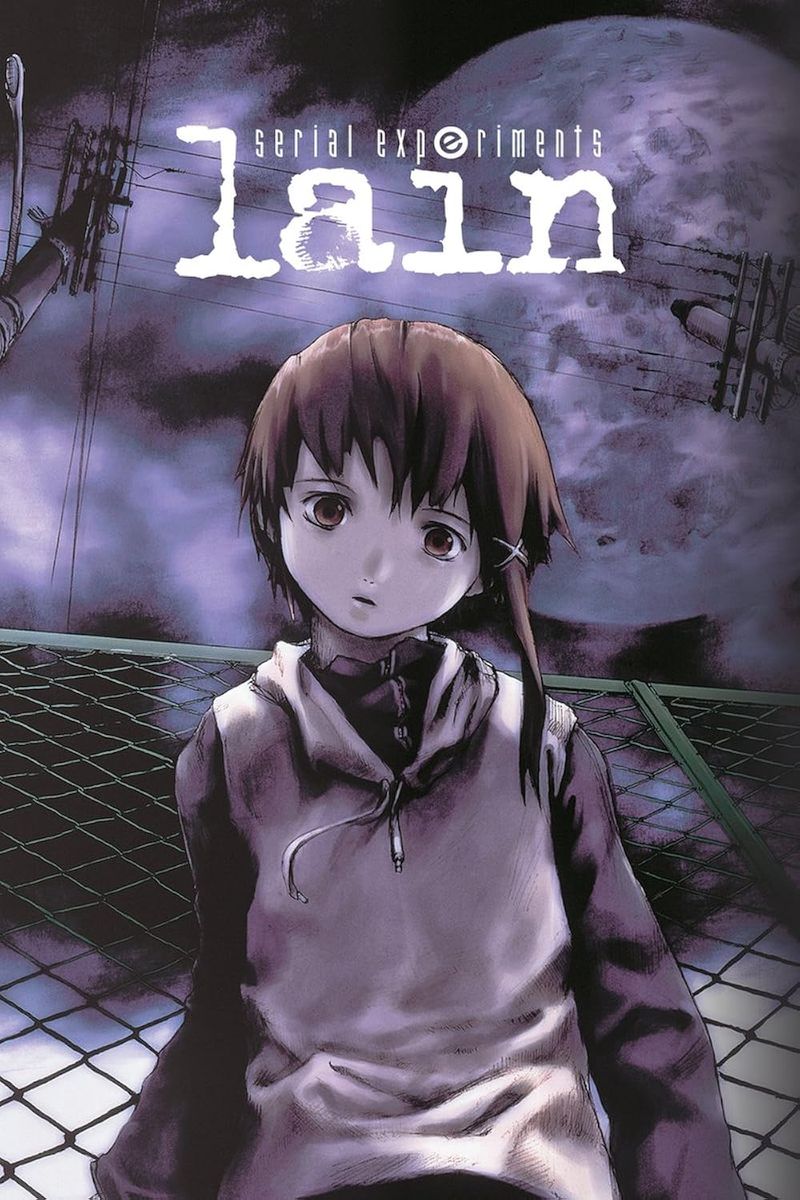
Released in 1998, Serial Experiments Lain predicted the internet age with unsettling accuracy.
The story follows Lain, a quiet middle schooler who begins losing the boundary between the digital world and reality.
It is slow, strange, and deliberately confusing — and that is entirely the point.
The show asks questions about identity, consciousness, and connection that feel more relevant now than they did when it aired.
Watching it today almost feels like the creators had a time machine.
Social media addiction, online identity, and digital isolation are all here, wrapped in haunting visuals and a deeply atmospheric soundtrack.
Nothing else quite sounds or feels like it.
6. Now and Then, Here and There (1999)
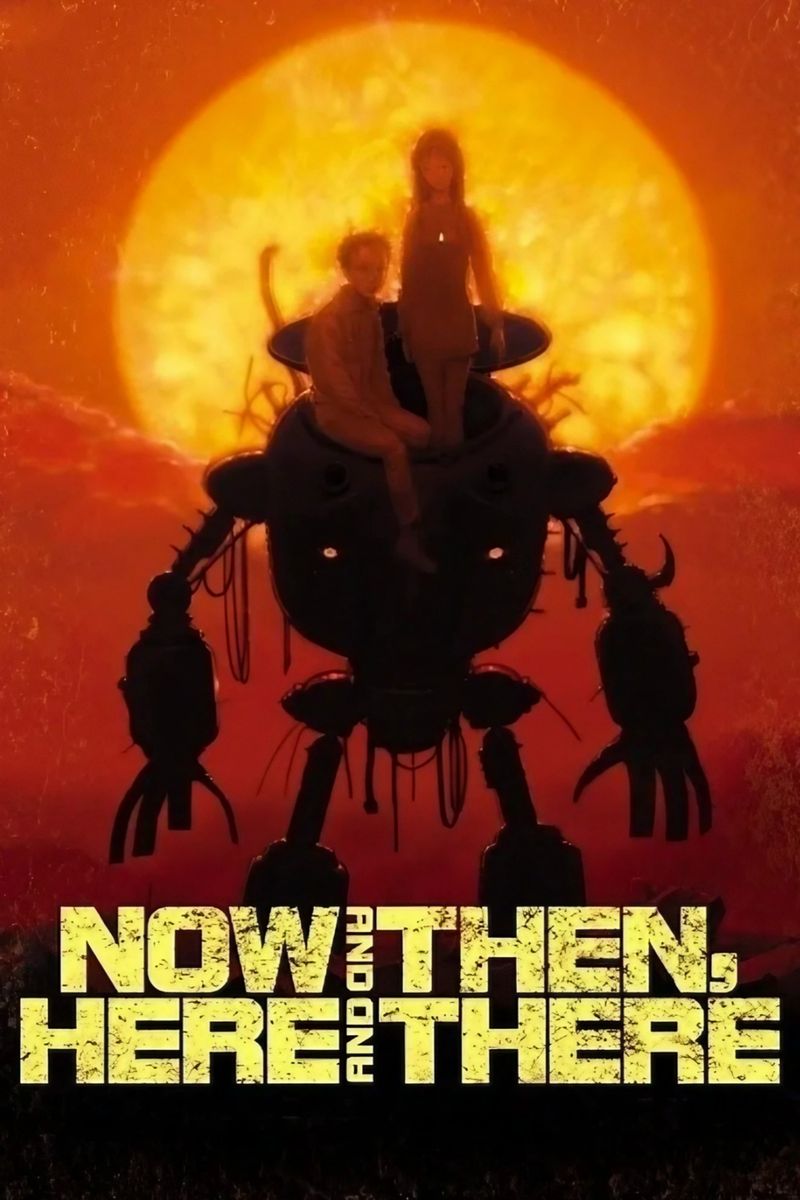
Few anime are as emotionally brutal and as quietly important as this one.
Now and Then, Here and There follows an ordinary boy thrown into a dystopian future ruled by a terrifying warlord who forces children into his army.
The show pulls no punches.
War, cruelty, and survival are shown with a rawness that most modern series avoid entirely.
Yet it never wallows in darkness for shock value alone.
Underneath the grim surface is a story about stubborn hope and human decency.
The main character refuses to give up his kindness no matter what happens.
That stubbornness becomes genuinely moving by the final episode.
7. Revolutionary Girl Utena (1997)
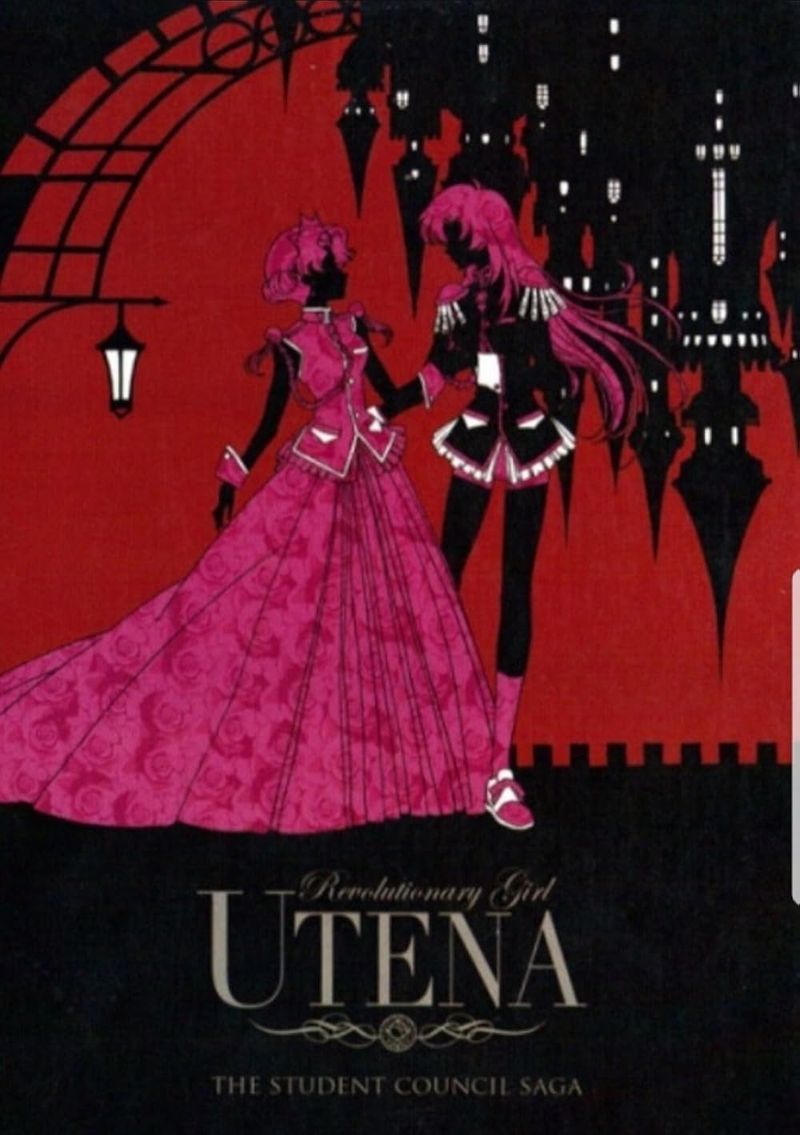
Revolutionary Girl Utena is one of those rare shows that gets more impressive the older it gets.
On the surface, it looks like a colorful fairy tale about a girl who wants to become a prince.
Underneath, it is a sharp, layered examination of power, gender, and the stories society tells young people about who they should be.
Every duel, every rose, every shadow play means something.
Director Kunihiko Ikuhara packed this series with symbolism that rewards multiple rewatches.
It is theatrical, weird, and deeply heartfelt all at once.
Calling it ahead of its time feels like an understatement — it was ahead of several decades.
8. Nadia: The Secret of Blue Water (1990)
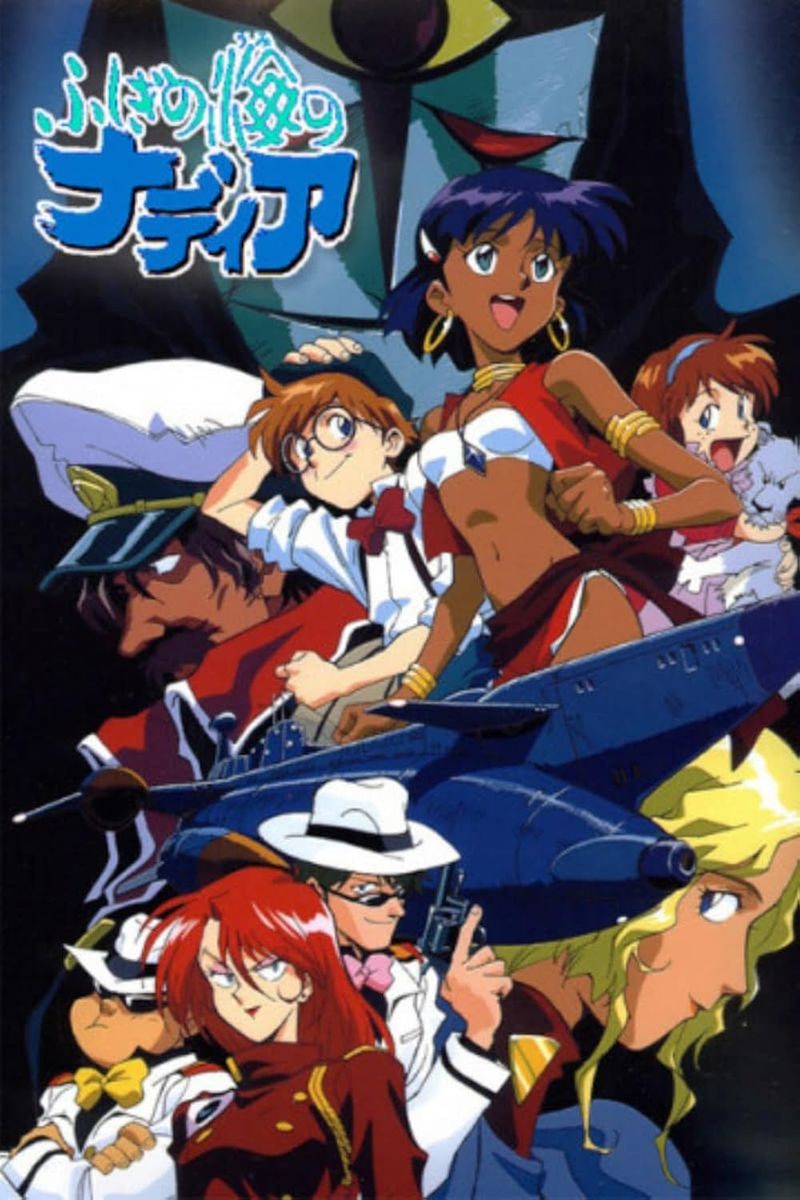
Loosely inspired by Jules Verne’s Twenty Thousand Leagues Under the Sea, Nadia: The Secret of Blue Water was directed by a then-young Hideaki Anno before he created Neon Genesis Evangelion.
The adventure follows a circus girl named Nadia and a young inventor named Jean as they flee mysterious villains across a beautifully imagined 1889 world.
The chemistry between the two leads is charming and genuinely funny.
Beyond the adventure, Nadia herself is a thoughtful, sometimes difficult character whose emotional journey feels earned.
The show balances lighthearted fun with surprisingly serious themes about identity and belonging.
It still holds up as one of the most entertaining adventure anime ever produced.
9. Slayers (1995)
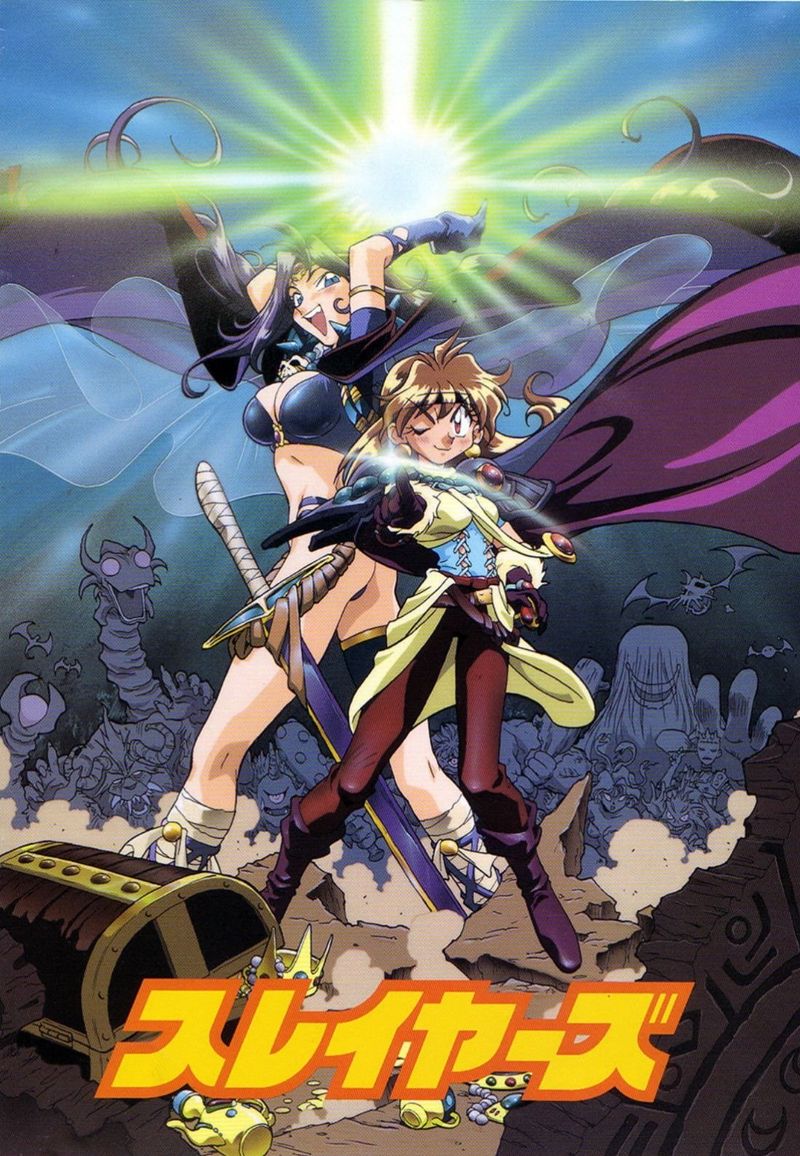
Back in 1995, Slayers arrived like a fireball to the face of standard fantasy anime — and it has never stopped burning brightly.
The show follows Lina Inverse, a teenage sorceress who is loud, greedy, dangerously powerful, and absolutely hilarious.
She parodies every fantasy hero trope while somehow also being a genuinely compelling protagonist.
The humor is sharp, self-aware, and still funny by today’s standards.
What keeps Slayers aging so well is its refusal to take itself too seriously without losing real stakes.
The later arcs bring emotional depth that sneaks up on you between the laughs.
Lina remains one of anime’s most entertaining leads, full stop.
10. Night on the Galactic Railroad (1985)
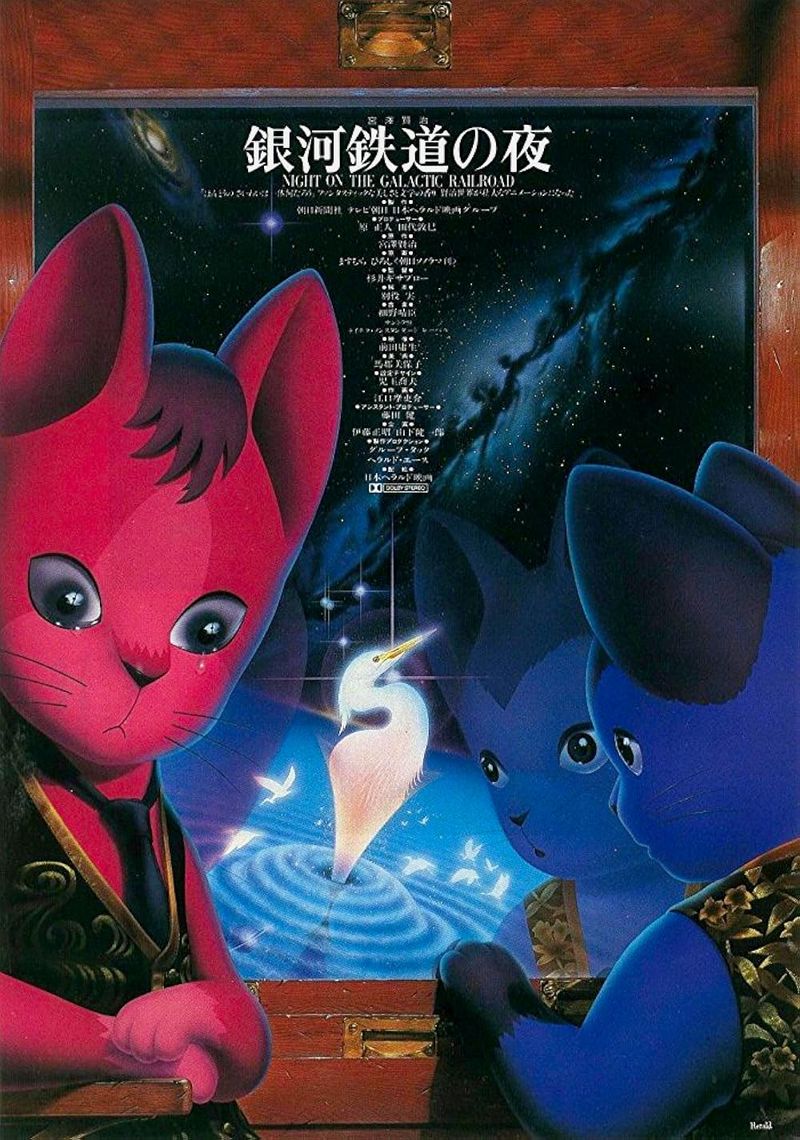
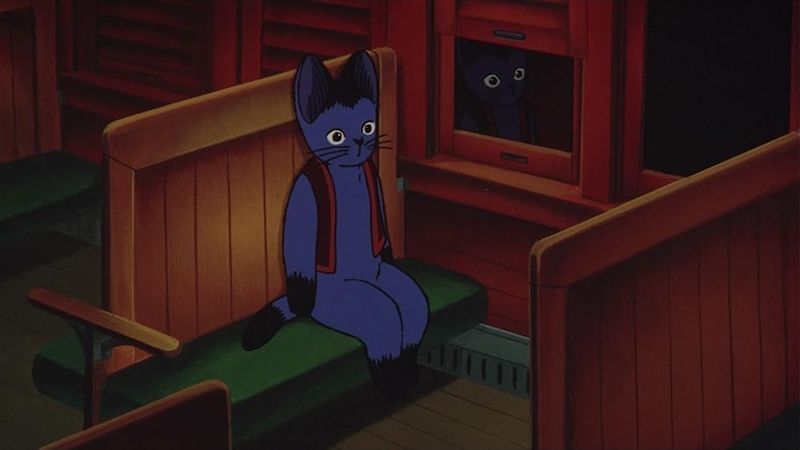
Based on a beloved Japanese novel, Night on the Galactic Railroad is one of the most quietly devastating animated films ever made.
Two young cat-boys board a mysterious train that travels through the stars, visiting strange and beautiful places along the way.
The journey feels dream-like and peaceful on the surface, but an undercurrent of sadness runs through every scene.
It is a film about loss, friendship, and what it means to truly sacrifice for someone you love.
The animation has a soft, otherworldly quality that no modern CGI can replicate.
It moves slowly on purpose, giving each moment room to breathe and settle into your heart.
11. Invincible Super Man Zambot 3 (1977–1978)
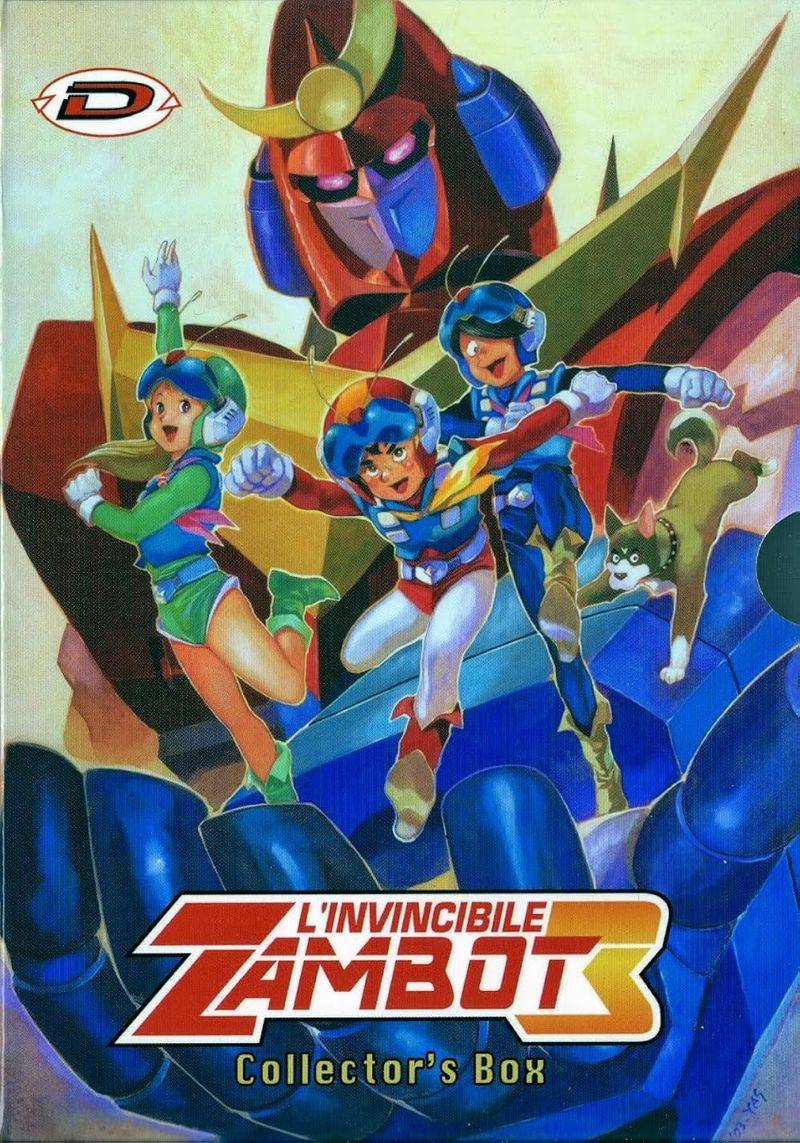
Most people credit Mobile Suit Gundam for changing the super robot genre, but Zambot 3 got there first.
Created by Yoshiyuki Tomino in 1977, this show was one of the earliest mecha series to show the real human cost of giant robot battles.
Civilians die.
Heroes fail.
The enemy is relentless.
For a children’s show from the 1970s, it is shockingly bleak and emotionally honest about what war actually does to people.
That willingness to go dark earned it a reputation that still endures among serious anime fans.
It laid the groundwork for every serious mecha story that followed.
Respect is long overdue for this forgotten trailblazer.
12. Ushio & Tora (1992–1993)
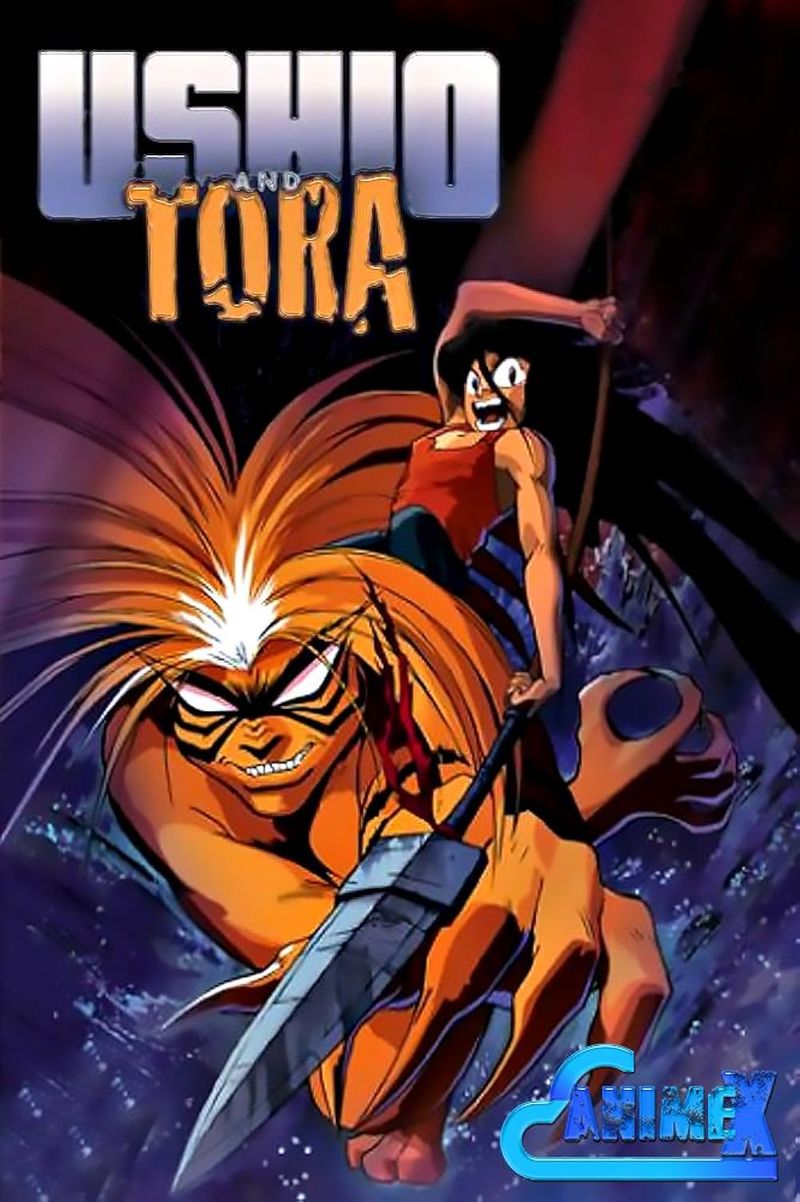
Picture a grumpy ancient tiger demon forced to follow around a stubborn middle school kid — and somehow they become one of anime’s greatest duos.
Ushio and Tora is a monster-fighting action series built on a friendship that neither character wants to admit they have.
The action sequences are energetic and satisfying, but the real draw is watching these two reluctantly come to respect each other episode by episode.
The OVA format keeps everything punchy and well-paced with zero filler.
It is the kind of show that reminds you why simple, well-executed ideas often outshine elaborate ones.
Warm, exciting, and endlessly rewatchable.
13. Perfect Blue (1997)
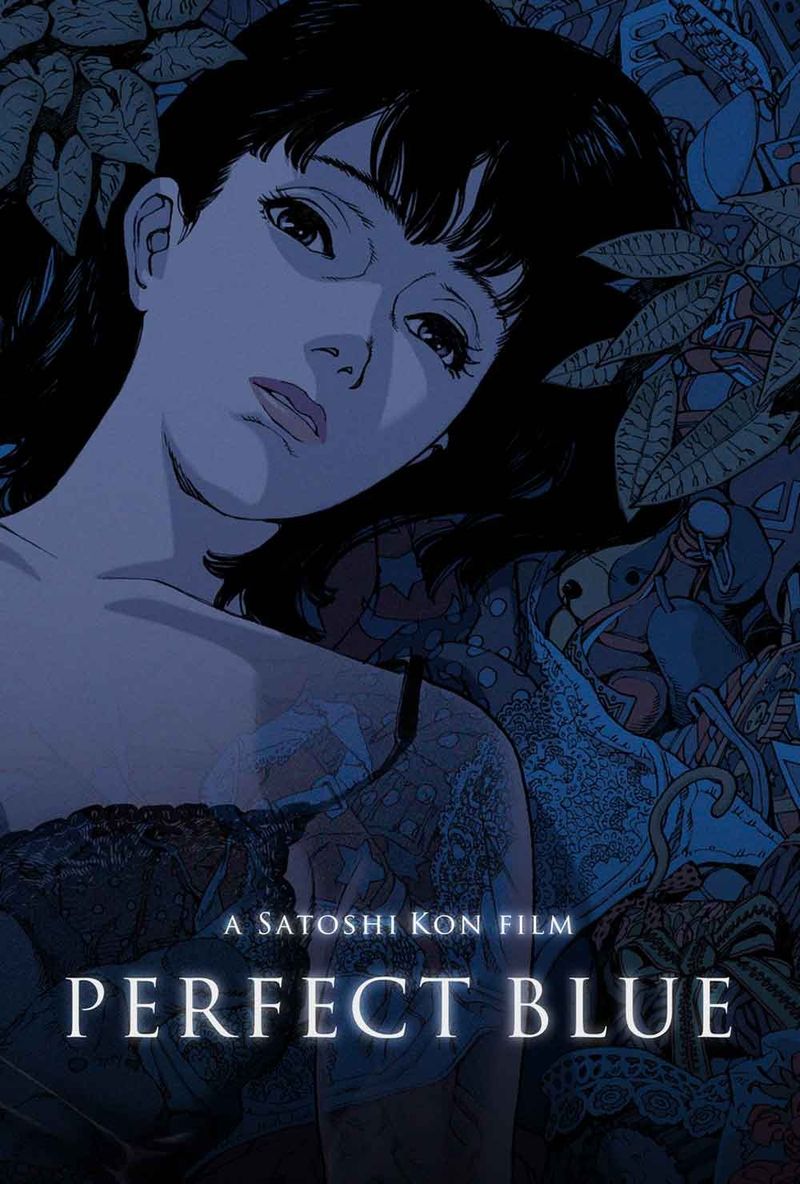
Satoshi Kon’s debut film is a psychological thriller so sharp and so disturbing that it influenced Hollywood directors including Darren Aronofsky.
Perfect Blue follows Mima, a pop idol who leaves her music career to become an actress — and begins to lose her grip on reality as an obsessive stalker and the pressures of fame close in around her.
It is genuinely unsettling in the best possible way.
The film’s themes about celebrity, identity, and the violence of public obsession feel even more relevant in the age of social media.
Kon crafted something that grows more prophetic with every passing year.
A masterpiece that refuses to age quietly.
14. Nausicaä of the Valley of the Wind (1984)
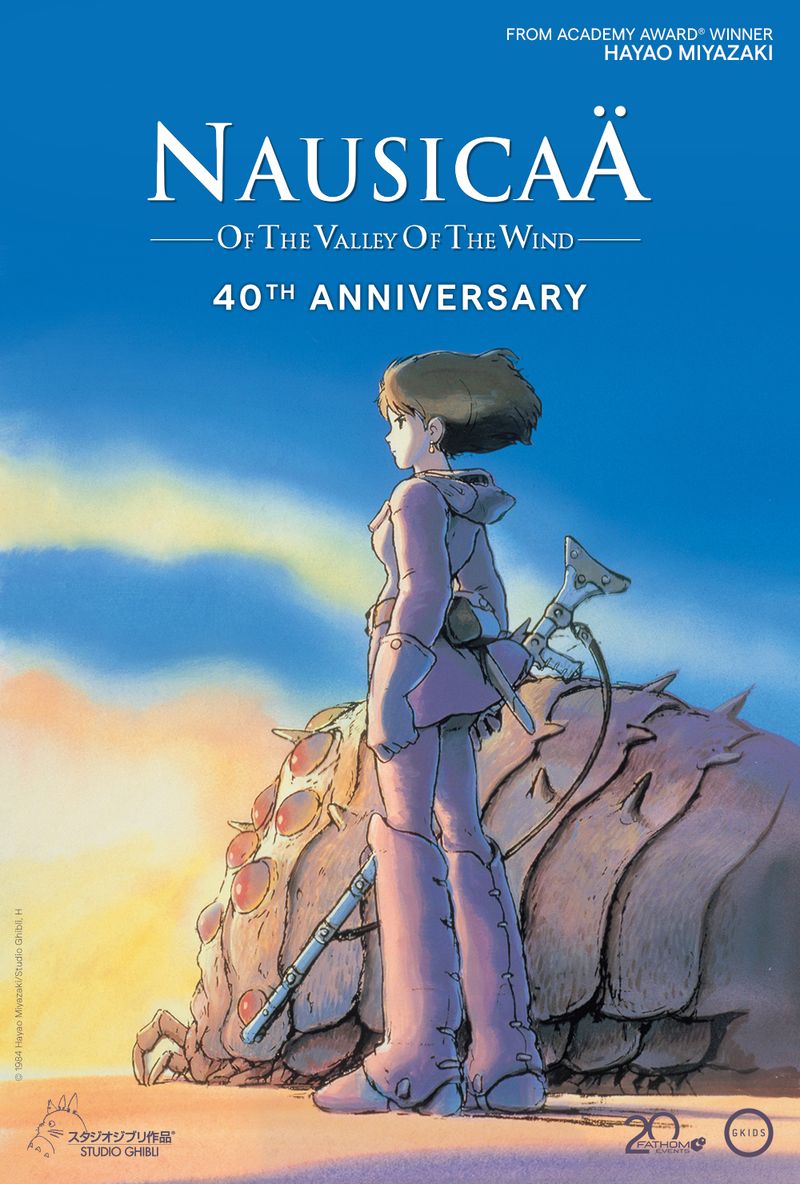
Released forty years ago, Nausicaä of the Valley of the Wind still hits harder than most environmental films made today.
Hayao Miyazaki’s epic follows a young princess navigating a world poisoned by human conflict, where massive insects and toxic forests have replaced the old civilizations.
Nausicaä herself is one of animation’s most complete protagonists — brave, empathetic, and genuinely curious about the world rather than afraid of it.
The film’s message about coexisting with nature rather than conquering it has only grown more urgent over time.
Every frame is packed with imagination and care.
It is the rare film that makes you feel hopeful and heartbroken at the same time.
Comments
Loading…