
 Mary Murphy
14 Underrated Films That Teach Brilliant Psychology Lessons
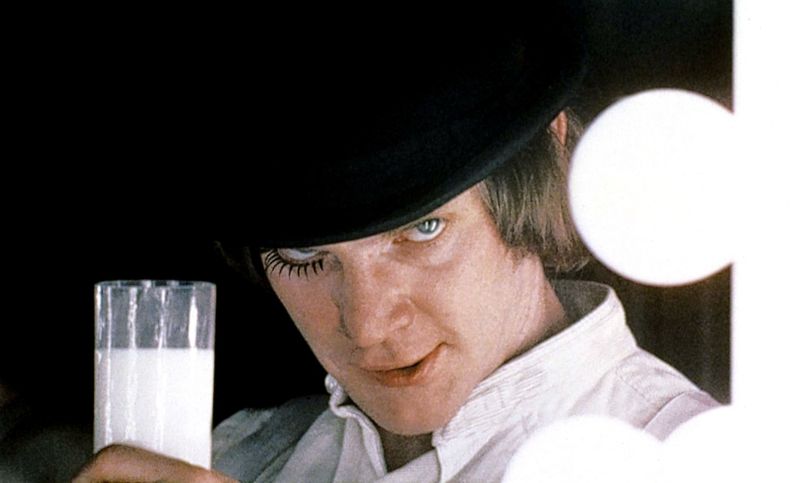
Movies do more than entertain us—they can teach us about the human mind in ways textbooks sometimes cannot. Some films explore mental health, moral choices, identity struggles, and the hidden corners of our thoughts with stunning accuracy and creativity.
While blockbusters grab headlines, many lesser-known movies offer deep psychological insights that stick with you long after the credits roll.
1. The Stanford Prison Experiment
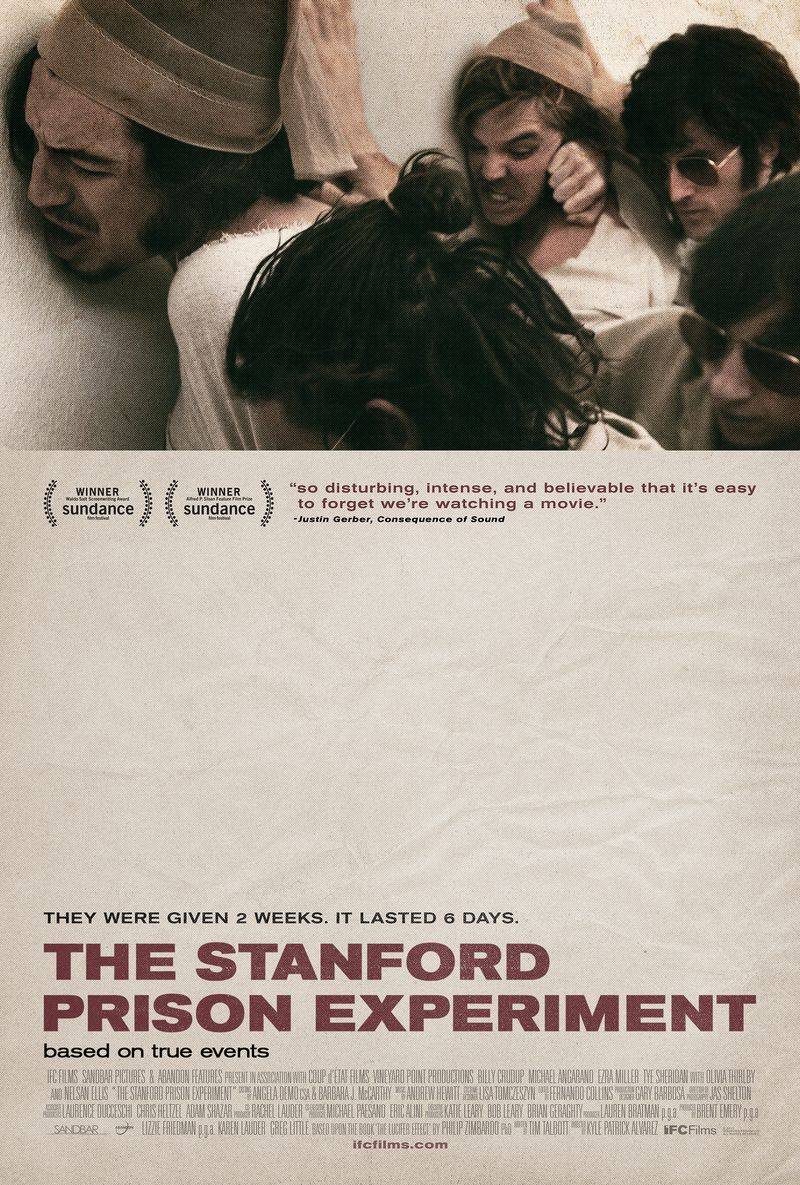
Ever wonder how quickly ordinary people can turn cruel when given power?
This 2015 film recreates one of psychology’s most infamous studies from 1971.
College students were randomly assigned roles as guards or prisoners in a fake jail.
Within days, the guards became abusive and the prisoners showed signs of serious emotional distress.
The experiment was shut down early because things got too intense.
It reveals how situations and social roles can override our personal values.
Watching this film makes you question how you might behave under similar circumstances.
Authority and environment shape behavior more than we like to admit.
2. Repulsion
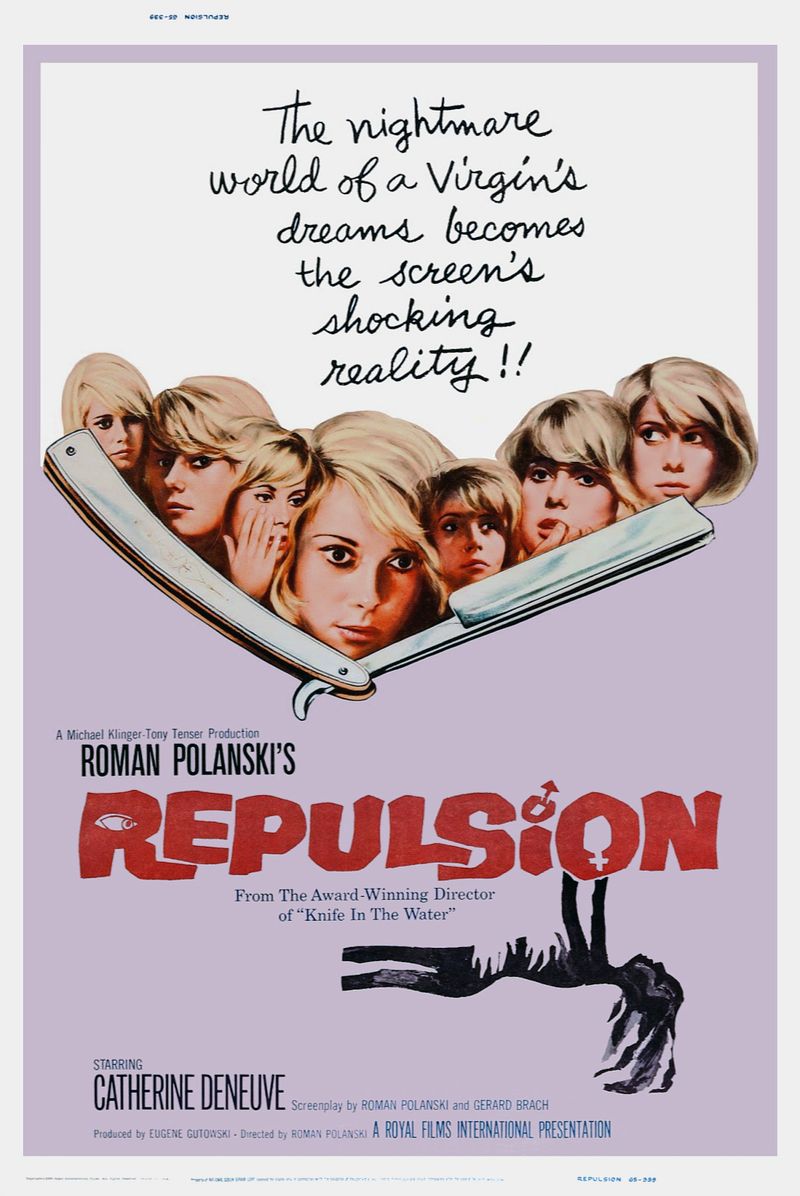
Alone in her apartment, young Carol’s world begins to unravel in Roman Polanski’s 1965 masterpiece, as anxiety and hallucinations blur the line between reality and fear.
The film brilliantly portrays symptoms of what might be schizophrenia or severe anxiety disorder.
Walls crack and hands reach out from nowhere as Carol’s mind unravels.
What makes it educational is how it puts you inside her terrifying mental state.
You experience her paranoia and confusion firsthand.
The movie demonstrates how mental illness can distort perception completely.
Reality becomes impossible to distinguish from delusion.
3. The Machinist

Christian Bale lost 63 pounds to play Trevor, a factory worker who hasn’t slept in a year.
His extreme insomnia leads to hallucinations and paranoia that turn his life into a waking nightmare.
Sleep deprivation is a real psychological phenomenon that can cause serious cognitive problems.
Trevor’s deteriorating mental state shows what happens when the brain is denied rest for extended periods.
The film also explores guilt and how unresolved trauma haunts us.
Trevor’s insomnia has a psychological root tied to a repressed memory.
By the end, you understand how our minds protect us from unbearable truths through dissociation.
4. Donnie Darko

A giant demonic rabbit tells teenager Donnie the world will end in 28 days.
Is he experiencing psychosis, time travel, or something else entirely?
This cult classic explores schizophrenia symptoms like hallucinations and delusions in a thought-provoking way.
Donnie sees things others don’t and believes he has a special mission.
The film never gives easy answers about what’s real and what’s mental illness.
It challenges viewers to consider how we define sanity.
Adolescence is when many mental health conditions first appear, making Donnie’s age significant.
His philosophical questions about fate and free will add another psychological layer.
5. Martha Marcy May Marlene

After escaping a cult, Martha struggles to readjust to normal life while staying with her sister.
Her paranoia and flashbacks make every moment feel dangerous.
The film brilliantly depicts post-traumatic stress disorder and how trauma memories intrude on daily life.
Past and present blur together in Martha’s fractured mind.
Cult psychology is also explored—how manipulation and abuse can make victims doubt their own perceptions.
Martha was systematically broken down and rebuilt according to the cult leader’s vision.
Recovery from such experiences isn’t straightforward or quick.
Trust becomes nearly impossible when your reality has been controlled by someone else.
6. Gone Girl
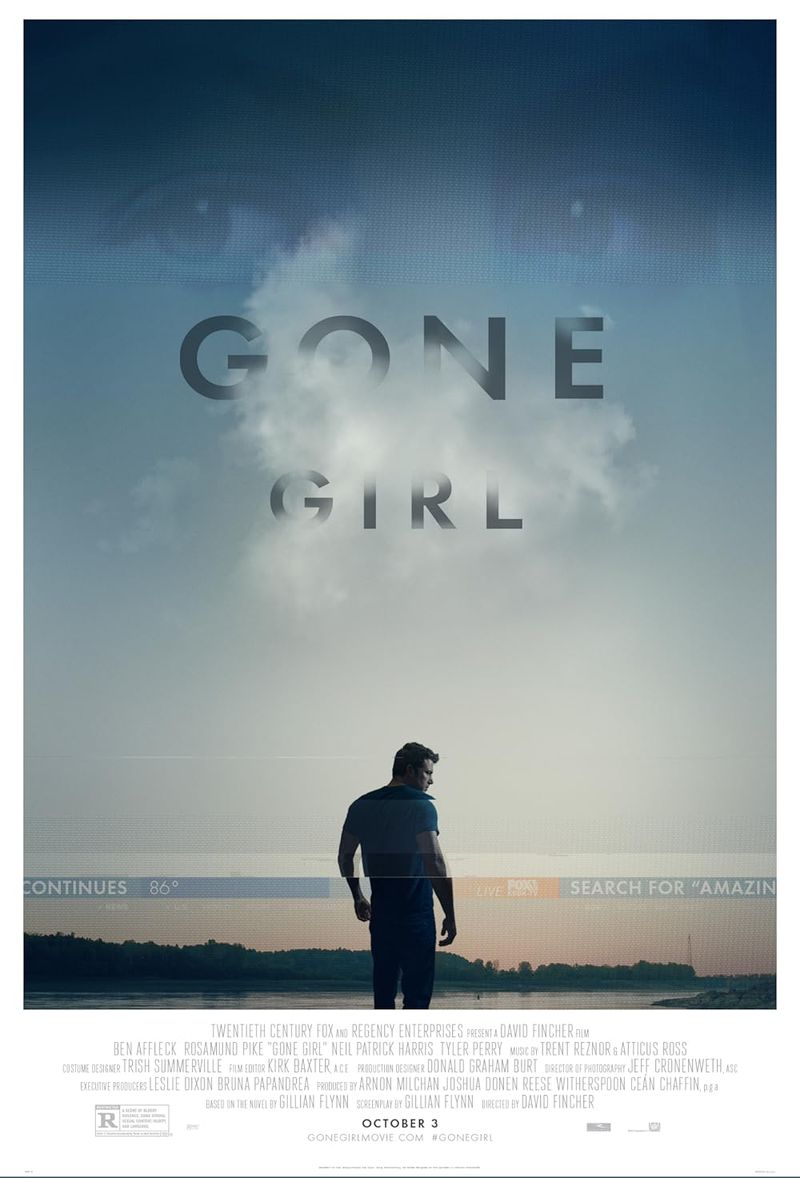
What happens when a marriage becomes a psychological battleground?
Amy Dunne stages her own disappearance to frame her husband for murder in this twisted thriller.
The film explores narcissistic personality disorder and antisocial traits through Amy’s calculated manipulation.
She lacks empathy and views people as tools to achieve her goals.
Media influence on public perception is another key theme.
How we present ourselves versus who we really are creates a fascinating psychological gap.
The movie also examines codependency and toxic relationships.
Both partners play dangerous games rather than communicating honestly, leading to devastating consequences.
7. A Clockwork Orange
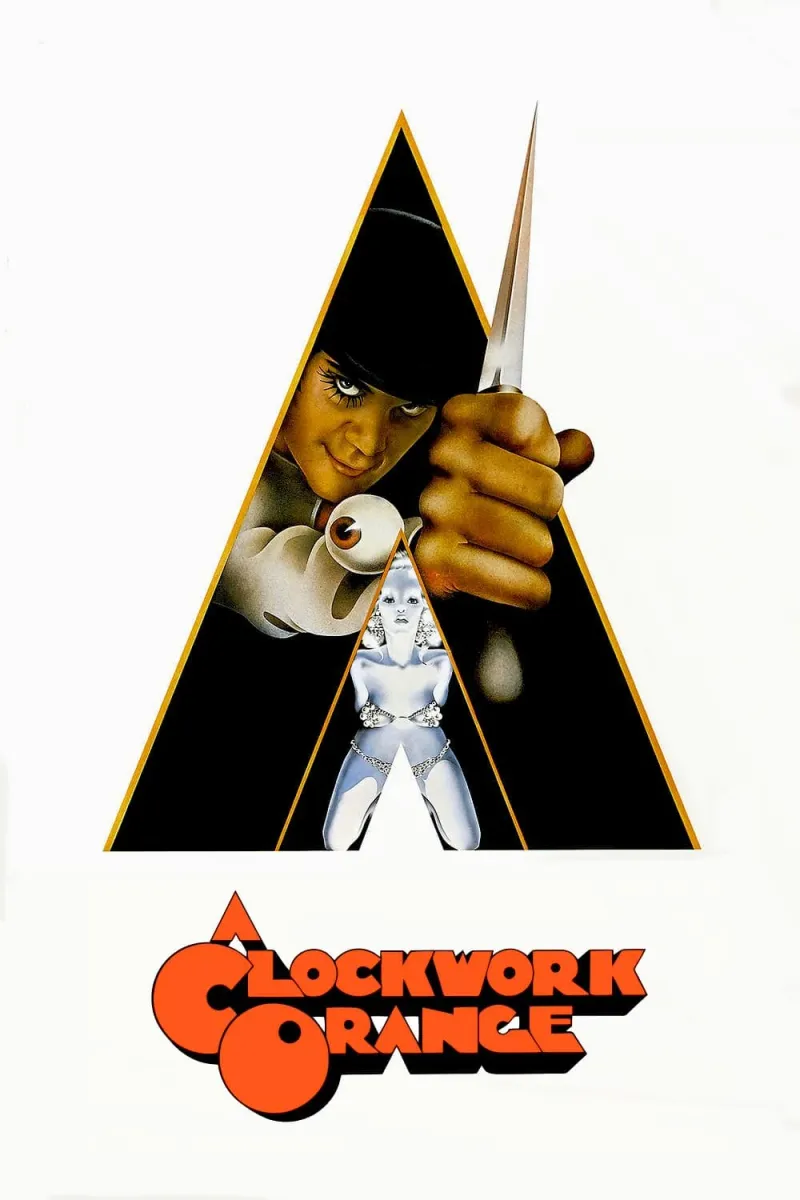
Stanley Kubrick’s controversial 1971 film follows violent delinquent Alex who undergoes experimental aversion therapy.
The treatment makes him physically ill when exposed to violence or certain music.
Classical conditioning is the main psychological concept here, based on Pavlov’s famous experiments.
By pairing violence with nausea, doctors try to reprogram Alex’s behavior.
But the film asks profound questions about free will and morality.
If someone can’t choose to be good, are they truly moral?
The treatment strips away Alex’s humanity along with his violent tendencies.
It’s a disturbing look at behavioral modification taken to extremes.
8. Anomalisa
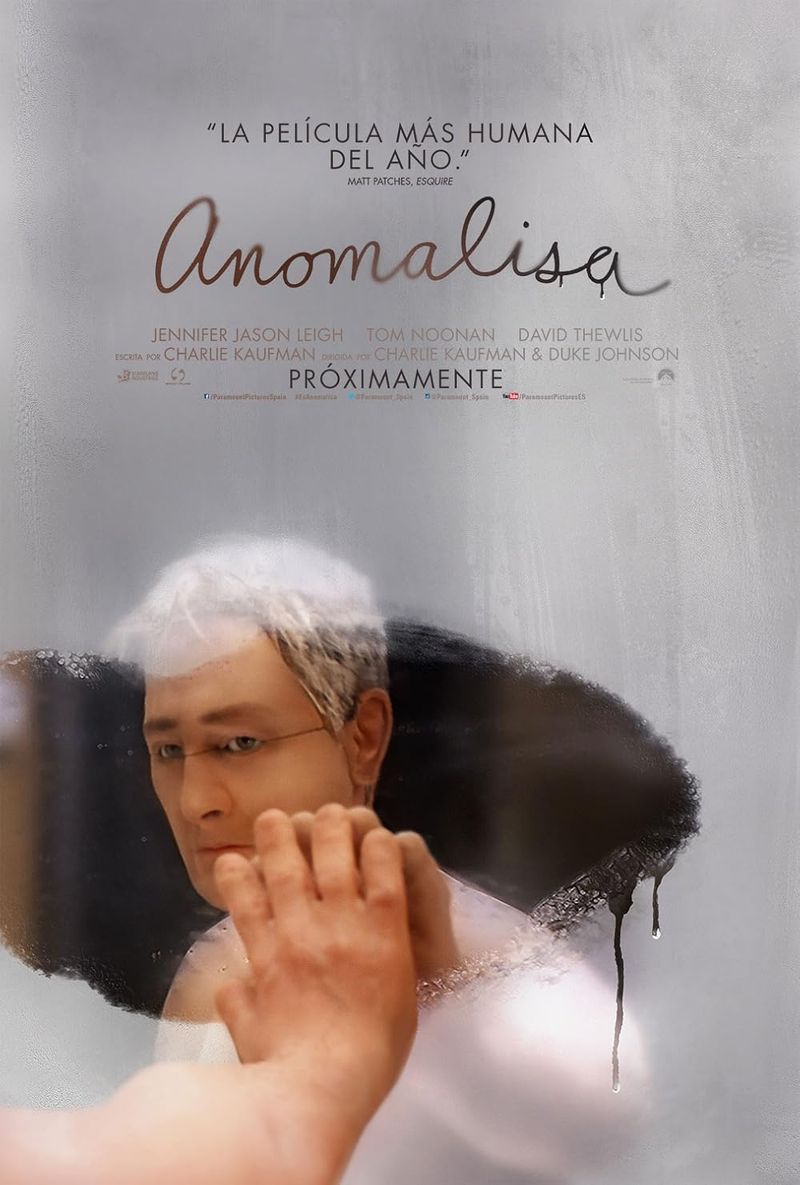
Imagine hearing everyone’s voice as exactly the same monotone sound.
That’s Michael’s reality in this unique stop-motion film about profound depression and disconnection.
The movie explores a condition called the Fregoli delusion, where someone believes different people are actually the same person.
Michael perceives everyone as identical and meaningless.
His emotional numbness and inability to connect represent symptoms of severe depression.
Nothing brings joy or feels authentic anymore.
When he meets Lisa, whose voice sounds different, he briefly feels alive again.
But his psychological issues run too deep for one person to fix, showing how mental health requires real work.
9. Good Will Hunting
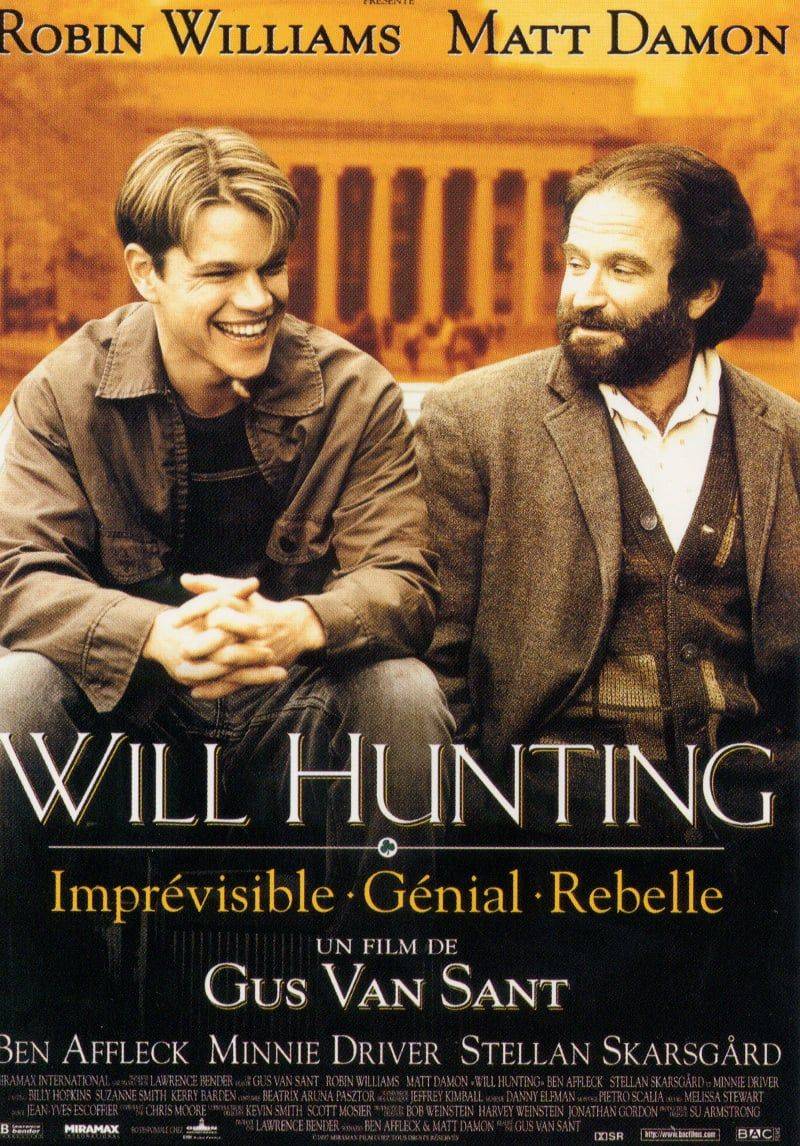
Genius janitor Will Hunting can solve complex math equations but can’t escape his traumatic past.
His defensive sarcasm and fear of vulnerability stem from childhood abuse.
The therapy sessions between Will and Sean show how trust develops gradually in counseling.
Sean doesn’t judge or force Will to open up before he’s ready.
Attachment theory explains Will’s fear of abandonment and intimacy.
He pushes people away before they can hurt him, a common defense mechanism.
The famous scene where Sean repeats that the abuse wasn’t Will’s fault demonstrates how trauma survivors often carry misplaced guilt.
Healing requires accepting that truth.
10. 12 Angry Men
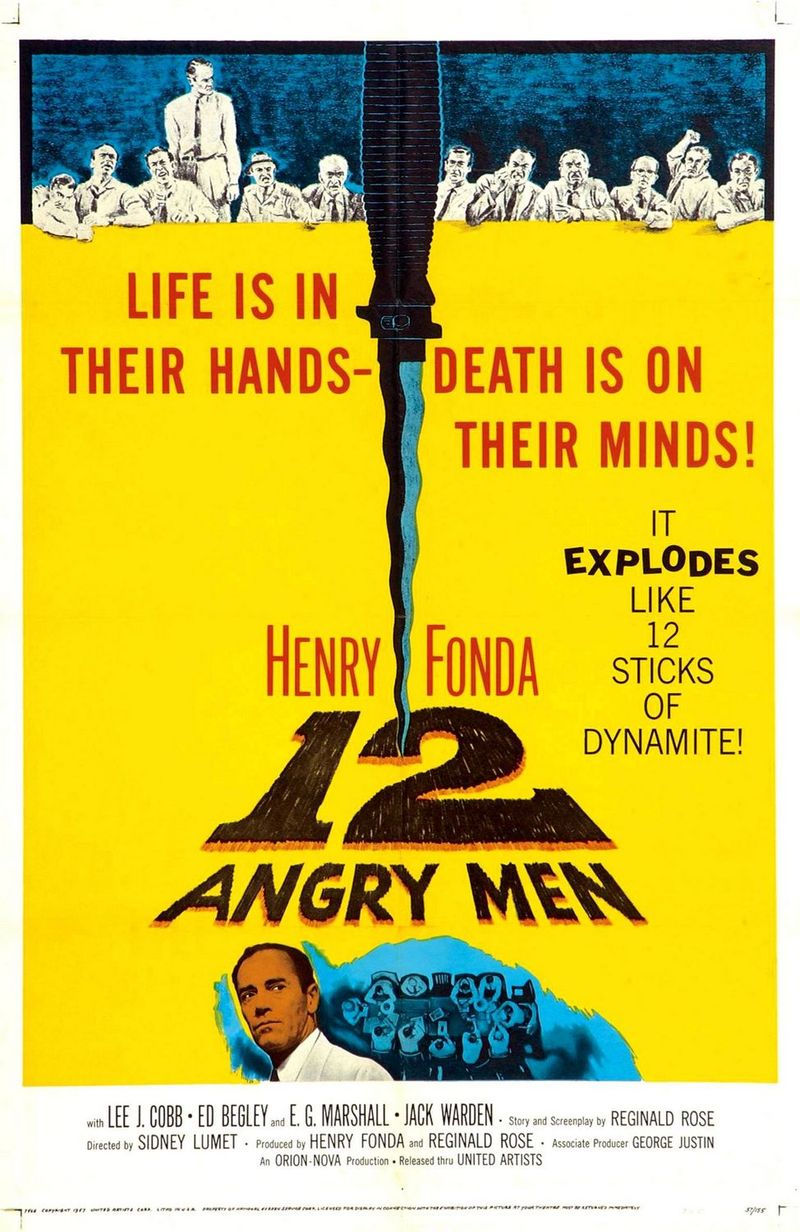
One juror stands against eleven others who want to quickly convict a teenager of murder.
This 1957 classic is basically a psychology textbook about group dynamics and persuasion.
Conformity pressure is intense—most jurors initially vote guilty just to go along with the majority.
Groupthink nearly leads to a wrongful conviction.
The film shows how biases and personal experiences cloud judgment.
Several jurors project their own issues onto the case rather than examining evidence objectively.
One man’s courage to question assumptions gradually changes minds through reasoned discussion.
It demonstrates the power of critical thinking over emotional reactions.
11. The Perks of Being a Wallflower
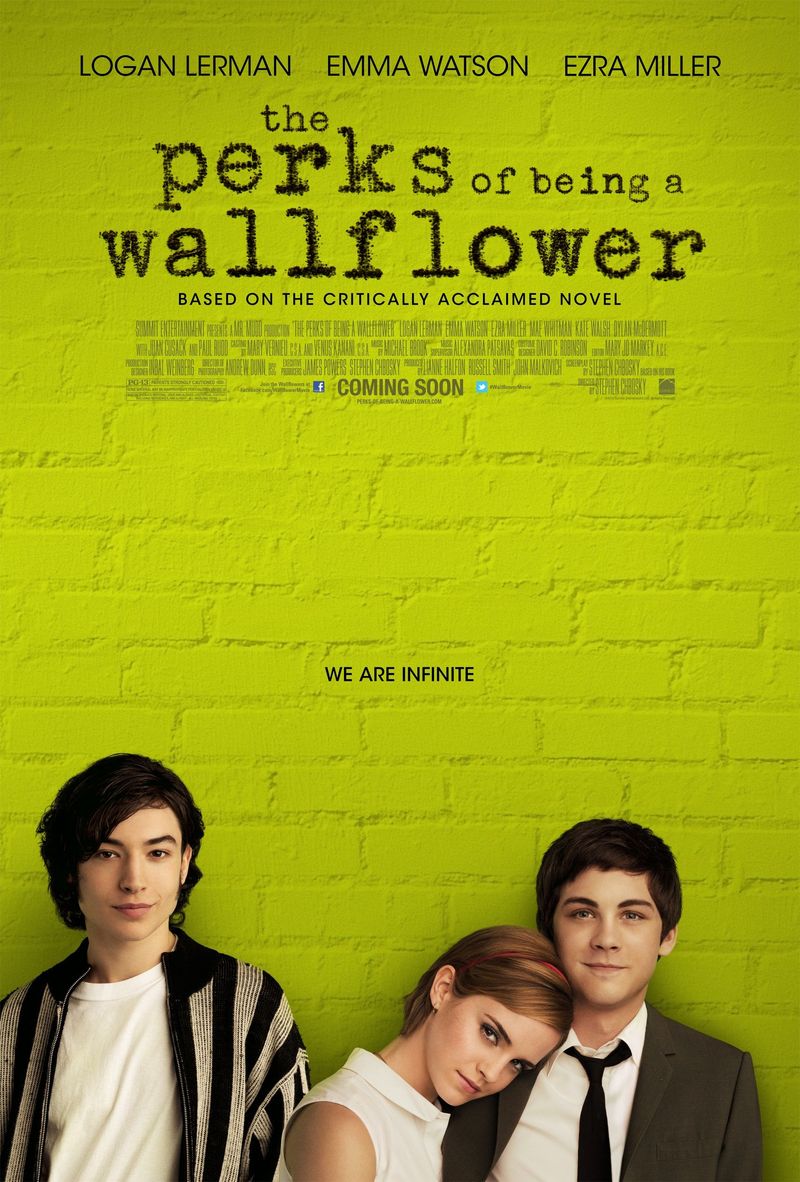
In a quiet corner of high school, shy freshman Charlie grapples with depression and buried trauma, sharing his deepest thoughts through letters to an anonymous friend.
The film sensitively portrays adolescent mental health issues including anxiety, depression, and PTSD.
Charlie experiences dissociative episodes when memories become too overwhelming.
Friendship serves as powerful medicine throughout his journey.
His new friends provide acceptance and belonging that help him heal.
The climax reveals childhood abuse that Charlie had blocked from memory.
This demonstrates how the mind protects itself from unbearable trauma through repression, though those memories still affect behavior.
12. Pi
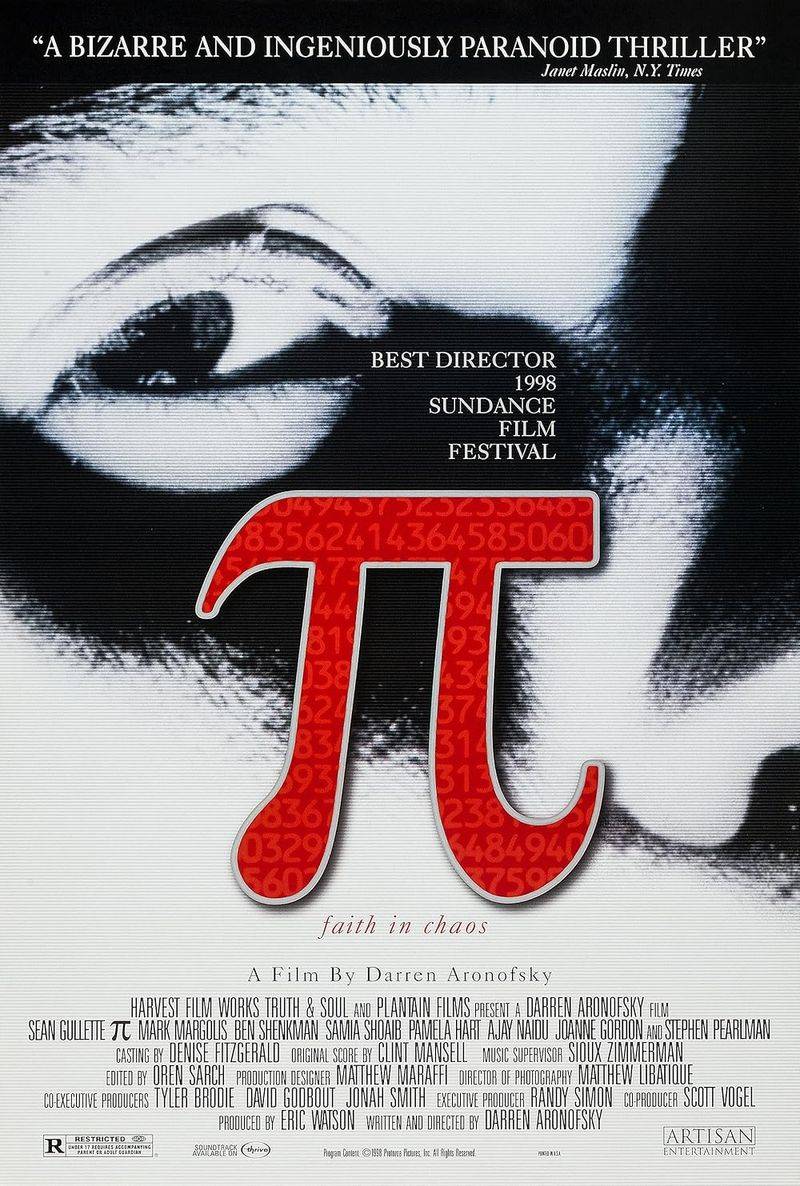
Mathematician Max believes everything in nature can be understood through numbers.
His obsessive search for patterns in the stock market drives him toward madness.
Obsessive-compulsive disorder takes center stage as Max performs rituals and becomes consumed by his theories.
He can’t stop searching even as his health deteriorates.
The film also depicts severe paranoia and possibly schizophrenia.
Max believes various groups are hunting him for his discoveries.
Filmed in stark black and white with a pulsing soundtrack, the movie puts you inside Max’s fractured mental state.
His migraines and hallucinations become your experience, showing how mental illness distorts reality.
13. Sybil

Based on a controversial true story, Sybil presents a woman with 16 distinct personalities resulting from severe childhood abuse.
Each personality has different ages, genders, and characteristics.
Dissociative identity disorder remains one of psychology’s most debated diagnoses.
The film shows how extreme trauma in childhood can fragment identity as a survival mechanism.
While the real case has been questioned by researchers, the movie illustrates how the mind compartmentalizes unbearable experiences.
Different personalities hold different memories and emotions.
Therapy involves integrating these separate identities into one cohesive self.
The process is lengthy and painful as Sybil confronts the abuse she endured.
14. The Great Hypnotist

A renowned Chinese psychiatrist who specializes in hypnotherapy meets a mysterious patient who challenges everything he knows.
Their sessions blur the line between therapist and patient, reality and illusion.
The film explores hypnosis as a legitimate therapeutic tool while questioning how much control we have over our own minds.
Can memories be implanted or are they always real?
Psychological manipulation becomes a chess game between two intelligent minds.
Each tries to uncover the other’s secrets while protecting their own.
The twist ending forces you to reconsider everything you watched.
It demonstrates how perception shapes our understanding of truth and mental health.
Comments
Loading…