
 Jade Reed
14 TV Shows With the Best Final Seasons
Saying goodbye to a beloved TV show can feel bittersweet, but some series manage to stick the landing with unforgettable final seasons. When writers and creators know the end is near, they can craft powerful conclusions that leave fans satisfied rather than disappointed.
These shows didn’t just fade away or overstay their welcome—they went out on top with emotional depth, bold storytelling, and memorable moments that still spark conversations years later.
1. Breaking Bad
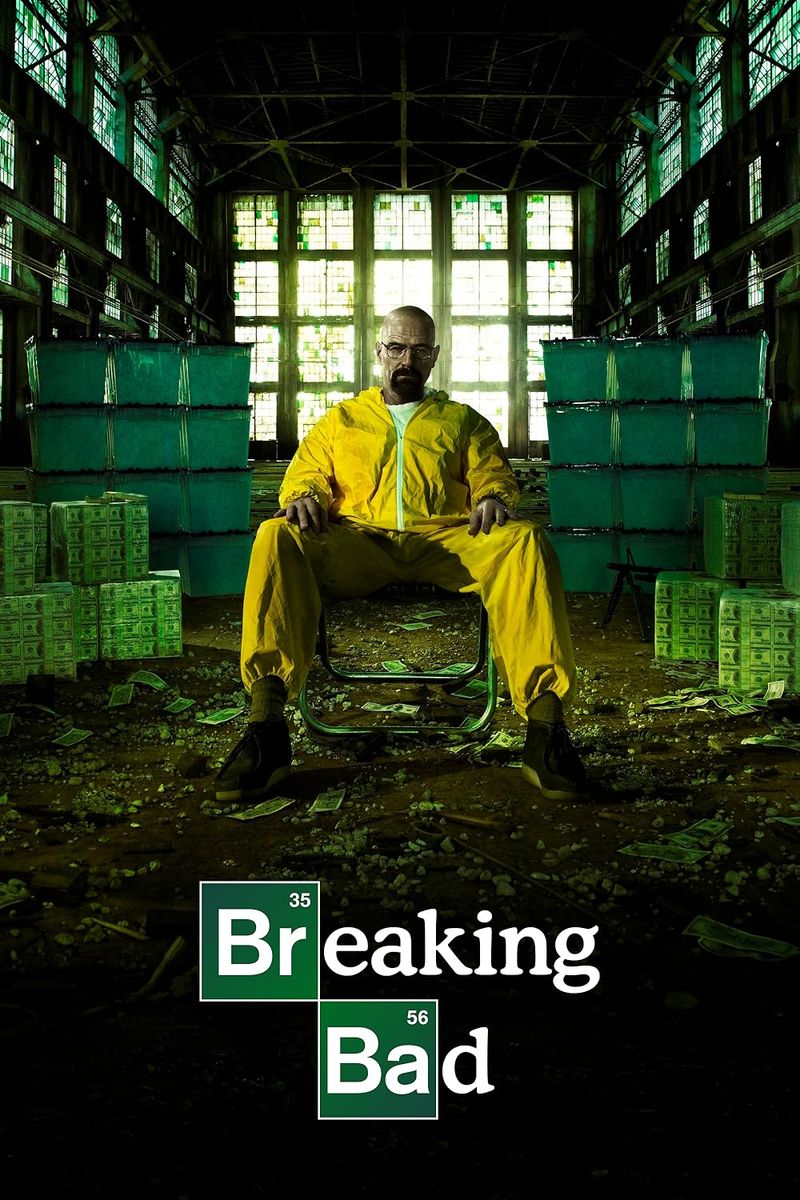
Walter White’s transformation from mild-mannered teacher to ruthless drug lord reached its explosive conclusion in a final season that never missed a beat.
Every loose thread got tied up perfectly, and the tension kept building until the very last moment.
Vince Gilligan and his team knew exactly where they were heading, delivering shocking twists that somehow felt inevitable.
The famous flash-forward scenes at the beginning of each episode kept viewers guessing about Walt’s fate.
Nobody walked away from this show feeling cheated.
The series finale remains one of the most satisfying endings in television history, proving that careful planning and bold choices pay off.
2. The Leftovers
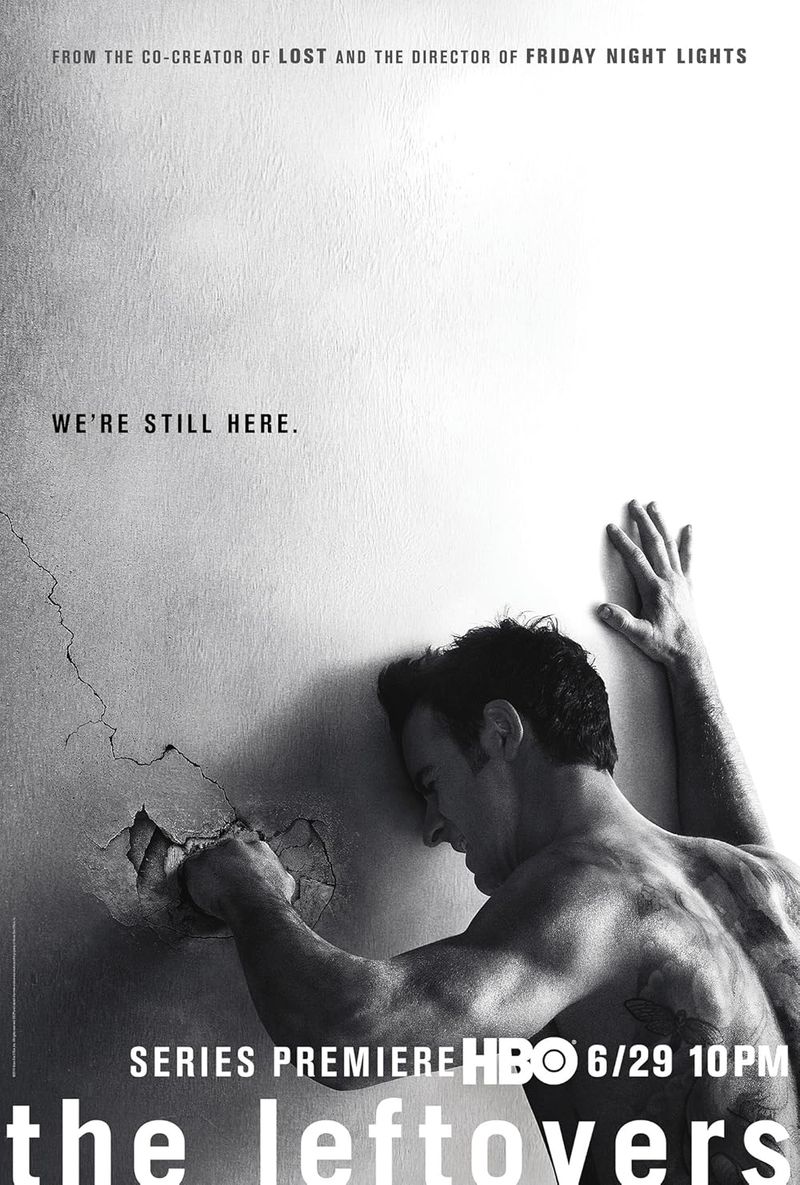
After the backlash to Lost’s ending, Damon Lindelof approached The Leftovers’ finale with hard-earned wisdom, delivering something extraordinary.
A series defined by grief and unanswered questions closed with a season that leaned into that ambiguity with remarkable assurance.
The entire third season felt like a beautiful, heartbreaking poem about loss and healing.
Characters who had been suffering for years finally found moments of peace, even if the big questions remained unanswered.
That final conversation between Nora and Kevin remains one of television’s most powerful scenes.
Whether you believe her story or not doesn’t matter—the emotional truth rings clear and unforgettable.
3. Better Call Saul

Few prequels manage to match their predecessor’s quality, but Better Call Saul actually exceeded Breaking Bad in many ways.
The final season brought Jimmy McGill’s tragic journey full circle with heartbreaking precision.
Watching Jimmy choose to become Saul Goodman felt devastating because we understood every painful decision that led him there.
The black-and-white Gene timeline finally caught up with the main story, revealing what happened after Breaking Bad ended.
Bob Odenkirk and Rhea Seehorn delivered career-best performances that left viewers emotionally destroyed.
That courtroom confession in the finale proved redemption sometimes means accepting the consequences of your choices.
4. Succession
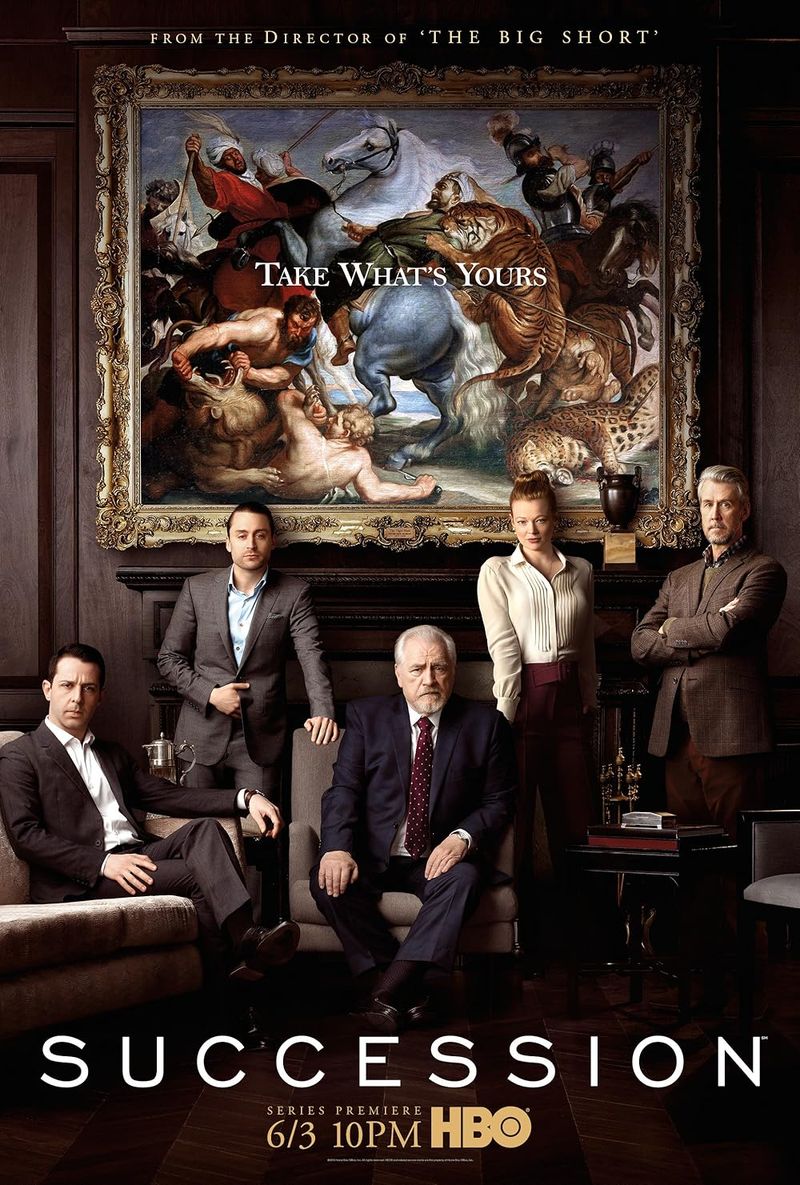
The battle for Waystar Royco reached its bitter conclusion with a final season that felt like watching a Shakespearean tragedy unfold in real time.
Jesse Armstrong’s dark comedy about wealth and family dysfunction never pulled its punches.
Kendall, Shiv, and Roman’s relationships crumbled under the weight of their ambition and childhood trauma.
Each episode ratcheted up the tension as the siblings formed and broke alliances with ruthless efficiency.
That final boardroom scene delivered one of television’s most devastating gut punches.
Nobody got what they truly wanted, which felt perfectly appropriate for a show about people who already had everything except happiness.
5. The Americans

Philip and Elizabeth Jennings spent years lying to everyone around them, but their final season forced them to confront the truth about themselves.
This Cold War spy thriller became a meditation on marriage, identity, and the cost of loyalty.
As their cover began crumbling, the tension became almost unbearable to watch.
Their daughter Paige discovering the truth added emotional layers that elevated the show beyond typical spy drama.
That train scene in the finale, with U2’s song playing, remains absolutely perfect.
The show ended not with explosions but with quiet devastation, showing that sometimes the hardest battles happen inside our own hearts.
6. Mad Men
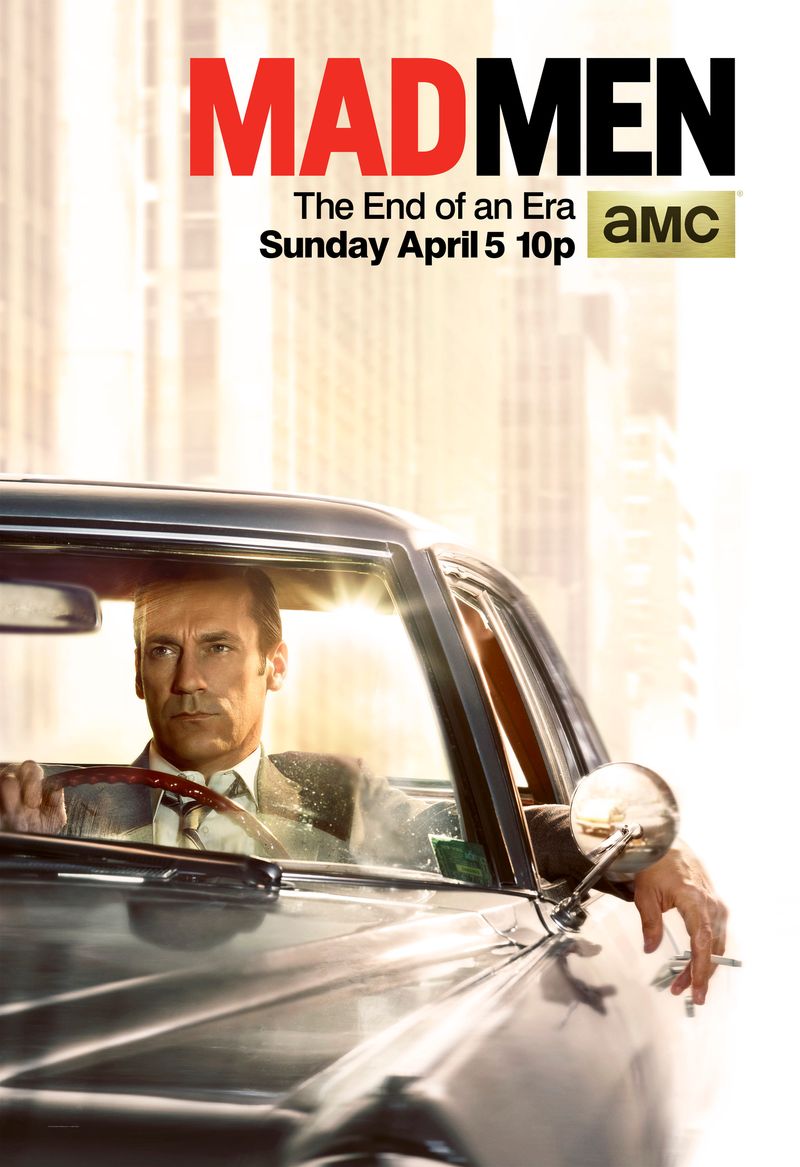
In its final season, Don Draper’s quest for purpose carried him across the nation in a story divided into two parts, blending introspection with momentum.
Matthew Weiner provided each character with satisfying resolution while preserving the show’s trademark ambiguity.
Peggy finally got the recognition she deserved, Joan broke free from corporate limitations, and Roger found unexpected happiness.
These characters grew and changed in ways that felt earned after seven seasons.
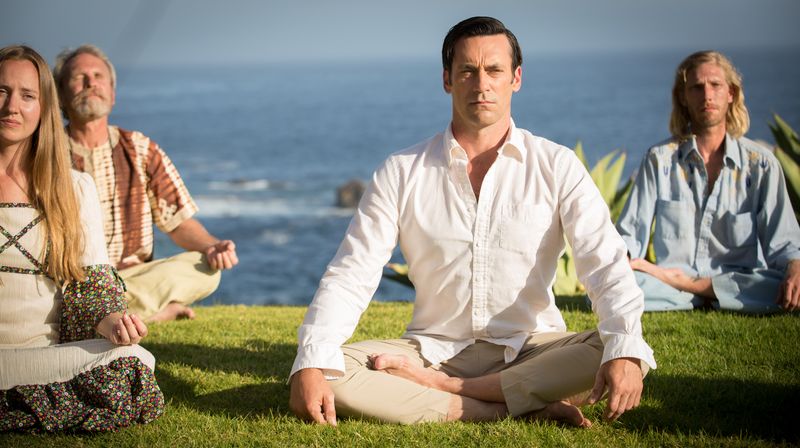
That final scene with Don meditating at a retreat before creating the famous Coke commercial remains brilliantly open to interpretation.
Did he find peace or just another advertising angle? The beauty lies in not knowing for certain.
7. Six Feet Under
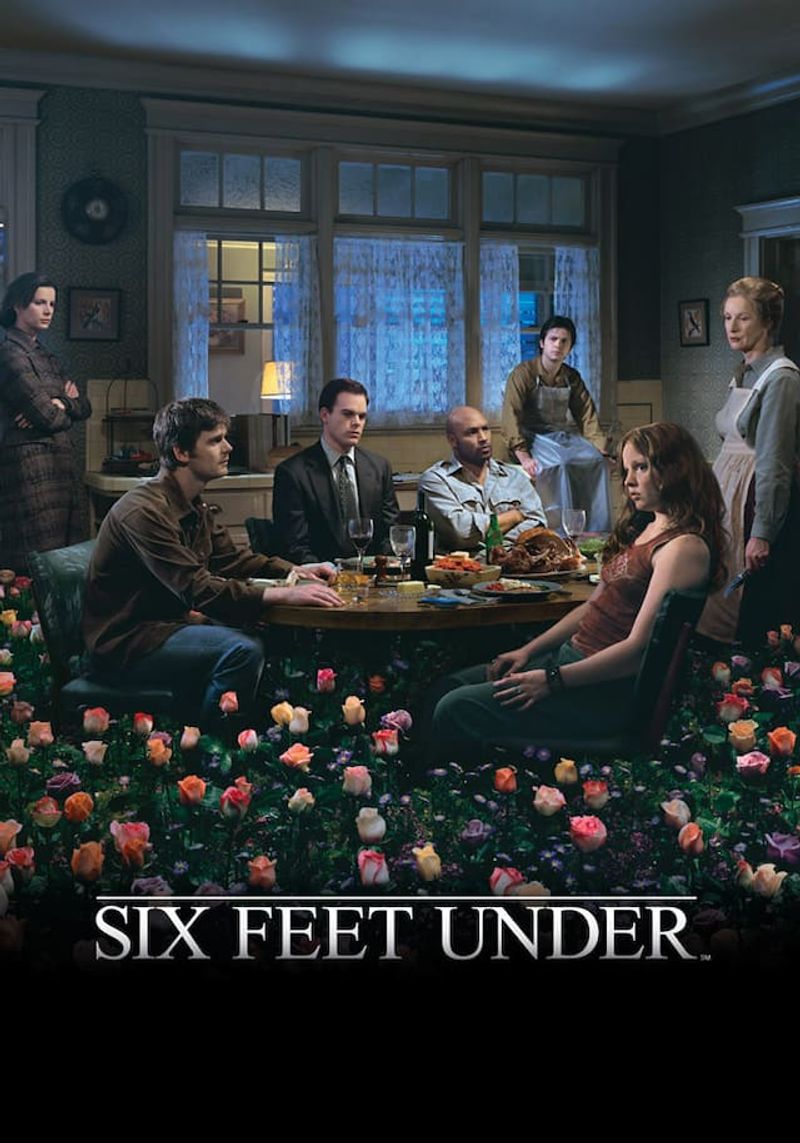
A show about death delivered the most life-affirming finale in television history.
The Fisher family’s funeral home business provided countless lessons about mortality, but nothing prepared viewers for that legendary final sequence.
Claire’s journey from troubled teenager to independent artist reached its perfect conclusion as she drove away from Los Angeles.
The montage showing how each character eventually dies remains the boldest ending ever attempted on television.
Sia’s “Breathe Me” playing over those scenes still makes people cry years later.
Alan Ball understood that showing death doesn’t diminish life—it reminds us how precious every moment truly is.
8. The Good Place

Who knew a sitcom about the afterlife could tackle philosophy, ethics, and mortality with such humor and heart?
Michael Schur’s brilliant comedy spent four seasons asking big questions before delivering answers that felt surprisingly profound.
Eleanor, Chidi, Tahani, and Jason’s journey from selfish humans to genuinely good people provided constant laughs and unexpected tears.
The final season introduced a new problem: what happens when paradise becomes boring?
Their solution—choosing to eventually end their existence after finding peace—hit harder than anyone expected.
The show argued that death gives life meaning, and finite time makes moments precious, which feels revolutionary for network television.
9. The Wire
David Simon’s epic examination of Baltimore’s institutions concluded by showing how systems perpetuate themselves regardless of individual efforts.
The final season added journalism to its exploration of police, drugs, politics, and education.
Some fans debate whether the newspaper storyline worked, but the overall message remained clear and devastating.
Characters we’d followed for years met fates both expected and surprising, yet the cycle continued.
McNulty’s wake and those final montages demonstrated that people come and go, but broken systems remain unchanged.
It’s a cynical ending that somehow feels honest rather than hopeless, showing reality without sugarcoating institutional failure.
10. Fleabag

Despite lasting only two seasons, Fleabag’s final episode in season two packed more emotional resonance than entire series often do.
Phoebe Waller-Bridge’s complicated dynamic with the priest drove her to confront her deepest wounds and self-destructive tendencies.
Breaking the fourth wall became a plot point as the priest noticed her looking at the camera, making us complicit in her journey.
Their romance felt doomed from the start, but that didn’t make the ending any less heartbreaking.
That final scene where she waves goodbye to the camera represents her letting us go, moving forward without needing to share everything.
Perfect storytelling knows when to end.
11. Justified

Raylan Givens and Boyd Crowder’s complicated relationship finally reached its inevitable conclusion after six seasons of witty banter and moral complexity.
This modern western never forgot that character relationships mattered more than shootouts.
The final season brought back beloved characters while tightening the noose around Boyd’s criminal empire.
Timothy Olyphant and Walton Goggins’ chemistry remained electric until the very end, making every conversation crackle with tension.
That last scene with Raylan visiting Boyd in prison perfectly captured their strange friendship built on mutual respect and opposing worldviews.
They dug coal together once, and that shared history meant something neither could escape.
12. Parks and Recreation
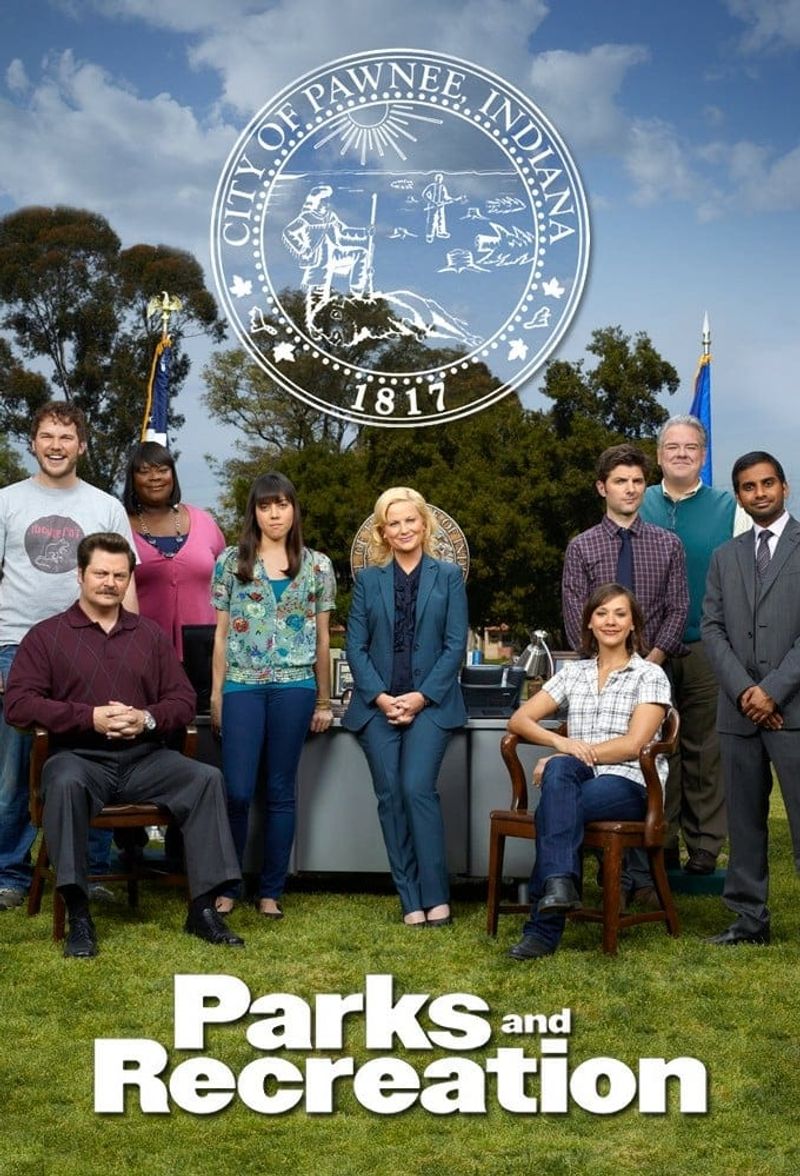
Over seven seasons, Leslie Knope’s boundless optimism and dedication to public service won hearts, culminating in a finale that honored every character’s growth.
Mike Schur and his team delivered an ending focused on the future rather than lingering on farewells.
The time jumps showing everyone’s future felt earned because we’d watched these characters grow and support each other through everything.
Ben and Leslie’s political careers flourished, April and Andy found their path, and even Jerry got respect.
This show proved that sitcoms can end on purely positive notes without feeling saccharine.
Sometimes happy endings work perfectly, especially when characters have earned them through years of genuine growth and friendship.
13. BoJack Horseman
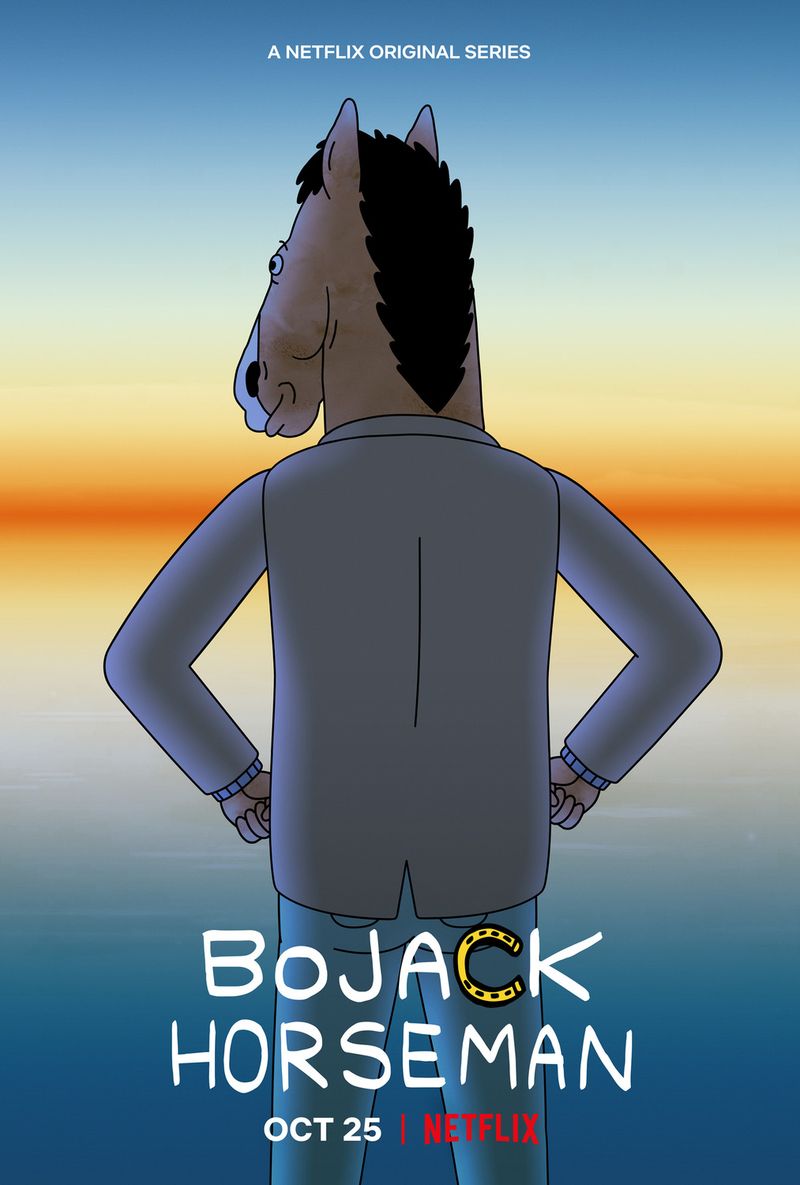
An animated comedy about a depressed horse became one of television’s most honest examinations of addiction, trauma, and accountability.
Raphael Bob-Waksberg’s creation spent six seasons asking whether people can truly change and deserve forgiveness.
BoJack’s final season refused to offer easy redemption, forcing him to face consequences for decades of selfish behavior.
The penultimate episode, showing a near-death experience, ranks among the most beautiful episodes ever animated.
That rooftop conversation with Diane in the finale provided closure without tying everything up neatly.
Life continues after the show ends, and sometimes that’s enough—we don’t need perfect resolutions to find meaning.
14. Hannibal

Bryan Fuller’s gorgeous, operatic thriller about Hannibal Lecter and Will Graham’s twisted relationship ended prematurely but still managed to deliver a hauntingly perfect conclusion.
The Red Dragon storyline provided thrilling horror while the emotional core remained their complicated bond.
Mads Mikkelsen and Hugh Dancy’s performances elevated the material beyond typical crime drama into something resembling dark poetry.
Every frame looked like a painting, and every conversation felt loaded with dangerous subtext.
That final image of them embracing before falling off a cliff together felt both romantic and terrifying.
Whether they survived doesn’t matter—the show understood their relationship was always heading toward mutual destruction or transformation.
Comments
Loading…