
 Mila Ross
14 Movies Where the Music Does Half the Work
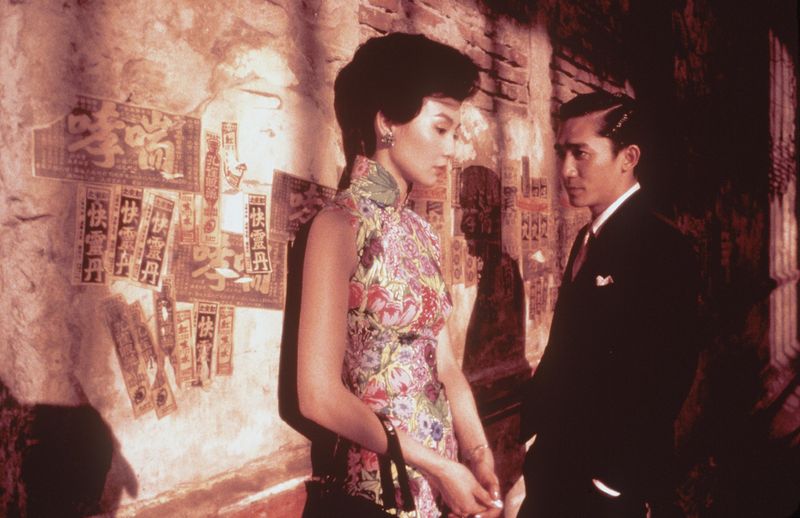
Some films stick with you long after the credits roll, not just because of stunning visuals or powerful performances, but because the soundtrack becomes inseparable from the story itself. Music can transform a good movie into an unforgettable experience, shaping emotions and defining moments in ways dialogue never could.
From pulsing electronic beats to carefully curated pop anthems, the right score or song selection can elevate storytelling to an entirely new level.
1. Requiem for a Dream
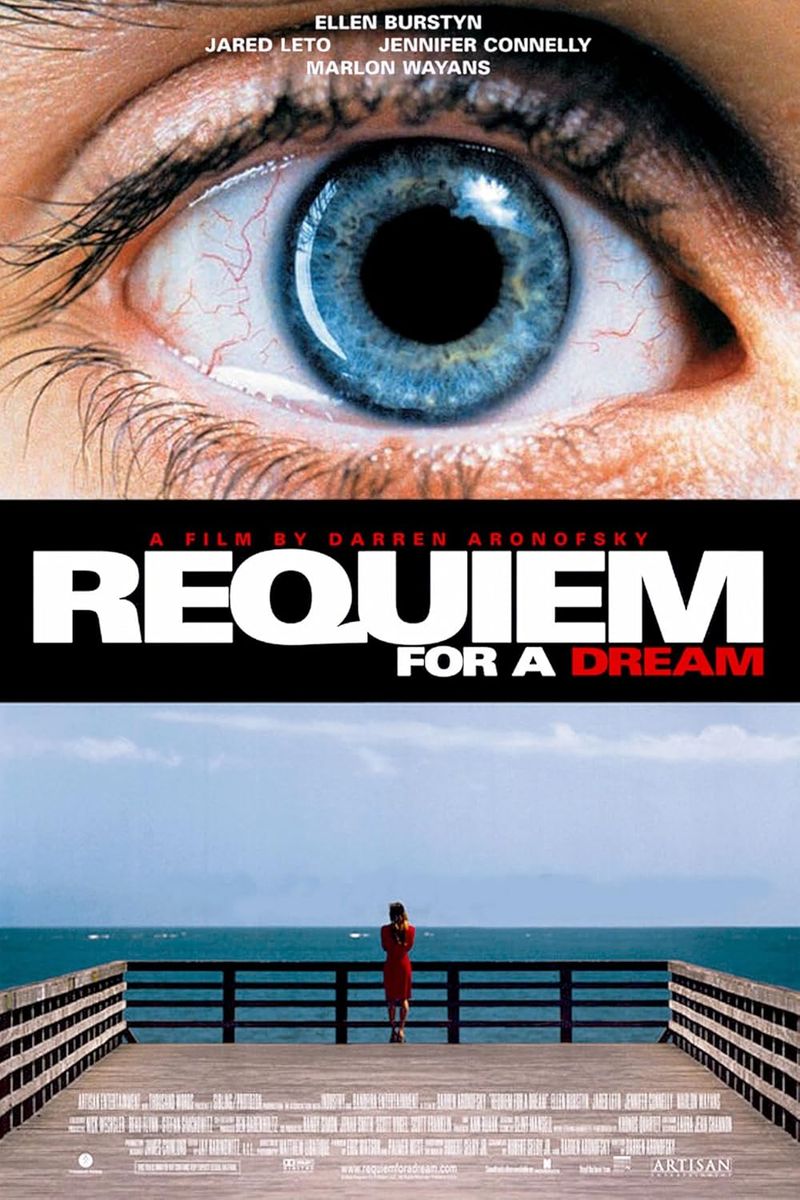
Clint Mansell’s haunting score, particularly the iconic “Lux Aeterna,” doesn’t just accompany this devastating tale of addiction—it becomes the heartbeat of despair itself.
The relentless, building orchestration mirrors the characters’ downward spiral with such precision that watching without sound would lose half the film’s emotional punch.
Director Darren Aronofsky uses the music to create an almost physical sensation of anxiety and hopelessness.
The repetitive, intensifying strings feel like a tightening noose around your chest.
Every scene gains power from the score’s ability to translate psychological torment into pure sound.
This film proves that music can be as addictive and overwhelming as the substances portrayed on screen, leaving audiences emotionally drained yet unable to forget what they’ve experienced.
2. Guardians of the Galaxy
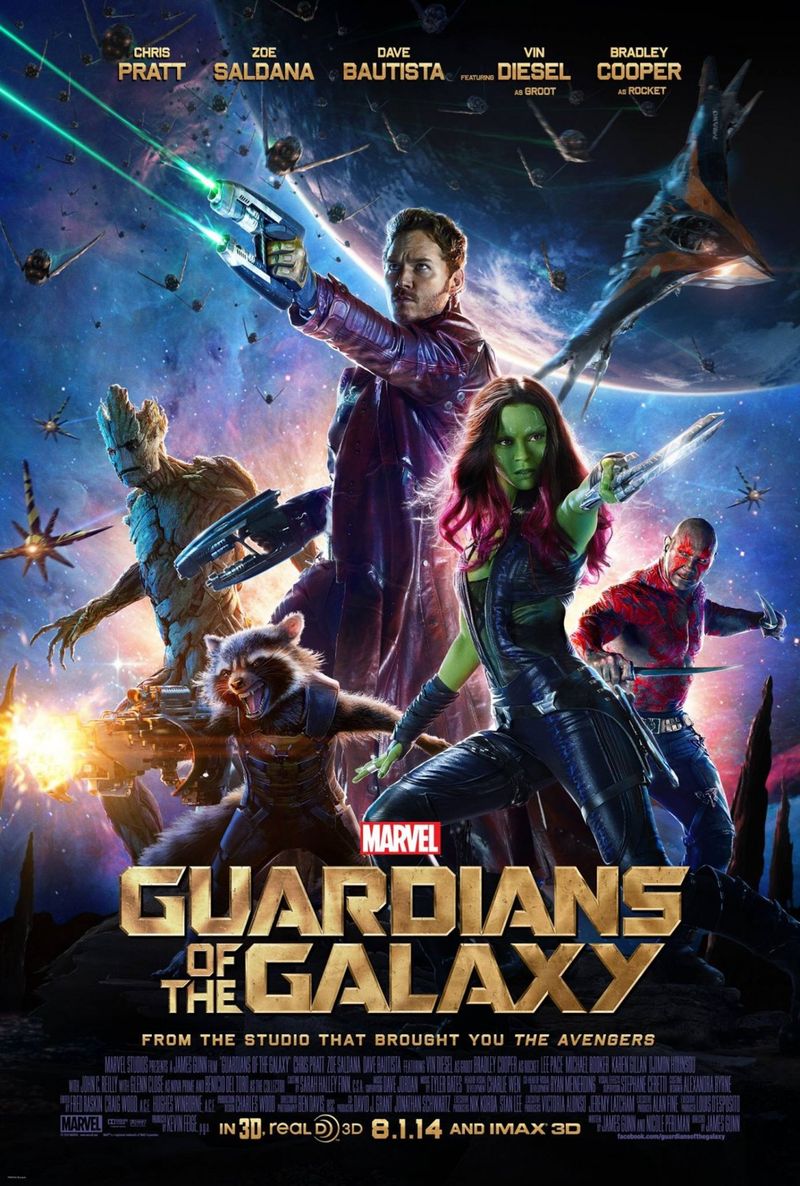
What happens when you build an entire superhero franchise around a mixtape?
You get one of Marvel’s most beloved films, where classic rock and pop hits from the 70s and 80s become as important as any character.
Peter Quill’s Awesome Mix Vol. 1 isn’t just background music—it’s his connection to Earth, his mother, and his humanity.
Songs like “Hooked on a Feeling” and “Come and Get Your Love” transform action sequences into joyful, nostalgic experiences.
The upbeat energy of these tracks gives the film a personality completely different from other superhero movies.
Each song choice feels deliberate and meaningful, adding layers of emotion to seemingly simple scenes.
Without this carefully curated soundtrack, the Guardians would lose much of their charm and heart.
3. Pulp Fiction
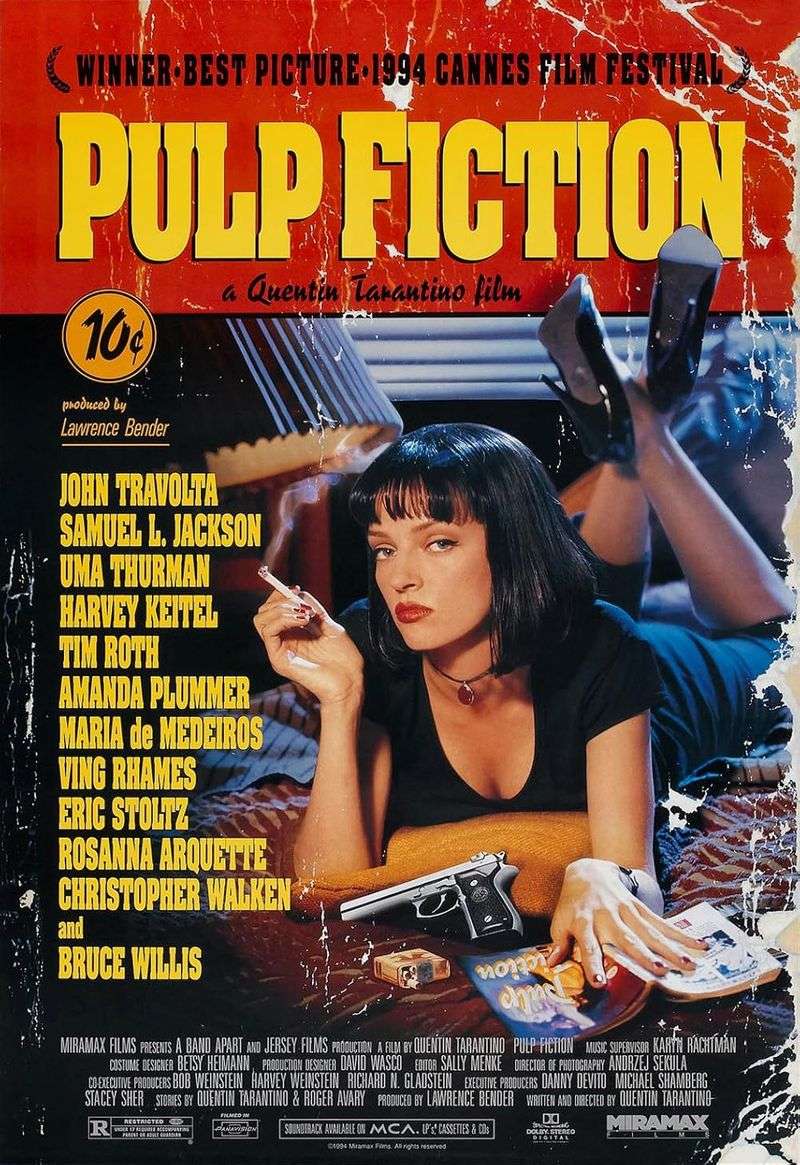
Quentin Tarantino’s masterpiece proves that a director with impeccable musical taste can redefine entire genres.
The eclectic mix of surf rock, soul, and pop transforms violent crime stories into stylish, almost danceable narratives.
Dick Dale’s “Misirlou” announces from the opening seconds that you’re watching something completely original.
Every song selection feels like Tarantino raided the coolest record collection imaginable.
The music doesn’t just set the mood—it creates an alternate universe where hitmen discuss cheeseburgers while Chuck Berry plays in the background.
These choices make brutal scenes strangely entertaining and tense moments surprisingly groovy.
The soundtrack became so influential that it sparked renewed interest in forgotten classics and changed how filmmakers approached musical curation forever.
4. Baby Driver
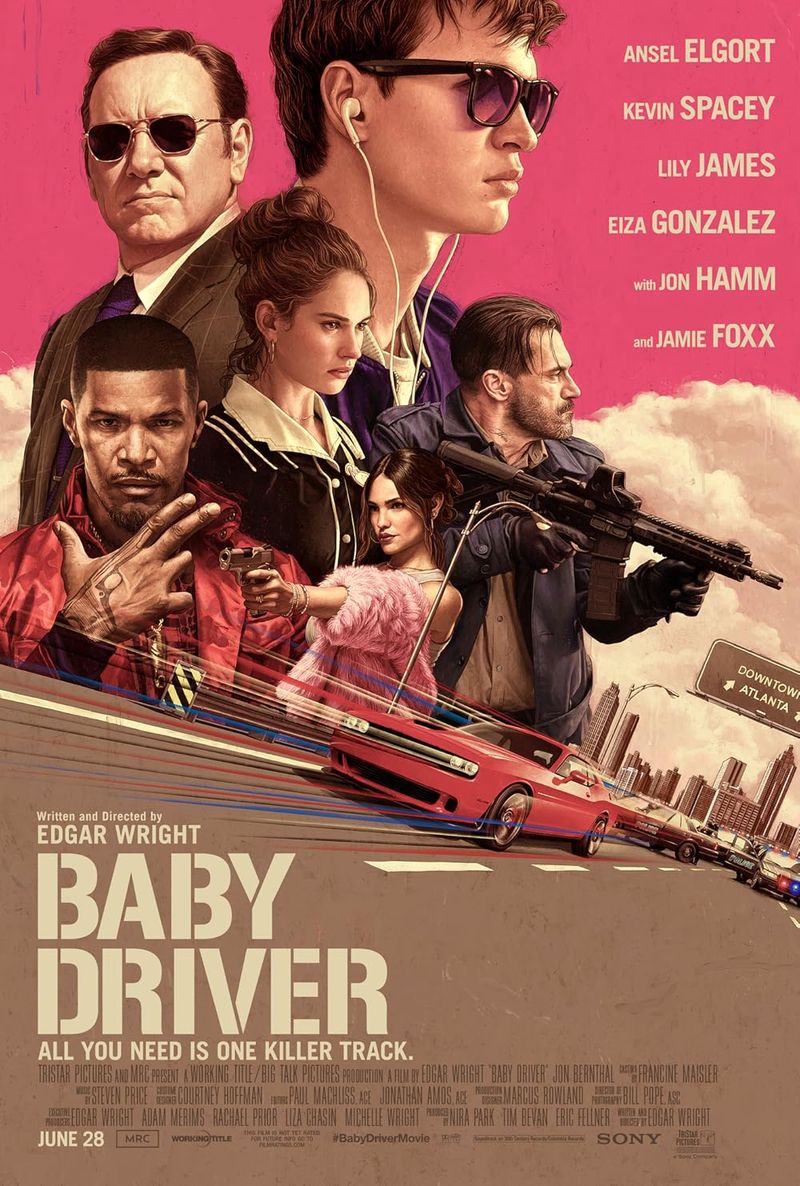
By choreographing a heist film entirely around its soundtrack, Edgar Wright pushed action cinema into new territory.
From car chases to gunfire to the smallest movements, everything is rhythmically aligned with tracks like “Bellbottoms” and “Tequila.” The film ultimately functions as a meticulously engineered, feature-length music video.
Ansel Elgort’s Baby uses music to drown out his tinnitus, making the soundtrack literally essential to understanding his character.
The precision with which Wright matches action to rhythm becomes hypnotic.
You’ll find yourself rewatching scenes just to catch the intricate details of how movements align with musical beats.
This film demonstrates that when music and visuals achieve perfect harmony, the experience becomes pure cinematic magic.
5. The Social Network
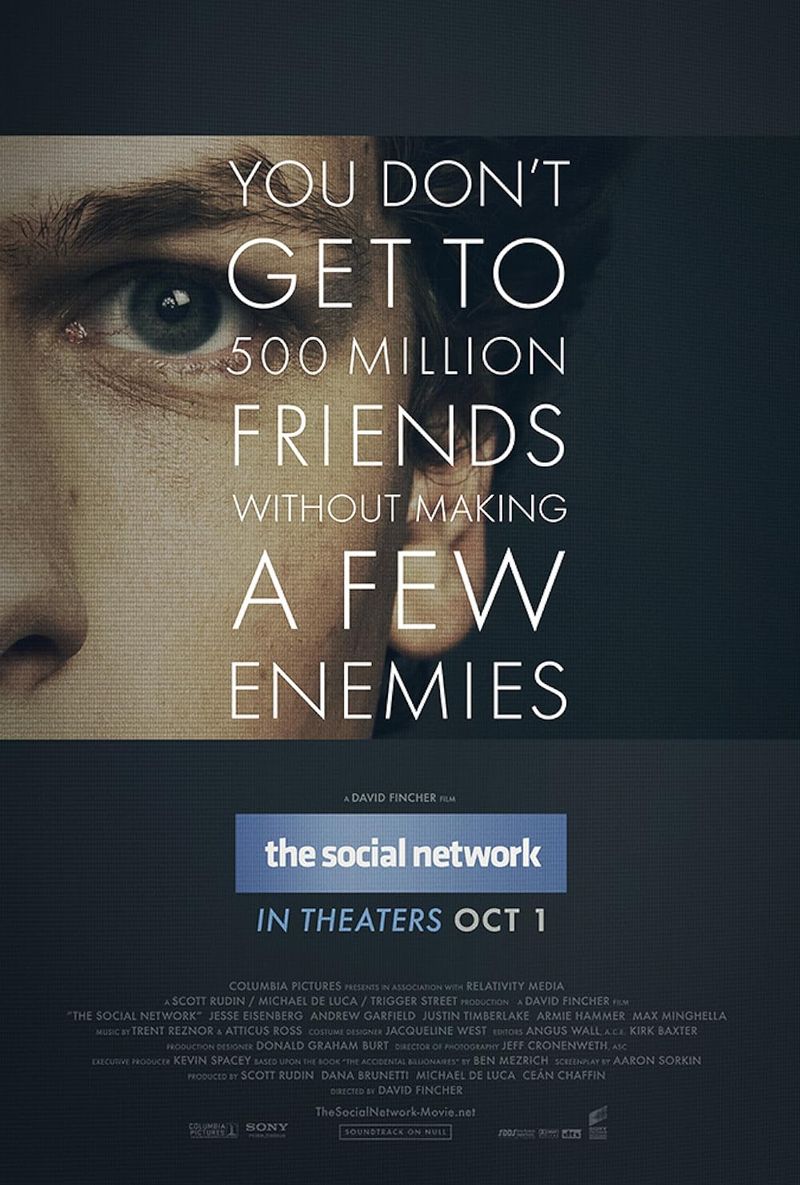
Who knew that the story of Facebook’s creation needed an industrial electronic score?
Trent Reznor and Atticus Ross crafted something cold, calculating, and brilliant—perfectly matching Mark Zuckerberg’s driven, isolated genius.
The pulsing, mechanical soundscapes turn typing on keyboards into suspenseful drama.
“Hand Covers Bruise” captures loneliness and ambition in a way dialogue never could.
The minimalist approach creates tension in scenes that are literally just people sitting at computers.
This score makes betrayal, coding marathons, and legal depositions feel like life-or-death situations.
David Fincher’s film about social connection ironically features music that emphasizes isolation and detachment, proving that sometimes the perfect soundtrack tells the opposite story of what’s happening on screen.
6. Once
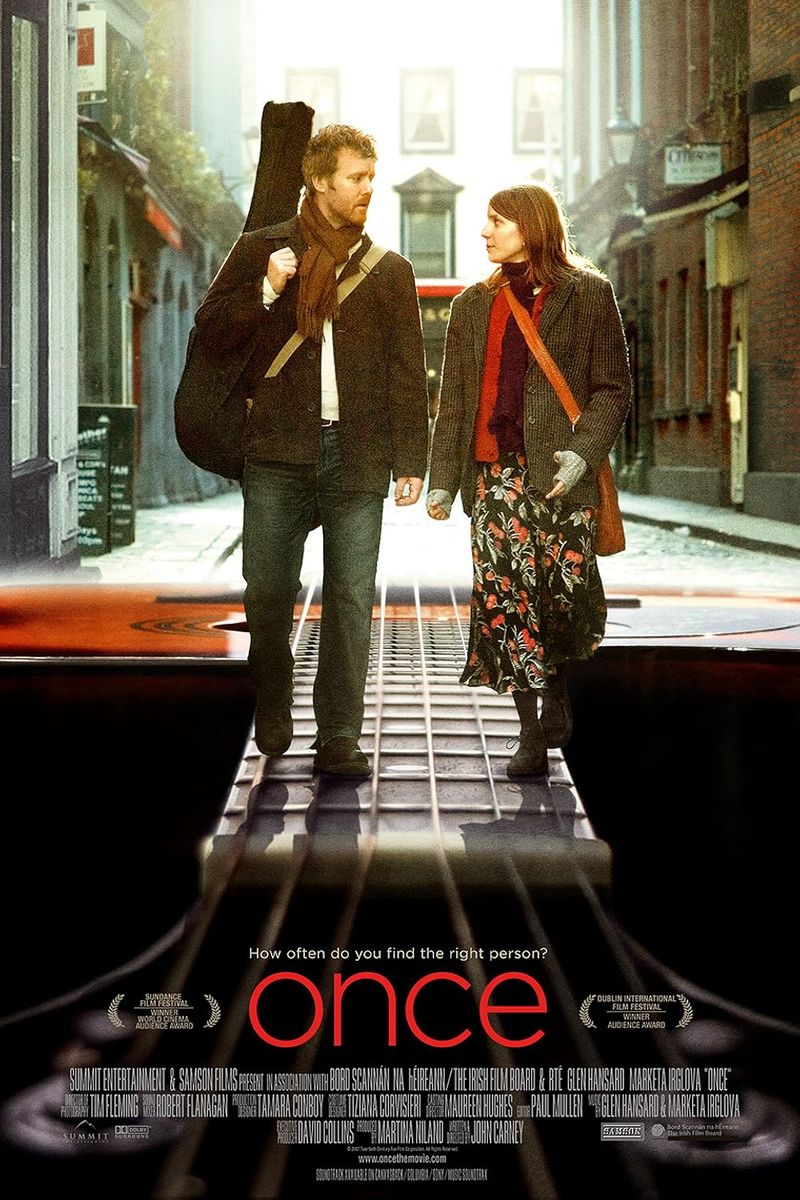
This low-budget Irish gem proves you don’t need orchestras or famous composers when your lead actors are actual musicians pouring genuine emotion into original songs.
Glen Hansard and Markéta Irglová’s “Falling Slowly” won an Oscar because it captures the tentative, hopeful nature of new connection with devastating simplicity.
The film’s musical performances feel unrehearsed and authentic, like you’re eavesdropping on private moments.
Music becomes the language these characters use when regular words fail them.
Every song advances the story while revealing deeper truths about longing, creativity, and the courage required to pursue dreams.
Without these heartfelt performances, the simple plot about a street musician and an immigrant would lose all its magic and emotional resonance.
7. A Clockwork Orange
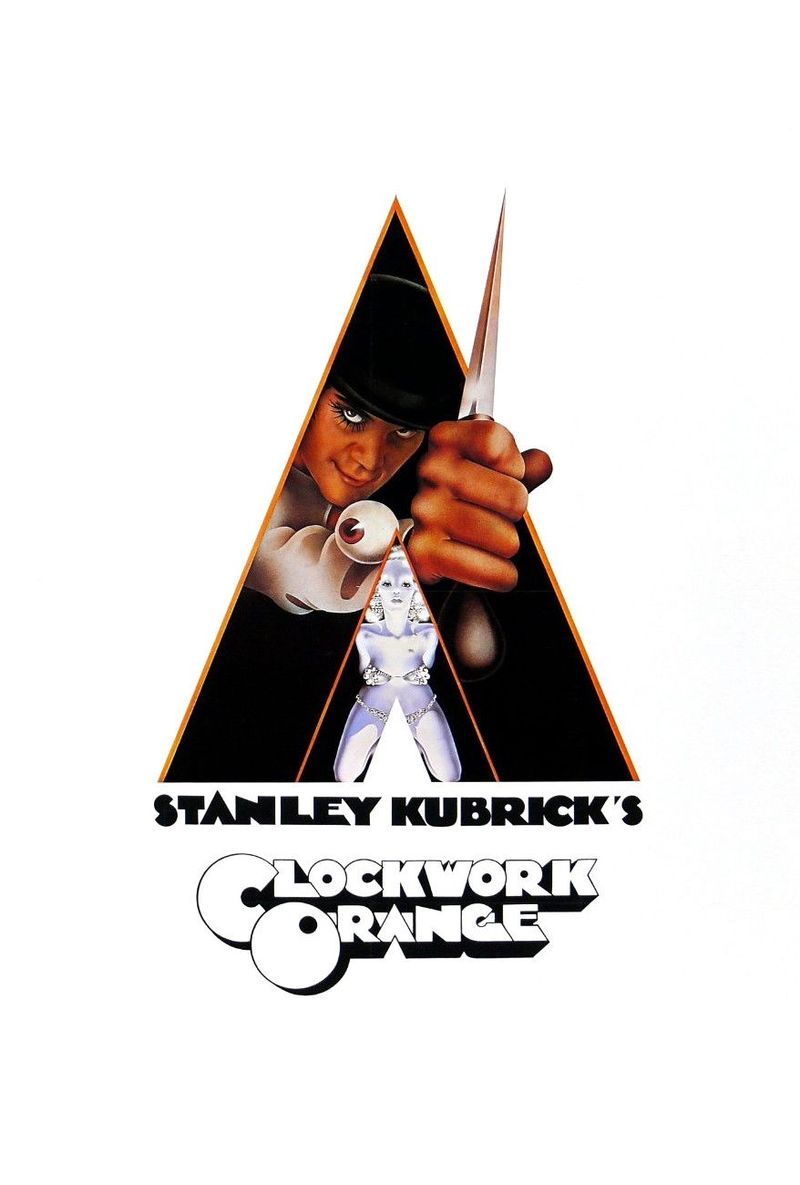
Stanley Kubrick weaponized Beethoven’s Ninth Symphony, forever changing how audiences hear one of classical music’s greatest achievements.
The juxtaposition of beautiful, uplifting compositions with horrific violence creates cognitive dissonance that makes the film unforgettable and deeply disturbing.
Wendy Carlos’s electronic adaptations of classical pieces give the dystopian future a unique sonic identity.
The synthesized versions of familiar works sound both futuristic and timeless.
Music becomes a tool of control, pleasure, and ultimately psychological torture in ways that comment on art’s power over human emotion.
The film asks uncomfortable questions about whether beauty can exist alongside evil, using its soundtrack to force viewers into confronting their own responses to violence paired with sublime music.
8. Lost in Translation
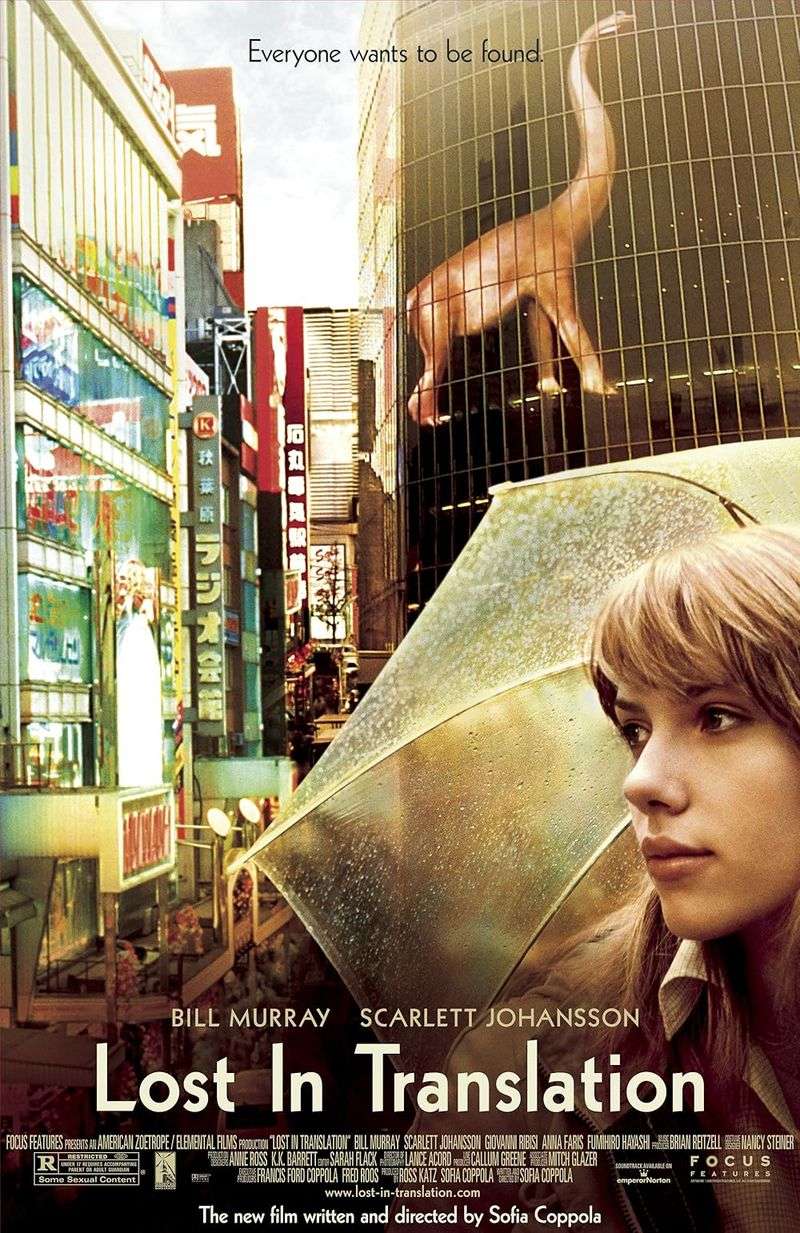
Sofia Coppola lets the soundtrack do the emotional heavy lifting, turning jet lag into a mood.
The opening notes of Death in Vegas’ “Girls” instantly signal a hazy disconnection, locking the film into that floating, lost-in-translation feeling of being adrift in another culture.
My Bloody Valentine’s “Sometimes” and Air’s “Alone in Kyoto” don’t just accompany scenes—they become the emotional texture of Tokyo itself.
The music captures that strange feeling of being both nowhere and everywhere simultaneously.
Each song choice emphasizes the beauty found in isolation and the bittersweet nature of fleeting connections.
Without this carefully curated sonic landscape, the film’s quiet moments would lose much of their hypnotic, melancholic power.
9. Goodfellas
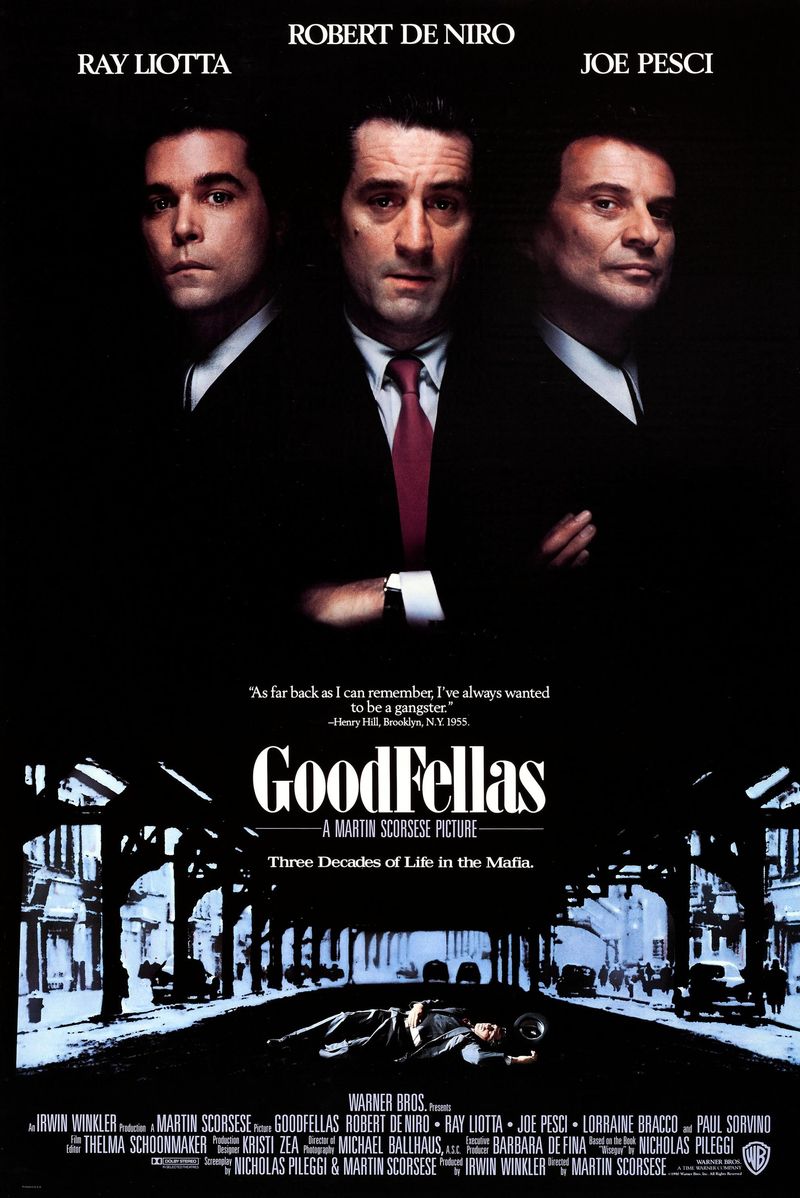
Martin Scorsese constructed a three-decade crime saga using popular music as a timeline, with each song anchoring viewers to specific moments in American culture.
From “Rags to Riches” to “Layla,” the soundtrack doesn’t just set the period—it becomes the pulse of the mobster lifestyle itself.
The famous Copacabana tracking shot gains half its power from the Crystals’ “Then He Kissed Me,” transforming a simple entrance into pure cinematic magic.
Scorsese uses music ironically, pairing upbeat songs with violence, creating a commentary on how these criminals see themselves.
The contrast between sunny melodies and brutal actions reveals the disconnect between their self-image and reality.
Every needle drop feels essential, making the music as memorable as any performance or line of dialogue.
10. Interstellar
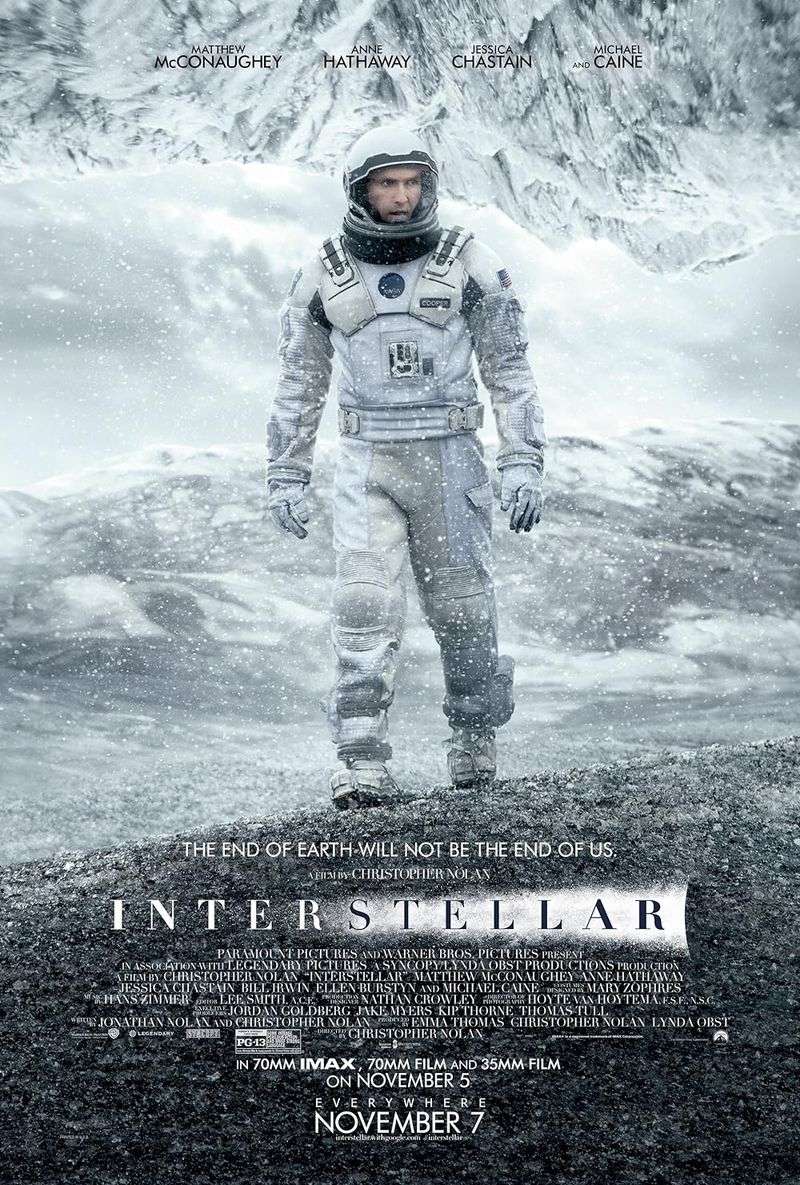
Rather than functioning as background, Hans Zimmer’s organ-driven score becomes the sonic representation of time in Nolan’s space epic.
Its immense, ecclesiastical sound lends cosmic exploration a spiritual gravity that distinguishes the film from standard science-fiction spectacle.
“Cornfield Chase” and “No Time for Caution” use minimalist repetition to build overwhelming emotion.
The ticking clock sounds in certain tracks create physical anxiety about time running out.
Zimmer’s decision to center the score around organs gives the infinite vastness of space an intimate, human quality.
During the docking sequence, the music’s intensity makes you forget to breathe, proving that the right soundtrack can make viewers feel like they’re actually experiencing impossible situations.
11. Call Me by Your Name
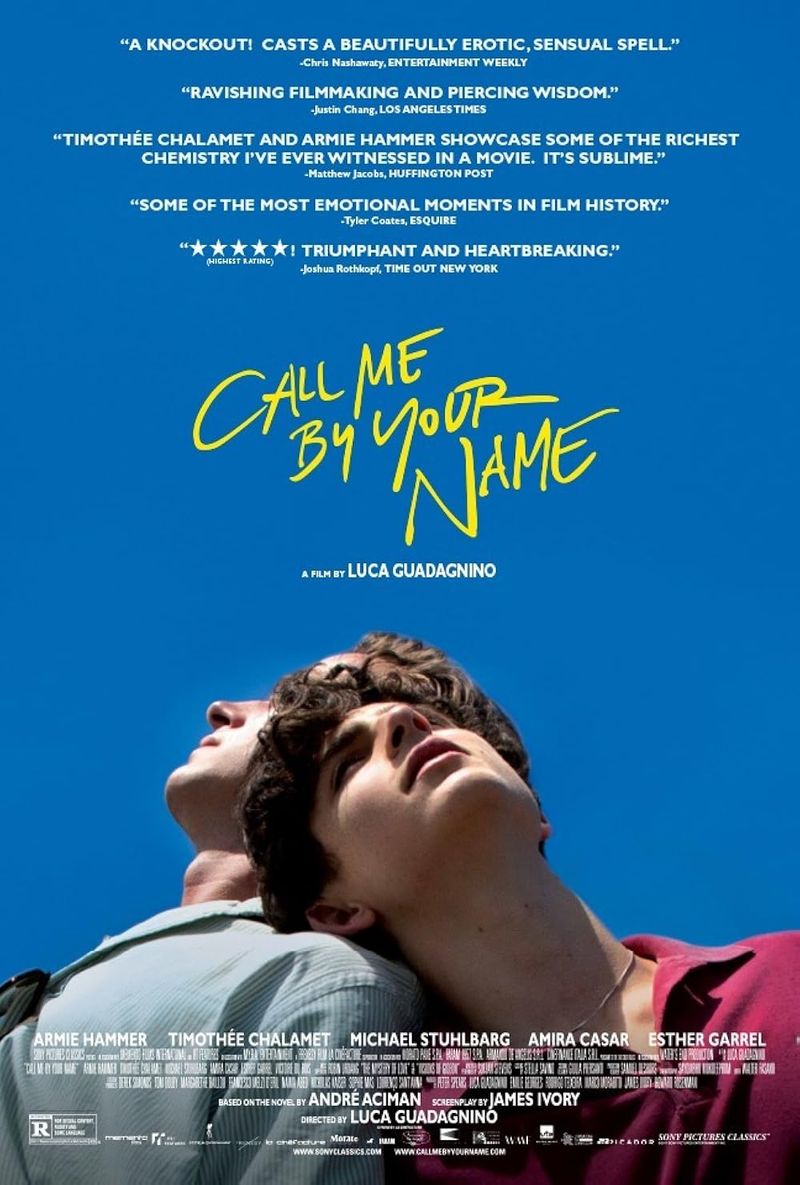
Sufjan Stevens wrote “Mystery of Love” and “Visions of Gwen” specifically for this film, creating songs that feel like they’ve always existed in the Italian summer of 1983.
The gentle, yearning quality of these tracks perfectly captures first love’s tender uncertainty and inevitable heartbreak.
The soundtrack mixes classical piano pieces with 80s Italian pop, creating a sonic world that feels both timeless and specific.
Each musical choice enhances the languid, sun-drenched atmosphere where Elio and Oliver’s relationship blossoms.
The music swells during moments of realization and quiets during intimate conversations, always knowing exactly when to speak and when to whisper.
The final scene’s emotional devastation owes everything to Stevens’s “Visions of Gwen” playing over Elio’s face.
12. Blade Runner
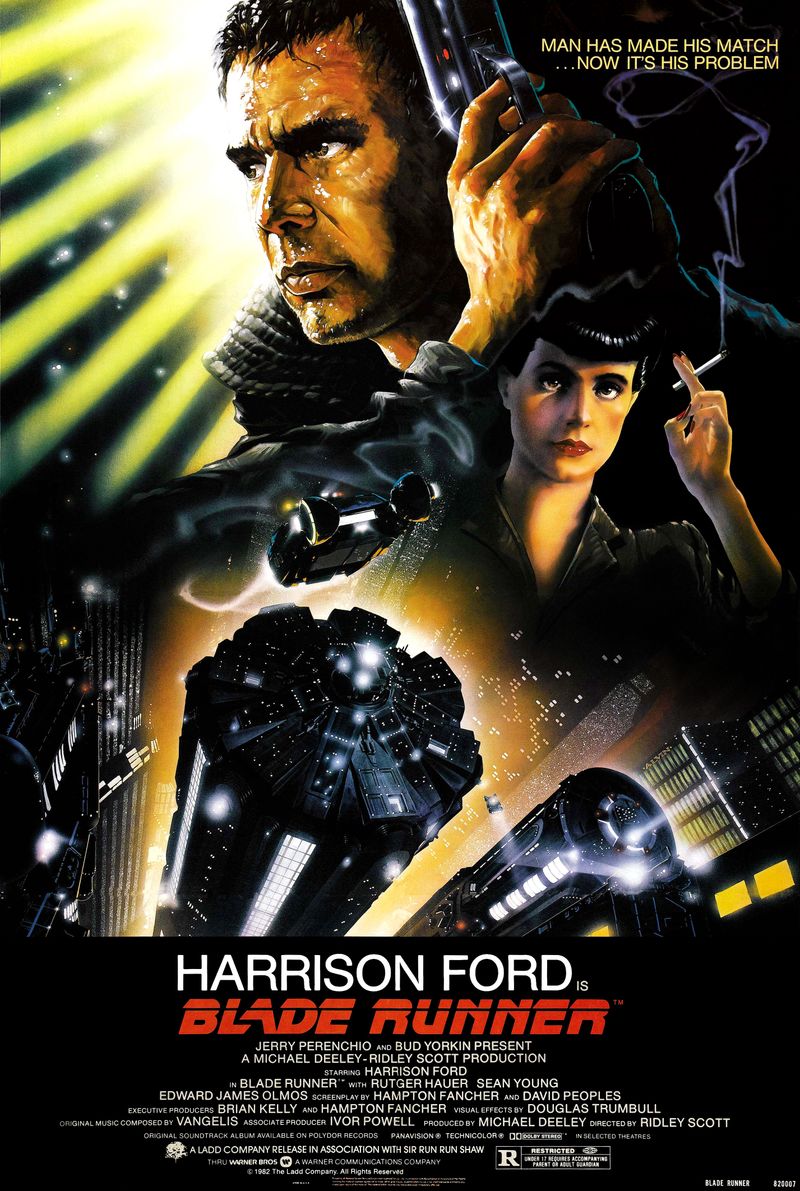
Vangelis created the definitive sound of dystopian futures with his synthesizer-heavy score that feels both retro and timeless.
The electronic soundscapes give Ridley Scott’s rain-soaked Los Angeles a melancholic beauty that makes you feel sympathy for artificial beings questioning their existence.
“Tears in Rain” and the main theme don’t just accompany scenes—they define what cyberpunk sounds like.
The blend of synthesizers, saxophone, and ambient noise creates an atmosphere of loneliness in crowded spaces.
Every note seems to ask the same questions the replicants do about what makes life meaningful.
Without Vangelis’s haunting compositions, the film’s philosophical questions about humanity and mortality would lose much of their emotional weight and staying power.
13. Black Swan
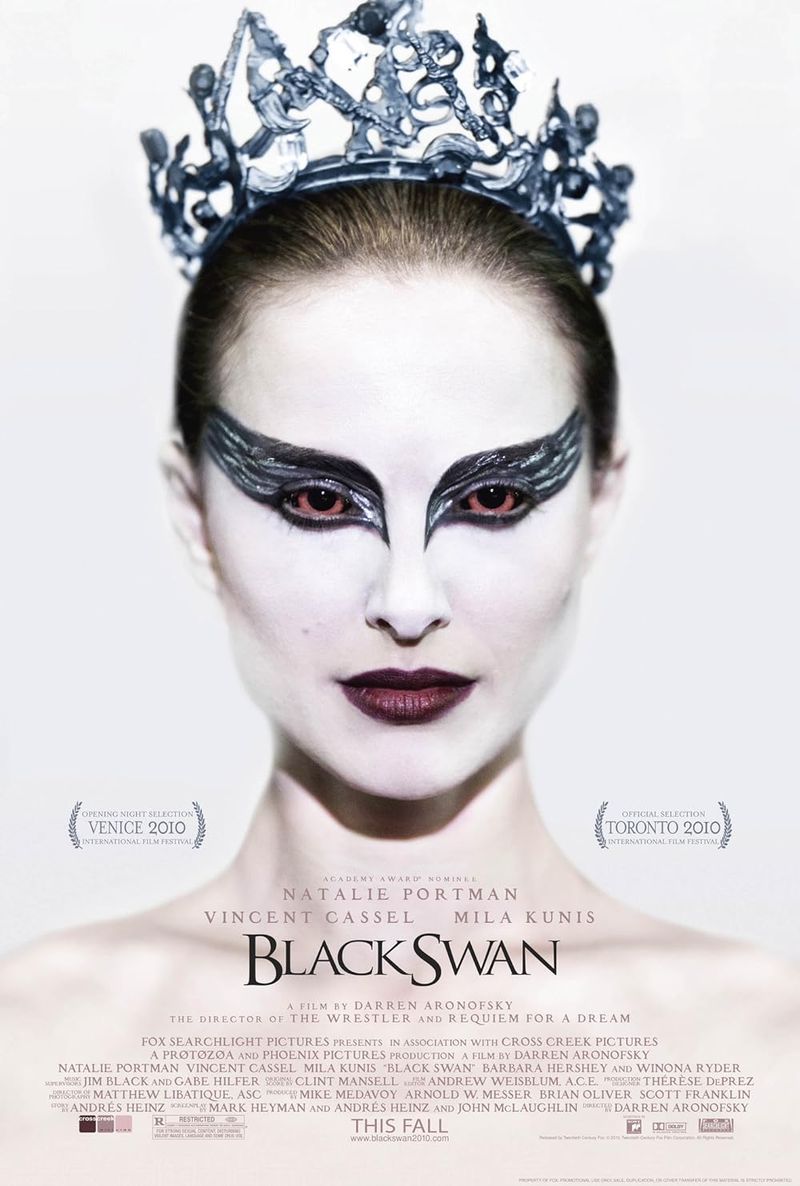
What begins as Swan Lake slowly mutates under Clint Mansell’s hands.
Familiar themes are bent, sharpened, and weaponized as Nina fractures, until the score feels less like accompaniment and more like another mind unraveling onscreen.
The score blends orchestral beauty with electronic distortion, creating sonic hallucinations that match the visual ones.
During dance sequences, the music swells with both triumph and terror, never letting you forget the cost of perfection.
The way familiar themes mutate into something sinister demonstrates how obsession corrupts even the most beautiful art.
Darren Aronofsky uses the soundtrack to blur lines between reality and delusion, making viewers as disoriented as Nina herself becomes.
14. In the Mood for Love
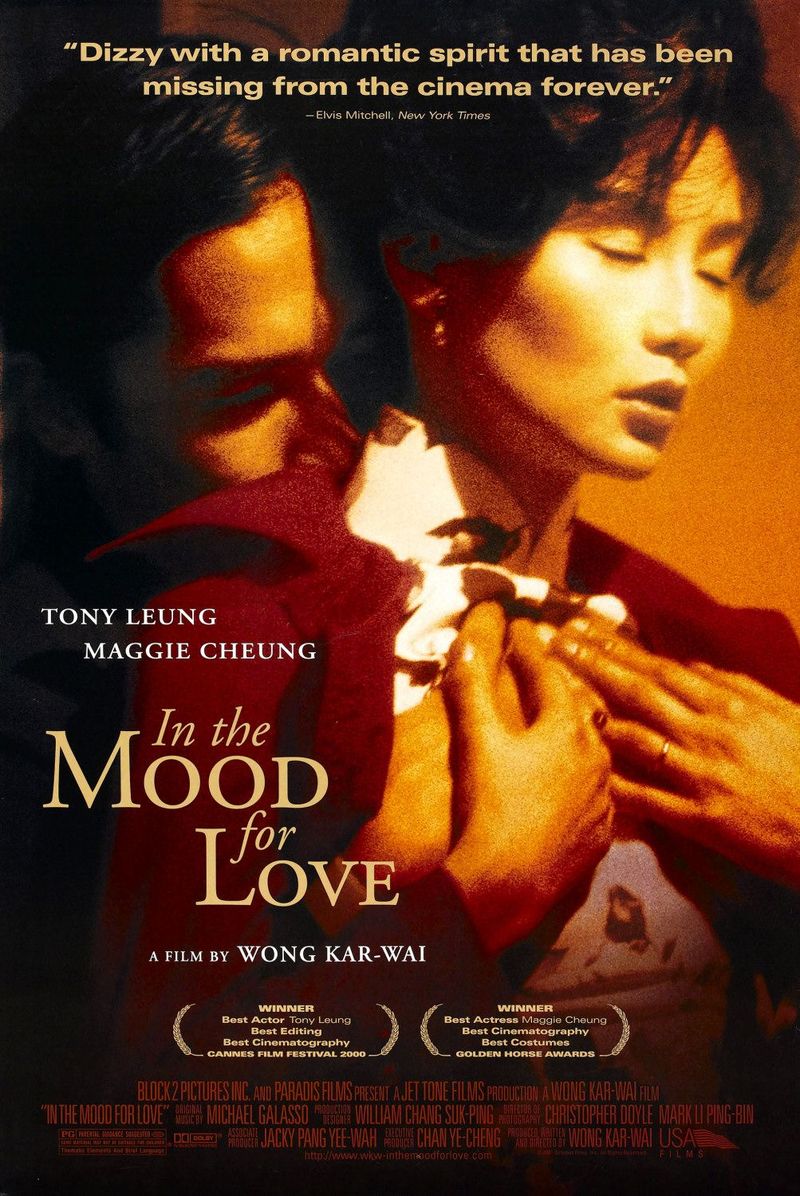
Shigeru Umebayashi’s main theme, “Yumeji’s Theme,” plays repeatedly throughout Wong Kar-wai’s masterpiece, becoming the sound of longing itself.
The lush strings and melancholic melody capture everything the characters cannot say to each other, making the music their secret language of unfulfilled desire.
The repetition of this waltz creates a dreamlike quality, as if time keeps circling back to the same missed opportunities.
Michael Galasso’s score adds layers of bittersweet beauty to every glance and near-touch.
The music swells during slow-motion sequences, transforming simple walks down corridors into balletic expressions of restrained passion.
Without this haunting soundtrack, the film’s exploration of forbidden love and emotional restraint would lose half its devastating romantic power.
Comments
Loading…