
 Jade Reed
Some films want you to know they’re smart. They layer on symbolism, cryptic dialogue, and abstract visuals until the plot nearly vanishes beneath the weight of meaning.
While ambition deserves applause, trying too hard can backfire—leaving audiences confused rather than moved. Here are fourteen movies that reached a little too far in their quest for profundity.
1. Donnie Darko (2001)
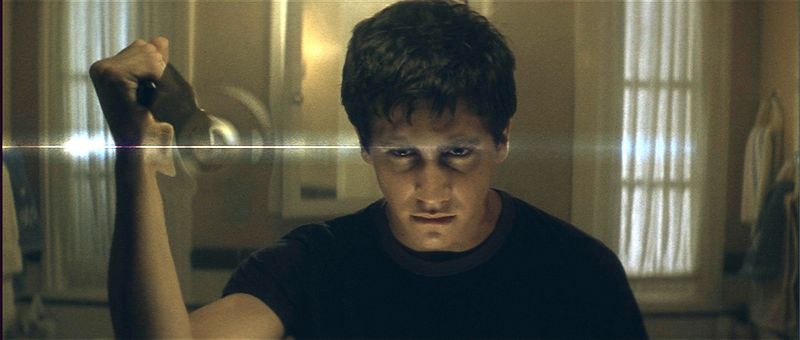
Cult followers adore this film’s mysterious vibe and tangled timeline.
Time travel loops, cryptic conversations, and a creepy bunny named Frank create an atmosphere thick with intrigue.
Yet beneath all the strangeness, character motivations often feel secondary to shock value and puzzle-solving.
Director Richard Kelly crafted a world so layered with hidden meanings that coherence sometimes gets lost.
Fans debate theories endlessly, but casual viewers may leave scratching their heads.
Ambiguity can be powerful, but when rules remain unclear and emotions take a backseat, depth starts feeling like a riddle without an answer.
2. The Tree of Life (2011)

Terrence Malick’s vision is undeniably gorgeous.
Sweeping shots of galaxies, dinosaurs, and childhood memories blend into a visual poem about existence and grace.
The cinematography alone could hang in a museum.
Still, narrative clarity suffers when cosmic philosophy overshadows human connection.
Viewers watch stunning images float by, yet struggle to anchor themselves in a story.
Whispered voiceovers and symbolic montages replace traditional plot.
Beauty abounds, but without a clear thread, emotional engagement can drift away like stardust.
Ambition meets art, yet coherence pays the price.
3. Cloud Atlas (2012)

Six interwoven stories span centuries, connected by reincarnation and shared souls.
The Wachowskis and Tom Tykwer aimed for epic scope, exploring how actions ripple through time.
Actors play multiple roles across eras, emphasizing the film’s theme of eternal recurrence.
Yet ambition sometimes crushes execution.
Jumping between so many plotlines creates confusion rather than cohesion.
Heavy-handed dialogue spells out themes that might have resonated more through subtlety.
At nearly three hours, the film exhausts as much as it inspires.
Big ideas deserve big storytelling, but clarity shouldn’t be sacrificed for complexity.
4. Southland Tales (2006)
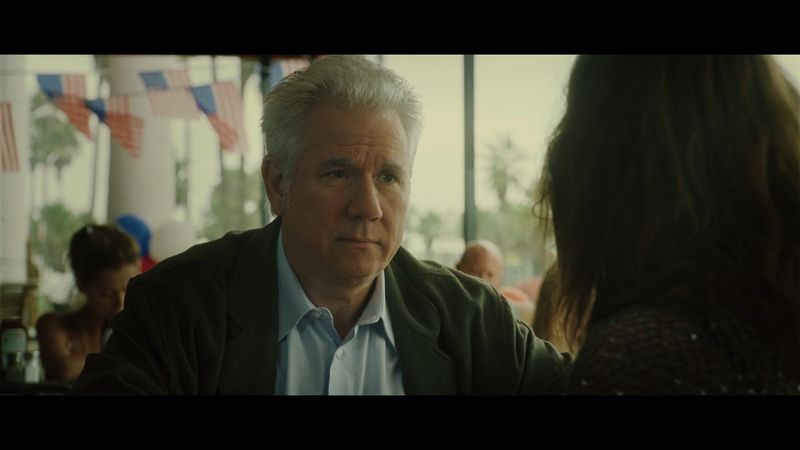
Richard Kelly followed up Donnie Darko with an even wilder swing.
Set in a dystopian Los Angeles, the film blends political satire, science fiction, and apocalyptic paranoia.
Dwayne Johnson, Sarah Michelle Gellar, and a sprawling cast navigate a plot dense with conspiracies.
Unfortunately, maximalist ambition collapses under its own weight.
Metaphors pile atop metaphors until meaning becomes muddy.
Viewers need a guidebook to track characters, subplots, and symbolic references.
Satire works best with focus, but Southland Tales scatters its energy across too many targets.
Boldness is admirable, yet coherence remains essential.
5. The Fountain (2006)

Darren Aronofsky explores love, death, and immortality across three timelines.
A conquistador seeks the Tree of Life, a scientist battles his wife’s cancer, and a space traveler meditates toward enlightenment.
Visual splendor and emotional sincerity fill every frame.
Yet metaphysical symbolism often drowns the human story at its core.
Audiences watch stunning imagery but struggle to connect with characters lost in abstraction.
Earnest intentions shine through, but when philosophy overshadows emotion, resonance weakens.
Grounded feelings could have anchored the cosmic themes.
Beauty and meaning clash when balance tips too far toward allegory.
6. mother! (2017)
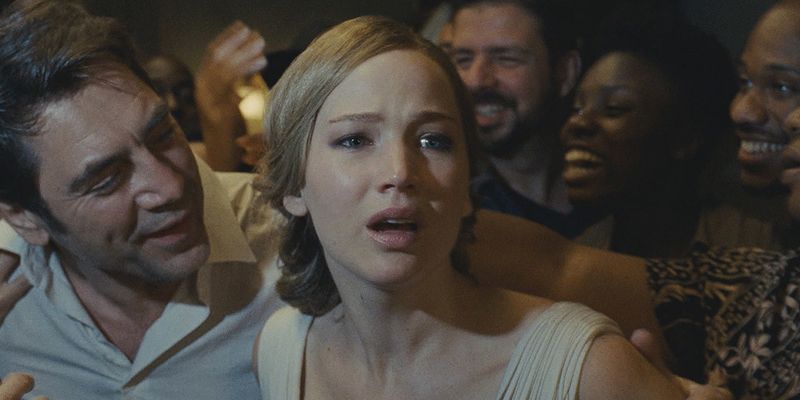
Darren Aronofsky returns with a biblical allegory wrapped in horror.
Jennifer Lawrence plays a woman whose peaceful home descends into nightmarish chaos as uninvited guests arrive.
The film functions as a metaphor for creation, destruction, and humanity’s relationship with Earth.
Shock value and symbolism dominate every scene, leaving subtlety behind.
Viewers either decode the allegory or feel battered by relentless intensity.
Prioritizing message over character makes emotional investment difficult.
When every moment screams meaning, quieter truths get lost.
Provocation has its place, but overwhelming audiences rarely deepens understanding.
7. Only God Forgives (2013)
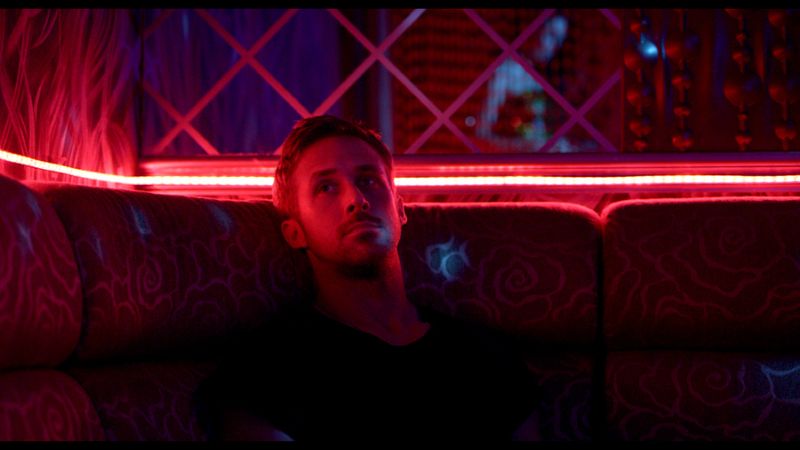
Nicolas Winding Refn reunites with Ryan Gosling after Drive, but trades emotion for atmosphere.
Set in Bangkok’s criminal underworld, the film drowns in neon lights, slow pacing, and violent mythic imagery.
Gosling barely speaks, existing more as symbol than character.
Stylized nihilism replaces meaningful development.
Long silent stretches and cryptic motivations leave viewers cold rather than intrigued.
Visual flair impresses, but without emotional stakes, style becomes hollow.
Mythology works best when grounded in humanity.
Refn’s vision is bold, yet posturing without substance grows tiresome quickly.
8. The Number 23 (2007)
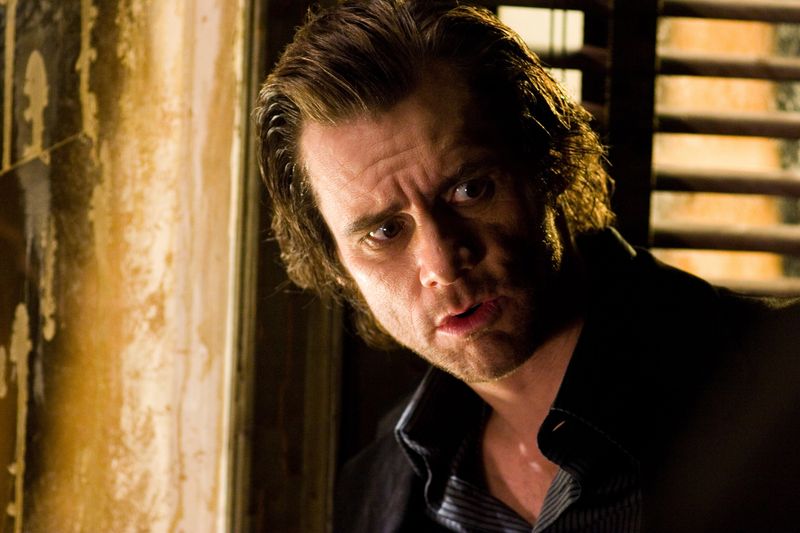
Jim Carrey plays a man consumed by numerology after reading a mysterious book.
Every event, date, and coincidence connects to the number 23, spiraling into paranoia and obsession.
The premise hints at psychological depth and existential dread.
Unfortunately, the gimmick wears thin quickly.
Stretching numerology into destiny feels forced rather than profound.
Credibility crumbles as connections grow increasingly absurd.
What starts as intriguing becomes repetitive and silly.
Carrey’s dramatic performance can’t save a concept that collapses under its own weight.
Mystery needs logic, even when exploring the irrational.
9. Waking Life (2001)

Richard Linklater’s rotoscoped animation drifts through dreams and philosophical discussions.
Characters debate free will, existentialism, and consciousness in a visually fluid world.
The animation style creates a hypnotic, otherworldly atmosphere.
Yet endless monologues overwhelm narrative momentum.
Each scene feels like a lecture rather than a story.
Viewers seeking plot or character arcs will find neither.
Philosophy dominates so completely that engagement depends entirely on patience for abstract ideas.
Intellectual stimulation has value, but without narrative drive, even fascinating concepts can feel exhausting.
10. Enemy (2013)
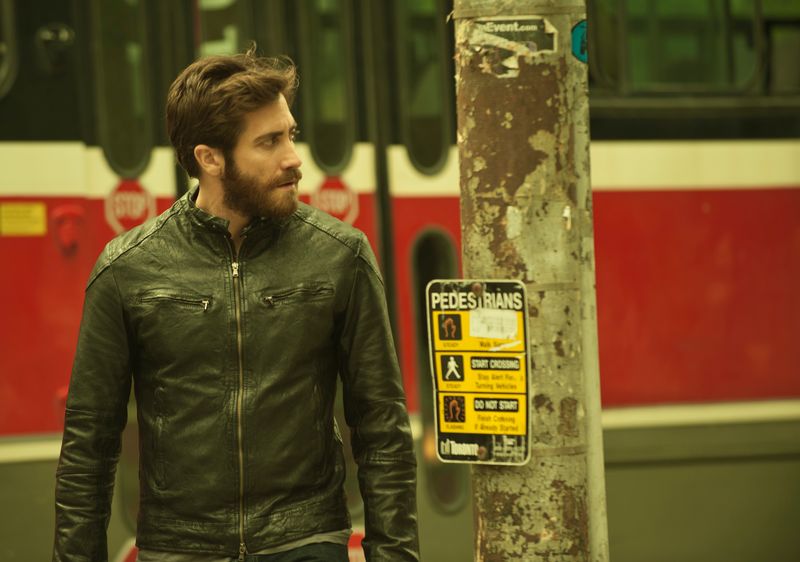
Jake Gyllenhaal plays a man who discovers his exact doppelgänger living nearby.
Director Denis Villeneuve crafts a tense, eerie atmosphere filled with unsettling imagery—especially spiders.
The premise promises psychological intrigue and identity exploration.
However, opaque symbolism resists clear interpretation.
The film withholds answers so stubbornly that frustration replaces fascination.
Ambiguity can enhance mystery, but when nothing resolves, viewers feel cheated rather than challenged.
A shocking final image provokes debate, yet leaves many cold.
Intrigue diluted by obscurity loses its power to truly move audiences.
11. The Neon Demon (2016)

Nicolas Winding Refn explores beauty, vanity, and the modeling industry’s dark side.
A young aspiring model arrives in Los Angeles, where jealousy and obsession spiral into horror.
Neon-drenched visuals and unsettling imagery create a provocative aesthetic.
Yet style substitutes for substance.
Shocking scenes feel designed to provoke rather than illuminate.
Characters remain shallow, fitting for a film about surfaces, but limiting emotional depth.
Aesthetic provocation alone can’t sustain meaning.
Beauty becomes the message, yet without thematic grounding, the film feels empty despite its visual boldness.
12. I Origins (2014)
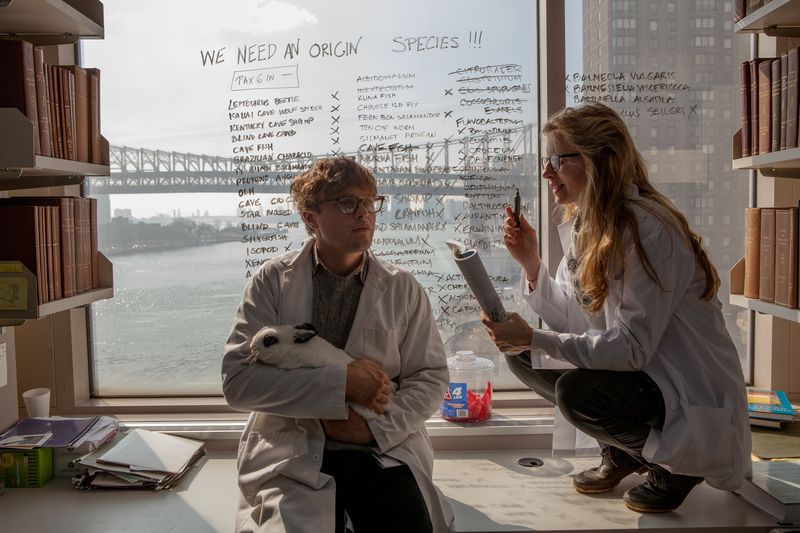
A molecular biologist studying eyes stumbles upon evidence suggesting reincarnation might be real.
Science clashes with spirituality as the protagonist grapples with rational thought versus unexplainable phenomena.
The film aims to bridge two worldviews often seen as opposing.
Unfortunately, blunt sentimentality undermines the big ideas.
Dialogue spells out themes rather than trusting audiences to grasp them.
Emotional beats feel manipulative instead of earned.
When a film telegraphs its profundity so obviously, impact diminishes.
Thoughtful questions deserve nuanced exploration, not heavy-handed answers wrapped in melodrama.
13. Inland Empire (2006)
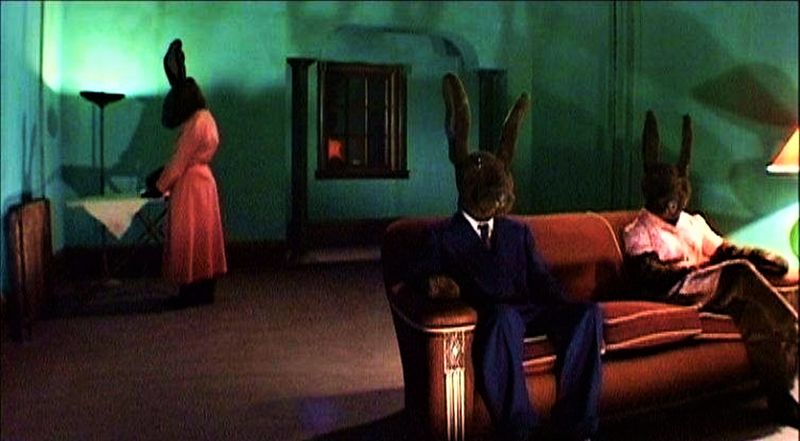
David Lynch crafts his most challenging film, a three-hour labyrinth of fragmented narratives.
Laura Dern plays an actress whose reality blurs with the role she’s performing.
Dreams, memories, and alternate dimensions collide without clear boundaries.
Intentional disorientation pushes past challenging into self-indulgent territory.
Even Lynch devotees struggle to find footing.
Confusion as artistic choice works only when some thread guides viewers through chaos.
Here, obscurity feels less like vision and more like endurance test.
Experimentation deserves respect, but accessibility shouldn’t be entirely abandoned.
14. Prometheus (2012)
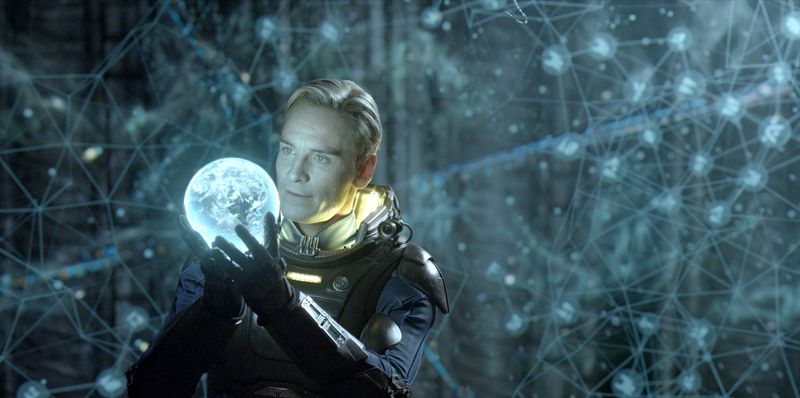
Ridley Scott returns to the Alien universe with existential questions about humanity’s creators.
A crew travels to a distant moon seeking answers about human origins, encountering ancient alien Engineers instead.
Lofty themes about creation and purpose drive the narrative.
Yet inconsistent storytelling undercuts these grand ideas.
Characters make baffling decisions that defy logic.
Philosophical ambitions clash with sloppy execution.
When a film asks profound questions but delivers muddled answers, frustration overwhelms wonder.
Ambition needs solid foundation; otherwise, even the biggest ideas crumble.
Comments
Loading…