
 Jade Reed
14 Movies That Revolutionized Special Effects
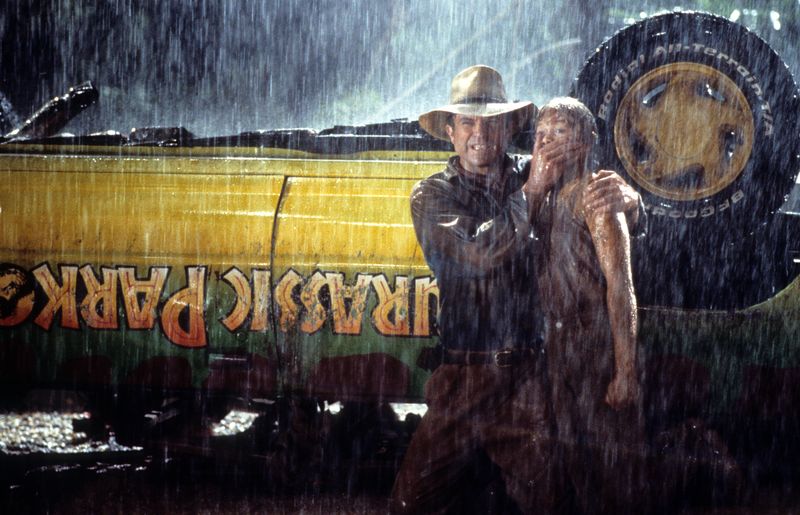
Some movies don’t just tell a story — they change the way stories are told. Over the decades, filmmakers have pushed technology to its limits, creating jaw-dropping visuals that left audiences wondering, “How did they do that?”
From hand-crafted miniatures to cutting-edge computer graphics, these breakthroughs didn’t just wow us on screen — they rewrote the rulebook for Hollywood. Here are 14 films that forever changed the world of special effects.
1. Metropolis (1927)
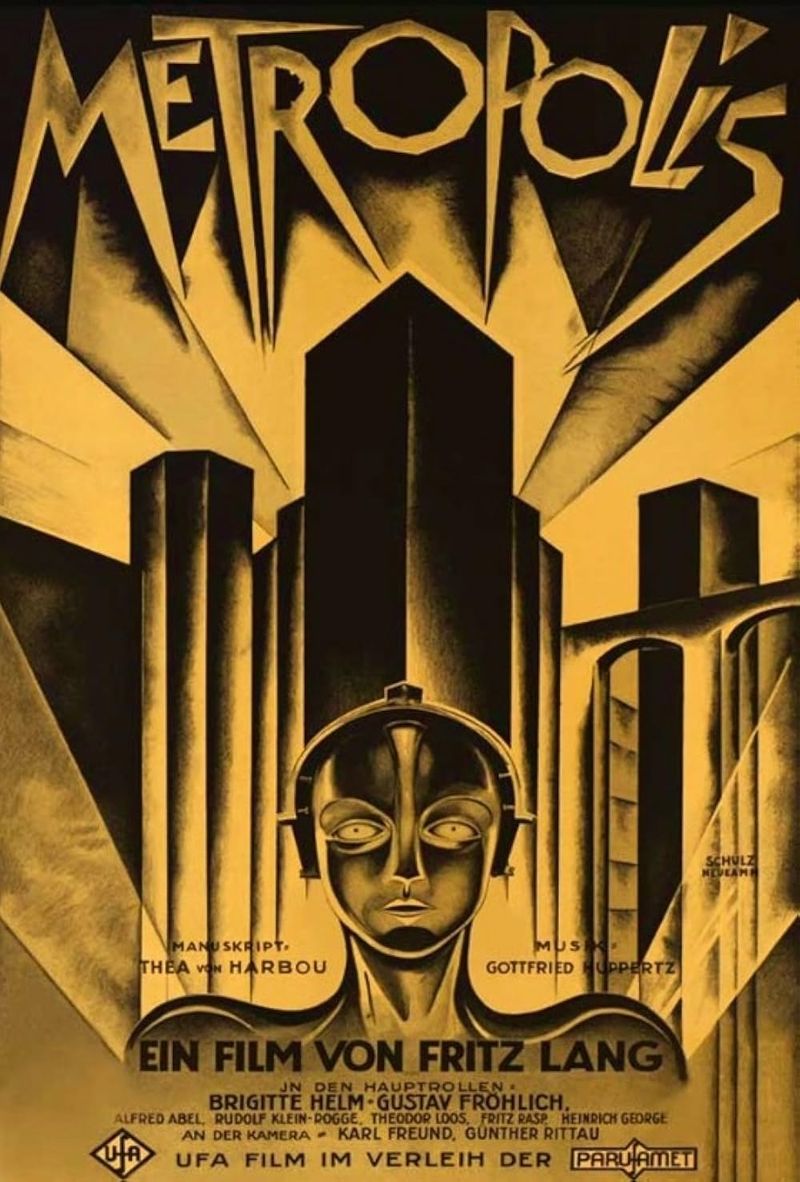
Long before Hollywood had computers or digital tools, a German filmmaker named Fritz Lang built an entire city from scratch — and it blew everyone’s minds.
Metropolis used massive miniature sets, optical illusions, and a groundbreaking technique called the Schüfftan process to make actors appear inside enormous futuristic landscapes.
The robot character, Maria, remains one of cinema’s most iconic visual creations.
For 1927, this level of filmmaking ambition was almost unthinkable.
The production cost so much that it nearly bankrupted the studio.
Still, its influence echoes in nearly every sci-fi film made since.
2. King Kong (1933)
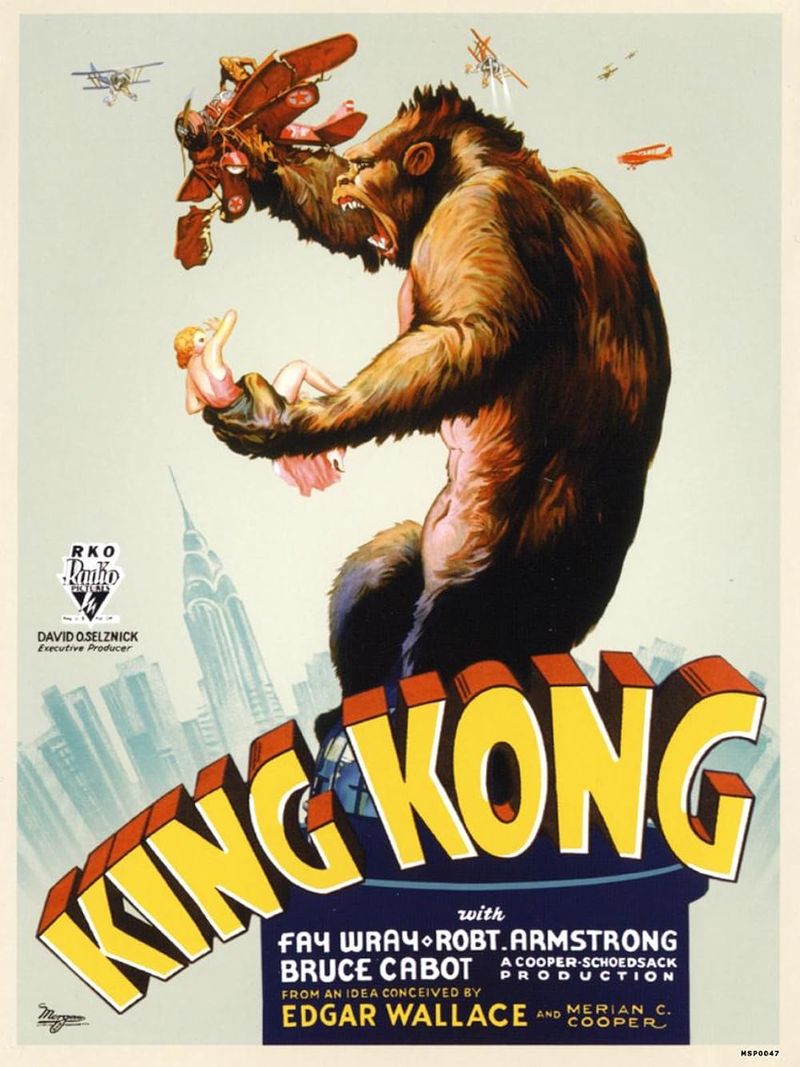
Imagine watching a giant ape climb the Empire State Building and actually believing it was real — that was the magic of King Kong in 1933.
Willis O’Brien used stop-motion animation, where tiny sculpted models are photographed one frame at a time, to bring Kong to terrifying life.
Each second of movement required 24 individual photographs.
The painstaking process took months, but the results stunned audiences worldwide.
Kong felt alive, emotional, and surprisingly sympathetic.
This film proved that special effects could create characters audiences genuinely cared about — a lesson Hollywood never forgot.
3. 2001: A Space Odyssey (1968)
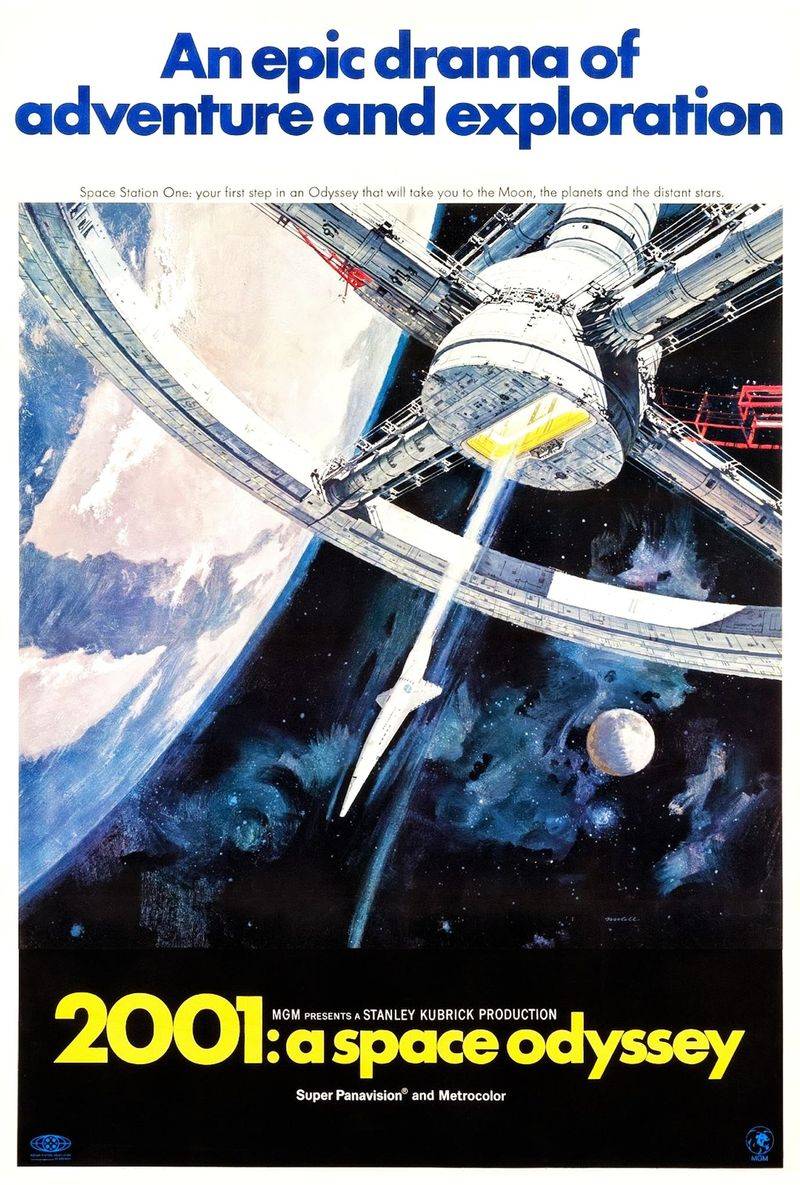
Stanley Kubrick refused to fake space — so he found ways to make it look genuinely real, years before NASA ever landed on the moon.
Released in 1968, this film used front projection, rotating sets, and meticulously detailed spacecraft models to create sequences so convincing that some people thought Kubrick had used actual NASA footage.
The famous “Star Gate” sequence alone pushed film technology further than anyone thought possible.
Kubrick’s obsessive attention to scientific accuracy set a new standard.
Every sci-fi film that followed — from Star Wars to Interstellar — owes a massive debt to this masterpiece.
4. Star Wars (1977)
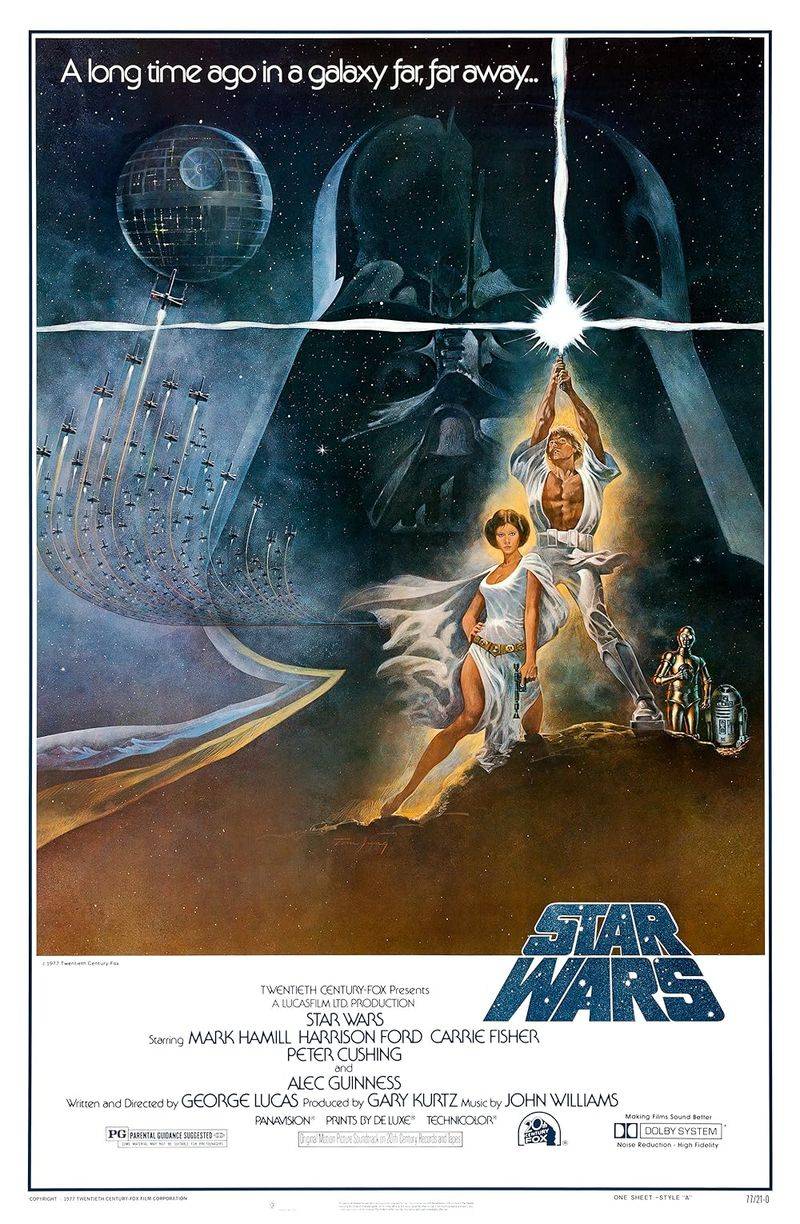
Before Star Wars, space battles in movies looked clunky and unconvincing.
George Lucas changed everything by founding Industrial Light and Magic, a visual effects company built specifically to make his impossible vision a reality.
The team developed a motion-controlled camera system called Dykstraflex, which allowed spacecraft models to be filmed with dynamic, realistic movement.
The result was unlike anything audiences had ever seen.
Star Wars won six Academy Awards, including one for Best Visual Effects.
More importantly, it launched an entire industry of blockbuster filmmaking driven by technological innovation.
Modern superhero films, space epics, and action franchises all trace their DNA back to 1977.
5. Tron (1982)
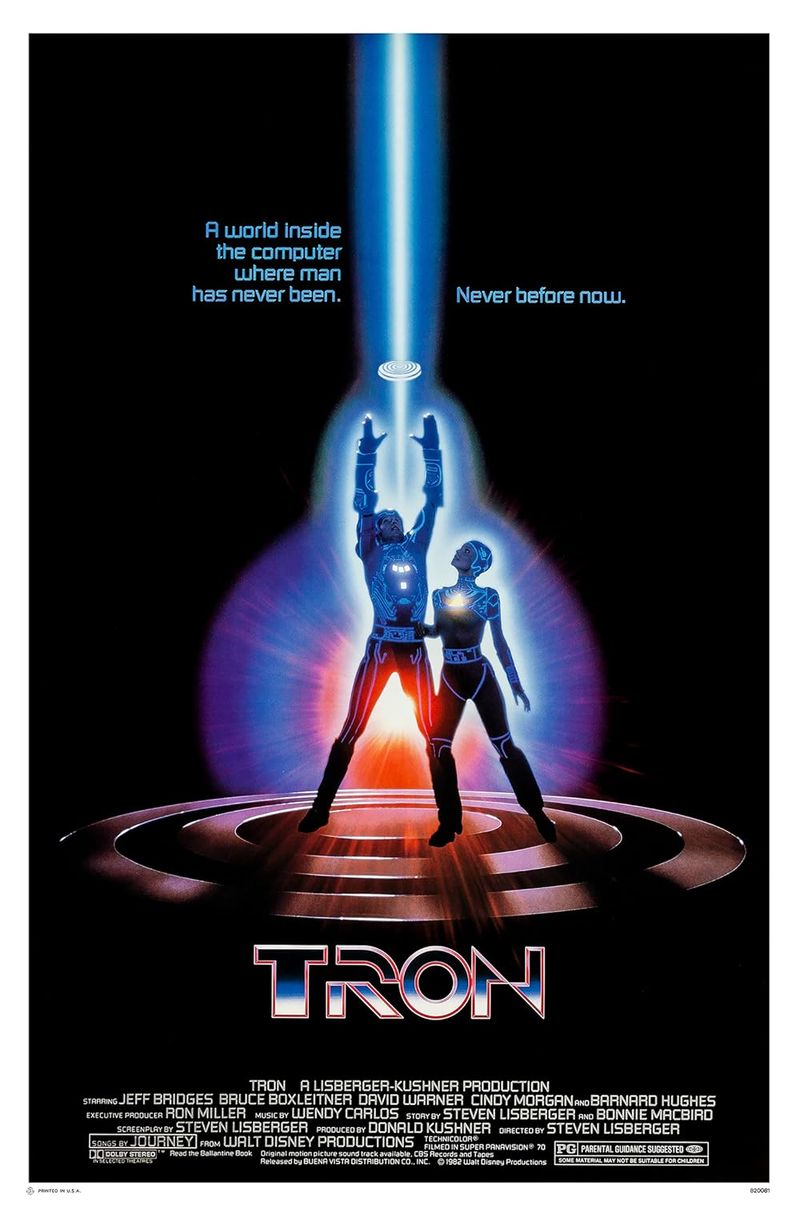
What if you could make a movie set entirely inside a computer?
That was Tron’s wild idea back in 1982 — and Disney actually pulled it off.
The film featured roughly 15 to 20 minutes of early computer-generated imagery, making it one of the very first major Hollywood productions to use CGI as a storytelling tool.
Ironically, the Academy disqualified it from the visual effects category, arguing that computers were “cheating.” History proved that opinion spectacularly wrong.
Tron cracked open a door that films like Jurassic Park and Avatar would later blow completely off its hinges.
6. The Abyss (1989)
Director James Cameron has always loved impossible challenges, and The Abyss was no exception.
The film introduced the world to a water pseudopod — a computer-generated column of water that morphed into human faces and moved with fluid, believable motion.
It was the first time CGI was used to create a photorealistic, shape-shifting character.
The effect seems simple by today’s standards, but in 1989 it was genuinely mind-blowing.
Industrial Light and Magic spent months perfecting the sequence.
This breakthrough laid the direct technical groundwork for the liquid metal T-1000 in Terminator 2, released just two years later.
7. Terminator 2: Judgment Day (1991)

Few movie villains have ever felt as genuinely terrifying as the T-1000 — a shape-shifting robot made of liquid metal that could mimic anyone or anything.
James Cameron used groundbreaking CGI to bring this character to life, building on techniques pioneered in The Abyss but pushing them into entirely new territory.
The morphing sequences looked startlingly real.
T2 spent $5 million on digital effects alone, a staggering sum at the time.
It won four Academy Awards and fundamentally changed what audiences expected from action films.
After T2, CGI stopped being a curiosity and became an essential filmmaking tool.
8. Jurassic Park (1993)
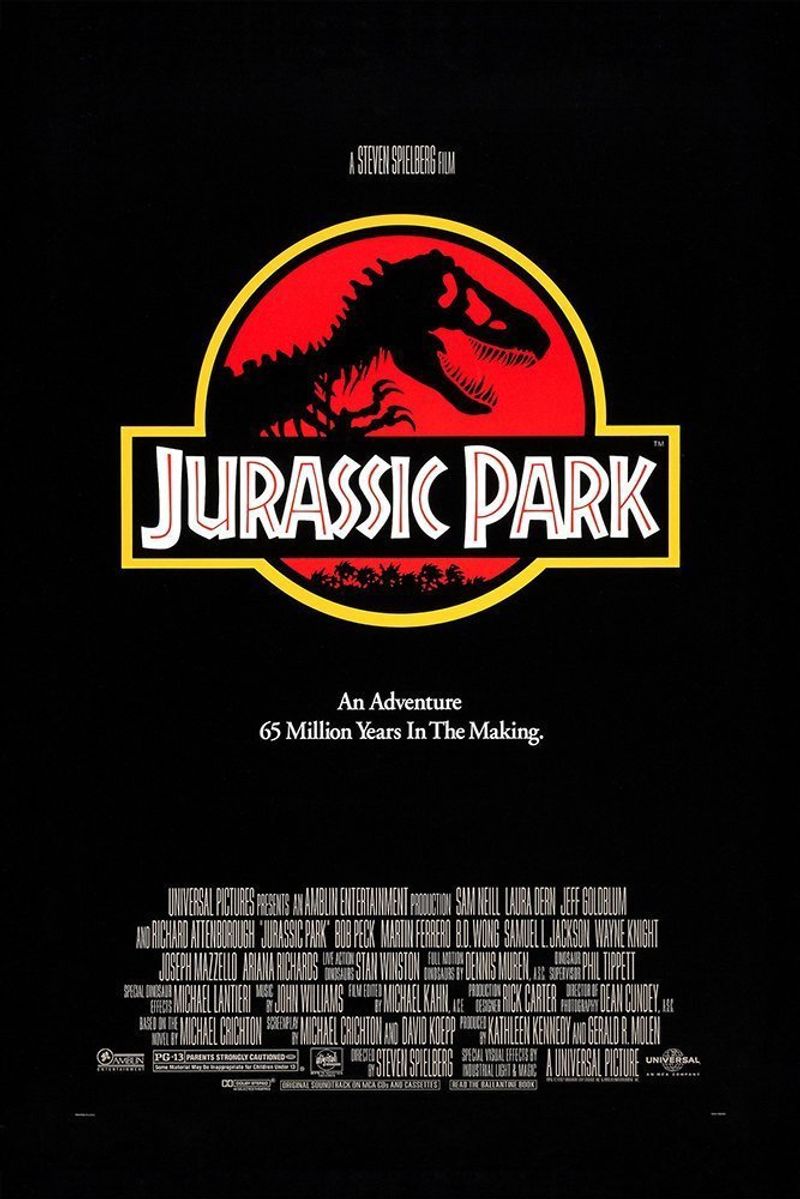
Nothing quite prepared audiences for the moment a herd of Brachiosauruses walked across the screen in Jurassic Park.
Steven Spielberg originally planned to use stop-motion animation, the classic technique from King Kong.
But when ILM showed him early CGI dinosaur tests, he immediately changed course — and cinema history was made.
The T-Rex attack scene remains one of the most thrilling sequences ever filmed.
Jurassic Park proved that CGI could create living, breathing, emotionally convincing creatures.
Every modern film featuring digital animals or creatures — from The Lion King to How to Train Your Dragon — was made possible by what Spielberg started here.
9. Toy Story (1995)
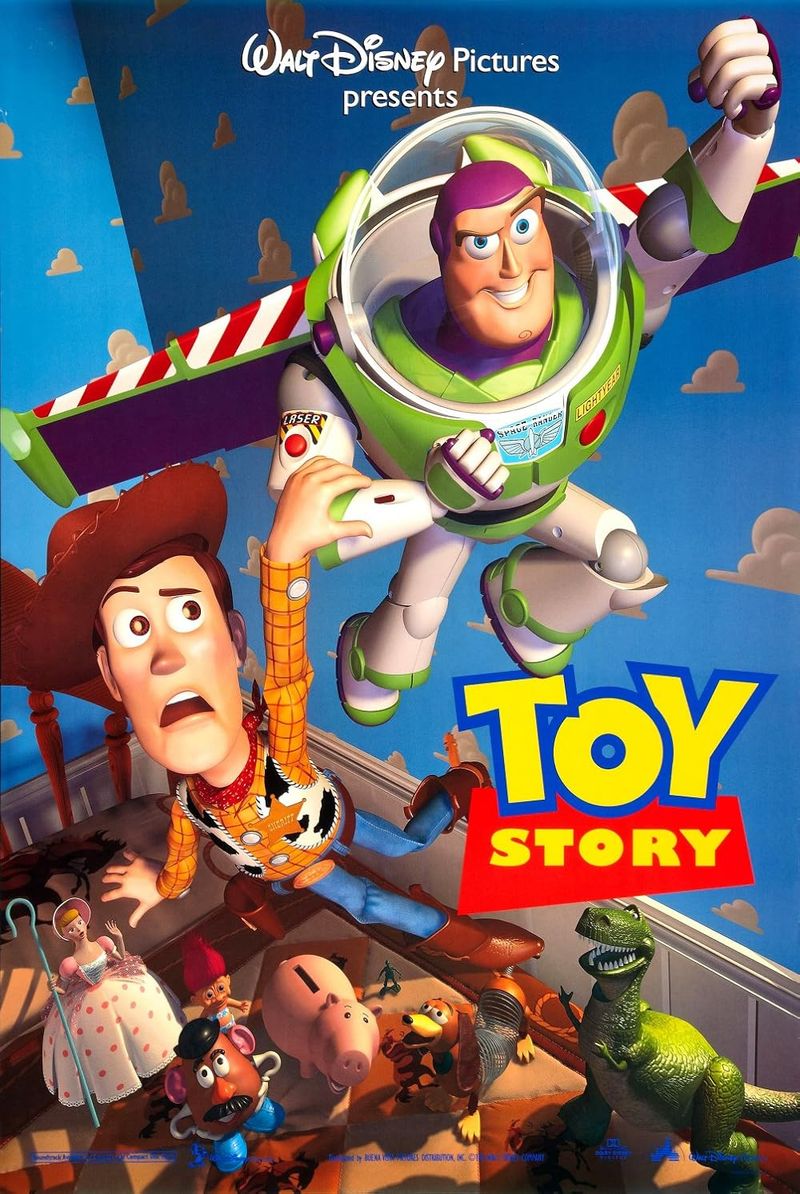
Nobody had ever made a feature-length movie entirely with computers before Toy Story came along.
Pixar’s debut film ran for 81 minutes and contained not a single frame of live-action footage — every shot was generated digitally.
It took Pixar’s team of animators and programmers four years to build the technology and create the film simultaneously.
Woody and Buzz became instant cultural icons, but the real revolution was behind the scenes.
Toy Story proved that CGI animation could carry an entire emotional story without relying on traditional hand-drawn techniques.
It launched the era of modern computer-animated filmmaking that Disney, DreamWorks, and Pixar still dominate today.
10. The Matrix (1999)
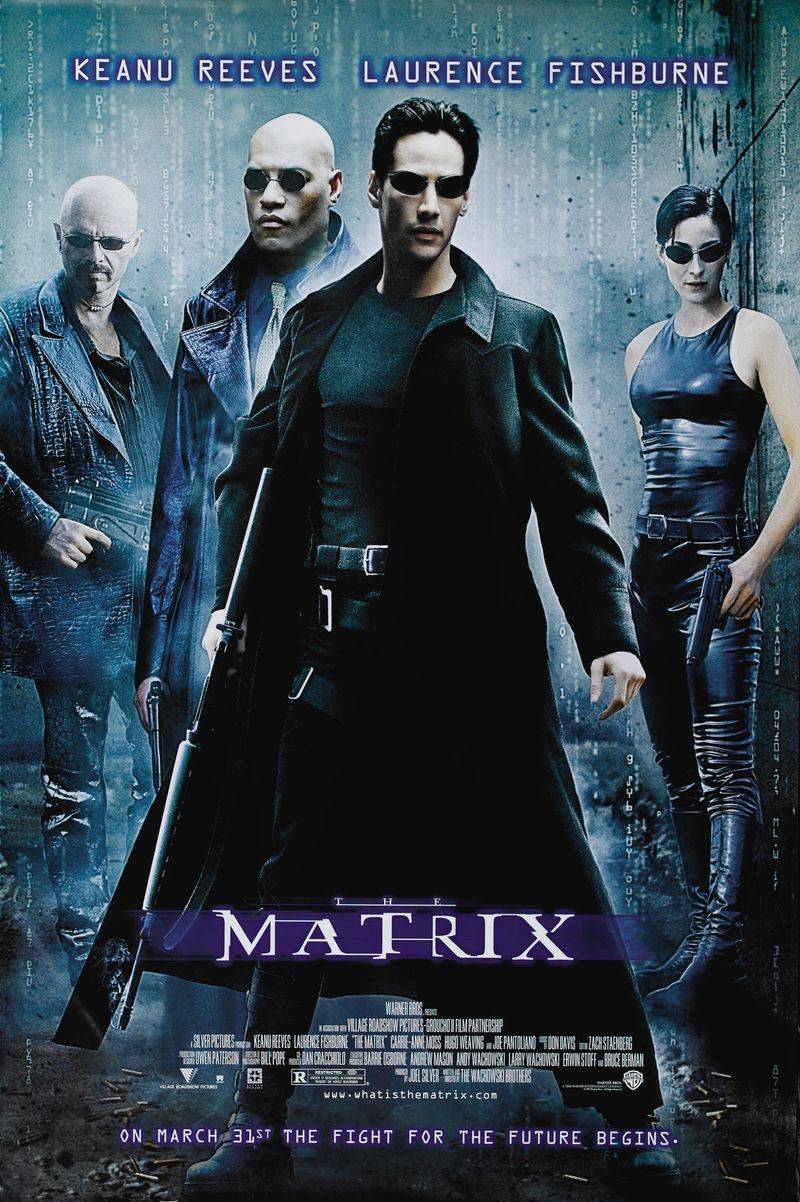
Slow motion had existed in movies for decades, but The Wachowskis made audiences feel like time itself had stopped.
The now-legendary “bullet-time” effect was created by surrounding the actors with hundreds of still cameras that fired in rapid sequence, creating the illusion of a moving camera around a frozen moment.
It was technically brilliant and visually breathtaking.
Every major action film released after 1999 borrowed from this technique in some way.
The Matrix also pushed the boundaries of digital compositing, blending live action and CGI more seamlessly than ever before.
It remains one of the most visually influential films in Hollywood history.
11. The Lord of the Rings: The Fellowship of the Ring (2001)
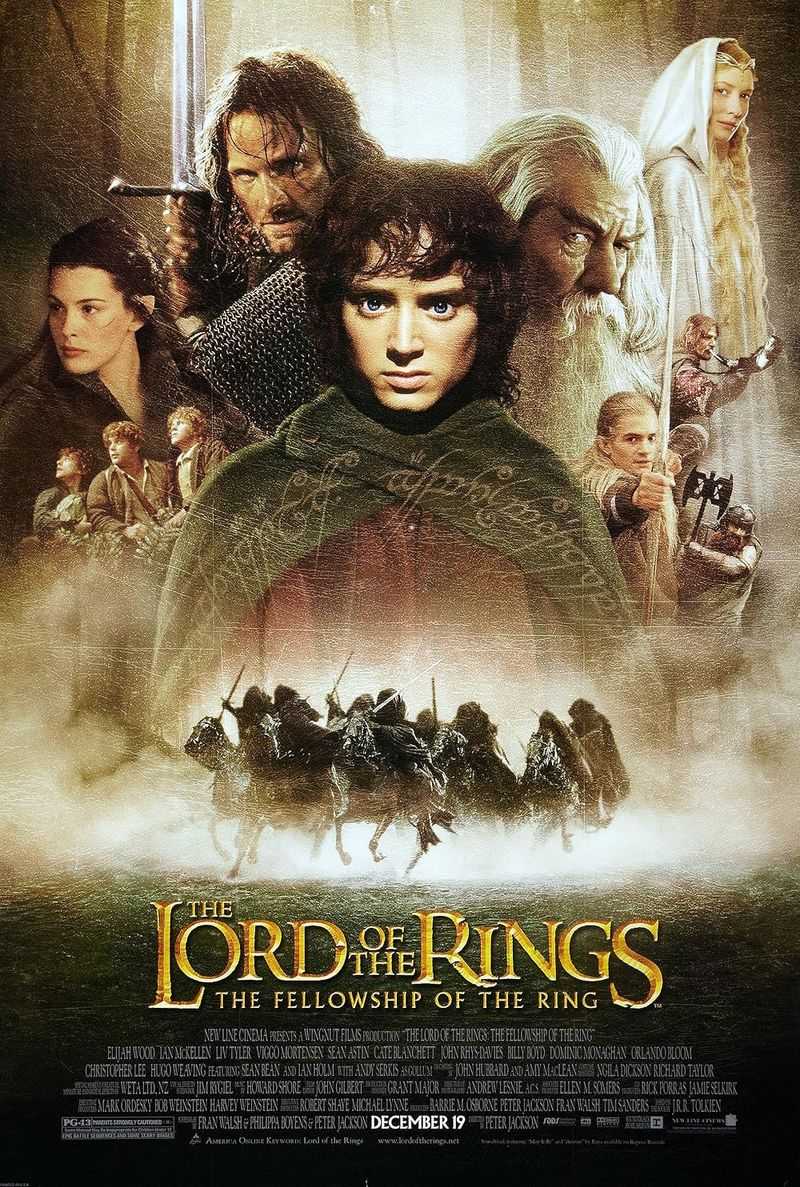
Peter Jackson needed to fill his battles with thousands of soldiers — but he couldn’t hire thousands of extras.
His solution was MASSIVE, a revolutionary artificial intelligence software that gave each digital soldier its own brain, making them move, fight, and react independently.
The result was battle scenes of staggering, believable scale.
Beyond crowd simulation, the film also used seamless trickery to make the hobbits appear genuinely small next to full-sized humans.
WETA Digital, Jackson’s effects company, became a global powerhouse because of this trilogy.
Fellowship proved that digital tools could serve storytelling without ever pulling audiences out of the world being created.
12. Avatar (2009)
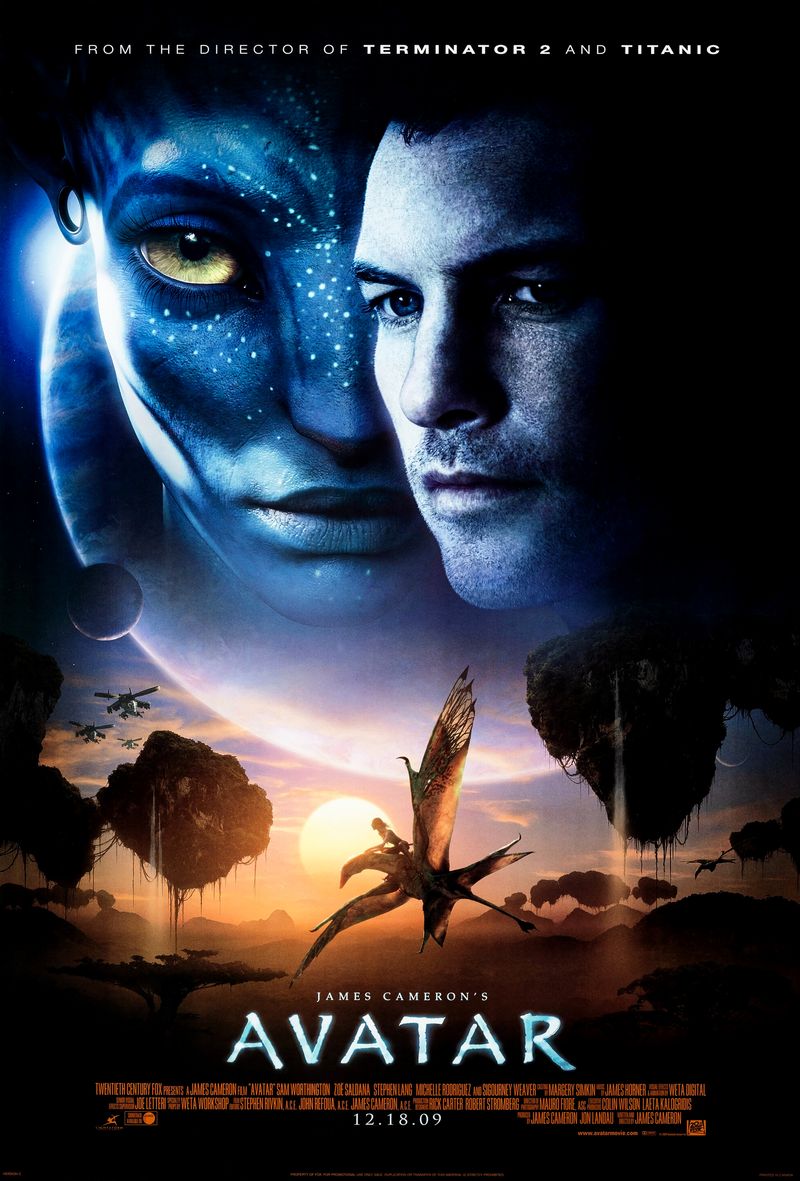
James Cameron spent over a decade developing the technology needed to make Avatar before a single scene was filmed.
The movie introduced performance capture on a massive scale, where actors wore sensor-covered suits that translated their every movement and facial expression directly into digital alien characters.
The results felt eerily human.
Avatar also pushed 3D filmmaking to new heights, creating a sense of depth and immersion that felt genuinely transformative in theaters.
It became the highest-grossing film of all time upon release.
Pandora felt like a real, living world — and that achievement came from technology that simply didn’t exist before Cameron invented it.
13. Gravity (2013)
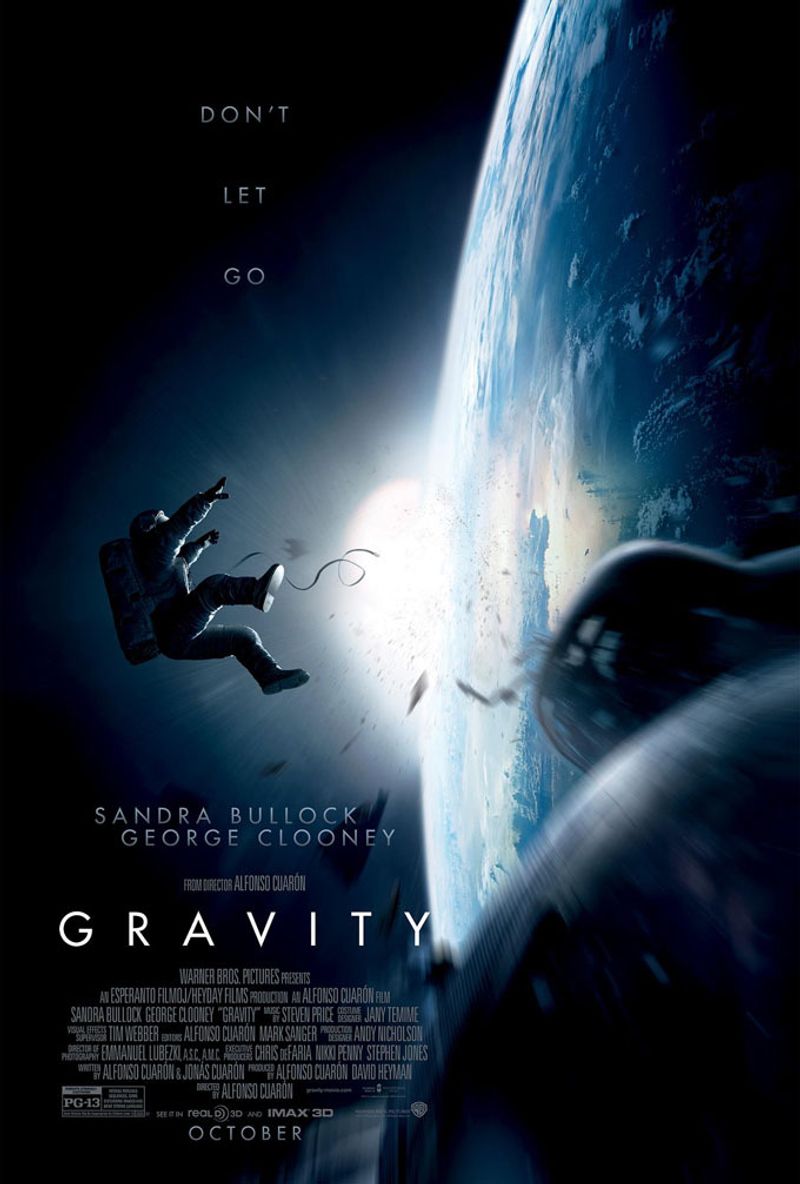
Alfonso Cuaron’s Gravity opens with a single unbroken shot that lasts over thirteen minutes, set entirely in the silence of outer space.
Achieving this required inventing entirely new filmmaking technologies, including a custom LED light box that surrounded actors and projected realistic space environments onto them in real time.
The result was physically convincing in a way no space movie had achieved before.
Visual effects studio Framestore spent three years building the digital space environment.
Sandra Bullock’s character was almost entirely CGI in many shots — audiences had no idea.
Gravity won seven Academy Awards and permanently raised the bar for realistic digital environments in film.
14. Avatar: The Way of Water (2022)
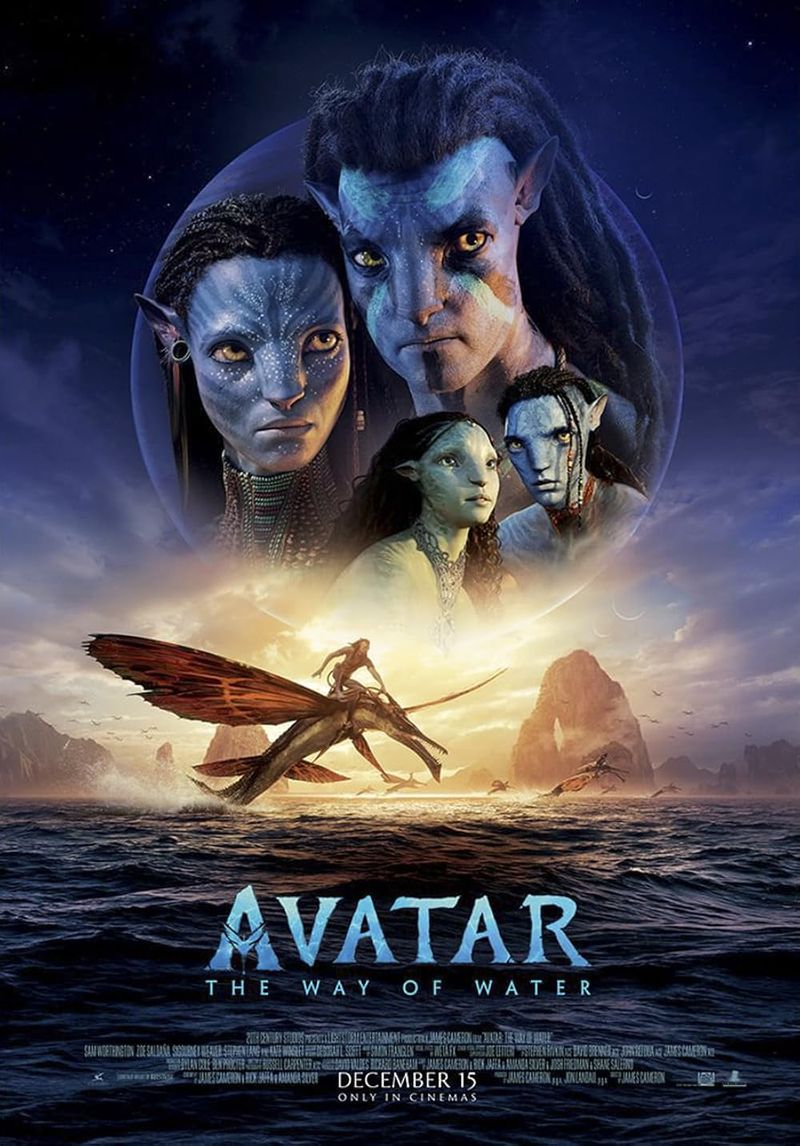
Thirteen years after the original Avatar, James Cameron returned to Pandora and immediately shattered expectations again.
The Way of Water required actors to perform underwater while wearing performance capture suits — something that had never been attempted at this scale.
The team had to develop entirely new waterproof tracking technology just to make it possible.
The ocean environments of Pandora are so visually rich that marine biologists were reportedly stunned by the detail.
Cameron shot at 48 frames per second in certain sequences, creating a hyper-realistic smoothness.
The film cost over $350 million to produce, and every dollar shows on screen in ways that feel like a genuine leap forward.
Comments
Loading…