
 Mila Ross
14 Movies That Feel Too Real After Emotional Abuse
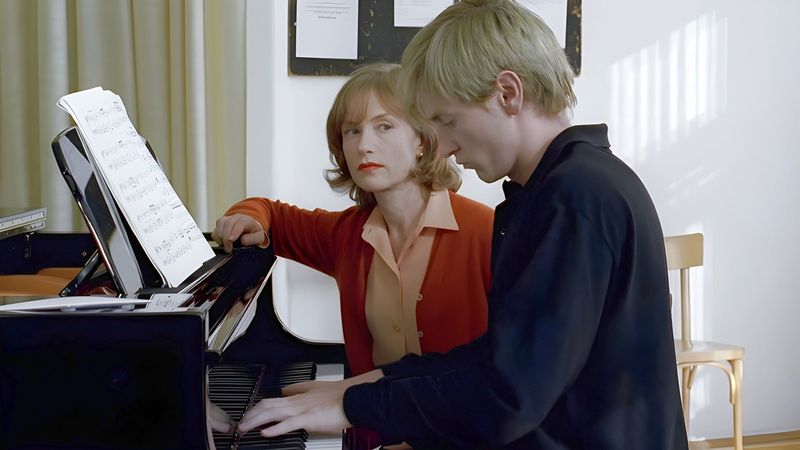
Some movies hit differently when you have lived through emotional abuse. They capture the confusion, the fear, and the slow erosion of self-worth in ways that feel startlingly familiar.
Whether you are healing, still processing, or just trying to understand what happened to you, these films can be both validating and eye-opening. Here are 14 movies that survivors often say feel uncomfortably, powerfully real.
1. Gaslight (1944)
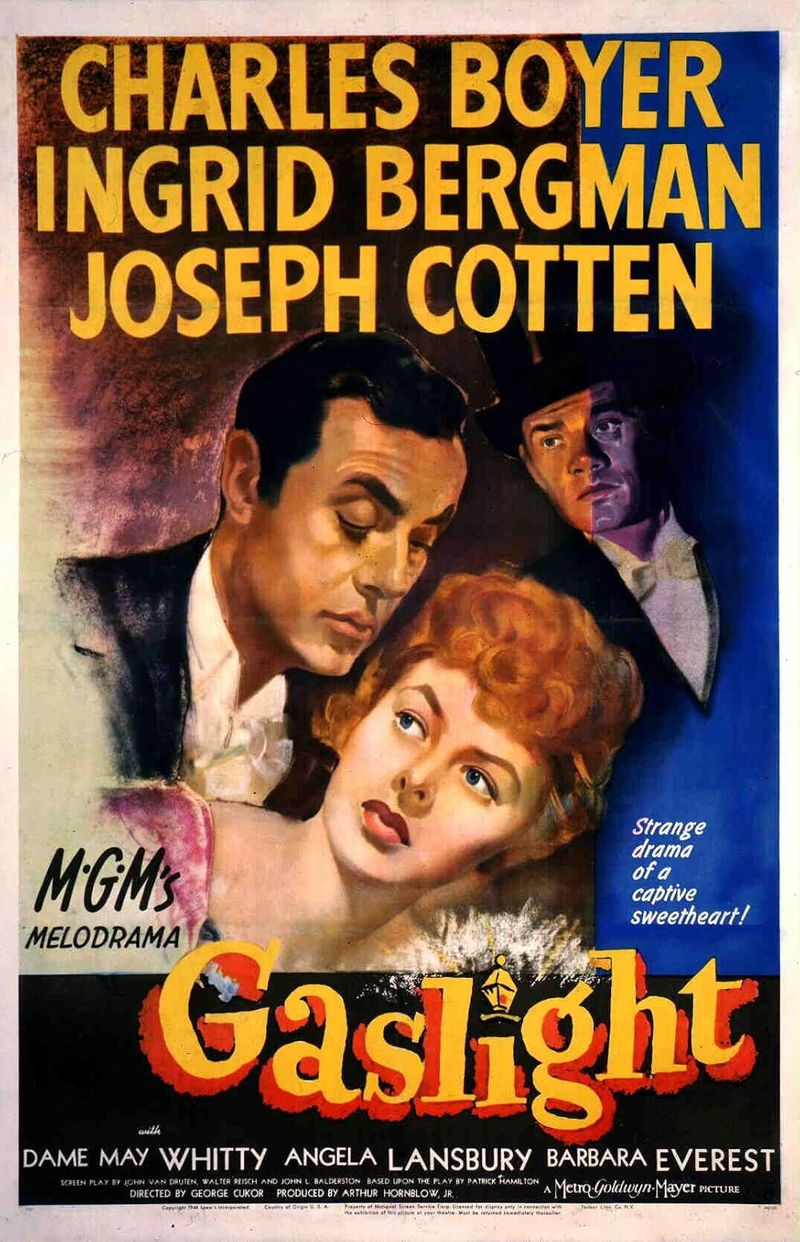
Before the word “gaslighting” entered everyday conversation, this film invented it.
Paula, a young woman in Victorian London, marries a charming man who slowly convinces her she is losing her mind.
He dims the gas lights and then denies it ever happened.
Watching this movie after experiencing emotional abuse can feel like seeing your own life reflected back in black and white.
The way her husband isolates her, twists her reality, and makes her doubt every instinct is chillingly familiar.
It is a masterclass in how manipulation hides behind love.
2. Who’s Afraid of Virginia Woolf? (1966)
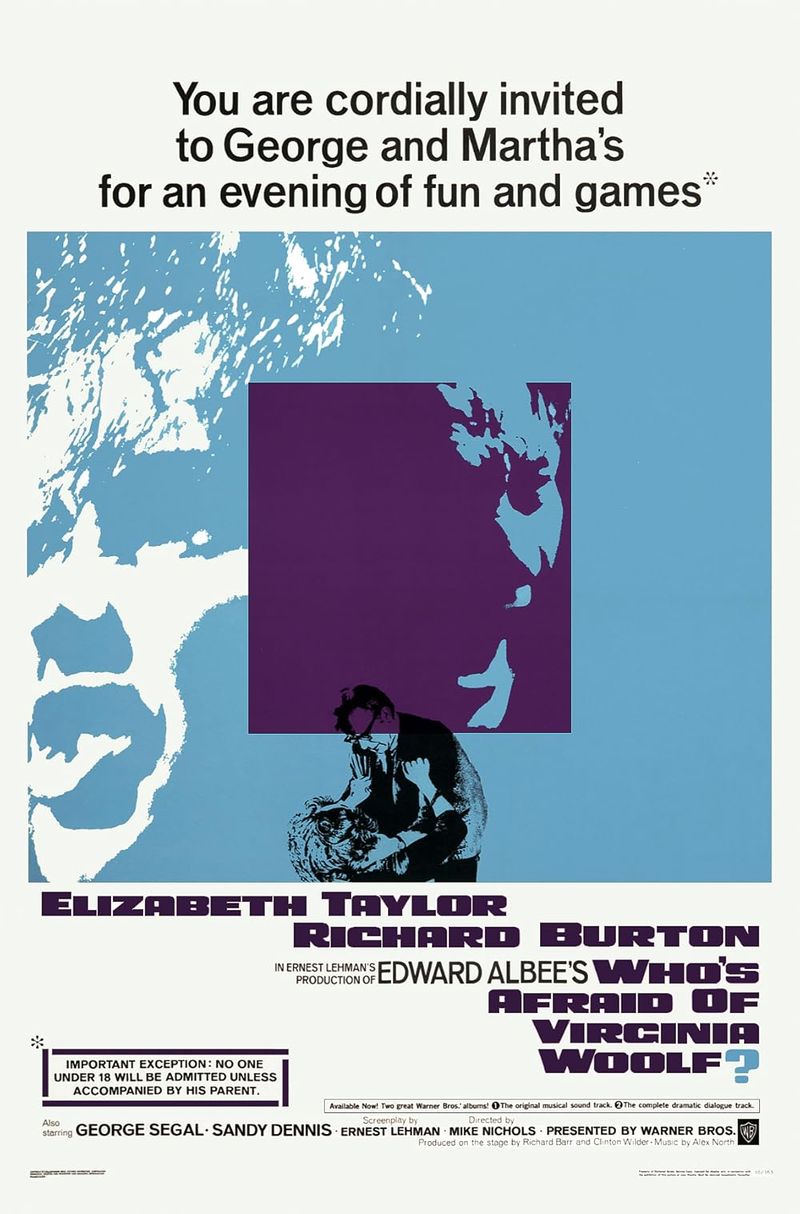
Few films capture the vicious cycle of emotional warfare inside a marriage quite like this one.
George and Martha tear each other apart with words so sharp they could draw blood, all while their guests watch in horrified silence.
What makes it so uncomfortable is how real the cruelty feels.
Survivors of emotional abuse often recognize the pattern of public humiliation disguised as humor, the power plays, and the way love and destruction get tangled together.
Elizabeth Taylor and Richard Burton deliver performances so raw they are almost too painful to watch.
3. The Piano Teacher (2001)
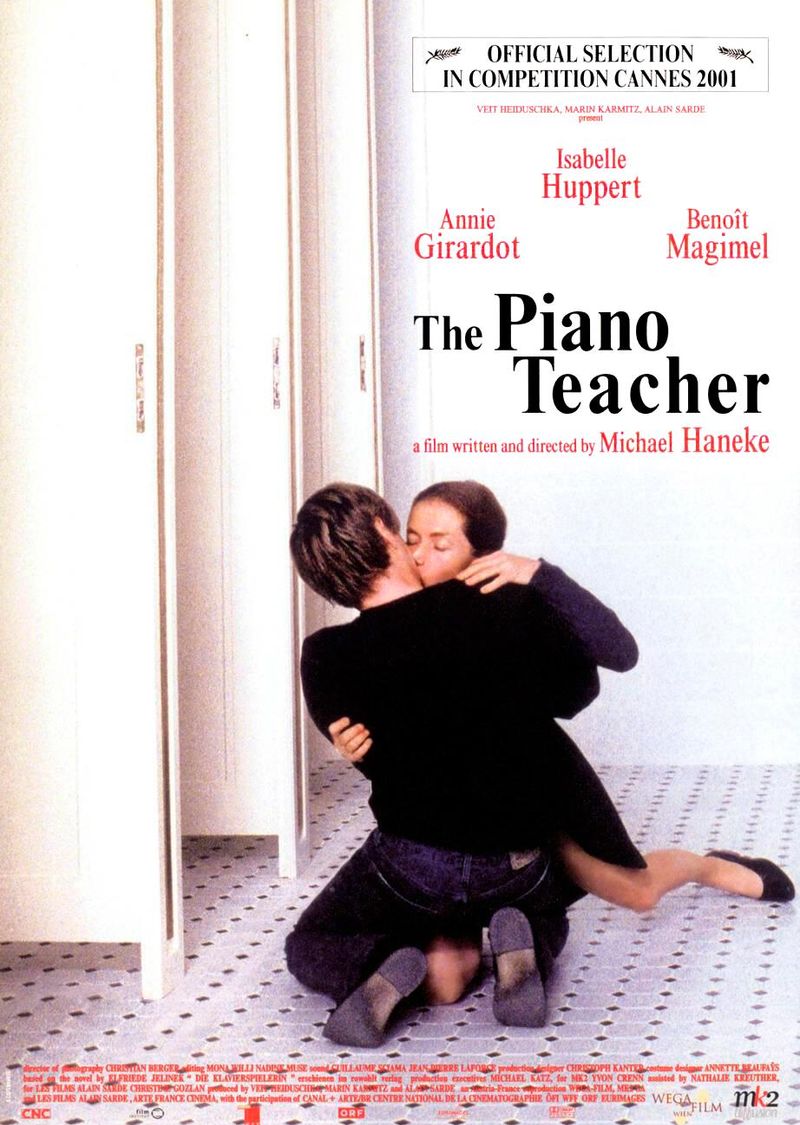
Erika Kohut is a brilliant piano teacher whose entire emotional world has been shaped by years of control and suppression.
Her relationship with her domineering mother has left her disconnected from her own desires and sense of self.
Michael Haneke crafts a film that is deeply unsettling precisely because it shows how emotional abuse reshapes a person from the inside out.
Survivors will recognize Erika’s difficulty trusting herself, her fractured sense of identity, and the way she struggles to form healthy connections.
It is a hard watch, but an honest one.
4. Enough (2002)

Slim thought she had found the perfect partner.
Then the mask slipped, and the man she married became someone terrifying.
What starts as emotional control quickly escalates, and Slim realizes that leaving is not as simple as walking out the door.
This film is cathartic for many survivors because it shows the full journey from love-bombing to abuse to reclaiming power.
Jennifer Lopez brings a fierce vulnerability to the role.
The movie does not sugarcoat how trapped an abused partner can feel, or how much courage and planning it actually takes to break free safely.
5. Edge of Madness (2002)

Set on the harsh Canadian frontier, this period drama follows a young woman trapped in a brutal and isolating marriage far from any community or help.
The wilderness itself becomes a mirror for her emotional imprisonment.
What sets this film apart is how it shows isolation as a deliberate tool of abuse.
Cut off from everyone who might help her, Annie slowly loses her grip on reality in ways that feel painfully recognizable to those who have experienced emotional captivity.
The film is quiet and slow-burning, but its portrait of psychological damage is deeply affecting and hard to shake.
6. Black Swan (2010)
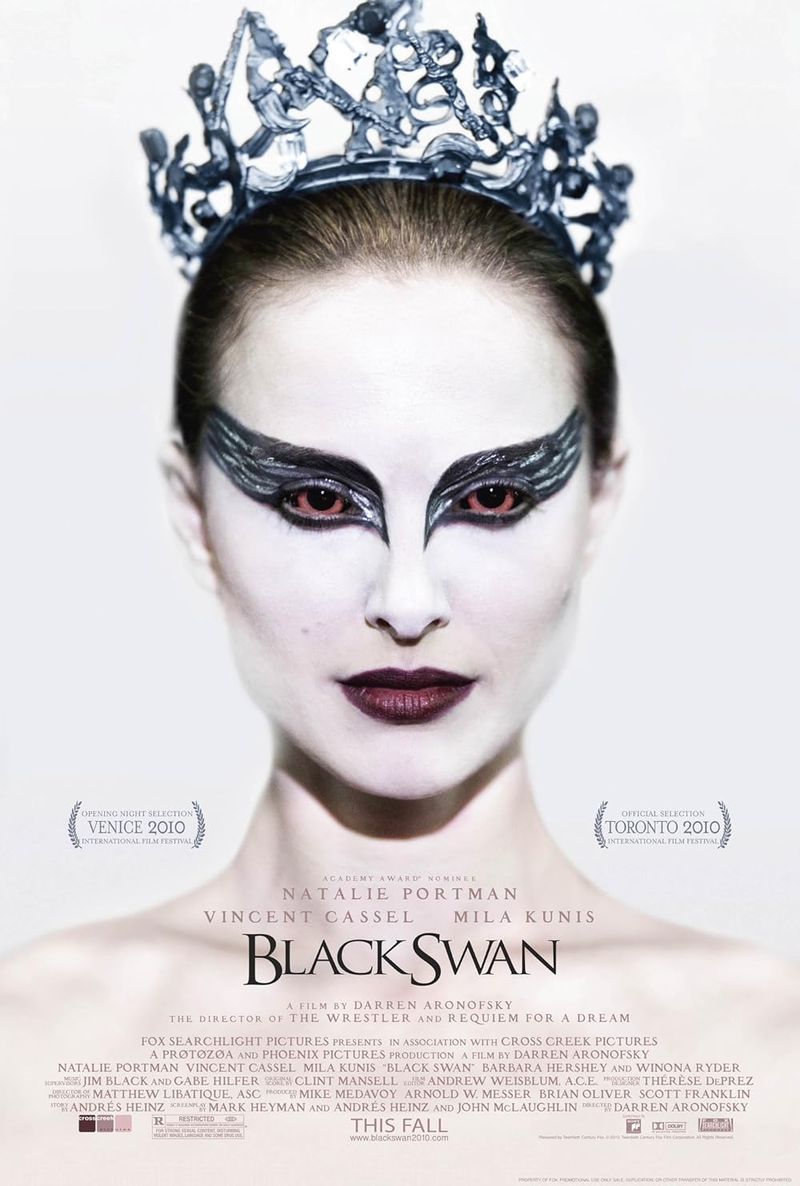
Perfection can be its own kind of prison.
Nina is a ballerina under enormous pressure from her controlling mother and a manipulative director, both of whom chip away at her sense of self in different but equally damaging ways.
Darren Aronofsky builds a world where the line between ambition and self-destruction is razor thin.
Survivors of emotional abuse often connect with Nina’s inability to trust her own perceptions and her desperate need for external approval.
The film shows how years of control can fracture identity until a person no longer recognizes themselves.
Natalie Portman’s performance is shattering.
7. Gone Girl (2014)
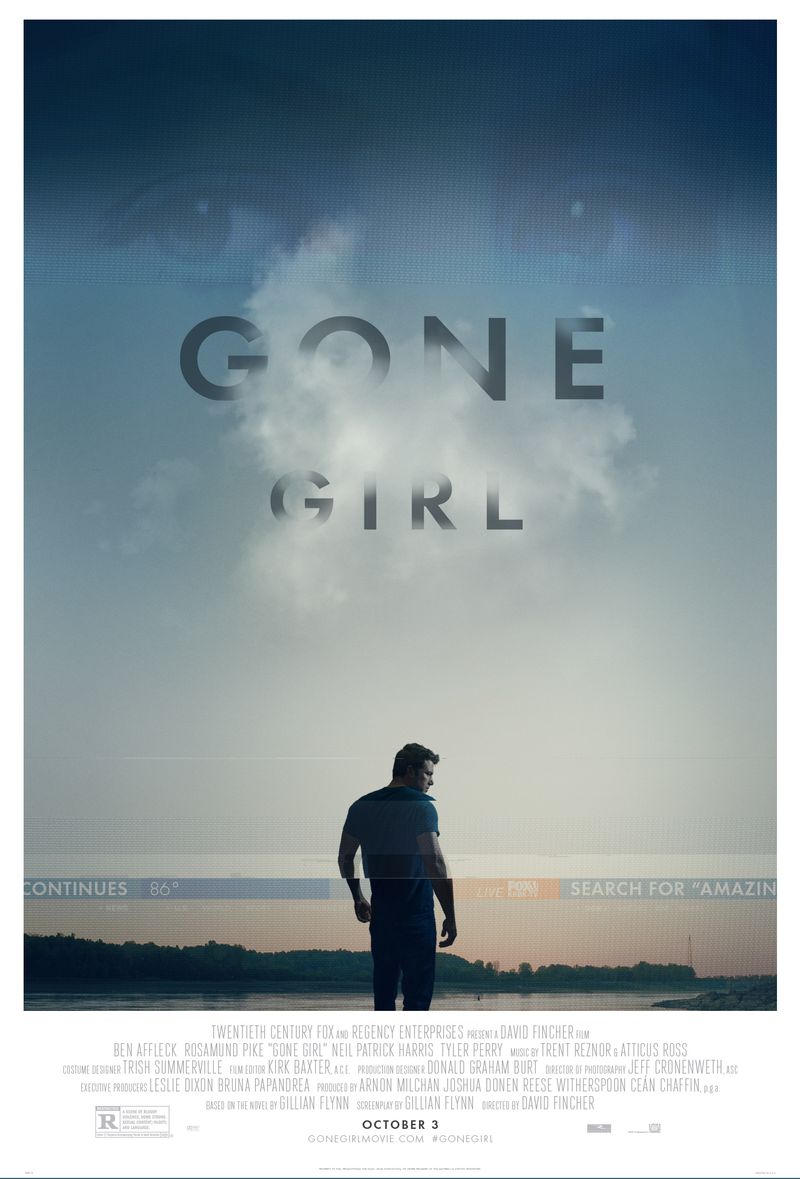
David Fincher’s thriller flips the script in ways that keep you unsettled long after the credits roll.
On the surface, it is a mystery about a missing woman.
Underneath, it is a chilling examination of how two people can slowly destroy each other emotionally.
Both Nick and Amy engage in forms of manipulation and emotional cruelty that escalate to terrifying extremes.
Survivors often note how accurately the film captures the performance of a relationship, the way abusers craft public personas that contradict private behavior.
It is provocative, uncomfortable, and deliberately designed to leave you questioning everything you thought you saw.
8. Room (2015)
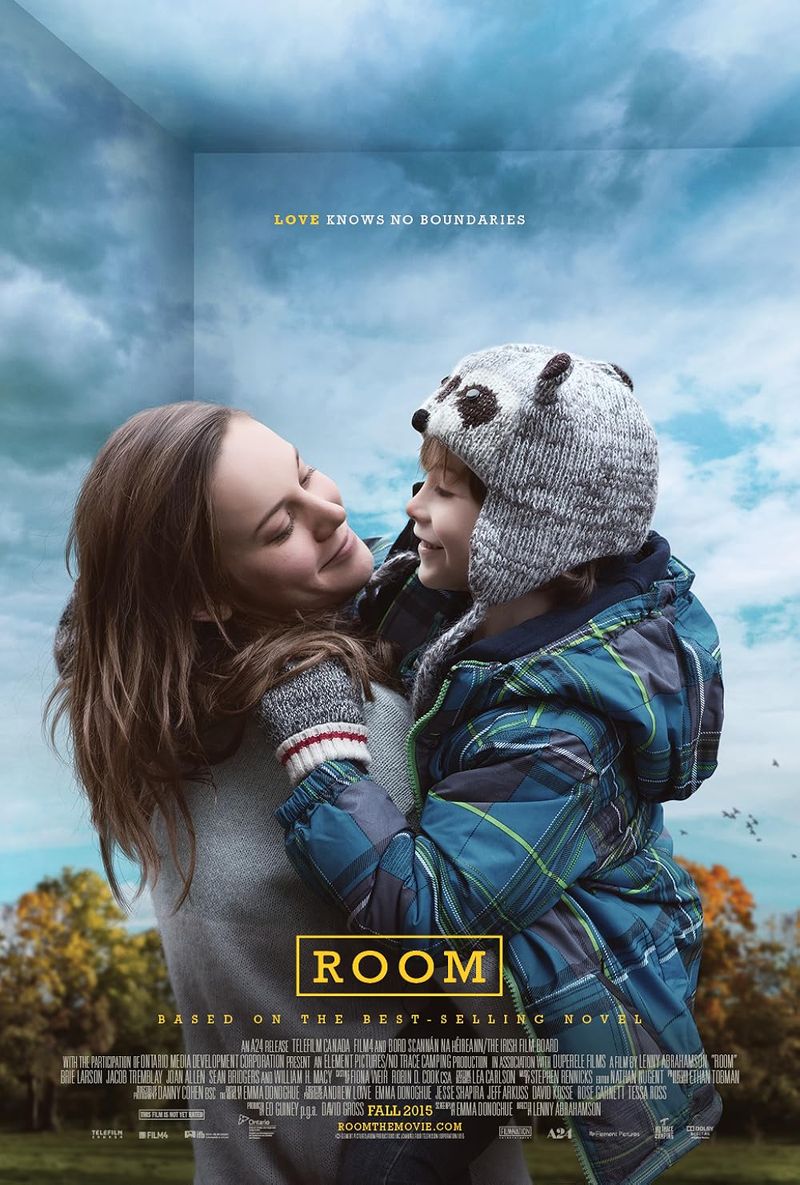
Joy and her young son Jack have spent years trapped in a single room by a man who controls every aspect of their existence.
What makes this film extraordinary is how it portrays the psychological aftermath of captivity just as much as the captivity itself.
Brie Larson’s performance reveals how emotional and physical control can reshape a person’s entire relationship with the outside world.
Even after escape, the damage does not simply disappear.
Survivors of long-term emotional abuse often describe the same disorientation when freedom finally comes, and this film validates that complicated, messy reality with remarkable tenderness.
9. The Invisible Man (2020)

Even after escaping her abuser, Cecilia cannot convince anyone that she is still being watched and tormented.
The horror here is not just the invisible threat, it is the way everyone around her dismisses her fear as paranoia.
For survivors of emotional abuse, this film is almost unbearably relatable.
The experience of not being believed, of having your reality questioned by the very people who should protect you, is one of the most isolating parts of recovery.
Elisabeth Moss delivers a performance of raw, barely contained terror that captures what it feels like to know something is wrong when no one else does.
10. Promising Young Woman (2020)

Cassie carries a wound that never healed.
After her best friend was destroyed by a traumatic experience that everyone chose to ignore, Cassie has spent years in quiet, calculated grief and rage.
She has built her entire life around a pain that others minimized.
This film speaks directly to survivors who were told to move on, get over it, or stop making things difficult.
The emotional damage of being dismissed, disbelieved, or blamed is front and center throughout.
Emerald Fennell’s direction is bold and provocative, turning a story about trauma into something that refuses to let the audience look away or feel comfortable.
11. Marriage Story (2019)
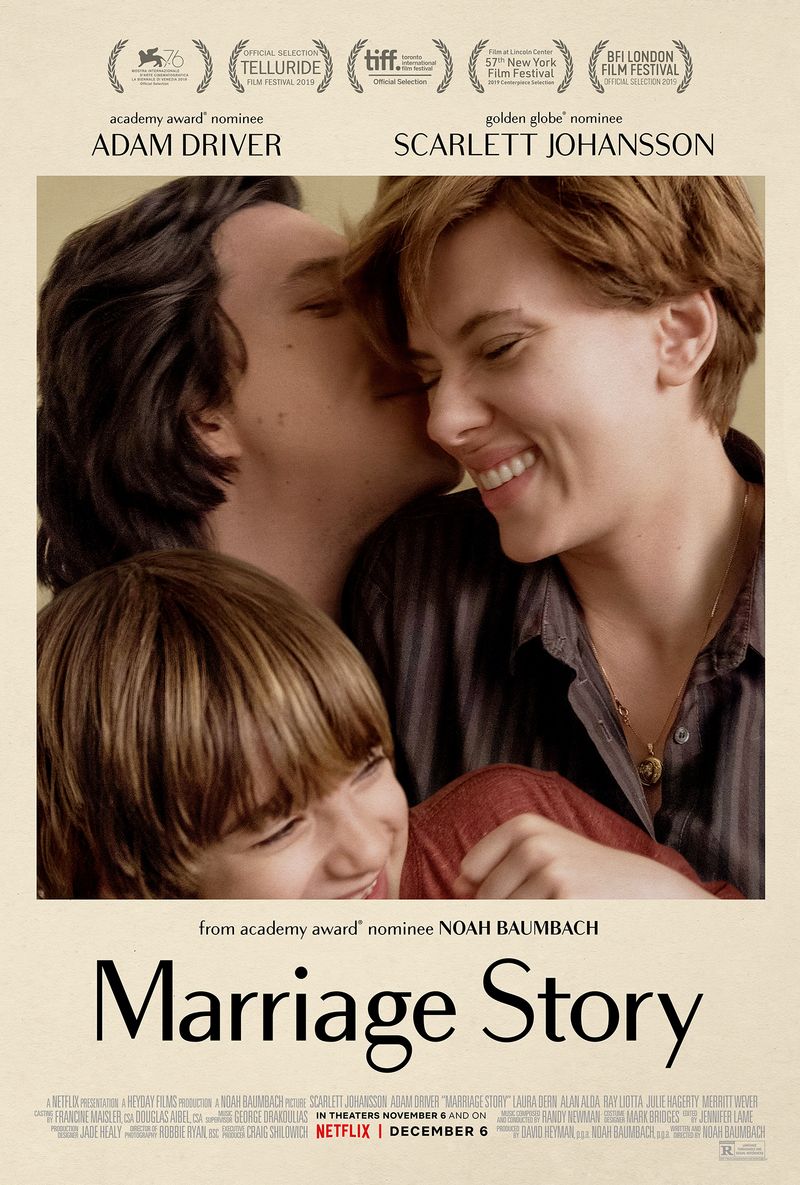
Noah Baumbach’s film begins as a love story and slowly reveals itself to be something far more painful.
Charlie and Nicole are divorcing, and the process strips away every layer of civility until what is left is raw, ugly, and heartbreakingly human.
There is one scene where a quiet argument explodes into something vicious that many survivors describe as deeply triggering and deeply familiar.
The film shows how emotional harm can accumulate over years inside a relationship that looks fine from the outside.
Adam Driver and Scarlett Johansson make you feel every moment of that slow unraveling with stunning authenticity.
12. The Girl on the Train (2016)

Rachel watches a couple from the train every day, projecting a perfect life onto them that hides a far darker reality.
When the woman disappears, Rachel becomes tangled in a mystery she cannot fully trust herself to solve because her own memory has been weaponized against her.
The film captures something specific and devastating about the aftermath of emotional abuse: the way it destroys your confidence in your own mind.
Rachel’s self-doubt, her fragmented memory, and her isolation are all recognizable to survivors.
Emily Blunt brings a raw, unglamorous vulnerability to the role that makes Rachel’s struggle feel authentic rather than melodramatic.
13. Sleeping with the Enemy (1991)

Laura has the kind of life that looks perfect from the outside: a beautiful home, a successful husband, and everything in order.
Behind closed doors, that order is enforced through fear, control, and violence that escalates with terrifying precision.
This film was groundbreaking in showing how emotional and physical abuse work together as a system of control.
The scene where Laura discovers her husband has rearranged her kitchen cupboards, revealing he has found her hiding place, is one of cinema’s most effective depictions of how an abuser monitors and dominates every detail of a victim’s life.
Julia Roberts is quietly devastating.
14. Martha Marcy May Marlene (2011)

Martha has escaped a cult, but her mind has not fully followed.
Living with her sister and trying to rebuild a normal life, she is haunted by memories and behaviors that make no sense to the people around her, and the film never fully lets you separate past from present.
Sean Durkin’s debut is one of the most accurate portrayals of complex trauma ever put on screen.
The confusion, the hypervigilance, the difficulty trusting anyone, and the way abuse rewires a person’s understanding of normal are all rendered with quiet precision.
Elizabeth Olsen’s performance is understated, raw, and completely unforgettable.
Comments
Loading…