
 Chloe Peterson
14 Movies So Heavy You Won’t Want to See Them Twice
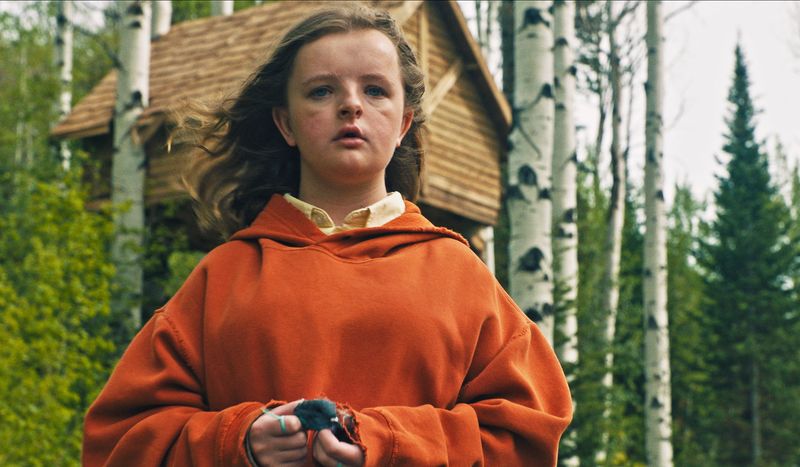
Some movies stay with you long after the credits roll, not because they were fun, but because they were deeply painful. These films tackle real human suffering, trauma, and darkness in ways that feel almost too honest to bear.
Watching them once is a powerful experience, but going back for a second viewing feels like reopening a wound. Fair warning: every film on this list is worth seeing, but probably only once.
1. Schindler’s List (1993)
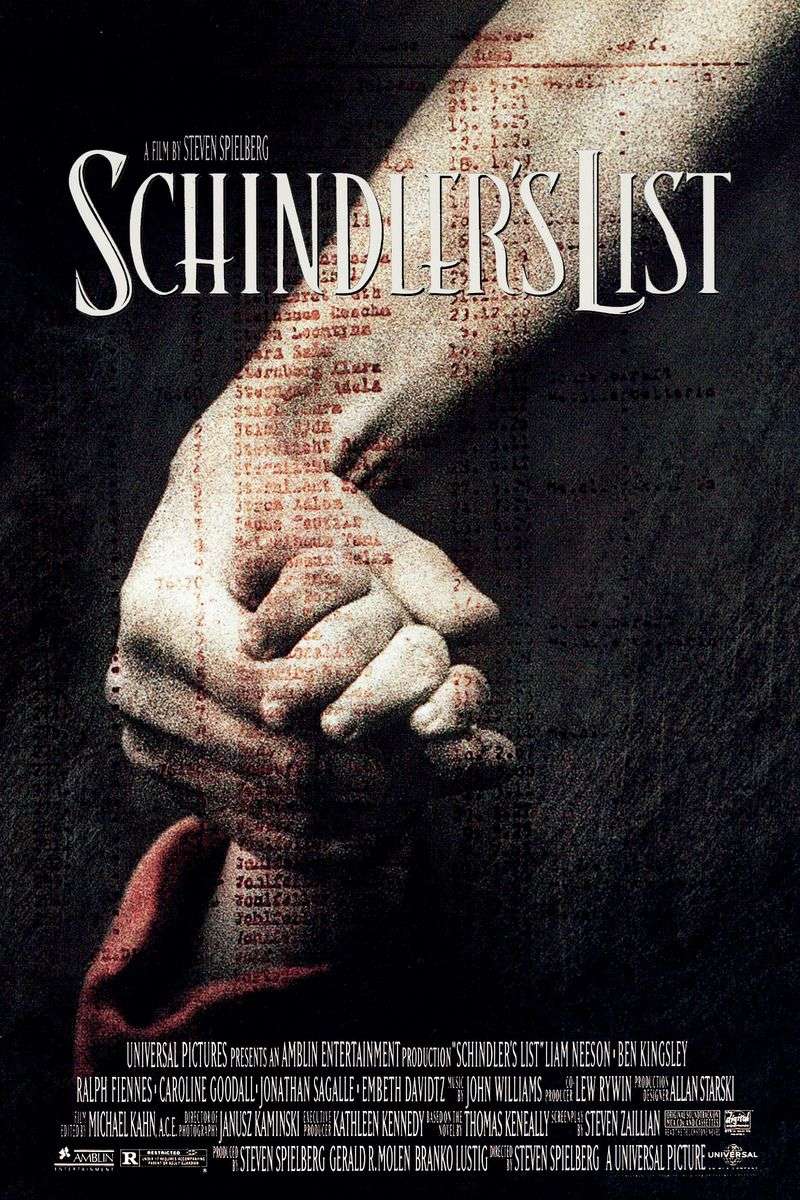
Few films have ever carried the weight of history the way this one does.
Steven Spielberg’s masterpiece follows Oskar Schindler, a German businessman who saved over a thousand Jewish lives during the Holocaust.
Shot mostly in stark black and white, the film strips away any comfort the viewer might cling to.
The famous scene with the little girl in the red coat is one of cinema’s most haunting images.
Every performance feels brutally real.
Watching it once changes you, but watching it again feels like voluntarily stepping back into grief that never fully heals.
2. Requiem for a Dream (2000)
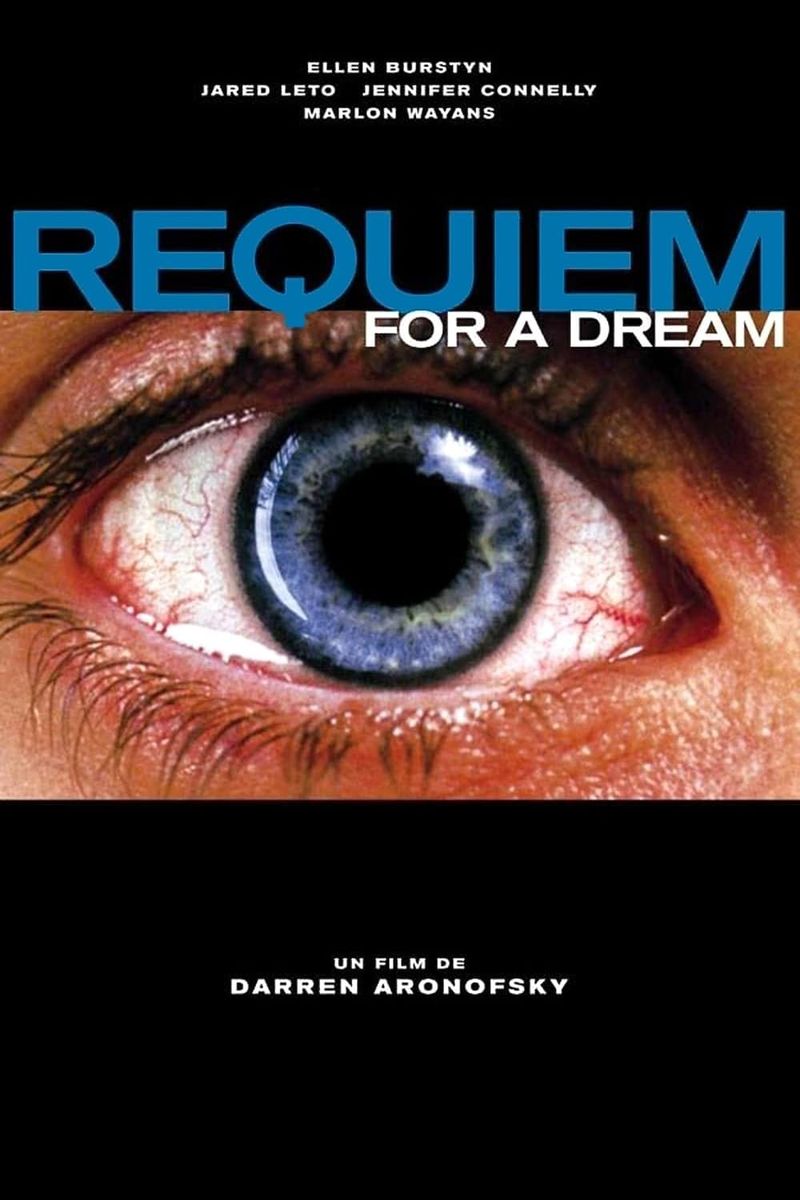
Darren Aronofsky built this film like a trap, pulling you in before slamming every door shut.
Four characters chase their dreams through addiction, and every step forward is actually two steps toward destruction.
The editing style is frantic, the score is suffocating, and the ending is one of the most devastating in film history.
Ellen Burstyn’s performance as a lonely mother spiraling into amphetamine addiction earned her an Oscar nomination for good reason.
Most people who watch this film describe it the same way: unforgettable, important, and absolutely impossible to sit through again.
3. Grave of the Fireflies (1988)
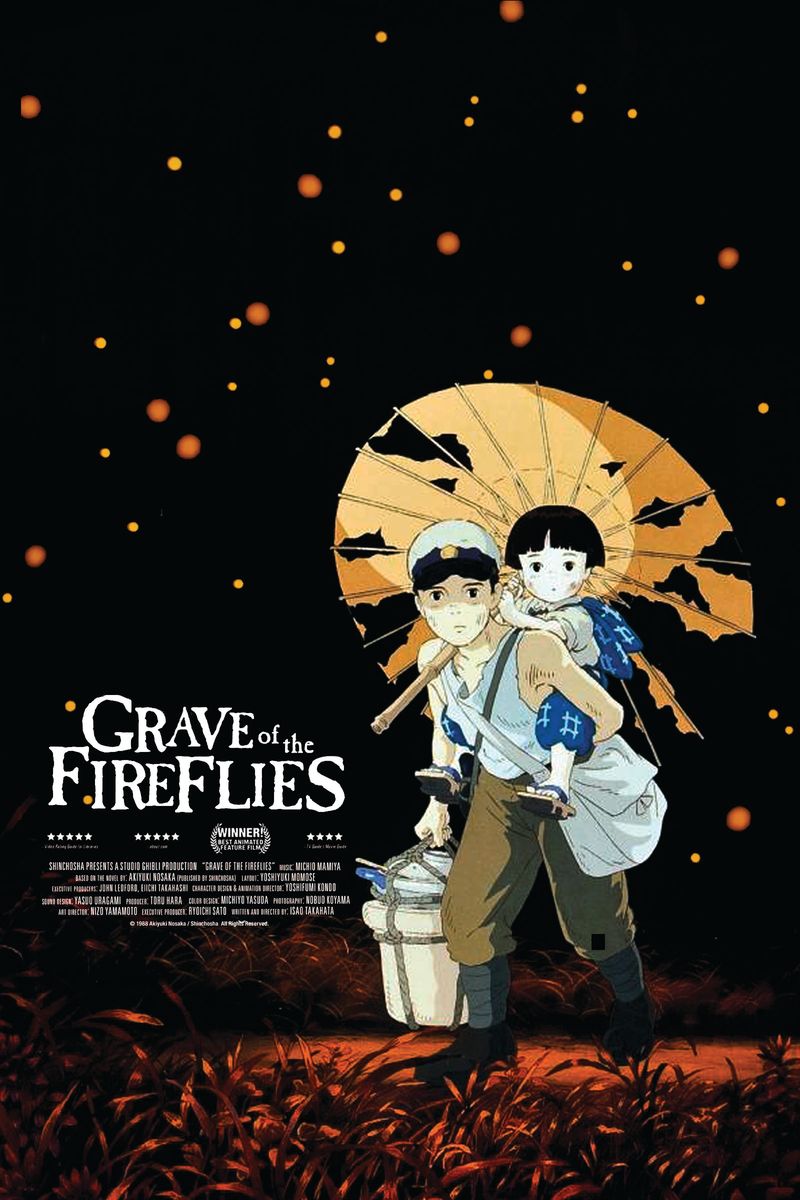
Studio Ghibli is known for beautiful, imaginative films, but this one is something entirely different.
Set during the final months of World War II in Japan, it follows a teenage boy trying to protect his younger sister after their mother is killed in a firebombing.
The animation is gorgeous, which somehow makes the suffering even harder to watch.
Director Isao Takahata wanted audiences to understand the civilian cost of war, not through statistics, but through two small, heartbreaking lives.
Many viewers report crying throughout the entire second half.
Watching it once is an act of courage; watching it twice is rare.
4. The Pianist (2002)
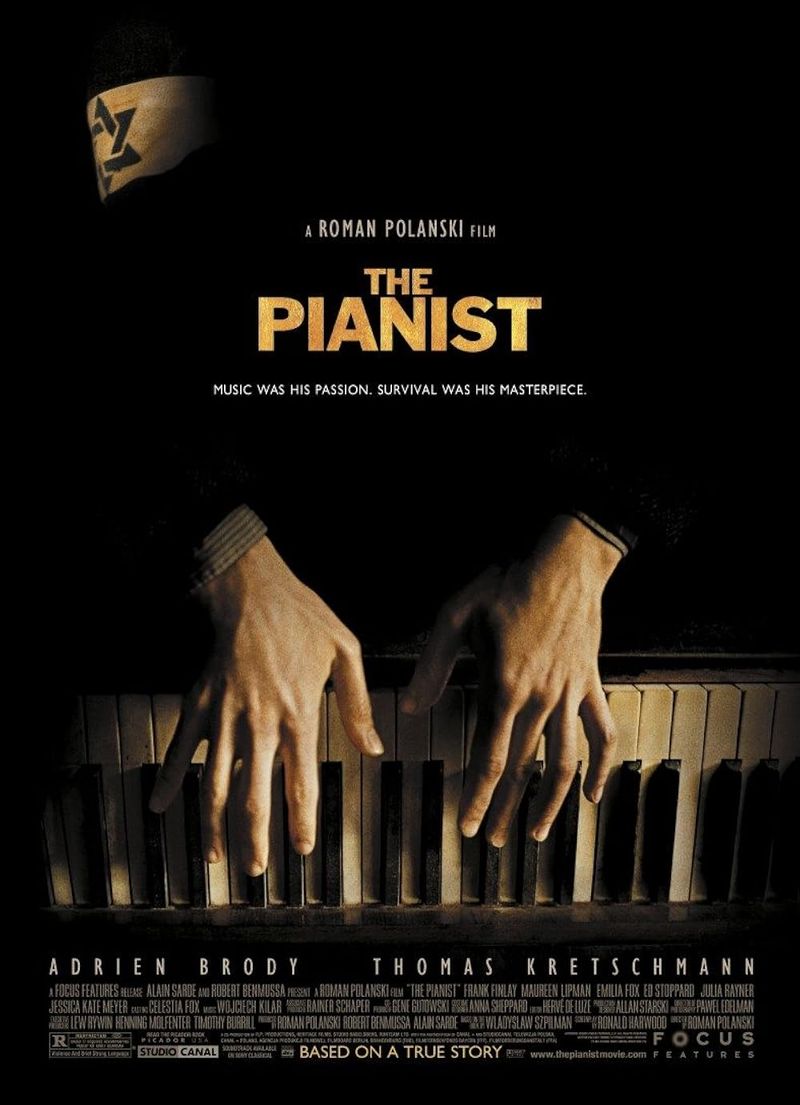
Based on the true memoir of Wladyslaw Szpilman, this Roman Polanski film follows a Polish-Jewish pianist struggling to survive the destruction of Warsaw during World War II.
What makes it especially painful is how quietly it unfolds.
There are no dramatic speeches, just a man trying to stay alive in a world that has decided he should not exist.
Adrien Brody lost 30 pounds for the role and delivered a performance that feels less like acting and more like witnessing.
The film won three Academy Awards.
Seeing it once is enough to understand why Polanski, a Holocaust survivor himself, needed to make it.
5. 12 Years a Slave (2013)
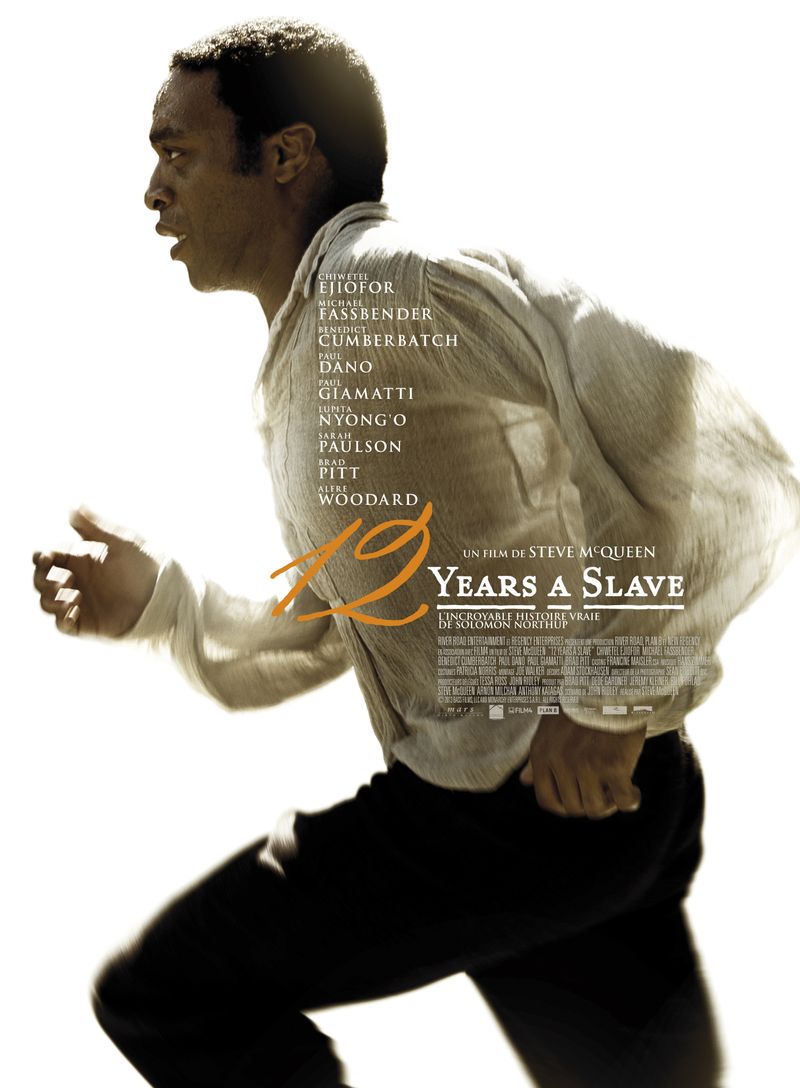
Solomon Northup was a free Black man living in New York when he was kidnapped and sold into slavery in 1841.
Director Steve McQueen refuses to look away from any of it.
The violence is not stylized or quick; it is prolonged, deliberate, and meant to make the viewer deeply uncomfortable.
Chiwetel Ejiofor carries every scene with a dignity that makes each injustice hit harder.
This film won the Academy Award for Best Picture and sparked important conversations about how history is taught and remembered.
Watching it is necessary.
Watching it twice requires emotional preparation most people simply cannot make.
6. Manchester by the Sea (2016)
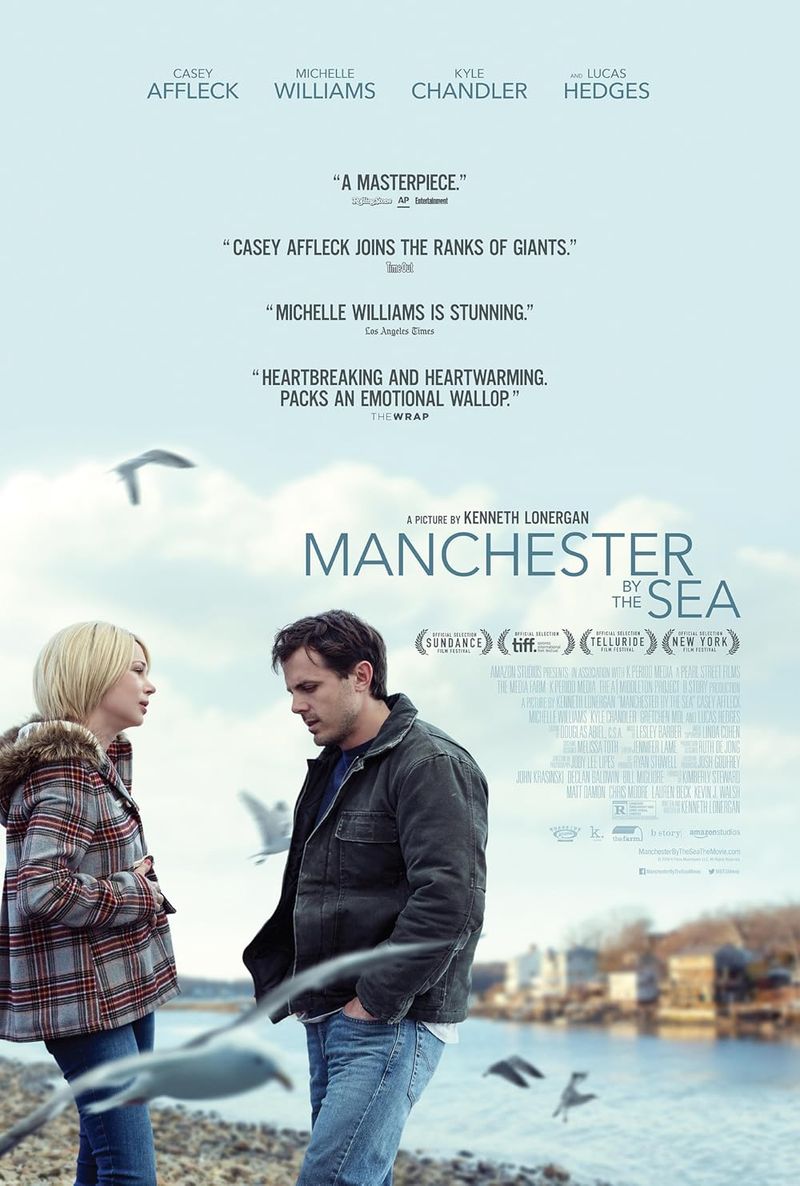
Grief does not always look like crying.
Sometimes it looks like a man who has completely shut down, unable to forgive himself for something that cannot be undone.
Casey Affleck plays Lee Chandler, a janitor forced to return to his hometown after his brother dies, and the film slowly reveals why he left in the first place.
Writer-director Kenneth Lonergan handles the backstory with such restraint that when the truth finally surfaces, it hits like a wave.
There is no tidy resolution, no redemption arc wrapped in a bow.
Just an honest, aching portrait of a man learning to carry what cannot be fixed.
7. Come and See (1985)
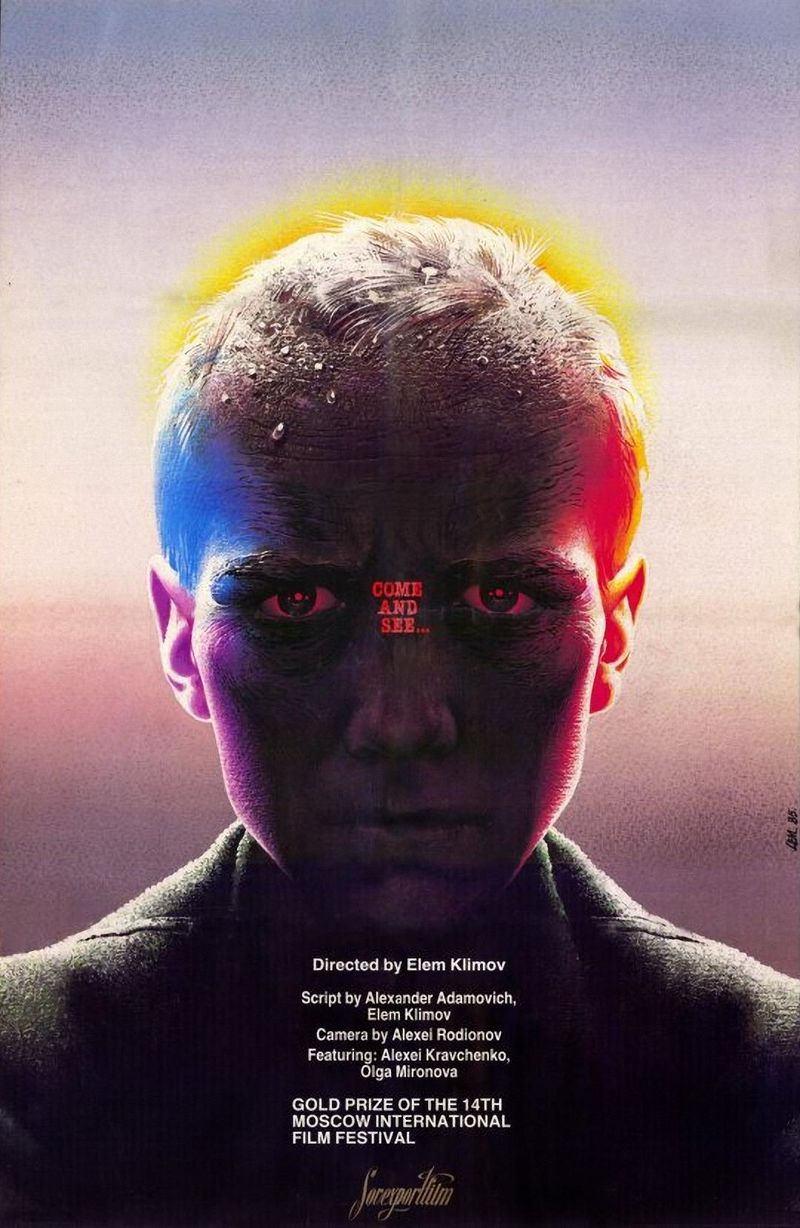
Widely considered the most psychologically devastating war film ever made, this Soviet masterpiece follows a young Belarusian boy who joins the resistance against Nazi forces in 1943.
Director Elem Klimov did not want audiences to watch war; he wanted them to experience it from inside a mind being shattered in real time.
The lead actor, Aleksei Kravchenko, was just 14 years old during filming and reportedly underwent hypnosis to handle certain scenes.
By the end, his character’s face looks decades older.
Critics and filmmakers around the world have called it essential viewing, but almost no one describes wanting to revisit it.
8. Hereditary (2018)
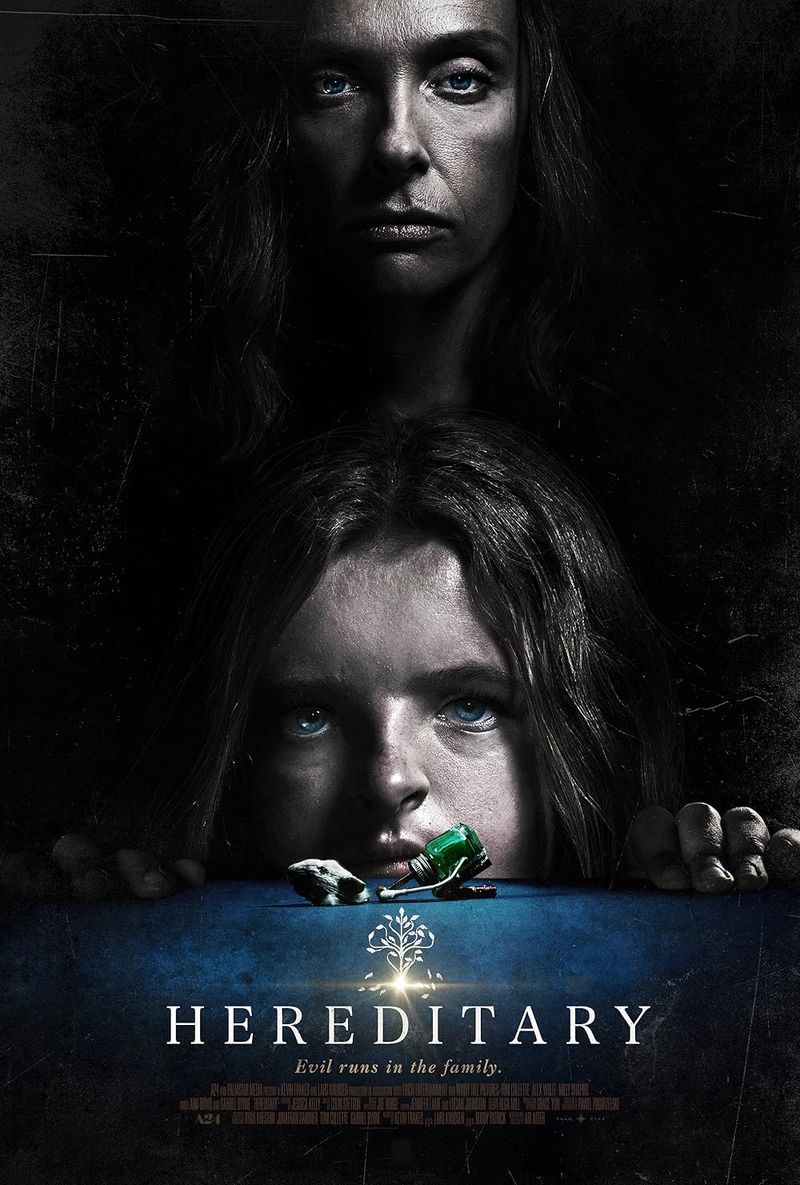
Marketed as a horror film, Hereditary is actually something far more disturbing: a story about grief, mental illness, and the terrifying things families pass down without meaning to.
Toni Collette delivers what many critics call one of the greatest performances in film history, raw and completely unfiltered in a way that feels almost too real to watch.
Director Ari Aster builds dread so slowly that by the time the truly horrifying moments arrive, viewers are already emotionally exhausted.
The dinner table scene alone left audiences speechless in theaters.
This is the kind of film that follows you home and sits quietly in the corner of your thoughts.
9. The Road (2009)
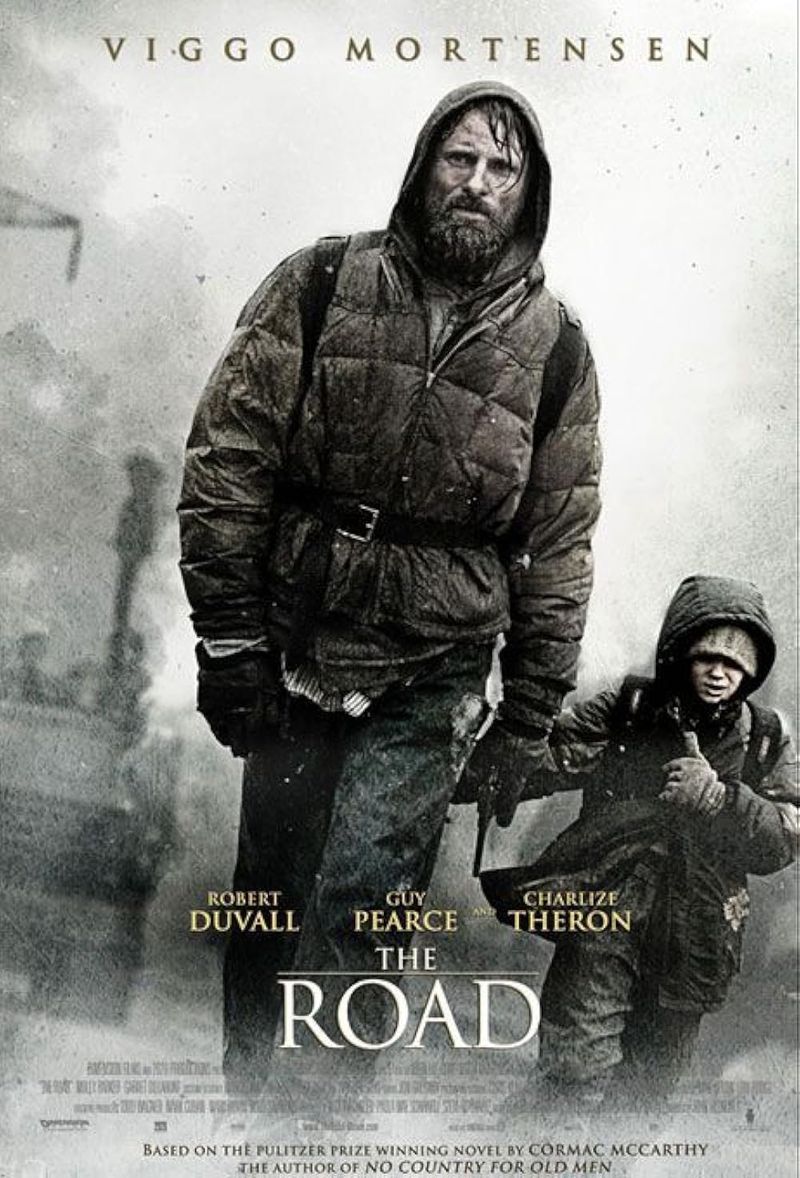
Cormac McCarthy’s novel was already one of the bleakest stories ever written, and the film adaptation does not soften a single edge.
A father and his young son walk through a post-apocalyptic America where almost everything, including hope, has burned away.
Viggo Mortensen and Kodi Smit-McPhee make the relationship feel achingly real.
What makes this film so hard to watch is not just the violence or the despair, but the love between the two characters, which only makes the danger feel more unbearable.
Director John Hillcoat captures a world drained of color and warmth with stunning, suffocating accuracy.
Once is more than enough.
10. Precious (2009)
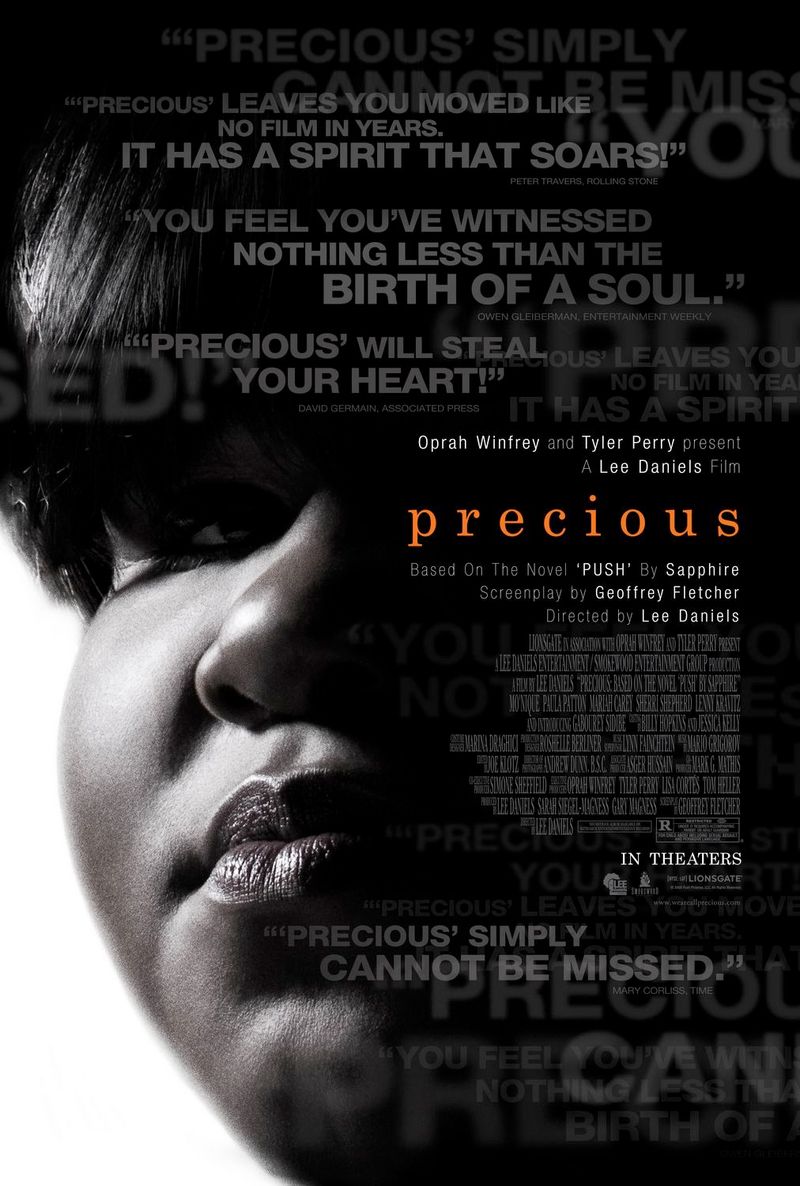
Claireece “Precious” Jones is sixteen, illiterate, pregnant for the second time by her own father, and being abused at home by her mother.
That sentence alone is a lot to carry, and the film carries every bit of it without flinching.
Mo’Nique won the Academy Award for Best Supporting Actress for playing the mother, a role so cruel it is difficult to watch.
Director Lee Daniels grounds the story in Precious’s inner world, giving her moments of fantasy that make the contrast with reality even more painful.
Gabourey Sidibe’s performance is quietly powerful.
The film is a testament to survival, but it earns every difficult moment it puts on screen.
11. Room (2015)
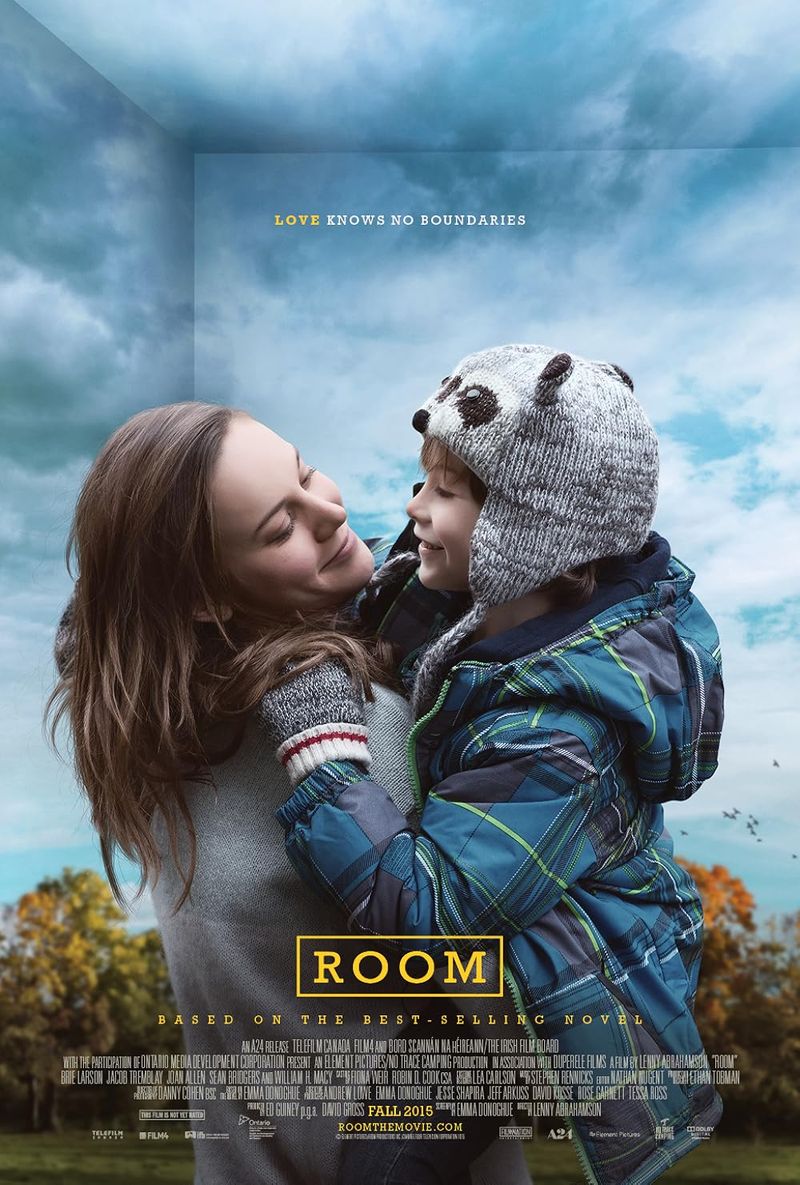
Based on Emma Donoghue’s novel, this film tells the story of a young woman held captive in a small shed for years and the five-year-old son born during her captivity.
The entire first half is seen through the child’s eyes, which makes the confined world feel almost magical before the full horror of the situation becomes clear.
Brie Larson won the Academy Award for Best Actress, and Jacob Tremblay, just eight years old at the time, gave a performance that astonished everyone who saw it.
The second half of the film, dealing with life after escape, is in some ways more emotionally complex than the captivity itself.
12. Black Swan (2010)
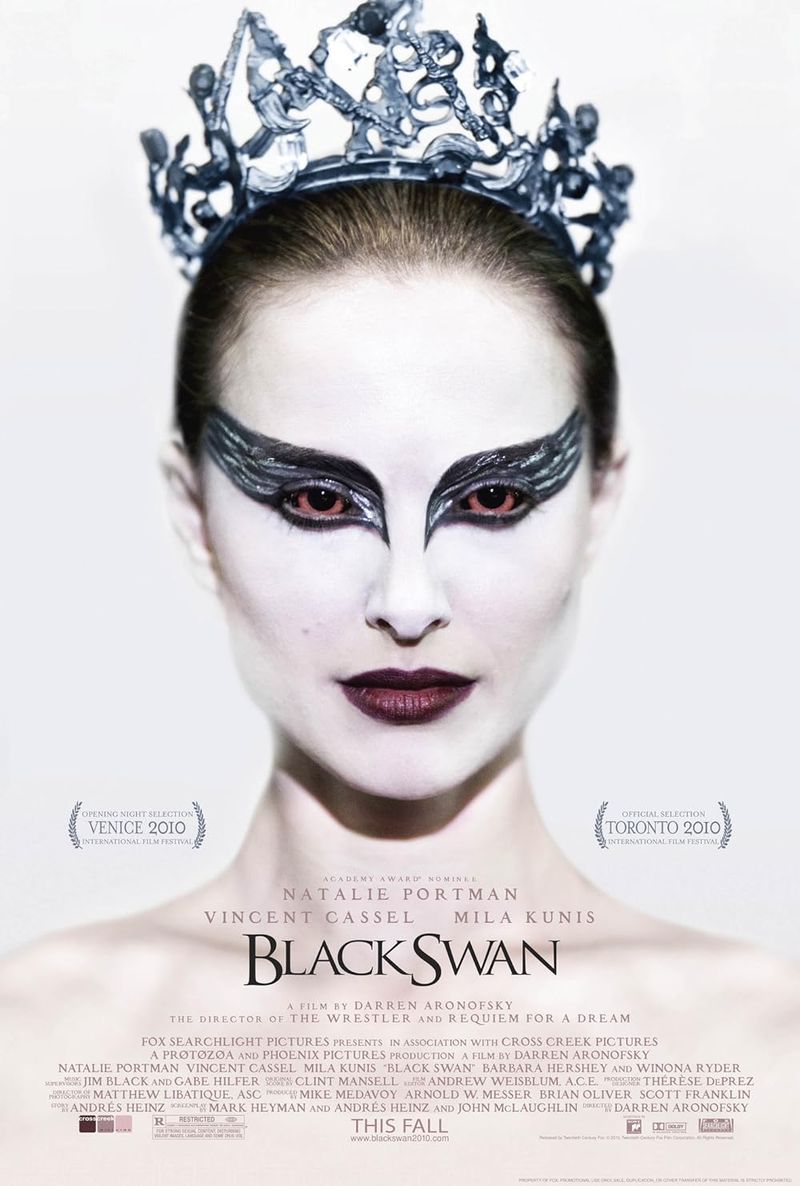
Perfection is a dangerous obsession, and Darren Aronofsky builds an entire psychological nightmare around that idea.
Natalie Portman plays Nina, a ballet dancer who wins the lead role in Swan Lake and begins to unravel as the pressure to be both the White Swan and the Black Swan consumes her completely.
The film blurs the line between reality and delusion so skillfully that viewers often feel as disoriented as Nina herself.
Portman trained for a year for the role and won the Oscar for Best Actress.
The final scene is breathtaking in the most unsettling way possible, beautiful and broken all at once.
13. A Clockwork Orange (1971)
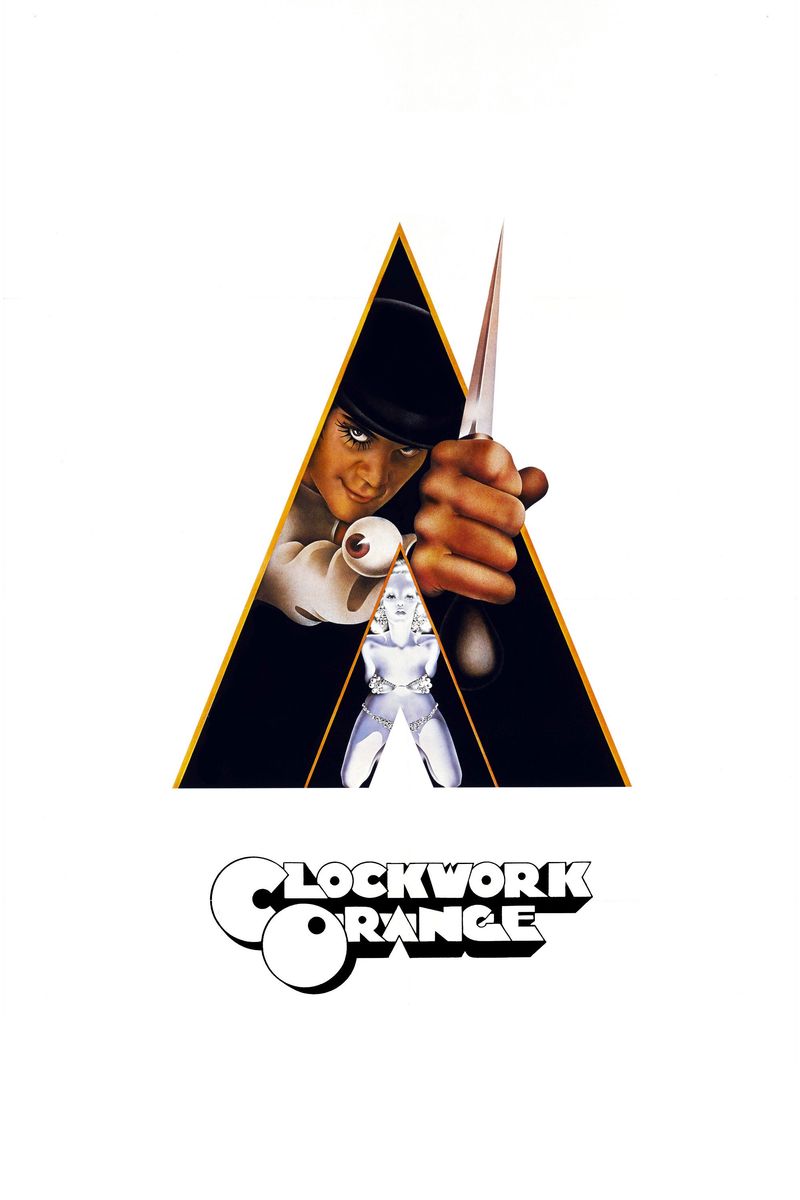
Stanley Kubrick’s adaptation of Anthony Burgess’s novel is one of the most controversial films ever made, and watching it is not a comfortable experience by design.
Alex DeLarge is charming, intelligent, and deeply, casually violent in a way that forces viewers to examine their own reactions to what they are watching.
The film raises questions about free will, punishment, and whether a person can truly be reformed that have never been fully answered.
Malcolm McDowell’s performance is magnetic and deeply disturbing in equal measure.
Kubrick himself withdrew the film from UK distribution for years.
Seeing it once is intellectually necessary; seeing it twice is a choice you will think hard about.
14. Dancer in the Dark (2000)
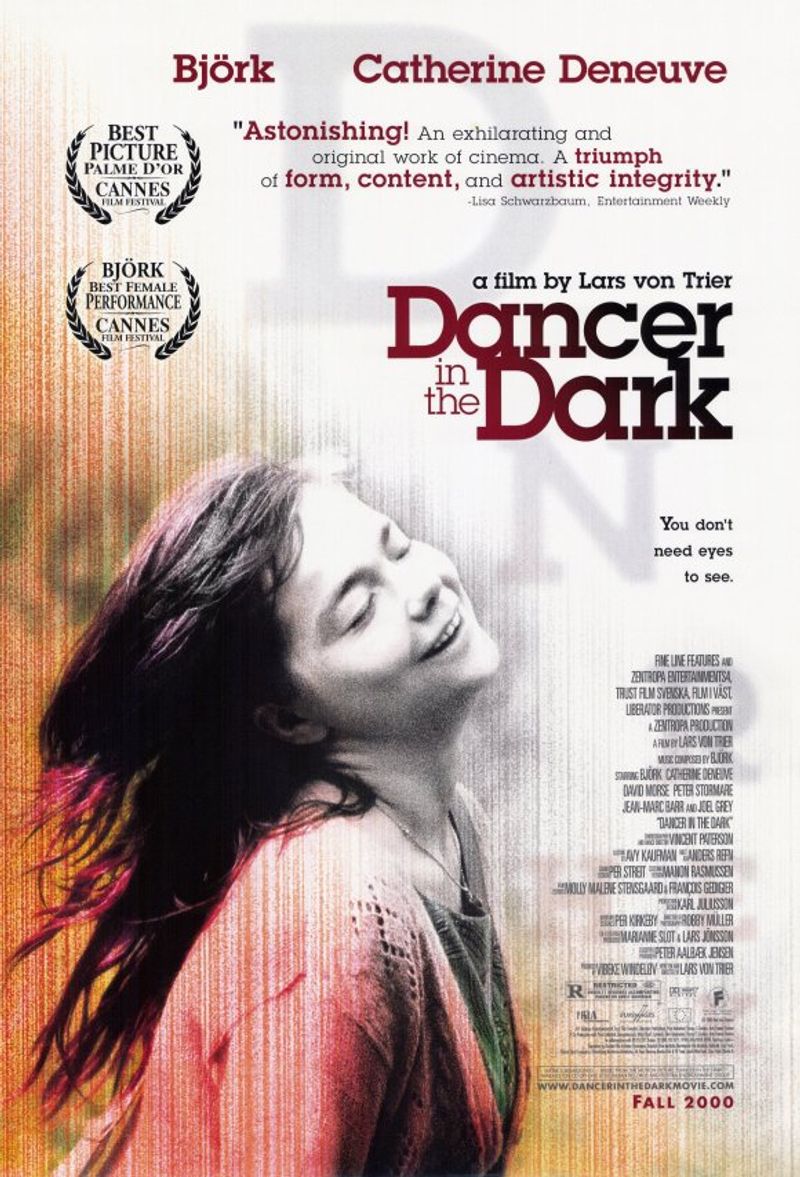
Lars von Trier has a reputation for putting his characters through unimaginable suffering, but nothing he has made quite compares to this.
Bjork plays Selma, a Czech immigrant in 1960s America who is slowly going blind and working tirelessly to save enough money for her son’s eye surgery.
The musical numbers she imagines are the only moments of light in an increasingly dark story.
Bjork won the Best Actress award at Cannes and reportedly swore she would never act in a film again after the grueling production.
The final act is one of the most emotionally devastating sequences in cinema.
Bring tissues, and then never press play again.
Comments
Loading…