
 Chloe Peterson
14 Movie Scenes Boomers Quote Constantly (And Millennials Pretend to Understand)
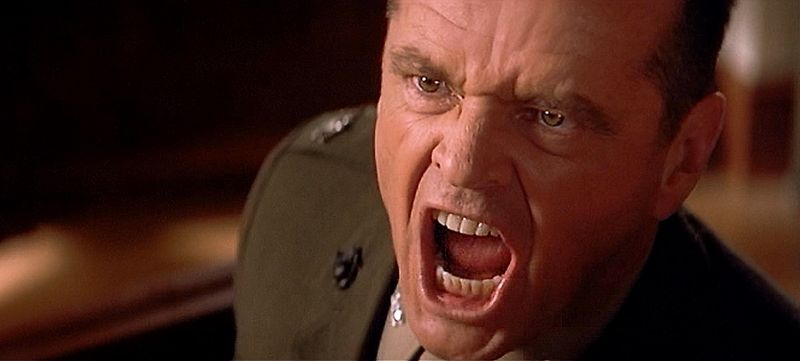
There is a very specific kind of movie quote that never really left the building, because Boomers kept it alive through sheer repetition and perfectly timed dramatic delivery.
These lines show up at family dinners, in the grocery store checkout lane, and in the middle of otherwise normal conversations where no one asked for a cinematic monologue.
Millennials usually smile, nod, and pretend the reference is landing, even when they’re privately wondering whether the quote came from a film, a TV rerun, or a meme that’s been recycled since before they were born.
The funny part is that the scenes behind these one-liners are often even more intense than the way they get used today.
Here are the movie moments Boomers quote constantly, plus why younger generations keep playing along.
1. “Frankly, my dear, I don’t give a damn.” — Gone with the Wind (1939)
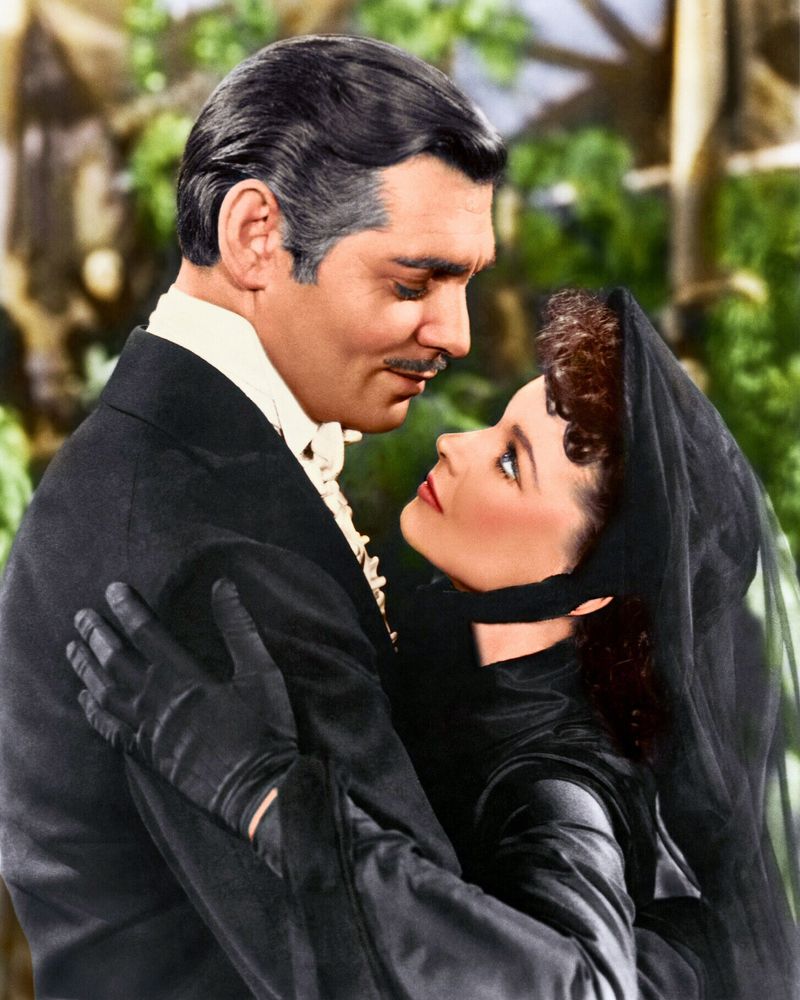
Few lines communicate total emotional closure the way this one does, which is exactly why it gets deployed whenever someone wants to end a conversation without further discussion.
In the film, it’s the ultimate parting shot, delivered with the kind of finality that makes the room feel colder even if nothing else changes.
Boomers quote it when they’re done negotiating, done listening, or simply done pretending they care about an argument that has gone on too long.
Millennials may recognize the vibe even if they have never watched a four-hour classic, because the meaning is clear: the debate is over and the door is mentally closed.
It’s the kind of quote that turns mild annoyance into theatrical dismissal, and Boomers relish that extra bit of drama.
2. “I’m gonna make him an offer he can’t refuse.” — The Godfather (1972)
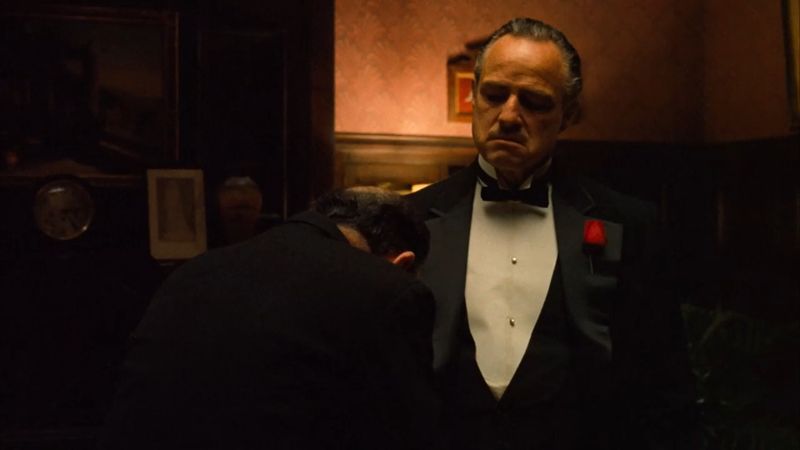
Some quotes work because they sound clever, while others work because they sound powerful, and this one manages to do both in a single sentence.
In context, it’s an ominous promise wrapped in calm confidence, the kind of line that quietly announces who has the control in the room.
Boomers use it as a playful threat when they want to persuade someone, whether it’s getting a kid to eat vegetables or convincing a friend to come to a party.
Millennials tend to laugh along, even if they’ve only absorbed The Godfather through pop culture references and parody clips.
The humor comes from the exaggeration, because no one is actually making mafia-style demands over brunch plans.
Still, the quote survives because it makes ordinary persuasion feel like high-stakes cinema.
3. “You talkin’ to me?” — Taxi Driver (1976)
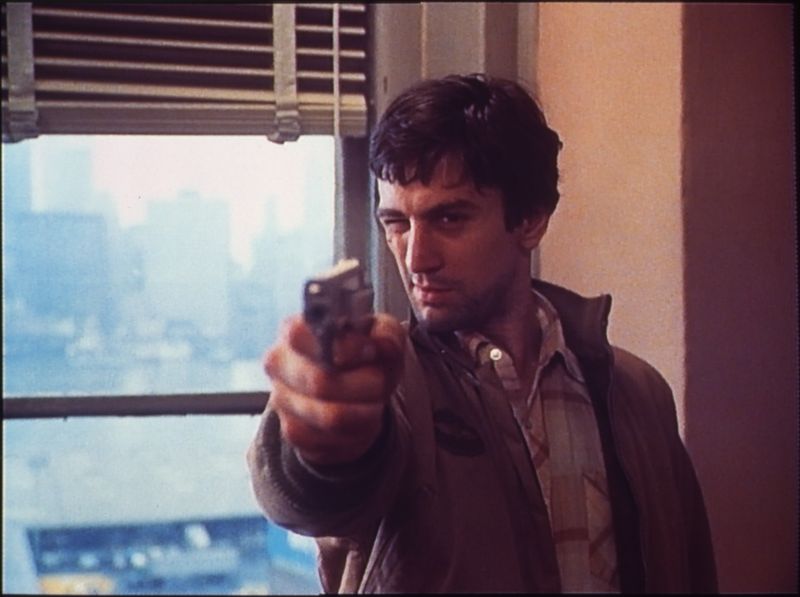
This line gets quoted so often because it instantly transforms a normal interaction into a moment of confrontation, even when the stakes are laughably low.
In the movie, it’s tied to an unsettling, iconic scene that feels tense and raw, which is why Boomers love borrowing it when they want to tease someone for acting tough or being a little too bold.
They’ll say it when a person complains loudly, when someone challenges a decision, or even when a cashier asks a question in a way that sounds slightly skeptical.
Millennials typically respond with a polite grin, because the line can sound intense if you don’t realize it’s supposed to be a reference.
The quote is basically a shortcut to “Are you sure you want to do this?” except it comes with a gritty soundtrack in the speaker’s head.
4. “Here’s looking at you, kid.” — Casablanca (1942)
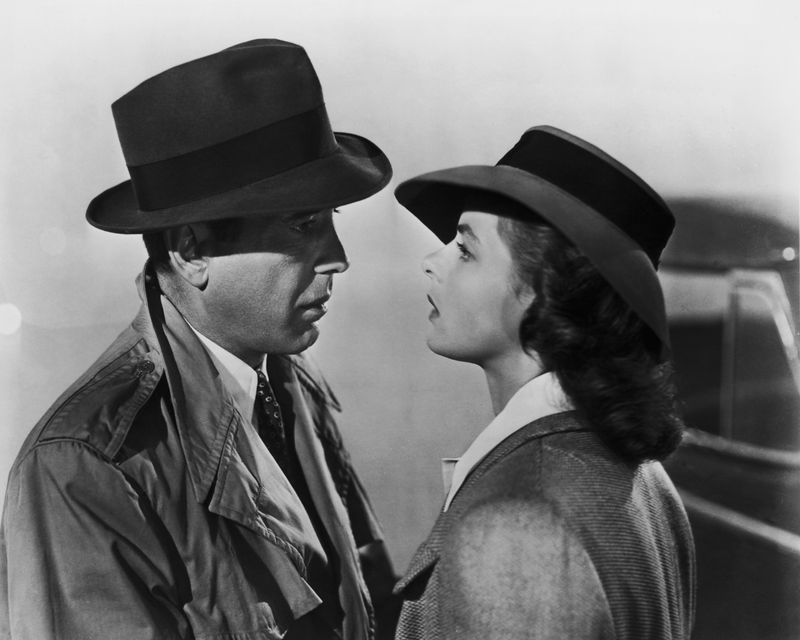
Romantic nostalgia doesn’t get much more distilled than this, which is why it still pops up at anniversaries, reunions, and moments when Boomers want to be charming in a very old-school way.
The line carries an effortless tenderness that feels classy, like something said over a smoky room and a slow jazz song rather than in a kitchen while someone loads the dishwasher.
Boomers use it when they’re feeling sentimental, when they’re making a toast, or when they want to sound suave without actually trying too hard.
Millennials often understand the intent even if the source is fuzzy, because the phrase has become shorthand for affectionate admiration.
It’s also the kind of quote that makes someone feel special without being overly mushy, which is a sweet spot Boomers tend to appreciate.
Even when it’s corny, it’s charming corny.
5. “We’re gonna need a bigger boat.” — Jaws (1975)
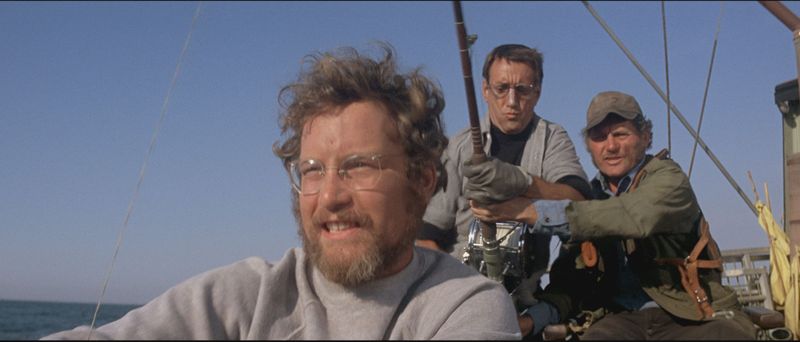
The reason this quote refuses to die is that it works in almost any situation where things escalate beyond what was planned, which is basically daily life.
In the movie, the line lands because it’s understated, funny, and terrifying all at once, and Boomers love repeating it when a problem suddenly looks much bigger than expected.
It comes out when the guest list grows, when a DIY project goes sideways, or when someone sees the price total at the register climbing into dangerous territory.
Millennials might not have watched Jaws in full, but they’ve heard the quote enough to know it signals “Uh-oh, we’re in over our heads.” It’s also a rare reference that doesn’t feel like a lecture, because it invites everyone to laugh at the chaos together rather than blame someone for it.
6. “May the Force be with you.” — Star Wars (1977)
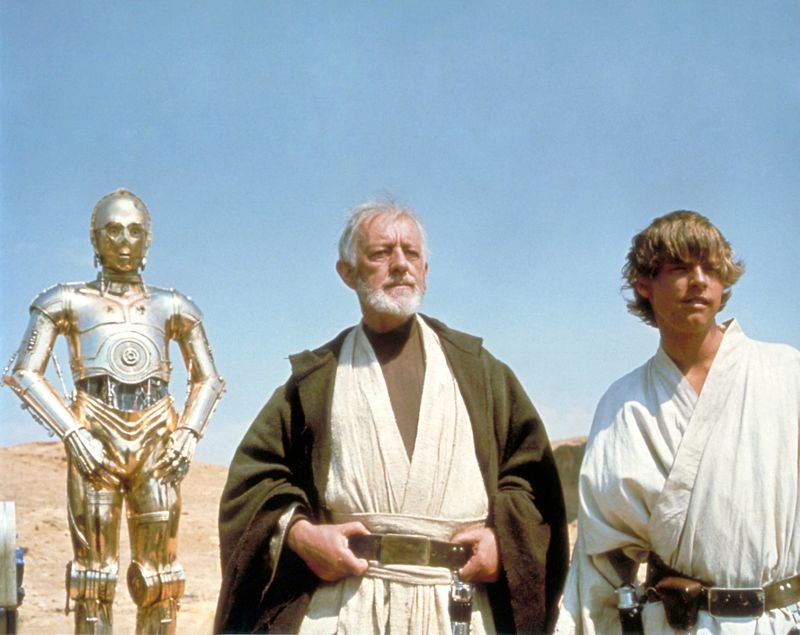
Some phrases become cultural blessings, and this one is practically a motivational speech in miniature.
In its original moment, it carries hope, courage, and the idea that you’re not facing a challenge alone, which is why Boomers use it whenever someone is about to do something difficult.
They’ll say it before an exam, a job interview, a long drive, or even a medical appointment, treating it like a lucky charm that adds confidence.
Millennials sometimes roll their eyes internally but still appreciate the supportive energy, because the intention is clearly kind.
Even if someone isn’t a Star Wars fan, the quote has become so widespread that it barely feels like a reference anymore.
It’s one of those lines that has outgrown its origin and turned into a universal “You’ve got this,” delivered with a wink and a hint of nostalgia.
7. “I’ll be back.” — The Terminator (1984)
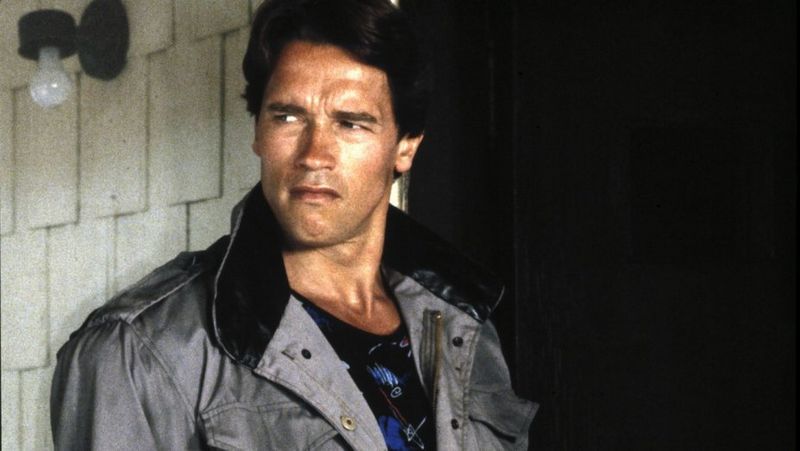
The funniest part about how Boomers use this quote is that it’s almost never said in situations that warrant any dramatic tension.
In the film, the line lands because it’s cold, confident, and loaded with menace, which makes it hilariously mismatched when someone says it while heading to the pantry or stepping out to check the mail.
Boomers love using it as an exit line because it makes everyday movement feel iconic, as if leaving the room for thirty seconds deserves a soundtrack.
Millennials tend to play along because it’s harmless and familiar, even if the voice impression that sometimes accompanies it can be painfully accurate.
The quote is also simple, which makes it easy to reuse without setting up context, and it still gets a reaction because everyone recognizes the cadence.
It’s less about the words and more about the performance, and Boomers commit fully.
8. “Nobody puts Baby in a corner.” — Dirty Dancing (1987)
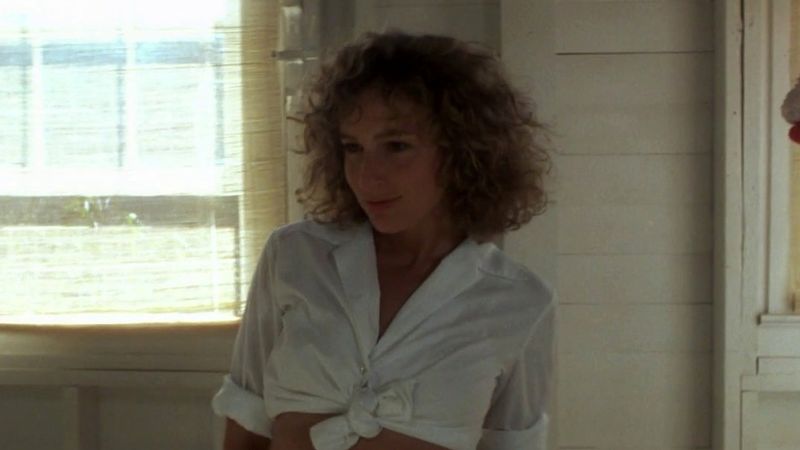
Even people who haven’t seen the movie understand what this line is trying to do, because it’s basically a dramatic defense of someone being overlooked or underestimated.
In context, it’s romantic and bold, the kind of moment that makes an audience cheer, and Boomers quote it whenever someone is being ignored, interrupted, or treated unfairly.
It comes up at family gatherings when a shy person is sitting quietly, at parties where someone gets left out of a conversation, or even in workplace scenarios where a colleague’s idea isn’t being credited properly.
Millennials often recognize it from pop culture alone, but they still pretend to be fully in on it because the message is easy to support.
The quote survives because it wraps a simple principle—respect people—in a line that sounds like a heroic declaration, and Boomers enjoy that heightened emotion.
9. “You can’t handle the truth!” — A Few Good Men (1992)
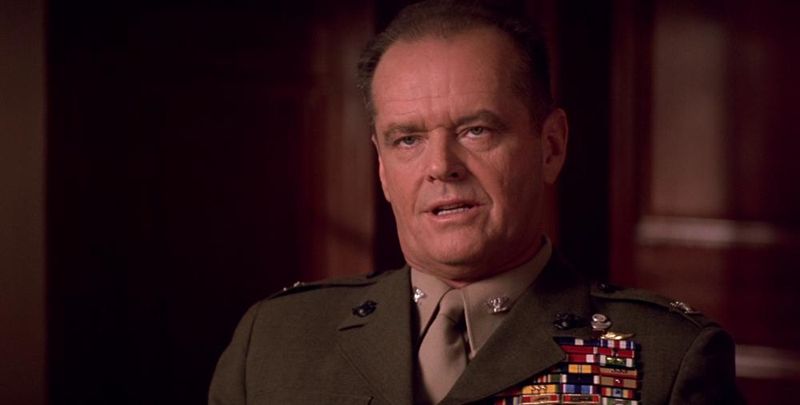
Nothing spices up an ordinary disagreement like a courtroom-level outburst, and this quote delivers instant intensity.
In the movie, it’s a climactic explosion, packed with moral pressure and authority, which is why Boomers love using it when they think someone is being naive or refusing to accept reality.
They’ll drop it during debates about finances, parenting, work ethic, or anything else that can turn into a generational tug-of-war.
Millennials usually laugh politely, because engaging seriously would only make things more dramatic, and the quote is often used as a playful jab rather than an actual insult.
The line also works because it implies the speaker has the “hard truth” everyone else is avoiding, which is a surprisingly satisfying role to play.
Even when it’s exaggerated, it gives a conversation a theatrical edge, and Boomers rarely resist that.
10. “E.T. phone home.” — E.T. (1982)
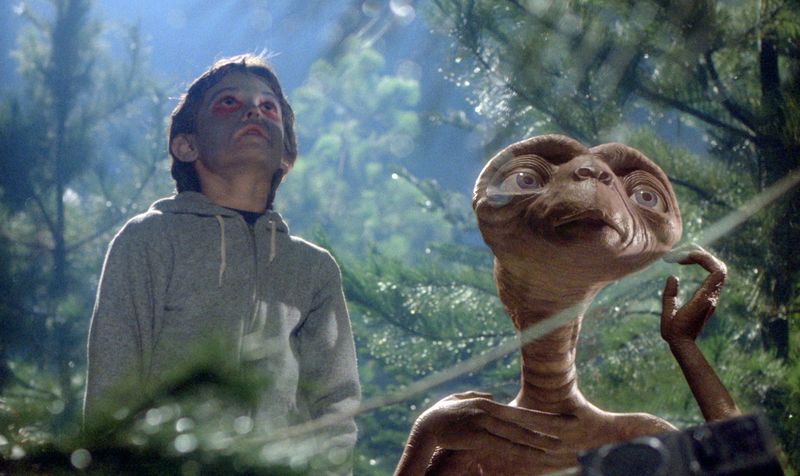
Certain quotes survive because they’re tied to a feeling, and this one carries pure, warm nostalgia that Boomers can summon instantly.
In the film, it’s innocent and emotional, which is why people repeat it whenever the topic of calling, texting, or reaching someone comes up.
Boomers say it when a phone rings, when someone forgets to call their mother back, or when a group is trying to coordinate plans and no one is responding.
Millennials may not have an emotional attachment to the original scene, but they understand the meaning immediately because the phrase is straightforward and has become cultural shorthand.
The humor is also gentle, because it doesn’t mock anyone, it just turns a normal moment into a cute reference.
It’s one of those lines that makes technology feel less frustrating by wrapping it in a familiar, childlike request for connection, and that’s probably why it endures.
11. “Say hello to my little friend!” — Scarface (1983)
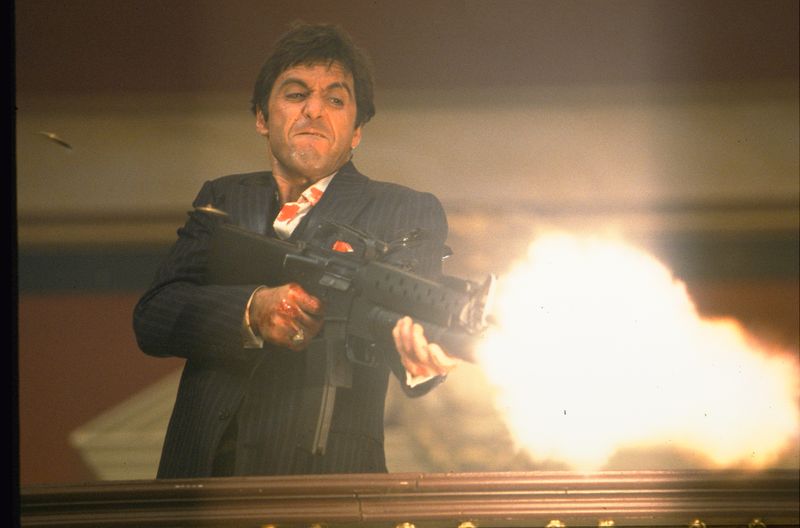
Even when it’s used jokingly, this quote carries a big, loud energy that makes it instantly recognizable.
In the movie, the moment is violent and intense, but Boomers have a talent for stripping away the context and keeping only the punchy bravado of the words.
They’ll say it when unveiling a new tool, holding up an oversized sandwich, introducing a new grill, or presenting any object they think deserves dramatic fanfare.
Millennials often pretend not to notice the mismatch between the original scene and the modern usage, because it’s usually meant as silly showmanship rather than anything darker.
The quote persists because it’s theatrical and easy to deliver with flair, and it lets the speaker play a character for a second.
It’s also one of those lines that instantly announces, “I’m about to do something,” even if that something is just opening a bottle or turning on the lawn mower.
12. “Show me the money!” — Jerry Maguire (1996)
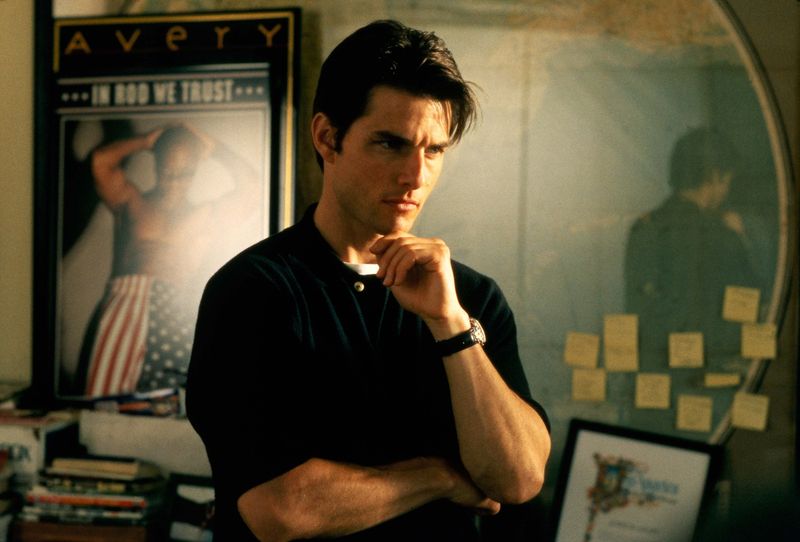
When Boomers want to talk about cash in a way that feels funny rather than stressful, this is the line they reach for.
In the movie, it’s a high-energy demand that’s both humorous and desperate, which is why it fits so perfectly in everyday situations involving paychecks, refunds, raises, and unexpected expenses.
Boomers say it when negotiating a salary, checking a tax return, or complaining about prices in a tone that suggests money should behave better than it does.
Millennials might not know every beat of the film, but they’ve heard the phrase enough to recognize it as shorthand for “Let’s get to the point.”
The quote also works because it captures a universal feeling without sounding too serious, which makes it useful in conversations that could otherwise get uncomfortable.
It turns financial frustration into a performance, and for Boomers, that’s often the best coping mechanism.
13. “I feel the need… the need for speed!” — Top Gun (1986)
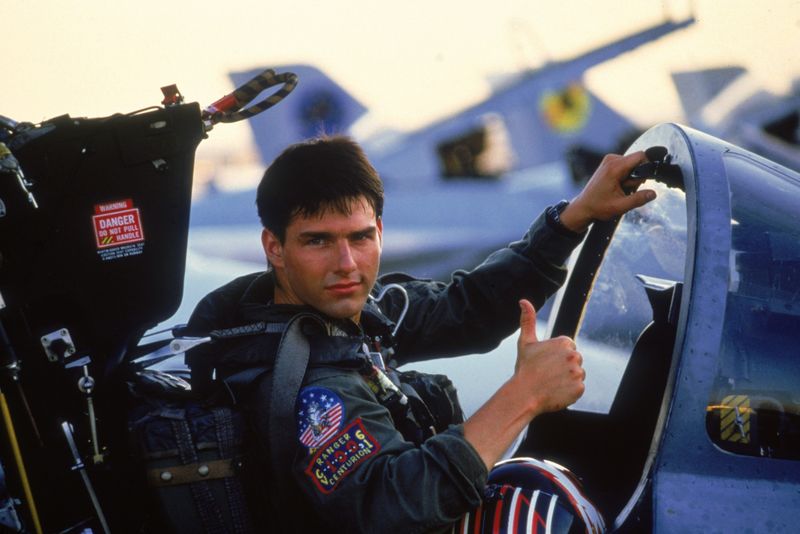
This quote is essentially a permission slip for harmless recklessness, which is why Boomers love pulling it out whenever they want to feel young and daring.
In the movie, it’s bravado mixed with adrenaline, and Boomers channel that vibe when they speed up on the highway, pass someone walking slowly, or even rush through a task like they’re on a mission.
It also tends to show up when someone buys a new car, revs an engine, or talks about a “quick trip” that somehow becomes a full adventure.
Millennials usually grin and nod, because the line is familiar even if they haven’t watched the original Top Gun from start to finish.
The quote survives because it’s rhythmic, easy to repeat, and fun to say with dramatic pauses, and Boomers love any line that encourages them to play the hero in their own story.
14. “Life is like a box of chocolates…” — Forrest Gump (1994)
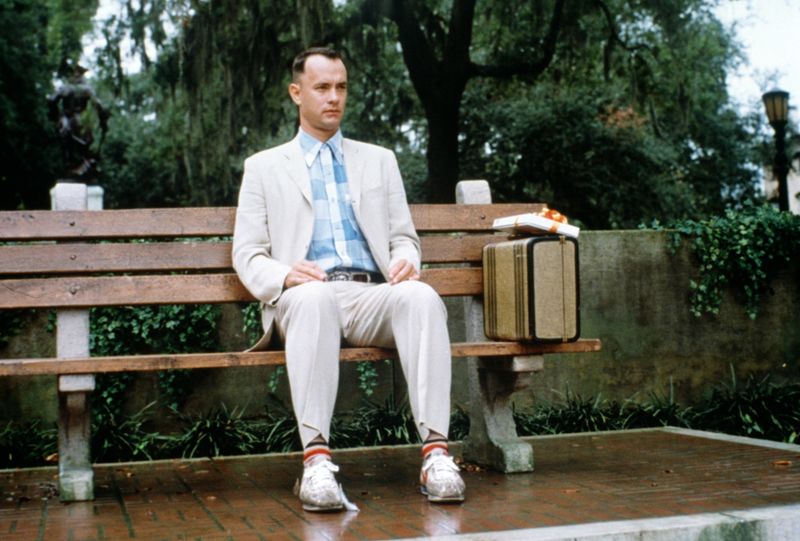
Some movie lines become life advice, and this one is basically a proverb that Boomers toss into conversations as if it came from a wise grandparent.
In the film, it’s simple, sweet, and memorable, which makes it an easy way to comment on uncertainty without sounding too bleak.
Boomers use it when someone’s dating life is messy, when a job search is unpredictable, or when a family situation takes a surprising turn that no one could have planned.
Millennials sometimes smile politely, because the message is comforting even if it feels slightly overused, and it can be hard to argue with the idea that surprises are inevitable.
The quote persists because it offers a tidy explanation for randomness, and it makes confusion feel more manageable by turning it into a familiar metaphor.
Even if younger generations pretend to groan, they still absorb the underlying point: you can’t control everything, so you might as well roll with it.
Comments
Loading…