
 Chloe Peterson
14 Gay Actors Who Had to Hide to Survive Old Hollywood
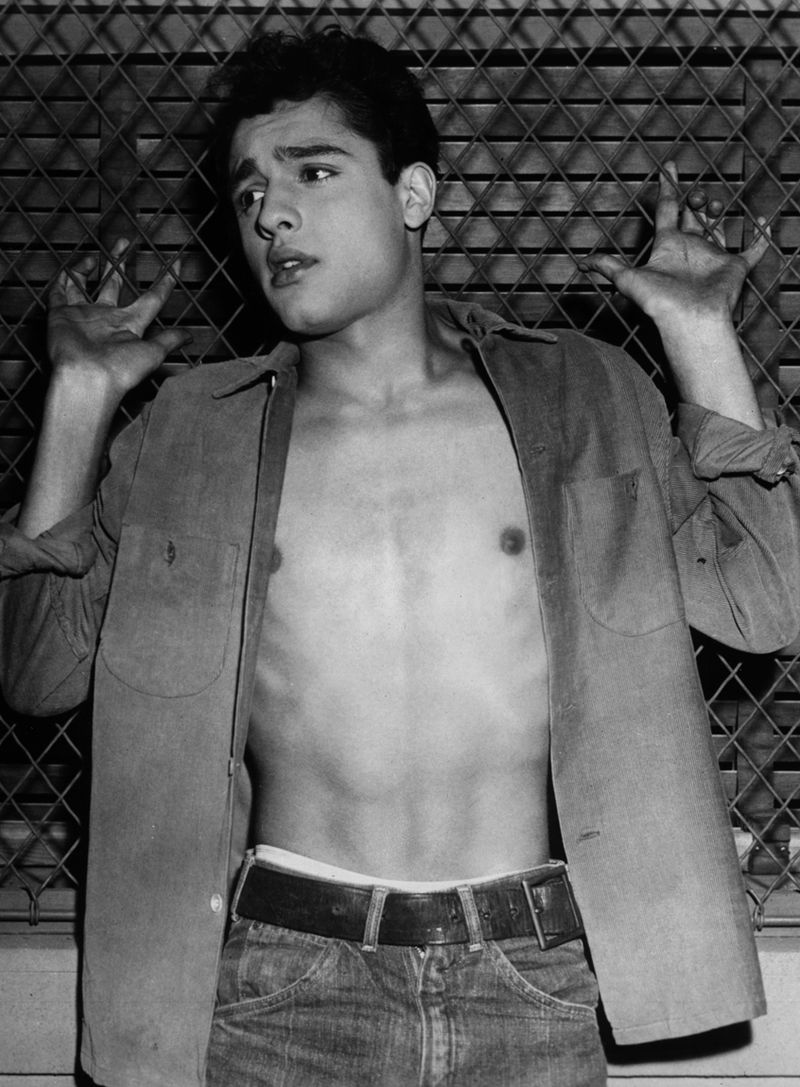
Golden Age Hollywood sold the idea that stars were bigger than life, but behind the spotless publicity photos, many performers were forced to live smaller, quieter versions of themselves.
For gay actors working under the studio system, survival often meant negotiating contracts that controlled everything from haircuts to dating rumors, while gossip columnists and moral “scandals” could end a career overnight.
Some men kept their private lives locked down with carefully curated friendships, strategic romances, or “confirmed bachelor” mystique, while others found safer ground in theater, design, writing, or simply leaving the spotlight before the spotlight turned hostile.
These stories aren’t just about secrecy, though.
They’re about resilience, reinvention, and the creative ways talented people protected their livelihoods in an era that punished honesty.
1. William Haines
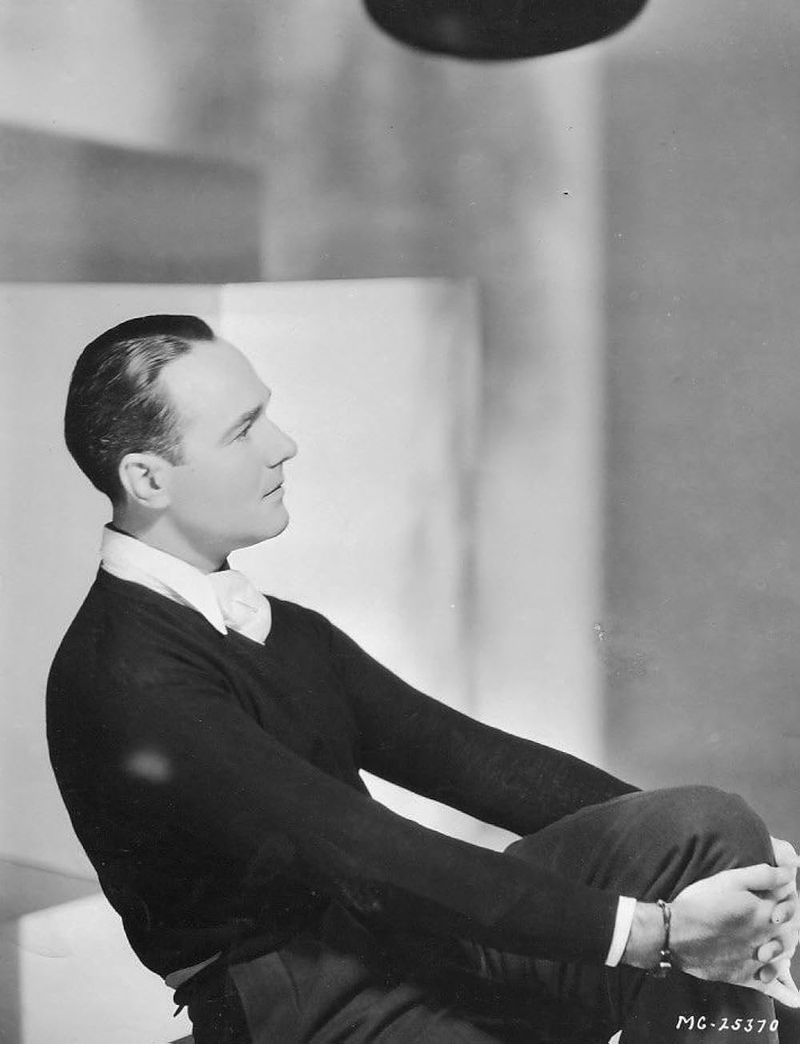
During MGM’s early star-making machine, being bankable often mattered more than being happy, and few stories show that collision more clearly.
Haines became a major draw in the late silent era, but the studio’s image rules left little room for a life that didn’t match the script.
When pressure mounted to publicly “fix” his personal life, he chose something rare for that time: he refused to abandon his partner, even when it threatened the career he’d built.
The consequence was a forced pivot away from leading roles, but he didn’t fade into obscurity in the way studios expected.
Instead, William Haines reinvented himself as an in-demand interior designer, building a second act that kept him connected to Hollywood, on his own terms, and without pretending.
2. Rock Hudson

In a business that treated privacy as a problem to be managed, studio-era masculinity could be both a costume and a cage.
Hudson’s looks and voice made him a perfect leading man for romantic dramas, but that same fame intensified the pressure to appear safely heterosexual at all times.
Agents and publicists did what they were hired to do: control narratives, neutralize rumors, and keep the star’s “marketability” intact for audiences and exhibitors.
The tactics were not subtle, even if they were rarely discussed openly, and they could include tightly staged public relationships and, according to many accounts, an arranged marriage designed to quiet speculation.
Rock Hudson’s survival was built on playing the role off-screen as convincingly as on-screen, which is part of what makes his story so haunting.
3. Tab Hunter
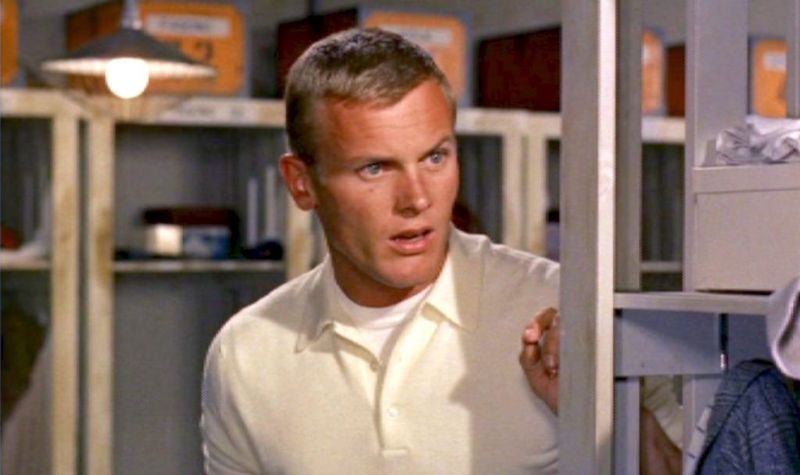
Long before memoirs and interviews made candor feel normal, a teen idol’s image could be treated like corporate property.
Hunter rose fast in the 1950s, and the era’s fan magazines demanded a specific kind of innocence that didn’t allow complicated truths.
Behind the scenes, survival meant being cautious about who you trusted, where you went, and what you said, because the wrong whisper could ricochet through studios and columnists like wildfire.
He kept his private life intensely guarded while continuing to work, which took a kind of discipline that rarely gets credited as labor.
Years later, Tab Hunter reclaimed the narrative with his autobiography, offering context about the pressure and performance required to stay employed.
The result is a portrait of a man who learned to outlast the system until he could speak freely.
4. Anthony Perkins
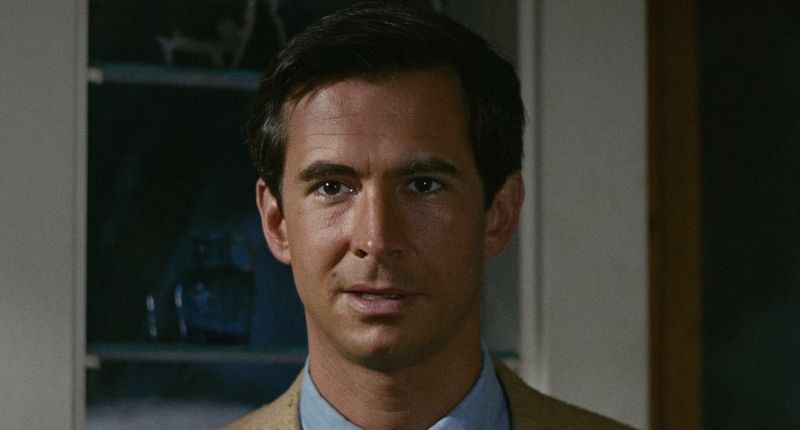
Few actors carried “sensitive leading man” energy as memorably, yet sensitivity was exactly what the era tried to police.
Perkins became a star while Hollywood was still deeply invested in rigid masculinity, and even casual nonconformity could invite rumors that threatened casting.
Managing that scrutiny required a careful balance: cultivating artistic credibility, keeping the press satisfied, and guarding anything that could be weaponized by gossip culture.
Later in life, his story became complicated in the public imagination, partly because he married and had children while reports also describe relationships with men.
That contradiction is exactly the point, because old Hollywood forced people into boxes that rarely fit.
Anthony Perkins survived by continuing to work, shifting between theater and film, and maintaining boundaries around his private life in a world that treated privacy like evidence.
5. Montgomery Clift
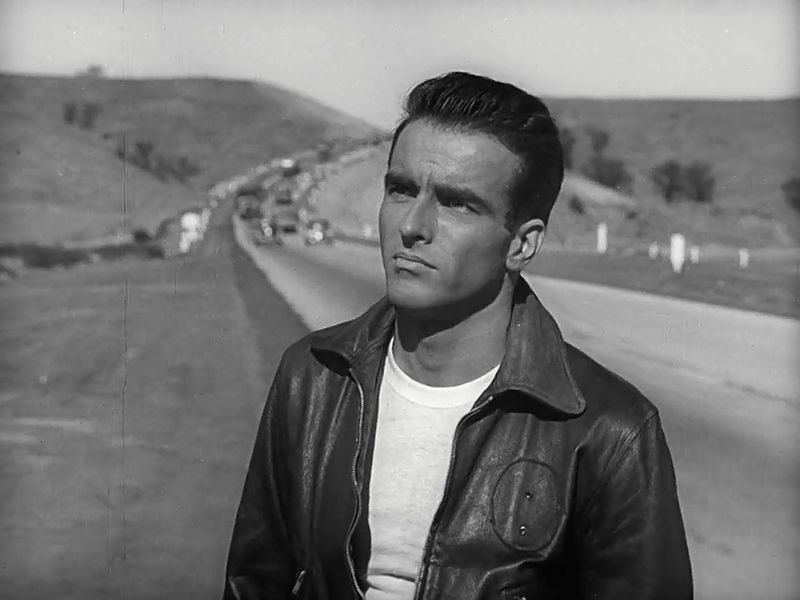
For an actor whose talent was almost universally acknowledged, the cost of being perceived as “different” could still be quietly brutal.
Clift’s intensity and vulnerability made him magnetic on screen, but they also fed a public fascination that blurred into invasive speculation.
In the studio era, the safest strategy was often to reveal as little as possible while staying indispensable as a performer, which meant letting the work speak and the rumors burn out on their own.
Later biographies and retrospectives frequently discuss him as bisexual or queer, and regardless of labels, his life shows how little space existed for openness without consequences.
Montgomery Clift’s survival wasn’t built on loud denials so much as persistence, craft, and selective silence, a combination that kept him employed while the culture insisted he explain himself.
6. Farley Granger
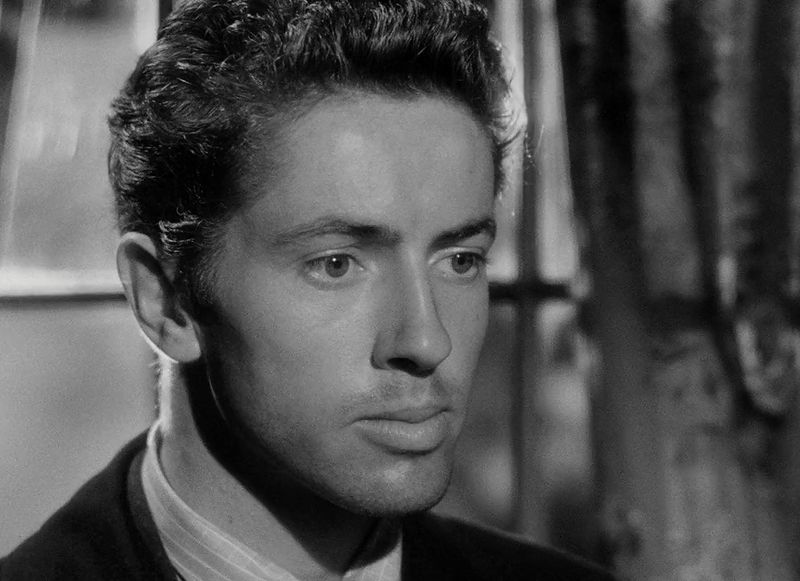
It’s easy to forget how many classic-era careers depended on seeming “wholesome,” even when the roles were edgy.
Granger moved through film, theater, and later television with a kind of flexibility that became a survival tool, because different mediums offered different levels of scrutiny.
When the stakes are high, you learn quickly that discretion is not just personal, it’s professional, and you also learn that reinvention can be a lifeline.
Over time, he became more candid in writing and interviews about relationships with both men and women, which reframes his earlier years as less mysterious and more strategic.
Farley Granger’s story fits the old Hollywood pattern of coded privacy, but it also highlights something else: the quiet power of building a long career by staying adaptable, talented, and just out of the gossip spotlight.
7. Sal Mineo
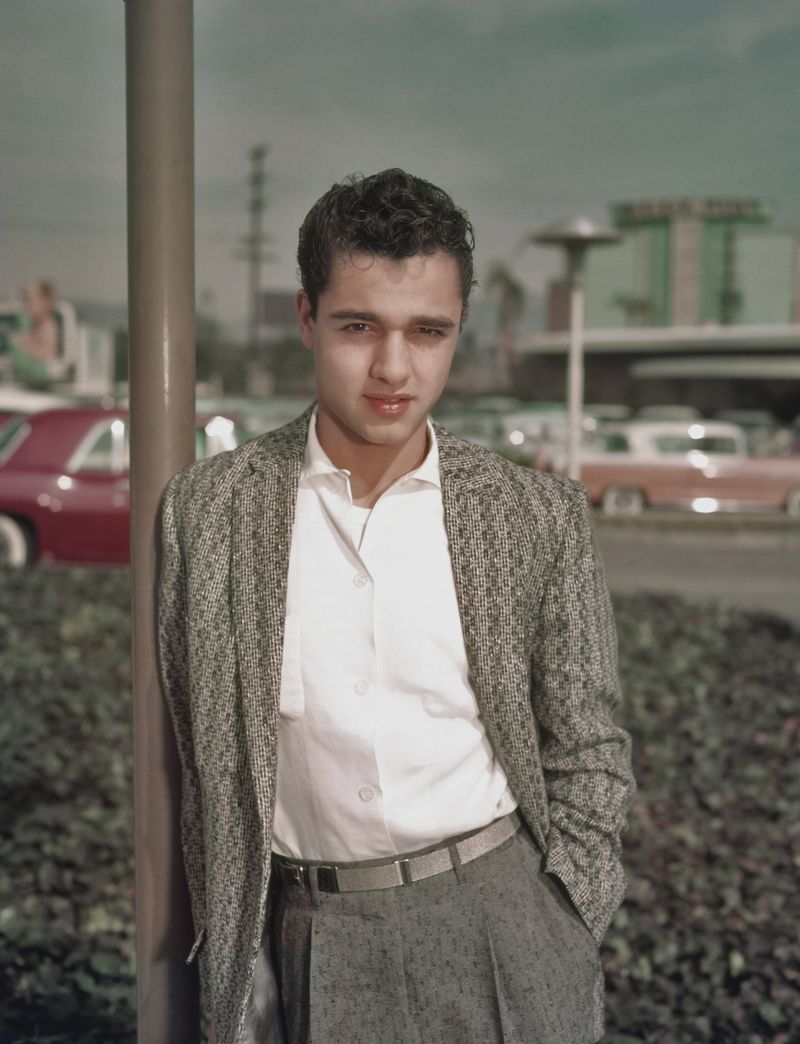
The industry loved him as a dramatic foil and a symbol of youthful intensity, but it wasn’t prepared to let him be complicated off-screen.
Mineo gained fame young, and with youth came relentless attention that could turn dangerous when rumors followed him into casting offices.
In an era that punished deviation, being associated with queerness could lead to fewer roles, harsher tabloid treatment, and a reputation that was treated like a liability.
He worked steadily, but the parts he received often reflected Hollywood’s discomfort, leaning into “outsider” energy without allowing real openness.
Later accounts describe him as openly bisexual later in life, and that arc reads like a man trying to carve out space where none existed.
Sal Mineo’s survival wasn’t glamorous; it was persistence under pressure, with the odds rarely in his favor.
8. George Nader
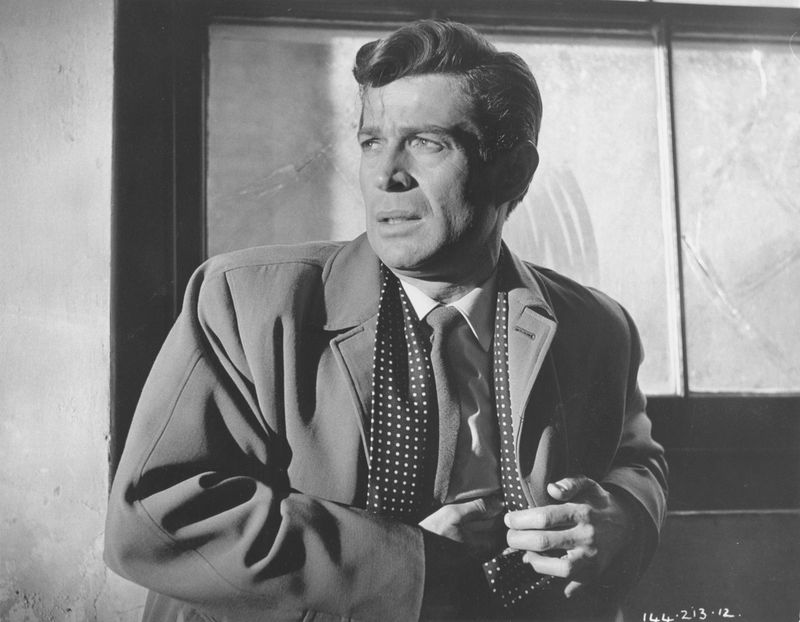
Staying employed sometimes required becoming the kind of name people recognized without knowing too much about, which sounds strange until you remember the studio era’s rules.
Nader built a career that included film and television work, but he kept his private life tightly controlled at a time when exposure could bring more than bad press.
The “confirmed bachelor” label offered a convenient public explanation that sounded harmless, while allowing real relationships to remain unspoken.
Over time, his long partnership became part of his broader story, and he also found another route to self-expression through writing, including fiction that portrayed a same-sex relationship in a more sympathetic light than mainstream movies would have allowed.
George Nader’s survival looks like a mix of discretion and creative redirection, which is often what it took to stay afloat in that world.
9. Clifton Webb
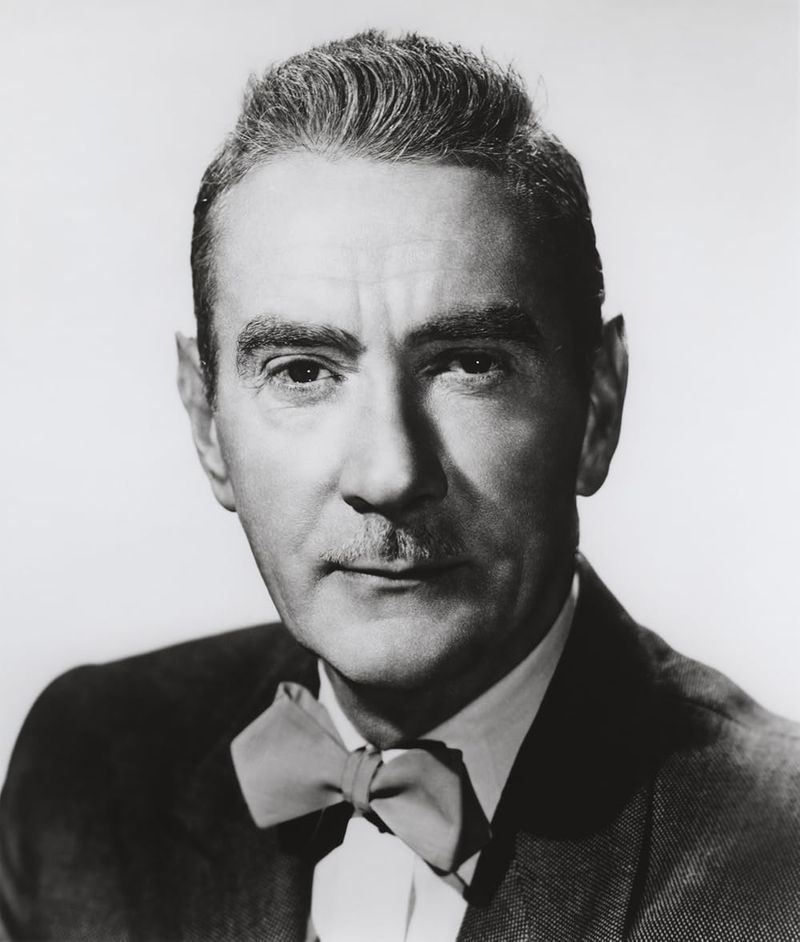
Some performers survived by turning sophistication into armor, using wit and elegance as a persona that audiences loved while studios avoided messy questions.
Webb’s screen presence projected refinement and authority, and it came with a carefully managed public image that fit neatly into the era’s idea of the “confirmed bachelor.”
That phrase was often used as a wink without an admission, allowing gossip to exist without becoming a headline that forced studios to act.
As a character actor and star, he benefited from roles where romance wasn’t always the center, which reduced the pressure to perform heterosexuality in the most obvious ways.
Clifton Webb’s survival wasn’t about pretending to be someone else entirely; it was about choosing a public identity that felt plausible, respectable, and strategically incomplete, so the public couldn’t demand answers the industry didn’t want.
10. Ramon Novarro
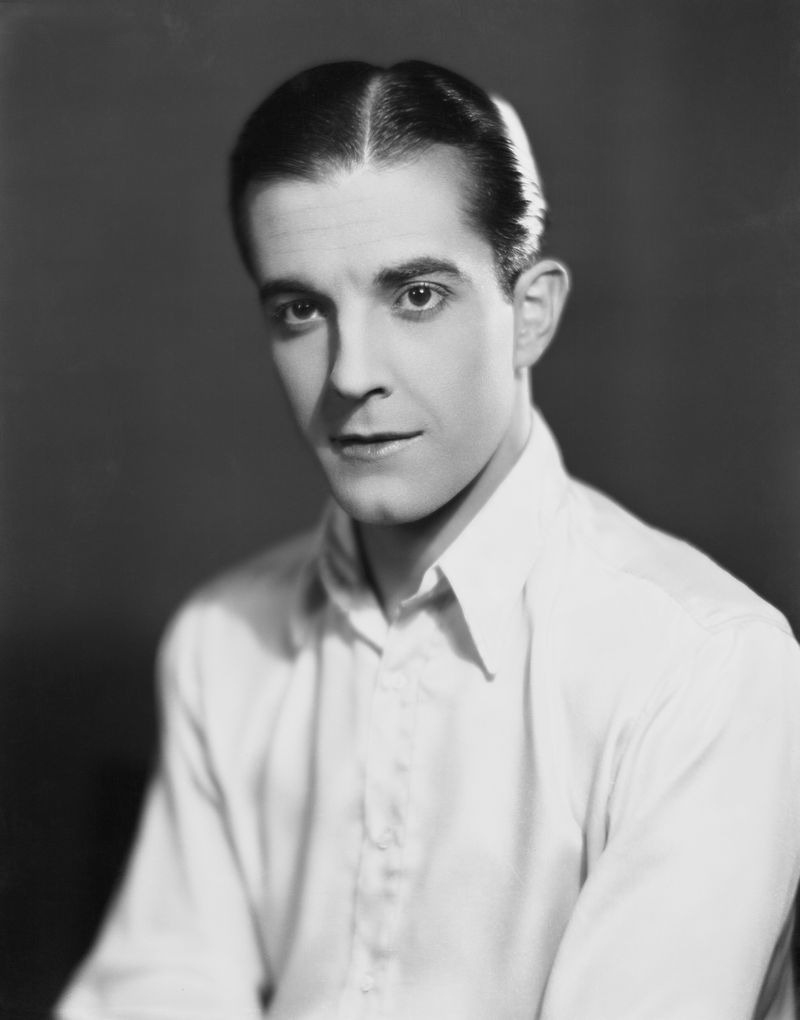
Silent-era fame could be breathtaking, but it came with a brutal lack of protection once the rumors started to stick.
Novarro was a major star, and his success existed alongside an intense culture of secrecy where personal life had to be guarded almost obsessively.
The pressures weren’t only professional, because stigma and danger followed gay men far beyond the studio gates, and being recognizable could make everything riskier.
His later-life story is often told as a warning about what forced secrecy can do, not just emotionally but physically, when someone becomes isolated or vulnerable.
Ramon Novarro’s legacy still carries the tension between glamorous stardom and the harsh reality of living in hiding, which is exactly why he belongs in this conversation.
Survival sometimes meant simply making it through another year, with dignity intact, in a world that wanted silence.
11. Billy De Wolfe
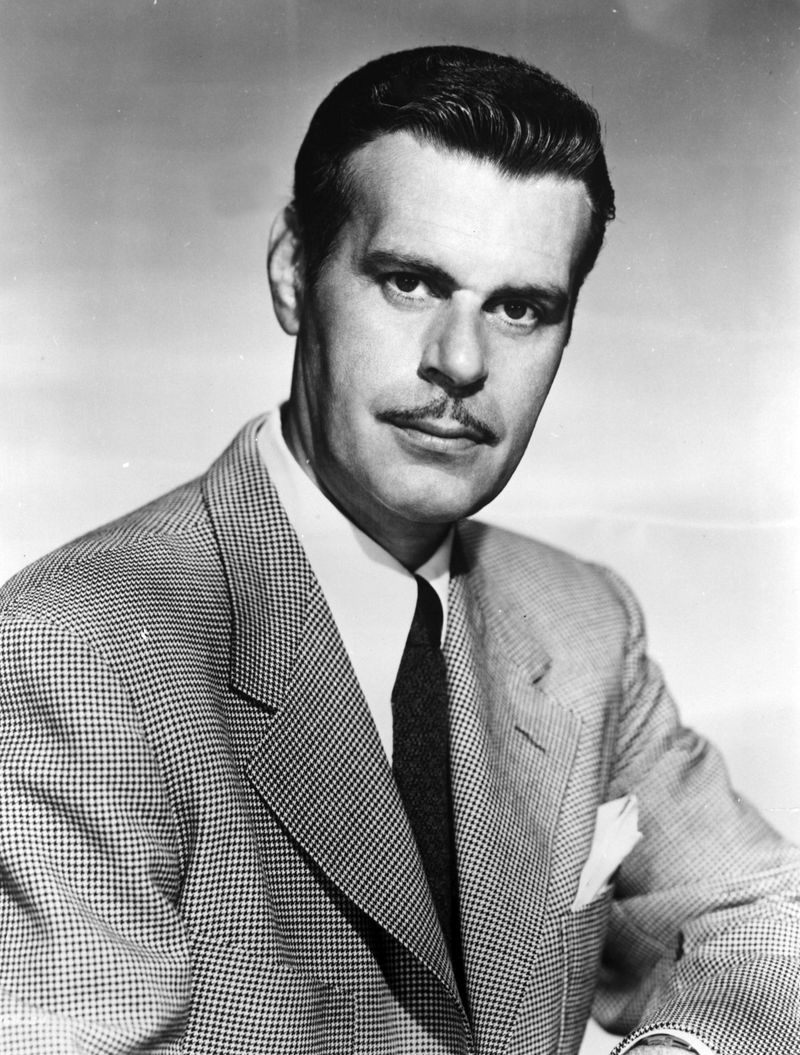
Comedy can be a safe mask, especially when the culture is eager to laugh without asking what the jokes are hiding.
De Wolfe built a career as a character actor with a distinctive style, and the charm of “eccentric” roles sometimes provided cover that straightforward leading-man images did not.
Still, the era’s rules applied even to scene-stealers, which meant keeping private relationships private and letting the public assume whatever made them comfortable.
His story often surfaces in biographies and histories as an example of a performer whose queerness was understood in the industry but rarely allowed to be discussed publicly in plain language.
Billy De Wolfe survived by being valuable, consistent, and entertaining, while giving the press very little to grab onto.
In a system designed to punish openness, staying in the middle of the pack could be a form of protection.
12. Raymond Burr
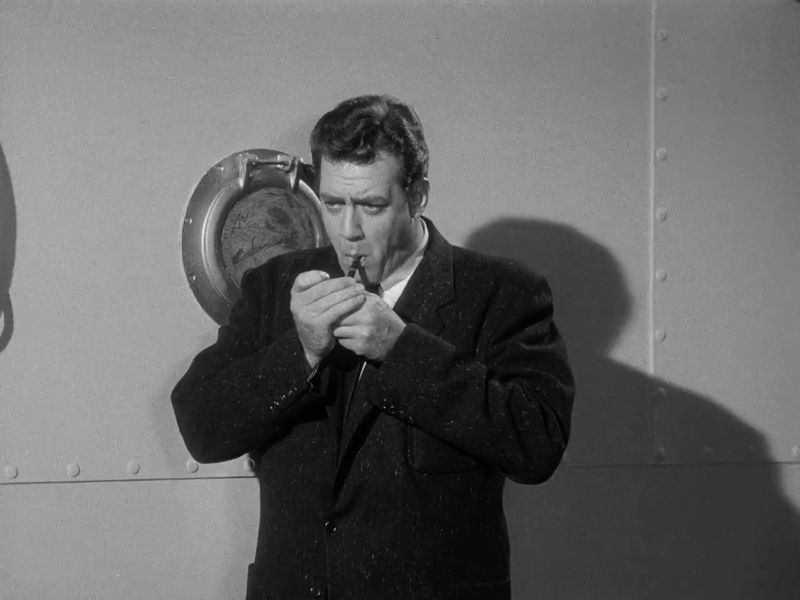
A tough-guy persona can be a powerful shield when the public expects certainty and the press is hunting for cracks.
Burr became widely recognizable through roles that projected authority, control, and a kind of unshakable stability, which helped keep attention focused on the work rather than the man behind it.
Like many actors of his era, he also benefited from maintaining a carefully curated personal narrative, one that left minimal room for questions that could jeopardize employment.
Reports later described his longtime partnership with Robert Benevides, which reframes earlier decades as an extended exercise in strategic privacy rather than simple “mystery.”
Raymond Burr’s survival strategy was not flashy, but it was effective: build a career so solid that studios and networks prioritized reliability, while letting your private life exist off-camera, protected by silence and the assumptions audiences were willing to make.
13. Paul Lynde
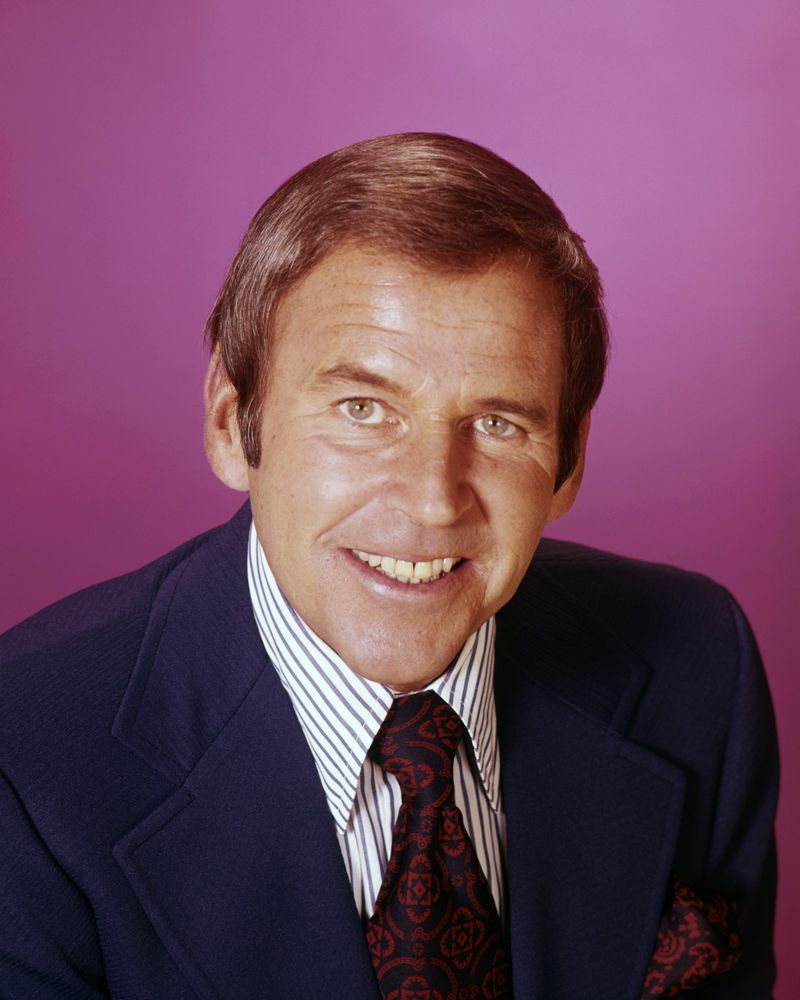
When direct honesty is punished, performance becomes a language of its own, and Lynde understood that better than most.
His comedic persona leaned into flamboyant timing and sharp innuendo, which let mainstream audiences enjoy the “wink” without requiring anyone to say the quiet part out loud.
That balancing act was a kind of survival skill, because it created plausible deniability for gatekeepers while still allowing a recognizable sensibility to shine through.
In an era when many gay entertainers were expected to be either invisible or sanitized, he found a narrow lane where he could be loudly funny without being explicitly labeled.
Paul Lynde’s story illustrates how coding worked in mid-century entertainment, not as a cute stylistic choice, but as a practical strategy for staying employed.
The laughter was real, but the restraint behind it was real too.
14. John Gielgud
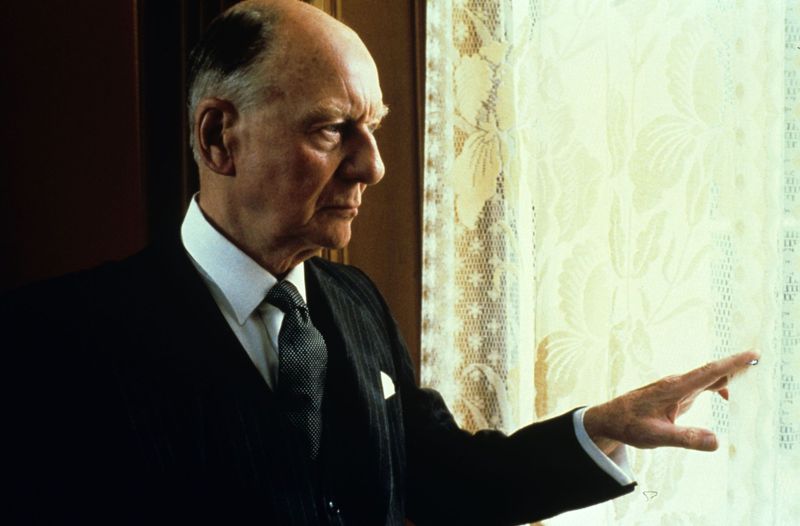
Even with prestige and talent, scandal could follow you like a shadow in the mid-century world, and that shadow could be career-ending depending on who decided to weaponize it.
Gielgud’s life is often discussed through the lens of a public incident in the UK during a period when homosexual acts were criminalized, and what makes his story stand out is that he kept working afterward.
That “after” matters, because it shows survival not as perfect secrecy, but as durability and professional respect that outlasted gossip.
While his path wasn’t identical to a contract-bound Hollywood ingénue, the same culture of fear and punishment shaped entertainment on both sides of the Atlantic.
John Gielgud survived by leaning on craft, reputation, and the willingness of collaborators to keep hiring him, proving that sometimes the strongest shield was undeniable excellence.
Comments
Loading…