
 Hailey Watson
14 Actors Who Played Bitter Rivals On Screen—but Are Besties in Real Life
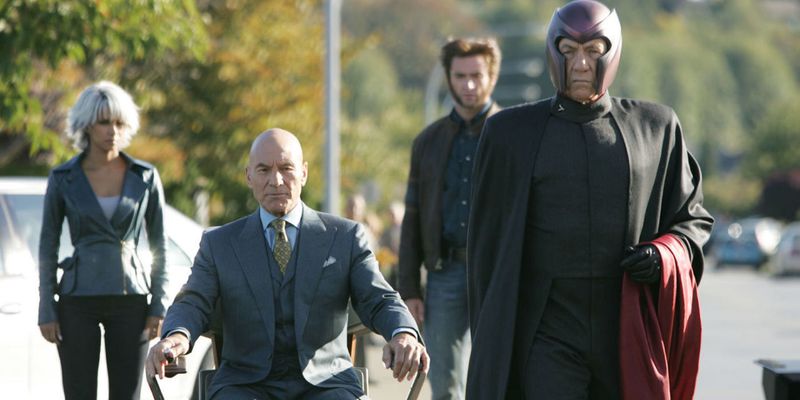
On-screen rivalries are designed to look personal, ruthless, and sometimes downright unforgivable, which is exactly why it’s so satisfying to learn the actors behind them often get along just fine.
Movie sets are long days, shared pressure, and lots of waiting around between takes, so even when two characters are locked in a battle for power, revenge, or survival, the people playing them can end up building real respect.
In many cases, that friendship actually strengthens the performance, because it creates trust, makes risks feel safer, and allows scene partners to push each other further.
From superhero face-offs to prestige crime dramas and fantasy epics, these duos proved that believable conflict doesn’t require real-life tension.
Here are 14 actor pairings who played rivals so convincingly that audiences bought the feud, even while the stars themselves were laughing together off camera.
1. Daniel Craig & Mads Mikkelsen
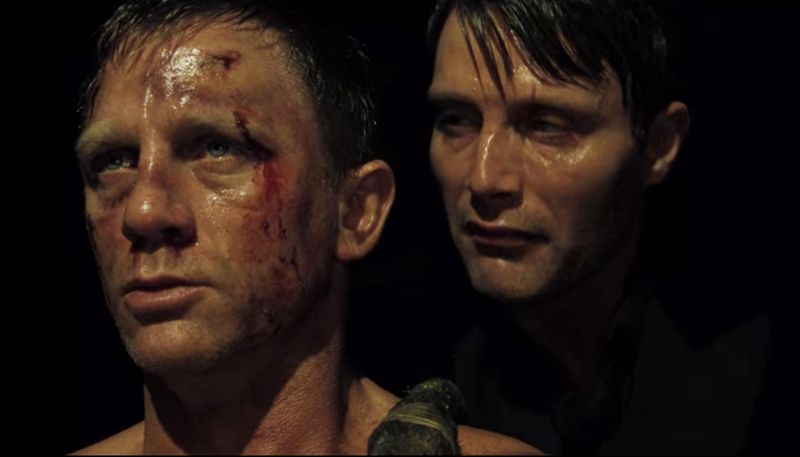
Bond’s battle with Le Chiffre is brutal, stylish, and memorably personal, which makes it surprising to hear how cordial the actors were around it.
The movie demanded a push-and-pull where Craig had to project steeliness while Mikkelsen made menace look effortless, and that kind of partnership tends to create respect quickly.
Off set, they’ve both spoken positively about working together, and the tone has always sounded like two professionals who enjoyed the challenge.
It helps that their rivalry isn’t just action-based, but rooted in psychology, control, and quiet provocation, which requires careful collaboration to land.
When two actors can trust each other to go dark on camera without taking it home afterward, the result looks sharper, more dangerous, and far more believable.
2. Bryan Cranston & Giancarlo Esposito
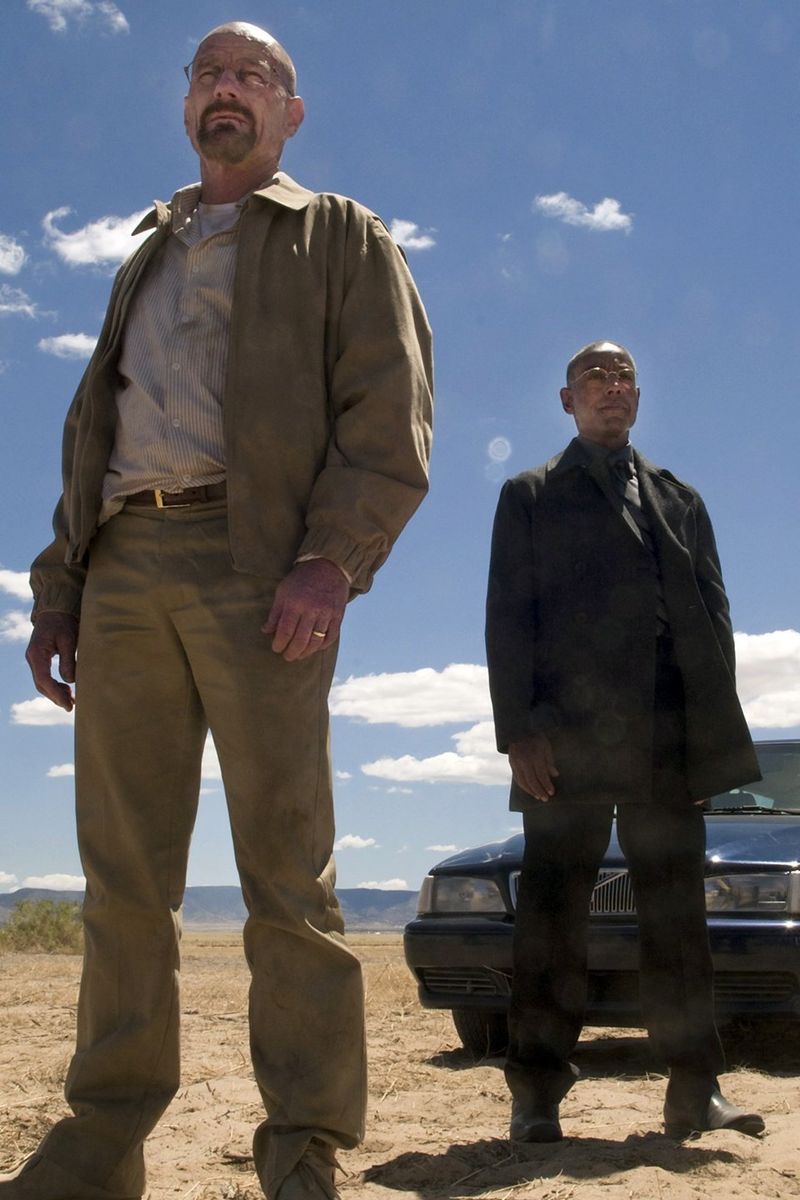
Watching Walter White and Gus Fring clash is like watching two storms move toward each other, because every scene feels calm right up until it’s suddenly deadly.
That icy tension, however, was built through cooperation rather than hostility, and both men have spoken fondly about their time on the show.
Cranston often praises Esposito’s precision, while Esposito has highlighted the professionalism that kept high-stakes scenes from turning chaotic behind the scenes.
The rivalry works because both characters believe they’re the smartest person in the room, which means the actors had to calibrate every glance, pause, and line reading together.
When performers trust each other, they can take big swings without fear, and that’s exactly what makes their on-screen chess match feel so real.
3. Hugh Jackman & Russell Crowe
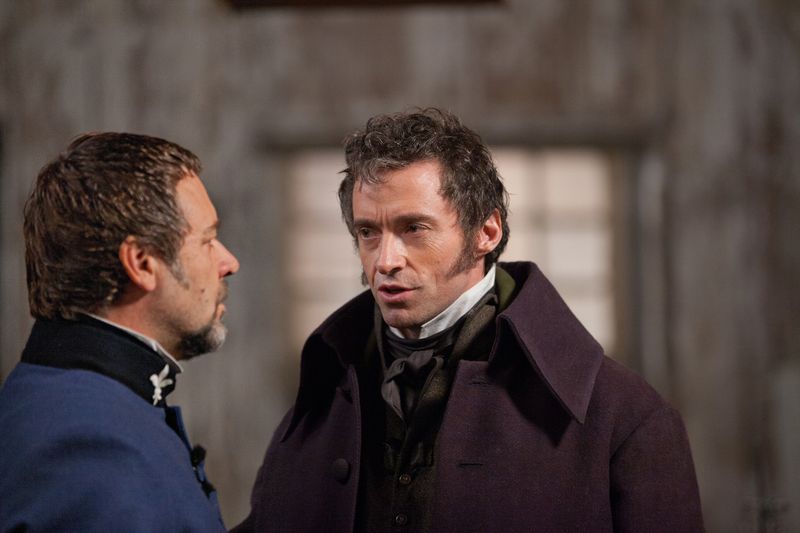
The Valjean and Javert conflict isn’t a simple good-versus-evil setup, because both men think they’re defending something sacred.
That moral seriousness gives the rivalry weight, and it’s also why it helps when the actors have mutual admiration rather than real tension.
Jackman and Crowe were already established stars, but the production required them to be emotionally exposed, vocally committed, and willing to look messy while singing through intense scenes.
They’ve spoken positively about working together, and their off-camera respect reads as the kind that comes from enduring a demanding shoot side by side.
When a rivalry is rooted in ideology and pain, a friendly set environment can actually make it easier to go to those places, because you know your scene partner won’t drop you when the moment gets heavy.
4. Benedict Cumberbatch & Andrew Scott
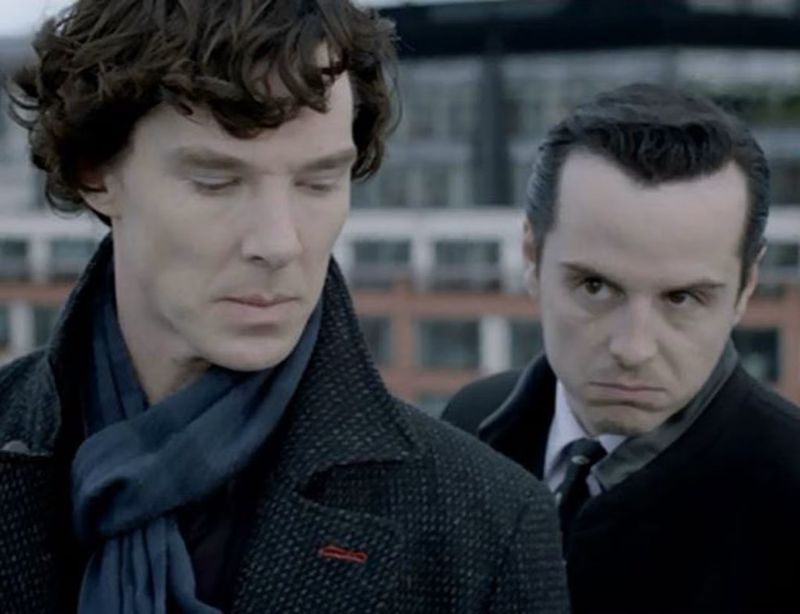
Sherlock and Moriarty feel like opposite ends of the same lightning bolt, which is why their scenes crackle with intelligence, cruelty, and fascination.
That energy wasn’t built on real dislike, though, but on chemistry and the kind of rapport that lets two actors take big theatrical risks without getting self-conscious.
Both Cumberbatch and Scott have been complimentary about each other in interviews, and it shows in how effortlessly the show sells their twisted cat-and-mouse game.
Their rivalry works best when it feels personal, almost playful, which is exactly the kind of tone that’s easier to create when you actually enjoy your scene partner.
It’s one of those pairings where the behind-the-scenes friendliness makes the on-screen danger even more impressive, because it proves how controlled the chaos really is.
5. Robert De Niro & Al Pacino
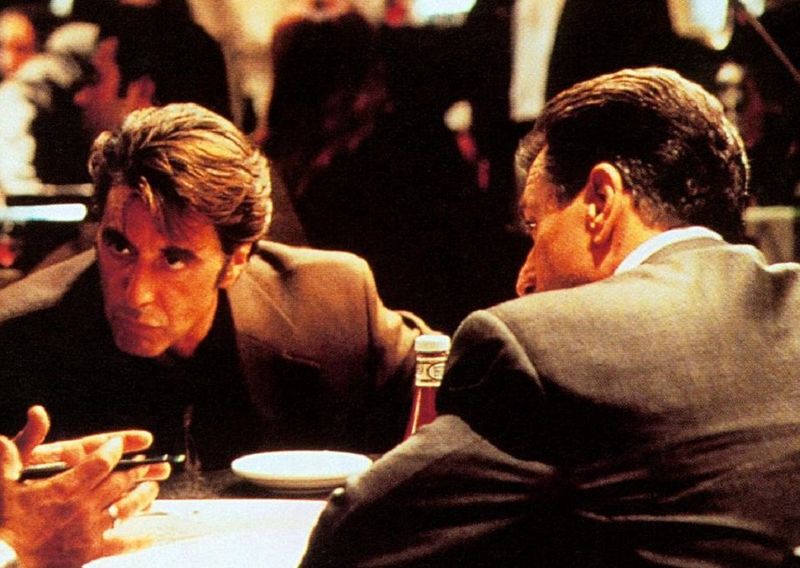
When two legends square off in the same film, audiences expect sparks, and the Heat rivalry delivers them with quiet menace rather than flashy confrontation.
The magic comes from restraint, because the characters recognize pieces of themselves in the other, which makes every moment feel loaded.
Off camera, De Niro and Pacino have maintained a long-running professional bond, returning to projects together and speaking respectfully about each other’s craft.
That familiarity likely helped them play rivals without forcing anything, since neither actor needed to prove dominance on set.
The result is a rivalry that feels lived-in, with tension that sits behind the eyes instead of being shouted out loud.
Sometimes the most convincing conflict comes from two people who trust each other enough to underplay it, letting the audience lean in and feel the threat.
6. Peter Dinklage & Lena Headey
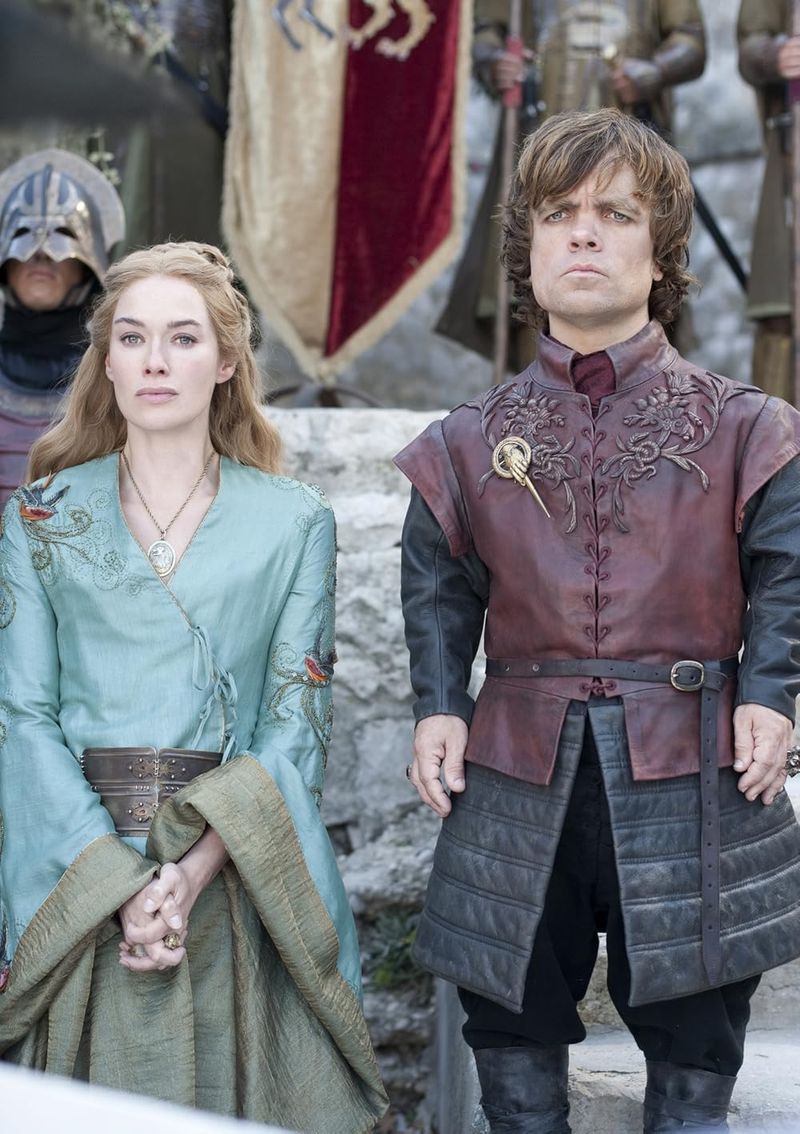
Tyrion and Cersei’s relationship is a constant power struggle, fueled by family history, political pressure, and the kind of bitterness that never really fades.
What makes it work is that the performers could go venomous on screen without carrying that hostility into real life.
Dinklage and Headey have spoken warmly about each other and have often seemed friendly at events and in behind-the-scenes moments, which surprises fans who only remember the cruelty their characters trade.
Their scenes require careful balance, because the rivalry is never just anger, but also fear, pride, and calculation.
Having real respect behind the scenes makes it easier to play those complicated emotional layers honestly.
When actors feel safe with each other, they can lean into uglier character choices, and that’s exactly why their sibling war looks so convincing.
7. Tom Felton & Rupert Grint
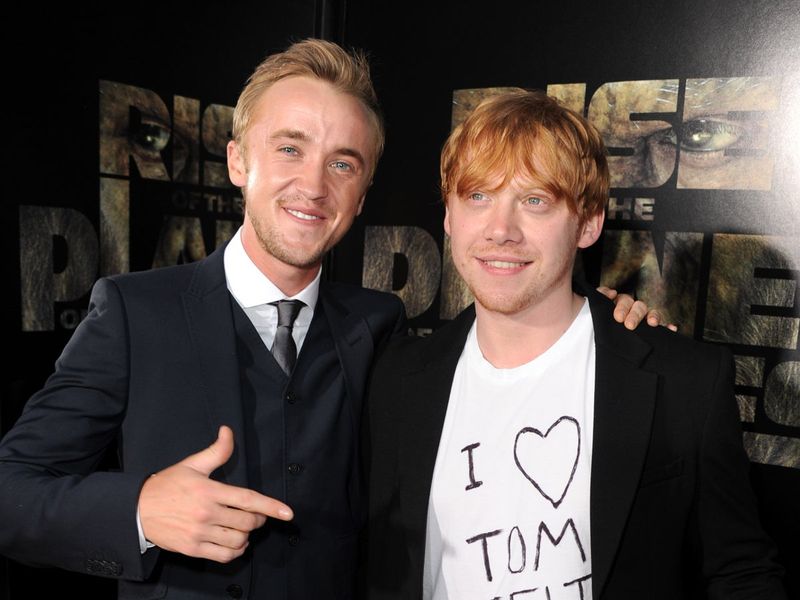
The Draco-versus-Ron dynamic is built on schoolyard cruelty and status games, so it’s easy to assume the actors would have kept their distance.
In reality, growing up together on the same massive franchise created a shared experience that bonded the young cast in a way few people can relate to.
Felton has frequently posted affectionate throwbacks and spoken kindly about his former co-stars, and Grint has also been part of the wider “we survived Hogwarts together” camaraderie.
Their rivalry worked because it felt like real teen irritation, but filming those scenes still required trust and a sense of humor to stop it from becoming uncomfortable.
It’s a classic example of child actors learning early that you can play a bully or a victim on camera, then laugh together the moment the director calls cut.
8. Chris Hemsworth & Tom Hiddleston
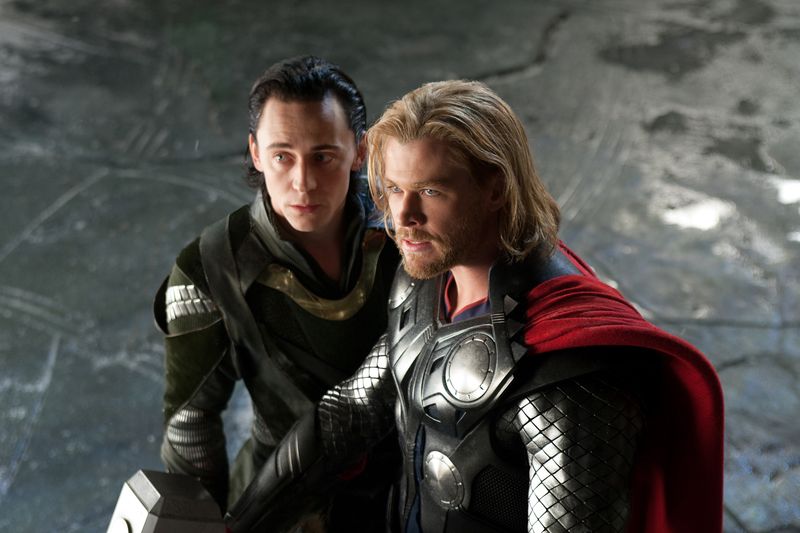
The Thor-and-Loki relationship is basically a family drama disguised as superhero spectacle, which is why it feels emotional even when it’s wrapped in explosions.
Hemsworth and Hiddleston leaned into that sibling energy with such ease that fans started treating their friendship as its own piece of Marvel lore.
Off camera, they’ve spoken fondly of each other for years, and their playful rapport shows up in interviews, press tours, and behind-the-scenes clips.
That comfort level matters, because their rivalry requires quick shifts between humor, betrayal, tenderness, and rage, sometimes within the same scene.
A real friendship makes those transitions smoother, since the actors can take emotional risks without worrying the other person will misread it.
When your co-star feels like a teammate, you can argue like enemies on screen and still trust the landing, which is exactly what makes their dynamic so rewatchable.
9. Daisy Ridley & Adam Driver
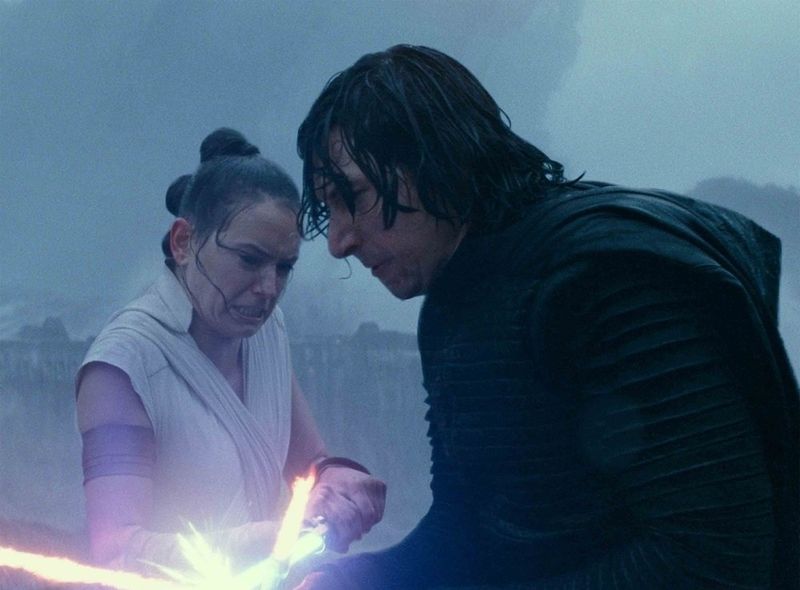
Rey versus Kylo Ren is a rivalry packed with intensity, because it isn’t only about good and evil, but also about identity, temptation, and emotional pull.
That kind of complicated dynamic is hard to sell unless the actors feel safe playing close, uncomfortable moments without real-life awkwardness.
Ridley and Driver have spoken respectfully about working together, and their scenes show two performers who are listening carefully rather than just reacting loudly.
Their rivalry works because it’s personal, and personal scenes require a surprising amount of behind-the-scenes trust, especially when the story leans into vulnerability.
Even when the characters are swinging lightsabers, the real battle is internal, and the actors had to collaborate to make those beats land without tipping into melodrama.
Friendly professionalism off screen can create the perfect conditions for high-stakes emotional conflict on screen.
10. Kate Winslet & Shailene Woodley
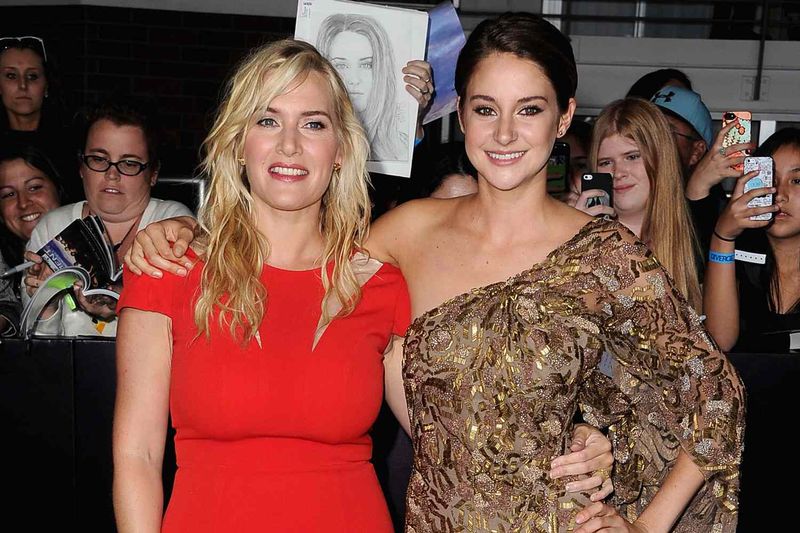
The Divergent conflict between Jeanine and Tris is all about ideology, control, and the threat of losing agency, so it plays more serious than a typical YA rivalry.
Winslet brought icy authority, while Woodley leaned into grounded defiance, and that contrast works best when the actors aren’t battling off camera too.
In interviews, they’ve sounded supportive of each other, and the dynamic often reads like a veteran performer encouraging a younger star through high-pressure scenes.
Their rivalry required big emotional beats plus a lot of technical filming, which can be exhausting without a friendly environment.
When a set feels safe, an actor can take sharper risks, whether that means playing colder, angrier, or more frightened than usual.
The result is a rivalry that feels tense without becoming cartoonish, because both women treat the conflict as character work, not personal drama.
11. Kristen Stewart & Charlize Theron
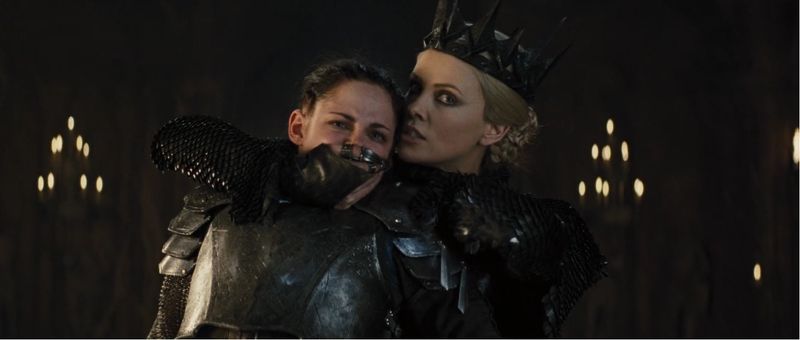
Snow White versus the Evil Queen could have been a simple fairy-tale face-off, but the film plays it with style, intensity, and a surprisingly modern sense of power dynamics.
Theron’s villain is glamorous and terrifying, while Stewart’s heroine is more grounded and stubborn, and that contrast takes careful calibration between scene partners.
Behind the scenes, they’ve described a positive working relationship, and their public interactions have often suggested mutual respect rather than rivalry spilling into real life.
That matters, because their confrontations require a kind of close-quarters intensity that can feel awkward if there’s tension off camera.
When actors trust each other, they can make the conflict more physical, more emotional, and more layered, because they know it won’t be misinterpreted once the director yells cut.
It’s easier to play enemies convincingly when your co-star feels like an ally.
12. Andrew Lincoln & David Morrissey
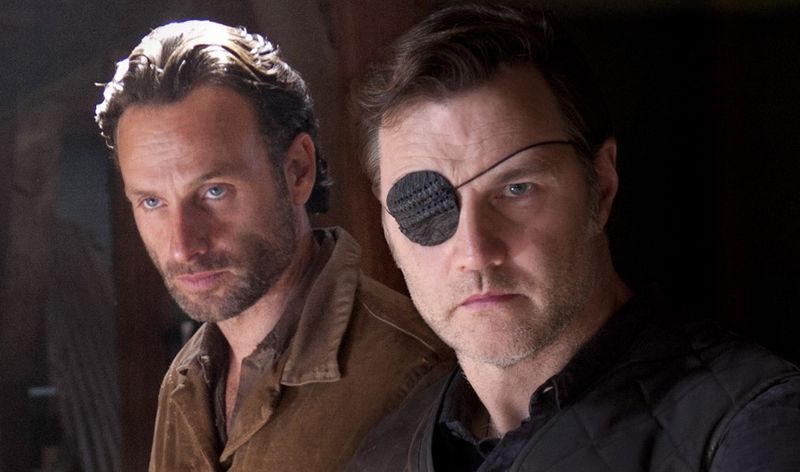
Rick Grimes and The Governor are two leaders with radically different moral lines, which makes their rivalry feel less like a feud and more like a philosophical collision.
That kind of conflict can get heated on screen, but the actors have spoken positively about the experience of working together.
Lincoln and Morrissey both had to carry the weight of their groups, which meant long hours, intense scenes, and a lot of pressure to keep the story grounded even when things got extreme.
Friendly professionalism helps in situations like that, because it keeps the set atmosphere from matching the show’s bleakness.
Their rivalry works because it feels like each man genuinely believes he’s protecting his people, and selling that sincerity requires careful listening between performers.
When actors respect each other, they can play threats without overplaying them, letting the tension come from conviction rather than volume.
13. Patrick Stewart & Ian McKellen
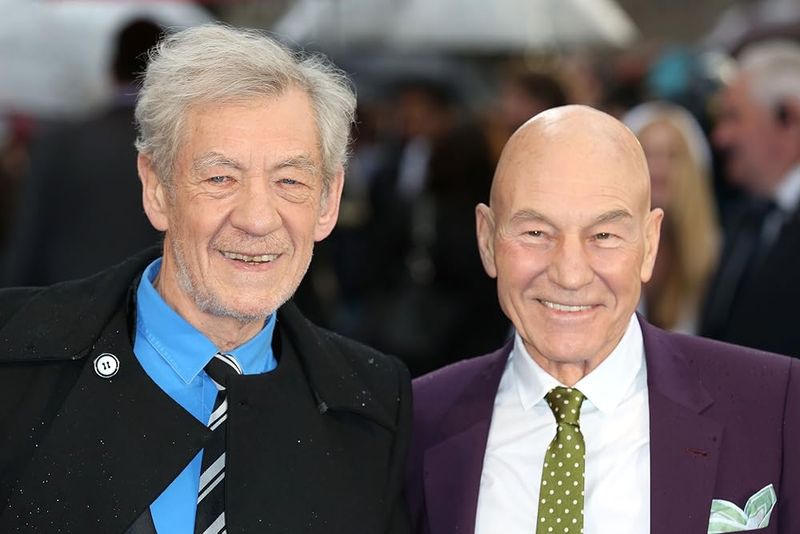
The Xavier-and-Magneto rivalry is so compelling because it’s built on love, disappointment, and opposing worldviews, not simple hatred.
Stewart and McKellen have long been associated with a close real-life friendship, and their warmth is easy to spot whenever they appear together in interviews or public events.
That genuine bond gives their scenes extra depth, because the characters’ conflict feels like a painful breakup between people who once shared a dream.
It also helps that both actors are stage-trained and deeply collaborative, so they approach big moments as partners rather than opponents.
Their rivalry requires tenderness as much as anger, and that emotional range is easier to explore when you trust the other person completely.
When audiences feel that history and affection underneath the arguments, the conflict becomes more tragic and more human, which is exactly why their dynamic remains one of the most beloved in superhero cinema.
14. Christian Bale & Heath Ledger
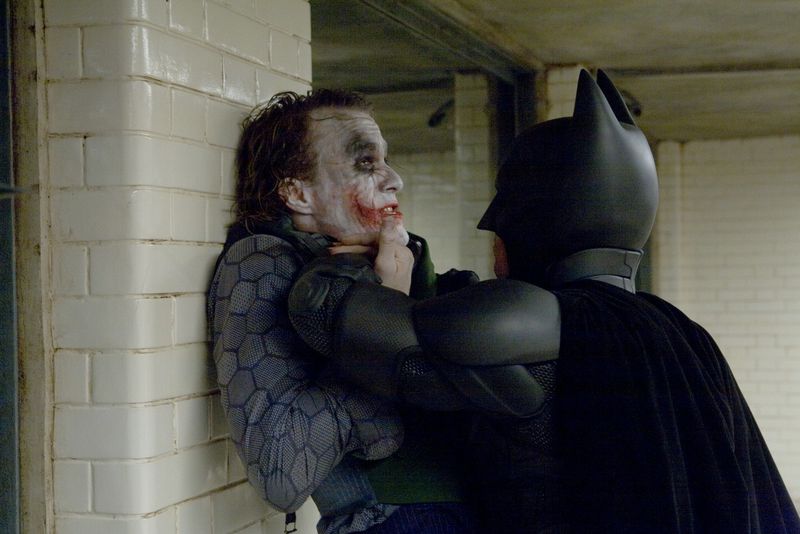
Few modern rivalries are as unforgettable as Batman facing off against the Joker, because the tension feels both epic and disturbingly intimate.
What’s easy to forget is that the intensity wasn’t fueled by real animosity, but by professional respect and the kind of focus that comes from knowing you’re making something special.
Bale has spoken in interviews about Ledger’s commitment and talent, and the admiration comes through in the way their scenes play like a chess match rather than a simple brawl.
Their dynamic is a reminder that strong acting often requires trust, especially when characters are psychologically circling each other.
When the cameras stopped rolling, colleagues who had just created chaos on screen could still appreciate each other’s work with genuine warmth.
Comments
Loading…