
 Mary Murphy
14 ’90s Bands We Didn’t Appreciate Enough at the Time
The 1990s gave us an incredible music scene filled with grunge, alternative rock, and indie sounds that shaped a generation. While bands like Nirvana and Pearl Jam dominated the airwaves, dozens of talented groups flew under the radar, creating beautiful music that deserved way more attention.
Looking back now, we can finally give these underappreciated artists the recognition they earned but never quite received during their peak years.
1. Sunny Day Real Estate

Seattle’s emotional powerhouse practically invented emo before anyone knew what to call it.
Their 1994 album “Diary” overflowed with raw feeling and complex guitar work that influenced countless bands afterward.
Jeremy Enigk’s soaring vocals carried pain and hope in equal measure.
The band broke up and reunited multiple times, which kept them from building the massive following they deserved.
Their influence on modern indie and emo music remains undeniable.
Bands like Dashboard Confessional and Taking Back Sunday owe them a huge debt.
If they’d stuck together longer, they might have become household names instead of a secret treasure for music nerds.
2. Jawbreaker
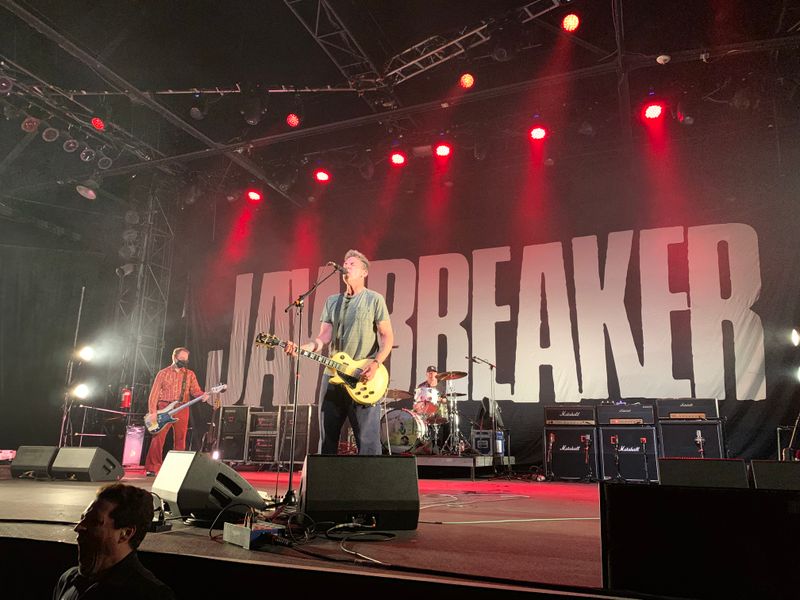
Raw punk energy mixed with poetic lyrics made this San Francisco trio special beyond words.
Blake Schwarzenbach wrote songs about heartbreak and growing up that hit different than typical punk fare.
Their 1995 album “Dear You” got criticized by purists for being too polished.
That controversy overshadowed how brilliant the songwriting actually was.
Critics and hardcore fans argued while casual listeners never got the chance to discover them.
Years later, bands like Green Day cite them as major influences.
Their emotional honesty paved the way for punk to explore deeper feelings.
They deserved stadium tours but settled for small clubs and cult status instead.
3. Elliott
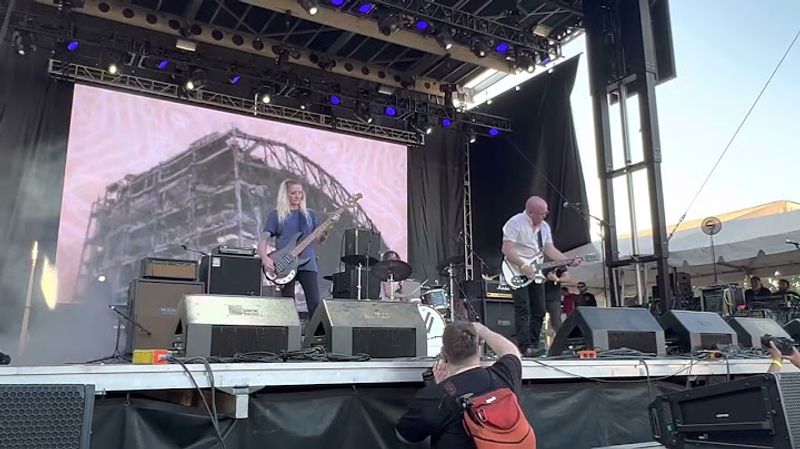
Louisville’s best-kept secret created heartbreaking slowcore that painted pictures with sound.
Their music felt like watching rain fall on a window—beautiful, sad, and impossible to look away from.
Most people never heard of them because they existed in the underground scene.
Their albums “U.S. Songs” and “False Cathedrals” showcased incredible dynamics and emotional depth.
The band members poured everything into their art without caring about commercial success.
They split up in 2003, leaving behind a small but devoted fanbase.
Modern indie bands still discover their catalog and realize what they missed.
Their quiet intensity deserved way more ears than it reached.
4. Failure

This Los Angeles trio crafted space rock that sounded both heavy and dreamy at once.
Their 1996 masterpiece “Fantastic Planet” deserved to sit alongside Radiohead’s best work but got lost in the shuffle.
Ken Andrews’ production skills and songwriting created layers upon layers of guitar textures.
The songs felt massive yet intimate, exploring themes of isolation and connection.
Radio stations didn’t know what to do with their complex sound.
Tool’s Maynard James Keenan became a huge fan and helped them reunite years later.
Their influence on modern alternative and progressive rock keeps growing.
They were simply too ahead of their time for mainstream success.
5. Hum
Illinois rockers created a wall of guitar sound so thick you could practically touch it.
Their 1995 hit “Stars” got some radio play, but most people never explored their other incredible songs.
They mixed shoegaze dreaminess with heavy alternative rock in ways few bands attempted.
Matt Talbott’s lyrics referenced science fiction and deep thoughts wrapped in fuzzy distortion.
The band stayed together but never chased fame or compromised their vision.
Modern bands like Deftones and Thrice list them as major influences.
Their patient approach to songwriting created hypnotic experiences.
They deserved festival headlining slots but remained underground heroes for dedicated fans only.
6. Toad the Wet Sprocket

California’s jangly rock poets had several hits but never got the respect they truly earned.
Songs like “Walk on the Ocean” and “All I Want” filled the airwaves, yet people treated them as one-hit wonders.
Glen Phillips wrote thoughtful lyrics that explored complex emotions without being pretentious.
Their acoustic-driven sound felt refreshing during the grunge explosion.
Radio played their singles but ignored their deeper album cuts that showed real artistry.
They broke up in 1998, just as alternative rock was changing directions.
Reunion tours proved their fanbase remained loyal and passionate.
Their catalog holds up better than many bigger bands from that era ever did.
7. Material Issue
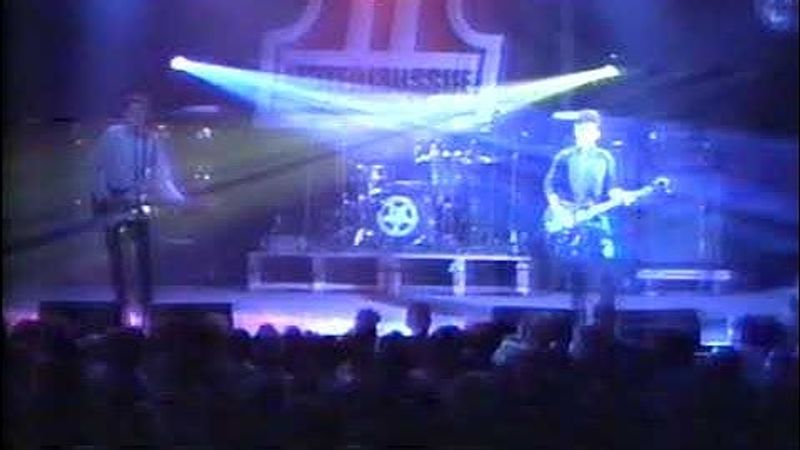
Chicago’s power pop champions brought pure energy and catchy hooks to the alternative scene.
Jim Ellison wrote perfect three-minute rock songs that combined Beatles melodies with punk attitude.
Their debut “International Pop Overthrow” should have launched them to stardom in 1991.
MTV barely touched their videos despite the songs being incredibly radio-friendly.
They toured relentlessly but never broke through to mainstream success.
Tragedy struck when Ellison died in 1996, ending the band’s story too soon.
Their music celebrated joy and romance in ways that felt genuine and fun.
Modern power pop bands still study their work as a masterclass in songwriting craftsmanship.
8. The Sundays

Harriet Wheeler’s angelic voice floated over shimmering guitars like nothing else on radio.
This British band created dreamy alternative rock that felt both delicate and powerful throughout their three albums.
“Here’s Where the Story Ends” became their signature song in 1990.
Most listeners never explored deeper into their catalog to find equally beautiful tracks.
The band took years between albums, which hurt their momentum and visibility.
David Gavurin’s guitar work created lush soundscapes that complemented Wheeler’s vocals perfectly.
They never toured extensively or promoted themselves aggressively.
Their quiet approach to music meant millions of potential fans never discovered their gorgeous sound at all.
9. Cake
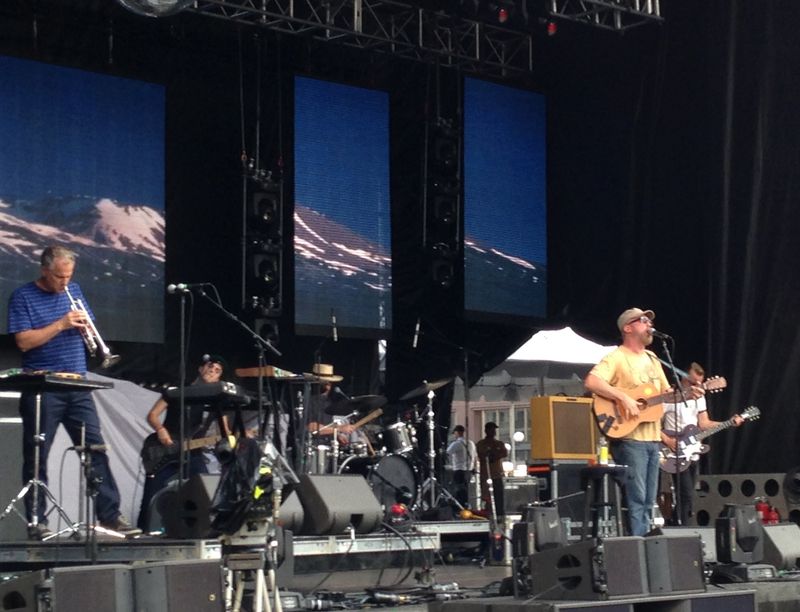
Sacramento’s deadpan rockers mixed funk, country, and alternative into something wonderfully weird.
John McCrea’s monotone delivery and clever lyrics made songs like “The Distance” instant classics that still get played today.
Their trumpet-driven sound and ironic attitude set them apart from typical rock bands.
Albums like “Fashion Nugget” and “Prolonging the Magic” showed consistent creativity and humor.
Despite having several hits, they never got treated as seriously as less interesting bands.
Critics sometimes dismissed them as novelty acts, which completely missed the point.
Their songwriting tackled real subjects with wit and intelligence.
They built a massive following through constant touring but never received proper recognition from the music industry establishment.
10. The Verve Pipe

Michigan rockers hit big with “The Freshmen” but got unfairly labeled as one-hit wonders immediately.
That massive 1996 single overshadowed their other excellent songs and made people ignore their real talent.
Brian Vander Ark wrote deeply personal lyrics about mistakes and regrets that resonated with millions.
Their earlier indie albums showed a rawer, more experimental side that major label success smoothed over.
Radio played their hit to death but refused to give other songs a chance.
They continued making quality albums that nobody bothered checking out afterward.
The band deserved recognition as solid songwriters beyond their biggest moment.
Their story shows how one huge hit can sometimes hurt a band’s long-term reputation and career.
11. Everclear
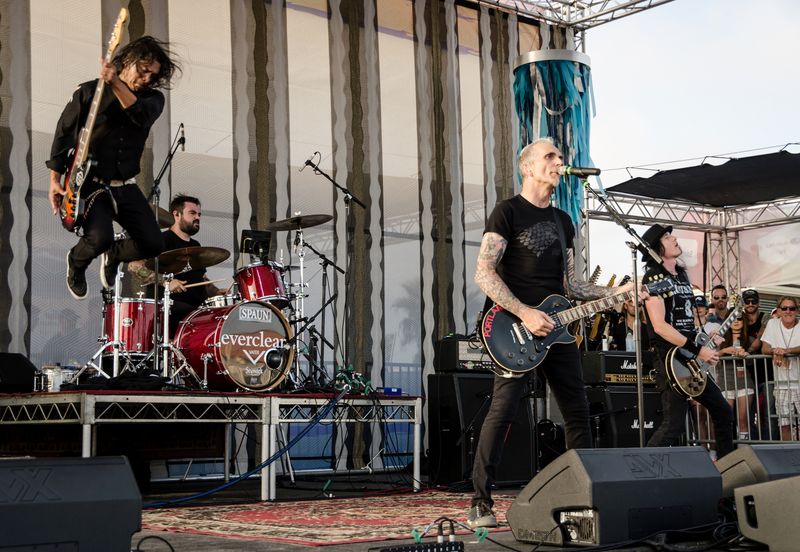
Art Alexakis wrote brutally honest songs about broken homes, addiction, and struggling to survive.
Portland’s power trio delivered hard-hitting alternative rock with genuine emotional weight behind every chord.
“Sparkle and Fade” and “So Much for the Afterglow” contained hit after hit.
Radio played “Santa Monica” and “Father of Mine” constantly, but critics dismissed them as too commercial.
Their working-class perspective and raw honesty deserved more respect than they received from the music press.
They sold millions of albums but never got invited to the cool kids’ table.
Alexakis poured his painful life story into his music without apology.
Their straightforward rock approach got overlooked as trends shifted toward more experimental sounds later.
12. The Boo Radleys
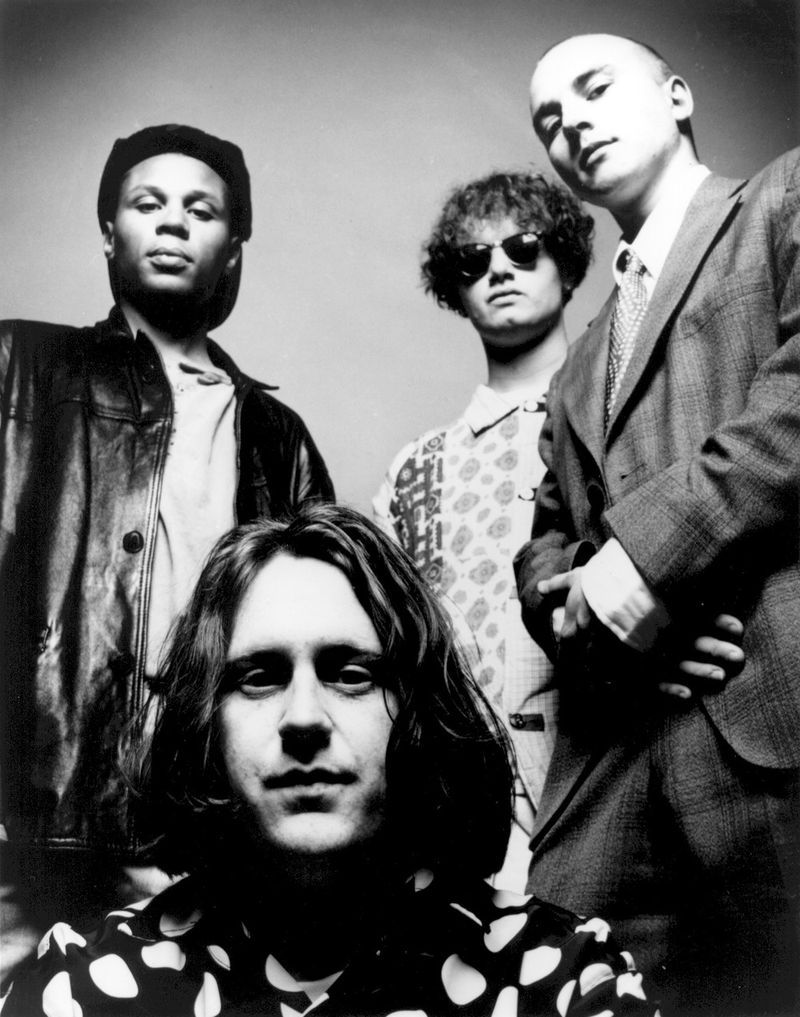
British experimentalists shifted from noisy shoegaze to gorgeous pop without losing their creative edge.
Their 1995 album “Wake Up!” burst with color, orchestration, and ambition that most Britpop bands never attempted.
“Wake Up Boo!” became a UK hit, but American audiences barely noticed them at all.
The band refused to stick to one style, which confused record labels and radio programmers.
Their willingness to take risks and evolve should have earned them legendary status.
They broke up in 1999 after six diverse albums that showcased incredible range.
Oasis and Blur got all the Britpop attention while more interesting bands got ignored.
Their adventurous spirit and musical talent deserved way more recognition internationally than they ever received.
13. Dishwalla
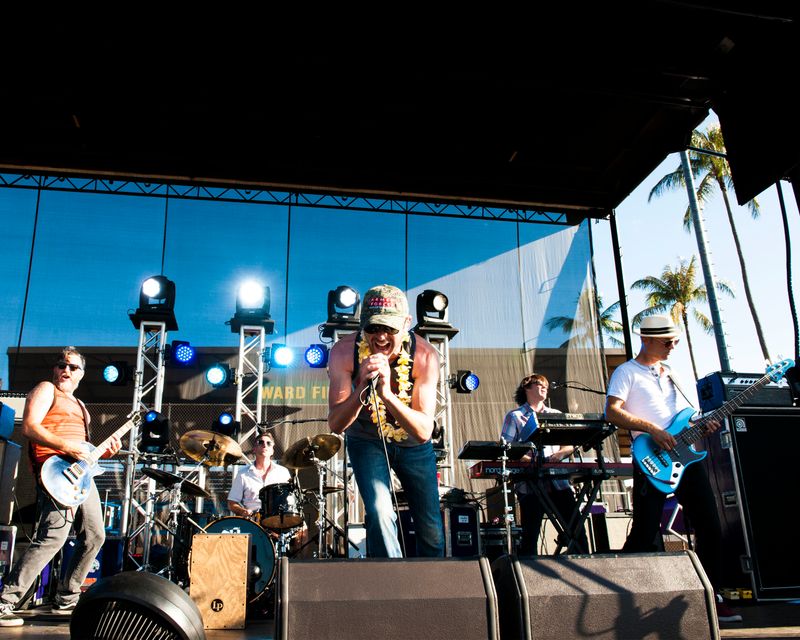
California rockers scored big with “Counting Blue Cars” in 1996, then watched as everyone forgot about them.
That philosophical hit asked deep questions about faith and meaning but got dismissed as just another alternative radio song.
Their debut album “Pet Your Friends” contained several other strong tracks that radio ignored completely.
J.R. Richards’ vocals and the band’s melodic approach deserved more opportunities to shine.
They got stuck in the dreaded one-hit wonder category despite having real songwriting chops.
Later albums showed growth and maturity that nobody paid attention to anymore.
The band kept making music for their loyal fans even without industry support.
Their story represents dozens of talented groups who got one shot and then disappeared from public consciousness unfairly.
14. Silverchair
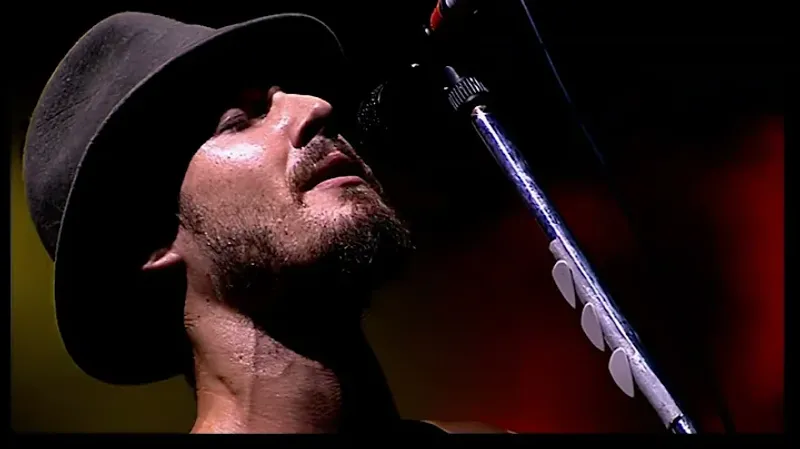
Australian teenagers burst onto the scene in 1995 with “Frogstomp,” sounding like grunge veterans at age fifteen.
Critics dismissed them as Nirvana copycats, which completely ignored their obvious talent and potential for growth.
Daniel Johns evolved into a sophisticated songwriter as the band matured through subsequent albums.
“Neon Ballroom” and “Diorama” showed orchestral ambition and emotional depth that early critics never expected.
Their later work deserved comparison to Radiohead’s experimental evolution, but most people stopped paying attention after the first album.
Being young when they started hurt their credibility with older music fans.
They proved themselves repeatedly but could never shake that initial teen band reputation.
Their artistic journey deserved far more respect and recognition than it ultimately received worldwide.
Comments
Loading…