
 Mila Ross
13 Tracks That Quietly Shaped Pop Culture

Some songs burst onto the scene with fireworks and fanfare, while others slip into our lives almost unnoticed, only to leave an indelible mark on everything that follows.
These quieter revolutionaries changed how music sounds, how artists create, and how we experience pop culture itself. From pioneering electronic beats to genre-bending experiments, these fourteen tracks rewrote the rulebook without most people realizing it was happening.
1. I Feel Love – Donna Summer
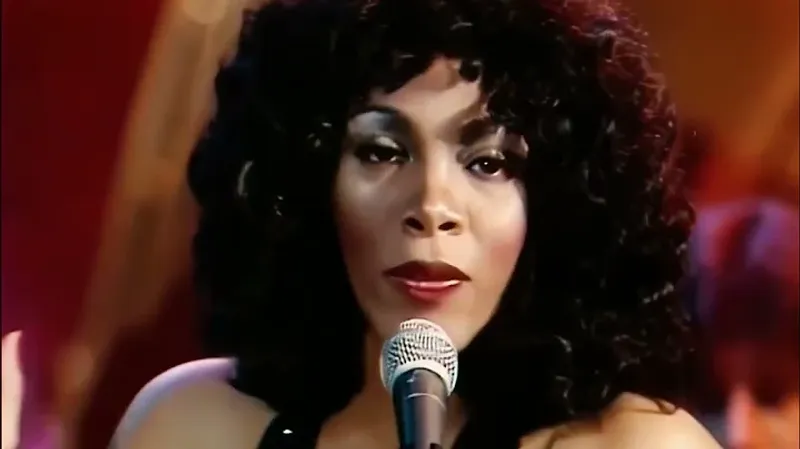
Giorgio Moroder’s pulsing synthesizer created something nobody had heard before in 1977.
This wasn’t just another disco track with orchestral strings and funky guitars.
Instead, it was a completely electronic soundscape that predicted techno, house, and EDM decades before those genres even had names.
Brian Eno famously said this song revealed “the sound of the future,” and he wasn’t exaggerating.
Every electronic dance track you hear today owes something to those hypnotic, relentless synth arpeggios.
Summer’s ethereal vocals floated over the mechanical precision like a human soul inside a machine.
The combination felt both futuristic and deeply emotional, proving that electronic music could move bodies and hearts simultaneously.
2. Rapper’s Delight – The Sugarhill Gang
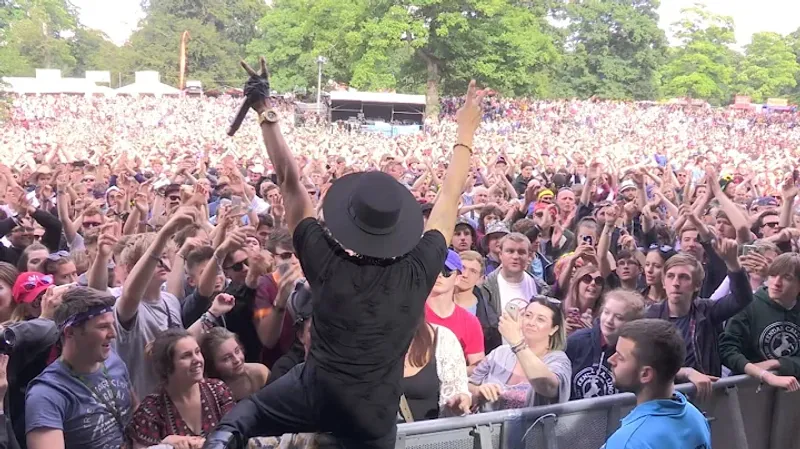
Before this fourteen-minute groove hit radio in 1979, hip-hop existed only at block parties and underground clubs.
The Sugarhill Gang brought rapping to mainstream audiences who had never experienced anything like it.
Over a funky bass line borrowed from Chic’s “Good Times,” three MCs traded playful rhymes about parties, food, and everyday life.
Radio stations didn’t know what to make of it initially.
Was it disco?
Funk?
Something entirely new?
That confusion didn’t stop it from becoming a massive hit that opened doors for an entire art form.
Without this commercial breakthrough, hip-hop might have remained a New York City phenomenon instead of becoming the dominant force in global pop culture.
3. Just Like Honey – The Jesus and Mary Chain
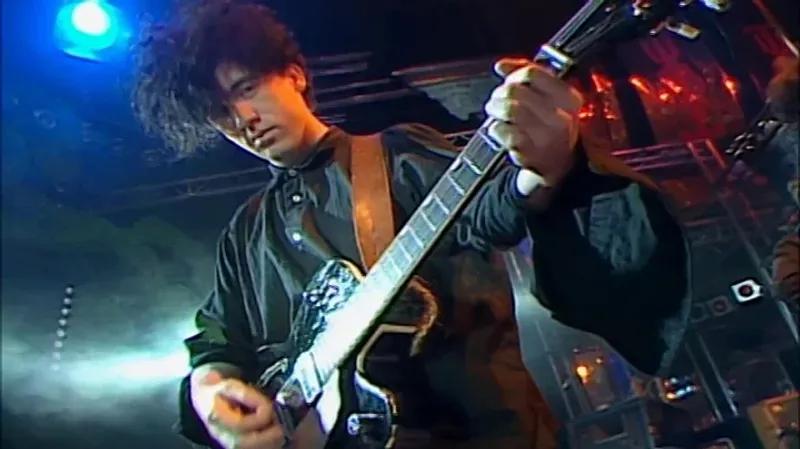
Feedback and noise weren’t supposed to sound this beautiful.
The Jesus and Mary Chain wrapped sweet melodies in layers of distortion that felt both abrasive and strangely romantic.
This 1985 track became the blueprint for shoegaze, alternative rock, and countless indie bands who realized you could marry pop hooks with sonic chaos.
The opening drum machine beat sounds almost innocent before waves of guitar fuzz wash everything in beautiful destruction.
Underneath all that noise, there’s an achingly tender love song trying to break through.
Bands like My Bloody Valentine, Slowdive, and even Nirvana took inspiration from this noisy-but-melodic approach.
The track proved that experimental and accessible weren’t opposites.
4. Blue Monday – New Order
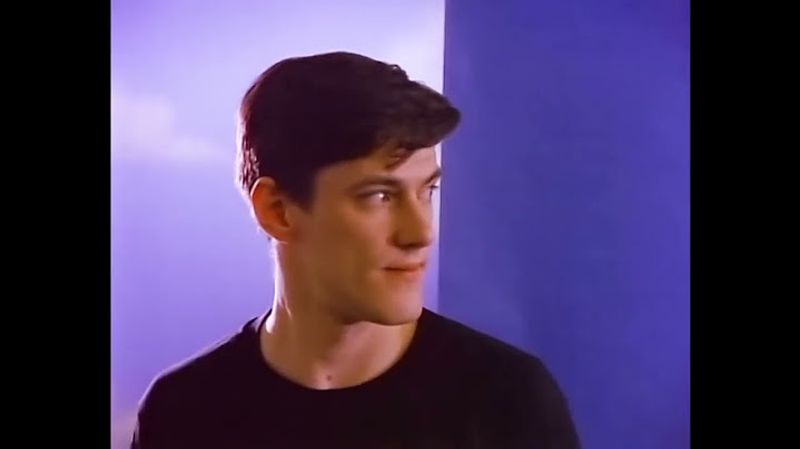
The best-selling 12-inch single of all time almost didn’t get released.
Factory Records lost money on every copy because the elaborate die-cut sleeve cost more than they charged.
Yet “Blue Monday” became a cultural phenomenon that bridged post-punk gloom with dancefloor euphoria.
That iconic drum machine intro is instantly recognizable even today.
New Order programmed it using a then-revolutionary Oberheim DMX, creating a rhythm that sounded both mechanical and irresistibly groovy.
Electronic music suddenly felt cool rather than cold.
The track influenced everyone from The Chemical Brothers to LCD Soundsystem, proving that synthesizers and sequencers could create music with genuine emotional depth and danceability combined.
5. Bizarre Love Triangle – New Order
Heartbreak never sounded so danceable.
New Order mastered the art of making you move while contemplating romantic confusion.
This 1986 track wrapped Bernard Sumner’s uncertain vocals around bouncing synth lines that felt simultaneously melancholic and uplifting.
The production felt crisp and modern in ways that still hold up decades later.
Electronic drums punched through the mix while layered synthesizers created an atmosphere both spacious and intimate.
Alternative bands learned they could embrace electronic elements without losing credibility.
Pop producers discovered that vulnerability and sophistication could coexist with infectious hooks.
The track’s influence appears everywhere from The Killers to CHVRCHES, proving that emotional complexity and danceability make perfect partners.
6. No Diggity – Blackstreet
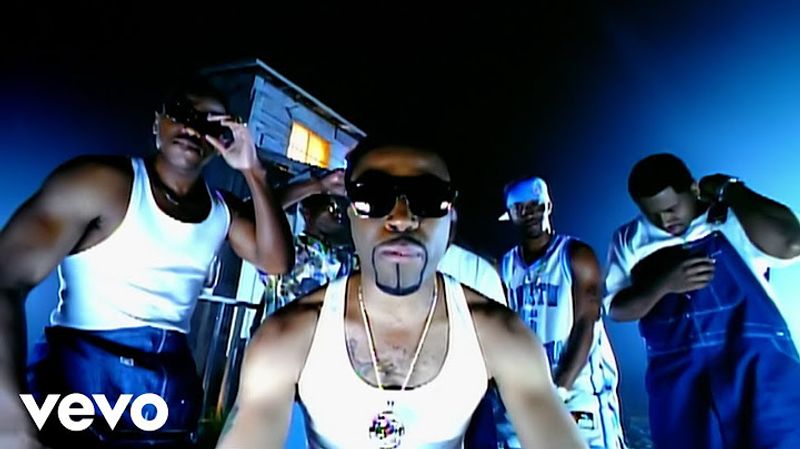
Dr. Dre’s piano riff changed R&B forever.
When Blackstreet dropped this in 1996, it fused hip-hop production with smooth vocals in ways that felt completely fresh.
That hypnotic piano loop, created by Dre, became one of the most recognizable hooks of the decade.
Queen Pen’s rap verse added another layer, making this a true hybrid that refused to stay in one genre lane.
The production felt minimal yet incredibly full, with every element serving the groove.
Suddenly, R&B artists wanted hip-hop producers, and rappers wanted singers on their hooks.
This cross-pollination dominated the charts for the next two decades.
Contemporary artists from The Weeknd to Bryson Tiller still follow the template this track established.
7. Around the World – Daft Punk

Repeating the same four words for seven minutes shouldn’t work, but somehow it does.
Daft Punk’s 1997 masterpiece proved that electronic music could be playful, funky, and irresistibly catchy.
The French duo layered filtered disco samples with robotic vocals and a bass line that burrows into your brain.
Michel Gondry’s music video featured different groups of dancers representing each musical element, creating a visual representation of the track’s structure.
It became an MTV staple that introduced electronic music to audiences who thought they didn’t like electronic music.
The track’s success paved the way for EDM’s mainstream explosion.
Artists learned that electronic music didn’t need to be cold or serious—it could be joyful, human, and deeply groovy.
8. Paper Planes – M.I.A.

Gunshots and cash register sounds became a pop hook.
M.I.A. took a sample from The Clash, added provocative sound effects, and created something that felt simultaneously playful and politically charged.
Released in 2007, the track blended genres so thoroughly that categorization became impossible.
Was it hip-hop?
Pop?
World music?
Electronic?
The answer was yes to all of the above.
Radio programmers struggled with the gunshot sounds, but audiences connected with the track’s rebellious energy and infectious melody.
When it appeared in the “Pineapple Express” trailer, the song exploded into mainstream consciousness.
Suddenly, experimental artists realized they could achieve commercial success without compromising their vision.
Genre-blending became the norm rather than the exception.
9. Crazy – Gnarls Barkley
A soul singer and a producer created something that defied every expectation.
When CeeLo Green and Danger Mouse released this in 2006, it sounded like nothing else on the radio.
Vintage soul vocals floated over a production that felt both retro and futuristic, with strings, electronic beats, and psychedelic flourishes colliding beautifully.
The song became the first UK number one based solely on download sales, signaling a massive shift in how music reached audiences.
Physical singles suddenly seemed obsolete.
More importantly, the track proved that adventurous, genre-defying music could dominate mainstream charts.
Artists stopped trying to fit into neat categories and started experimenting freely.
The success opened doors for countless boundary-pushing collaborations that followed.
10. Heartbeats – The Knife
Swedish siblings created a fragile electronic love song that felt almost alien.
The Knife’s 2003 original featured Karin Dreijer’s processed vocals over minimal synths that sounded both childlike and haunting.
Most people discovered it through José González’s acoustic cover, but the electronic original quietly influenced a generation of bedroom producers.
The production felt deliberately lo-fi and intimate, proving that electronic music didn’t need expensive studios or complex arrangements to create emotional impact.
Simple synth melodies and honest lyrics were enough.
Artists like Robyn, Grimes, and countless SoundCloud producers took inspiration from The Knife’s approach.
DIY electronic music became a legitimate artistic path, and vulnerability became cooler than technical perfection in production circles.
11. Since U Been Gone – Kelly Clarkson
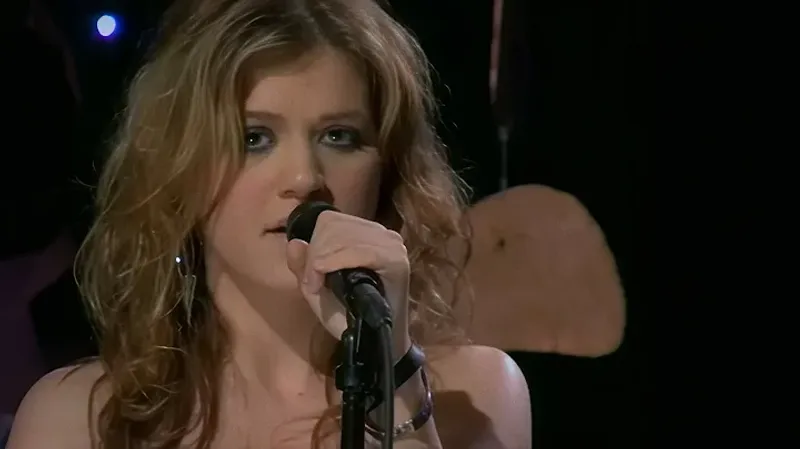
Pop-punk guitars crashed into power-pop hooks and created a monster hit.
Max Martin and Dr. Luke produced this 2004 track that took Kelly Clarkson from reality TV winner to legitimate rock-influenced pop star.
The song’s aggressive energy felt refreshing after years of glossy teen pop ballads.
That guitar riff hits like a punch, while Clarkson’s vocals convey genuine anger and liberation.
The bridge builds to an explosive final chorus that feels cathartic rather than manufactured.
Pop music suddenly embraced guitars and attitude again.
Female artists realized they could be powerful and commercially successful simultaneously.
The template influenced everyone from Katy Perry to Olivia Rodrigo, proving that pop could rock hard without losing its accessibility or emotional honesty.
12. Teardrop – Massive Attack
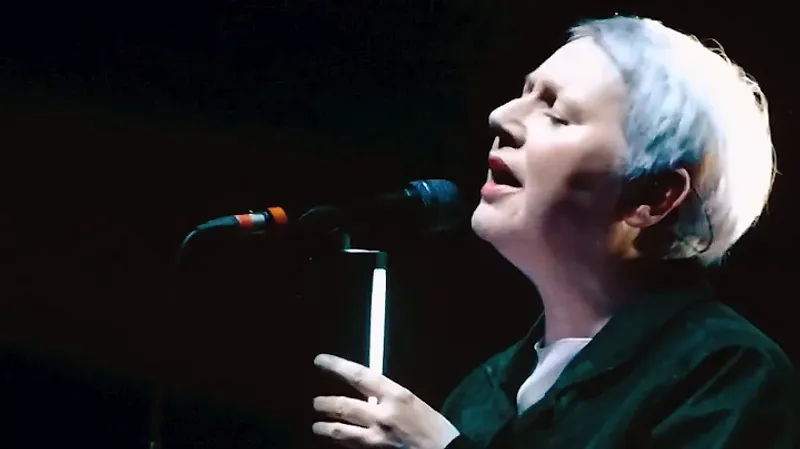
Elizabeth Fraser’s wordless vocals floated over a heartbeat-like rhythm that felt almost medicinal.
Massive Attack’s 1998 masterpiece defined trip-hop’s cinematic potential.
The production felt spacious and deliberate, with every element carefully placed to create maximum emotional impact.
That programmed kick drum mimics a human heartbeat so perfectly that the track feels biological rather than electronic.
Layers of subtle details reveal themselves with repeated listening—distant guitars, atmospheric synths, and Fraser’s angelic voice weaving through everything.
The song became the theme for “House,” introducing millions to downtempo electronica.
Film and TV music supervisors suddenly understood that electronic music could convey complex emotions.
Atmospheric production became a legitimate artistic choice rather than background filler.
13. Royals – Lorde
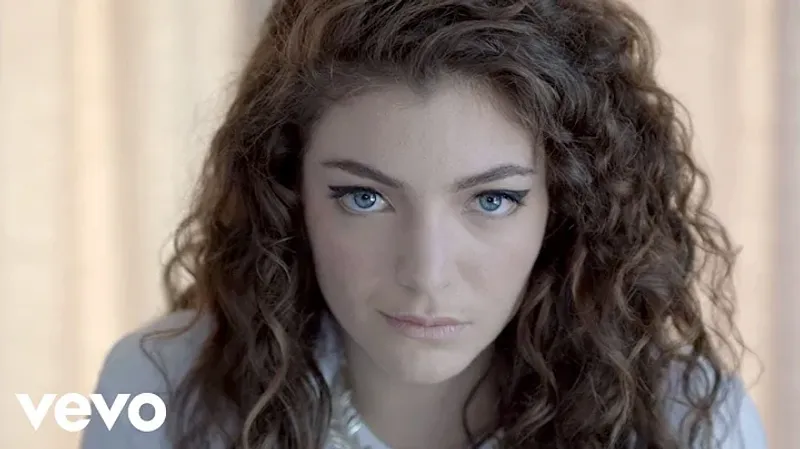
A teenager from New Zealand called out hip-hop excess and accidentally started a revolution.
Lorde’s 2013 breakout hit stripped pop music down to minimal beats, finger snaps, and brutally honest lyrics.
At sixteen, she articulated what many felt about materialism-obsessed pop culture.
The production, by Joel Little, felt deliberately sparse.
No big EDM drops, no Auto-Tune excess, no layers of glossy production tricks—just a hypnotic beat and Lorde’s unique voice.
Suddenly, minimalism became cool again. Pop artists started embracing restraint over maximalism.
Teenagers realized they could critique culture while making catchy music.
The track proved that authenticity and commercial success weren’t mutually exclusive, inspiring countless young artists to trust their unique voices.
Comments
Loading…