
 Chloe Peterson
13 Stars Who Hit Rock Bottom With Alcohol—and Got Sober

Hollywood has never been shy about glamorizing the party life, but the truth behind the scenes is often far less glossy.
For a lot of celebrities, heavy drinking didn’t look like champagne towers and VIP rooms for long; it looked like lost years, strained relationships, health scares, and the quiet panic of knowing alcohol was running the show.
The encouraging part is that many of these stars didn’t just “cut back” or quietly change their habits—they got honest, got help, and rebuilt their lives in public, even when it was messy.
From child fame to sudden superstardom to personal upheaval, each story is different, but the throughline is the same: sobriety didn’t take their sparkle away, it gave them their lives back.
1. Robert Downey Jr.

Few comeback stories feel as dramatic as the one associated with the Marvel star, because his struggles with addiction and alcohol were public, relentless, and career-threatening for years.
At the height of the chaos, arrests and rehab stints became part of the narrative, and Hollywood’s patience started to wear thin as reliability became a question mark.
What makes his sobriety journey compelling is that it wasn’t framed as a single heroic moment, but as a sustained decision to rebuild himself piece by piece.
Over time, he’s credited sobriety and structure with helping him become stable enough to work, to show up consistently, and to repair relationships that had been damaged.
His transformation is a reminder that recovery can be a long game, and it can still end in a second act.
2. Drew Barrymore
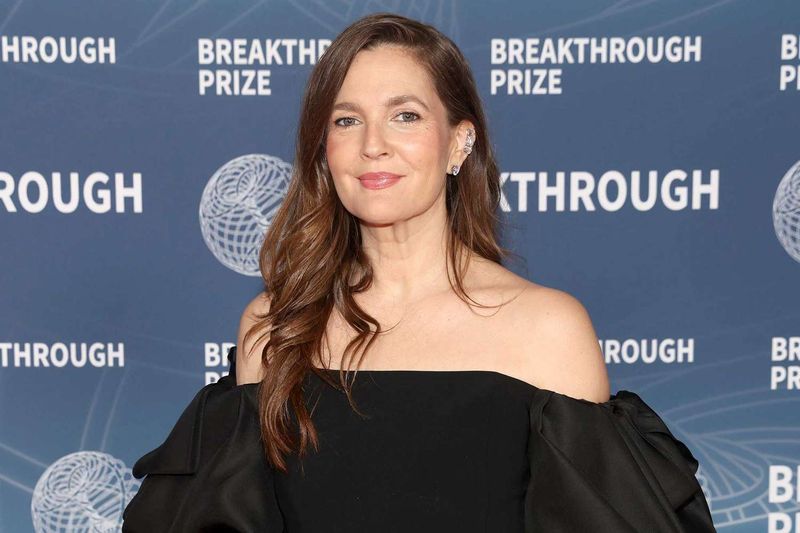
Growing up in the spotlight can blur the line between “child star” and “adult problems,” and her early life is one of the clearest examples of that collision.
She has spoken openly about starting to drink at an alarmingly young age, moving through a world where excess looked normal, and finding herself in rehab before most kids even start high school.
The years that followed weren’t magically easy, but they did show what happens when someone refuses to let a chaotic beginning define the rest of their life.
As an adult, she’s described how sobriety helped her reclaim her identity and make decisions from a place of stability rather than survival mode.
Today, her story resonates because it’s not just about quitting alcohol; it’s about learning how to be safe with yourself after growing up without guardrails.
3. Brad Pitt
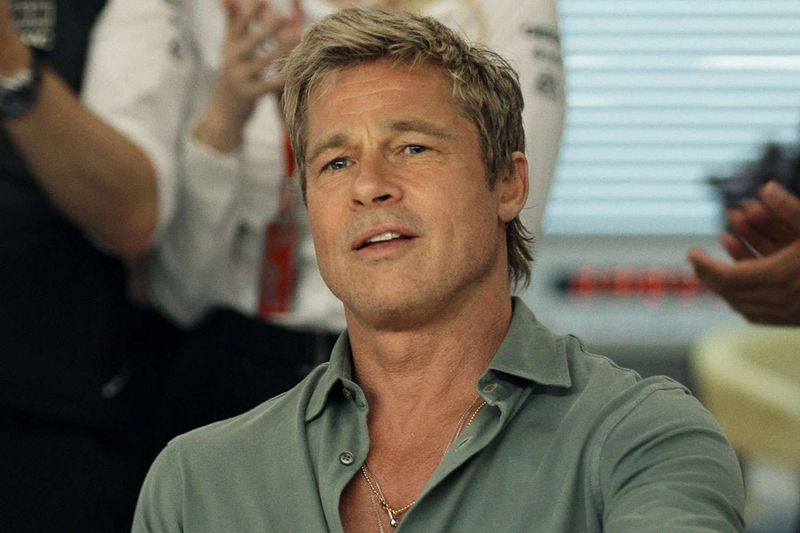
When personal life becomes headline fuel, the stress can turn into a perfect storm, and he has admitted that alcohol became a crutch during some of his lowest years.
In interviews, he’s described how drinking shifted from a social habit into something heavier, especially as his marriage ended and his family life was under intense scrutiny.
Instead of dressing it up, he has spoken about getting to a point where he knew he needed to make a change if he wanted to grow up emotionally and show up differently.
Sobriety, in his telling, wasn’t about protecting an image; it was about confronting pain he could no longer outrun.
The result has been a more reflective, grounded public persona, and a reminder that even people who seem untouchable can hit a wall and choose a different path.
4. Kristin Davis
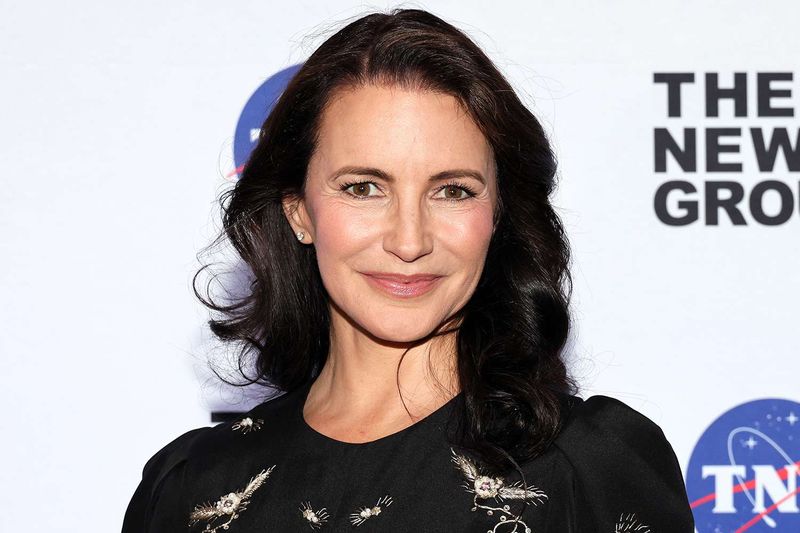
Long before she became synonymous with polished New York glamour on television, she was navigating a very different reality behind the scenes.
She has shared that drinking took up too much space in her life in her 20s, and she recognized early on that alcohol wasn’t a harmless accessory to going out—it was steering the car.
What stands out about her story is the clarity with which she describes choosing sobriety before her career exploded, which meant she didn’t have to untangle her recovery in front of the world in the same way others do.
That decision helped her build stability in an industry that often rewards excess and chaos.
Over time, she’s spoken about how staying sober gave her a steadier foundation for success, relationships, and self-respect, which is a powerful counterpoint to the idea that you have to hit bottom before you change.
5. Daniel Radcliffe

Fame arrived early, fast, and loudly, and he has been honest about how overwhelming that can feel when you’re still figuring out who you are.
During the height of the Harry Potter years, he has said alcohol became a way to cope with anxiety, pressure, and the strange disconnect of being recognized everywhere while feeling unsure of yourself inside.
The drinking didn’t stay “just for fun,” and he later acknowledged that it shaped how he showed up to life, including moments when he wasn’t fully present.
What makes his sobriety story relatable is how he frames recovery as a return to himself rather than a punishment for bad behavior.
He has talked about how getting sober helped him regain confidence, focus on his craft, and develop routines that actually support his mental health.
It’s the kind of honesty that quietly challenges the myth that success automatically equals stability.
6. Eva Mendes
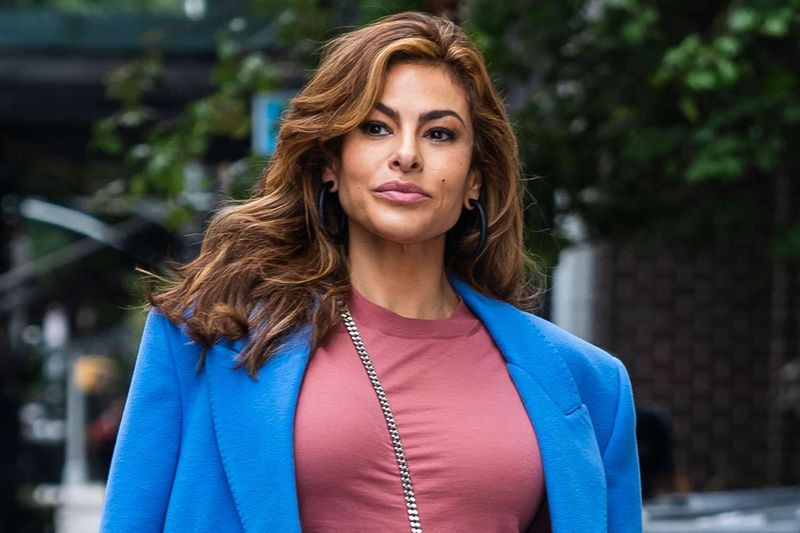
Privacy has always been part of her brand, which is why her story often surprises people who assume sobriety journeys must come with constant headlines.
She has spoken about stepping back from acting for personal reasons and later reflected on a period when she chose to focus on wellness and recovery, including getting help and making major life adjustments.
Rather than presenting sobriety as a trendy reinvention, she has framed it as a deeply personal commitment to long-term stability, especially once she became a mother and her priorities changed.
The shift wasn’t about chasing a “clean” image; it was about building a life that felt sustainable, calm, and honest.
Her approach resonates because it highlights a quieter version of recovery—one where the biggest victories happen off-camera, and the reward is a life that finally feels like it belongs to you.
7. Zac Efron
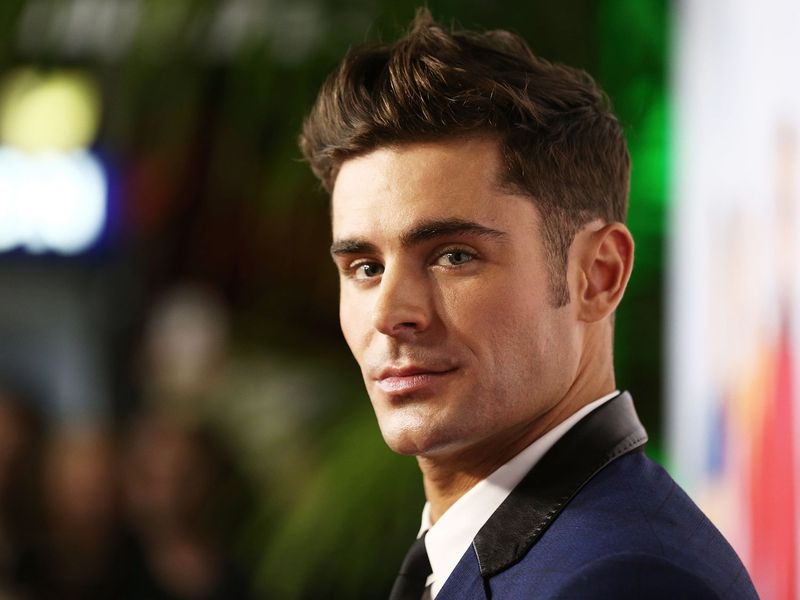
Early heartthrob fame can come with a party pipeline, and he has acknowledged that the lifestyle around him started to blur into heavier habits.
At one point, he sought treatment and made a visible pivot toward health, structure, and stability, which many people recognized as more than just a fitness phase.
What’s striking is how he’s described sobriety as a way to protect his future, not as a reaction to a single scandal that forced his hand.
When you’re constantly surrounded by pressure, access, and expectation, it’s easy for alcohol to become the default stress relief, and his story reflects how quickly that can slide into something bigger.
Over time, he has leaned into a lifestyle centered on routine, discipline, and mental well-being, showing that recovery isn’t always dramatic in public, but it can still be life-changing behind the scenes.
8. Jamie Lee Curtis
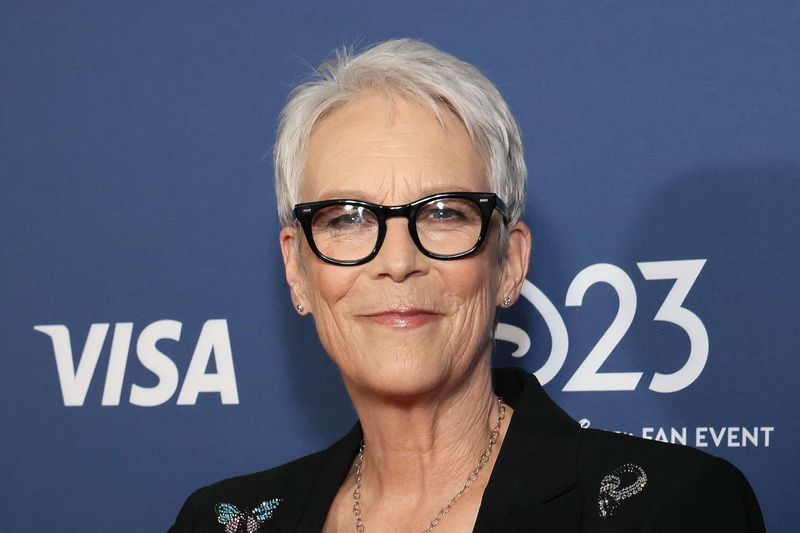
Decades of success didn’t shield her from the slow creep of dependence, and she has been remarkably candid about how addiction can hide in plain sight.
She has described a period when alcohol and pills became woven into daily life, not as a wild binge narrative but as something that quietly settles in and starts calling the shots.
Her sobriety, which she has discussed as lasting many years, is often referenced as one of the most inspiring in Hollywood because she speaks about it with compassion rather than shame.
She credits recovery with giving her clarity, humility, and the ability to be fully present in her relationships and work, which is a powerful message in an industry that often rewards performance over well-being.
What people take from her story is the reminder that you don’t need to “look like an addict” for addiction to be real, and you don’t need perfection to start over.
9. Ben Affleck
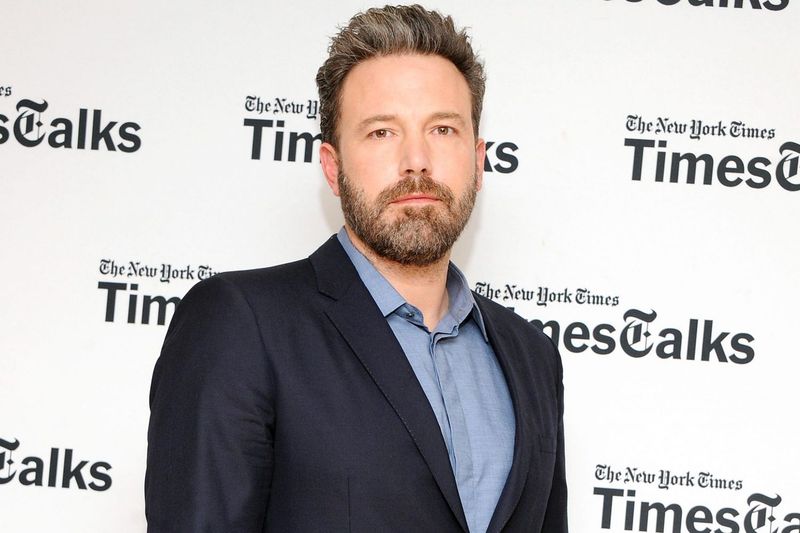
Some sobriety journeys are linear, but his has been openly described as a cycle of progress, relapse, honesty, and trying again.
He has spoken about alcoholism as something he has to manage, not a chapter that closes neatly once and for all, and that level of transparency is rare for someone under constant public scrutiny.
Over the years, he has acknowledged treatment, setbacks, and the emotional toll that comes with being watched while you struggle to heal.
What makes his story meaningful is that it refuses the “one-and-done” recovery fantasy, because real life often doesn’t work that way.
He has framed sobriety as a commitment he keeps renewing, especially for his kids and his health, while also being honest about how difficult it can be.
The takeaway isn’t celebrity drama; it’s the reminder that relapse doesn’t erase progress, and persistence can still win.
10. Blake Lively
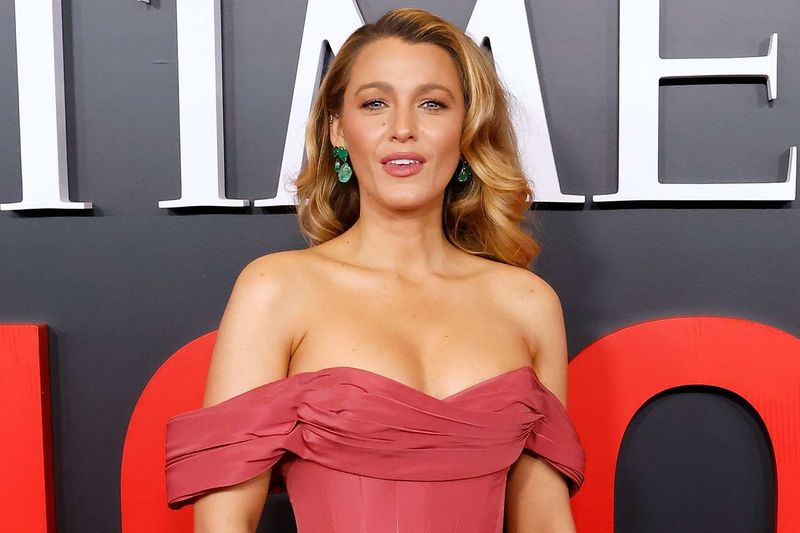
Choosing not to drink can be radical in a culture that treats alcohol like the default accessory, and she has consistently said she simply doesn’t enjoy it.
Even though her story doesn’t follow the typical “rock bottom” arc, it fits this list because it challenges the assumption that sobriety only belongs to people who have already lost everything.
She’s spoken about skipping alcohol at events and embracing wellness-driven choices without presenting it as moral superiority, which makes the message feel more approachable.
For readers who are sober-curious, her example can be reassuring because it shows you don’t need a dramatic explanation to opt out.
In a world where “mommy wine culture” and party pressure are everywhere, seeing a celebrity treat sobriety as normal, confident, and uncomplicated is powerful.
Sometimes the most impactful story is the one that makes quitting feel like an option, not a punishment.
11. Chrissy Teigen

Public honesty has always been part of her brand, which is why her decision to stop drinking resonated with so many people who recognized themselves in the pattern.
She has talked about realizing alcohol wasn’t making her feel better, more fun, or more relaxed the way she expected, and that the downsides were showing up in her mood and relationships.
Instead of framing sobriety as a temporary detox, she has described it as a serious life change rooted in self-awareness, and that’s what makes the story feel grounded rather than performative.
Her openness also taps into a modern conversation about how drinking can be normalized even when it’s quietly hurting you, especially in social circles where “everyone does it.”
For a lot of readers, her journey sounds familiar: no single scandal, just a growing realization that alcohol was taking more than it was giving, until quitting became the most loving choice.
12. Samuel L. Jackson
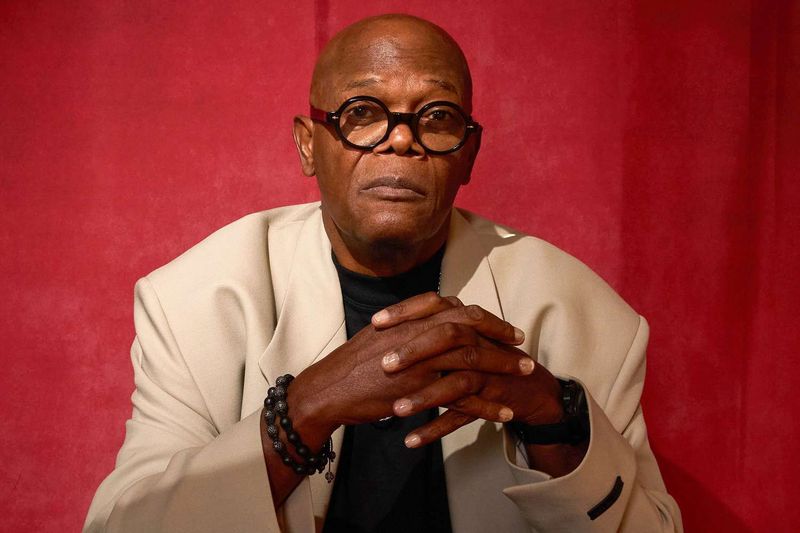
Before he became one of the most recognizable actors in the world, he was fighting a battle that could have easily ended his career before it truly began.
He has spoken about getting sober in the early ’90s after his wife found him passed out on the floor, a moment that forced him to confront how far things had gone.
Rather than softening the story, he has acknowledged rehab as a turning point, and he credits sobriety with making him a better partner, father, and professional.
What makes his recovery arc especially compelling is how it reframes “late blooming,” because his biggest successes came after he got sober and stabilized his life.
In a business that often celebrates chaos, his story is a reminder that consistency is a superpower, and sobriety can be the foundation for everything that comes next.
13. Kelly Osbourne
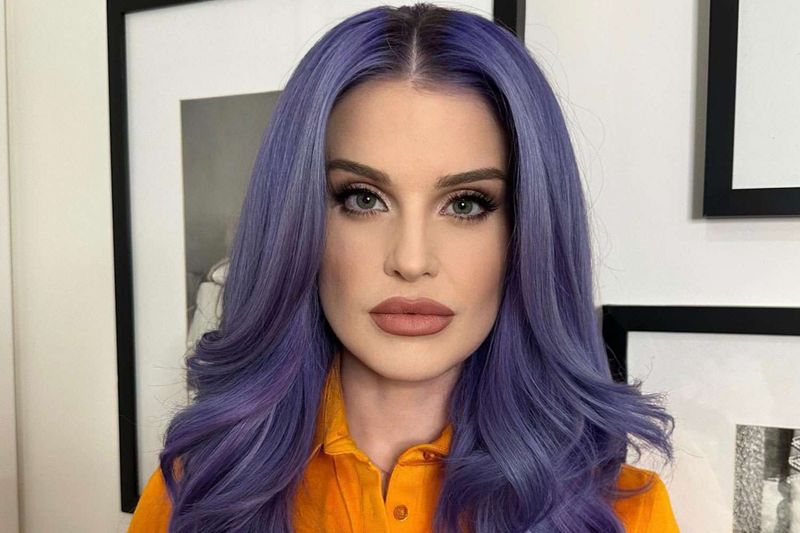
Being raised in a famous family where addiction was part of the public storyline can create a complicated relationship with alcohol, and she has been open about how that environment shaped her.
Over the years, she has discussed her own struggles, periods of sobriety, and relapses, emphasizing that recovery is often a process rather than a single finish line.
What makes her story resonate is the candor with which she talks about accountability, mental health, and the pressure of being judged while trying to get better.
She has described moments of slipping back into old habits, then choosing to recommit instead of giving up, which can feel deeply relatable to anyone who has ever tried to change a lifelong pattern.
Her journey also highlights how sobriety is not only about quitting alcohol, but about building a support system, changing your coping strategies, and learning how to live without numbing out when life gets intense.
Comments
Loading…