
 Hailey Watson
13 Plot Twists That Made No Sense Once You Thought About Them

Plot twists are supposed to make you gasp, rewind the scene, and appreciate how cleverly the story was constructed.
The best ones feel inevitable once you know the truth, because the breadcrumbs were there all along, quietly waiting to click into place.
Then there are the other kind: the twists that land with a dramatic thud the moment you pause, replay the logic, and realize the movie is asking you to ignore basic cause-and-effect.
Sometimes it’s a plan so overcomplicated it could only succeed through sheer luck, sometimes it’s a reveal that contradicts everything we already watched, and sometimes it’s a “gotcha” that works on first viewing but falls apart under even gentle scrutiny.
These are the plot twists that sounded exciting in the theater, but start to look downright silly once you think about them for more than a minute.
1. Now You See Me (2013) — the “reveal” breaks the laws of… being in the same room
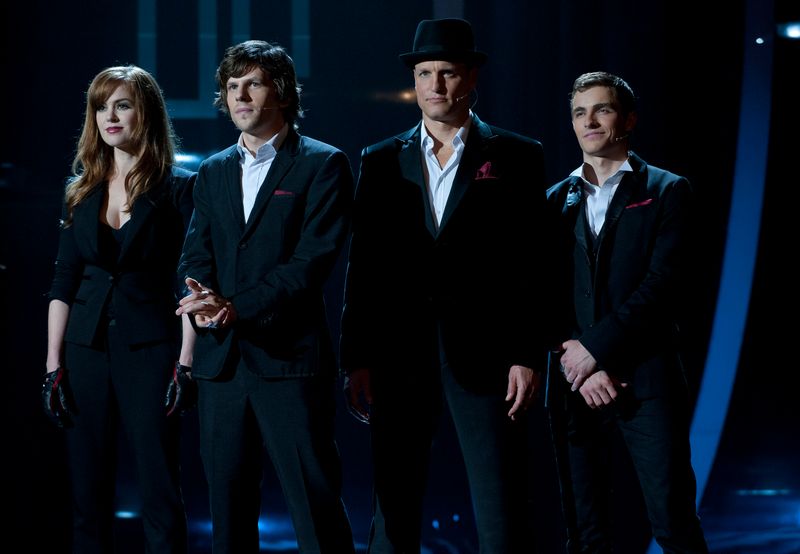
A twist stops being clever when it requires characters to behave in a way that only makes sense if they know there’s a camera watching them.
The big reveal in Now You See Me asks you to accept that certain moments were staged with theatrical misdirection even when there was no in-world audience to fool, which makes earlier scenes feel less like clues and more like a lie.
When a story plays “fair,” you can rewatch it and notice how the truth was disguised through perspective, omission, or subtle hints that still fit the rules.
Here, the movie leans on impossible timing, suspiciously convenient misunderstandings, and behavior that seems designed to mislead viewers rather than other characters.
It’s flashy, sure, but once you separate what the characters would realistically do from what the script needs you to believe, the foundation gets shaky fast.
2. Harry Potter and the Goblet of Fire — Barty Crouch Jr.’s plan is absurdly overcomplicated
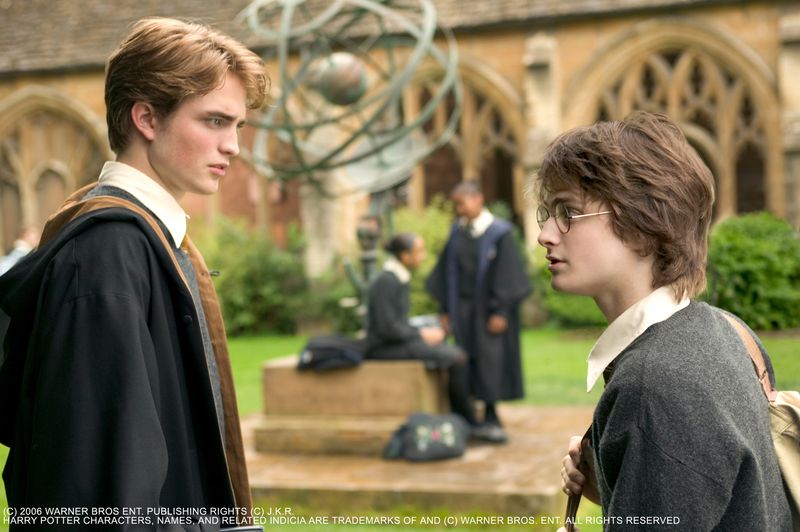
The twist in Goblet of Fire hinges on a scheme so intricate that it feels like it could collapse if a single person asked one extra question at the wrong time.
Barty Crouch Jr. spends an entire school year impersonating Moody, manipulating a deadly tournament, and guiding Harry through challenges that are unpredictable by nature.
The problem isn’t that villains make complicated plans, because that can be fun, but that this plan requires a ridiculous amount of luck to work perfectly.
Harry could have failed any task early, gotten injured beyond recovery, or been stopped by an adult who noticed even one suspicious detail.
The movie also wants you to believe a place as heavily supervised as Hogwarts wouldn’t catch a fake professor for months, which makes the eventual reveal feel less like a satisfying payoff and more like a narrative convenience.
3. The Dark Knight Rises — “clean slate” + the prison reveal
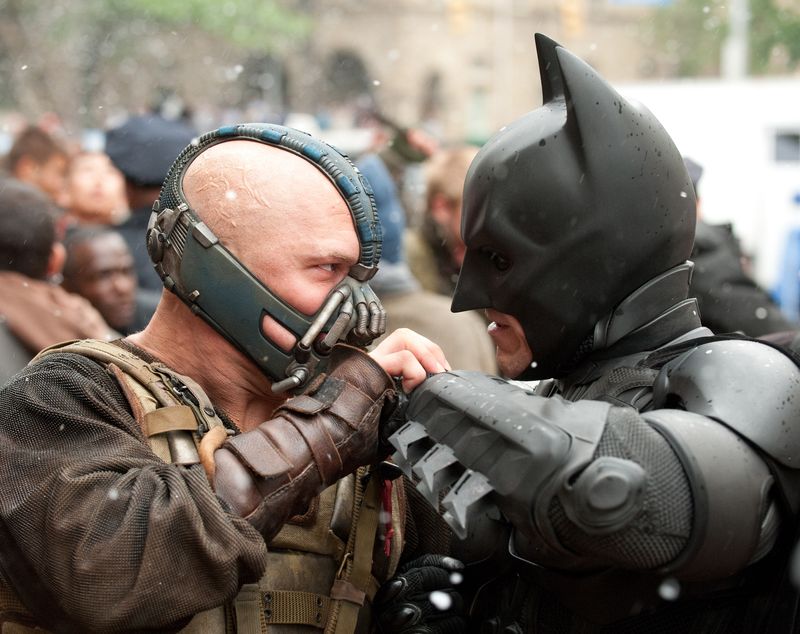
A reveal loses its impact when the story can’t convincingly explain how it was physically possible.
The Dark Knight Rises asks viewers to swallow major developments that would require extraordinary planning, perfect timing, and a level of secrecy that borders on magical thinking.
The “clean slate” idea is treated like a sci-fi cheat code that can erase identities without leaving a trail, and the later twists rely on characters moving across huge distances as if time and geography are optional.
Even if you’re willing to accept a heightened comic-book reality, the movie still sets up rules that it then bends whenever the plot needs a dramatic escalation.
When the final truth is revealed, it’s meant to reframe everything that came before, but it also raises questions about what was happening off-screen to make it work.
Instead of feeling inevitable, the twist can feel like it’s built on gaps the audience isn’t supposed to notice.
4. Star Wars: The Rise of Skywalker — “Somehow…”

Some twists feel earned because earlier movies quietly prepared you for them, but this one drops like a surprise test you never studied for.
The Rise of Skywalker introduces a massive status quo change and expects you to accept it largely on faith, with explanation delivered through vague dialogue and frantic pacing.
The issue isn’t simply that surprising things happen in space operas, because that’s part of the fun, but that the reveal carries enormous implications for character motivations, the balance of power, and the entire saga’s themes.
Without stronger groundwork, it can come off as a story shortcut designed to raise stakes instantly rather than a development that naturally grew out of what we’d already seen.
When you think about what had to happen behind the scenes for the twist to be true, it becomes harder to ignore how much is being asked of the audience.
Instead of connecting threads, it can feel like it’s tying knots.
5. Spectre — Blofeld’s “it was me all along” retcon
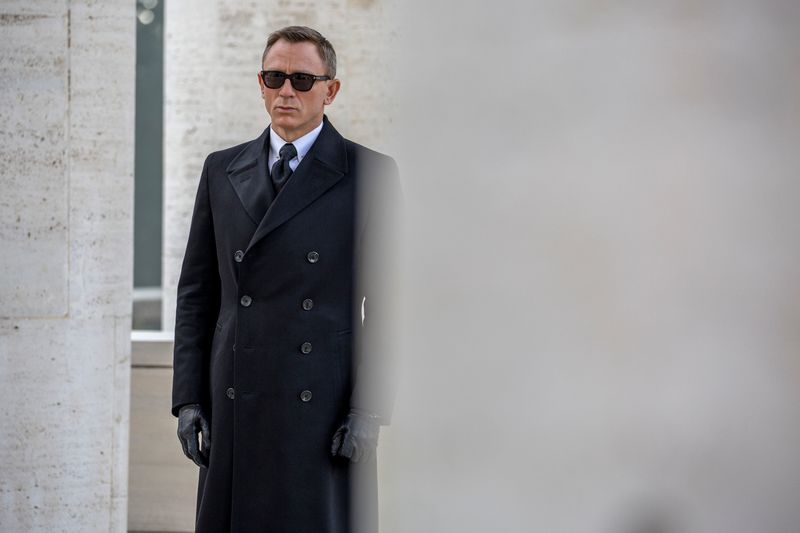
Nothing exposes a messy twist faster than a retcon that tries to force unrelated stories into one neat conspiracy.
Spectre reveals that a single puppet master was behind multiple traumatic events in Bond’s past, and it’s clearly meant to make the stakes feel personal and profound.
The problem is that earlier films were not built with this connection in mind, so the twist reads like a retroactive patch rather than a revelation that was always there.
When you revisit those previous conflicts, the motivations and methods don’t align in a way that feels organic, and the mastermind’s claim starts sounding more like bragging than truth.
A good twist reframes what you already know without breaking it, but this one asks you to re-label past villains as mere assistants in a master plan that never needed them.
Instead of tightening the narrative, it can make the whole franchise feel smaller and less believable.
6. Fantastic Beasts: The Crimes of Grindelwald — the Credence identity twist

Twists involving hidden identities can be thrilling, but they tend to crumble when the dates and family connections don’t hold up.
The Crimes of Grindelwald drops a bombshell about who Credence really is, framing it as a revelation that should redefine everything we thought we knew.
The trouble is that the twist runs headfirst into established history and raises practical questions the film doesn’t convincingly answer.
If this identity is true, then a lot of earlier events would need to be reinterpreted in ways that strain credibility, particularly when you consider age gaps, family circumstances, and what characters supposedly knew.
It also comes packaged with a manipulative “trust me” vibe, where the story relies on a dramatic declaration rather than evidence the audience can verify.
Instead of a satisfying click, it creates a feeling of confusion that lingers, which isn’t the same as intrigue.
When a twist makes viewers reach for a timeline chart, it’s usually not a good sign.
7. The Village (2004) — the truth makes the entire premise impractical
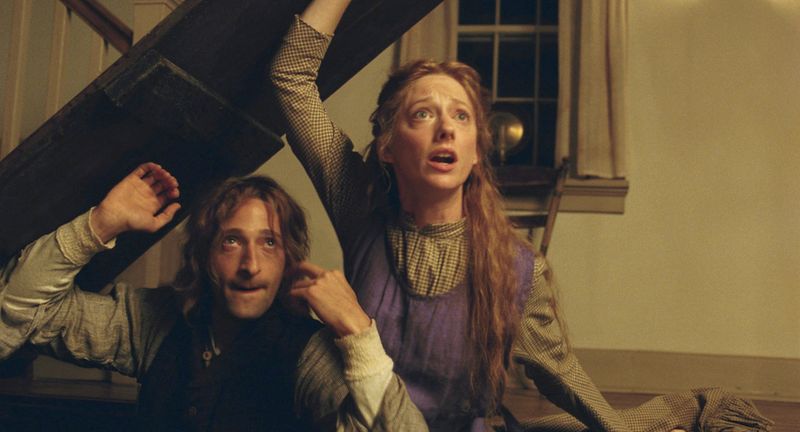
The twist in The Village is famous because it’s shocking, but shock alone doesn’t automatically equal sense.
Once the truth is revealed, the entire setup depends on an incredible level of coordination, secrecy, and long-term commitment from a group of people with complex emotions and conflicting interests.
The story wants you to believe that no one slips up, no outsider stumbles into the situation, and no practical emergency forces the community to interact with the modern world in a way that breaks the illusion.
Even if you accept that grief can drive people to extreme choices, maintaining the twist requires constant management of resources, medical care, and information, all while keeping younger members in the dark.
The movie also relies on the assumption that fear will reliably control behavior forever, which is optimistic at best and unrealistic at worst.
When you sit with the logistics, the twist starts to look less like a hidden truth and more like a fragile fantasy that should have collapsed years earlier.
8. Signs (2002) — aliens invade a planet that’s basically poison to them
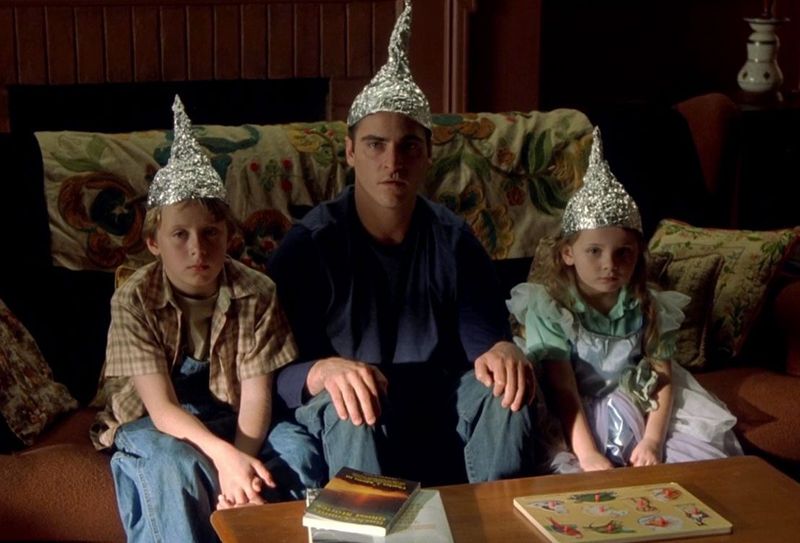
A twist that makes you laugh for the wrong reasons is usually a sign something went sideways.
In Signs, the big realization about the aliens’ weakness invites the obvious follow-up: why would an advanced species choose to invade a planet where their biggest enemy is everywhere?
Water isn’t a rare substance on Earth, and it’s not exactly hidden, so it’s difficult to believe these invaders would arrive without protective gear, environmental precautions, or even basic scouting that flagged the danger.
The movie tries to frame the outcome as fate and faith clicking into place, which works emotionally for some viewers, but the practical logic is hard to ignore.
Even the characters’ survival can feel overly convenient, because the threat is positioned as global and overwhelming, yet it’s defeated by something that could be found in any kitchen.
When the twist is that the aliens are basically allergic to the planet, it’s hard not to wonder why they came at all.
9. Jurassic World: Fallen Kingdom — the “auction” twist is nonsense

The moment a film turns a massive concept into a bargain-basement plot device, the twist starts wobbling.
Fallen Kingdom frames genetically engineered dinosaurs as priceless assets with world-altering implications, then funnels that idea into a cramped auction where the numbers and the buyer behavior feel oddly small.
If these creatures are truly the future of military power, scientific research, and profit, it’s hard to imagine they’d be handled like a hush-hush collector’s sale rather than a global bidding war involving governments and institutions.
The twist wants to show that the real danger is human greed, but the mechanics of the sale don’t match the scale of the story.
It also raises questions about transportation, containment, and security, because these are not paintings you can hang on a wall and call it a day.
Once you think about how the world would realistically react to live dinosaurs being available for purchase, the “secret auction” angle feels flimsy.
10. Glass (2019) — the “secret organization” twist raises more questions than it answers

When a story introduces a powerful hidden group at the last minute, it risks making the entire plot feel pointless in retrospect.
Glass builds tension around whether these characters are truly extraordinary, and then pivots into a reveal about an organization that has supposedly been controlling events all along.
The twist is meant to expand the universe and raise the stakes, but it also introduces an uncomfortable question: if this group is so capable, why did it allow so much chaos to unfold before stepping in?
To make the reveal work, the film depends on the organization being both omnipotent and strangely reactive, which can feel contradictory.
Instead of a clean reframe, it can make earlier scenes look like they only happened because the plot needed them, not because the characters’ choices logically led there.
A satisfying twist adds layers to what came before, but this one risks flattening it by implying the outcome was managed by unseen forces the whole time.
11. Sherlock (BBC) — “The Reichenbach Fall” explanations feel like a magic trick
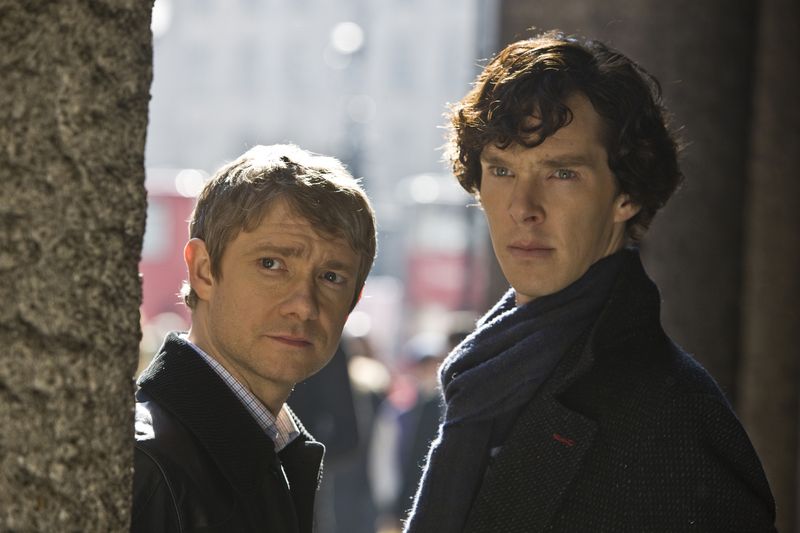
The problem with ultra-complicated twist explanations is that they can start sounding like fanfiction written to justify a cool moment.
In Sherlock, the fallout from “The Reichenbach Fall” was so dramatic that viewers understandably wanted an airtight answer.
The series offers possibilities that rely on perfect choreography, an army of helpers, and timing so precise it would require rehearsals and extraordinary luck.
Suspense can be entertaining even when it’s heightened, but the more the solution depends on unseen preparation, the less satisfying it feels as a narrative payoff.
A twist should reveal what you missed, not ask you to accept that all the important parts happened off-screen.
The result is a reveal that feels like a trick performed for the audience rather than a believable series of actions inside the world of the show.
When the explanation requires multiple unlikely coincidences stacked together, it becomes harder to call it clever and easier to call it convenient.
12. Suicide Squad (2016) — the big reveal about the real threat

A twist shouldn’t make you question why the movie even bothered with its own premise.
In Suicide Squad, the team is assembled as an answer to catastrophic threats, and the film treats their formation as a bold, risky strategy meant to protect the world.
The reveal about what the real crisis is, and how it came to be, makes the whole operation feel strangely circular, because the problem is tied to the very people and systems claiming to solve it.
Once you realize the scale and origin of the threat, it becomes hard to believe the response plan would be so slapdash, especially when the mission relies on unstable criminals who barely tolerate each other.
The twist wants to be shocking, but it also makes the leadership look incompetent in ways that undermine the story’s tension.
Instead of feeling like an escalation, it can feel like the plot turning itself inside out just to force a big action finale.
13. Iron Man 3 — the Mandarin twist

Subverting expectations can be brilliant, but it works best when the story still holds together emotionally and logically afterward.
Iron Man 3 flips the Mandarin into something completely different than advertised, and on a first watch it can be genuinely hilarious because it punctures the inflated “big bad” mythology.
The trouble starts when you think about the scale of fear the persona created, the resources involved, and the real villain’s willingness to gamble everything on a very fragile performance.
A public-facing terror campaign requires coordination, consistency, and control, and the twist reframes it as a kind of elaborate brand strategy that somehow convinces the world even when pieces don’t quite fit.
It also asks you to accept that major institutions and intelligence networks wouldn’t quickly see through what is, in retrospect, a remarkably flimsy facade.
The reveal is entertaining, but the more you examine it, the more it feels like the movie wanted a punchline even if it cost the plot some credibility.
Comments
Loading…