
 Jade Reed
13 Movie Moments That Aged Terribly — Even Though We Loved Them Then
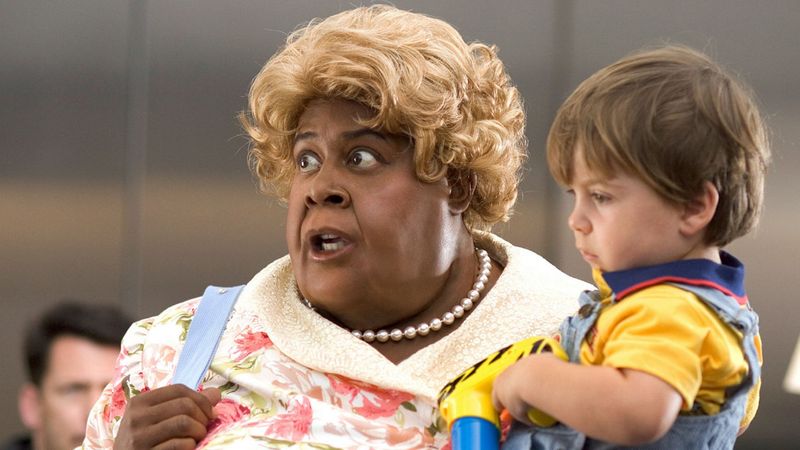
Movies often reflect the cultural norms and values of their time, sometimes leading to moments that don’t hold up well as society evolves.
While many of these scenes were celebrated or overlooked when they first appeared, today they are viewed through a more critical lens.
Let’s explore these 13 movie moments that once charmed us but now feel outdated.
1. The “You’re Pretty Without Your Glasses” Transformation Trope
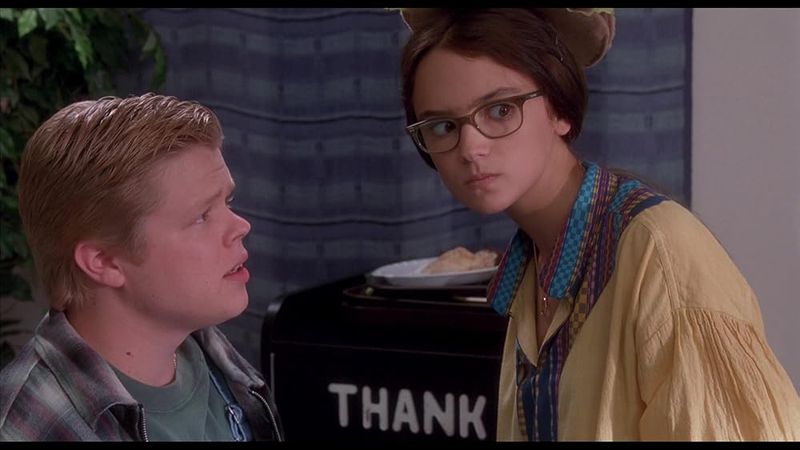
Back in the day, this cliché makeover reveal felt like the ultimate teenage dream sequence.
We all shouted “WOW!” along with the characters, even though nothing actually changed except a pair of glasses and maybe a flatiron.
Looking at it now, the message feels more like a passive-aggressive note from society: “Fix yourself and maybe you’ll matter.”
It reinforces the idea that beauty is something you uncover by erasing your quirks instead of embracing them.
These scenes also reduce character growth to a brief visit with a stylist rather than any internal transformation.
Today’s viewers can’t help but laugh at how unrealistic and shallow the whole idea is.
Instead of empowerment, it reads like a warning that individuality isn’t allowed unless it’s attractive by conventional standards.
Turns out, confidence looks better than any Hollywood makeover ever did.
2. Han Solo Forcing a Kiss in Empire Strikes Back
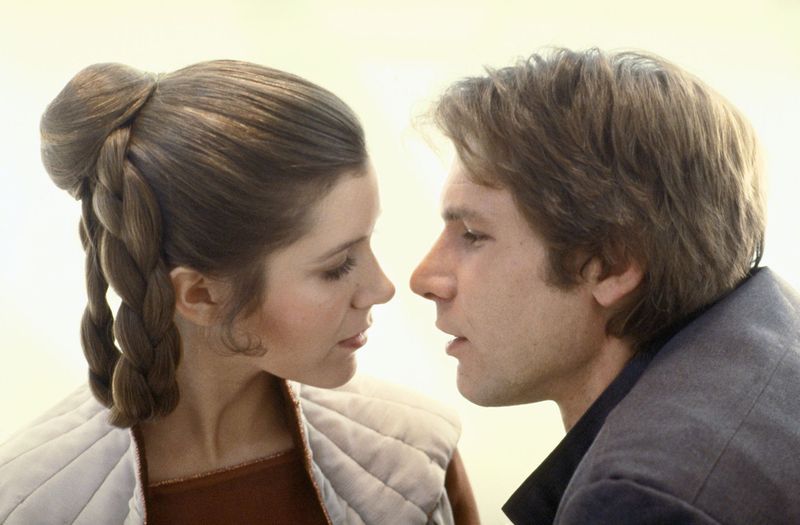
Viewers once saw this moment as peak romantic tension, filled with smirks, banter, and irresistible charm.
Modern audiences, however, instantly recognize the lack of consent baked right into the scene.
What was once framed as flirtation now feels more like boundary-pushing disguised as confidence.
Princess Leia’s resistance wasn’t playful—she literally said no, repeatedly.
Yet the film sells the kiss as something the woman “secretly wants,” which isn’t a message anyone’s cheering for today.
It reveals how deeply Hollywood relied on non-consensual intimacy as a romantic shortcut.
Instead of adding chemistry, it now distracts from the otherwise iconic dynamic between the characters.
Rewatching it leaves many fans wishing such a legendary franchise hadn’t leaned on such a tired trope.
Even space operas can’t escape outdated ideas about romance.
3. The Gay Panic Jokes in Ace Ventura: Pet Detective
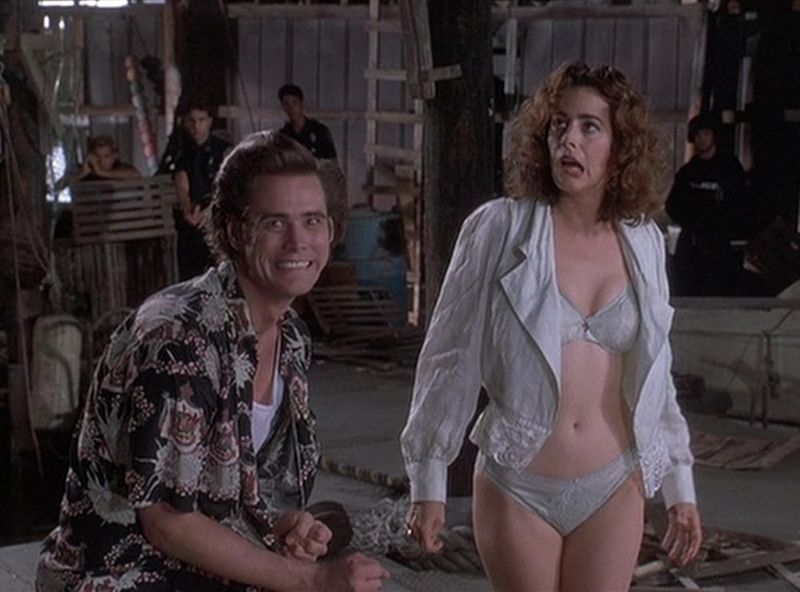
Audiences in the ’90s laughed loudly without catching the harmful message buried beneath the slapstick humor.
Revisiting the film today reveals how deeply the plot relies on mocking trans identities.
The big twist isn’t funny; it’s cruel, and it reduces an entire community to a punchline.
Even the characters’ exaggerated reactions play into harmful stereotypes that have real-world consequences.
Humor in the film feels built on shock value rather than actual wit.
What once passed as edgy now lands as insensitive and mean-spirited.
It also highlights how far mainstream comedy has evolved—or at least how far we hope it has.
The movie’s legacy suffers because viewers can’t easily separate the jokes from the damage they cause.
Sometimes growing up means outgrowing the things that once made us laugh.
4. The High School Relationships in Grease
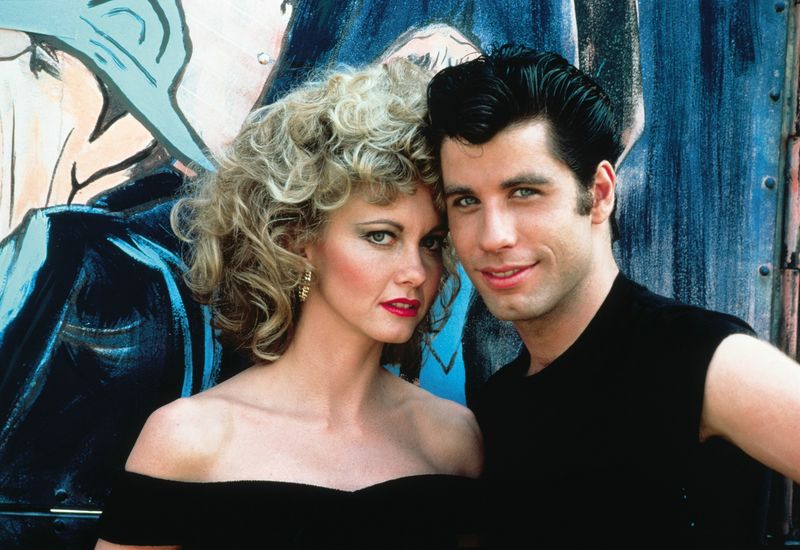
Many of us once saw Danny and Sandy’s romance as a swoon-worthy teenage fairytale.
A modern watch, however, shows a story soaked in peer pressure and image obsession.
Sandy’s transformation into a leather-clad heartbreaker sends the message that changing yourself is the key to love.
Meanwhile, Danny’s attempts to appear tougher reveal how boys were conditioned to hide vulnerability.
The film unintentionally reinforces the idea that authenticity is negotiable.
It also glosses over the unhealthy dynamic of trying to “earn” someone’s affection by becoming someone else.
Today’s viewers recognize how these themes conflict with healthier relationship expectations.
Nostalgia still draws us in, but the story’s lessons no longer feel as charming as the soundtrack.
Love shouldn’t require a costume change—or a personality swap.
5. The Entire “Bend and Snap” Sequence in Legally Blonde
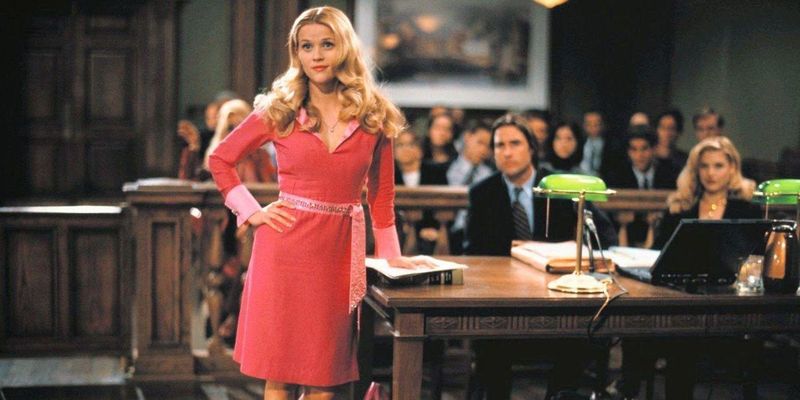
Fans once treated this scene as a hilarious high point in an already iconic film.
Watching it now brings a mix of fondness and secondhand embarrassment.
The sequence plays into the idea that women can solve everything—from social problems to legal cases—using flirtation.
Although intentionally silly, the humor still leans heavily on outdated views of femininity.
It suggests that seduction is both a universal skill and a universal solution.
The message feels oversimplified in a world where women are fighting to be seen beyond their looks.
Even so, the scene remains culturally memorable, which complicates how we judge it today.
We laugh, but we also wince a little because the trope no longer holds up.
Empowerment should look more like Elle Woods passing the LSAT and less like a choreographed hip pop.
6. Mr. Miyagi’s “Magical Asian Mentor” Role in The Karate Kid
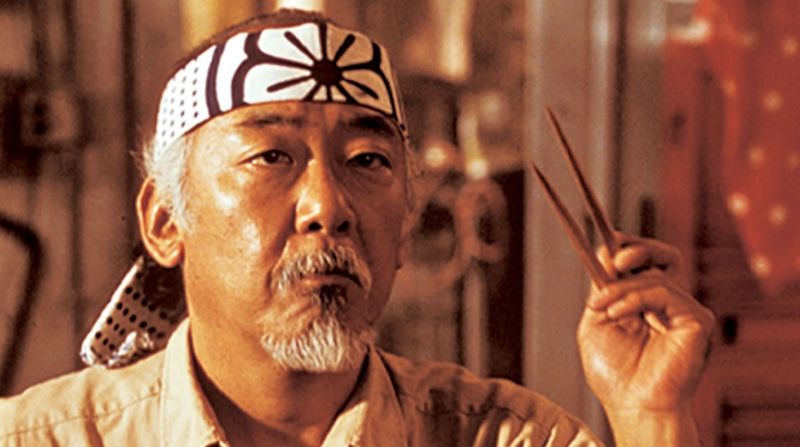
Everyone adored Mr. Miyagi for his wisdom, humor, and heartwarming mentorship.
But through a modern lens, his character falls squarely into a common Hollywood stereotype.
This trope reduces Asian characters to mystical guides whose lives revolve around helping white protagonists grow.
The film rarely explores Miyagi’s personal ambitions or emotional depth beyond his role as a mentor.
His tragedy becomes a backdrop rather than a meaningful storyline.
While the performance is beloved, the writing reinforces a limited narrative for Asian representation.
It reminds us how often Hollywood avoided giving Asian characters full complexity.
The movie remains a classic, yet it serves as a reminder that nostalgia doesn’t excuse narrow storytelling.
Fans still love Miyagi, but they also wish he’d been allowed to be more than a wise side character.
7. The “Fat Suit” Gags in The Nutty Professor and Others
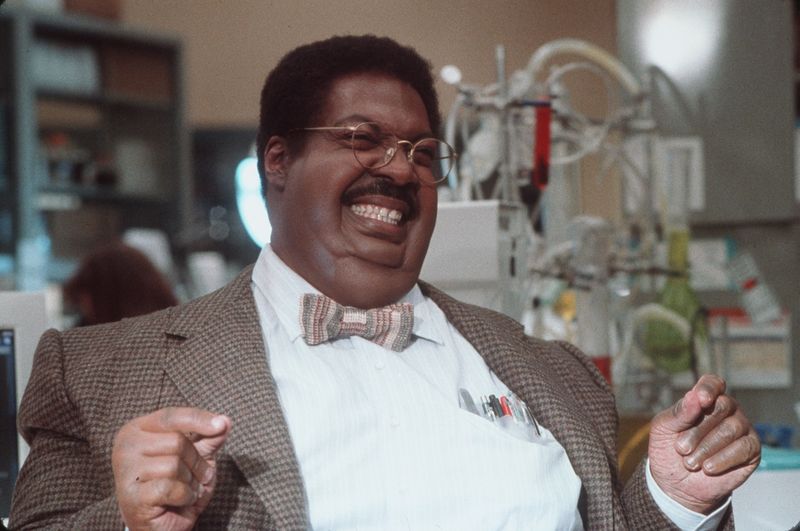
Comedy once relied heavily on exaggerated bodies to get cheap laughs.
Looking back, these jokes feel blatantly cruel and rooted in harmful stereotypes.
Characters in fat suits are portrayed not as people but as punchlines.
The humor hinges on mocking appearance instead of crafting clever writing.
It reinforces the false belief that being larger automatically equates to being ridiculous or undesirable.
These scenes contributed to decades of negative body messaging, especially for young viewers.
Even the films’ emotional arcs can’t fully offset the damage done.
Modern audiences increasingly reject using people’s bodies as comedic props.
It’s a reminder that humor ages best when it lifts people up rather than tearing them down.
8. The Inappropriate Student–Teacher Dynamic in American Beauty
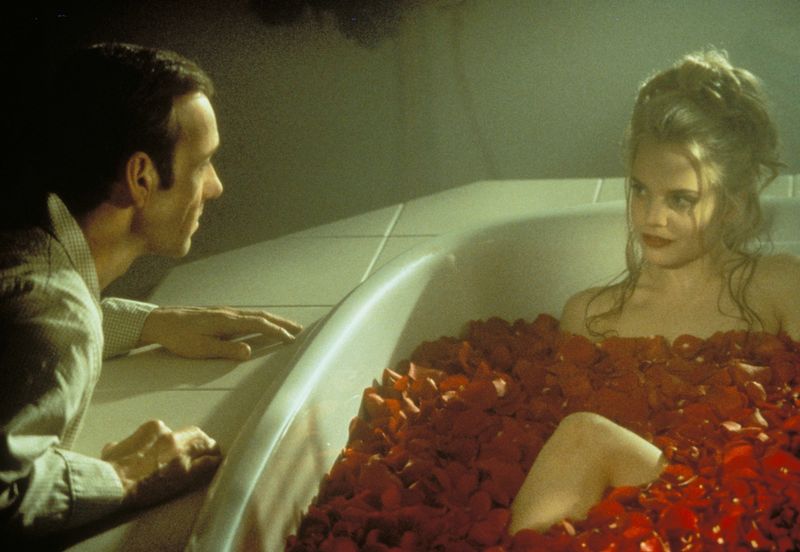
What once seemed artistic or edgy now reads as deeply uncomfortable.
The storyline romanticizes a power imbalance that is harmful in real life.
A young girl being seen through the lens of an older man’s fantasies is not provocative—it’s predatory.
The film asks viewers to empathize with the adult rather than the vulnerable teen.
This framing minimizes the seriousness of grooming and boundary violations.
It also reflects an era when Hollywood routinely glamorized inappropriate relationships.
Rewatching it today exposes how normalized this behavior once was.
The discomfort is impossible to ignore, even if the film still has artistic merit.
Some themes simply don’t age well, and this one tops the list.
9. The “Winner Gets the Girl” Ending of So Many ’80s Movies
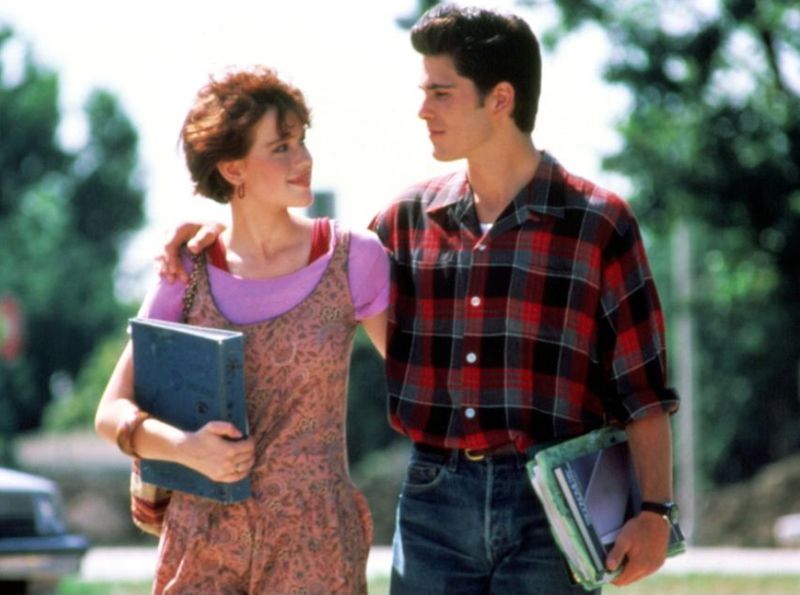
Audiences once cheered as the underdog hero finally “won” the girl like a trophy.
Today, that framing feels outdated and borderline entitled.
These movies often treat women as rewards rather than fully developed characters.
The hero’s persistence is celebrated even when it crosses boundaries.
It reinforces the idea that a woman’s feelings are secondary to a man’s determination.
Films like Sixteen Candles and Revenge of the Nerds built entire climaxes around this trope.
Modern perspectives highlight how problematic the messaging is.
Romance cannot be “earned” like a high score in an arcade game.
Stories resonate more when both people have agency—not just the guy with the boombox.
10. The White Savior Arc in The Blind Side

Millions were moved by this film’s emotional storyline when it first premiered.
But recent conversations shine a harsher light on its oversimplified view of race and class.
The narrative positions the white family as heroic rescuers rather than supportive allies.
This framing minimizes the agency and resilience of Michael Oher himself.
It also perpetuates stereotypes that suggest marginalized people need “saving” by someone more privileged.
The real-life subject later revealed the film distorted major parts of his story.
This revelation only deepened criticisms of how the movie handles race.
Although well-intentioned, the film leans heavily on a tired narrative mold.
In retrospect, the feel-good ending doesn’t feel quite as triumphant as it once did.
11. The “Jive Talk” Scene in Airplane!
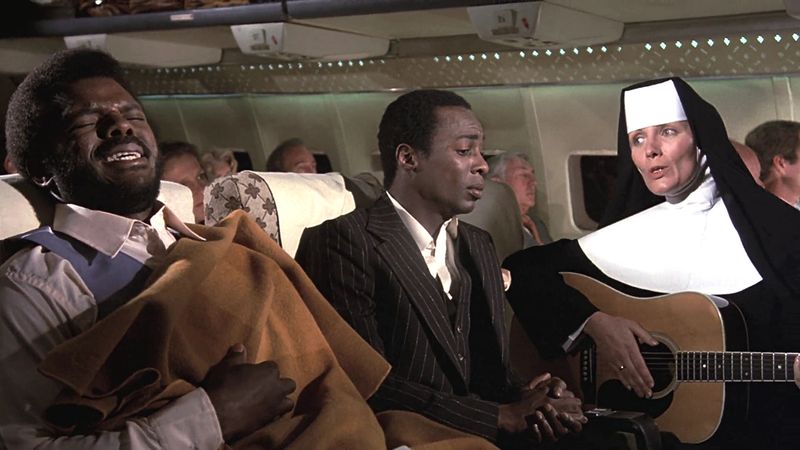
Audiences initially viewed the scene as outrageous, clever, and wildly unexpected.
Modern viewers see it as a caricature rooted in racial stereotypes rather than genuine humor.
The exaggerated dialect reinforces a mocking portrayal of Black culture.
Even though the film is known for satire, this moment punches down instead of up.
The joke relies on making a marginalized group seem foreign or absurd.
What once felt bold now feels lazy and insensitive.
Humor has evolved, and audiences expect smarter, more respectful writing.
The scene still gets referenced, but with a lot more discomfort than admiration.
Some jokes simply don’t survive the journey from one generation to the next.
12. The Sexualization of Teenage Characters in American Pie
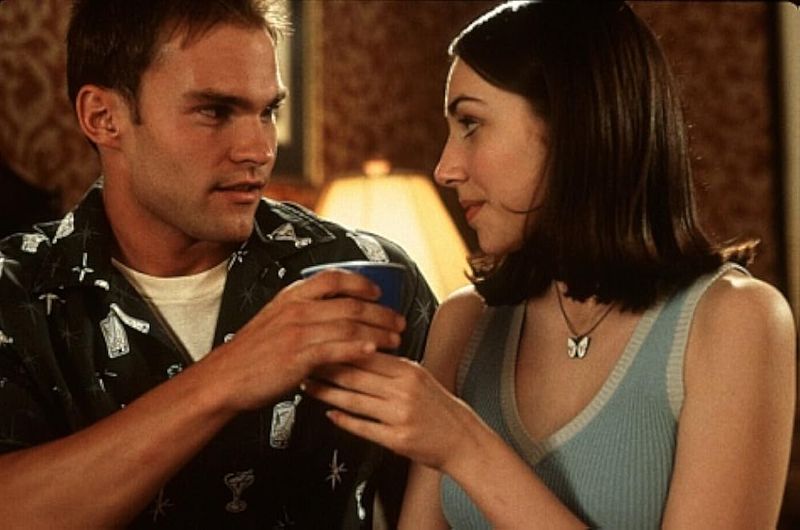
So many viewers once thought this film was the height of comedic brilliance.
A fresh rewatch reveals just how much of the humor is rooted in violating privacy and objectifying teens.
The infamous webcam scene is especially troubling through today’s lens.
It treats non-consensual filming as a goofy rite of passage rather than a serious offense.
The movie normalizes behavior that would now be considered predatory.
Its portrayal of teenage sexuality leans heavily on stereotypes and double standards.
Although the cast won audiences over, the messaging did not age nearly as well.
Modern viewers often cringe instead of laugh at scenes they once adored.
Growing up means realizing some humor should have never been played for laughs.
13. The Mocking of Mental Illness in Me, Myself & Irene
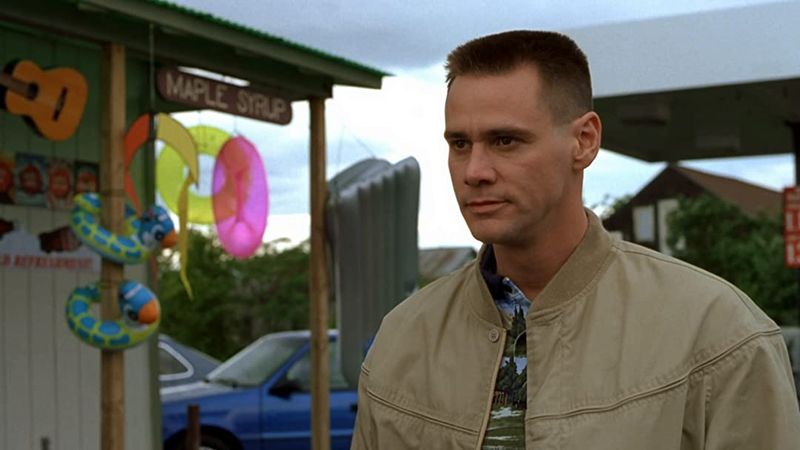
Comedy used to rely on exaggerated depictions of mental health for shock value.
This film takes that approach to an extreme with its portrayal of dissociative identity disorder.
Instead of educating or offering thoughtful commentary, it uses the condition as a punchline.
Characters react to the disorder as though it’s something bizarre rather than human.
The film spreads misconceptions that people with mental health challenges are unpredictable or dangerous.
What once felt edgy now feels irresponsible.
It highlights how far society has come in understanding mental health—and how far Hollywood lagged behind.
The jokes overshadow what could have been a heartfelt exploration of vulnerability.
Humor can still push boundaries, but it shouldn’t push misinformation.
Comments
Loading…