
 Mary Murphy
13 Movie Endings That Ruined Everything
Nothing can sour a great movie faster than an ending that feels like it betrays everything you just invested in.
You can forgive a slow middle, a few cheesy lines, or even a questionable casting choice, but the final minutes are where the story makes its promise to you and either keeps it or breaks it.
When an ending seems rushed, overly convenient, needlessly twisty, or emotionally manipulative, it can retroactively make the whole film feel like a waste of time.
These are the kinds of finales that spark arguments for years, because some viewers defend them as “bold” while others call them plain sloppy.
Below are 15 endings that many people believe didn’t just disappoint—they rewrote the experience in the worst way.
1. The Mist (2007)
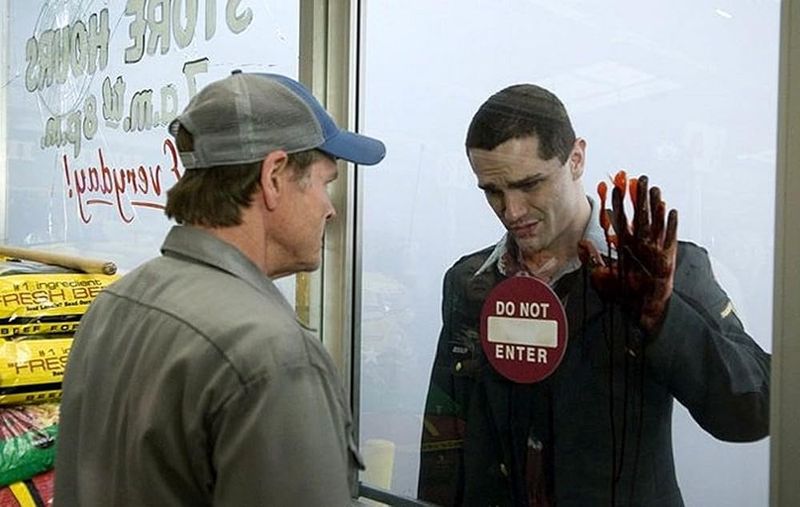
Few horror endings are as instantly divisive as the one that closes this film, because it doesn’t merely hurt—it detonates.
The story spends its runtime building dread in a claustrophobic setting, where fear turns neighbors into threats and panic becomes its own monster.
That tension primes you for something grim, but the finale takes grimness to a level that some people see as artistic bravery and others see as emotional cruelty for cruelty’s sake.
The bleak twist can make the entire journey feel pointless, not because despair is automatically bad storytelling, but because it lands with such vicious irony that it risks flattening everything into a single gut punch.
If you’re the kind of viewer who needs catharsis, this ending can feel like a betrayal.
2. I Am Legend (2007)

A lot of viewers liked the lonely, haunting premise and the slow unraveling of what “survival” looks like when you’re the last man standing.
What frustrated people wasn’t the mood or the performance, but the way the theatrical ending steers the story into a more conventional hero narrative that undercuts the moral complexity the film flirts with for most of its runtime.
Instead of fully committing to the unsettling idea that the protagonist might not be the savior in someone else’s story, the conclusion leans toward a familiar sacrifice-and-redemption beat that feels safer than satisfying.
For fans who know the source material, the disappointment stings even more, because the original premise practically begs for a final twist that challenges your loyalties.
The ending many saw instead felt like a missed opportunity.
3. War of the Worlds (2005)
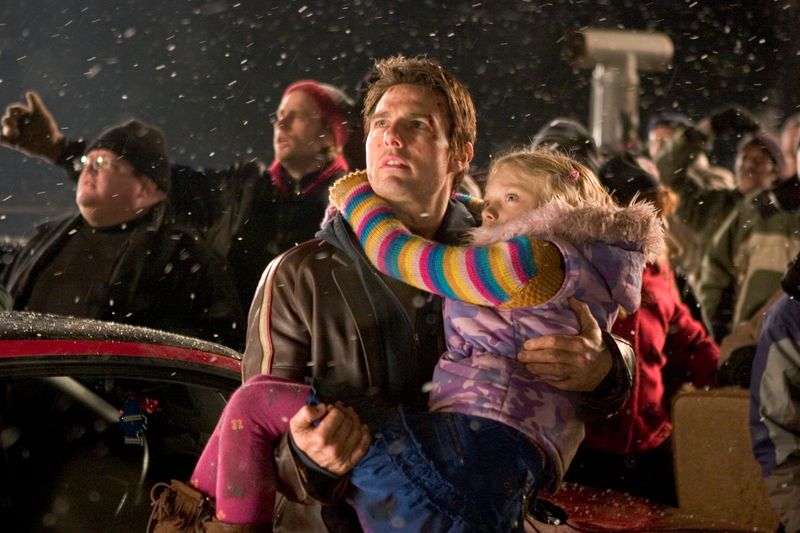
The film does an excellent job making disaster feel immediate and personal, especially through the lens of a family trying to stay alive when the world collapses around them.
The problem is that after two hours of tension, trauma, and relentless danger, the ending can feel oddly cushioned, as if the movie suddenly decides it doesn’t want to sit with the emotional consequences it just put on screen.
The resolution with the aliens, while true to the classic concept, lands for some viewers like a convenient “reset button” that drains urgency from what came before.
Even more frustrating is how the final family reunion plays out, because it feels almost too neat for a story that spent so much time emphasizing chaos and randomness.
When a movie is this intense, audiences often want a payoff that feels equally earned, not politely wrapped up.
4. Remember Me (2010)
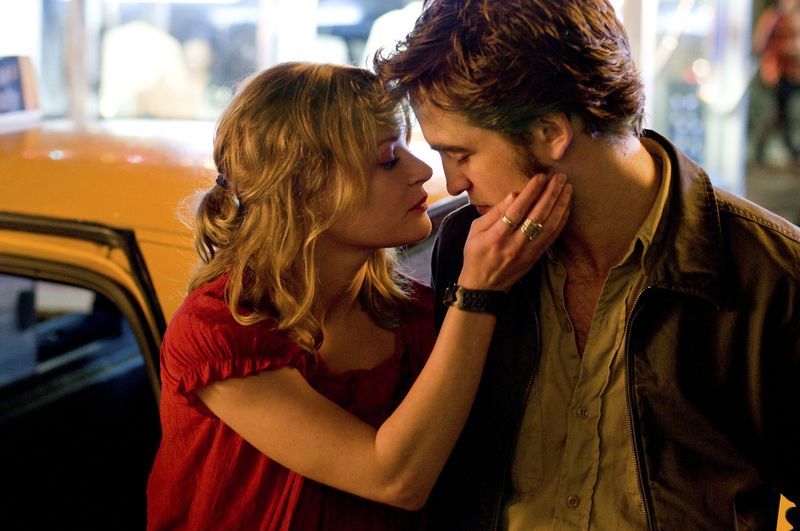
Most of the movie positions itself as a relationship drama, leaning into grief, family tension, and the messy choices that come with trying to rebuild your life.
Then the ending arrives with a reveal that many viewers describe as a tonal ambush, because it reframes the entire story in a way that can feel less like meaning and more like manipulation.
The issue isn’t that the subject matter is off-limits, because film can and should explore tragedy, but the way it’s deployed here often strikes people as a shortcut to instant devastation rather than a carefully developed theme.
For some, it feels like the movie uses a real-world event as a twist device, making the romance and character work that came before seem like misdirection.
Instead of leaving audiences reflective, the finale left many feeling blindsided and oddly uneasy.
5. Knowing (2009)
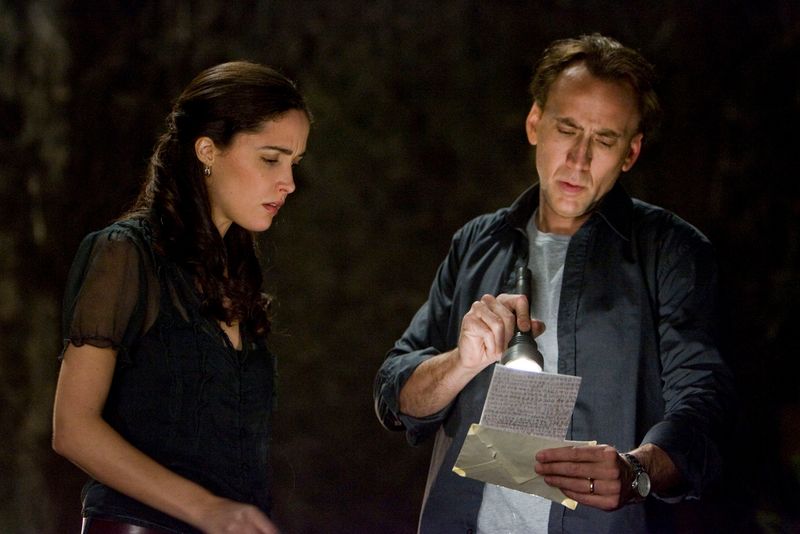
The setup is genuinely compelling: eerie predictions, mounting dread, and the sense that fate might be closing in no matter what the characters do.
The movie builds an atmosphere where every clue feels like it should lead to a grounded, satisfying explanation, even if it’s supernatural in a restrained way.
What throws a lot of viewers is how the ending shifts gears into something much bigger and stranger than the film’s earlier vibe, which can feel like two different movies stitched together.
When a thriller spends so long teasing logic and pattern, audiences often want a conclusion that completes the puzzle rather than changing the whole game in the final minutes.
The finale’s cosmic turn can strike people as either ambitious or absurd, depending on taste, but many felt it didn’t match the emotional stakes the story had built.
Instead of closure, some walked away feeling whiplash.
6. Law Abiding Citizen (2009)
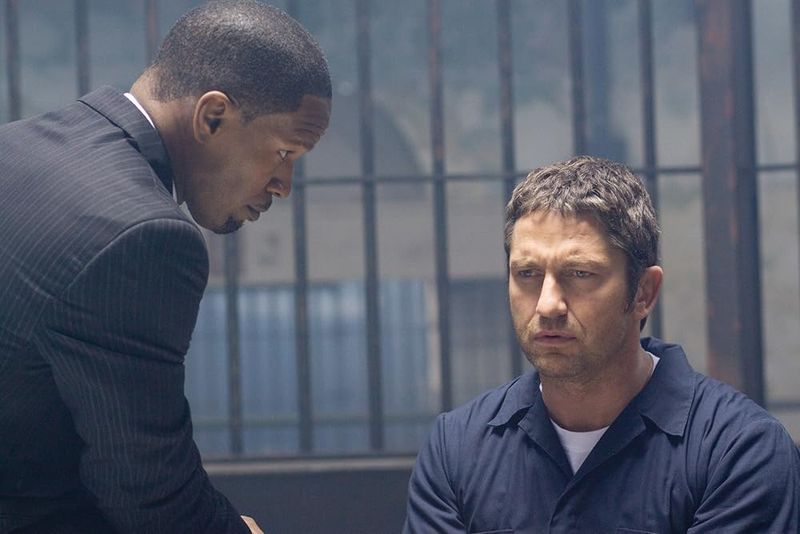
The story taps into a deeply relatable frustration: what happens when the system fails and “justice” feels like a word people hide behind.
For much of the film, the momentum comes from moral tension, because you can understand the rage even if you can’t condone the methods.
The ending is where many viewers feel the movie flinches, choosing a wrap-up that seems designed to restore order rather than reckon with the questions the plot raised.
Instead of forcing the audience to sit with uncomfortable ambiguity, the finale delivers a reversal that can feel like the film betraying its own daring setup.
People often describe the last act as a decision that prioritizes “acceptable” closure over a thematically consistent conclusion.
When a movie pushes you to question institutions, returning to a neat solution can feel like a cop-out, and that’s why the ending is so frequently criticized.
7. The Village (2004)
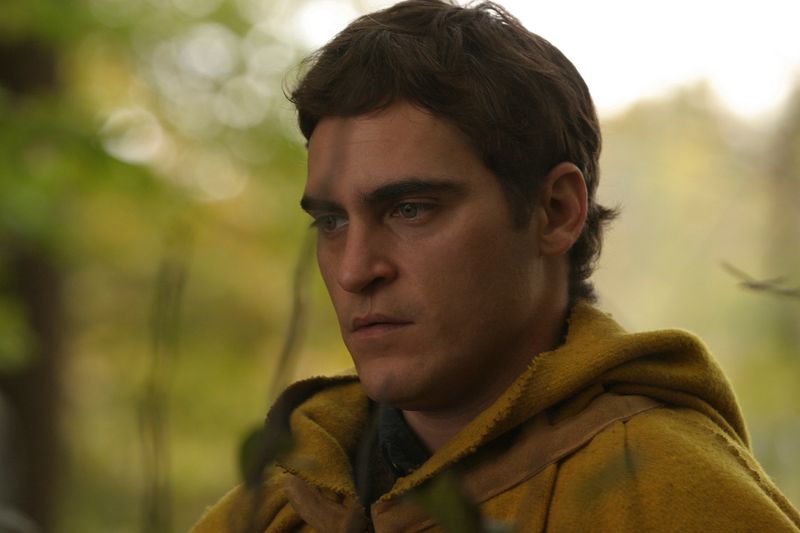
The movie spends a long time cultivating dread through atmosphere rather than gore, leaning on isolation, fear of the unknown, and the way communities can control people through stories.
As a result, the ending’s twist tends to land in one of two ways: either you admire the concept, or you feel like the rug was pulled out from under a carefully built mood.
For many viewers, the reveal makes earlier tension feel less organic, because it reframes the threat as something that isn’t what the film emotionally trained you to fear.
The biggest complaint isn’t simply “I didn’t see it coming,” because surprises can be fun, but that the twist makes the movie feel like it’s switching genres right at the finish line.
When a story invests heavily in one kind of suspense, an ending that changes the rules can leave the audience feeling tricked instead of thrilled.
8. High Tension (2003)
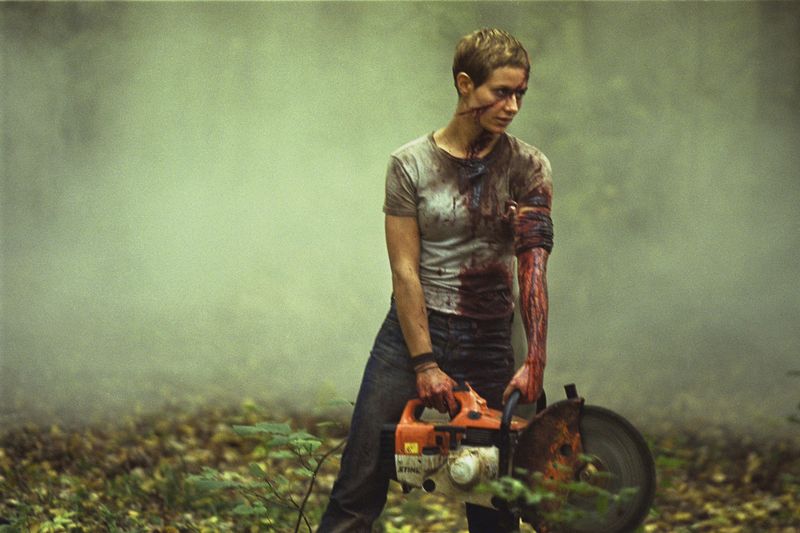
The film earns its reputation as a relentless horror ride, delivering fear through brutality, pacing, and the feeling that danger is always one step away.
That intensity sets expectations for a payoff that aligns with what you’ve been watching, which is why the twist ending has become so controversial.
Many viewers argue that the reveal doesn’t just surprise you, but actively breaks the logic of earlier scenes, making key moments impossible to reconcile once you know what the movie claims is true.
Instead of feeling clever, the twist can feel like it was chosen for shock value, regardless of whether it fits the narrative.
Horror fans can handle grim outcomes and bleak themes, but they often want internal consistency, because that’s what makes fear feel real.
When an ending makes you replay the story and conclude it doesn’t add up, the whole experience can collapse in hindsight.
9. Now You See Me (2013)
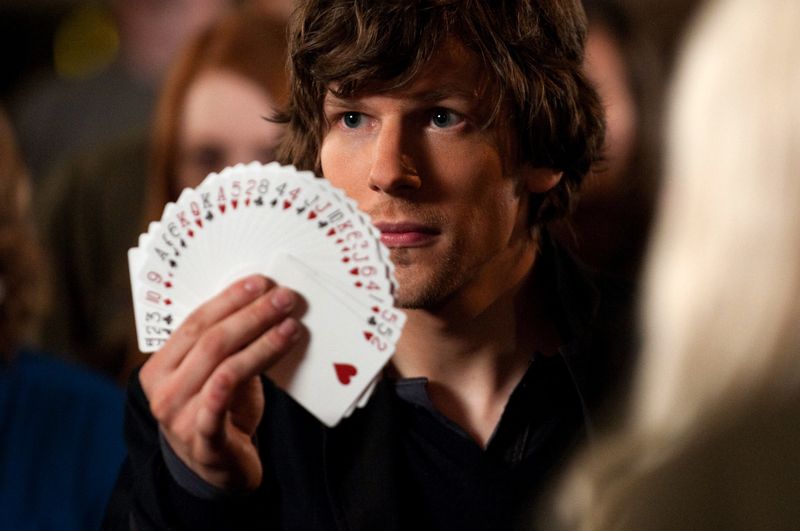
The movie is pure popcorn entertainment: flashy heists, magician swagger, fast edits, and enough misdirection to keep you watching with a grin.
The trouble is that a story built on cleverness has to stick the landing, because the reveal is basically the point of the whole experience.
The ending’s “mastermind” twist is where many viewers roll their eyes, because it can feel less like an elegant solution and more like a last-minute decision that relies on information the audience didn’t have a fair chance to piece together.
When you finish a caper film, you want that delightful moment where everything clicks and the trick feels earned.
Instead, a lot of people felt like the movie’s final reveal tries to manufacture cleverness by declaring it, rather than proving it.
If the conclusion feels arbitrary, it can make the fun build-up feel like sleight of hand without substance.
10. Wonder Woman 1984 (2020)

The movie starts with huge promise, especially because the first film gave audiences a heartfelt hero origin with emotional weight and a clear sense of purpose.
What frustrates many people about the sequel isn’t just a few odd plot choices, but how the ending and overall resolution leave audiences questioning what the film is trying to say.
The final stretch introduces moral and emotional implications that feel enormous, yet the story treats them with a kind of breezy simplicity that can make the message feel muddled.
Viewers also took issue with how consequences play out, because the film asks you to accept sweeping changes to the world that are tied up quickly and cleanly.
When a superhero movie leans into big feelings and big stakes, audiences expect the conclusion to reflect that gravity.
Instead, many walked away feeling like the ending glossed over the most complicated parts, which made the entire story harder to enjoy retroactively.
11. Signs (2002)
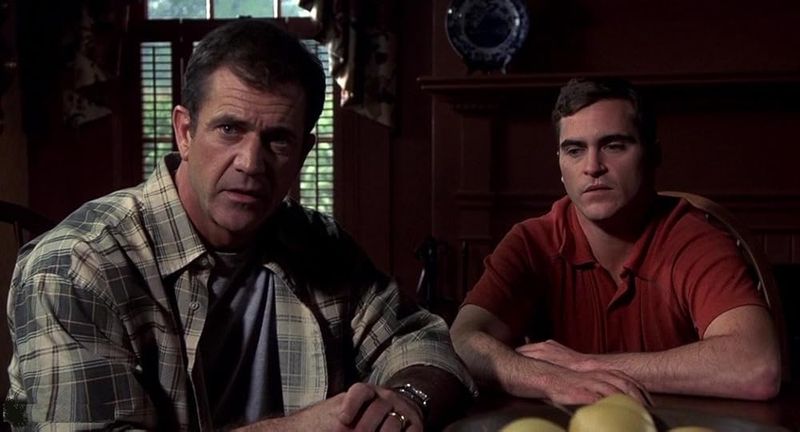
The movie is incredibly effective at building creeping dread through small details, off-screen sounds, and that slow sense of something watching from just beyond the frame.
Because the suspense is so carefully constructed, the ending carries a heavy burden: it needs to make the threat feel as smart and terrifying as the movie made it seem.
The reveal about the aliens’ weakness is where a lot of people either nod along or burst out laughing, because it can feel like a glaring vulnerability for invaders capable of reaching Earth in the first place.
Some viewers also felt that the story leans too hard on coincidence and “everything happens for a reason” messaging in the final act, which can be emotionally satisfying for some but too convenient for others.
When a thriller asks you to fear an unknown force, the explanation has to feel plausible within the movie’s world.
If it doesn’t, all that carefully built tension can evaporate in seconds.
12. The Dark Knight Rises (2012)
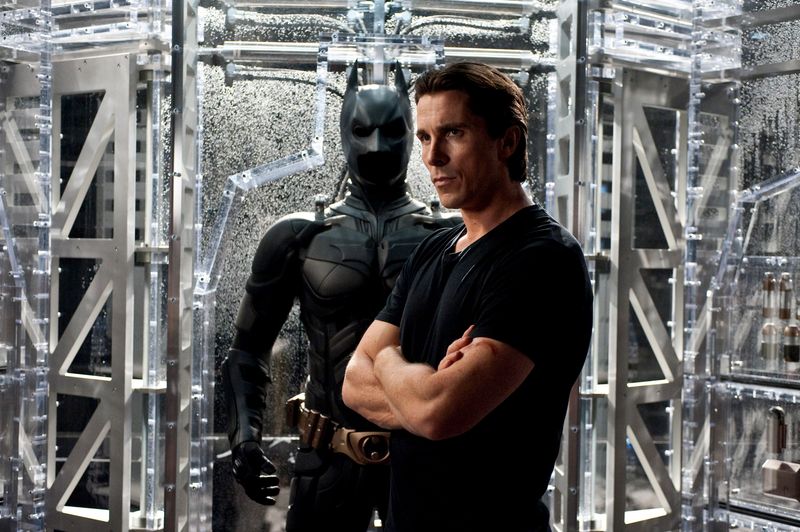
Finishing a beloved trilogy is a nearly impossible job, especially when the previous entry set such a high bar for tension, character work, and thematic weight.
The ending here has always been a hot-button topic because it contains multiple choices that some fans find moving and others find forced.
People often point to the pacing of the final act, where big reveals and resolutions come rapidly, making it harder to sit with any one emotional beat.
There’s also the issue of plausibility, because the film asks viewers to accept huge logistical leaps while also trying to deliver a grounded, serious tone.
For many, the most divisive element is how the story closes certain arcs, since it can feel like the movie is negotiating between realism and wish fulfillment without fully committing to either.
When the final moments of a saga feel like they’re trying to please everyone at once, they can end up feeling oddly hollow, even if the intention is uplifting.
13. Planet of the Apes (2001)
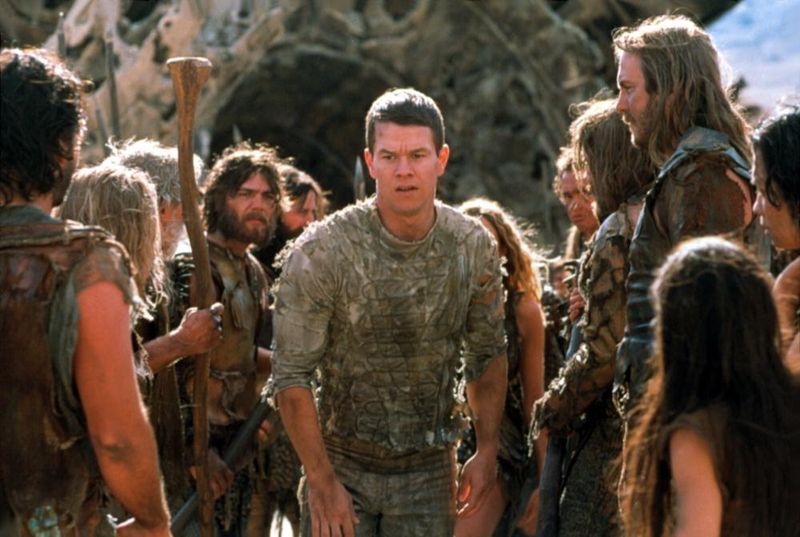
Remakes live and die by whether they justify their existence, and this one had an opportunity to deliver a memorable twist that felt both surprising and coherent.
The ending is infamous because it aims for a shocking final image, but many viewers walked away confused about how it could possibly make sense given what the movie establishes.
Instead of that satisfying “oh wow, that’s clever” feeling, the finale can leave you with “wait… how?” questions that the film doesn’t answer, which is the fastest way to make a twist feel like a gimmick.
The original classic had a twist that recontextualized the story with brutal clarity, and audiences remember it because it clicks emotionally and logically.
Here, the last beat feels like it wants the same iconic punch without the same internal groundwork.
When a movie ends on confusion rather than meaning, it can become a punchline instead of a classic.
Comments
Loading…