
 Jade Reed
13 Iconic ’80s Films That Modern Audiences Would Rewrite Completely
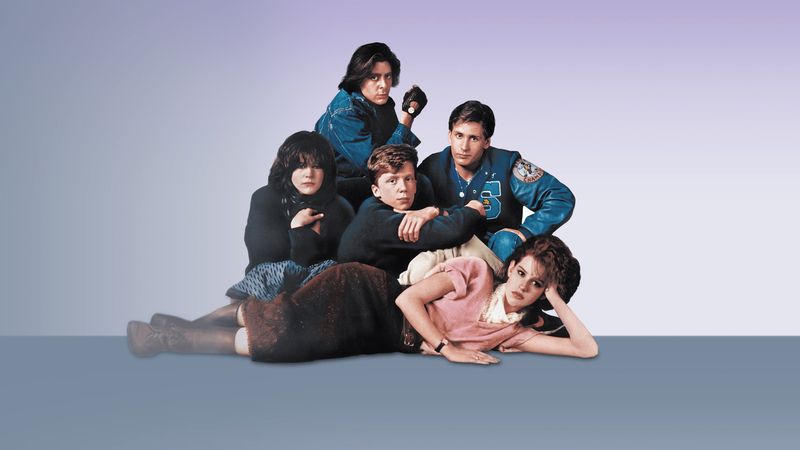
The 1980s gave us some of the most memorable movies ever made.
From teen comedies to romantic fantasies, these films shaped pop culture and defined a generation.
But watching them today reveals jokes, stereotypes, and storylines that make modern viewers cringe.
What seemed funny or romantic back then often crosses lines we now recognize as harmful, and many beloved classics would need serious rewrites to match today’s values.
1. Sixteen Candles (1984)
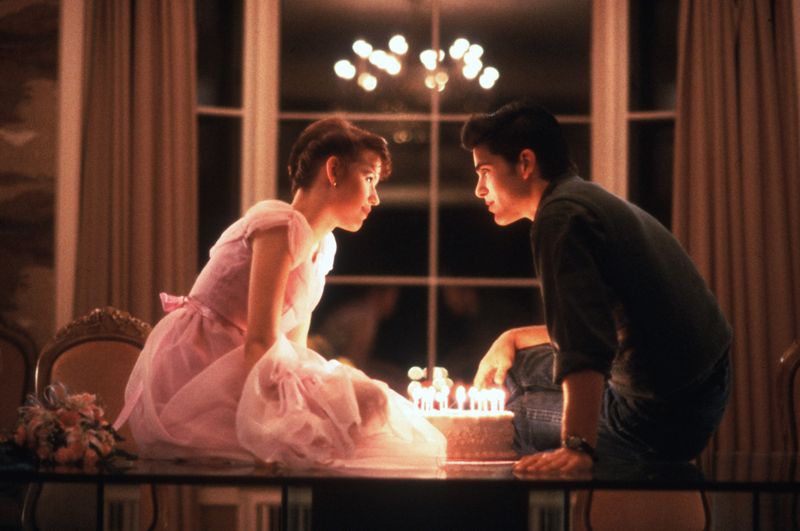
John Hughes crafted what many considered the ultimate teen comedy, but modern eyes spot problems immediately.
The film treats racial stereotypes as punchlines, particularly with the character Long Duk Dong, whose portrayal relies entirely on outdated Asian caricatures.
Beyond racial insensitivity, the movie treats consent as optional.
One storyline involves a drunk girl being handed off to another character, framed as comedic rather than criminal.
Gender roles feel frozen in time, with female characters defined mostly by their relationships to boys.
A contemporary version would need to strip away these harmful elements entirely.
The core story about feeling invisible on your birthday could work, but everything surrounding it requires fundamental changes to respect all characters as actual people.
2. Revenge of the Nerds (1984)
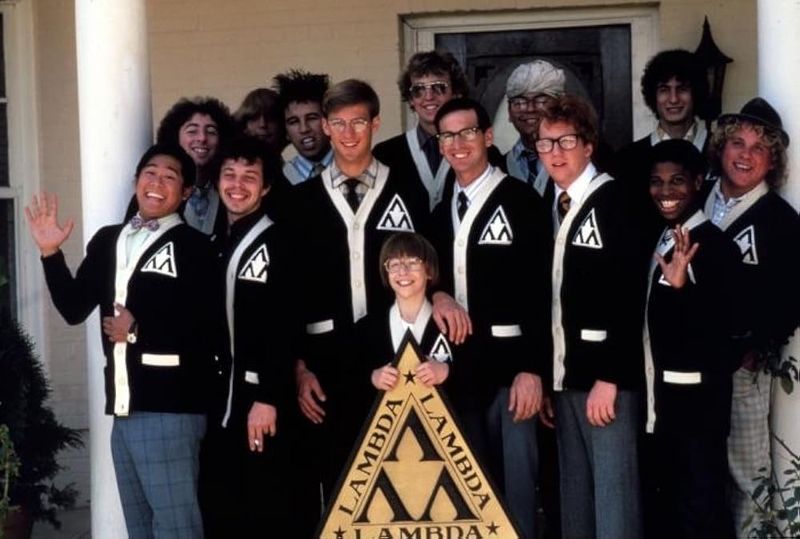
What starts as an underdog story quickly becomes deeply uncomfortable.
The nerds fight back against bullies, which sounds great until you examine their methods.
Several scenes depict behavior that would land characters in jail today, not in the hero’s journey.
One particularly disturbing sequence involves deception to obtain consent, treated as a triumphant moment rather than assault.
The film confuses revenge with justice, suggesting that being bullied justifies crossing serious ethical and legal boundaries.
Modern audiences recognize that suffering doesn’t excuse causing harm to others.
A remake would need to completely reimagine how the protagonists gain respect, focusing on actual empowerment rather than replicating the same toxic behavior they experienced.
The premise has potential, but the execution demands a total overhaul.
3. The Breakfast Club (1985)
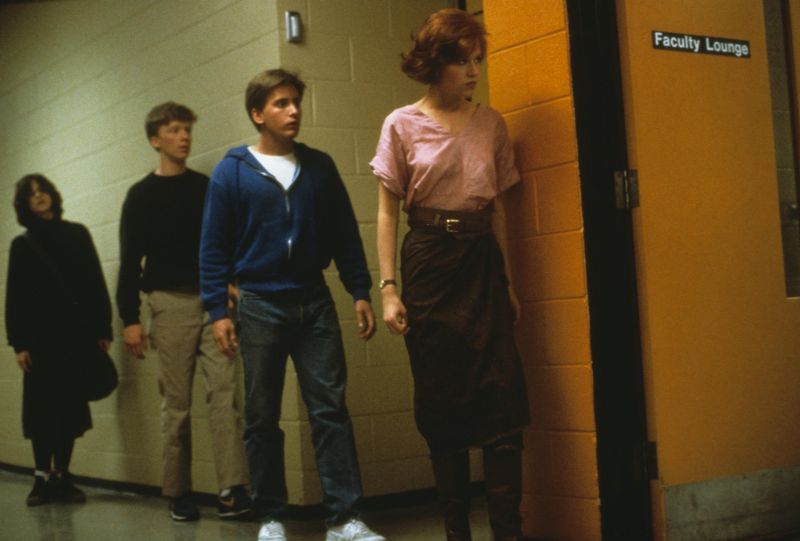
Still beloved for its emotional honesty, this detention-room drama nonetheless shows its age.
The film broke ground by taking teen problems seriously, but its handling of bullying, gender dynamics, and mental health feels simplistic now.
Bender’s aggressive behavior toward Claire crosses into harassment, yet the film treats their eventual romance as inevitable.
The jock’s confession about peer pressure gets sympathy, while the girl’s struggles with parental expectations seem less important.
Asian and Black students are completely absent from this supposedly universal teen experience.
Today’s version would dig deeper into each character’s complexity without excusing harmful actions as romantic tension.
The core idea remains powerful: teenagers are more than their labels.
But achieving that message requires respecting every character’s journey equally, not just the loudest ones.
4. Weird Science (1985)
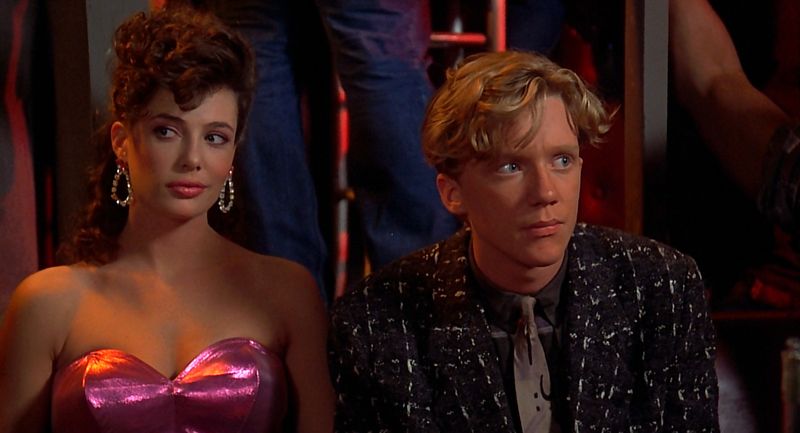
Two nerdy teens use a computer to create their ideal woman, and somehow this seemed like harmless fun in 1985.
Lisa exists solely to serve the boys’ needs, teaching them confidence while having no desires or autonomy of her own.
The entire premise reduces women to programmable accessories designed for male benefit.
She’s literally created without consent, then expected to fix the boys’ social problems and romantic failures.
Her appearance, personality, and actions all revolve around what they want.
Contemporary audiences immediately recognize the dehumanization at the story’s core.
A modern take would need to flip the script entirely, perhaps exploring AI consciousness and autonomy rather than treating a sentient being as a wish-fulfillment device.
The technology angle could work, but the power dynamics require complete reimagining.
5. Pretty in Pink (1986)
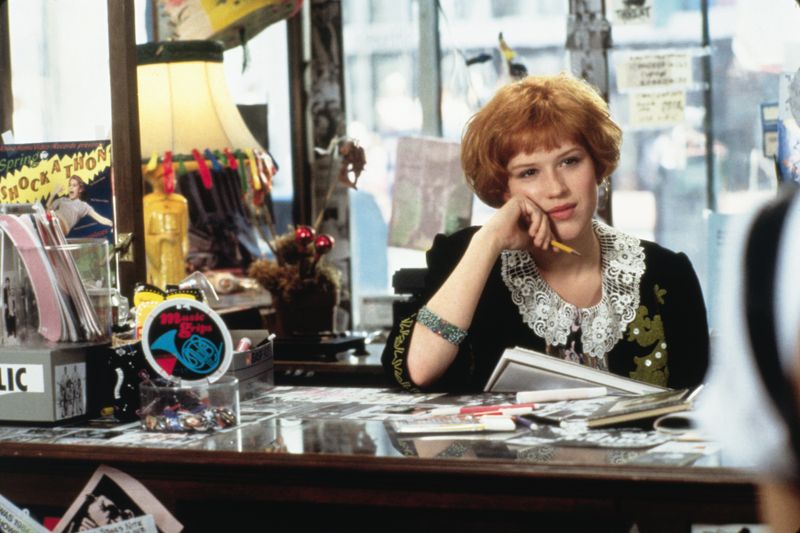
Andie’s story about class differences and staying true to yourself resonates, but she spends the entire film defined by which boy she’ll choose.
Her creativity and independence get overshadowed by romantic drama that positions her as a prize to be won.
The film treats economic struggle as character flavor rather than examining real systemic issues.
Duckie’s persistent pursuit despite clear rejection gets framed as romantic devotion instead of boundary-crossing.
Andie makes choices, but mostly about boys rather than her own future.
A fresh version would center Andie’s artistic ambitions and college plans, with romance as subplot rather than main event.
Her working-class background could spark meaningful conversations about opportunity and inequality.
She deserves agency beyond picking between two guys who both think they know what’s best for her.
6. Mannequin (1987)
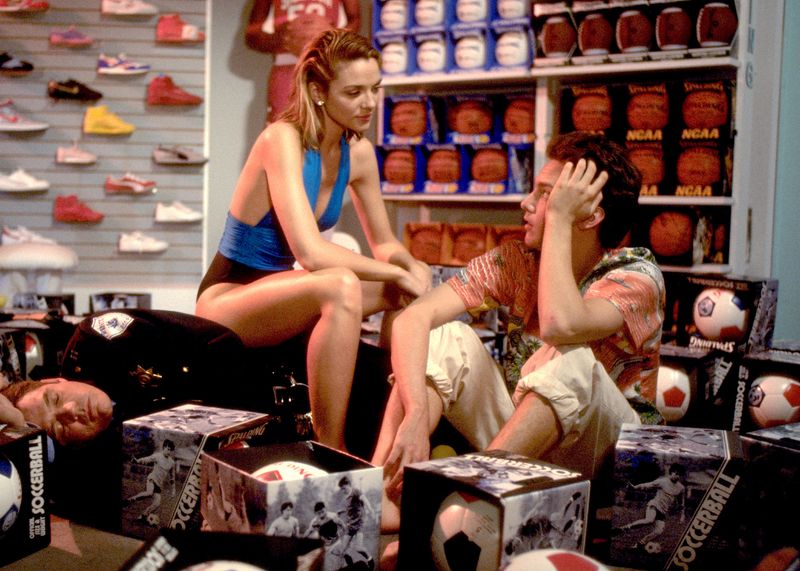
Jonathan falls in love with Emmy, who spends most of the movie as a literal object.
She can only come alive when they’re alone, creating a relationship where she has zero power or presence in the real world.
The fantasy ignores massive consent issues inherent in romancing someone who transforms into an inanimate object.
She can’t participate in normal life, meet his friends, or make independent choices.
He controls when and where she exists as a person.
Modern viewers spot the troubling power imbalance immediately.
Any remake would need Emmy to have full agency and autonomy, perhaps making the mannequin situation a temporary curse she actively works to break.
The magical romance angle could survive, but only if both people exist as equals with their own goals and the ability to choose freely.
7. Big (1988)
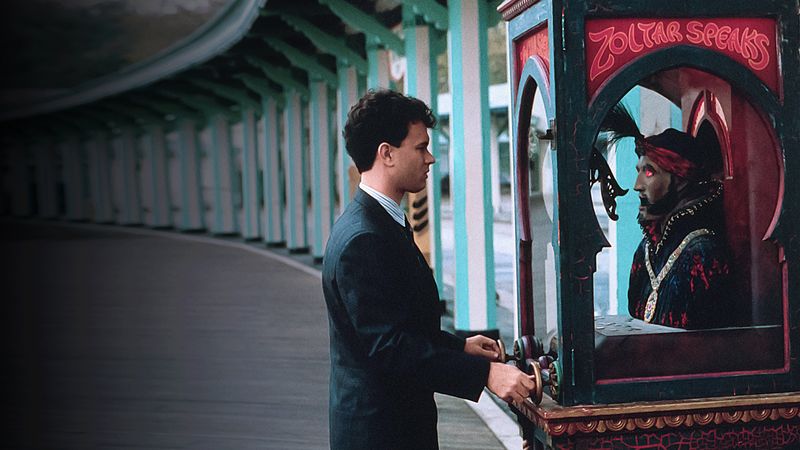
Josh makes a wish and wakes up in an adult body, landing a job at a toy company.
The fish-out-of-water comedy works until he starts a romantic relationship with a coworker who has no idea she’s actually involved with a child.
What the film treats as innocent and sweet becomes deeply disturbing under scrutiny.
Susan believes she’s dating an adult man, while Josh is literally a kid experiencing his first romance.
The power dynamics and consent issues are staggering.
A contemporary version couldn’t touch this storyline without massive changes.
Perhaps the romance gets removed entirely, focusing instead on the corporate satire and Josh’s desire to return home.
Or the age transformation needs complete transparency, eliminating the deception that makes the original so problematic by today’s standards of appropriate relationships.
8. Short Circuit (1986)
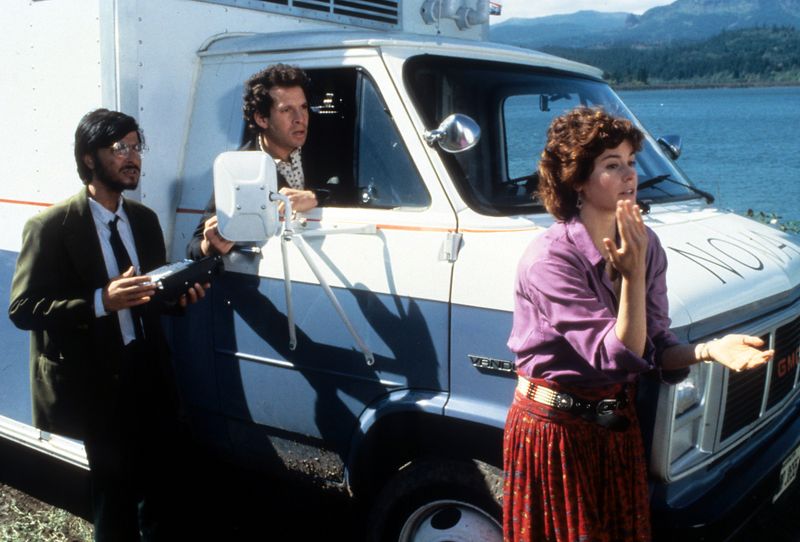
Number 5 comes alive after a lightning strike, befriending humans who help him avoid military recapture.
The robot’s journey toward sentience and freedom offers genuine charm, but one casting choice ruins everything for modern audiences.
Ben Jabituya, the Indian scientist, was played by a white actor in brownface using an exaggerated accent.
This offensive choice reduces an entire culture to a stereotype played for laughs.
The character’s broken English and quirky mannerisms rely on mockery rather than representation.
Today’s version would cast an actual Indian actor and write the character with dignity and complexity.
The robot story could remain largely intact, but the human characters deserve the same care and respect given to the machine learning to be alive.
Cultural sensitivity isn’t optional anymore, and rightfully so.
9. Heathers (1988)
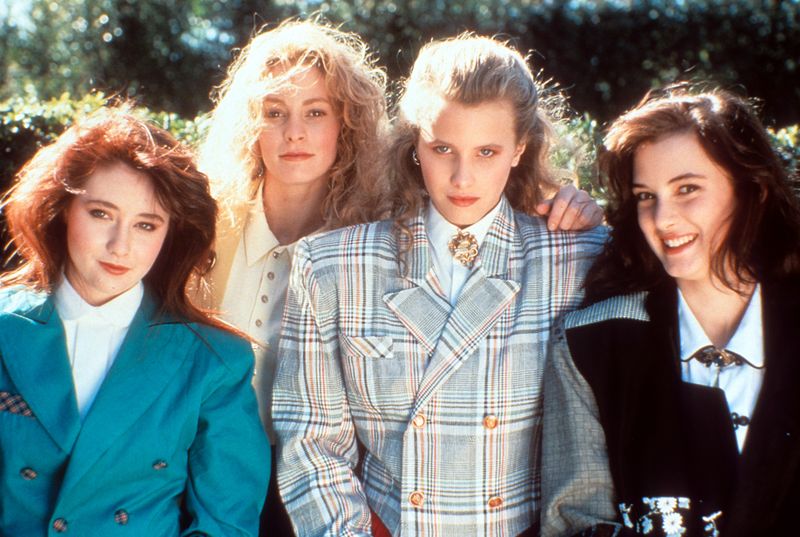
This pitch-black comedy satirizes teen social hierarchies through murder disguised as suicide.
Veronica and JD kill popular students, staging their deaths to look self-inflicted, and the school responds with performative grief rather than genuine concern.
The satire remains sharp, but the film’s treatment of suicide and violence feels dangerous now.
Mental health awareness has grown tremendously, and glamorizing or making light of teen death crosses clear lines.
What worked as dark humor then reads as irresponsible today.
A remake would need to preserve the social commentary while removing the body count.
Perhaps the rebellion could involve exposing hypocrisy without actual violence, or the consequences of their actions could receive serious treatment rather than comedic distance.
The core criticism of shallow social dynamics still resonates, but the methods require thoughtful reconsideration.
10. Splash (1984)
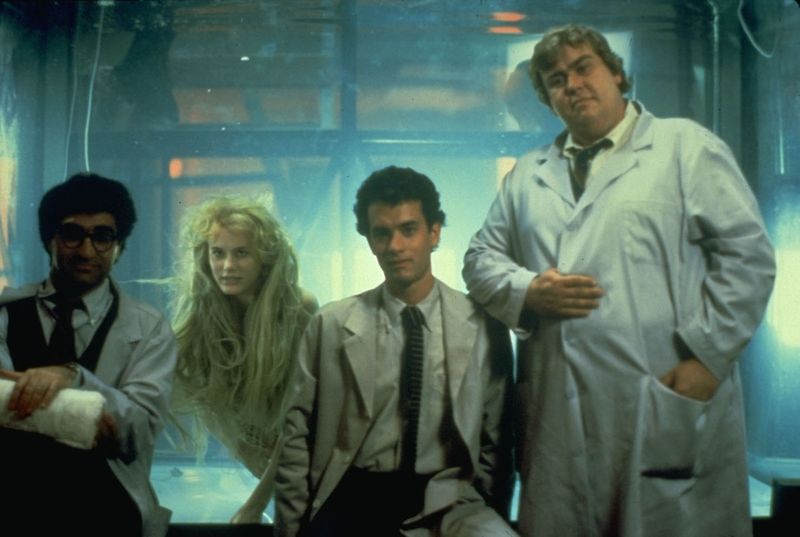
Allen falls for Madison, a mermaid who saves his life and later tracks him down in New York.
She gives up her ocean home and true form to be with him, sacrificing everything while he sacrifices nothing.
The romance follows a tired pattern where the magical woman transforms herself completely for an ordinary guy.
Madison learns human ways, hides her identity, and faces constant danger, all for love.
Allen just has to show up and be moderately nice. Modern audiences want to see Madison as a full character with her own motivations beyond romance.
Why does she love the surface world?
What does she want beyond Allen?
A contemporary version would give her agency, perhaps having Allen make sacrifices too, or exploring her adjustment to land as personal growth rather than romantic gesture.
Equal partnerships require both people to change and grow.
11. Teen Wolf (1985)
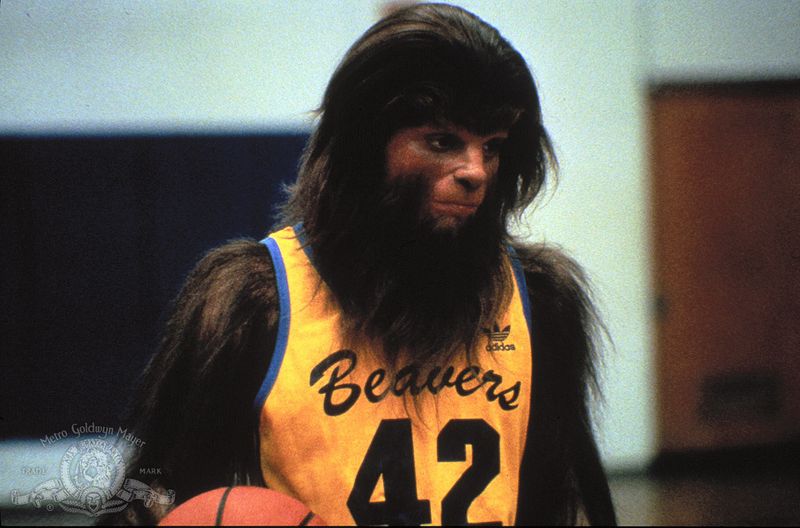
Scott discovers he’s a werewolf and suddenly becomes popular, using his new abilities to excel at basketball and attract girls.
The comedy mines laughs from casual homophobia, outdated masculinity, and the idea that being different only matters if it makes you cool.
Jokes about sexuality and gender wouldn’t fly today, nor would the film’s shallow treatment of identity. Scott’s transformation becomes purely about social status rather than exploring what being different actually means.
Female characters exist only as romantic interests or background decoration.
A fresh take could examine the werewolf metaphor more thoughtfully, exploring actual otherness and acceptance.
The sports angle could stay, but Scott’s journey would focus on self-acceptance rather than popularity.
Remove the homophobic jokes, develop the female characters, and explore what it really means to be yourself when you’re different from everyone around you.
12. Trading Places (1983)
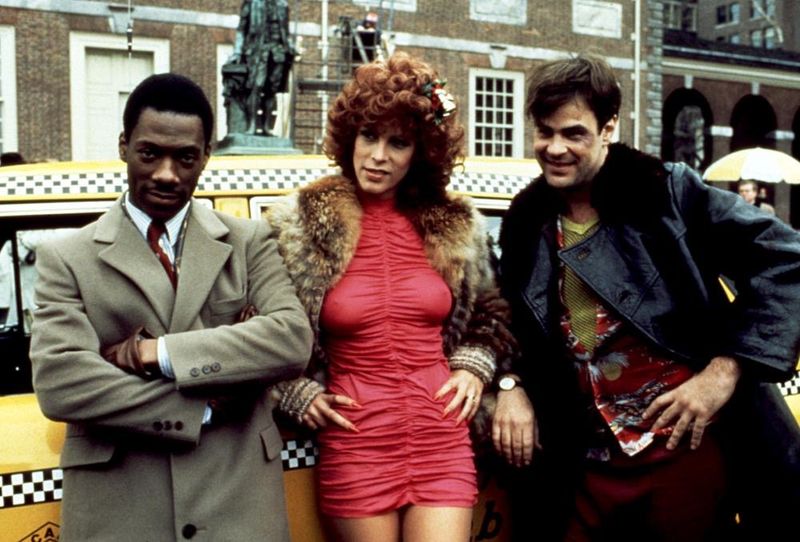
Two wealthy brothers bet on nature versus nurture, swapping the lives of a successful broker and a street hustler.
The social experiment premise offers potential for sharp commentary, but the execution relies heavily on racial stereotypes and sexist humor.
Billy Ray Valentine’s character leans into offensive caricatures, while the film’s female characters face constant objectification.
What could have been biting satire about class and privilege instead settles for cheap laughs based on outdated prejudices.
Today’s version would sharpen the social criticism while removing the harmful stereotypes.
The class commentary remains relevant and powerful, especially examining how circumstances shape opportunities.
But the story needs to respect every character as a complete person, not a collection of stereotypes.
The bones of a great satire exist here, but the flesh requires complete reconstruction for modern sensibilities.
13. Working Girl (1988)
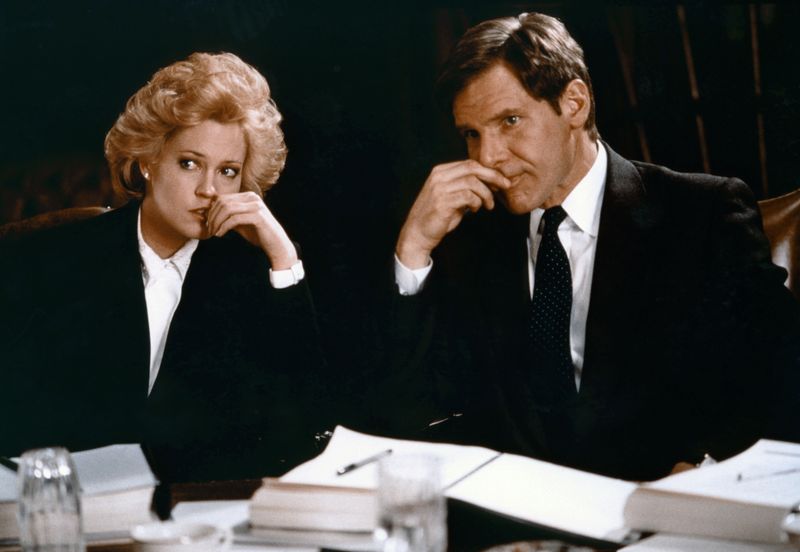
Tess fights her way up the corporate ladder, overcoming class barriers and a backstabbing boss.
Her journey toward professional success inspired many viewers, but the path involves romantic entanglements and workplace dynamics that wouldn’t pass muster today.
The film treats sexual harassment as minor annoyance rather than serious problem.
Tess’s success gets partially attributed to her relationship with Jack rather than purely her own merit.
The boss-secretary power dynamics and romantic workplace relationships raise red flags everywhere.
A contemporary remake would focus squarely on Tess’s professional achievements without romantic rescue.
Harassment would receive appropriate consequences, and her victory would come entirely from her own skills and determination.
The class commentary remains powerful, but the execution needs updating to reflect modern understanding of workplace equality, appropriate boundaries, and women succeeding on their own terms without romantic validation.
Comments
Loading…