
 Jade Reed
13 Famous White Actors Cast in Non-White Roles That Aged Poorly
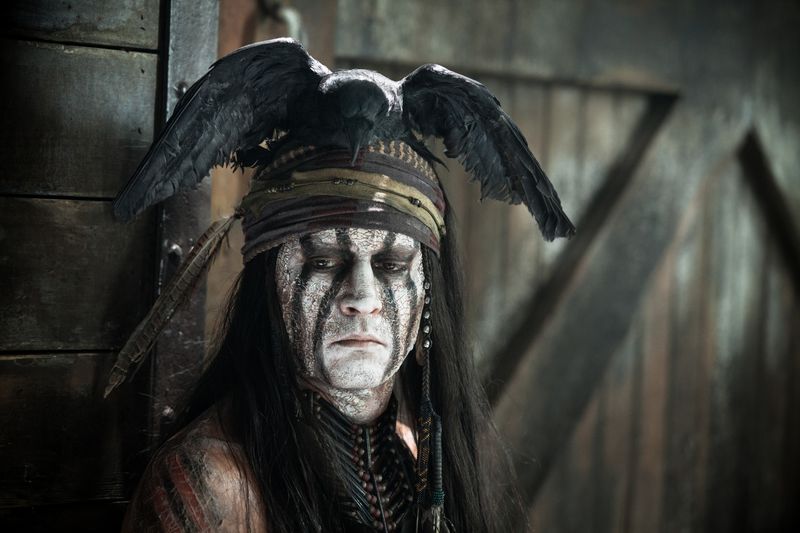
Hollywood has a long history of casting white actors in roles meant for people of color, a practice that looks increasingly problematic through today’s lens.
From yellowface makeup in classic films to modern whitewashing scandals, these casting decisions sparked conversations about representation and cultural respect.
While some of these movies were box office hits or critical darlings at the time, audiences now recognize how these choices erased opportunities for actors of color and perpetuated harmful stereotypes.
1. Mickey Rooney in Breakfast at Tiffany’s (1961)
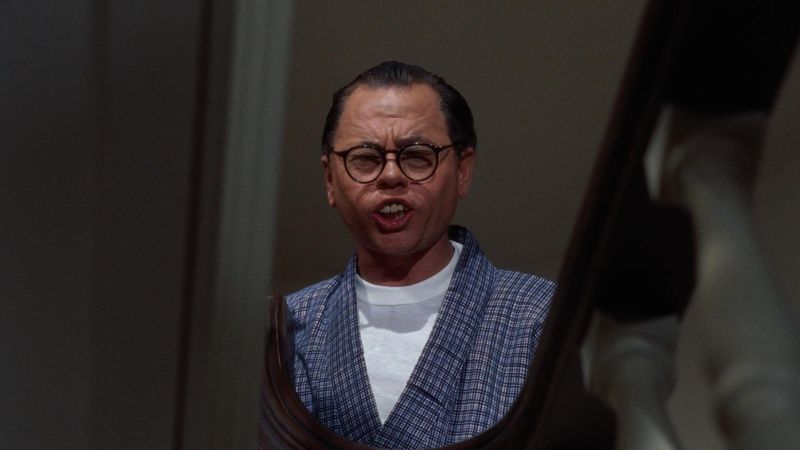
When Breakfast at Tiffany’s premiered, critics praised Audrey Hepburn’s performance but largely ignored the offensive portrayal happening in the background.
Mickey Rooney played Mr. Yunioshi, Holly Golightly’s Japanese neighbor, using exaggerated buck teeth, taped eyelids, and a ridiculous accent that turned the character into a racist caricature.
The performance relied on every harmful Asian stereotype Hollywood could pack into a supporting role.
Today, this portrayal stands as one of cinema’s most embarrassing examples of yellowface.
Even Rooney himself later expressed regret, admitting he wouldn’t take the role if given another chance.
Streaming services now include content warnings before the film, acknowledging its offensive depiction that mars an otherwise beloved classic.
2. Laurence Olivier in Othello (1965)
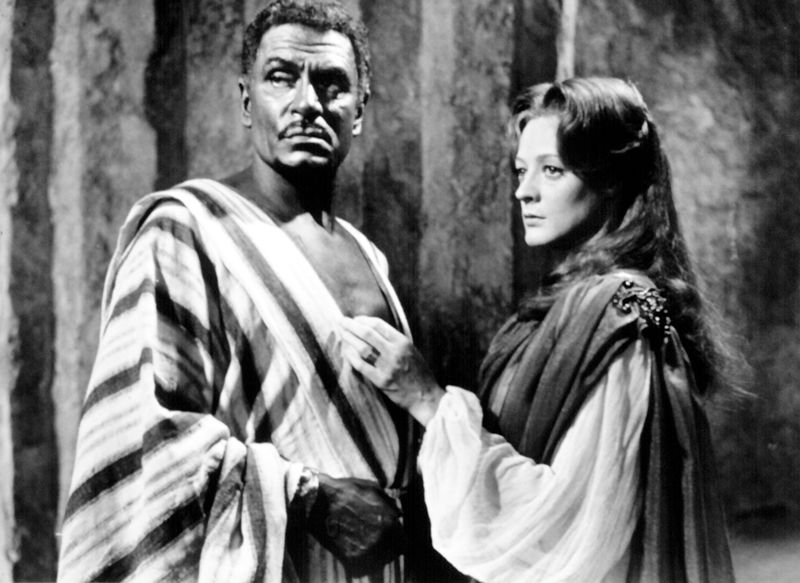
Laurence Olivier was considered one of the greatest actors of his generation, yet his portrayal of Shakespeare’s Moorish general Othello involved covering himself in dark makeup.
This wasn’t some ancient practice from silent films—this happened in 1965, during the Civil Rights Movement.
The film preserved his acclaimed stage performance for posterity, but also documented a prime example of blackface in prestigious cinema.
Critics at the time debated whether a white actor should play the role, though many praised Olivier’s skill. Decades later, the conversation shifted entirely.
Why wasn’t a Black actor given this opportunity?
The performance now serves as a reminder of how even “serious” theater excluded actors of color from major roles.
3. Peter Sellers in The Party (1968)
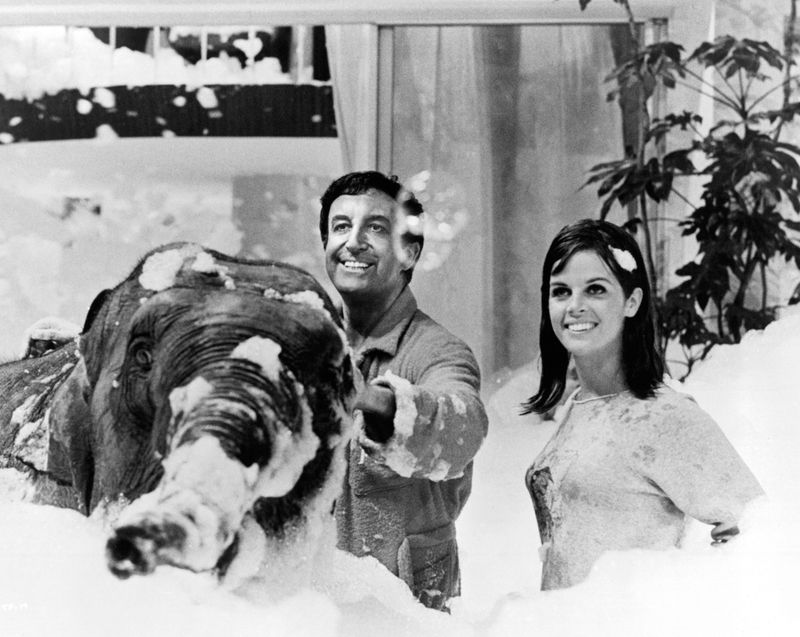
Peter Sellers built his career on accents and character work, but his portrayal of Hrundi V. Bakshi crossed lines that seem obvious today.
The British comedian wore brown makeup and adopted an exaggerated Indian accent to play a bumbling actor who accidentally gets invited to a Hollywood party.
Director Blake Edwards intended the film as physical comedy, but the racial caricature overshadowed the slapstick humor.
While some defenders argue Sellers played the character sympathetically, the fundamental problem remains: a white actor in brownface took a role that could have launched an Indian actor’s career.
The film’s reputation has suffered considerably, with modern audiences cringing at what 1960s viewers apparently found acceptable entertainment.
4. John Wayne in The Conqueror (1956)
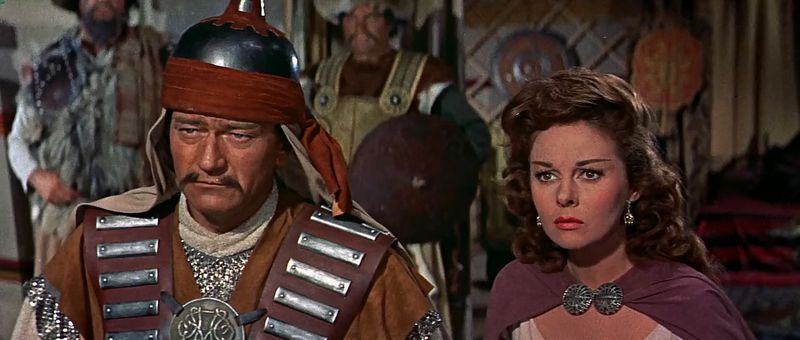
Imagine the most American cowboy actor you can think of, then picture him playing the legendary Mongol warrior Genghis Khan.
That’s exactly what happened when John Wayne took this baffling role.
With his distinctive drawl and swagger intact, Wayne delivered lines about conquering Asia while looking utterly unconvincing in Mongolian attire.
The result became one of Hollywood’s most notorious miscasting disasters.
Beyond the racial miscasting, the film is remembered for another tragedy—it was shot downwind from nuclear testing sites, and many cast members later developed cancer.
The movie bombed critically and commercially, yet it remains a perfect example of old Hollywood’s assumption that white stars could play anyone, regardless of ethnicity or suitability.
5. Johnny Depp in The Lone Ranger (2013)
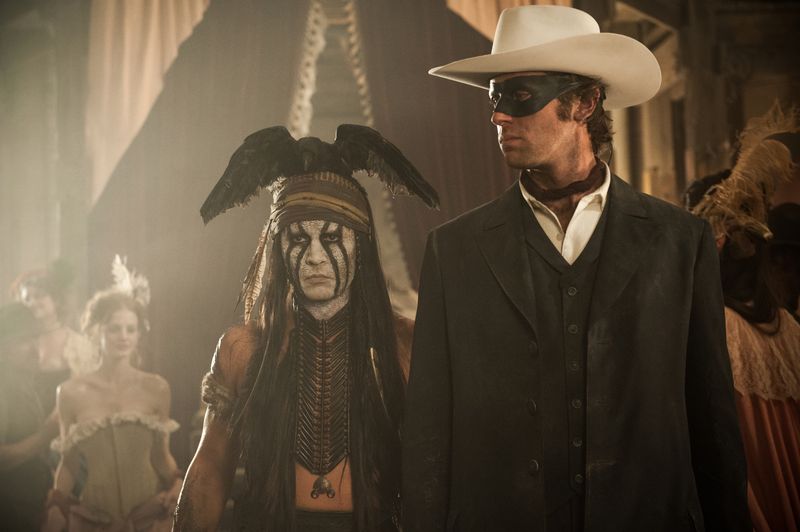
Johnny Depp claimed he wanted to honor Native Americans by reimagining Tonto as a more complex character than the original sidekick stereotype.
He wore a crow on his head, spoke in broken English, and insisted his portrayal would correct past mistakes.
Instead, Native American groups criticized the casting as another example of Hollywood sidelining Indigenous actors for a major role in a big-budget film.
Depp pointed to distant Cherokee ancestry to justify his casting, but critics argued this didn’t make him qualified to represent Native culture on screen.
The film flopped spectacularly, losing Disney over $150 million.
Many saw the failure as audiences rejecting this outdated approach to Native representation in modern cinema.
6. Jake Gyllenhaal in Prince of Persia: The Sands of Time (2010)
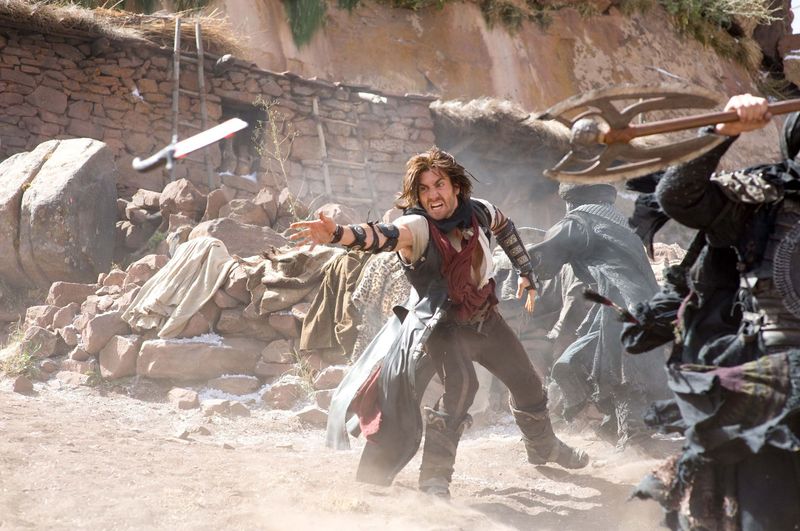
Disney spent $200 million creating a fantasy adventure set in ancient Persia, then cast one of Hollywood’s most recognizable white actors as the lead.
Jake Gyllenhaal got a spray tan and some hair extensions to play Prince Dastan, while the film featured predominantly white actors in Middle Eastern roles.
The studio defended the choice by citing Gyllenhaal’s star power, essentially admitting they valued box office potential over authentic representation.
Critics coined the term “whitewashing” to describe exactly this kind of casting.
Persian and Middle Eastern actors spoke out about losing opportunities to white stars.
The film’s mediocre performance suggested that star power alone couldn’t save a project built on problematic foundations.
7. Ben Kingsley in Gandhi (1982)
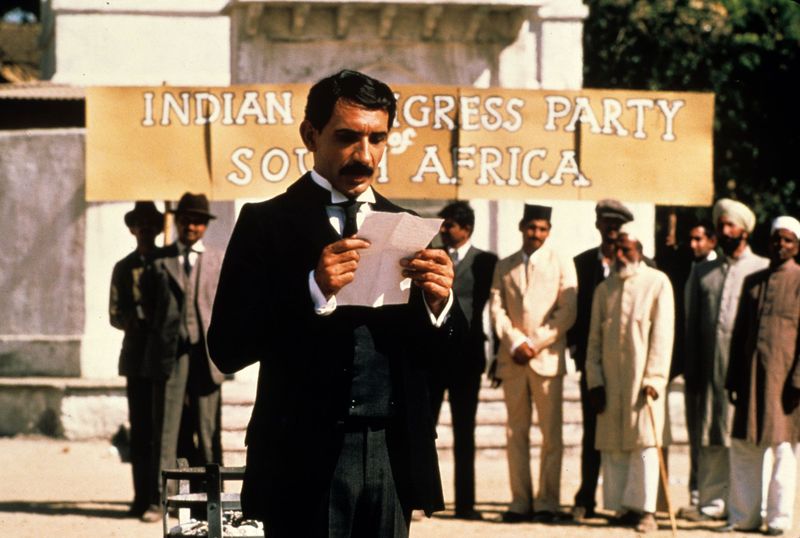
This casting sparks more complex debate than straightforward whitewashing cases.
Ben Kingsley has Indian heritage through his father, born Krishna Pandit Bhanji, though he was raised in England and built his career as a white British actor.
For the role, he darkened his skin with makeup and lost significant weight to resemble the Indian independence leader physically.
The film won eight Oscars, including Best Actor for Kingsley, and introduced Gandhi’s story to global audiences.
Yet questions linger about why a fully Indian actor wasn’t chosen for this defining role.
Some argue Kingsley’s mixed heritage made him a bridge between cultures; others see another example of Hollywood’s preference for actors who could “pass” as white when needed.
8. Benedict Cumberbatch in Star Trek Into Darkness (2013)
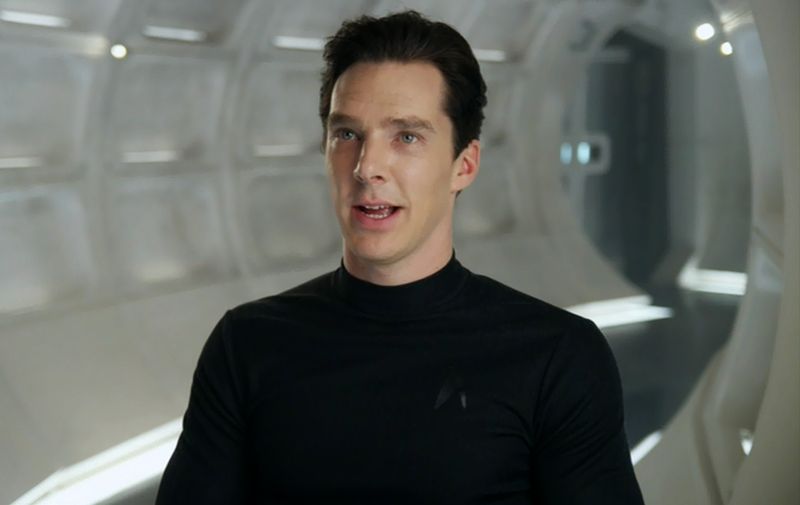
Khan Noonien Singh ranks among Star Trek’s most iconic villains, originally portrayed by Mexican actor Ricardo Montalbán as a character with South Asian roots.
When J.J. Abrams rebooted the franchise, he cast Benedict Cumberbatch—about as British and pale as actors come—in the role.
The filmmakers initially tried hiding Khan’s identity, perhaps knowing the casting would spark controversy once revealed.
Fans immediately criticized the erasure of the character’s ethnicity.
Cumberbatch delivered a menacing performance, but that wasn’t the point.
South Asian actors rarely get opportunities in blockbuster films, and stealing one of their few existing major roles felt particularly tone-deaf.
The backlash highlighted how even science fiction, supposedly progressive, perpetuates Hollywood’s diversity problem.
9. Scarlett Johansson in Ghost in the Shell (2017)
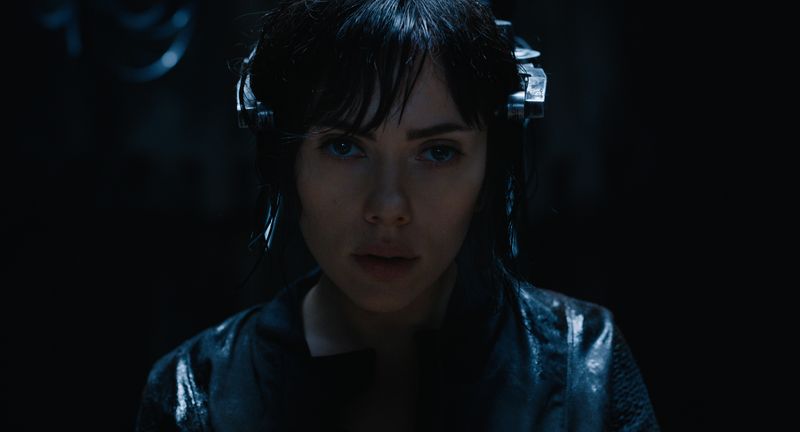
Paramount Pictures adapted a beloved Japanese manga and anime, then cast one of Hollywood’s biggest white actresses as the lead character, Motoko Kusanagi.
Scarlett Johansson defended her casting, while the studio reportedly tested visual effects to make her look more Asian—a revelation that made the situation exponentially worse.
The controversy went global, with Japanese fans and Asian-American actors voicing disappointment.
Supporters argued the character was a cyborg, so ethnicity didn’t matter.
Critics countered that the entire story was deeply rooted in Japanese identity and philosophy.
The film underperformed domestically, and many attributed the failure partly to the whitewashing backlash.
Hollywood finally seemed to learn that audiences cared about authentic representation.
10. Emma Stone in Aloha (2015)
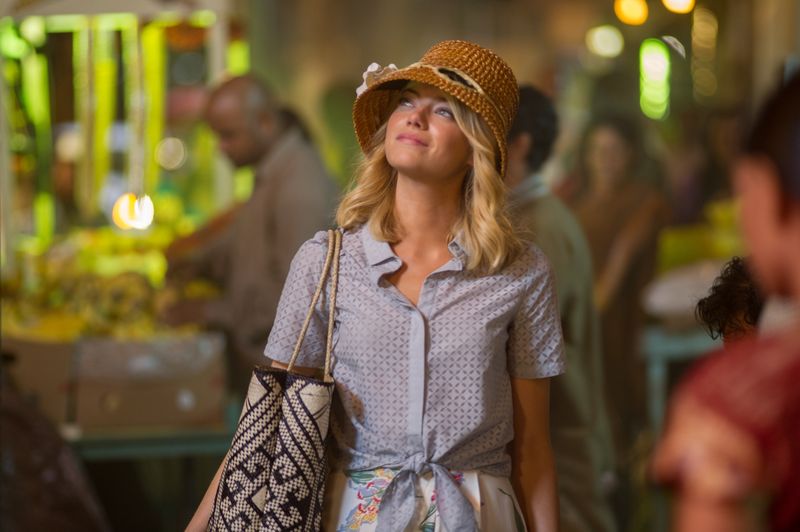
Director Cameron Crowe wrote a character named Allison Ng who was specifically described as part Chinese, part Native Hawaiian, and part Swedish.
Then he cast Emma Stone, one of Hollywood’s palest redheads, in the role.
The backlash was immediate and fierce, with critics questioning how anyone thought this casting made sense, even on paper.
Stone herself apologized, admitting she should have declined the role.
Crowe explained he based the character on a real person with similar heritage who didn’t look stereotypically Asian or Hawaiian.
That defense missed the point entirely—representation matters, and casting choices send messages about who gets to tell which stories.
The film bombed, and the controversy overshadowed everything else about the project.
11. Rooney Mara in Pan (2015)
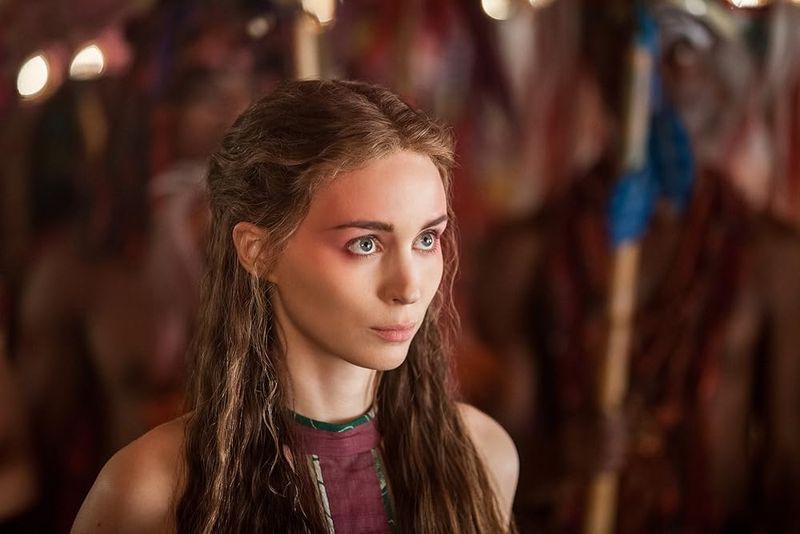
Peter Pan’s Tiger Lily has always been a problematic character, rooted in outdated Native American stereotypes.
When Warner Bros. decided to reimagine the origin story, they had a chance to fix past mistakes by casting an Indigenous actress.
Instead, they chose Rooney Mara, whose Irish-American heritage couldn’t be further from the character’s supposed background.
Native American advocacy groups protested the casting before filming even began.
The studio’s response suggested they didn’t understand the criticism, treating it as oversensitivity rather than legitimate concern.
The film flopped spectacularly, losing the studio over $150 million.
Perhaps audiences were tired of seeing white actors take roles that should showcase underrepresented communities.
12. Christian Bale in Exodus: Gods and Kings (2014)
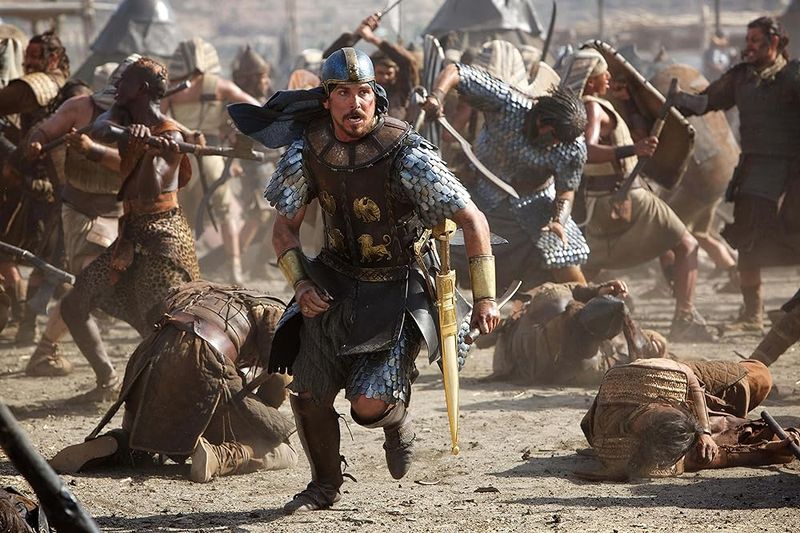
Ridley Scott cast Christian Bale as Moses, the Hebrew prophet from ancient Egypt and the Middle East.
When questioned about filling his biblical epic with white actors, Scott dismissively claimed he couldn’t get financing with unknown actors.
That excuse revealed exactly the problem—Hollywood assumes audiences won’t watch films led by Middle Eastern actors, creating a self-fulfilling prophecy that denies them opportunities.
The casting became even more absurd when you consider the film depicted ancient Egyptians and Hebrews, populations that definitely weren’t white Europeans.
Egypt banned the film, and audiences worldwide criticized the historical whitewashing.
Scott’s attitude suggested he didn’t care about accuracy or representation, just bankable stars, regardless of how ridiculous they looked in these roles.
13. Joel Edgerton in Exodus: Gods and Kings (2014)
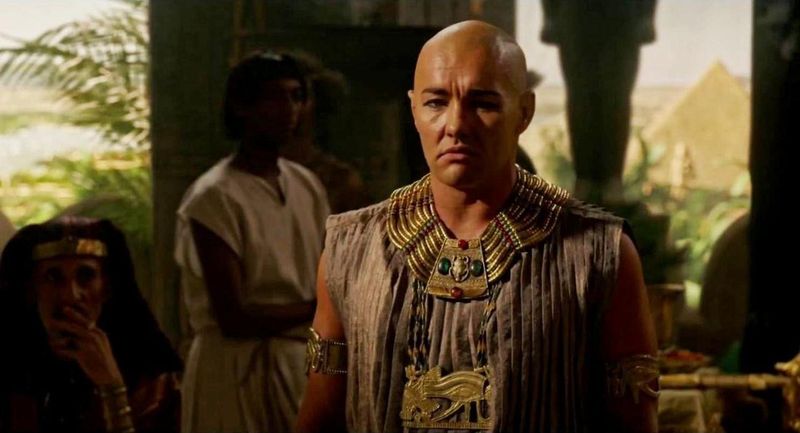
The same film that miscast Moses also featured Australian actor Joel Edgerton as Ramses II, one of ancient Egypt’s most powerful pharaohs.
Edgerton wore bronzer and heavy eye makeup, but no amount of cosmetics could hide the fundamental absurdity of a white actor playing an African ruler.
The film essentially rewrote history, presenting ancient Egypt as a white civilization with darker-skinned people relegated to servant roles.
Egyptian heritage groups and historians condemned this racial revisionism.
Studies of ancient Egyptian DNA suggest the population resembled modern Middle Eastern and North African people, not Europeans.
By casting white leads and non-white supporting actors, the film perpetuated dangerous myths about race and history.
The controversy overshadowed the film’s release and contributed to its disappointing box office performance.
Comments
Loading…