
 Jade Reed
13 Boy Band Members Who Found Solo Success Against All Odds
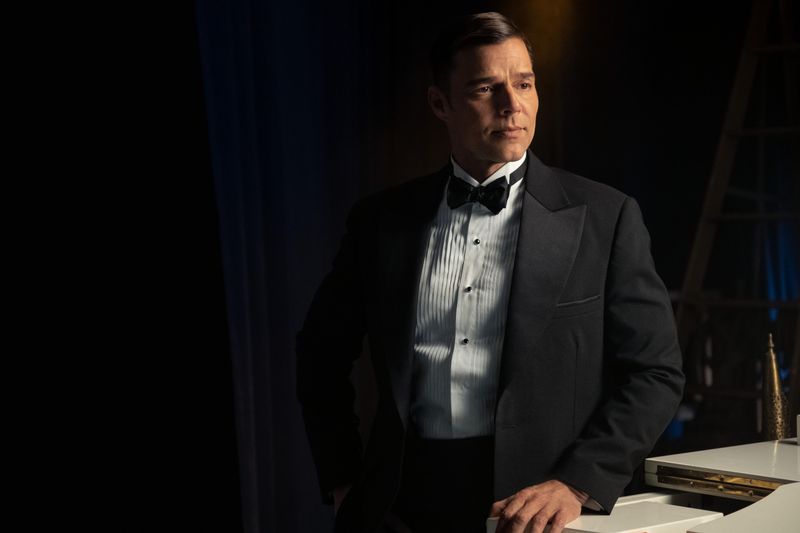
You know the story everyone told them: stick with the group, play it safe, fade out quietly.
Yet these artists rewrote the script, stepping into the spotlight and proving they could carry entire eras on their own.
Their journeys show grit, reinvention, and the power of a fresh voice.
If you have ever wondered what it really takes to beat the odds, this list delivers.
1. Justin Timberlake (NSYNC)
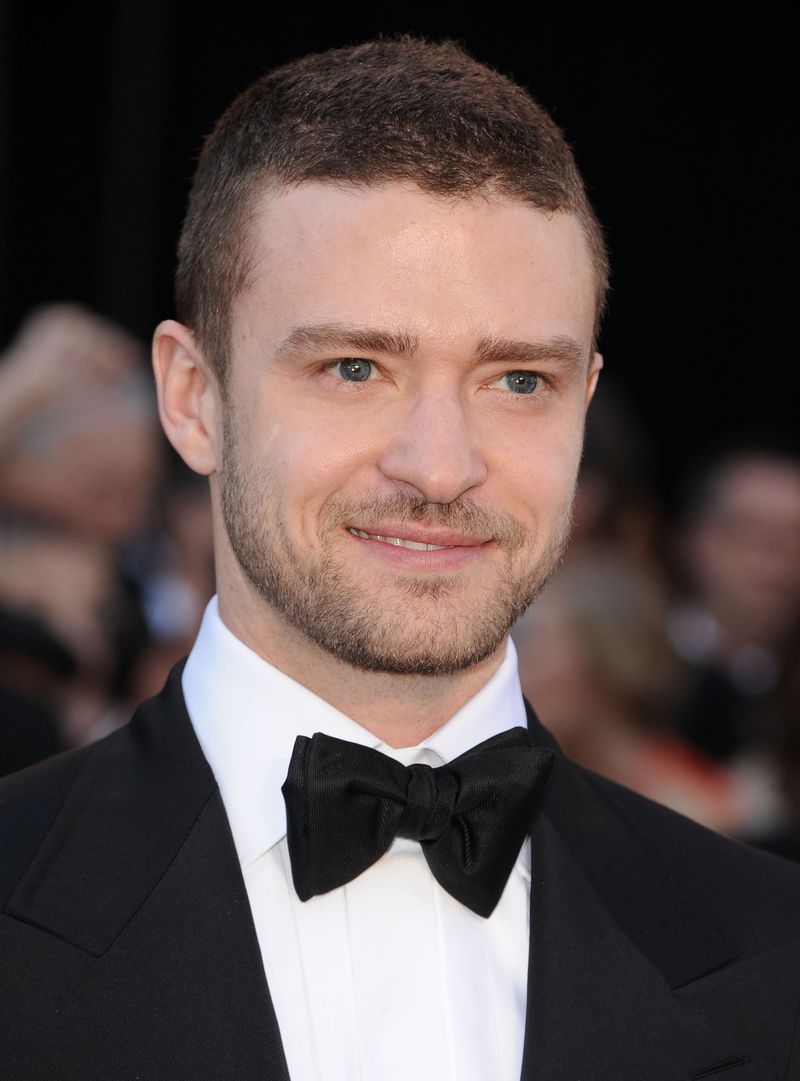
Starting with a smooth leap into adulthood, Justin Timberlake shed his boy-band image by delivering a debut album that redefined early-2000s pop.
He impressed listeners with genre-blending production, sharp vocal control, and a confidence that immediately separated him from his NSYNC origins.
Critics praised his ability to weave R&B and pop into a sleek, forward-looking style.
Grammy wins soon followed, cementing him as a force beyond teen stardom.
Across multiple albums, he delivered chart-topping singles that stayed culturally dominant.
Film roles, high-profile collaborations, and world tours further expanded his reach.
Timberlake fully evolved into a multimedia powerhouse.
2. Harry Styles (One Direction)

Launching his solo career with unexpected artistry, Harry Styles surprised the industry by embracing a retro-rock aesthetic rather than chasing boy-band pop trends.
He quickly gained credibility through thoughtful songwriting, raw vocal presence, and a willingness to experiment across genres.
Listeners connected with his authenticity, discovering an artist who valued self-expression over formula.
Awards and critical acclaim arrived early, highlighted by Grammy wins and sold-out global tours.
Styles evolved into a cultural figure known for breaking fashion norms.
His albums consistently hit No. 1 around the world.
Each release reinforced that his solo identity stands firmly on its own.
3. Zayn Malik (One Direction)
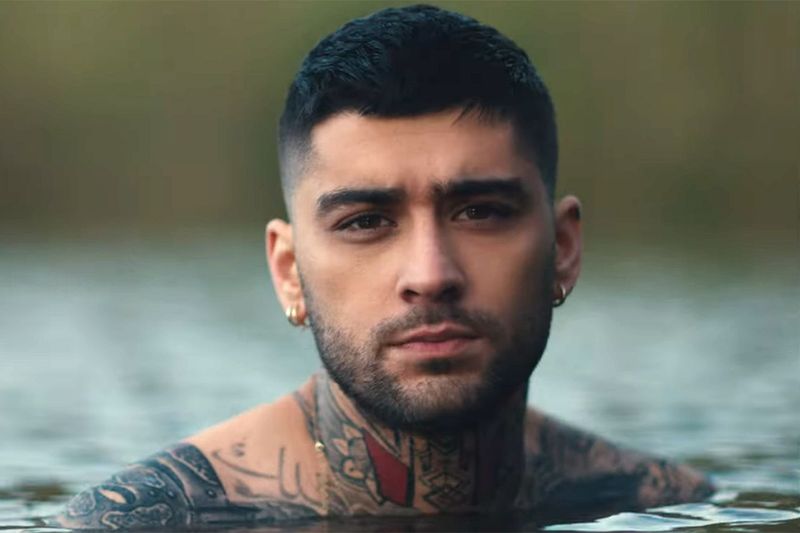
Breaking away from One Direction with bold conviction, Zayn Malik entered the solo spotlight by leaning into atmospheric R&B and sophisticated production.
He made headlines by debuting at No. 1 on both the U.S. and U.K. charts, a rare achievement for a British male solo artist.
Fans embraced the emotional depth and vulnerability woven through his vocals.
His single “Pillowtalk” became a global phenomenon, showcasing a mature style that contrasted sharply with his boy-band past.
Collaborations with major artists expanded his credibility.
Subsequent albums highlighted his artistic evolution.
Malik established himself as an introspective and genre-defying solo performer.
4. Robbie Williams (Take That)

Emerging from Take That with fiery ambition, Robbie Williams became a defining voice of British pop through sheer charisma and relentless reinvention.
His early solo singles resonated with listeners craving personality-driven pop with attitude.
Multiple U.K. No. 1 albums solidified his standing as a commercial powerhouse.
Fans appreciated his blend of wit, vulnerability, and theatrical energy.
Record sales climbed into the tens of millions, surpassing his already successful group career.
Live performances turned into massive arena events across Europe.
Awards and long-term chart consistency elevated him to iconic status.
Williams ultimately became one of the U.K.’s most enduring entertainers.
5. Ronan Keating (Boyzone)

Stepping confidently into his solo era, Ronan Keating delivered melodic pop that appealed to fans seeking emotional clarity and warmth.
His debut releases showcased a polished voice capable of carrying both ballads and upbeat tracks.
A string of consecutive U.K. Top-10 singles proved his broad appeal.
European markets embraced his radio-friendly style, giving him long-lasting airplay success.
Songs like “When You Say Nothing at All” highlighted his strength as a sentimental storyteller.
Keating expanded his profile through TV hosting and philanthropy.
His steady album sales surpassed 20 million globally.
He remains a prominent figure in pop decades after Boyzone.
6. Jordan Knight (New Kids on the Block)

Arriving in the solo world with polished confidence, Jordan Knight leaned into sleek late-’90s production to craft a refreshed musical identity.
His breakout single “Give It to You” introduced a mature sound that contrasted with his teen-pop beginnings.
Audiences responded to the track’s modern edge and dance-floor energy.
The accompanying album earned solid Billboard placement, proving his staying power beyond group fame.
Knight embraced R&B influences that highlighted his falsetto and expressive delivery.
Music videos and TV appearances expanded his visibility.
Touring kept his connection with fans strong.
His solo catalog ultimately reflected artistic growth and adaptability.
7. Abz Love (Five)

Opening his solo chapter with unexpected momentum, Abz Love pivoted from Five’s high-energy pop toward a more personal sound.
His debut album Abstract Theory produced multiple U.K. Top-10 singles, confirming that fans were eager to follow his musical evolution.
Tracks like “What You Got” showcased a smoother vocal approach.
The project mixed pop, hip-hop, and R&B in a style unique to his persona.
Media outlets took note of his chart resilience during a competitive era.
Love continued appearing on television, keeping his profile active.
His creative pursuits demonstrated versatility.
He carved out a respectable niche beyond his boy-band roots.
8. Gary Barlow (Take That)
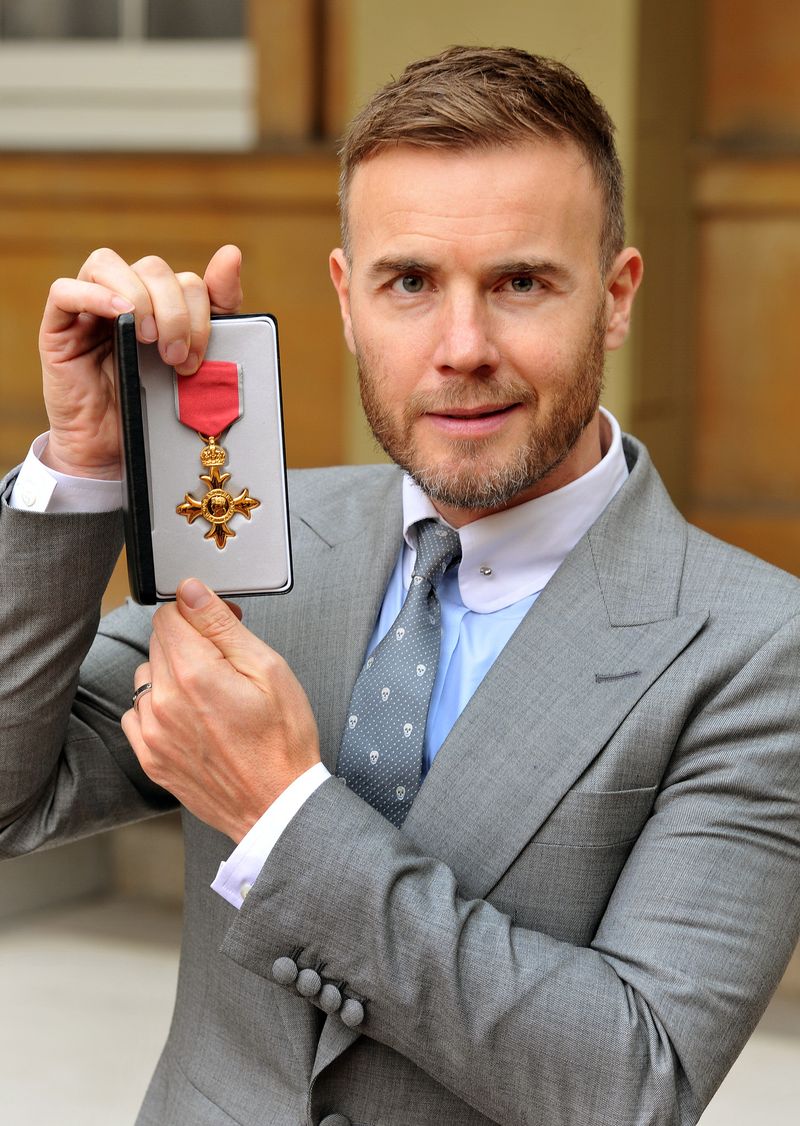
Beginning his solo journey with impressive songwriting credentials, Gary Barlow stepped forward as an artist defined by craftsmanship and emotional depth.
His early singles climbed the U.K. charts, supported by strong vocals and polished melodies.
Listeners gravitated toward his ability to blend classic pop with contemporary production.
Barlow earned significant recognition through Ivor Novello Awards.
An OBE further honored his influence on British music.
Live performances highlighted his strength as a storyteller.
Albums maintained steady sales across multiple decades.
His dual success as a performer and songwriter demonstrated a rare level of career longevity.
9. Johnny Gill (New Edition)
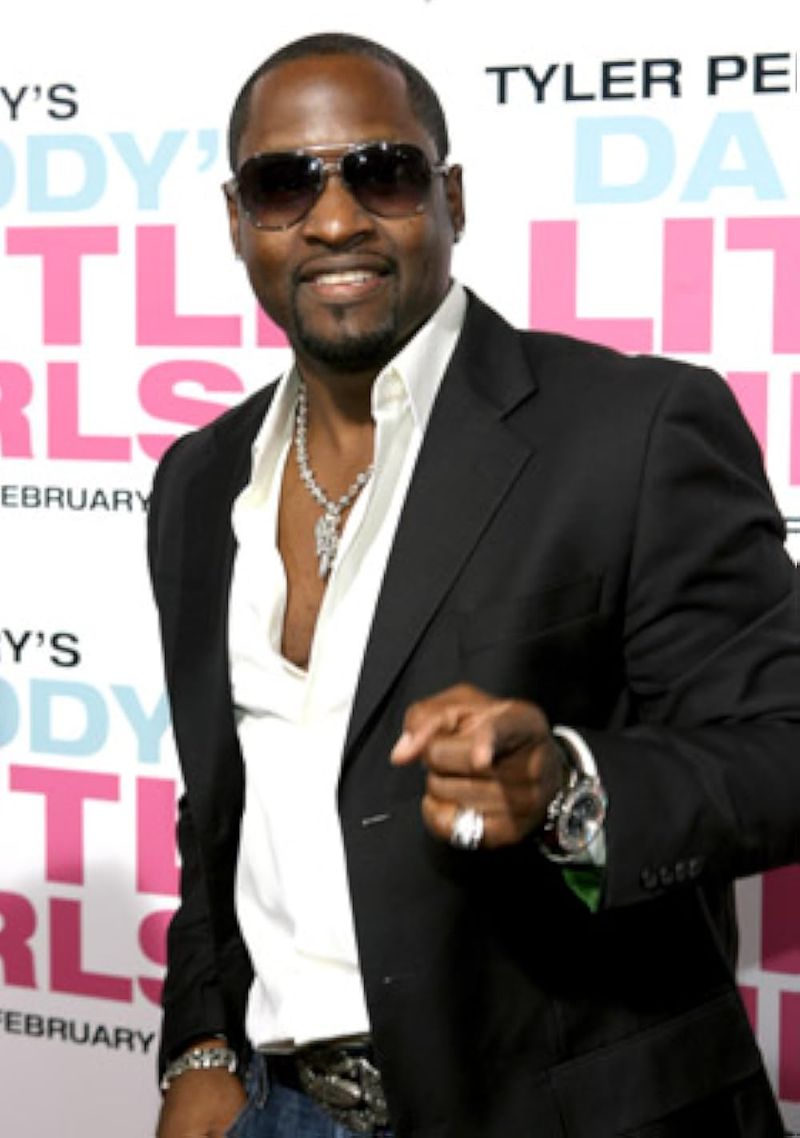
Diving into his solo work with powerhouse vocals, Johnny Gill delivered R&B performances that immediately set him apart from most group alumni.
His self-titled 1990 album produced major hits that resonated on radio and on the charts.
Producers valued his rich tone and emotive delivery.
Listeners embraced the romantic themes woven through his ballads.
A Grammy nomination validated his artistic credibility.
Gill continued building a catalog filled with soulful, adult-contemporary appeal.
Collaborations with notable R&B artists strengthened his legacy.
His ability to thrive both within and outside New Edition marked him as an enduring solo success.
10. Jesse McCartney (Dream Street)

Transitioning from teen-pop group fame to full-fledged solo stardom, Jesse McCartney quickly captured audiences with clean vocals and heartfelt writing.
His breakout hit “Beautiful Soul” became a defining track of early-2000s pop.
Teens and young adults embraced his relatable themes.
He expanded his artistry by co-writing major hits for other performers, including “Bleeding Love.”
Albums maintained strong commercial momentum.
Acting roles and voice work expanded his public presence.
Touring helped him cultivate a loyal fanbase that continued supporting him into adulthood.
McCartney ultimately built a multifaceted career that far outgrew his boy-band beginnings.
11. Michael Jackson (The Jackson 5)
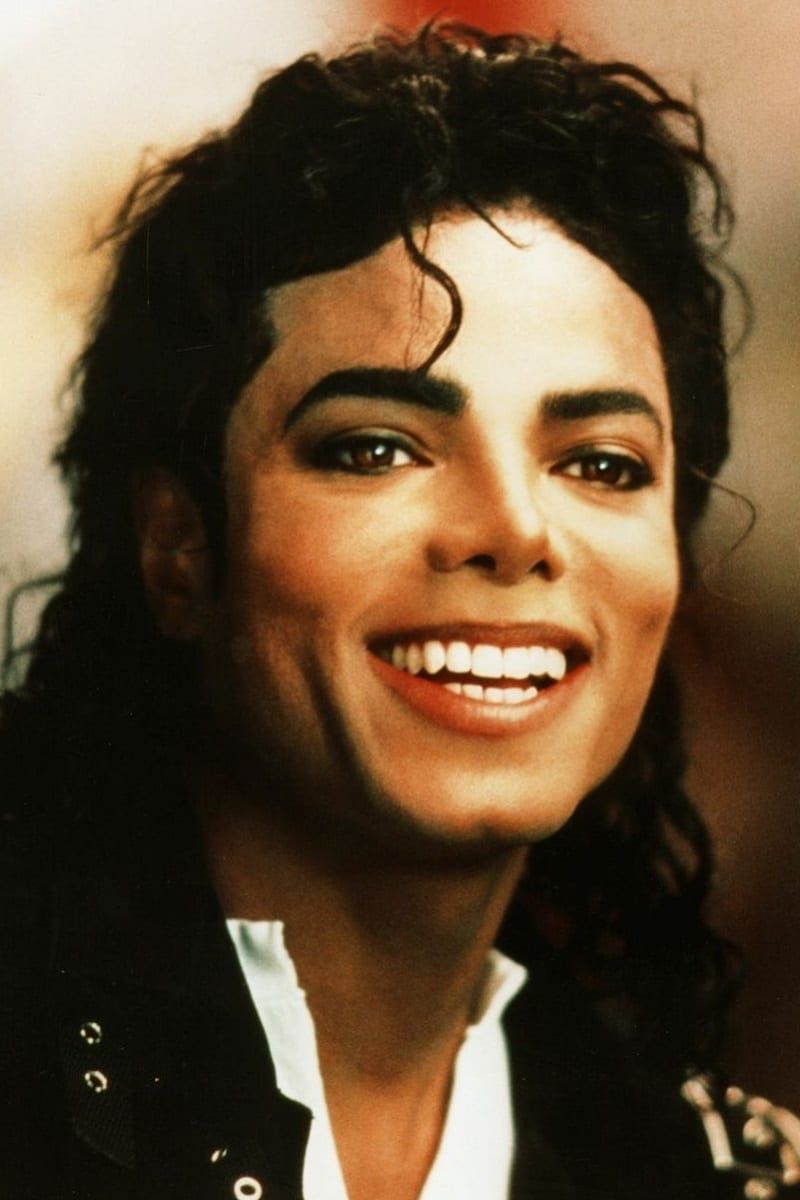
Stepping into global superstardom with unprecedented force, Michael Jackson transformed from the gifted lead singer of The Jackson 5 into the most influential solo artist of the modern era.
His groundbreaking albums blended innovation, emotional power, and unmatched vocal agility.
Songs like “Billie Jean,” “Beat It,” and “Thriller” reshaped pop music’s boundaries.
Award-winning music videos elevated visual storytelling to new artistic heights.
Record sales soared into the hundreds of millions.
Live performances set touring standards that artists still emulate today.
Critical acclaim, cultural impact, and commercial dominance converged.
Jackson ultimately redefined what a solo career could achieve.
12. Ricky Martin (Menudo)
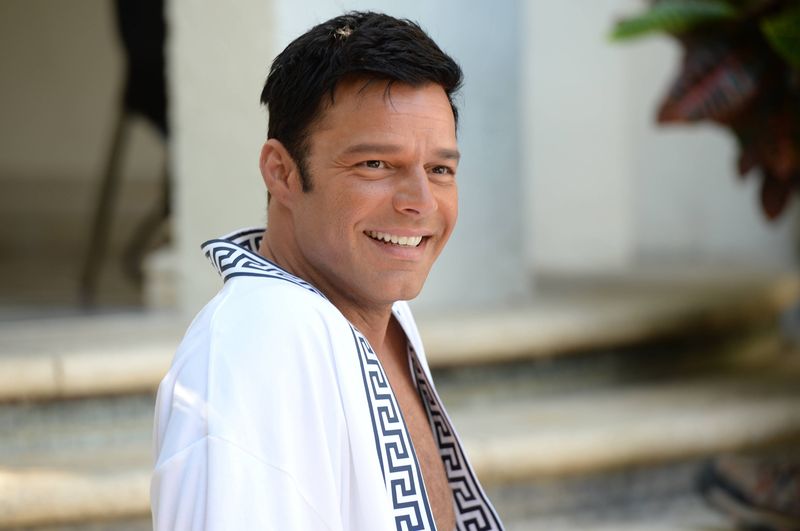
Rising from the global phenomenon of Menudo, Ricky Martin reinvented himself as a dynamic solo artist who brought Latin pop to the world stage.
His charismatic performances blended rhythm, flair, and genre-crossing production.
Hits like “Livin’ la Vida Loca” and “She Bangs” sparked an international wave of bilingual pop.
Audiences embraced his fusion of Latin influences with contemporary pop and rock.
Albums sold millions across multiple continents.
His Grammy and Latin Grammy wins solidified critical respect.
Major tours showcased his high-energy stage presence.
Martin ultimately became a cultural bridge who expanded Latin music’s global reach.
13. Omarion (B2K)
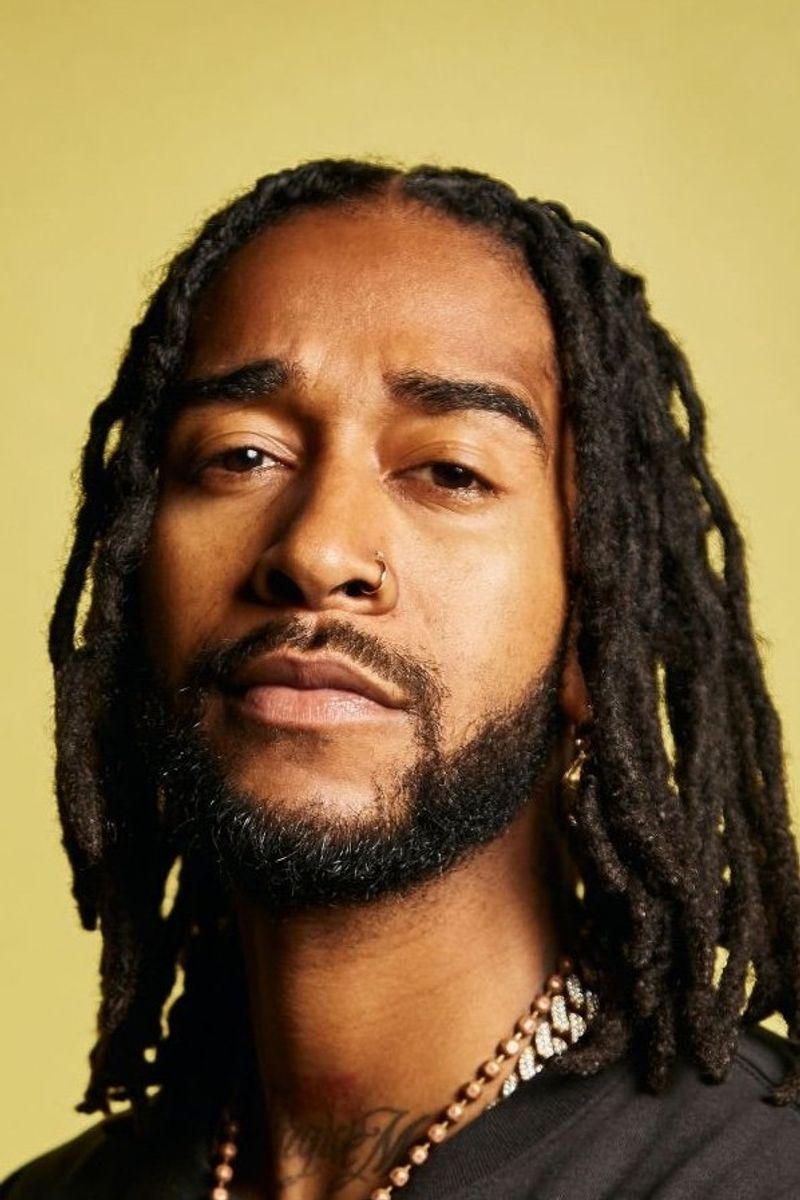
Breaking away from B2K with confident ambition, Omarion launched a solo career that blended smooth vocals with sleek, dance-driven production.
His debut album O entered the Billboard 200 at No. 1, signaling strong support from both fans and critics.
Follow-up singles showcased his R&B versatility and youthful charisma.
Collaborations with major producers expanded his reach.
The hit “Ice Box” became a defining track of mid-2000s R&B.
Awards and nominations affirmed his artistic growth.
Television appearances and touring kept his visibility high.
Omarion ultimately established himself as a consistent solo performer with staying power beyond boy-band fame.
Comments
Loading…