
 Jade Reed
13 Best LGBTQ+ TV Shows Everyone Should Watch at Least Once
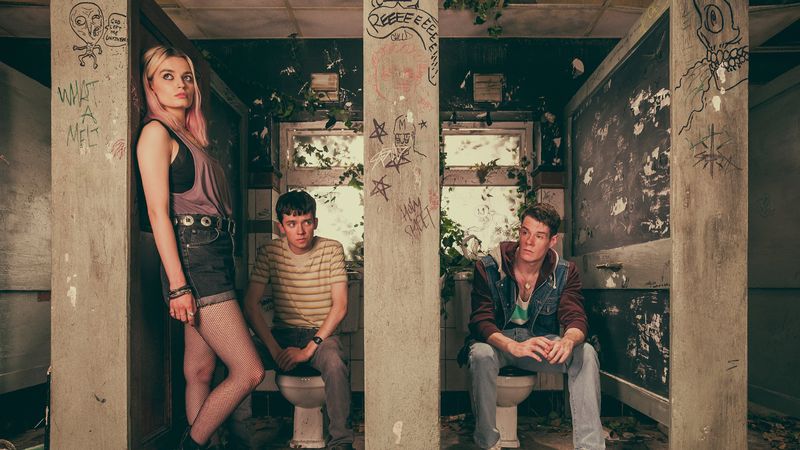
Television has become a powerful space for queer stories to shine, offering characters and narratives that reflect the real experiences of LGBTQ+ people.
From groundbreaking sitcoms that changed primetime forever to intimate dramas exploring identity and belonging, these shows have opened doors and started conversations.
Whether you’re looking for laughs, tears, or just something that feels honest and real, this list covers essential viewing that celebrates queer life in all its messy, beautiful complexity.
1. Glee (2009–2015)
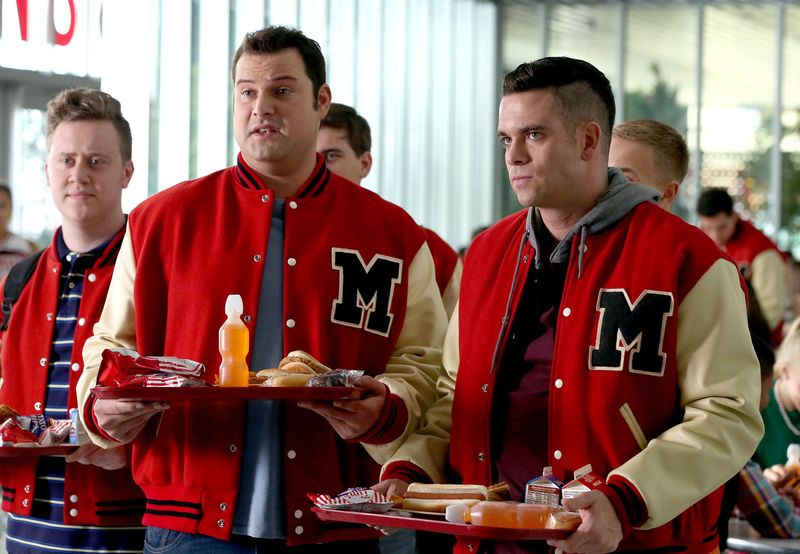
When this show first aired, it felt revolutionary.
High schoolers belting out pop songs while tackling real issues like coming out, bullying, and self-acceptance made for compulsive viewing.
The series brought LGBTQ+ teen characters into millions of homes every week, normalizing their stories through music and drama.
Kurt Hummel’s journey became iconic for a generation of young queer viewers.
His struggles with his dad, his first love, and finding his place felt genuine despite all the theatrical flourishes.
The show wasn’t perfect, but it sparked important conversations.
Glee mixed humor with heartbreak in ways that still resonate today.
Its legacy lives on in how boldly it centered queer youth during a pivotal cultural moment.
2. Banana (2015)
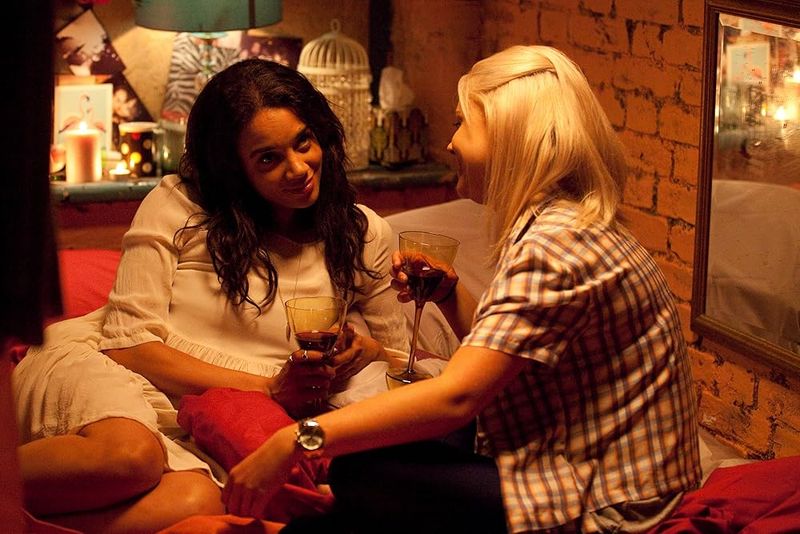
This British gem arrived with a fresh perspective on queer life in Manchester.
Each bite-sized episode focused on different characters navigating hookups, heartbreak, and the messy reality of modern relationships.
The storytelling felt urgent and unfiltered, capturing moments both funny and painfully real.
What made Banana special was its refusal to sanitize queer experiences.
Characters made mistakes, hurt each other, and fumbled through life just like anyone else.
The show trusted viewers to handle complex, flawed people without needing tidy resolutions.
Russell T Davies brought his signature wit and emotional depth to every episode.
If you want something raw and honest about contemporary LGBTQ+ friendship and romance, this delivers beautifully.
3. Sort Of (2021–2023)
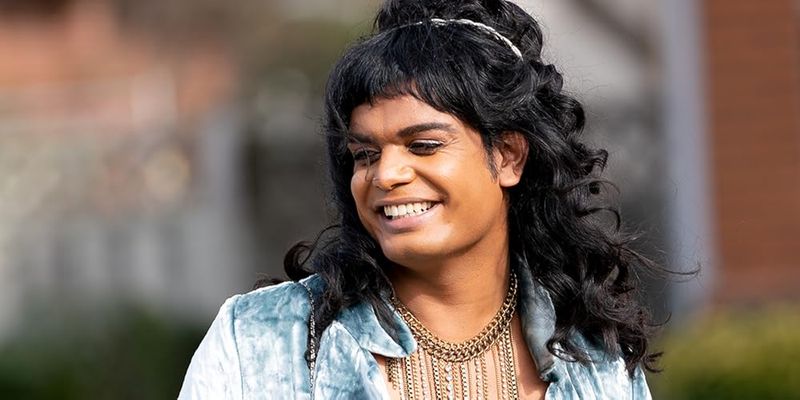
Sabi is trying to figure out who they are while everyone around them has opinions about it.
As a non-binary caregiver juggling family expectations and personal desires, they represent a kind of character rarely seen on screen.
The show handles gender identity with tenderness and humor, never turning Sabi into a teaching moment.
Set in Toronto, the series captures the specific challenges of straddling different worlds.
Sabi moves between their traditional Pakistani family and their chosen queer community, belonging fully to neither yet finding beauty in both.
The writing feels authentic because it comes from lived experience.
Sort Of offers representation that goes beyond tokenism, giving us a protagonist who’s complicated, lovable, and genuinely transformative.
4. Smiley (2022)

Barcelona becomes the backdrop for a charming story about missed connections and second chances.
When Álex and Bruno’s paths keep crossing in increasingly unlikely ways, you can’t help but root for them.
The show captures that electric uncertainty of new romance with genuine warmth.
Modern dating anxiety gets the spotlight here, from overthinking text messages to navigating app culture.
Both characters feel relatable in their insecurities and hopes, making their eventual connection all the more satisfying.
The Spanish setting adds visual richness to an already appealing package.
Smiley proves romantic comedies can still surprise us.
It’s sweet without being saccharine, funny without mocking its characters, and ultimately hopeful about love’s possibilities.
5. Noah’s Arc (2005–2006)
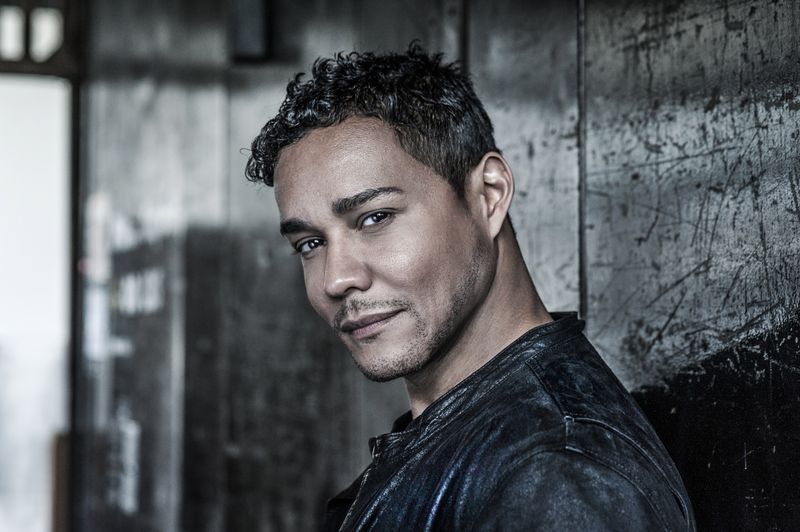
Before this show, Black gay men rarely saw themselves centered in television narratives.
Noah’s Arc changed that by following four friends through their careers, relationships, and everyday dramas in Los Angeles.
The representation felt groundbreaking because it existed at all, let alone with such style and substance.
The friendships at the show’s core rang true, full of support, shade, and unconditional love.
Characters dealt with monogamy, HIV status, and professional ambitions while maintaining bonds that felt unbreakable.
The show treated their lives as worthy of attention and care.
Though it only lasted two seasons, Noah’s Arc left an indelible mark.
It proved there was an audience hungry for stories about queer Black joy and community.
6. We Are Who We Are (2020)
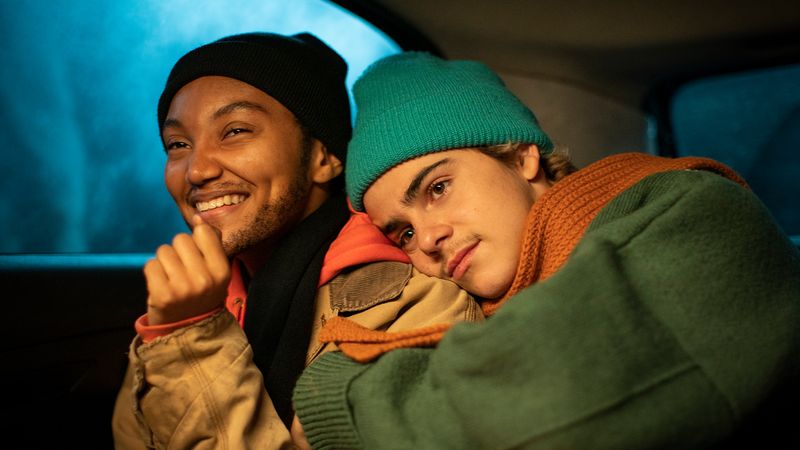
Luca Guadagnino brought his cinematic eye to this exploration of teenage identity and desire.
Set on an American military base in Italy, the show follows Fraser and Caitlin as they navigate friendship, gender, and sexuality with raw confusion.
Nothing feels neat or resolved, which is exactly the point.
The atmosphere drips with tension and possibility.
Every glance and gesture carries weight as these young people try on different versions of themselves.
The Italian setting provides beautiful contrast to the rigid military environment surrounding them.
This isn’t easy viewing, but it’s incredibly rewarding.
We Are Who We Are captures the disorientation of adolescence with uncommon honesty and visual poetry.
7. Everything’s Gonna Be Okay (2020–2021)
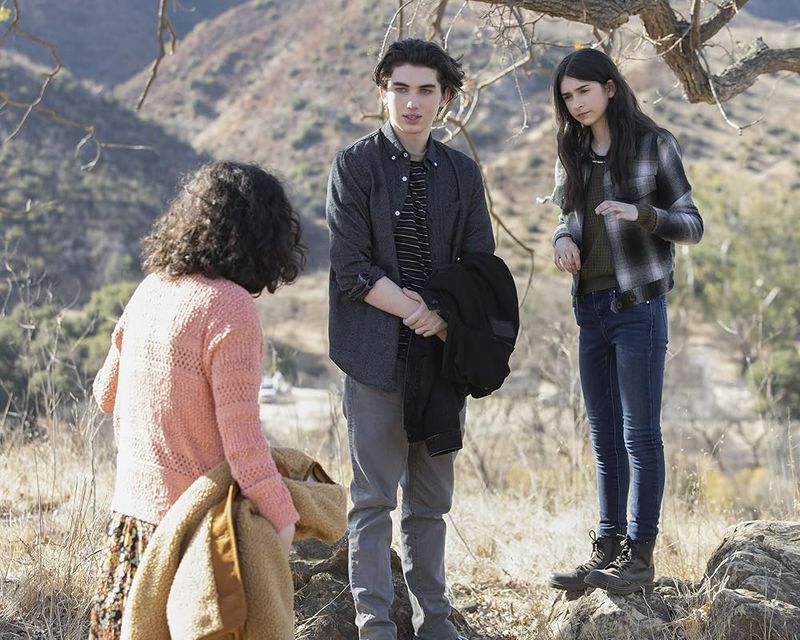
When Nicholas suddenly becomes guardian to his two teenage half-sisters, nobody’s prepared for what comes next.
The show tackles grief, autism, and queer identity with remarkable gentleness and humor.
It refuses to make any of these topics into Very Special Episodes, instead weaving them naturally into daily life.
Matilda, who’s autistic, gets to be a fully realized character with her own desires and agency.
The show treats her dating life and sexuality with the same respect given to any character.
Meanwhile, Nicholas fumbles through adulthood while figuring out his own romantic future.
Everything’s Gonna Be Okay lives up to its title by finding hope without denying pain.
It’s the kind of show that makes you feel less alone.
8. Dead End: Paranormal Park (2022)
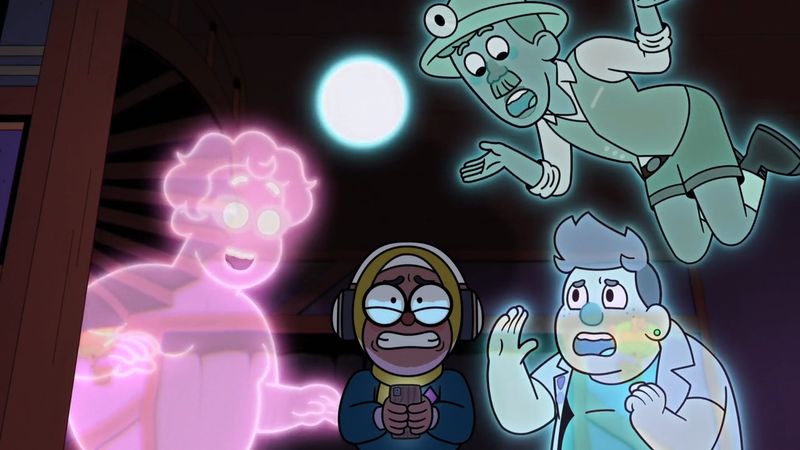
Animation opens doors for representation in unexpected ways.
This supernatural series features Barney, a trans teen working at a haunted theme park alongside his friend Norma.
Together they face demons both literal and metaphorical, all while the show maintains a playful, adventurous tone.
Barney’s trans identity matters to the story without defining every moment.
He gets to be funny, scared, brave, and flawed like any protagonist.
The show includes his experiences naturally while focusing on friendship and monster-fighting adventures.
Dead End proves that inclusive storytelling works across all genres and formats.
It’s genuinely entertaining while offering representation that younger viewers desperately need and deserve to see.
9. Sex Education (2019–2023)
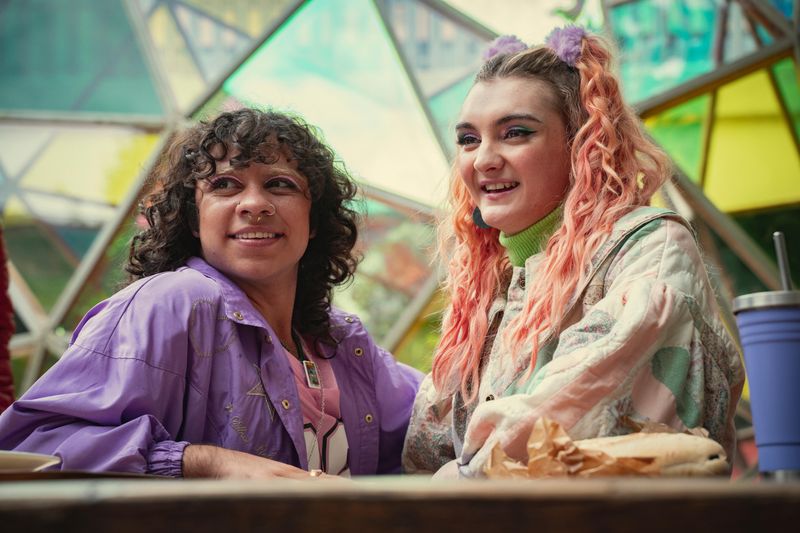
Laurie Nunn’s series tackles teenage sexuality with uncommon honesty and heart.
Set at Moordale Secondary, the show follows Otis and his friends as they stumble through desire, identity, and emotional confusion.
LGBTQ+ storylines are treated as central rather than secondary, woven naturally into the broader narrative.
What sets Sex Education apart is its refusal to shame curiosity or imperfection.
Characters make mistakes, say the wrong things, and hurt each other while trying to figure themselves out.
The show doesn’t offer easy answers, only empathy.
This is funny, awkward, and unexpectedly profound television.
Sex Education captures the messiness of growing up while affirming that self-acceptance is a journey worth taking.
10. Will & Grace (1998–2020)
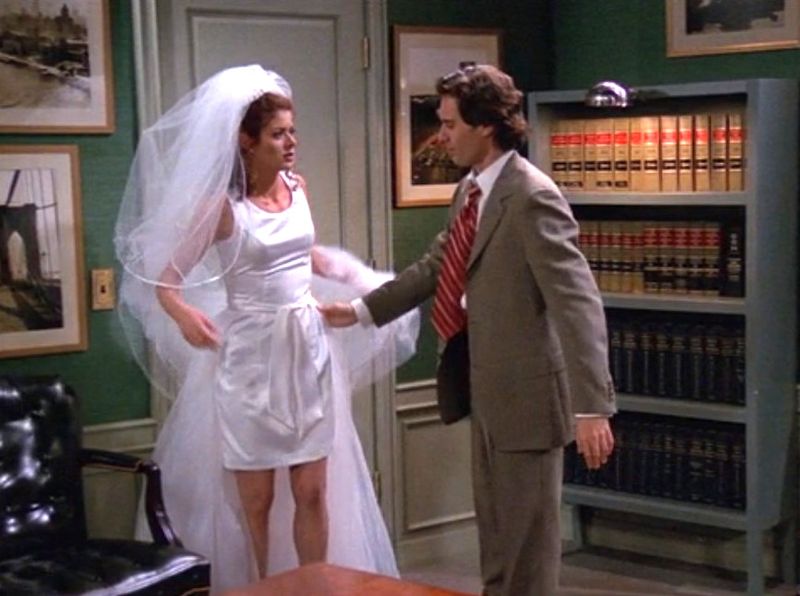
For many Americans, Will and Jack were their first regular exposure to gay characters on television.
The sitcom ran for years on network TV, bringing queer people into living rooms across the country.
Its impact on mainstream acceptance cannot be overstated, even if some aspects feel dated now.
The sharp banter and physical comedy still hold up remarkably well.
The friendships at the show’s core—between Will and Grace, Jack and Karen—provided the emotional foundation for all the jokes.
These relationships felt genuine despite the heightened sitcom reality.
Will & Grace paved the way for everything that came after.
It proved that audiences would embrace LGBTQ+ characters when given the chance.
11. Legendary (2020–2022)
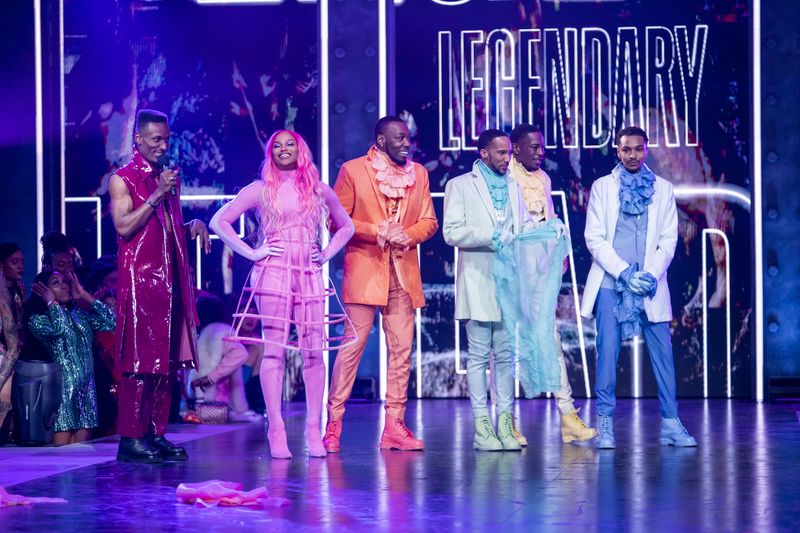
Ballroom culture finally got the mainstream spotlight it deserved with this reality competition.
Houses compete in various categories, showcasing the artistry, athleticism, and creativity that have defined this community for decades.
The performances are absolutely breathtaking, full of precision and passion.
What makes Legendary special is how it honors ballroom’s history and significance.
The show doesn’t just exploit the culture for entertainment—it celebrates the chosen families and self-expression that make ballroom a lifeline for many queer people.
The judges bring knowledge and respect to every critique.
Watching these performers command the runway is pure joy.
Legendary captures excellence and community in equal measure, offering viewers a window into something truly spectacular.
12. Tales of the City (2019)
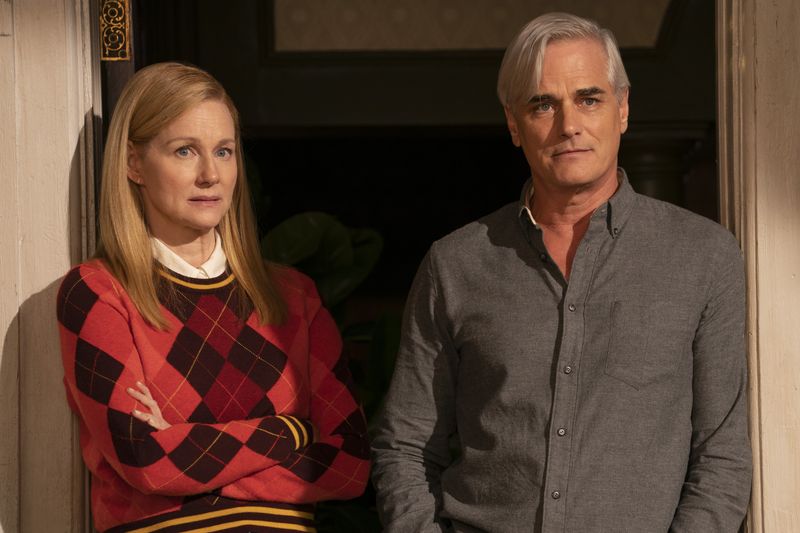
Returning to 28 Barbary Lane felt like coming home for fans of Armistead Maupin’s beloved stories.
This revival brought back familiar characters while introducing new ones, exploring how San Francisco’s queer community has evolved over decades.
The show tackles aging, identity, and belonging with characteristic warmth.
Laura Linney returns as Mary Ann, now facing her own reckonings about choices and regrets.
Meanwhile, younger characters navigate a city transformed by tech money and changing social landscapes.
The generational conversations feel authentic and necessary.
Tales of the City reminds us that queer stories span entire lifetimes.
It’s about finding and keeping your chosen family through every change and challenge life brings.
13. Feel Good (2020–2021)
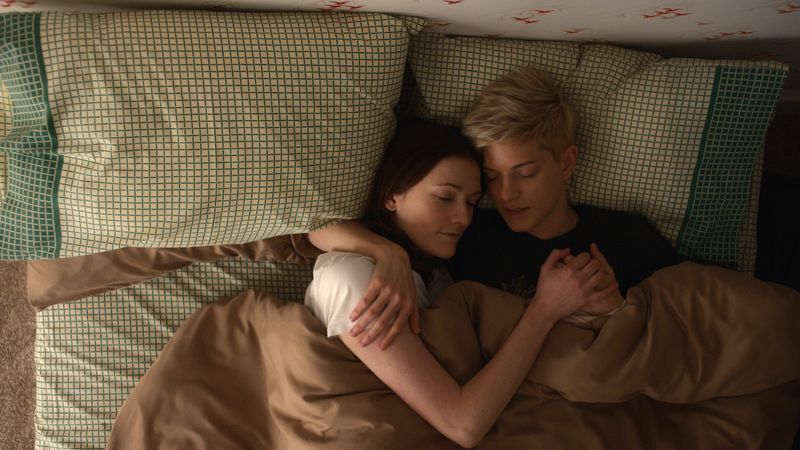
Mae Martin turned their own experiences into something painfully funny and deeply moving.
This semi-autobiographical series explores addiction, trauma, and a complicated romantic relationship with unflinching honesty.
The comedy comes from truth rather than punchlines, making it hit harder when it lands.
Mae’s relationship with George challenges both of them in ways neither expected.
George is questioning her sexuality while Mae struggles with sobriety and old patterns.
The show never offers easy answers or clean resolutions to messy human problems.
Feel Good balances darkness with genuine humor in ways that feel earned.
It’s the kind of show that stays with you long after the credits roll.
Comments
Loading…