
 Jade Reed
13 Beloved ’60s TV Stars Who Chose Life Beyond the Spotlight
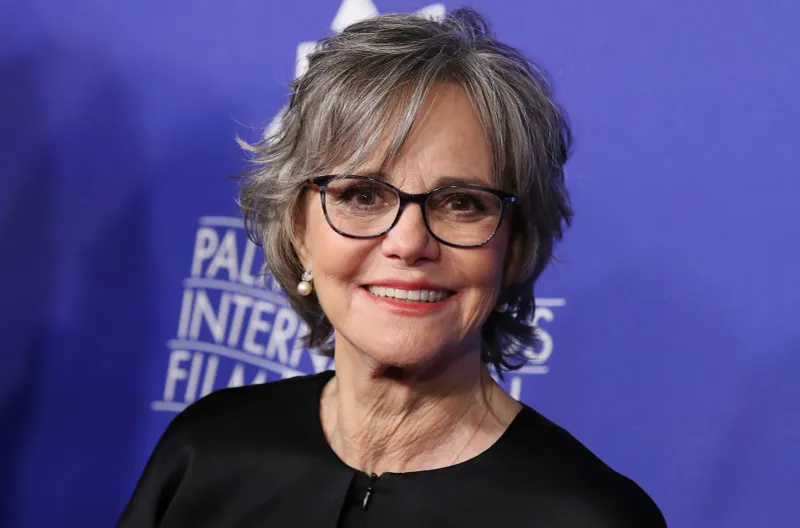
The 1960s brought us some of television’s most unforgettable stars, from Western heroes to sitcom sweethearts.
But fame didn’t always mean forever, and many beloved actors chose surprising new paths when their shows ended.
These 13 performers stepped away from the spotlight to chase dreams, find healing, or simply live life on their own terms.
1. Tina Louise
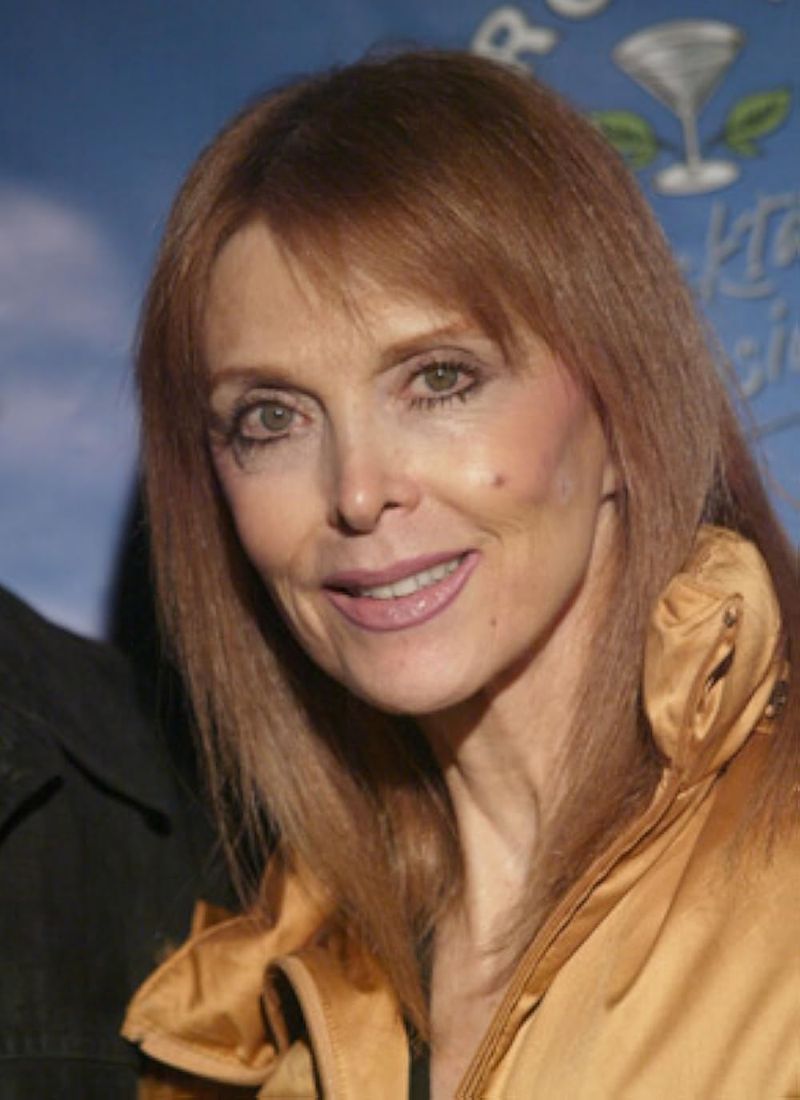
Ginger Grant’s flowing red hair and elegant gowns made Tina Louise a household name on Gilligan’s Island.
Yet the glamorous castaway role became a trap, making it nearly impossible for her to land serious dramatic parts afterward.
Hollywood kept offering her similar characters, but Louise wanted more depth and challenge.
Rather than fight the typecasting forever, she made a bold pivot.
Louise discovered a passion for literacy and children’s education, channeling her energy into writing books for young readers.
Her advocacy work helped countless kids discover the joy of reading, proving her influence reached far beyond a deserted island set.
2. Richard Chamberlain
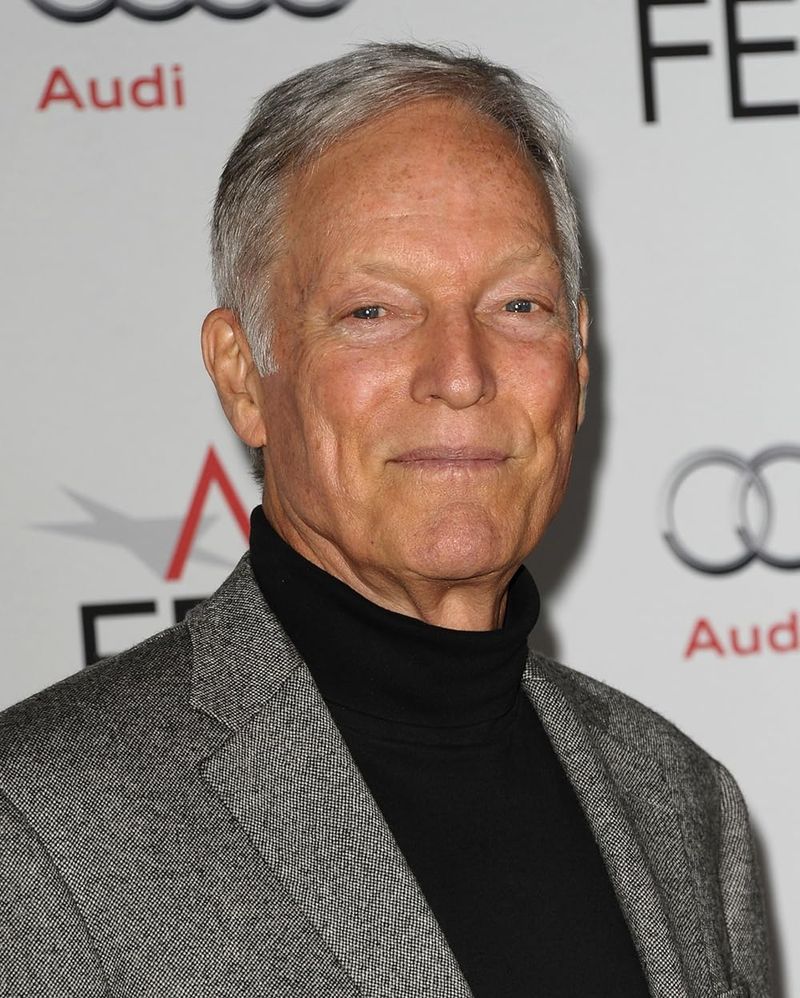
Millions of viewers swooned over Dr. Kildare’s handsome face and caring bedside manner.
Richard Chamberlain became one of the biggest teen idols of the decade, but he felt artistically unfulfilled by the role.
When the medical drama ended, he shocked fans by leaving Hollywood entirely.
England’s prestigious theater scene became his classroom and sanctuary.
Chamberlain studied Shakespearean acting with dedication, transforming himself from a TV heartthrob into a respected classical performer.
His gamble paid off beautifully—later roles in Shogun and The Thorn Birds showcased the depth he’d developed.
Today, he’s remembered not as a faded idol but as an actor who chose growth over easy fame.
3. Patty Duke
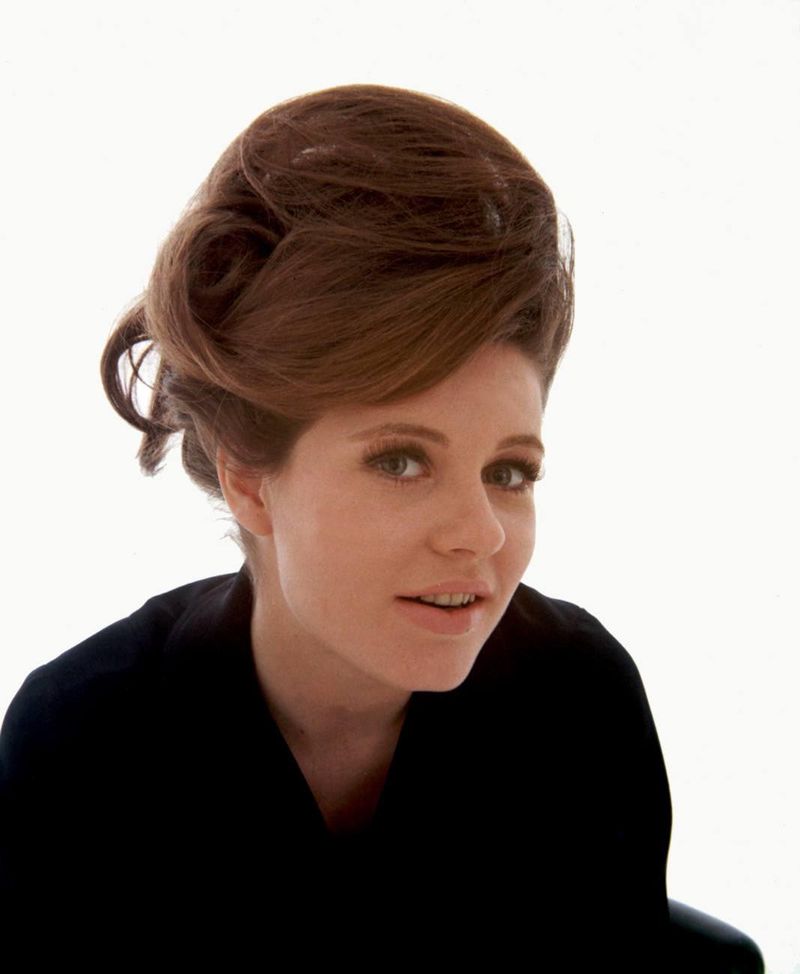
Playing identical cousins on The Patty Duke Show made her a teenage sensation, but behind the scenes, Patty Duke struggled with intense emotional turmoil.
Years later, she received a diagnosis that finally explained her difficulties: bipolar disorder.
This revelation changed everything for her.
Duke courageously shifted her focus from entertainment to education and advocacy.
She spoke openly about mental illness at a time when such honesty was rare and risky.
Her memoir and public appearances helped remove stigma and gave hope to countless people facing similar challenges.
By choosing advocacy over acting, she saved lives and changed conversations about mental health forever.
4. Sally Field
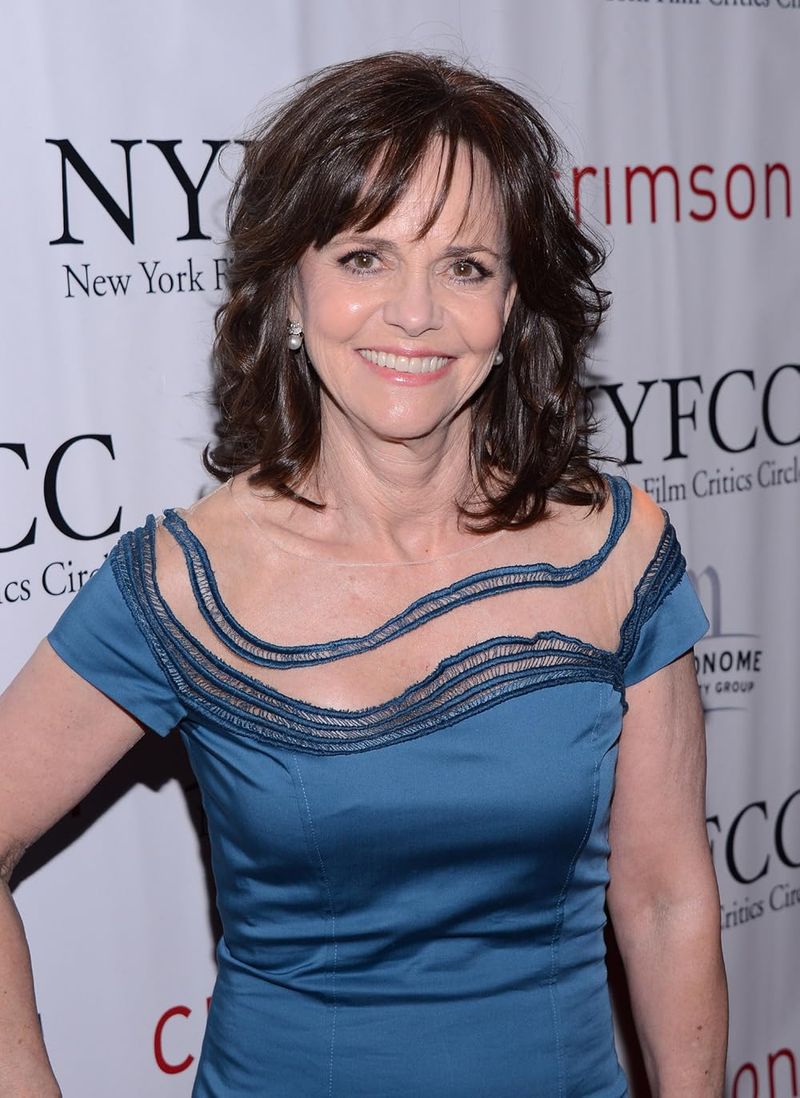
A flying nun and a surfing teenager weren’t exactly serious dramatic material.
Sally Field’s early TV roles on Gidget and The Flying Nun brought laughter but also created a box that threatened to limit her entire career.
Casting directors saw her as cute and perky, nothing more.
Field refused to accept those limitations.
She enrolled in acting classes and studied intensely, determined to prove her range and depth.
The hard work transformed her completely—she eventually won two Academy Awards for powerful dramatic performances.
Her journey from lightweight sitcoms to heavyweight dramas shows what determination and retraining can accomplish.
5. Barbara Eden
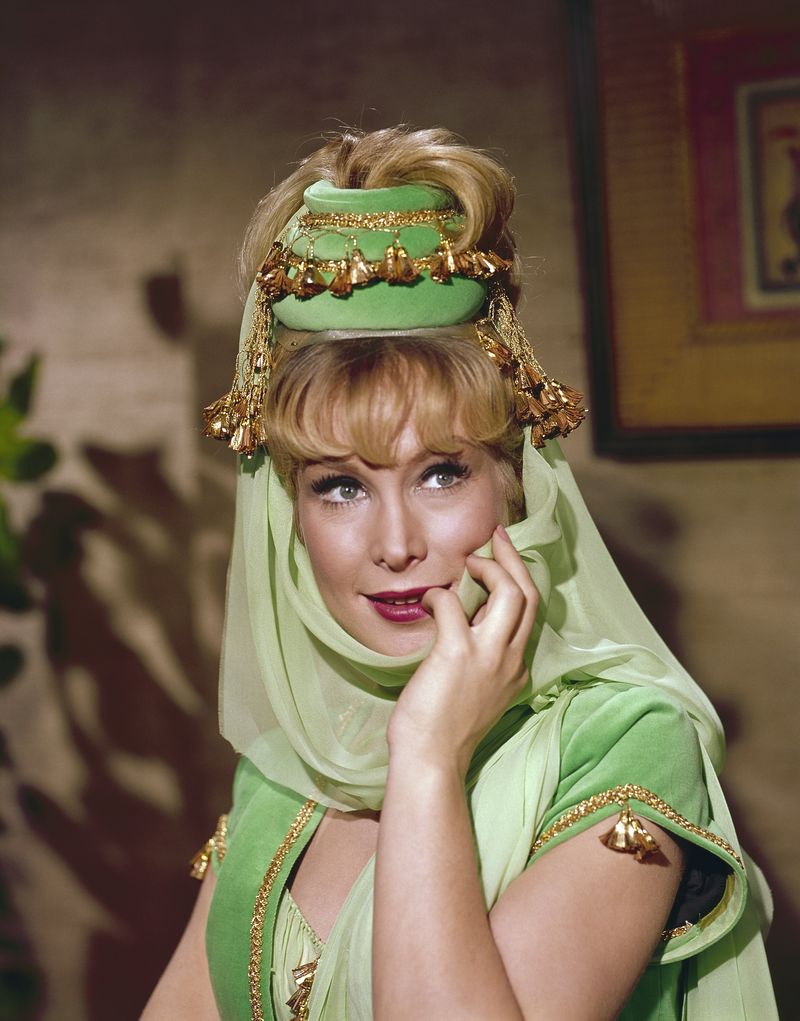
That pink harem outfit and blonde ponytail became instantly iconic when I Dream of Jeannie premiered.
Barbara Eden could have resented being forever associated with a magical genie, but she took a different approach entirely.
Instead of running from her signature role, she embraced it wholeheartedly.
Eden built a remarkable post-show career through stage performances, speaking engagements, and writing projects.
She connected warmly with fans who loved Jeannie, turning nostalgia into opportunity.
Her memoir celebrated the show rather than dismissing it as a career burden.
By honoring her past while moving forward, she created lasting success on her own terms.
6. Diahann Carroll
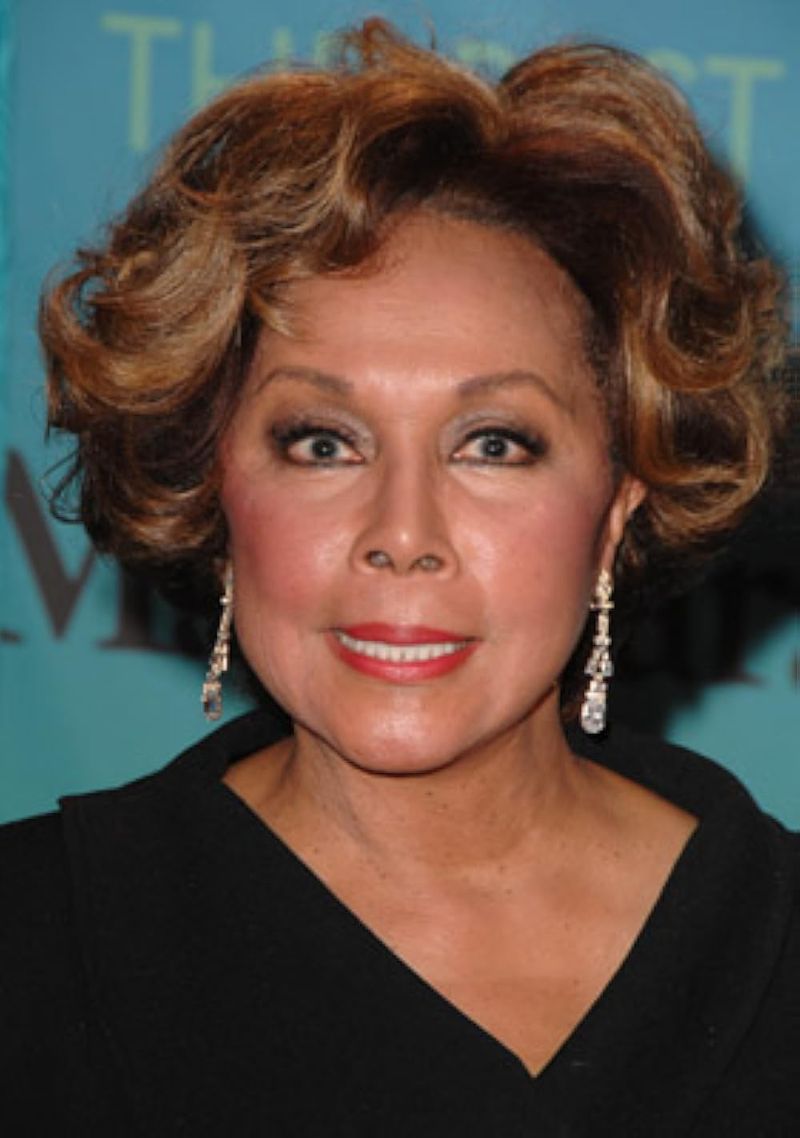
When Julia premiered, Diahann Carroll made history as the first Black woman starring in her own non-stereotypical TV series.
The groundbreaking show opened doors, but Carroll had bigger ambitions than television alone.
She wanted to explore every corner of the entertainment world.
Broadway stages, recording studios, and production offices all became new arenas for her talent.
Carroll’s singing career flourished, and she took on mentorship roles that helped younger performers navigate the industry.
Her producing work and advocacy extended her influence far beyond acting credits.
By diversifying her career, she became a true entertainment icon rather than just a TV star.
7. Jerry Mathers
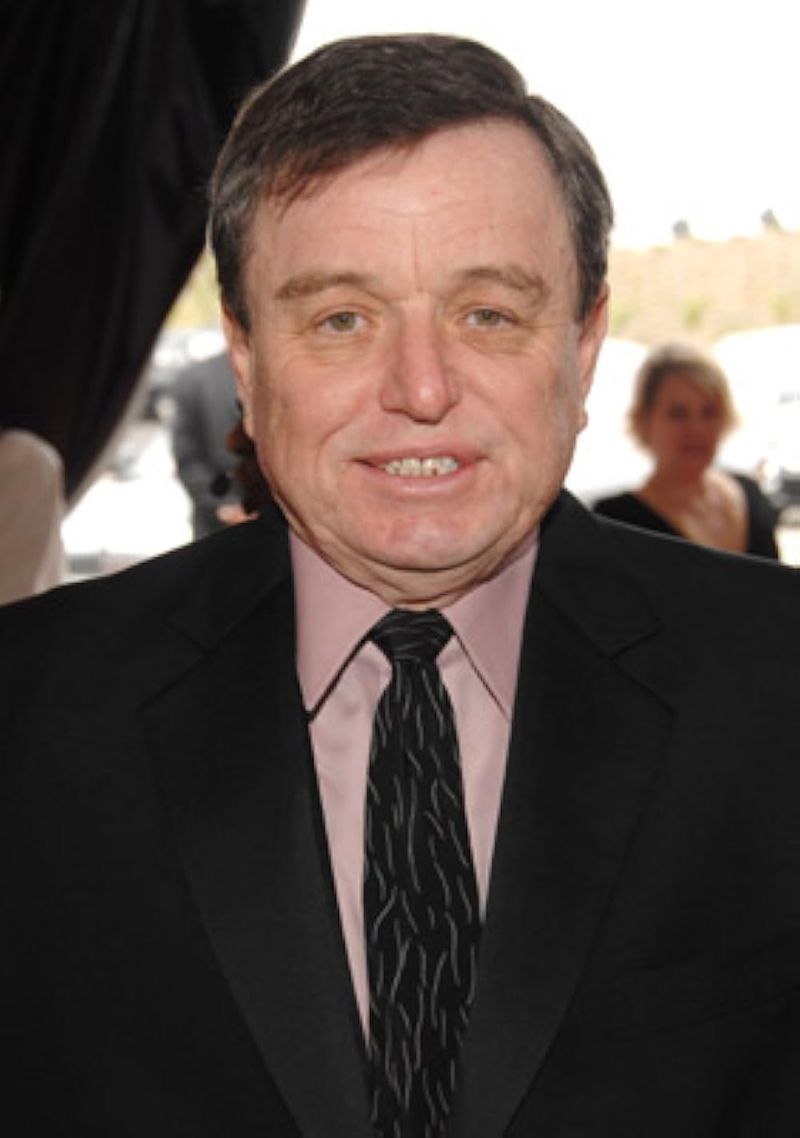
Being the Beaver meant millions knew Jerry Mathers’ face before he even reached his teens.
Child stardom could have defined his entire existence, but Mathers wanted something different.
When Leave It to Beaver ended, he made choices that surprised everyone.
College classes replaced studio sets as he pursued education seriously.
He even served in the Air National Guard, experiencing military life far removed from Hollywood glamour.
Mathers built a business career that had nothing to do with entertainment, proving he could succeed without cameras.
Though he occasionally returned for nostalgic projects, he’d already established a stable, grounded life beyond Beaver Cleaver.
8. Don Grady
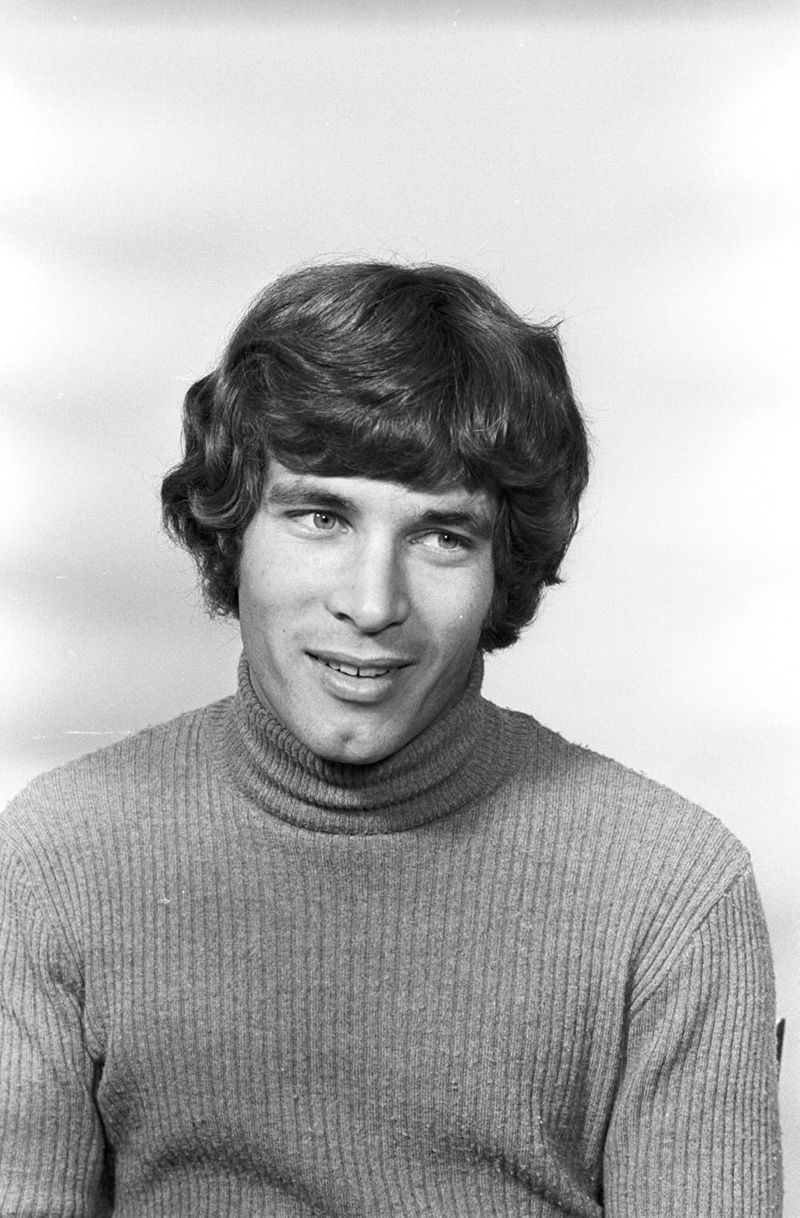
Robbie Douglas on My Three Sons brought Don Grady steady work and recognition throughout the 1960s.
But acting was never his deepest passion—music was.
When the show finally ended, Grady saw his chance to pursue what truly excited him.
He traded scripts for sheet music, becoming a composer and songwriter.
His work appeared in television shows, films, and theatrical productions, showcasing talents the public never knew he possessed.
Grady found fulfillment creating soundtracks rather than performing in front of cameras.
His transition proved that success in one field doesn’t mean you’re stuck there forever, especially when another passion calls louder.
9. Shelley Fabares
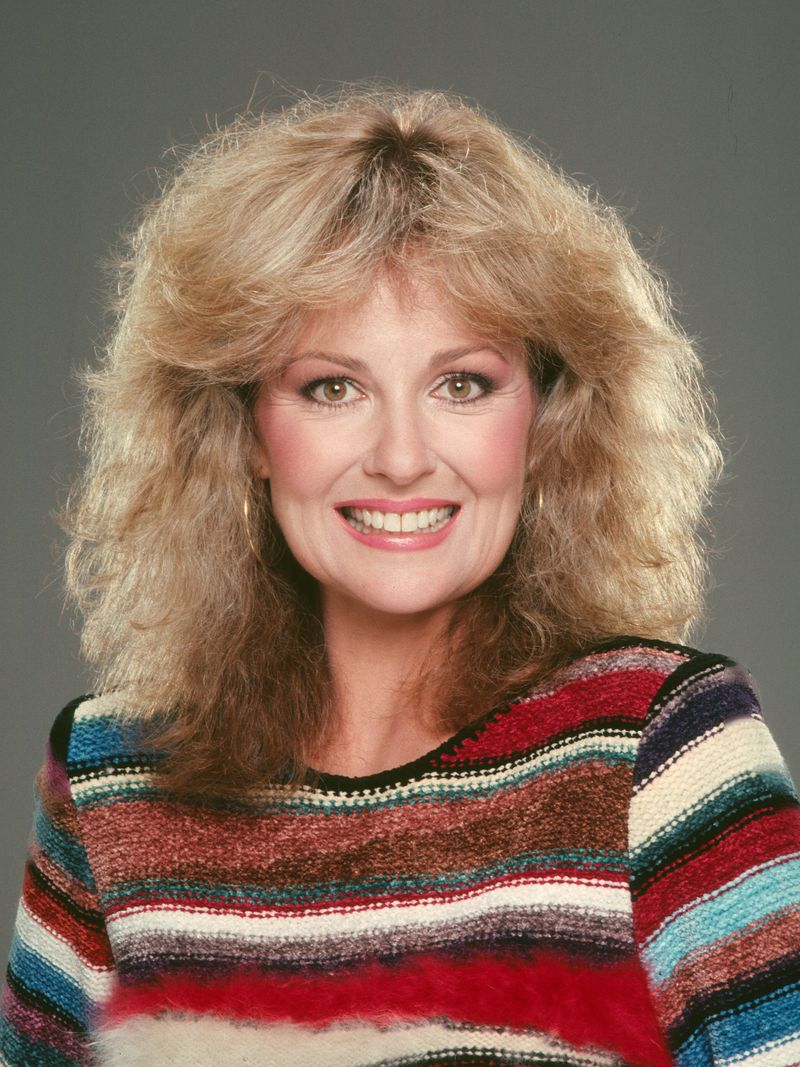
Sweet Mary Stone on The Donna Reed Show and those Elvis movie roles made Shelley Fabares a ’60s sweetheart.
Her career seemed set for typical Hollywood trajectory, but life had different plans.
Health challenges eventually redirected her entire focus.
After receiving a life-saving liver transplant, Fabares became passionate about organ donation awareness.
She used her celebrity platform to educate people about the importance of becoming donors.
Her producing work and voice acting kept her connected to entertainment, but advocacy became her primary mission.
By sharing her personal medical journey publicly, she helped save countless lives through increased donor registration.
10. Paul Petersen
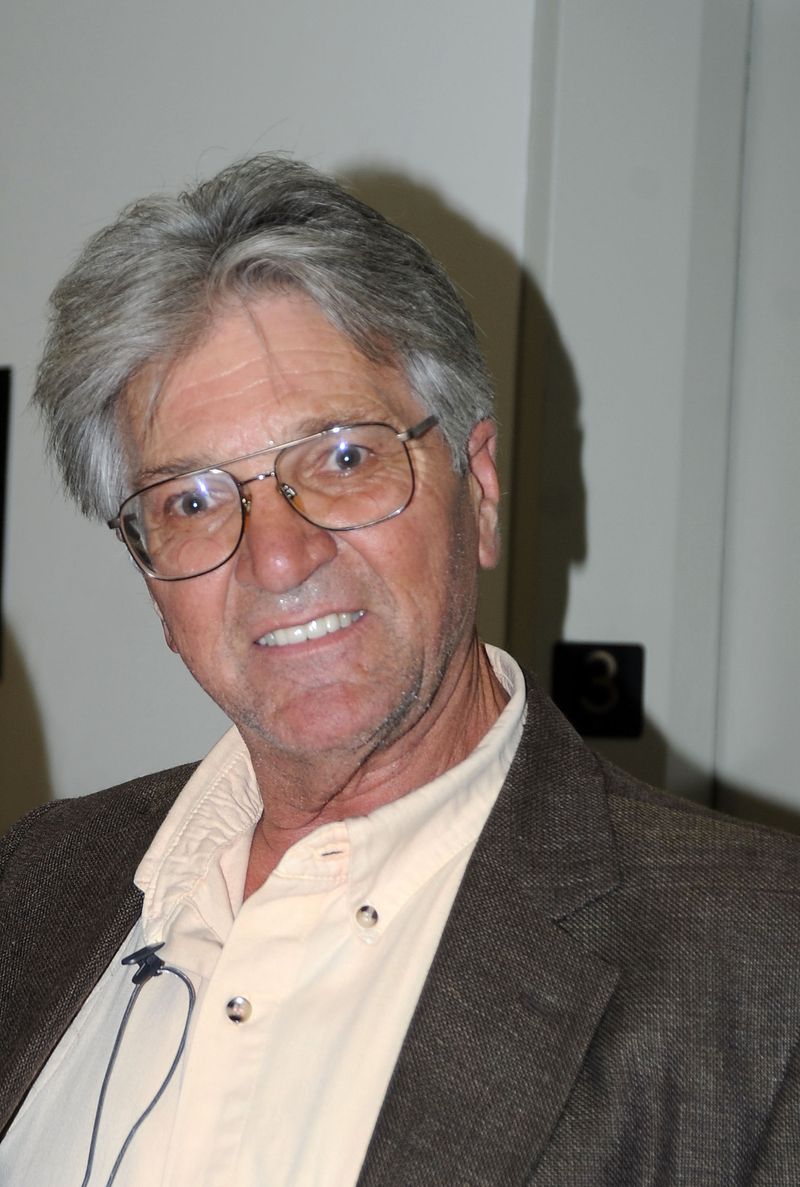
Jeff Stone on The Donna Reed Show seemed like a dream role, but Paul Petersen’s experience as a child actor wasn’t always pleasant.
He witnessed and experienced problems that stayed with him long after the cameras stopped rolling.
Rather than simply move on, he decided to fight back.
Petersen founded A Minor Consideration, a nonprofit dedicated to protecting young performers from exploitation and abuse.
His organization pushed for industry reforms and provided support to struggling former child stars.
By turning his difficult experiences into action, he became a champion for vulnerable kids in entertainment.
His advocacy work ultimately mattered far more than any acting role ever could.
11. Yvonne Craig
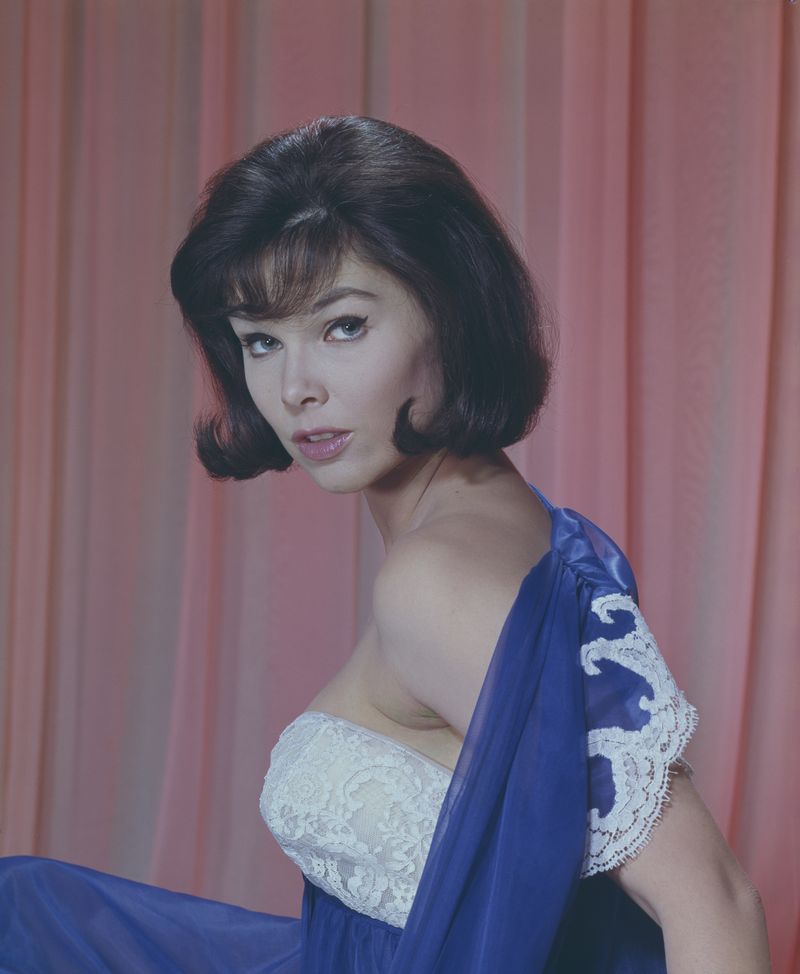
That purple Batgirl costume became an instant symbol of female empowerment when Yvonne Craig joined Batman.
Unfortunately, Hollywood in the late ’60s offered limited opportunities for action heroines.
When interesting roles dried up, Craig refused to settle for parts that didn’t challenge or excite her.
Real estate and public relations became her new battlegrounds, and she succeeded impressively in both fields.
Craig remained connected to fans through conventions and interviews, always advocating for better representation of women in media.
Her willingness to walk away from acting when it no longer served her showed remarkable strength.
She proved that knowing when to leave is sometimes the bravest career move possible.
12. Clint Walker
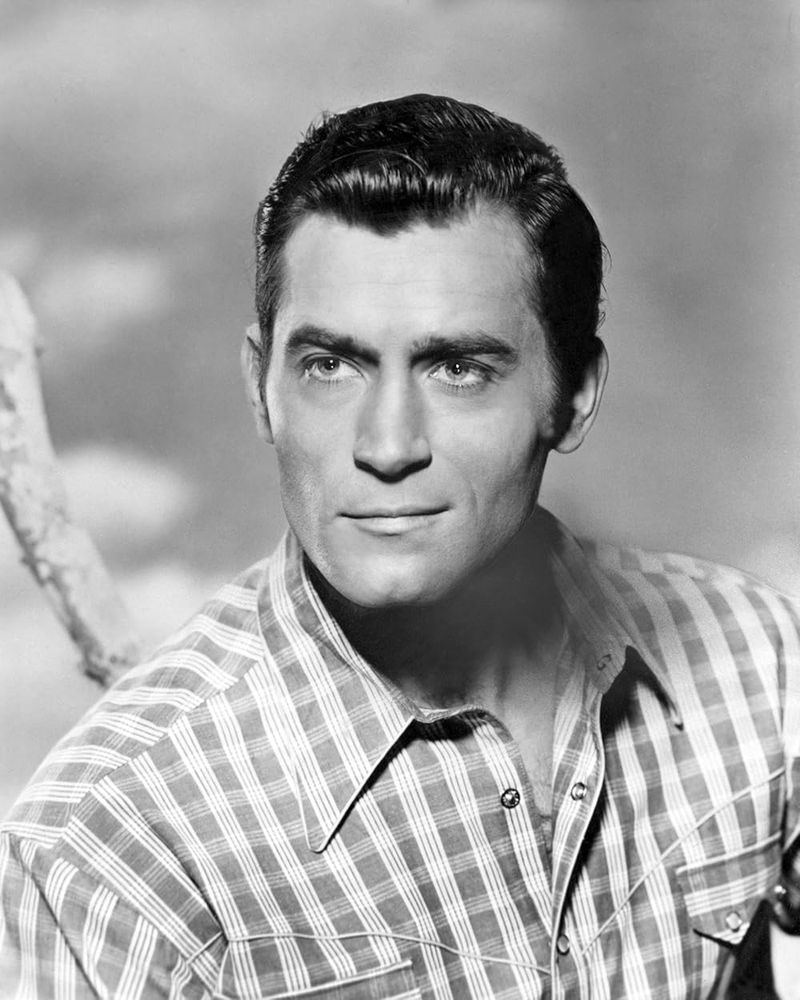
Standing six-foot-six with a powerful build, Clint Walker was born to play Western heroes.
Cheyenne made him a star, but as Westerns faded from popularity, so did his acting opportunities.
Rather than desperately chase diminishing roles, Walker chose a different path entirely.
Fitness, writing, and motivational speaking became his new focus.
He embraced a quieter life away from Hollywood’s demands and pressures.
Walker discovered that he valued personal freedom and self-direction more than continued fame.
His choice to step back demonstrated that success doesn’t always mean staying in the spotlight—sometimes it means knowing when to walk away with dignity intact.
13. Dwayne Hickman

Dobie Gillis’s romantic misadventures entertained millions, with Dwayne Hickman perfectly capturing teenage confusion and hope.
When The Many Loves of Dobie Gillis ended, Hickman could have kept chasing acting roles.
Instead, he discovered a talent for the business side of entertainment.
CBS hired him as a television executive, where he helped develop and shape classic shows.
His behind-the-scenes work influenced television programming for years, touching far more projects than he ever could have as an actor alone.
Hickman’s transition proved that on-camera experience provides valuable perspective for production decisions.
His executive career ultimately made a bigger impact on television history than his acting ever did.
Comments
Loading…