
 Hailey Watson
13 Actors Many Viewers Say Make Movies Hard to Watch
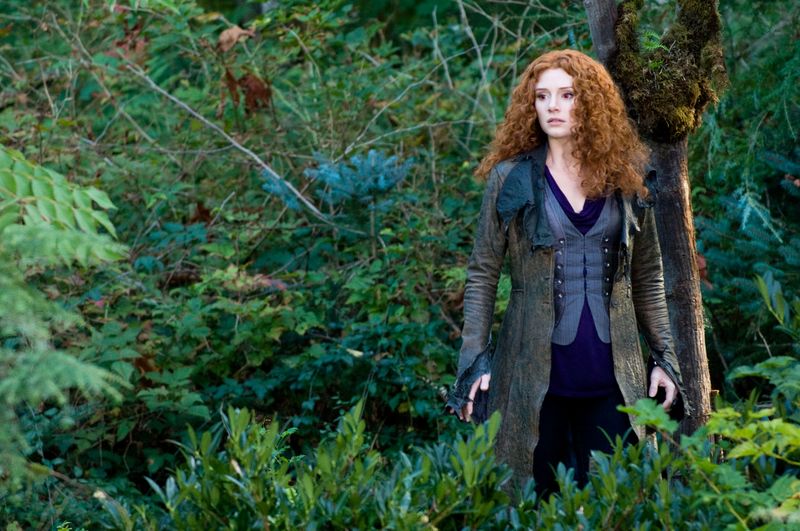
Some actors have the magic touch that makes every movie better.
Others?
Not so much.
Whether it’s awkward acting choices, off-screen drama that’s hard to ignore, or performances that just don’t click with audiences, certain stars have developed a reputation for making films tougher to enjoy.
Let’s explore thirteen actors who frequently appear on viewers’ lists of performers that challenge their movie-watching experience.
1. Steven Seagal
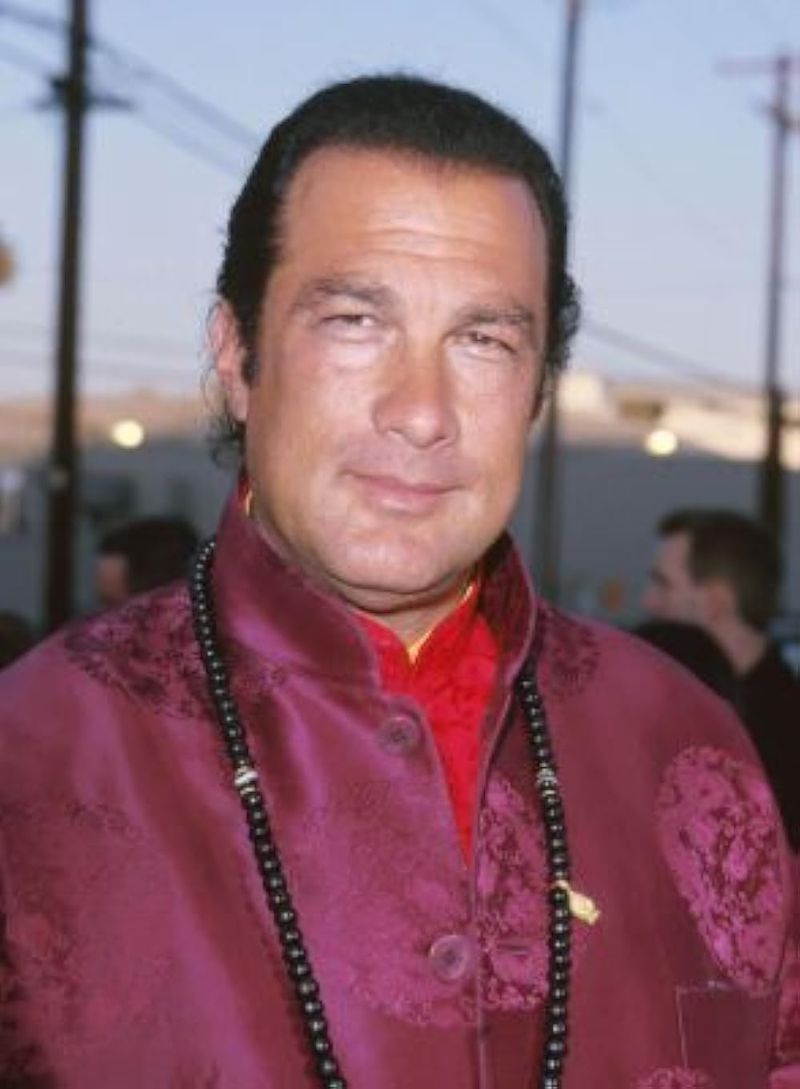
Monotone delivery and stiff body language define Seagal’s on-screen presence.
His martial arts background promised exciting action sequences, but viewers often find his performances lacking emotional depth.
Every character feels identical, whether he’s playing a cop, soldier, or secret agent.
Critics point to his expressionless face throughout intense scenes.
When danger strikes or love blooms, his reaction remains unchanging.
This wooden approach pulls audiences out of the story rather than drawing them in.
His later direct-to-video releases amplified these issues.
Budget constraints couldn’t hide the fundamental performance problems that had always existed beneath the surface.
2. Adam Sandler in Dramatic Roles
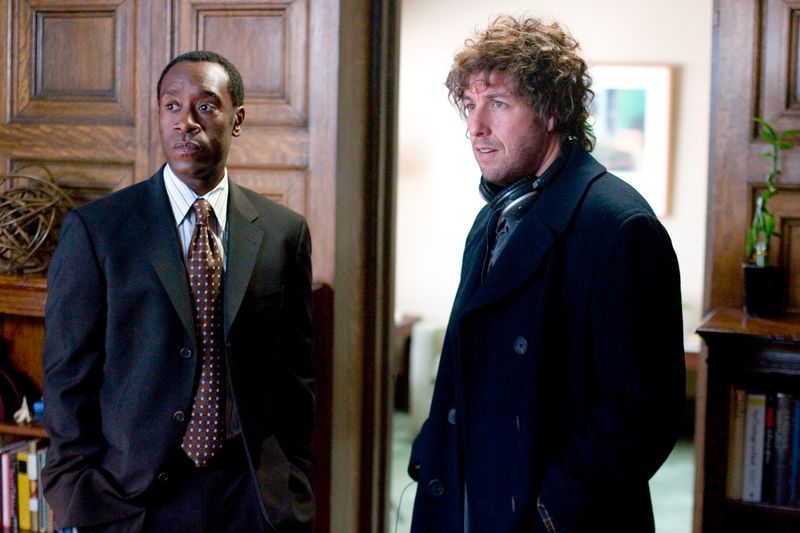
Comedy comes naturally to this Saturday Night Live veteran, but serious roles reveal uncomfortable limitations.
Audiences struggle when he abandons his goofy persona for heavy emotional material.
The shift feels forced, like watching a class clown try to deliver a eulogy.
Films like “Jack and Jill” showed his comedy could miss the mark too.
Yet dramatic misfires hit differently because they expose range issues.
Viewers see an actor stretching beyond his comfort zone without the skills to land safely.
Some exceptions exist—”Uncut Gems” earned genuine praise.
However, these successes feel like outliers rather than proof of consistent dramatic ability that matches his comedic talent.
3. Megan Fox
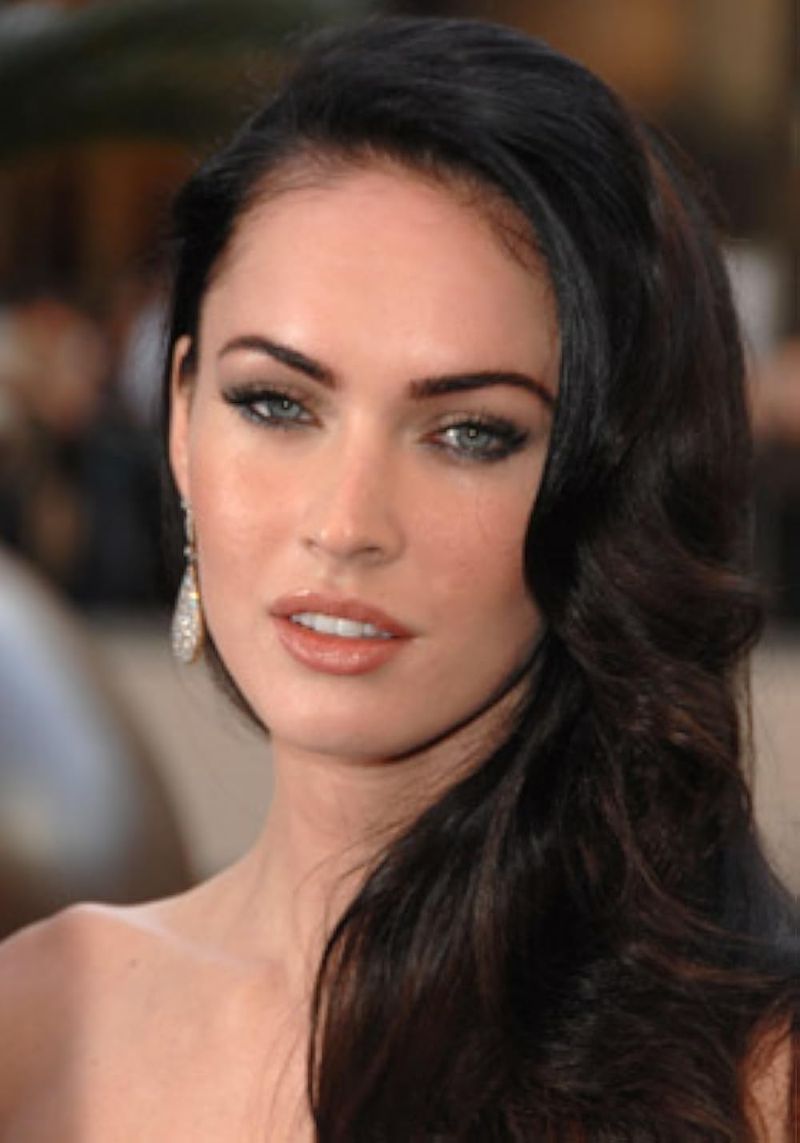
Hollywood cast her primarily for appearance rather than acting ability.
This created a shallow foundation that crumbled under scrutiny.
Her characters rarely develop beyond surface-level traits, leaving audiences disconnected from the emotional stakes.
Dialogue delivery often sounds rehearsed rather than natural.
Lines that should convey urgency or vulnerability come across flat.
Directors seemed content with her looking good on camera rather than demanding compelling performances.
“Transformers” made her famous but also highlighted these weaknesses.
Giant robots couldn’t distract from unconvincing reactions to world-ending threats.
Her limited range became increasingly obvious across multiple franchise installments.
4. Jared Leto
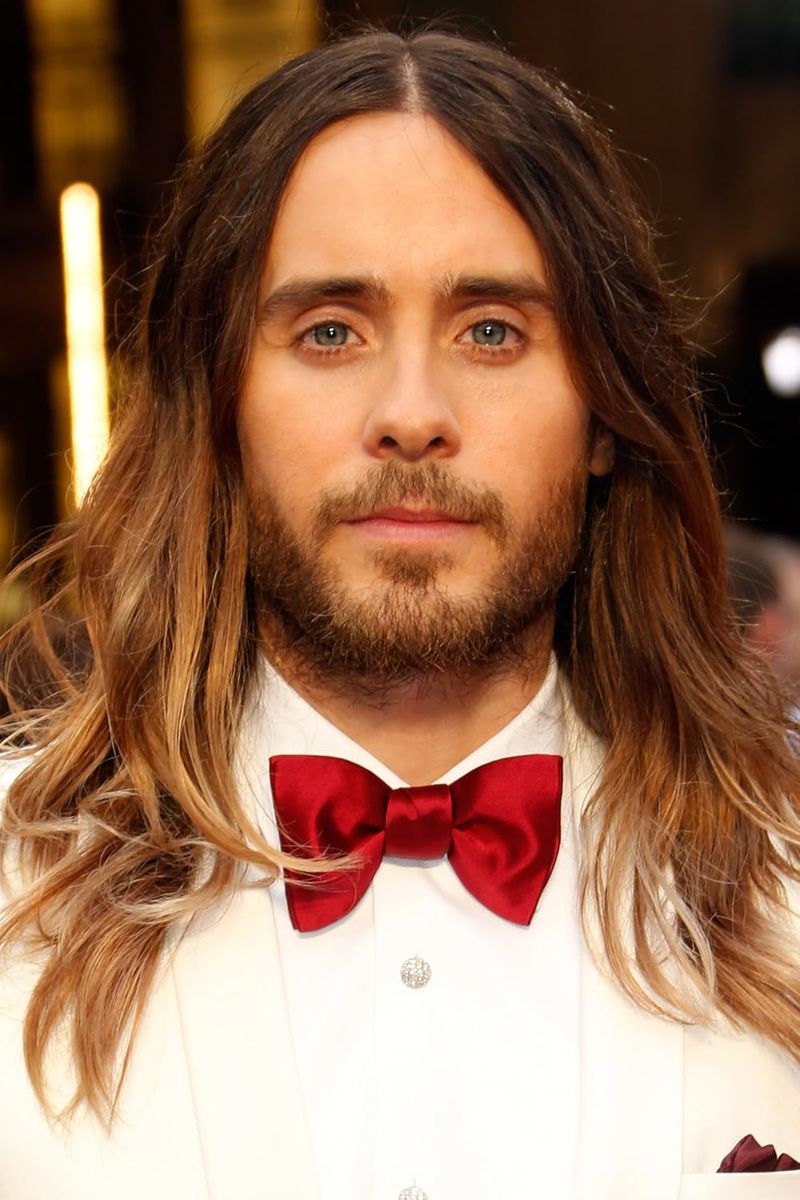
Method acting taken to extremes defines his controversial approach.
Stories of bizarre on-set behavior during “Suicide Squad” disturbed castmates and audiences alike.
Sending dead rats to co-stars crosses the line from dedication to distraction.
His Joker portrayal divided fans sharply.
Some appreciated the fresh interpretation, while many found it insufferable and over-the-top.
The character’s limited screen time felt like a mercy to detractors.
Off-screen controversies add another layer of discomfort.
Allegations and odd public behavior make separating the performer from the performance nearly impossible.
Viewers find themselves thinking about tabloid headlines rather than the story unfolding.
5. Nicolas Cage in Over-the-Top Roles
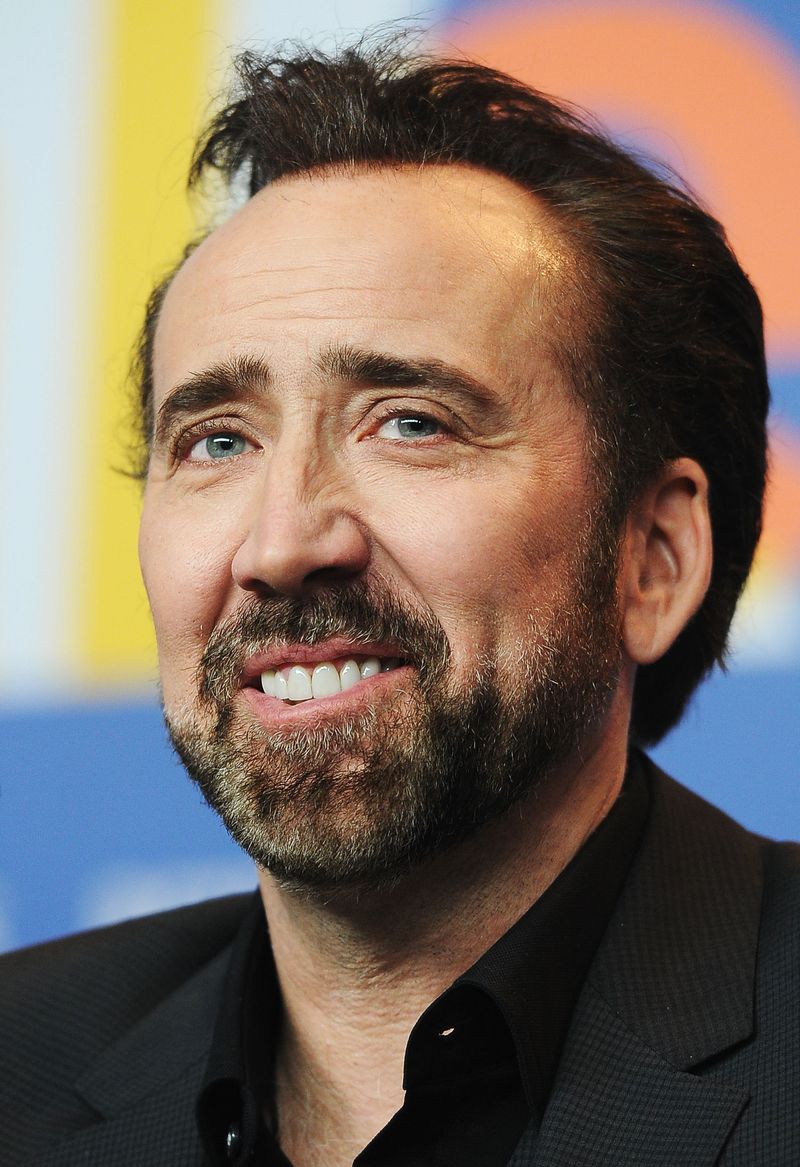
Wild-eyed intensity and screaming fits became his unfortunate trademark.
Early career gems like “Leaving Las Vegas” showcased real talent.
Somewhere along the way, restraint vanished completely from his toolkit.
Financial troubles led to accepting virtually any role offered.
Quality control disappeared, resulting in bizarre performances in forgettable films.
His face contorting in exaggerated anguish became a meme rather than compelling drama.
Tonal whiplash defines his worst work.
Serious scenes suddenly explode into cartoonish overacting.
Directors either couldn’t control him or didn’t try, leaving audiences wondering what movie they’re actually watching.
6. James Corden
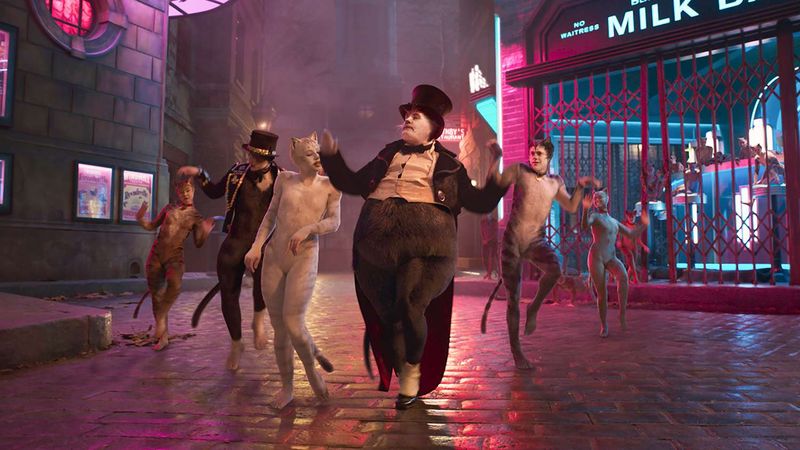
Obnoxious energy overwhelms every scene he inhabits.
His “Cats” performance became instantly infamous for all the wrong reasons.
The digital fur couldn’t hide the grating quality of his interpretation.
Talk show success didn’t translate to film credibility.
Audiences familiar with his television persona found it impossible to see characters instead of just James Corden playing dress-up.
His distinctive mannerisms bleed through every role.
“The Prom” doubled down on everything viewers found annoying.
Broad gestures and forced enthusiasm replaced genuine emotion.
Critics and audiences united in their negative response to his exhausting screen presence.
7. Tommy Wiseau

“The Room” achieved legendary status for being spectacularly terrible.
Wiseau’s bizarre accent, inexplicable line readings, and wooden expressions created unintentional comedy gold.
Fans celebrate the disaster rather than the intended drama.
Nobody quite understands his creative vision or background.
This mystery adds to the fascination but doesn’t make his acting any easier to watch sincerely.
Every scene feels like performance art from another dimension.
Cult following embraced the awfulness with midnight screenings.
Yet this ironic appreciation proves the point—people watch to laugh at him, not with him.
His unique anti-talent makes conventional viewing impossible.
8. Shia LaBeouf
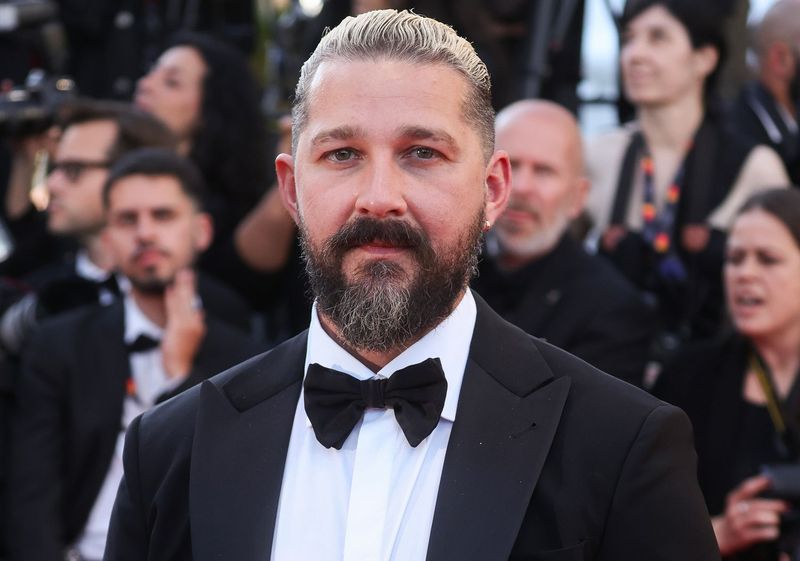
Public meltdowns and bizarre performance art projects overshadow his actual film work.
Wearing a paper bag over his head at a premiere signaled something had gone seriously wrong.
Audiences couldn’t focus on his roles while worrying about his mental state.
Plagiarism scandals damaged his credibility further.
Copying other artists’ work for his short film revealed troubling character issues.
Trust evaporated between him and viewers who once rooted for the child star.
His intense method approach sometimes yielded strong performances.
However, the baggage accompanying each new release made casual viewing difficult.
Entertainment value competed with concern and secondhand embarrassment.
9. Jennifer Lopez
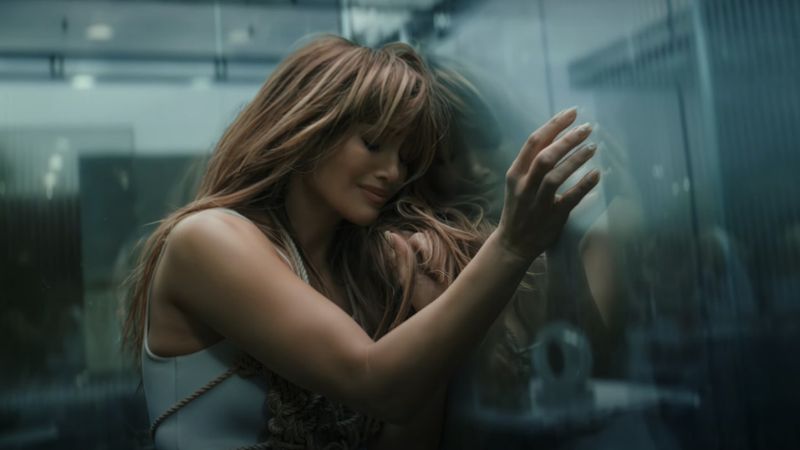
Massive celebrity status makes character immersion nearly impossible.
Viewers see J.Lo the brand rather than the person she’s portraying.
Her real-life persona looms too large to disappear into roles convincingly.
Musical talent doesn’t automatically translate to acting ability.
While she’s delivered adequate performances, true range remains elusive.
Romantic comedies play to her strengths, but dramatic depth often feels manufactured.
Media saturation compounds the problem.
Constant tabloid coverage, business ventures, and public relationships keep her personal life front and center.
Audiences struggle to forget the celebrity and embrace the character she’s attempting.
10. Pete Davidson
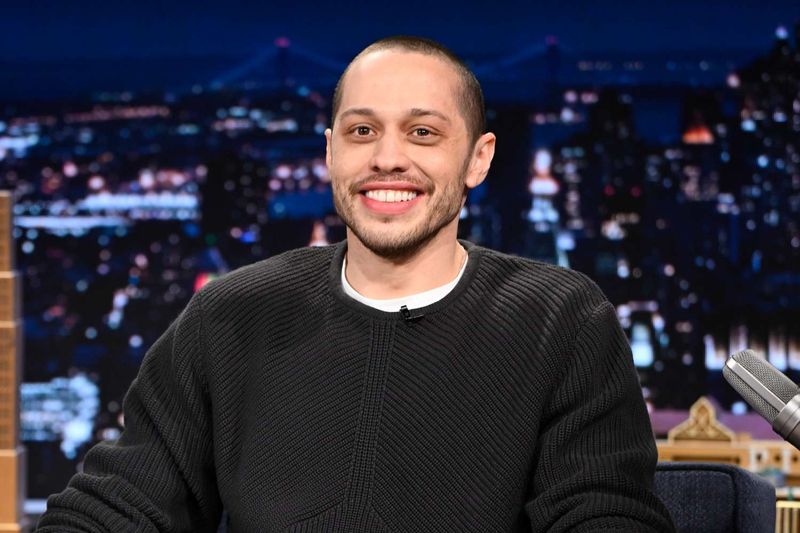
Self-aware humor that works on SNL becomes grating in feature films.
His characters feel like slight variations of his stand-up persona.
Breaking the fourth wall with knowing glances reminds everyone they’re watching Pete Davidson, not an actual character.
High-profile relationships generate more headlines than his movies.
Dating celebrities keeps him in gossip columns but undermines his credibility as a serious performer.
Audiences bring preconceptions based on his love life rather than his work.
Tattoo-covered appearance limits casting options significantly.
Every role requires audiences to accept why this specific-looking person exists in that story world.
The visual distraction proves difficult to overcome.
11. Bryce Dallas Howard
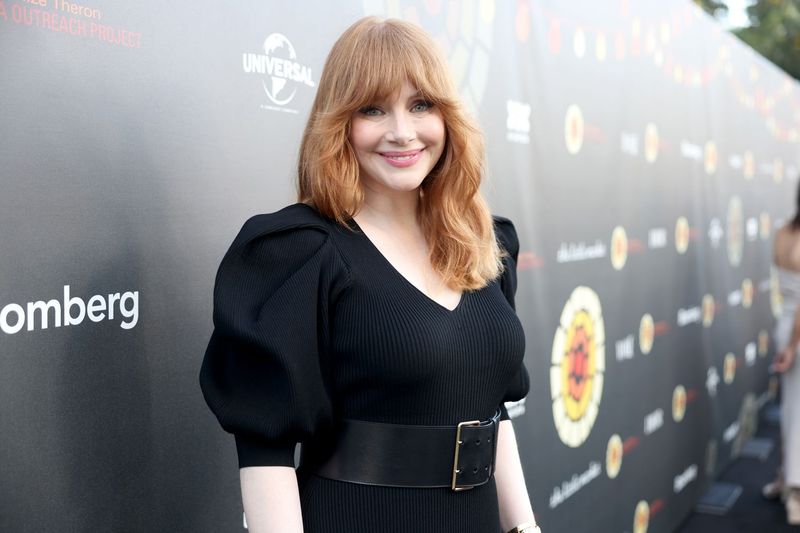
Miscasting in “The Twilight Saga” set an unfortunate precedent.
Replacing Rachelle Lefevre as Victoria required dark, threatening energy.
Howard brought neither the menace nor the continuity the role desperately needed.
“Jurassic World” showcased similar issues with her character’s infamous high heels.
Running from dinosaurs in impractical footwear became a symbol of poor creative choices.
Her performance couldn’t overcome the ridiculous wardrobe decision.
Famous director father Ron Howard casts a long shadow.
Nepotism accusations follow her career, fair or not.
Audiences sometimes question whether talent or connections landed her major roles, adding skepticism to viewing experiences.
12. Russell Crowe as Zeus
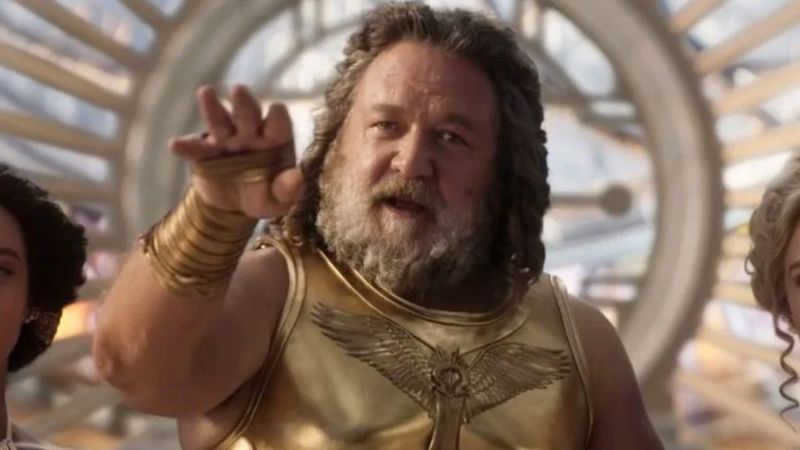
“Thor: Love and Thunder” featured a truly baffling performance choice.
Crowe’s interpretation of Zeus included an inexplicable accent and campy delivery that clashed with the film’s tone.
Viewers couldn’t tell if the joke was intentional or a miscalculation.
Past excellence in “Gladiator” makes this downfall particularly painful.
The commanding presence that won an Oscar seemed to vanish completely.
What remained felt like a parody of acting rather than actual craft.
Age and weight gain shouldn’t matter, but the role required godly authority.
Instead, audiences got uncomfortable comedy that landed with a thud.
Even Marvel fans who enjoy silly moments found this portrayal too much to stomach.
13. Liv Tyler
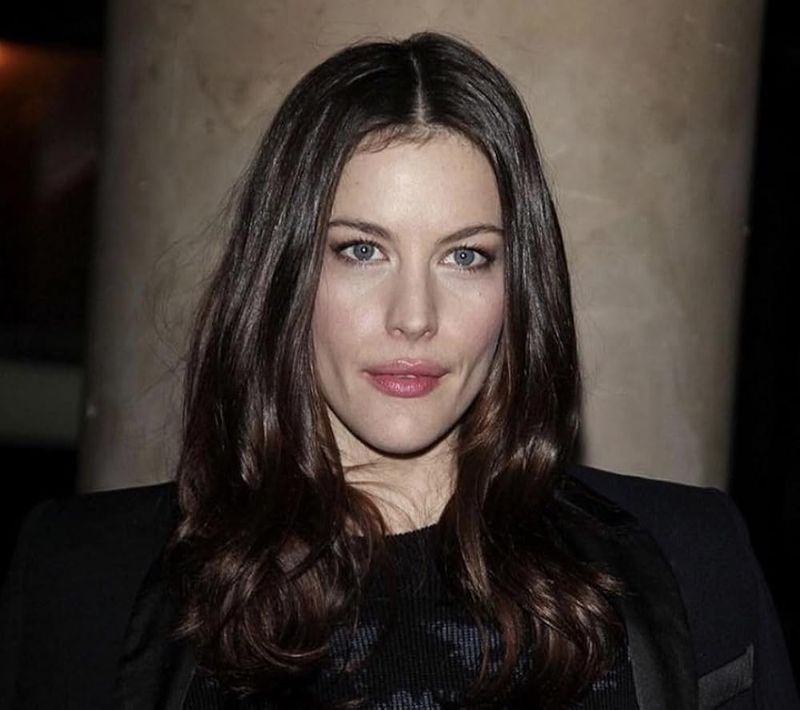
Arwen in “The Lord of the Rings” should have been a highlight role.
Instead, breathy delivery and vacant expressions created an unintentionally funny performance.
Epic romance scenes felt hollow because her character lacked genuine emotional presence.
Extended editions added more Arwen content that didn’t help matters.
Additional screen time only highlighted the fundamental performance issues.
Fans wished for less rather than more of her storyline.
Other actors elevated Tolkien’s material through committed performances.
Tyler’s approach felt disconnected from Middle-earth’s gravity.
Her scenes became bathroom break opportunities rather than essential viewing during marathon rewatches.
Comments
Loading…