
 Mila Ross
12 Worst Superhero TV Shows That Completely Missed the Mark
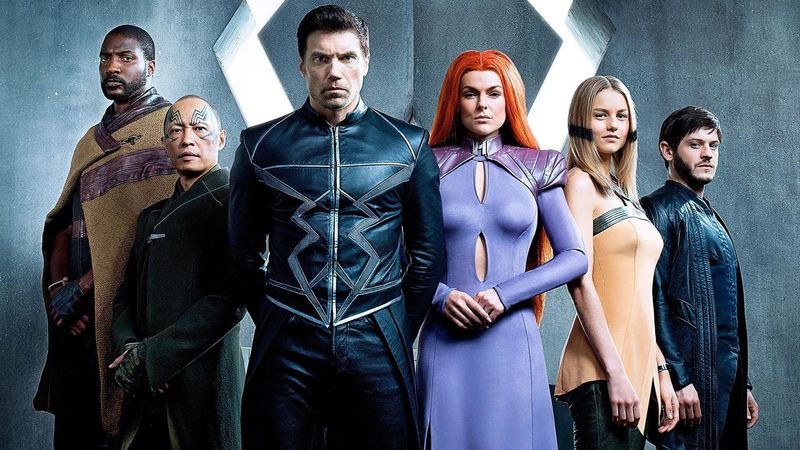
Superhero shows have become a huge part of television, giving us amazing stories about heroes saving the world.
But not every series manages to stick the landing.
Some shows had great potential but ended up disappointing fans with poor writing, weak special effects, or characters that just didn’t feel right.
Whether it was bad timing, low budgets, or creative missteps, these 12 superhero series are remembered for all the wrong reasons.
1. Black Scorpion (2001)
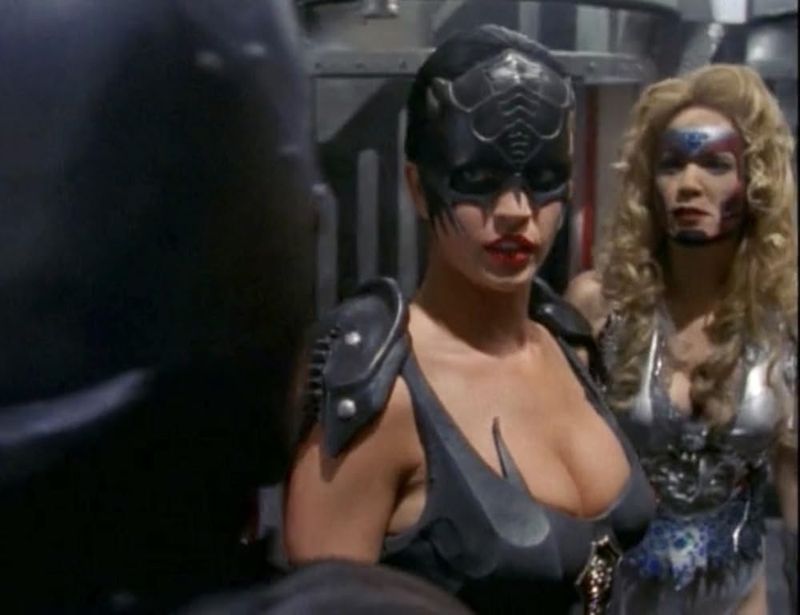
Imagine a superhero show that feels more like a late-night comedy sketch than an actual action series.
Black Scorpion starred a crime-fighting hero by day who became a leather-clad vigilante by night.
The premise had potential, but the execution missed by miles.
Every episode delivered cheesy one-liners, awkward fight scenes, and villains so over-the-top they became unintentionally hilarious.
The production values screamed low budget, with sets that looked like they were borrowed from other shows.
Instead of creating genuine thrills or excitement, the series became memorable only for its campy dialogue and strange aesthetic choices that felt more embarrassing than entertaining.
2. Gotham Knights (2023)
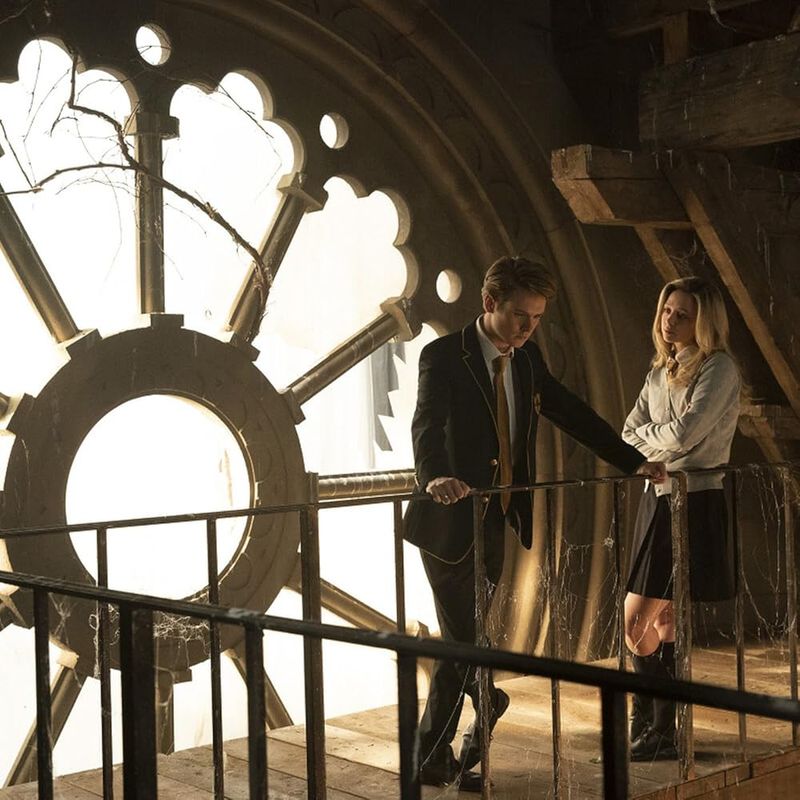
Creating a Batman show without Batman sounds risky, and this CW series proved why that gamble often fails.
After Bruce Wayne’s murder, his adopted son teams up with the children of Batman’s enemies to clear their names.
Sounds interesting, right? Unfortunately, the show struggled to make viewers care about these new characters.
The mystery at the heart of the story felt forced rather than compelling.
Character development remained thin throughout, with relationships that never quite clicked.
The tone bounced awkwardly between dark drama and teen angst, never finding its footing.
Fans expecting the gritty atmosphere of Gotham or the emotional depth of other DC shows left disappointed and confused.
3. Inhumans (2017)
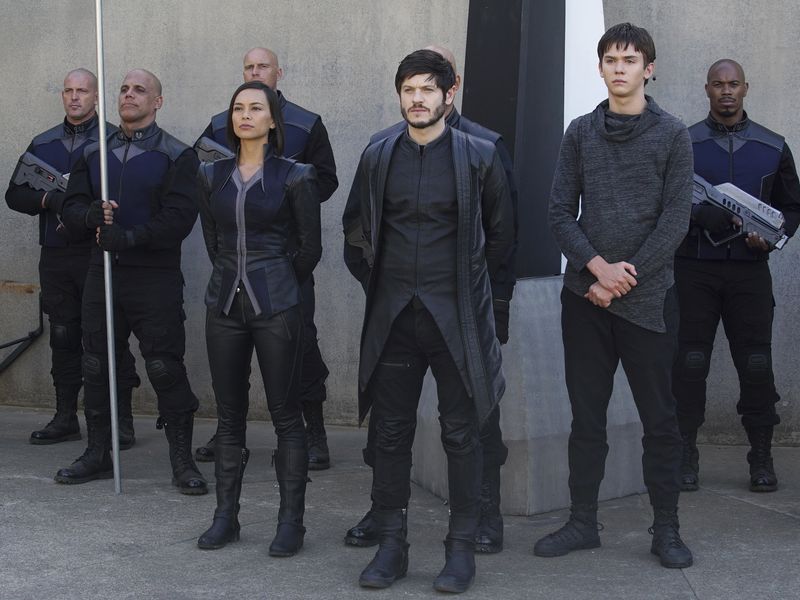
Marvel fans had high hopes when this series about a royal alien family was announced.
Unfortunately, what arrived on screens looked rushed and underfunded.
The special effects appeared cheap, especially Medusa’s famous living hair, which was so unconvincing it got cut off early in the show.
Characters who should have felt powerful and mysterious instead came across as wooden and boring.
The story moved slowly despite having only eight episodes, wasting opportunities to explore the fascinating Inhumans mythology.
What could have been an epic saga about hidden royalty felt oddly cramped and small-scale, like watching a big movie idea squeezed into a tiny budget with no room to breathe.
4. Mutant X (2001-2004)
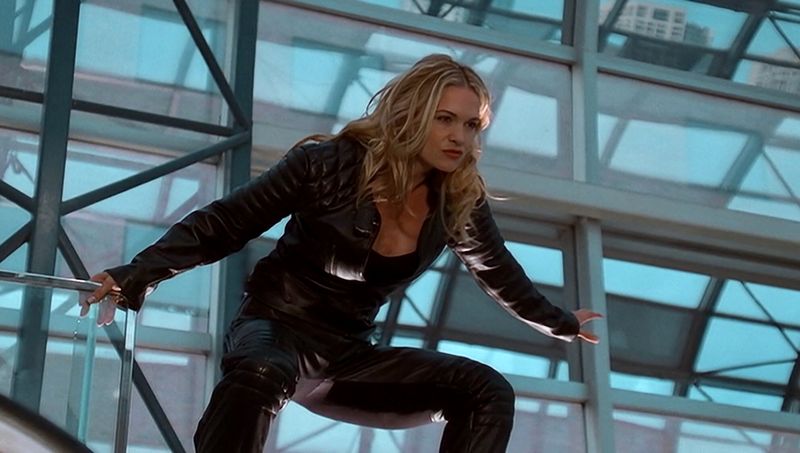
When this show premiered, it felt like someone tried to make the X-Men at home with whatever was lying around.
Following a team of genetically enhanced humans, the series wanted to capture that mutant superhero magic but fell embarrassingly short.
The acting often felt stiff and unconvincing, making it hard to believe these were real people with extraordinary abilities.
Scripts relied on predictable plots and clunky dialogue that made every episode feel longer than it was.
Special effects looked dated even for early 2000s television, with powers that rarely impressed.
The whole production felt like a cheap imitation rather than its own unique take on super-powered heroes.
5. The Amazing Spider-Man (1977-1979)
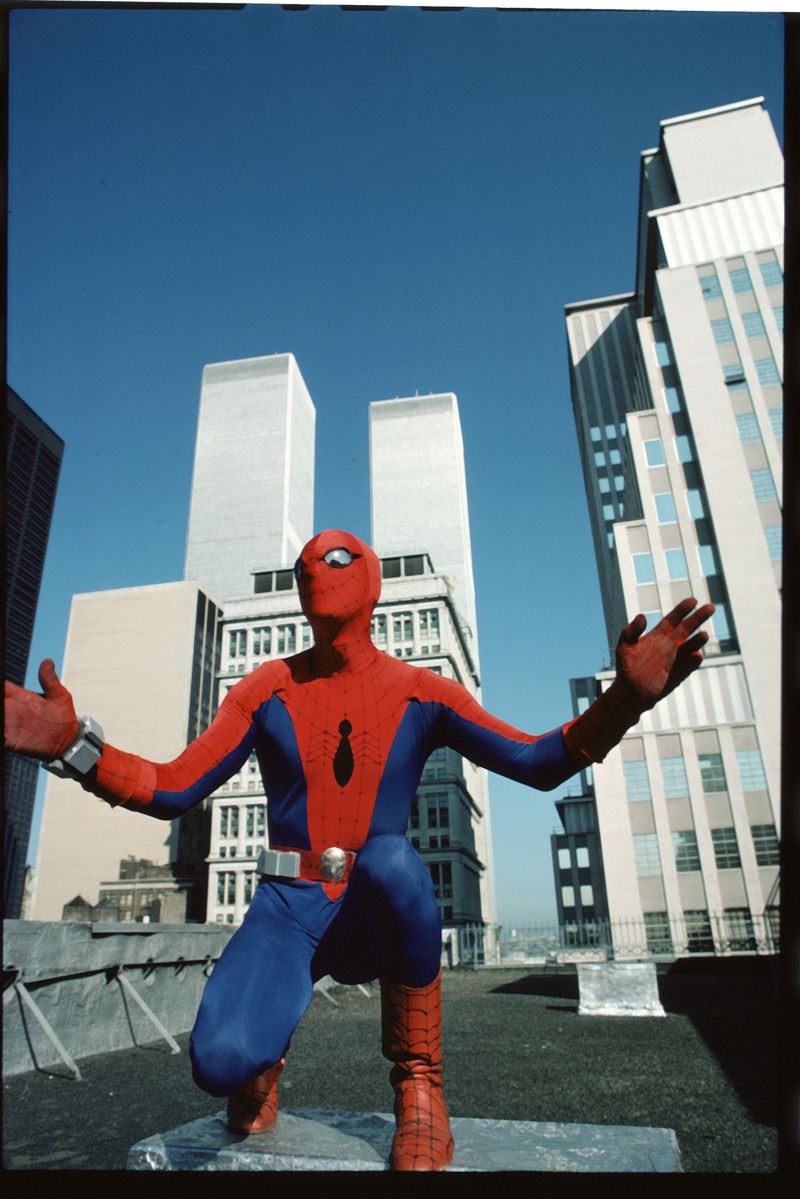
Long before Tom Holland or Tobey Maguire, this live-action Spider-Man tried to bring the web-slinger to television screens.
For its time, the attempt was ambitious and deserves credit for trying something bold.
However, watching it today reveals how much the show struggled with its superhero subject matter.
Episodes moved at a crawl, with Peter Parker spending more time talking than swinging through New York.
Action sequences lacked the energy and acrobatics that make Spider-Man exciting, often looking slow and carefully staged.
The performances felt stiff, missing the wit and charm that defines the character.
While understandable given 1970s television limitations, the show never captured what makes Spider-Man truly amazing.
6. Secret Invasion (2023)
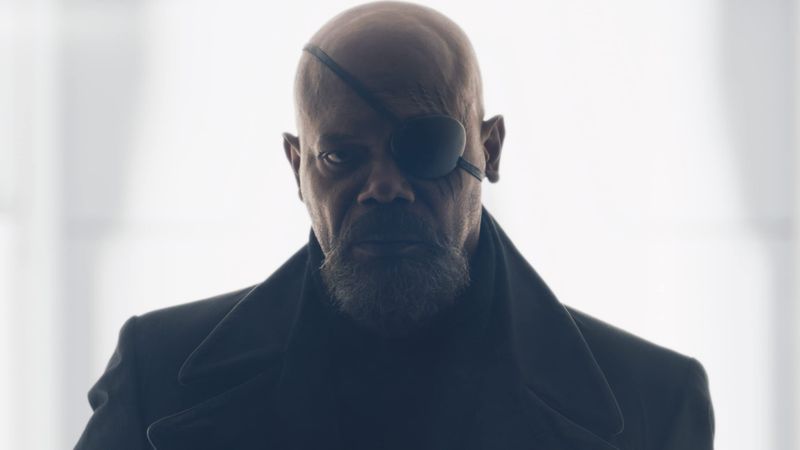
With Samuel L. Jackson returning as Nick Fury and a premise about alien infiltration, this MCU series seemed destined for greatness.
Fans anticipated a tense spy thriller revealing which heroes might secretly be aliens.
Instead, the show delivered confusing storylines that wandered without clear direction.
The stakes never felt as urgent or dangerous as they should have, despite dealing with a potential alien takeover.
Character motivations remained murky, making it hard to understand why anyone did anything.
By the finale, longtime Marvel fans felt frustrated rather than satisfied.
What promised to be a gripping espionage adventure instead became a disappointing chapter that failed to deliver on its exciting premise.
7. Powers (2015-2016)
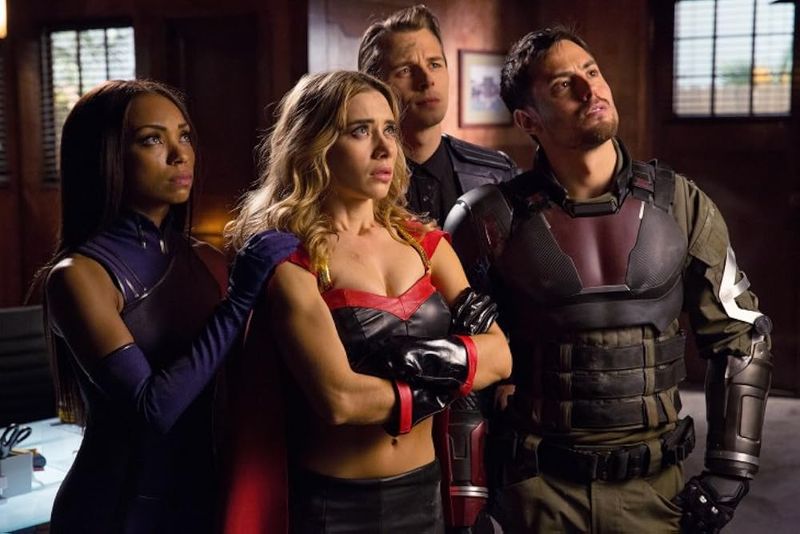
Based on a critically acclaimed comic book, this PlayStation Network series had built-in fans eagerly waiting to see the story adapted.
The comics offered edgy storytelling about detectives investigating crimes involving superpowered individuals.
Unfortunately, the television version lost nearly everything that made the source material compelling.
Direction felt bland and uninspired, draining the energy from potentially exciting scenes.
The show looked and felt cheap, lacking the visual punch needed for a superhero series.
Characters who were complex and interesting on the page became flat and forgettable on screen.
Despite having good material to work with, the adaptation never found its spark, leaving fans of the comics deeply disappointed.
8. The Cape (2011)
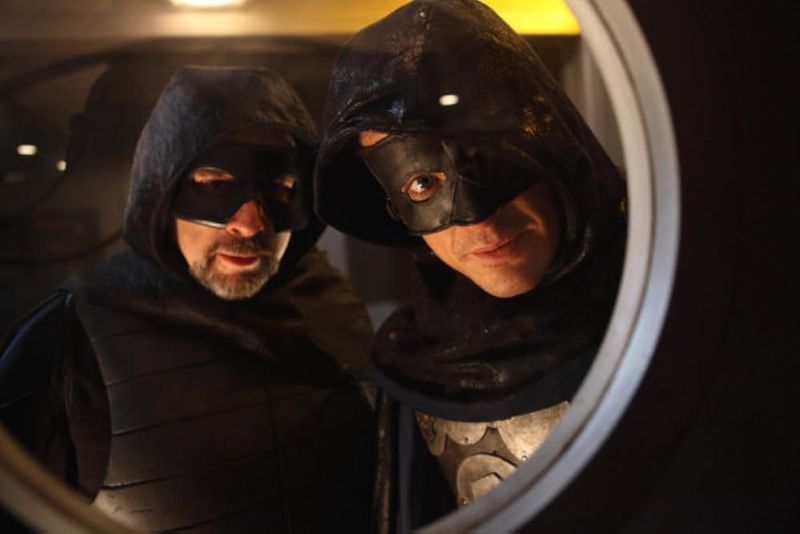
NBC launched this series hoping to create a new superhero sensation, but the show vanished faster than you can say “canceled.”
The story followed a cop framed for crimes he didn’t commit who becomes a circus-trained vigilante. Yes, circus-trained.
The premise alone raised eyebrows, but the execution made things worse.
Heavy melodrama weighed down every episode, with characters delivering speeches instead of having natural conversations.
The circus gimmick felt silly rather than cool, and the Cape’s theatrical fighting style looked more comedic than heroic.
Despite earnest efforts from the cast, the show never found an audience or a clear identity, disappearing after just one short season that nobody really missed.
9. The Marvel Super Heroes (1966)
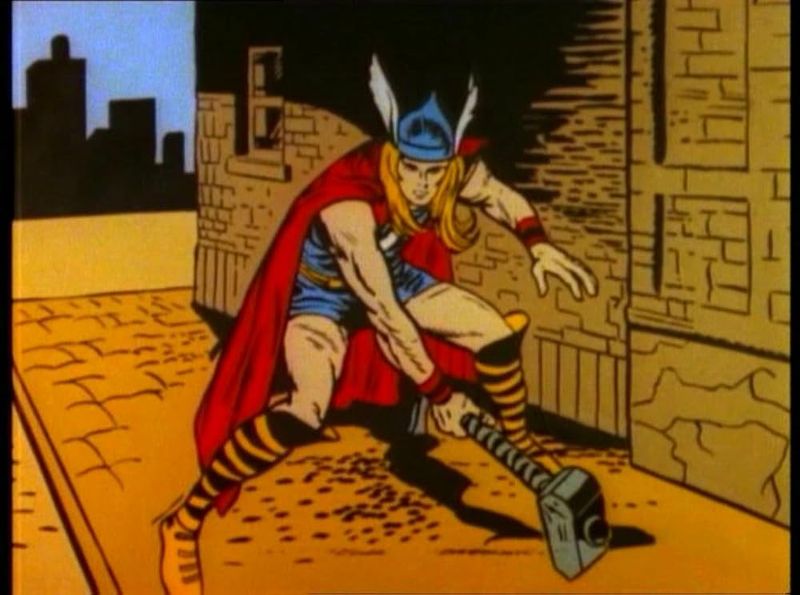
Before modern animation technology, this series attempted to bring Marvel heroes to television in the most budget-friendly way imaginable.
Instead of creating actual animation, the show essentially photographed comic book panels and moved them slightly across the screen.
Calling it animation feels generous.
Characters barely moved, with maybe an arm shifting position or a mouth opening and closing.
Action sequences consisted of still images sliding past each other while sound effects played.
While this approach was cheap and quick to produce, it offered almost zero excitement or entertainment value.
Young viewers in 1966 might have been thrilled just seeing their heroes on TV, but the “animation” style has aged terribly, becoming more of a historical curiosity than actual entertainment.
10. Iron Fist (2017-2018)
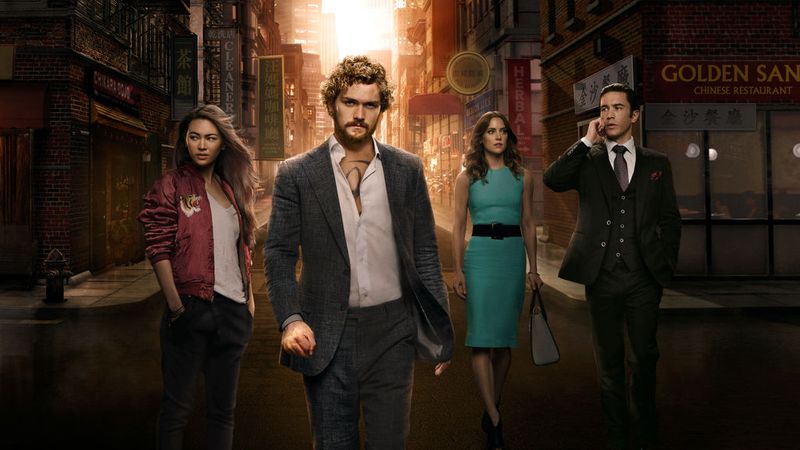
As part of Marvel’s Netflix lineup alongside Daredevil and Jessica Jones, Iron Fist had big shoes to fill.
Fans expected incredible martial arts action showcasing Danny Rand’s mystical kung fu abilities.
What they got instead was surprisingly disappointing fight choreography that looked slow and unconvincing compared to other superhero shows.
The pacing dragged, with episodes that felt like they could have been much shorter.
Character work remained flat, failing to make viewers care about Danny or his journey.
For a show centered on a martial arts master, the action scenes should have been the highlight but ended up being the biggest letdown.
The series improved slightly in season two, but by then, damage was done.
11. Blade: The Series (2006)
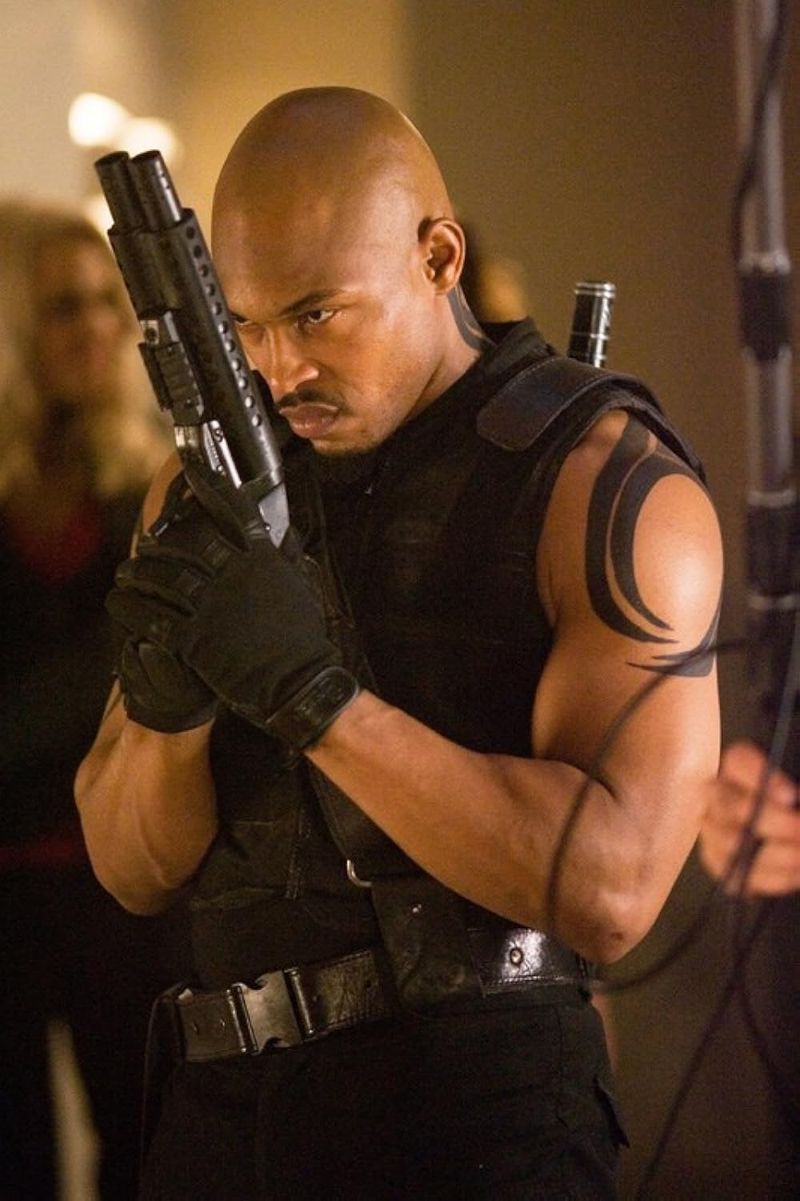
After three successful movies starring Wesley Snipes, bringing Blade to television seemed like a smart move.
The vampire-hunting hero had proven popular, and TV could explore longer storylines.
However, this adaptation lost the cinematic energy and sharp edge that made the films exciting.
Without the movie budget, action sequences felt smaller and less impressive.
The new actor playing Blade lacked the commanding presence that Snipes brought to the role.
Stories became repetitive, with Blade fighting forgettable vampires week after week without much variety or excitement.
The series tried continuing the film franchise’s legacy but ended up feeling like a pale imitation that nobody asked for, getting canceled after just one forgettable season that fans quickly forgot.
12. Jupiter’s Legacy (2021)
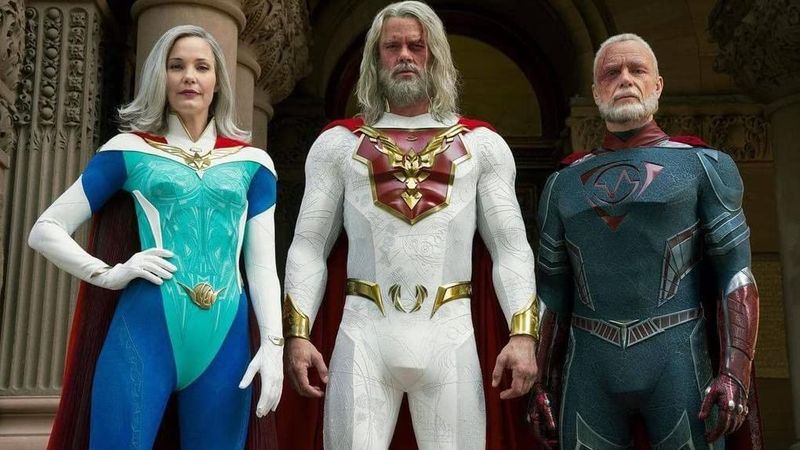
Netflix invested heavily in this ambitious series about aging superheroes and their complicated relationships with their super-powered children.
The premise promised an epic exploration of legacy, responsibility, and generational conflict.
Unfortunately, the execution failed to deliver on that sweeping promise.
Episodes moved at a glacial pace, spending too much time on flashbacks that interrupted the present-day story.
Performances felt uneven, with some actors struggling to bring their characters to life.
The storytelling became bloated, trying to juggle too many plotlines without giving any of them proper attention.
Despite having interesting ideas about what happens when heroes grow old, the show collapsed under its own weight, getting canceled after one disappointing season that never lived up to its potential.
Comments
Loading…