
 Isabel Parker
12 Worst and Most Debated Oscar Winners of the 21st Century
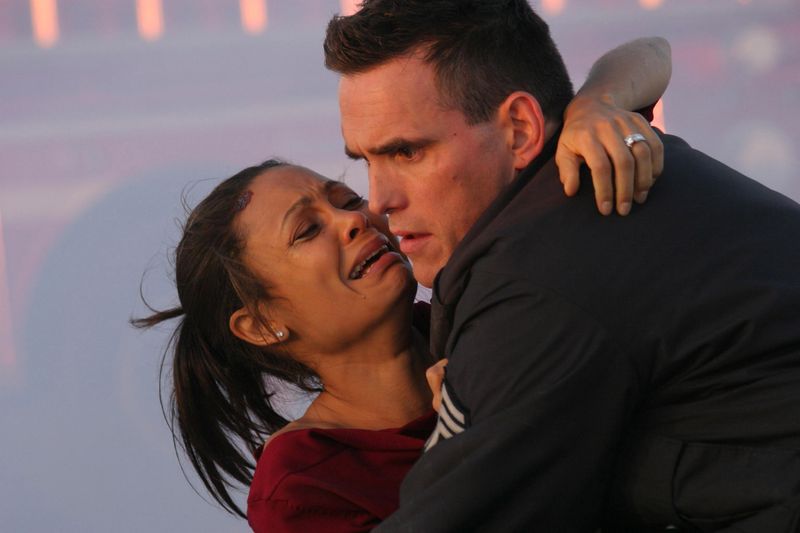
The Academy Awards have long been considered the gold standard of film recognition, but not every winner receives universal praise.
Over the past two decades, several Oscar victories have sparked heated debates among critics, fans, and industry professionals alike.
Some wins felt like safe choices over bolder options, while others seemed to reward the wrong aspect of a film or overlook stronger competition, leaving audiences scratching their heads and questioning the voting process for years to come.
1. The Pianist (2002) — Best Director (Roman Polanski)
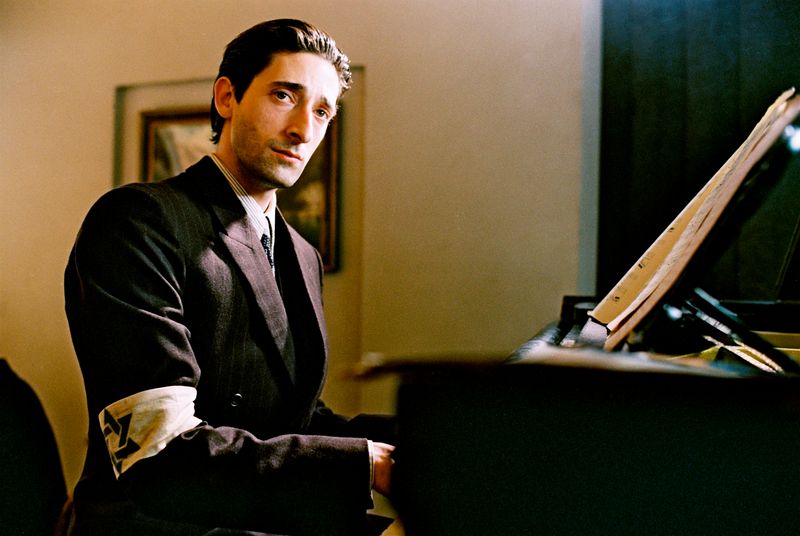
Polanski’s directing win remains one of the most uncomfortable moments in Oscar history.
His legal troubles cast a long shadow over the ceremony, making many viewers question whether separating art from artist was appropriate in this case.
Beyond the controversy surrounding the director himself, film scholars debate whether The Pianist truly represented his finest directorial work.
That year featured strong competition from other talented filmmakers who brought fresh perspectives to cinema.
The decision highlighted ongoing tensions about how Hollywood handles problematic figures.
Many felt the Academy sent mixed messages about accountability by honoring someone who couldn’t attend the ceremony due to legal issues, creating a conversation that continues today.
2. Crash (2005) — Best Picture
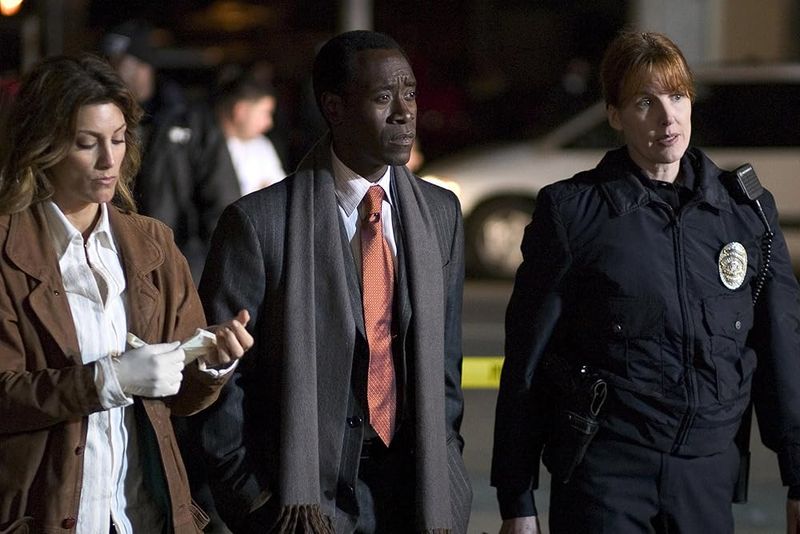
Few Oscar upsets generate as much lingering frustration as Crash beating Brokeback Mountain for Best Picture.
Critics argue the Academy chose a film that felt safer and more comfortable over one that challenged social boundaries and left a lasting cultural impact.
The ensemble drama about racial tensions in Los Angeles seemed heavy-handed to many viewers.
Its interconnected storylines felt forced rather than organic, with dialogue that sometimes came across as preachy instead of authentic or nuanced.
Looking back nearly two decades later, Brokeback Mountain’s influence on cinema and culture far exceeds Crash’s legacy.
This win became the go-to example when discussing how the Academy sometimes favors films that make them feel good about addressing issues without taking real risks.
3. Bohemian Rhapsody (2018) — Best Film Editing
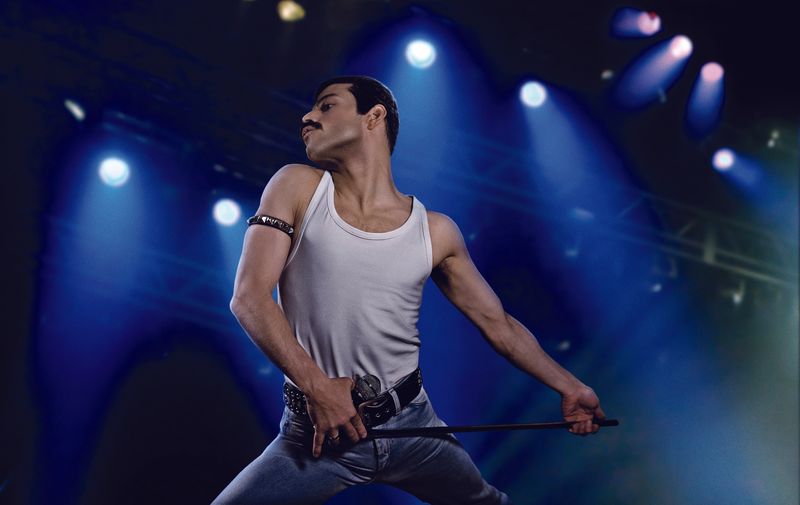
When Bohemian Rhapsody won Best Film Editing, film students everywhere probably did a double-take.
The movie’s editing became infamous for jarring cuts and awkward scene transitions that felt amateurish rather than artistic, especially during conversation scenes.
Professional editors pointed out numerous technical flaws that should have disqualified it from consideration.
Quick cuts during the band’s recording sessions felt disorienting, and the pacing throughout seemed uneven, making the editing choice puzzling to industry insiders.
The win suggested voters might have confused the film’s energetic musical performances with actual editing skill.
Many suspected Academy members voted for the movie they enjoyed most rather than evaluating technical merit, which undermined the credibility of craft categories.
4. Green Book (2018) — Best Picture
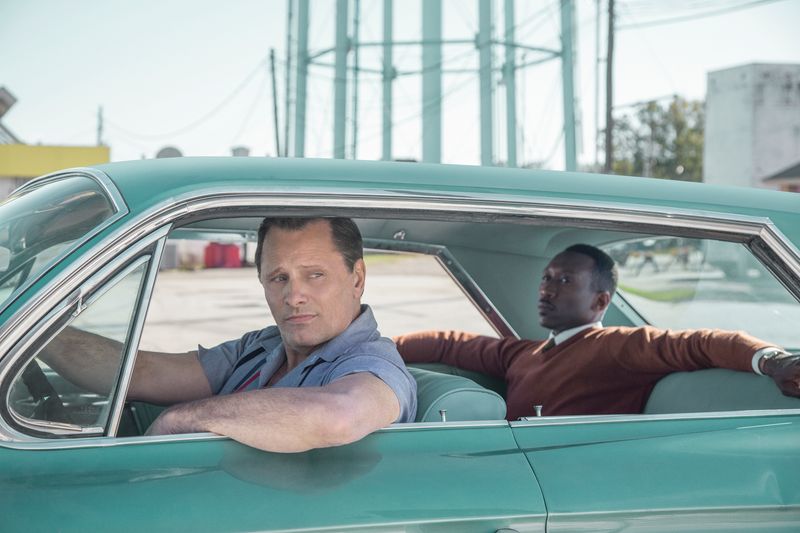
Green Book’s Best Picture victory ignited immediate backlash for presenting what critics called an oversimplified, feel-good version of racial dynamics.
The film followed familiar patterns of stories told from white perspectives, making some viewers uncomfortable with its approach to serious historical issues.
That year featured exceptionally strong competition, including Roma, BlacKkKlansman, and Black Panther.
Each brought unique storytelling perspectives that felt more innovative and culturally significant than Green Book’s conventional narrative structure and predictable emotional beats.
The controversy extended beyond the film itself to behind-the-scenes stories about its production and the family of Don Shirley disputing its accuracy.
This win reinforced concerns that the Academy defaults to comfortable narratives rather than challenging ones when making their final decisions.
5. The King’s Speech (2010) — Best Director (Tom Hooper)
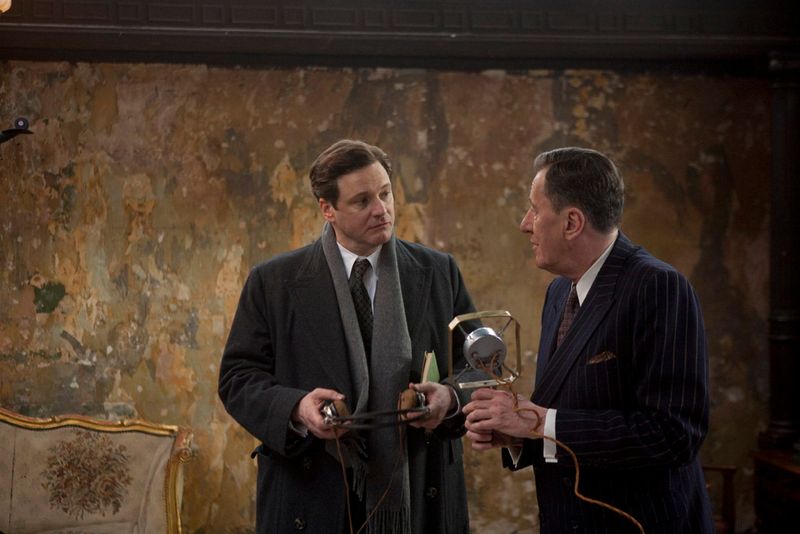
Tom Hooper’s directing win felt like rewarding competence over innovation.
While The King’s Speech was beautifully acted and emotionally satisfying, the actual direction employed fairly traditional techniques without pushing cinematic boundaries or demonstrating exceptional visual storytelling.
That year, Hooper competed against David Fincher for The Social Network, whose dynamic camerawork and rapid-fire editing created a distinctly modern film language.
Many critics felt Fincher’s technical achievement far surpassed Hooper’s more theatrical, static approach to filming.
The victory seemed to reflect the Academy’s preference for prestige period dramas over contemporary stories.
Hooper’s work was solid and professional, but calling it the year’s best direction struck many as choosing the safest, most traditional option available rather than recognizing genuine directorial vision.
6. The Blind Side (2009) — Best Leading Actress (Sandra Bullock)
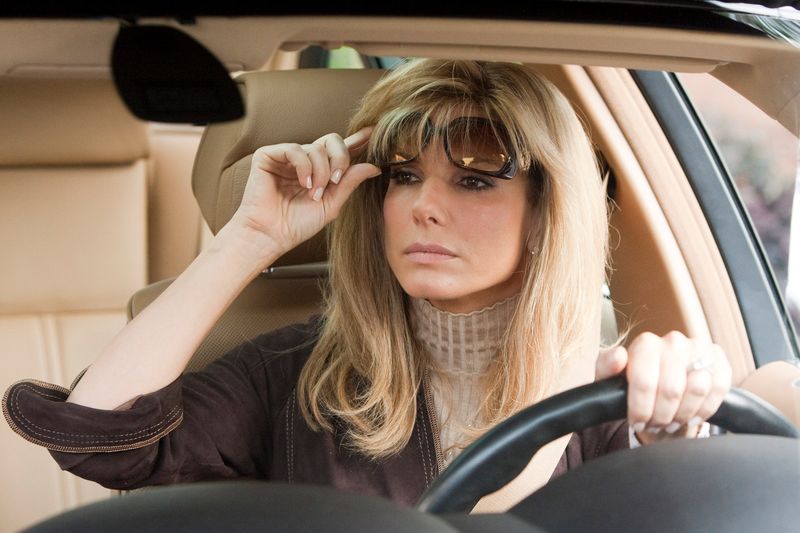
Sandra Bullock’s Best Actress win for The Blind Side remains divisive among film critics.
While audiences loved her warm, maternal performance, many felt the role itself was too straightforward and conventional to merit the Academy’s highest acting honor that year.
The character of Leigh Anne Tuohy didn’t require the emotional range or complexity that typically earns Best Actress recognition.
Bullock played a kind-hearted woman who helps a struggling teenager, which was heartwarming but not particularly challenging from an acting perspective.
Other nominees that year delivered more nuanced, transformative performances that demanded greater technical skill.
The win felt like recognizing Bullock’s likability and the film’s popularity rather than evaluating pure acting achievement, which disappointed critics hoping for more rigorous standards.
7. Emilia Pérez (2024) — Best Supporting Actress / Best Original Song
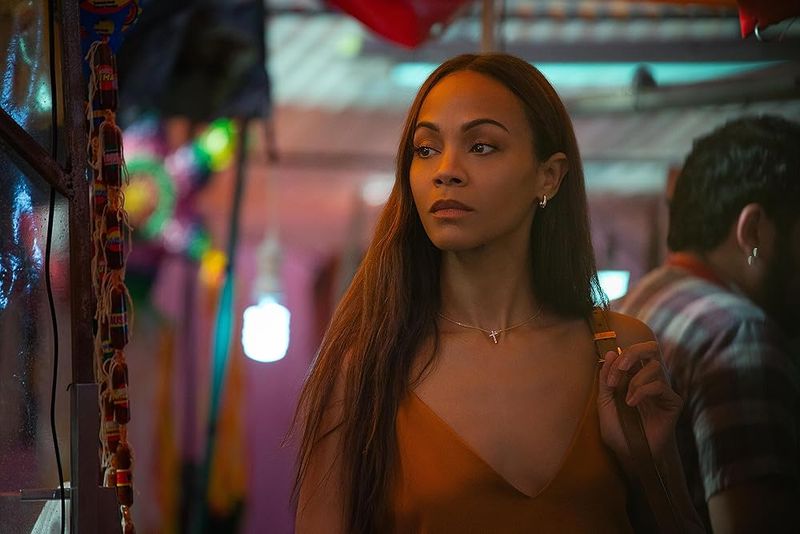
Zoe Saldaña’s Supporting Actress win and the song El Mal’s victory came wrapped in controversy surrounding Emilia Pérez itself.
While Saldaña delivered a committed performance, the film sparked significant backlash over its handling of sensitive themes and cultural representation issues.
Critics questioned whether voters actually watched the film carefully or simply responded to its surface-level ambition.
The movie’s approach to its subject matter struck many as tone-deaf, making the awards feel awkward given the broader conversation about authentic storytelling.
The wins highlighted ongoing debates about how the Academy evaluates films dealing with complex social issues.
Some felt rewarding elements of a problematic film sent confusing messages about what the industry values, especially when other nominees offered more thoughtful explorations of similar themes.
8. Suicide Squad (2016) — Best Makeup and Hairstyling
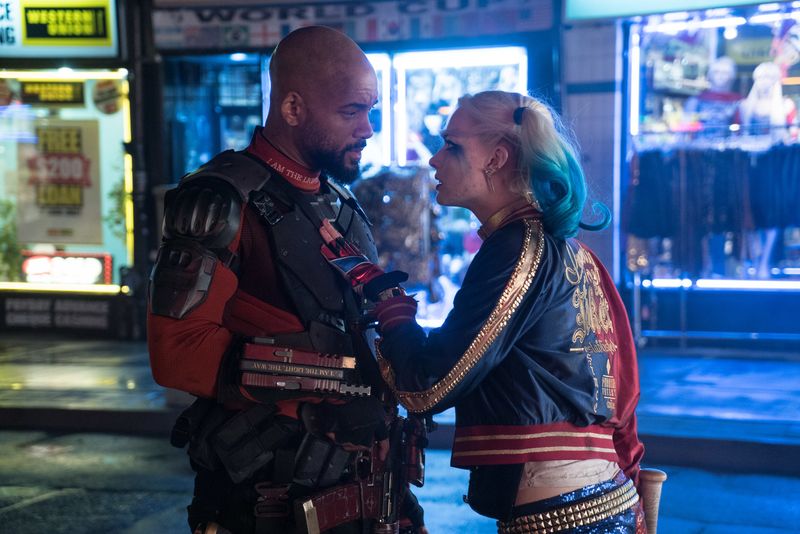
Suicide Squad winning an Oscar became an instant punchline considering the film’s overwhelmingly negative reviews.
While the makeup work was certainly colorful and elaborate, many questioned whether it represented the year’s most deserving technical achievement in that category.
The characters’ looks were eye-catching but not necessarily groundbreaking or innovative.
Joker’s metallic teeth and Harley Quinn’s punk aesthetic were fun for a comic book movie, but some felt other films demonstrated more impressive technical skill and artistry.
This win became ammunition for critics who argue that Academy voters don’t always watch all nominees in technical categories.
The fact that such a poorly received film could claim an Oscar made people wonder about the voting process and whether popularity sometimes trumps actual merit.
9. Happy Feet (2006) — Best Animated Feature
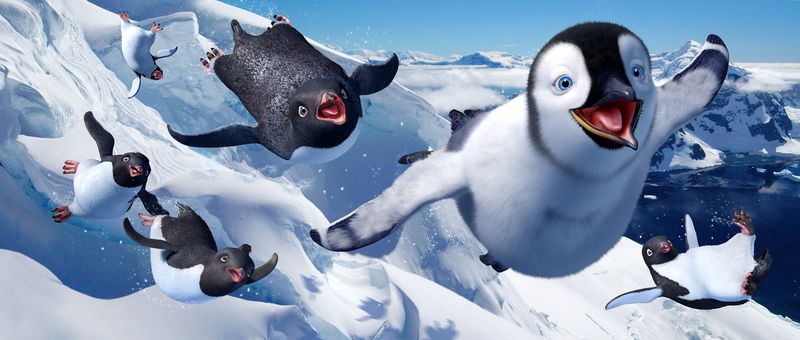
Happy Feet’s Best Animated Feature win surprised animation fans who expected other beloved films to triumph.
The musical penguin adventure was entertaining but struck some as an unusual choice given the strong competition that year in animated filmmaking.
While the motion-capture dance sequences were technically impressive, the film’s environmental message felt heavy-handed to many viewers.
The story’s tonal shifts between joyful musical numbers and darker themes created an uneven viewing experience that puzzled both children and adults.
Animation enthusiasts debated whether technical innovation should outweigh storytelling quality when judging the category.
Happy Feet pushed boundaries in how animated characters moved, but other nominees offered more emotionally resonant stories that have aged better in audience memory and cultural impact.
10. Everything Everywhere All at Once (2022) — Best Supporting Actress (Jamie Lee Curtis)
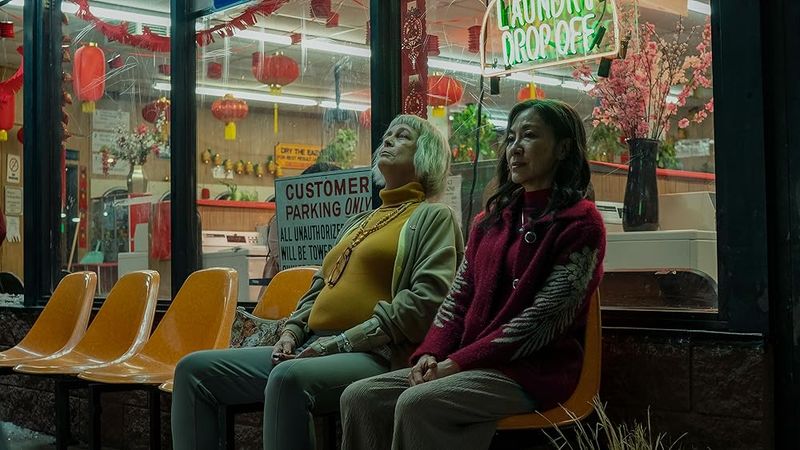
Jamie Lee Curtis’s Supporting Actress win felt more like a lifetime achievement award than recognition for that specific performance.
While she brought warmth and humor to her role, many viewers thought Stephanie Hsu delivered the film’s most emotionally complex and technically demanding supporting performance.
Curtis played a tax auditor with deadpan humor and eventual tenderness, which was enjoyable but not particularly challenging.
The role didn’t require the range or depth that typically earns Oscar recognition, leading to speculation about sentimental voting.
The Academy has a history of rewarding beloved veterans for solid-but-not-exceptional work, and this seemed like another example.
Curtis deserved recognition for her long career, but many felt this particular role shouldn’t have been the vehicle for that honor when stronger performances existed.
11. A Beautiful Mind (2001) — Best Picture
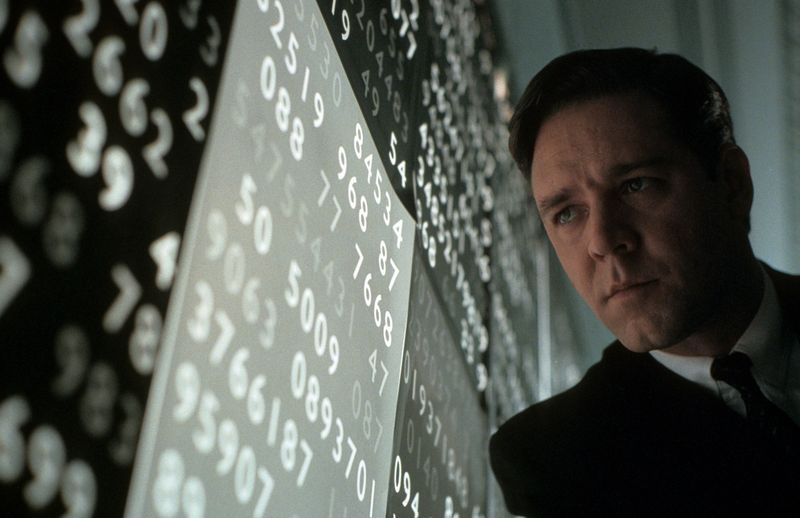
A Beautiful Mind edging out The Lord of the Rings: The Fellowship of the Ring for Best Picture remains a sore spot for many film fans.
While the biographical drama was well-crafted and emotionally engaging, its conventional storytelling couldn’t match the epic ambition and cultural impact of Jackson’s fantasy masterpiece.
The film’s approach to mental illness and its subject’s life drew criticism for historical inaccuracies and oversimplification.
Its feel-good resolution felt sanitized compared to the messier reality, making some viewers question its depth and authenticity as a biographical work.
Looking back, Fellowship launched one of cinema’s most successful trilogies and revolutionized fantasy filmmaking.
A Beautiful Mind, while respectable, hasn’t maintained the same cultural relevance, making this Oscar decision feel increasingly questionable as time passes and Fellowship’s legacy grows stronger.
12. Shakespeare in Love (1998) — Best Picture
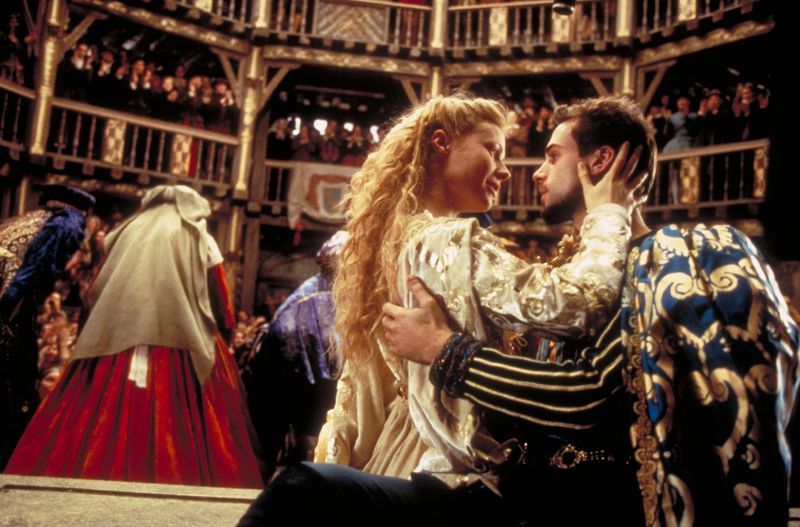
Though technically from 1998, Shakespeare in Love’s Best Picture win over Saving Private Ryan casts such a long shadow that it influences how people judge 21st-century Oscar decisions.
The romantic comedy’s victory became the ultimate example of Academy voting strategies that frustrate serious film fans.
Saving Private Ryan revolutionized war filmmaking with its visceral opening sequence and emotional depth, while Shakespeare in Love offered charming but lightweight entertainment.
The contrast made the decision feel like choosing dessert over a substantial meal, prioritizing pleasantness over artistic achievement.
The win sparked conspiracy theories about Harvey Weinstein’s aggressive Oscar campaigning influencing voters.
Whether true or not, the perception that politics and marketing trumped merit damaged the Academy’s credibility and made audiences more skeptical of future Best Picture choices that seemed similarly questionable.
Comments
Loading…