
 Isabel Parker
12 Westerns That Continue to Earn Praise as Timeless Masterpieces
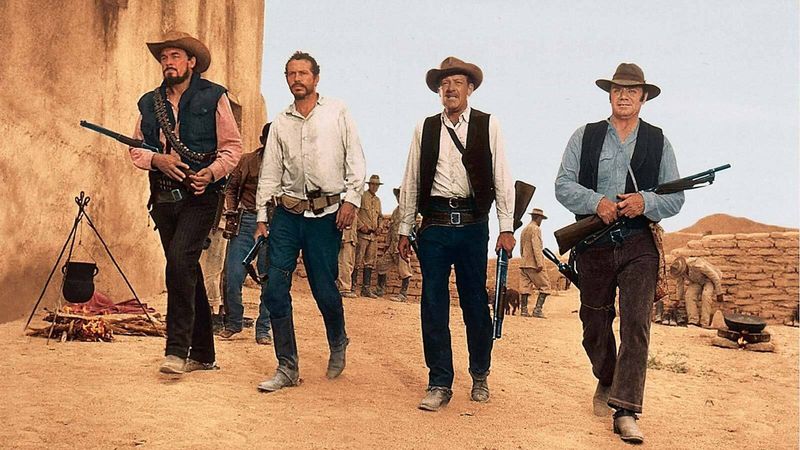
The Western genre has given us some of the most memorable films in cinema history.
From dusty frontier towns to epic gunfights, these movies capture the spirit of America’s past while exploring timeless themes like justice, honor, and survival.
Whether you’re a longtime fan or just discovering these classics, the following films represent the very best the genre has to offer.
1. Tombstone (1993)
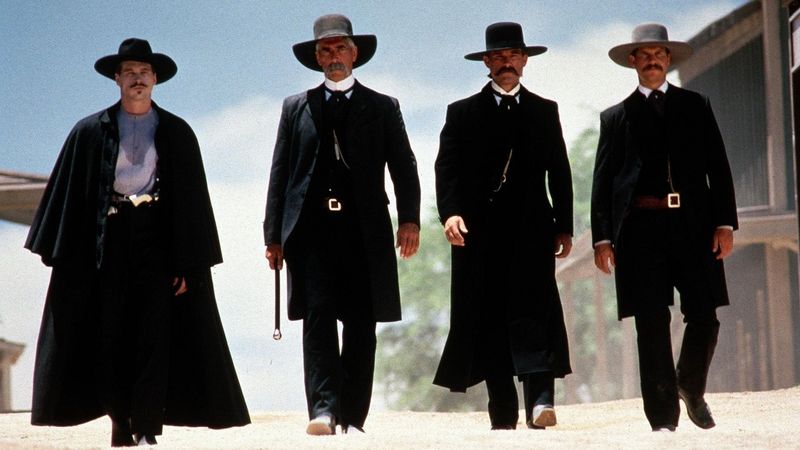
Kurt Russell commands the screen as legendary lawman Wyatt Earp in this stylish retelling of one of the Old West’s most famous showdowns.
Val Kilmer steals scenes as the dying gunslinger Doc Holliday, delivering quotable lines with perfect timing and swagger.
The film brings the O.K. Corral shootout to life with explosive action and memorable performances.
Director George P. Cosmatos crafted a crowd-pleaser that balances historical drama with pure entertainment.
Fans still quote Holliday’s witty dialogue decades later, proving the film’s lasting cultural impact.
The chemistry between Russell and Kilmer elevates every scene they share together.
2. Stagecoach (1939)
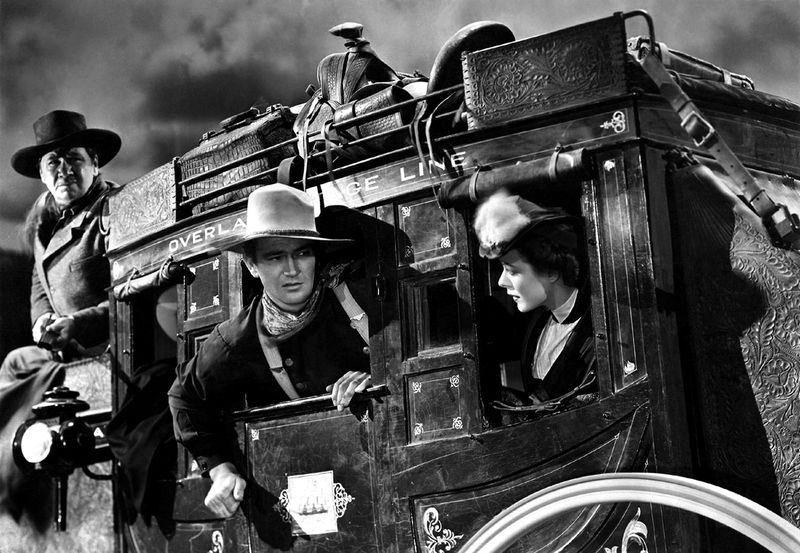
John Ford changed everything with this groundbreaking film that turned a simple stagecoach journey into cinematic gold.
Monument Valley’s towering rock formations became as much a character as the diverse passengers traveling through dangerous Apache territory.
John Wayne’s breakout performance as the Ringo Kid launched him to superstardom and defined his screen persona for decades.
Ford assembled a cast of memorable characters, each with their own secrets and motivations.
The film proved Westerns could be more than simple shoot-em-ups by exploring class, prejudice, and redemption.
Its influence can be seen in countless films that followed, making it essential viewing.
3. For a Few Dollars More (1965)
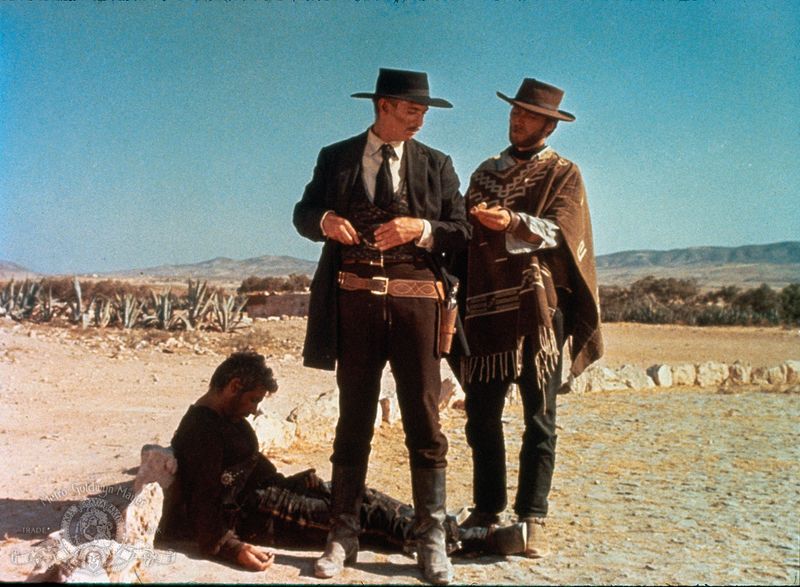
Sergio Leone’s second installment in his Dollars trilogy pairs Clint Eastwood’s nameless bounty hunter with Lee Van Cleef’s calculating Colonel Mortimer.
Their uneasy partnership creates fascinating tension as they hunt the same dangerous outlaw.
Ennio Morricone’s haunting score amplifies every showdown, making silence and musical cues as important as dialogue.
Leone’s extreme close-ups on weathered faces and squinting eyes became his trademark style.
The film balances dark humor with genuine emotional weight, especially in Mortimer’s tragic backstory.
Its influence on action cinema extends far beyond Westerns into modern thrillers and crime films worldwide.
4. The Ox-Bow Incident (1943)
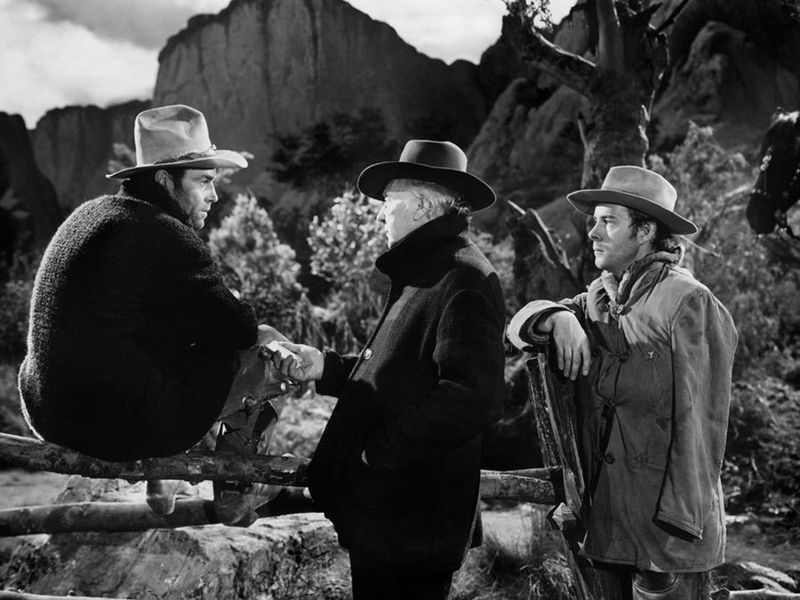
Fear and anger drive a mob to terrible decisions in this powerful drama that strips away Western glamour.
When cattle rustlers strike, a posse forms quickly, fueled by rumors and thirst for revenge rather than facts.
Director William A. Wellman crafted a morally complex story that questions the very nature of justice and mob mentality.
The film’s claustrophobic tension builds as reasonable voices get drowned out by bloodlust.
Released during World War II, its themes about the dangers of rushing to judgment felt especially relevant.
Modern viewers still find its exploration of groupthink and moral courage deeply affecting and disturbingly timeless.
5. McCabe & Mrs. Miller (1971)
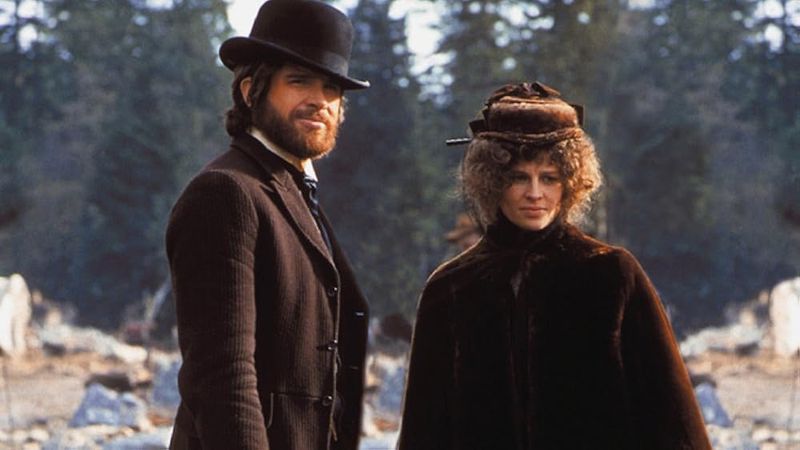
Robert Altman shattered Western conventions with this melancholy tale of a gambler and a businesswoman building a brothel in the Pacific Northwest.
Warren Beatty and Julie Christie bring complexity to characters who might have been simple archetypes in other hands.
Cinematographer Vilmos Zsigmond created a haunting visual style using muted colors and natural lighting that feels almost dreamlike.
The film’s overlapping dialogue and Leonard Cohen soundtrack give it an unconventional, poetic quality.
Rather than celebrating frontier spirit, Altman shows the harsh realities of capitalism and corporate power crushing small entrepreneurs.
Its downbeat ending refuses to offer easy comfort or traditional heroism.
6. Unforgiven (1992)
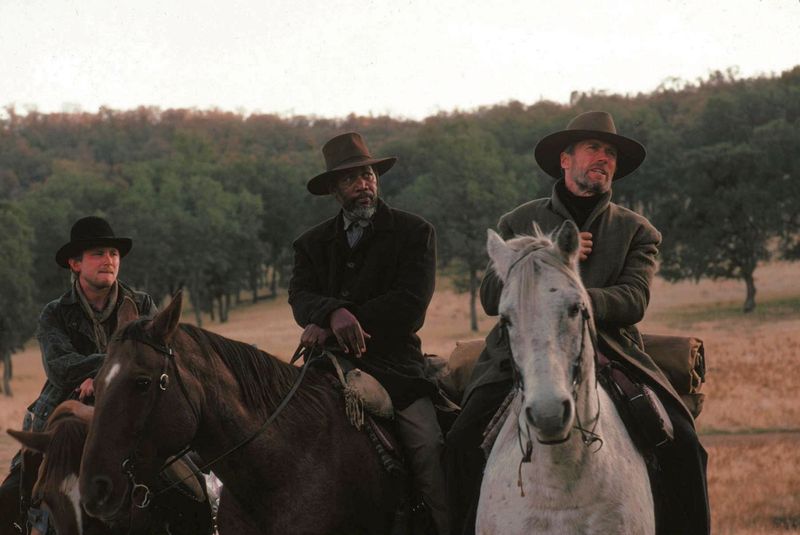
Clint Eastwood dismantled his own legendary persona by playing an aging killer haunted by past violence.
William Munny reluctantly returns to gunslinging, not for glory but desperate money to save his failing farm.
The film brutally shows how violence destroys everyone it touches, including the so-called heroes of Western mythology.
Gene Hackman delivers a terrifying performance as a sadistic sheriff hiding behind a badge.
Eastwood won Oscars for directing and Best Picture, cementing the film’s status as a genre masterpiece.
Its influence transformed how Westerns portrayed violence, replacing romanticized shootouts with ugly, painful consequences that linger long afterward.
7. No Country for Old Men (2007)
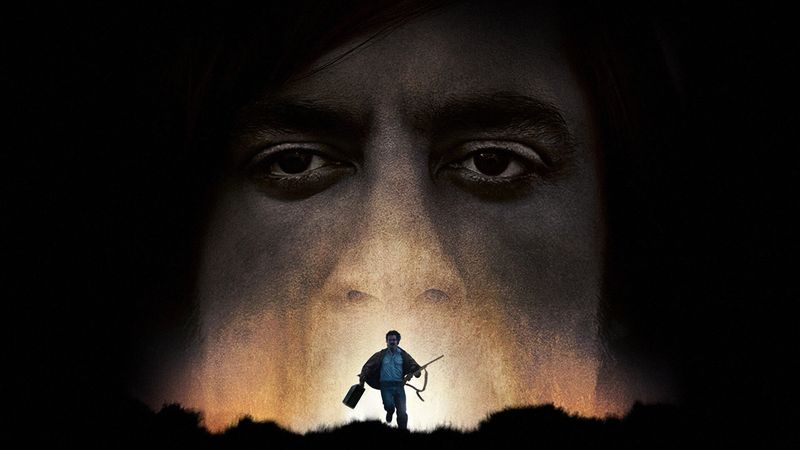
The Coen Brothers adapted Cormac McCarthy’s novel into a neo-Western that feels like a nightmare you can’t wake from.
Javier Bardem’s Anton Chigurh ranks among cinema’s most terrifying villains, killing with calm philosophical detachment.
Tommy Lee Jones plays a weary sheriff struggling to comprehend the new breed of senseless violence invading his territory.
The film’s sparse dialogue and lack of musical score create unbearable tension.
Winner of four Academy Awards including Best Picture, it questions whether traditional values can survive modern brutality.
The ambiguous ending refuses easy answers, leaving viewers as unsettled as the characters themselves feel throughout.
8. The Man Who Shot Liberty Valance (1962)
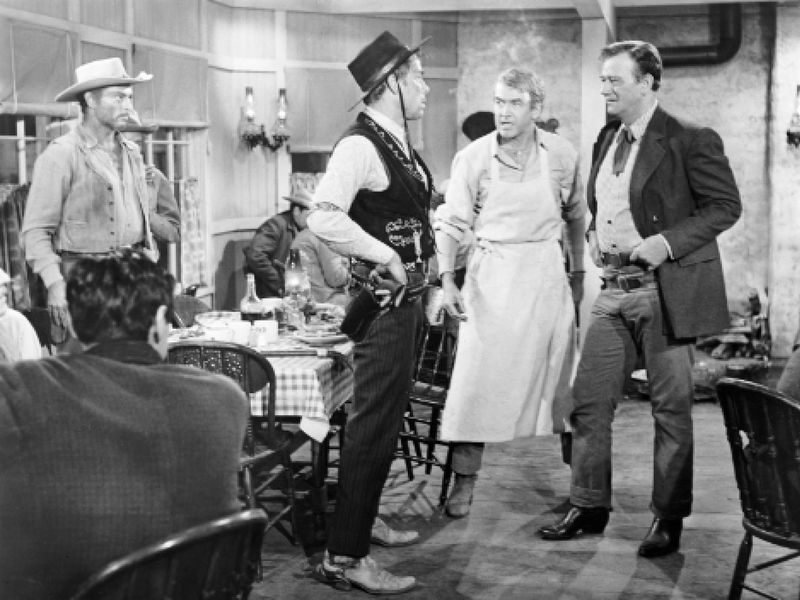
John Ford’s meditation on truth versus legend asks whether civilization requires comfortable lies to function.
James Stewart plays a senator whose reputation rests on killing a notorious outlaw, but flashbacks reveal a more complicated story.
John Wayne delivers one of his finest performances as the real hero who remains in the shadows.
The film explores how the West was won not just through violence but through schools, law books, and printing presses.
Ford shot in black and white despite color being standard, giving the film a timeless, almost mythic quality.
Its famous line about printing the legend captures something essential about American storytelling.
9. The Good, the Bad and the Ugly (1966)

Sergio Leone’s epic conclusion to his Dollars trilogy features the most famous showdown in Western history.
Three gunslingers hunt buried Confederate gold across Civil War battlefields in a sprawling adventure that redefined cinematic scope.
Ennio Morricone’s iconic score, especially the main theme, instantly evokes the entire genre for generations of fans.
Leone’s extreme close-ups during the final cemetery standoff create almost unbearable suspense.
Despite its title, the film shows all three characters as morally ambiguous survivors in a brutal world.
Its influence extends beyond Westerns into action films, video games, and popular culture worldwide, making it truly timeless.
10. The Magnificent Seven (1960)
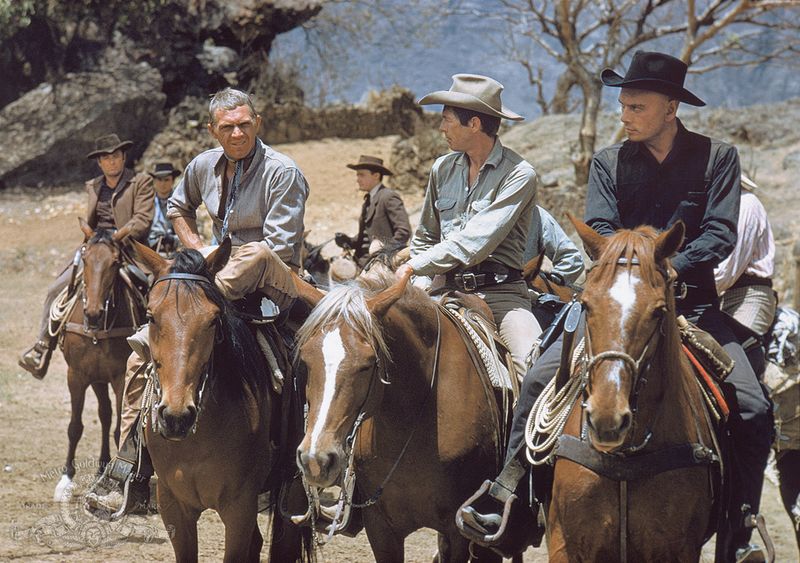
Seven gunfighters with nothing to lose defend a Mexican village from bandits in this rousing adventure inspired by Kurosawa’s samurai classic.
Yul Brynner leads an ensemble cast including Steve McQueen, Charles Bronson, and James Coburn, each bringing distinct personality.
Elmer Bernstein’s stirring theme music became one of the most recognizable scores in film history.
The story explores themes of heroism, sacrifice, and what happens when warriors have no more wars to fight.
While entertaining, the film also questions whether violence can ever truly solve problems or just perpetuate cycles.
Its combination of action and character depth made it a template for team-based adventure films.
11. The Searchers (1956)
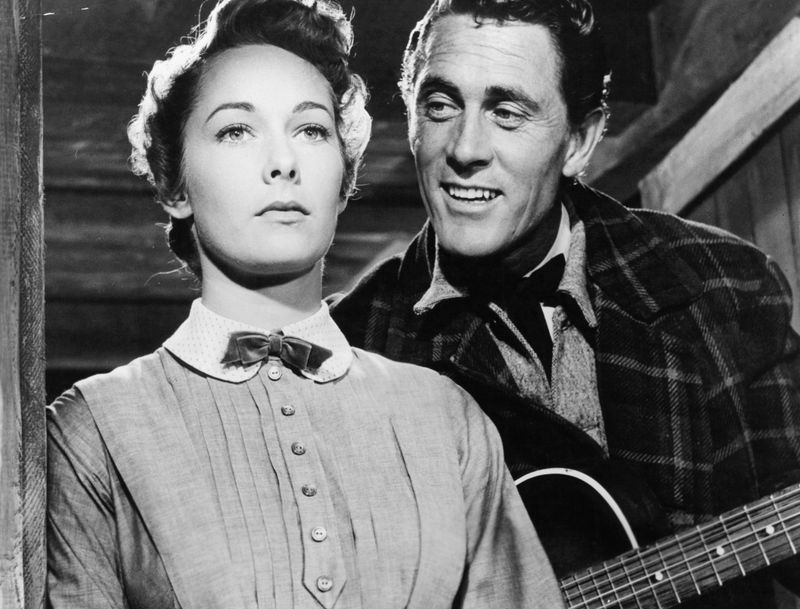
John Wayne plays against type as Ethan Edwards, a Civil War veteran whose obsessive quest to rescue his kidnapped niece reveals his dark racism.
Director John Ford created a psychologically complex character study disguised as an adventure tale.
Monument Valley’s stunning vistas frame a story about obsession, prejudice, and the thin line between hero and villain.
Wayne’s performance captures a man consumed by hatred yet driven by twisted love.
The film’s famous opening and closing shots through a doorway became iconic images of American cinema.
Its influence on filmmakers from Martin Scorsese to George Lucas demonstrates its lasting importance and artistic achievement.
12. The Wild Bunch (1969)

Sam Peckinpah revolutionized screen violence with this brutal tale of aging outlaws facing obsolescence in a changing world.
William Holden leads a gang attempting one last score in 1913 Mexico as automobiles and machine guns replace horses and six-shooters.
The film’s groundbreaking editing techniques during shootouts, using slow motion and multiple camera angles, influenced action cinema forever.
Peckinpah refused to glamorize violence, instead showing its devastating physical and emotional toll.
The final bloodbath remains shocking decades later, a symphony of destruction that questions American mythology about heroic gunfighters.
Its themes about loyalty, aging, and technological change resonate beyond the Western genre into universal human experience.
Comments
Loading…