
 Isabel Parker
12 Underrated Zombie Movies Worth Watching at Least Once
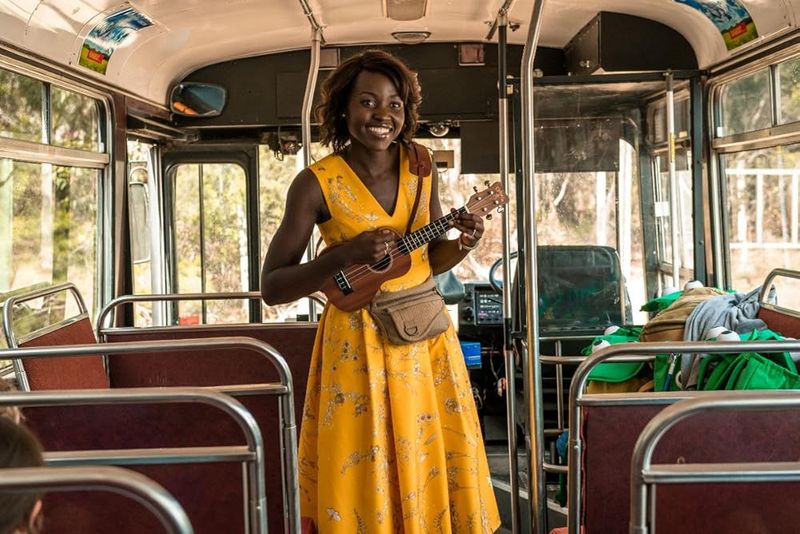
Zombie movies have been a staple of horror cinema for decades, but not every gem gets the attention it deserves.
While blockbusters like Dawn of the Dead and 28 Days Later dominate the conversation, countless lesser-known films offer fresh scares, creative storytelling, and unique takes on the undead.
Whether you crave atmospheric European horror, dark comedy, or experimental filmmaking, these hidden treasures prove that the best zombie experiences often lurk beyond the mainstream spotlight.
1. The Beyond (1981)
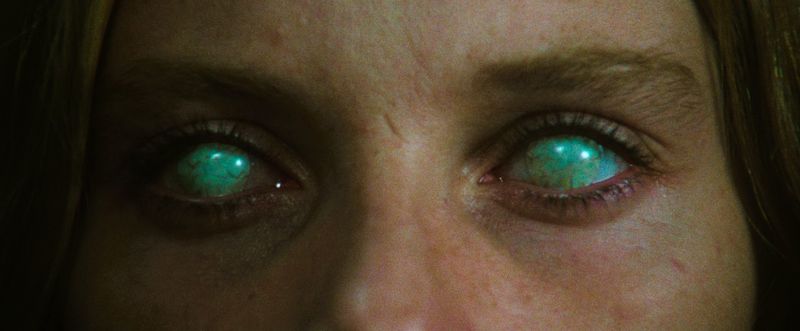
Lucio Fulci’s nightmarish masterpiece blends Italian gothic horror with Louisiana atmosphere in ways that still disturb viewers today.
A young woman inherits a crumbling hotel that sits atop one of the seven gateways to Hell, and what follows is a descent into supernatural chaos.
The film doesn’t rely on traditional zombie movie tropes.
Instead, it creates an oppressive dreamlike quality where logic dissolves and terror seeps through every frame.
Fulci’s signature gore effects remain shocking, but the true horror comes from the film’s relentless sense of doom.
Critics initially dismissed it as exploitation trash, yet time has revealed its artistic ambitions.
The haunting score and surreal imagery create an experience that lingers long after viewing.
2. Dance of the Dead (2008)
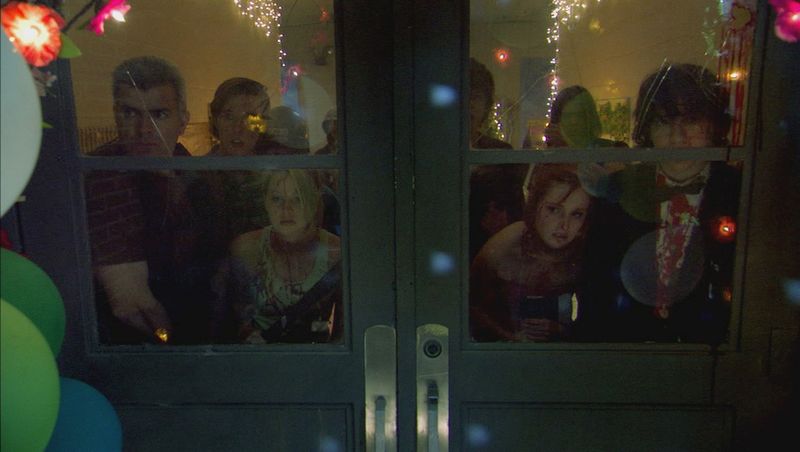
Picture your worst prom nightmare, then add flesh-eating corpses rising from the local cemetery.
This indie gem captures teenage angst and zombie mayhem with equal enthusiasm, following a group of misfits who become unlikely heroes when the dead crash their special night.
What makes this film shine is its genuine affection for its characters.
The outcasts, nerds, and rebels feel authentic rather than stereotypical, and their banter crackles with wit.
Director Gregg Bishop understands that great horror-comedy needs both elements working in harmony.
The practical effects punch above the film’s modest budget, delivering satisfying zombie action.
More importantly, the movie remembers that survival horror works best when you actually care who survives.
3. Tombs of the Blind Dead (1972)
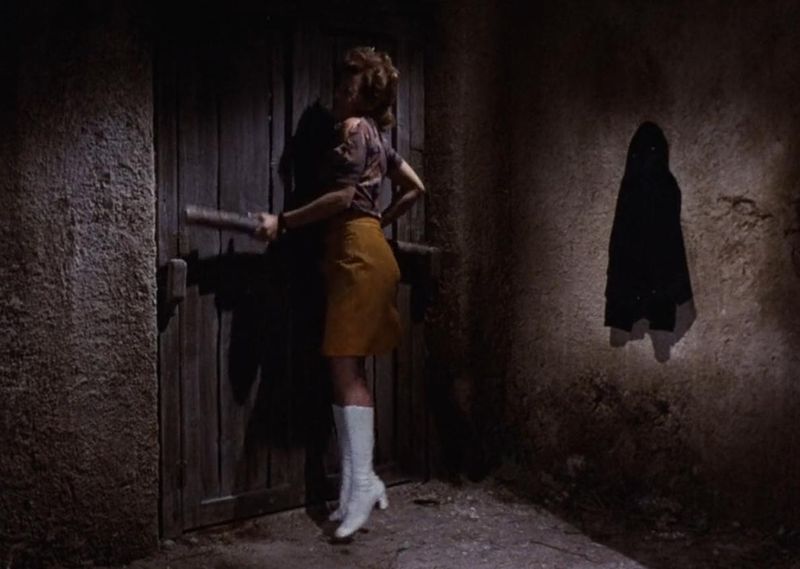
Spanish director Amando de Ossorio created something genuinely unnerving with his blind Templar knights who hunt by sound alone.
Set against crumbling medieval ruins, these skeletal figures move with deliberate menace that modern CGI zombies rarely achieve.
The backstory adds layers of historical horror to the undead threat.
These knights were executed centuries ago for their dark rituals, and their curse condemns them to eternal hunger.
Their blindness becomes a tactical element that ratchets up tension during stalking sequences.
Ossorio’s patient direction allows dread to accumulate naturally.
The slow-motion shots of the knights riding their undead horses remain iconic images in European horror cinema, proving that sometimes less is absolutely more.
4. Little Monsters (2019)
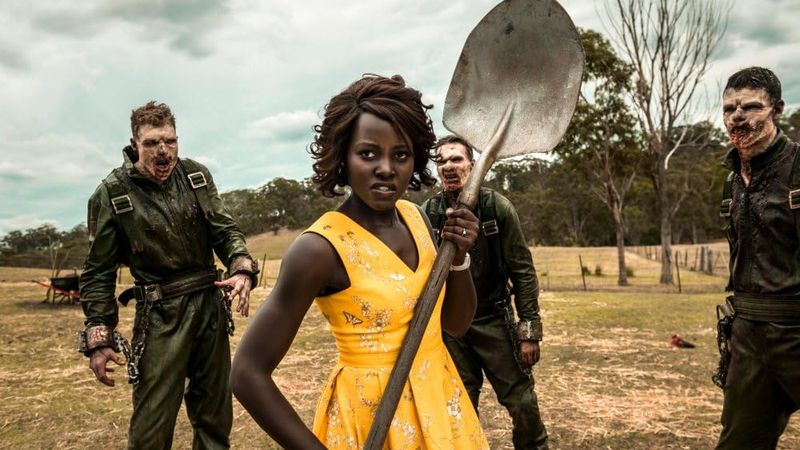
Australian comedy meets zombie apocalypse in this surprisingly heartfelt film about protecting innocence during humanity’s darkest hour.
A washed-up musician joins a dedicated teacher and an obnoxious children’s entertainer in shielding kindergarteners from the undead during a field trip gone horribly wrong.
Lupita Nyong’o delivers a performance that balances warmth and determination as Miss Caroline, a teacher who refuses to let zombies traumatize her students.
The film’s secret weapon is maintaining the children’s perspective, keeping them blissfully unaware through creative problem-solving and quick thinking.
The humor never undermines the stakes.
Between laugh-out-loud moments, genuine tension emerges as the adults struggle to maintain their protective facade while facing overwhelming odds.
5. Let Sleeping Corpses Lie (1974)
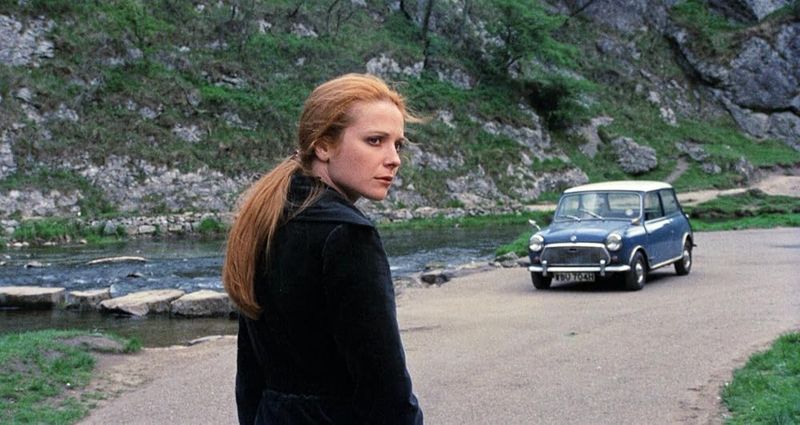
Before ecological horror became trendy, Jorge Grau crafted this chilling tale about technology’s unintended consequences.
An experimental agricultural machine designed to kill insects accidentally reanimates the dead, turning the English countryside into a hunting ground for flesh-hungry corpses.
The film works as both social commentary and visceral horror.
Grau critiques humanity’s interference with nature while delivering genuinely disturbing zombie attacks that influenced countless later films.
The muddy, grimy aesthetic adds authenticity that polished modern productions often lack.
Ray Lovelock and Cristina Galbó anchor the story as strangers forced together by circumstances beyond comprehension.
Their skepticism mirrors the audience’s growing realization that something fundamentally wrong is spreading through the rural landscape.
6. The Grapes of Death (1978)
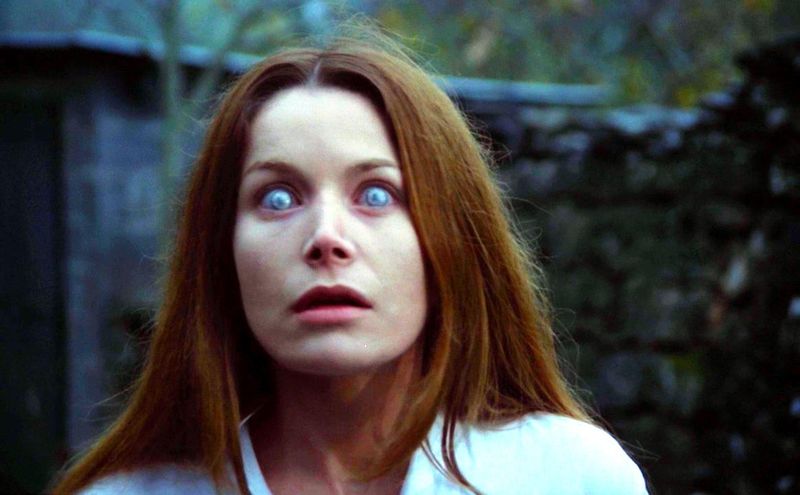
Jean Rollin’s venture into zombie territory trades his usual surrealism for straightforward terror with disturbing results.
A young woman traveling through French wine country discovers that contaminated pesticides have transformed entire villages into violent, decomposing killers who retain disturbing fragments of their humanity.
Rollin’s artistic eye elevates the material beyond standard exploitation fare.
The beautiful countryside becomes increasingly sinister as the protagonist realizes escape routes are limited and trust is a deadly gamble.
The infected aren’t mindless shamblers but purposeful predators.
The film’s unflinching approach to violence shocked audiences in 1978 and remains potent today.
Rollin doesn’t glamorize the horror but presents it as a tragic consequence of industrial agriculture prioritizing profit over safety.
7. Nightmare City (1980)
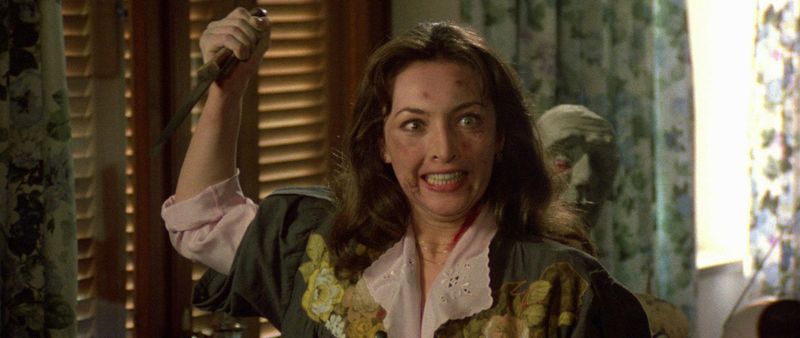
Umberto Lenzi’s contribution to zombie cinema breaks every slow-shambler rule in spectacular fashion.
When a radiation-exposed airplane lands, it unleashes infected humans who run, use weapons, and hunt with terrifying intelligence through an unprepared city.
This film essentially predicted the fast-zombie trend decades before 28 Days Later received credit for the innovation.
The relentless pace keeps viewers off-balance as traditional survival strategies prove useless against enemies who adapt and coordinate their attacks.
Sure, the plot occasionally defies logic and the acting veers toward melodrama, but the raw energy compensates for technical shortcomings.
Lenzi understood that constant motion and escalating threats create their own hypnotic momentum that carries audiences through implausibilities.
8. Shock Waves (1977)
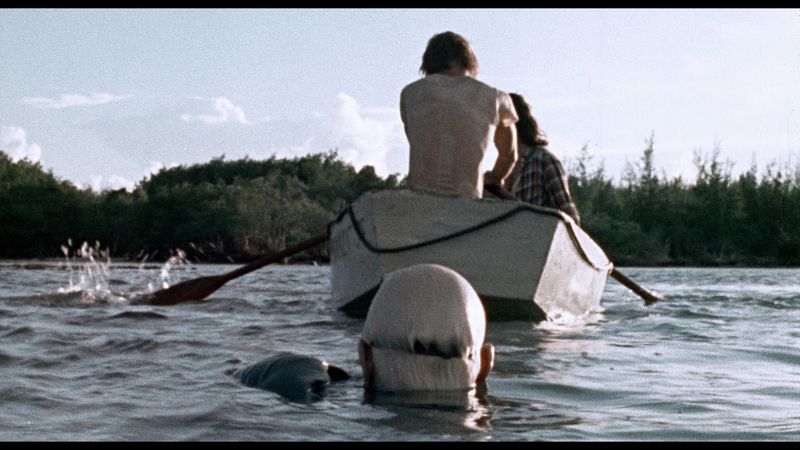
Few concepts sound more absurd on paper than underwater Nazi zombies, yet director Ken Wiederhorn transforms this B-movie premise into genuinely eerie horror.
Shipwrecked tourists discover an island inhabited by a former SS commander who created aquatic super-soldiers that now emerge from the surf seeking victims.
Peter Cushing’s haunted performance as the reclusive officer adds gravitas to the proceedings.
His weathered presence suggests terrible secrets and moral compromises that haunt him decades after the war’s end.
The zombies themselves move with inhuman grace beneath the waves.
The tropical setting provides unexpected atmosphere as paradise becomes a prison.
Wiederhorn uses the island’s isolation and the zombies’ amphibious nature to eliminate escape routes, creating claustrophobic tension despite the open environment.
9. Cemetery Man (1994)
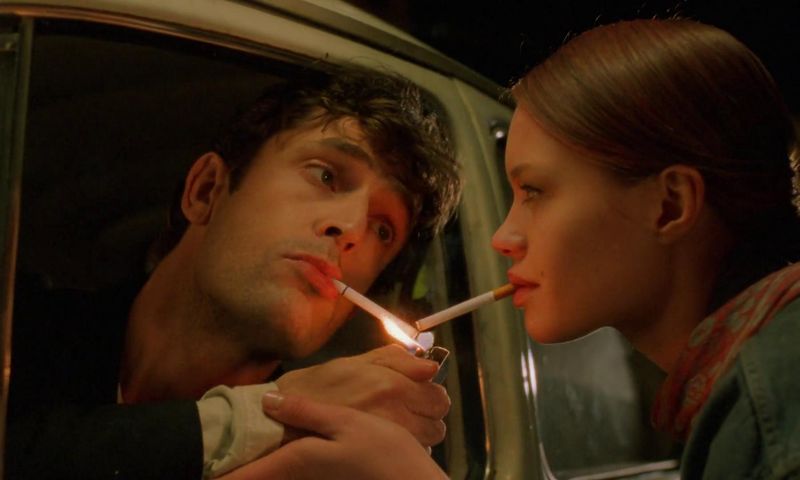
Michele Soavi’s philosophical zombie film asks what happens when killing the undead becomes routine employment.
Francesco Dellamorte manages a cemetery where the dead reliably return after seven days, forcing him into an endless cycle of re-killing corpses while contemplating existence, love, and sanity.
Based on a popular Italian comic, the film balances grotesque horror with existential meditation and dark romance.
Rupert Everett brings weary charm to Francesco, a man so numbed by his bizarre circumstances that genuine emotion feels more dangerous than any zombie.
The surreal final act divides audiences but rewards those willing to embrace its metaphysical ambitions.
Soavi suggests that perhaps the real horror isn’t the walking dead but the living who’ve forgotten how to truly live.
10. Pontypool (2008)
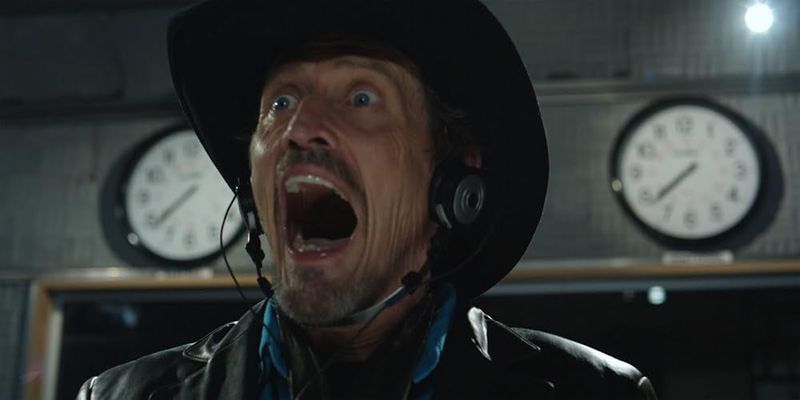
Bruce McDonald’s audacious experiment traps viewers inside a small-town radio station as civilization collapses outside.
The twist?
This zombie-like plague spreads through language itself, transmitted by specific English words that turn speakers into violent, babbling infected.
Stephen McHattie commands the screen as Grant Mazzy, a shock-jock DJ forced to broadcast warnings about a threat he barely understands.
The film’s genius lies in what it doesn’t show, using radio reports and occasional glimpses to let imagination fill the horrifying gaps.
The linguistic virus concept elevates the material beyond typical outbreak stories.
McDonald explores how communication both connects and destroys us, turning our most human trait into a weapon.
The claustrophobic setting intensifies as the sanctuary becomes a trap.
11. One Cut of the Dead (2017)
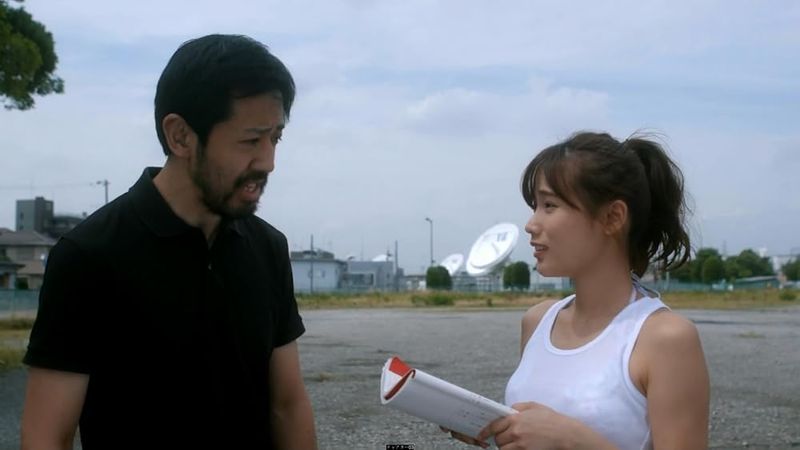
Shinichiro Ueda’s meta-masterpiece initially presents as a rough student film about zombies attacking a film crew, then explodes into something far more ambitious and heartwarming.
Revealing too much ruins the experience, but trust that this journey from apparent amateur hour to brilliant comedy is worth every minute.
The film’s structure demands patience during its deliberately crude opening act.
Viewers who persevere discover a love letter to independent filmmaking, family dynamics, and the chaotic magic that happens when passionate creators refuse to quit despite impossible circumstances.
What seems like technical incompetence reveals itself as meticulous planning.
The final act recontextualizes everything, transforming apparent flaws into intentional choices that showcase remarkable creativity working within severe constraints.
12. Cockneys vs Zombies (2012)
This cheeky British romp proves that age and attitude matter more than youth when the undead rise.
A group of amateur bank robbers finds their heist interrupted by a zombie outbreak, forcing them to fight through infected London to rescue their grandfather and his retirement home friends.
The film mines comedy gold from its elderly characters facing the apocalypse with stubborn determination.
A walker-aided chase scene between a zombie and an even slower pensioner becomes an unlikely highlight, demonstrating that timing beats speed in comedy.
Director Matthias Hoene balances laughs with genuine affection for his characters.
The intergenerational teamwork feels earned rather than forced, celebrating resilience and community while delivering satisfying zombie carnage and cockney banter throughout.
Comments
Loading…