
 Hailey Watson
12 TV Shows That Prove Not Every Idea Deserves Air Time

Television has delivered plenty of unforgettable moments, but not all for the right reasons.
Over the years, networks have greenlit some truly questionable concepts that left audiences baffled.
From deceptive reality formats to dramas that crossed ethical lines, these shows prove that not every idea deserves airtime.
Here are 12 programs that probably should have stayed in the pitch room.
1. 13 Reasons Why (2017-2020)

Few shows have sparked as much debate in recent memory as this one.
Marketed as a serious look at teen mental health, it quickly became one of the most controversial series of its era.
Psychologists and educators raised urgent alarms almost immediately after its release.
The graphic way the show depicted suicide drew criticism for potentially glamorizing the subject rather than handling it responsibly.
Studies even suggested a spike in teen suicide rates following its debut.
Despite its popularity and dedicated fanbase, many professionals argued the execution never matched the sensitivity the subject truly deserved.
2. I Wanna Marry Harry (2014)

Imagine thinking you are dating actual royalty, only to find out the whole thing was staged from the start.
That was the bizarre premise of this Fox reality show, where a Prince Harry lookalike was passed off as the real deal to unsuspecting contestants.
The deception was baked right into the concept.
What the producers called playful fun came across as uncomfortable and ethically murky to most viewers.
Contestants were misled without their knowledge, raising real questions about consent in reality television.
The show flopped hard, got pulled mid-season, and became a cautionary tale about crossing entertainment lines.
3. The Pickup Artist (2007-2008)
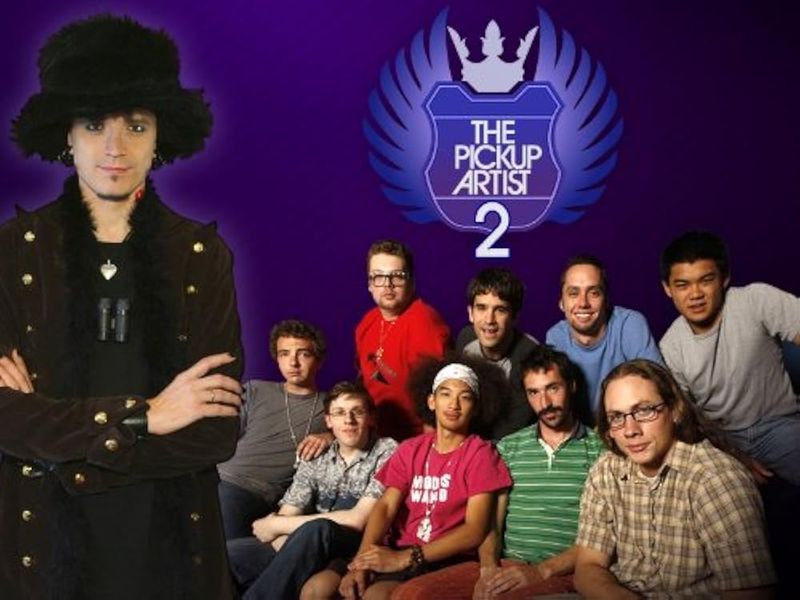
VH1 handed a platform to a self-proclaimed dating guru named Mystery, and the result was as cringeworthy as it sounds.
The show followed Mystery as he coached socially awkward men using manipulative tactics designed to trick women into romantic interest.
Even at the time, the advice felt outdated and uncomfortable.
Critics were quick to call it out as a troubling endorsement of toxic behavior dressed up as self-improvement television.
The strategies taught on screen had little to do with genuine connection and everything to do with psychological manipulation.
Looking back, it is hard to believe this ever made it past the pitch stage.
4. Father of the Pride (2004)
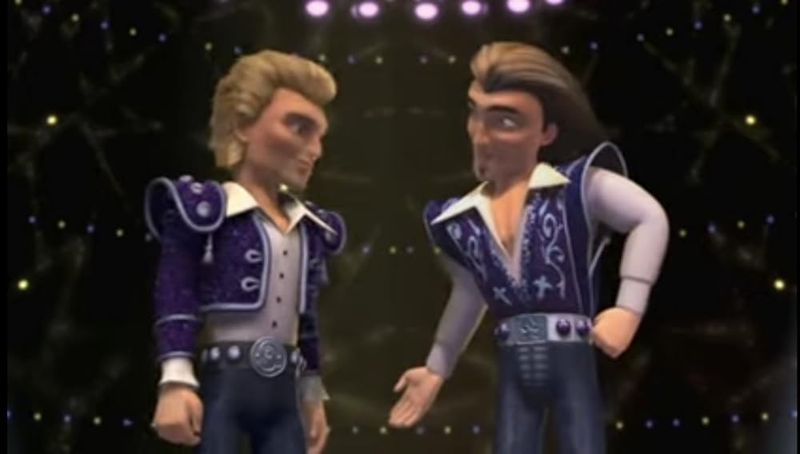
NBC spent a reported $1.6 million per episode on this animated series about a family of white lions connected to the famous Las Vegas magicians Siegfried and Roy.
The premise tried to blend edgy adult humor with broad family entertainment, and the result was a tonal mess that satisfied neither audience.
The show struggled to find its identity from the very first episode.
Viewers were confused, ratings tanked, and the awkward real-world connection to Siegfried and Roy added an extra layer of strangeness.
Despite heavy promotional investment, it vanished quickly and is now mostly remembered as an expensive misfire.
5. Who’s Your Daddy? (2005)
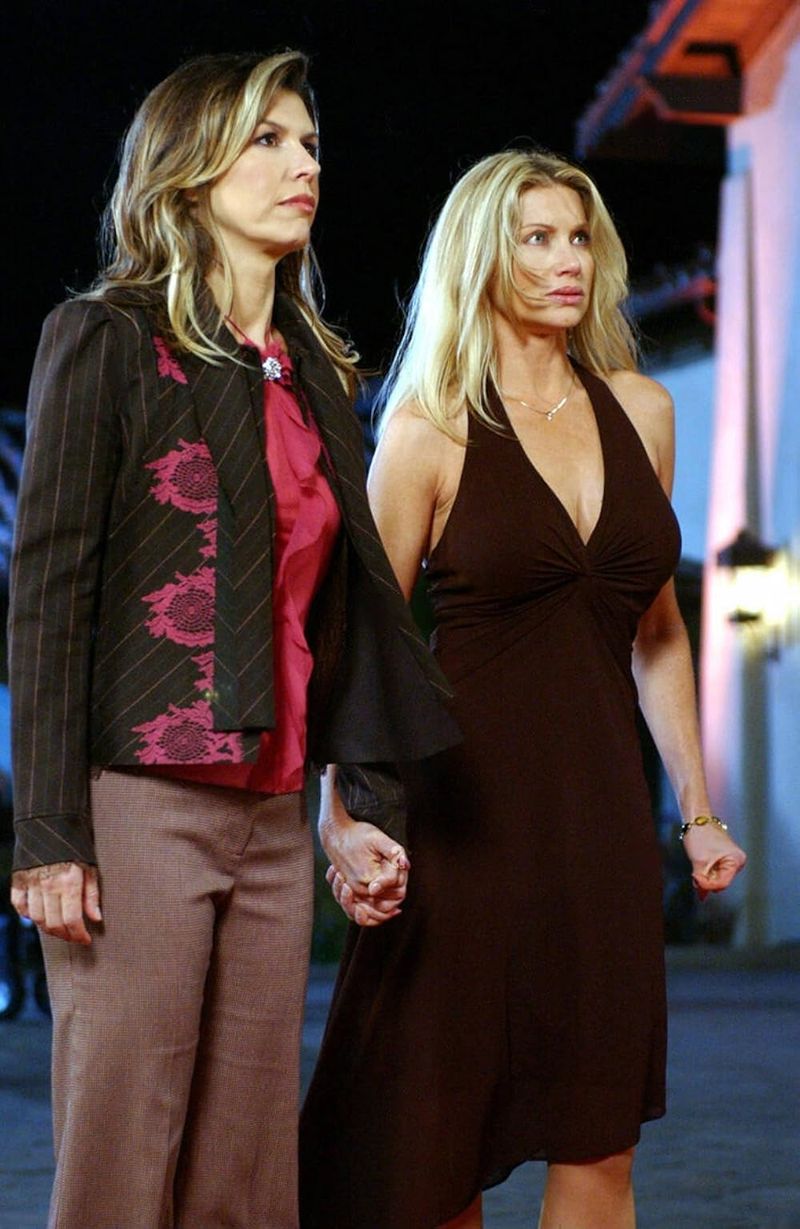
Even by early 2000s reality TV standards, this one stood out as particularly tasteless.
The concept involved an adopted woman trying to identify her biological father from a group of strangers, all for a cash prize.
The moment the premise was announced, backlash followed almost immediately.
Turning a profoundly emotional and personal experience into a guessing game for viewer entertainment struck many as deeply exploitative.
Adoption advocates, mental health professionals, and everyday viewers united in criticism before the special even aired.
Fox broadcast it just once, and the public reaction was so negative that any plans for a full series were quietly abandoned.
6. The Idol (2023)

With a cast full of big names and HBO’s backing, expectations for this drama were genuinely high.
The show promised a raw look at the dark side of the music industry and fame.
What audiences actually got felt more like shock value stitched together with loose storytelling.
Critics tore into it almost immediately, pointing to excessive explicit content that seemed to exist for its own sake rather than to serve the narrative.
Even fans of the lead actress found it hard to defend the muddled direction.
The Idol became a high-profile example of how star power and a provocative premise cannot substitute for actual substance.
7. Kid Nation (2007)

Forty kids.
No parents.
A ghost town in New Mexico.
CBS framed this as a fascinating social experiment, but the reality raised serious ethical eyebrows.
Children as young as eight were left to manage labor, food, and governance largely on their own while cameras rolled.
Reports surfaced of kids drinking bleach accidentally, suffering burns, and enduring exhausting conditions.
Parents later claimed they were pressured into signing away their children’s safety rights through complex contracts.
The concept might have made for genuinely interesting television in safer hands, but as executed, the ethical concerns completely overshadowed any entertainment value the show might have offered.
8. Cop Rock (1990)
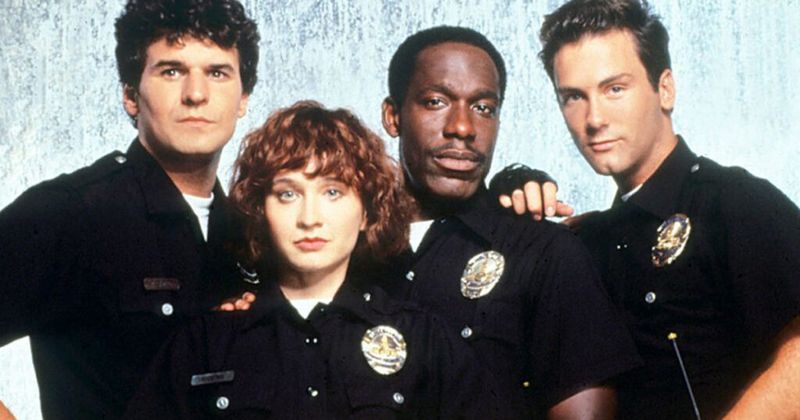
Creator Steven Bochco was behind some of the best cop dramas in TV history, which makes this experiment all the more baffling.
Cop Rock blended hard-hitting police procedural drama with full Broadway-style musical numbers, and the result was something audiences genuinely did not know how to process.
Picture a serious courtroom scene suddenly erupting into a gospel choir performance.
The tonal whiplash was so severe that even curious viewers checked out fast.
It ran for just eleven episodes before NBC pulled the plug.
Decades later, it remains a beloved footnote in television history, proof that ambition without cohesion rarely survives the ratings game.
9. Man vs. Beast (2003)

Fox aired this special and somehow thought pitting humans against animals in physical competitions was must-see television.
Contestants raced chimpanzees, pulled planes alongside elephants, and competed in eating contests against bears.
The spectacle was certainly something, but not exactly something to be proud of.
Animal rights organizations were outraged, calling the whole thing demeaning and unnecessary.
Viewers were split between bewildered amusement and genuine disgust.
There was no deeper message, no educational value, and no real point beyond the absurdity of watching it happen.
It remains one of the stranger chapters in Fox’s long history of pushing the boundaries of what television probably should be allowed to do.
10. Heil Honey I’m Home! (1990)
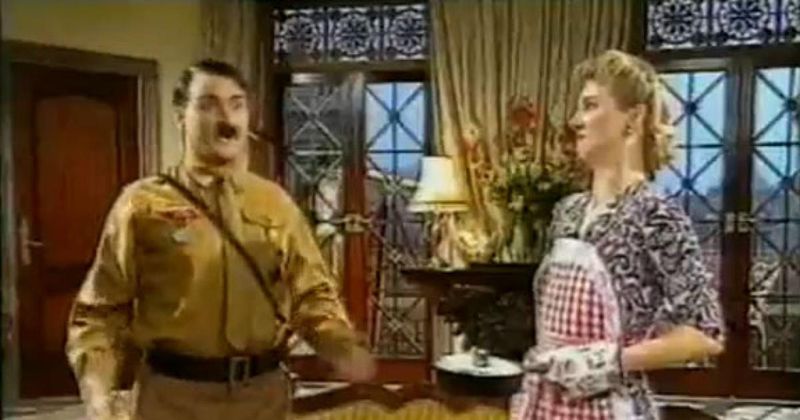
Some ideas are so spectacularly wrong that they almost seem fictional.
A British satellite channel actually produced a sitcom imagining Adolf Hitler as a bumbling suburban husband living next door to a Jewish couple, styled as a parody of classic American sitcoms like I Love Lucy.
The outrage was immediate and overwhelming.
Only one episode ever aired before the network yanked it entirely.
Defenders argued it was meant as sharp satire, but the execution offered nothing thoughtful enough to justify the premise.
It has since earned a permanent spot on nearly every list of the most ill-conceived television programs ever made, and rightfully so.
11. Bridalplasty (2010-2011)

E! network greenlit a reality competition where brides-to-be competed against each other to win plastic surgery procedures before their big day.
Every week, the winner received a surgical procedure from her personal wish list.
The loser went home without going under the knife, framed almost as a punishment.
The concept drew swift criticism for treating cosmetic surgery as a prize and reinforcing damaging ideas about beauty and self-worth.
Even loyal reality TV fans found it hard to stomach.
It ran for one season before quietly disappearing, leaving behind a legacy as one of the more uncomfortable examples of how far networks will sometimes go chasing ratings.
12. There’s Something About Miriam (2004)
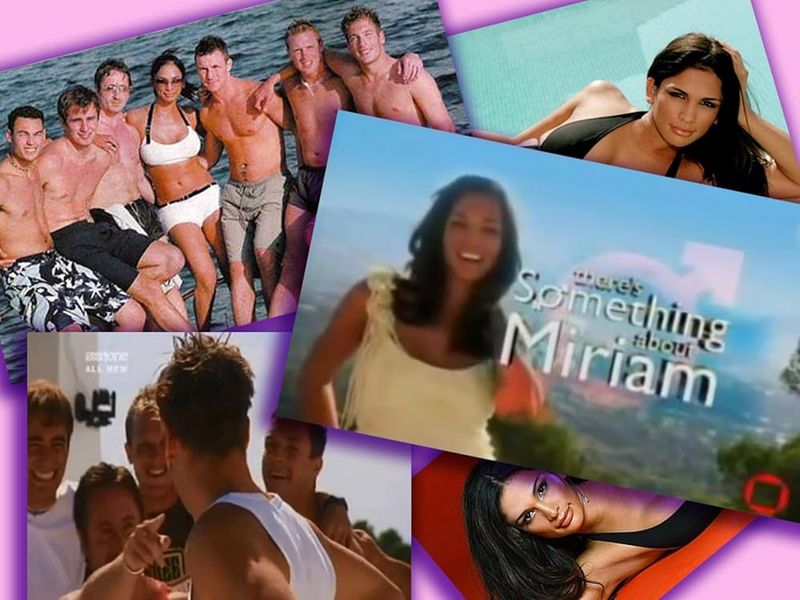
Six men competed on this UK dating show to win the heart of Miriam Rivera, a strikingly attractive model.
The twist was hidden from both the contestants and the viewing public until the very end: Miriam was a transgender woman.
The reveal was treated as a shocking punchline rather than a meaningful moment.
The male contestants were furious, and several filed lawsuits against the production company for emotional distress.
Advocacy groups condemned the show for using someone’s identity as a deceptive entertainment device.
It is widely cited today as one of the most ethically irresponsible concepts ever greenlit, a sharp reminder that some twists come at a real human cost.
Comments
Loading…