
 Mary Murphy
12 TV Reboots That Couldn’t Live Up to the Original
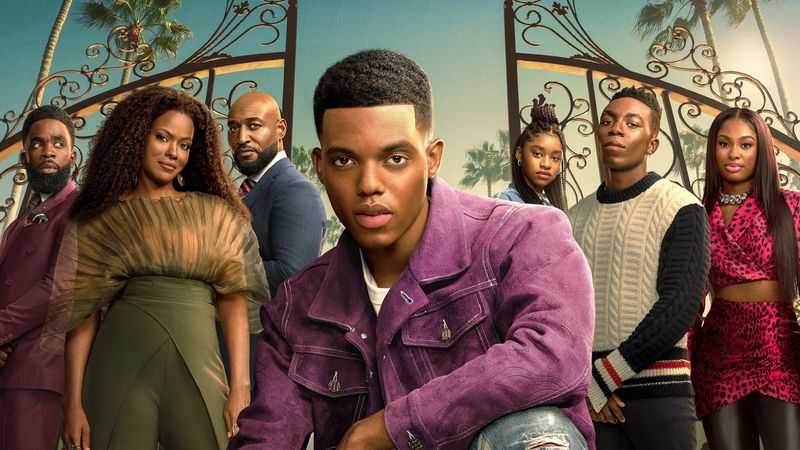
Hollywood loves a good comeback story, and TV reboots seem like a safe bet — familiar names, built-in fans, and ready-made nostalgia.
But bringing back a beloved show is way harder than it looks.
Sometimes the magic just can’t be recreated, and what made the original special gets lost in translation.
Here are 12 TV reboots that tried to recapture the lightning in a bottle but fell short of their predecessors.
1. Charmed (2018–2022)
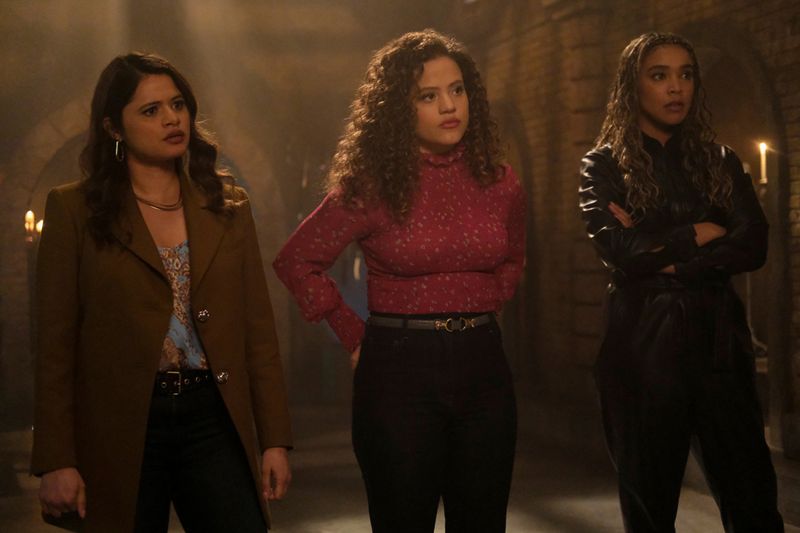
Few reboots sparked as much fan fury as the 2018 version of Charmed.
Longtime fans of the original Halliwell sisters felt blindsided by a series that seemed more interested in social commentary than in honoring what came before.
The new Charmed sisters lacked the crackling sisterly chemistry that made the original so emotionally gripping.
Uneven writing made it hard to root for characters who felt more like stand-ins than real people.
For a show built on the bond between siblings, losing that warmth was a fatal flaw.
The magic was technically there — but the heart simply wasn’t.
2. Charlie’s Angels (2011)
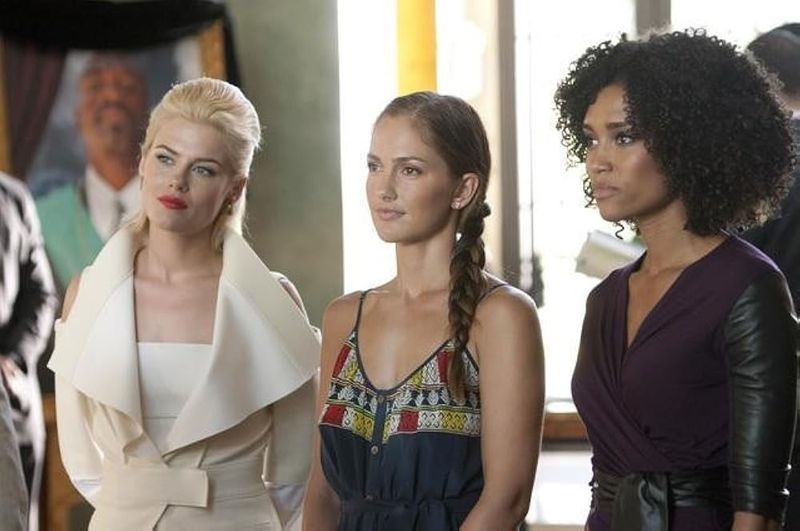
Some shows crash and burn slowly. Charlie’s Angels (2011) did it at full speed, becoming one of the fastest cancellations in recent network history.
ABC pulled the plug after just a handful of episodes aired.
Critics were quick to point out wooden performances and action sequences that felt more like a low-budget music video than a slick crime thriller.
The original had style and sizzle — this version had neither.
The 1970s series worked because of its charm and charisma.
Swapping those qualities for hollow glamour left audiences completely cold and reaching for the remote.
3. The Odd Couple (2015–2017)
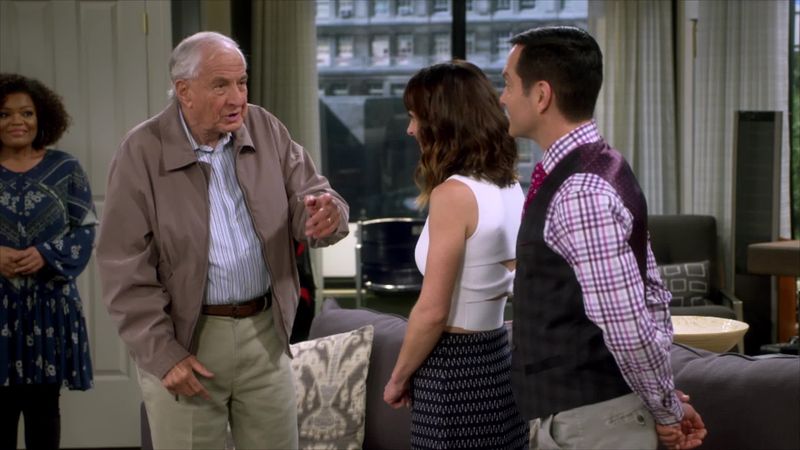
Oscar and Felix are one of comedy’s greatest odd pairs — but the 2015 CBS reboot proved that not every classic duo translates well to a modern audience.
Matthew Perry and Thomas Lennon tried hard, but the material let them down.
Stale jokes and a reliance on old-fashioned sitcom structure made the show feel like a relic rather than a revival.
The original’s sharp banter felt alive and electric; this version felt rehearsed and tired.
Laugh tracks can’t manufacture genuine chemistry.
Viewers tuned out quickly, and CBS eventually pulled the show without much fanfare after three seasons.
4. Bionic Woman (2007)
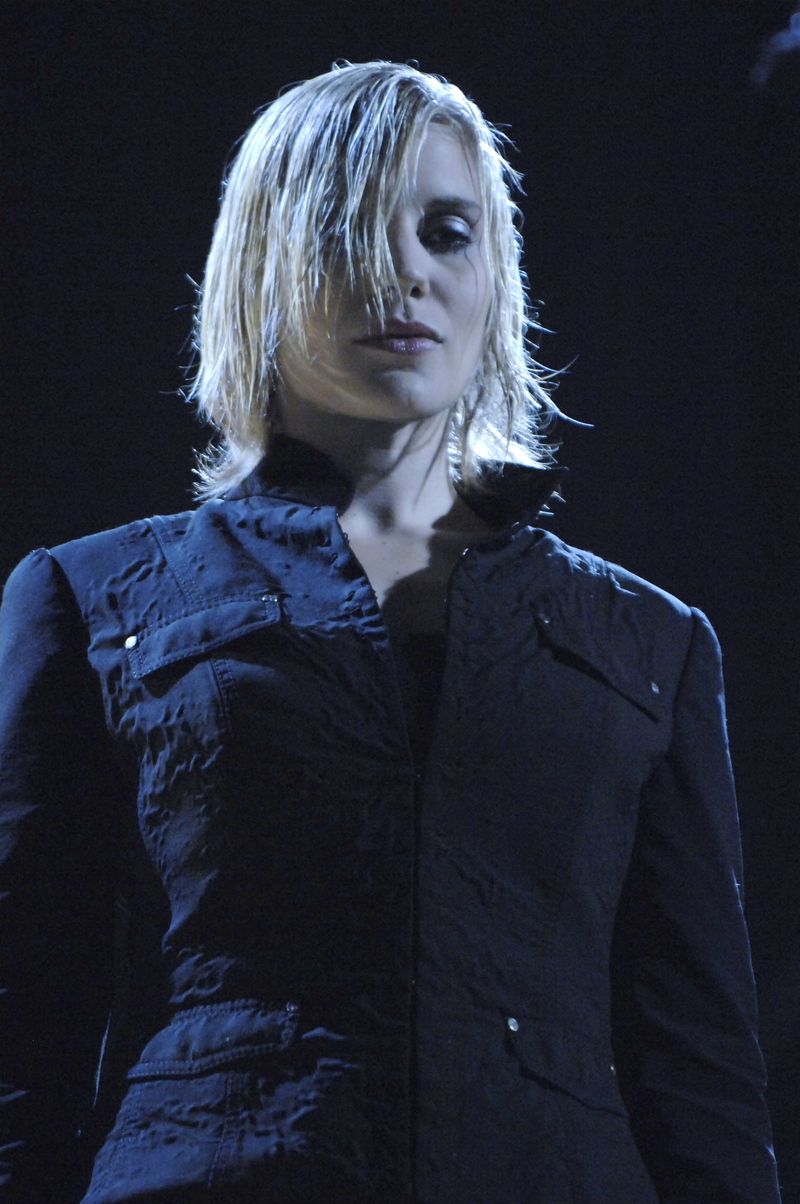
The original Bionic Woman was a cultural phenomenon — a fun, warm, and inspiring show about a woman with superhuman abilities.
The 2007 NBC reimagining decided darker and grittier was the way to go. It wasn’t.
Audiences tuned in hoping for the same spirit that made Jaime Sommers a TV icon.
Instead, they got a brooding, humorless version that stripped away everything likable about the character.
Even upgraded special effects couldn’t patch the emotional gap.
NBC canceled the series after just eight episodes, leaving behind a reboot that serves as a cautionary tale about mistaking darkness for depth.
5. Knight Rider (2008–2009)
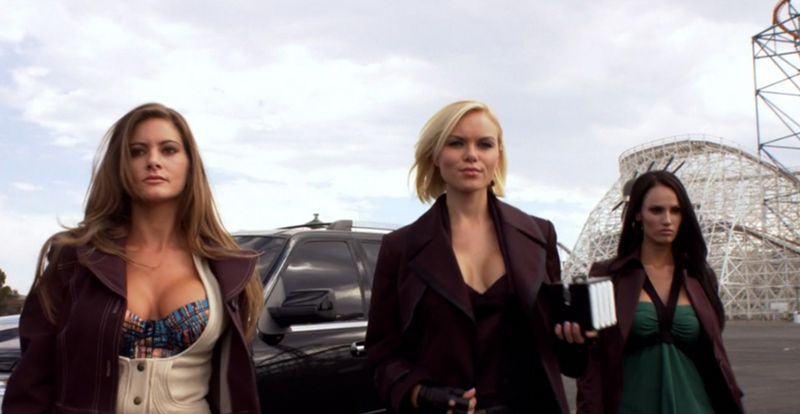
KITT is one of the most iconic cars in television history, and NBC was banking hard on that nostalgia when it rebooted Knight Rider in 2008.
Unfortunately, a cool car can only carry a show so far.
The new series leaned so heavily on the original’s legacy that it forgot to build something worthwhile of its own.
The lead performances felt flat, and the storylines rarely delivered the excitement fans were hoping for.
What made the original work was the buddy dynamic between Michael Knight and KITT.
That warmth and humor were mostly missing here, and ratings reflected it painfully.
6. Kojak (2005)
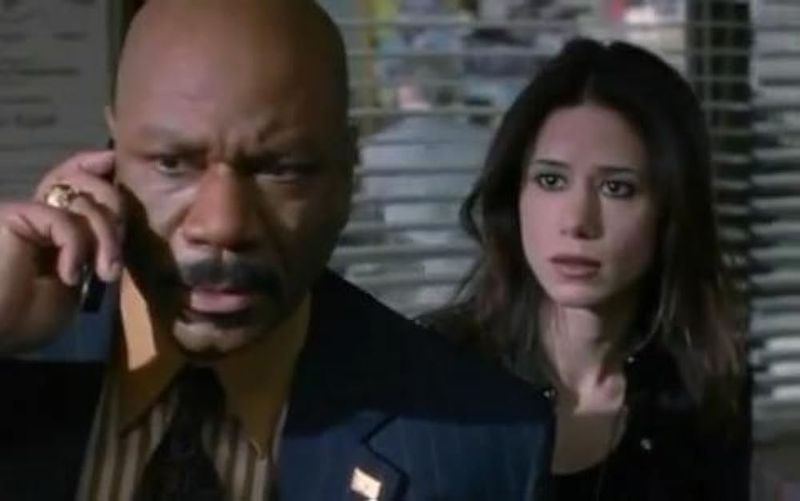
Telly Savalas made Kojak one of TV’s most unforgettable detectives — a bald, lollipop-sucking New York cop with a commanding screen presence and a razor-sharp wit.
Replacing that kind of icon is nearly impossible.
The 2005 USA Network version starred Ving Rhames, a genuinely talented actor who still couldn’t fill those very large shoes.
The show felt like a procedural that happened to share a name with something great.
Cultural impact isn’t something you can simply repackage.
Kojak (2005) lasted only one short season before disappearing quietly, leaving behind little more than a footnote in television history.
7. Melrose Place (2009–2010)
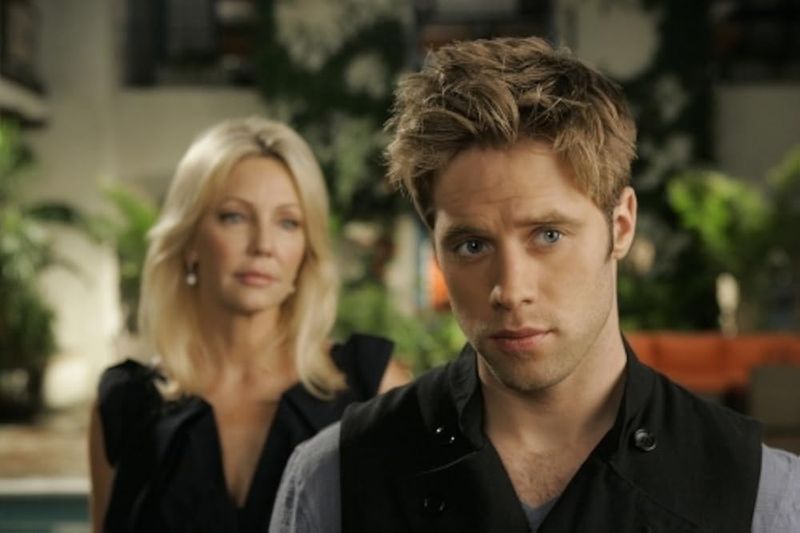
Back in the 1990s, Melrose Place was appointment television — full of scandalous storylines, outrageous characters, and the kind of addictive drama that kept fans glued to their screens every week.
The 2009 CW reboot had a tough act to follow.
And follow it, it could not.
The new residents of Melrose Place were considerably less interesting, and the storylines lacked the delicious over-the-top energy that made the original a guilty pleasure classic.
Soap operas live and die by their ability to shock and entertain.
This version did neither particularly well, and CW canceled it midway through its first and only season.
8. Ironside (2013)
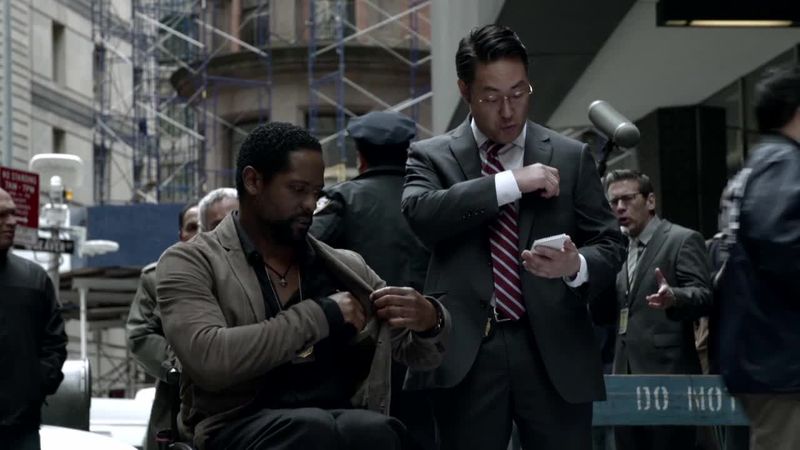
Raymond Burr’s original Ironside ran for eight seasons and earned a devoted following by making its wheelchair-using detective one of TV’s most compelling crime solvers.
NBC’s 2013 revival had a much shorter run — just three episodes before cancellation.
Blair Underwood stepped into the role with undeniable talent, but critics felt the show offered no fresh reason to exist.
It recycled familiar procedural beats without adding anything that justified bringing the character back.
Audiences agreed.
Poor ratings sealed its fate almost immediately.
Sometimes a reboot exists purely out of brand recognition, and viewers can always tell when there’s no real creative vision behind it.
9. Queer as Folk (2022)
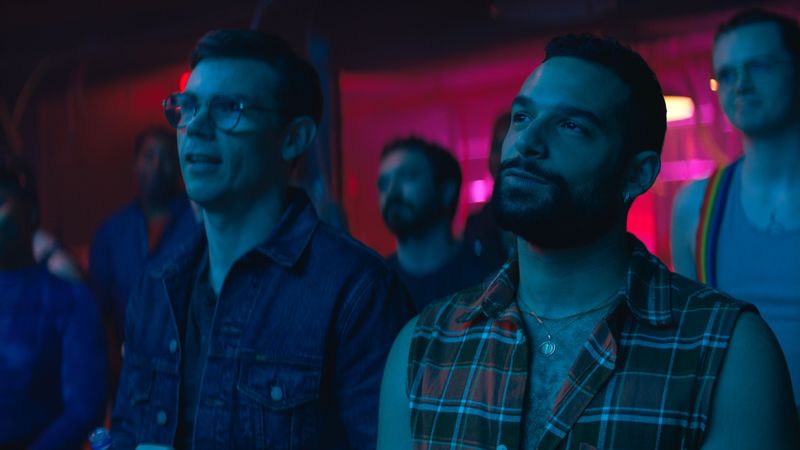
The original Queer as Folk — both the UK version and the US adaptation — was groundbreaking television.
It pushed boundaries, told honest LGBTQ+ stories, and earned a fiercely loyal fanbase.
The 2022 Peacock reboot had enormous shoes to fill.
Sadly, the new series felt like it was trying too hard to be relevant rather than focusing on genuine storytelling.
Lukewarm audience reactions and mixed critical reviews suggested the magic simply didn’t transfer.
Bold storytelling requires real conviction, not just bold aesthetics.
Many fans felt the reboot played it safer than the originals ever did, which was perhaps the biggest disappointment of all.
10. Heroes Reborn (2015–2016)
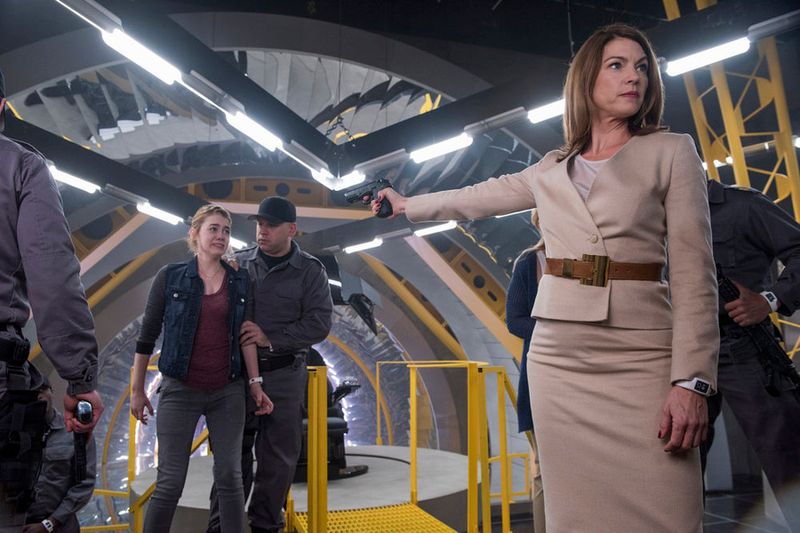
When Heroes debuted in 2006, it felt like a genuine pop culture earthquake.
The first season was riveting, inventive, and emotionally powerful.
Heroes Reborn arrived in 2015 hoping to bottle that lightning again. It couldn’t.
The miniseries brought back some original cast members alongside new characters, but convoluted plotting and a lack of emotional stakes left fans frustrated rather than thrilled.
The show felt like it was chasing the ghost of its own best days.
What made season one special was its simplicity and heart.
Heroes Reborn had neither, and it quietly faded after its single limited run without reigniting the franchise’s former glory.
11. Velma (2023)
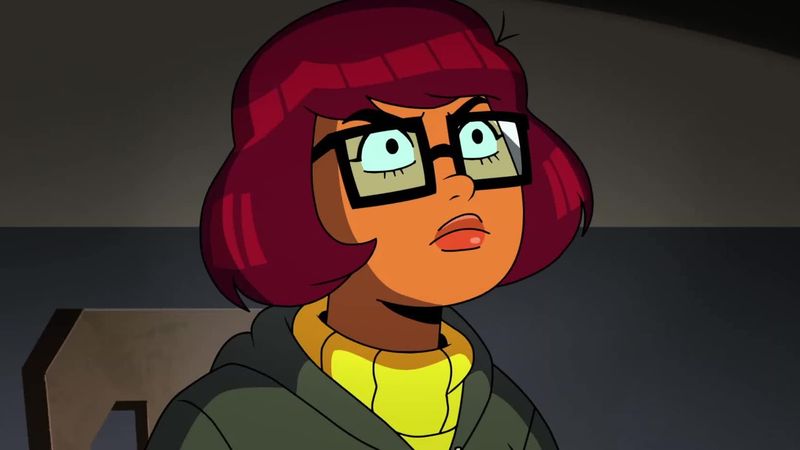
Scooby-Doo has been a beloved part of childhood for over 50 years, so reimagining it as an edgy adult animated series was always going to be a risky move.
HBO Max’s Velma took that risk — and many viewers felt it backfired spectacularly.
The show drastically altered fan-favorite characters and replaced the franchise’s wholesome mystery-solving fun with cynical, adult humor.
Many long-time fans felt the series showed little respect for what made the property special in the first place.
Controversy followed every episode.
Whether intentional provocation or creative miscalculation, Velma became one of the most talked-about — and most disliked — animated reboots in recent memory.
12. Bel-Air (2022)
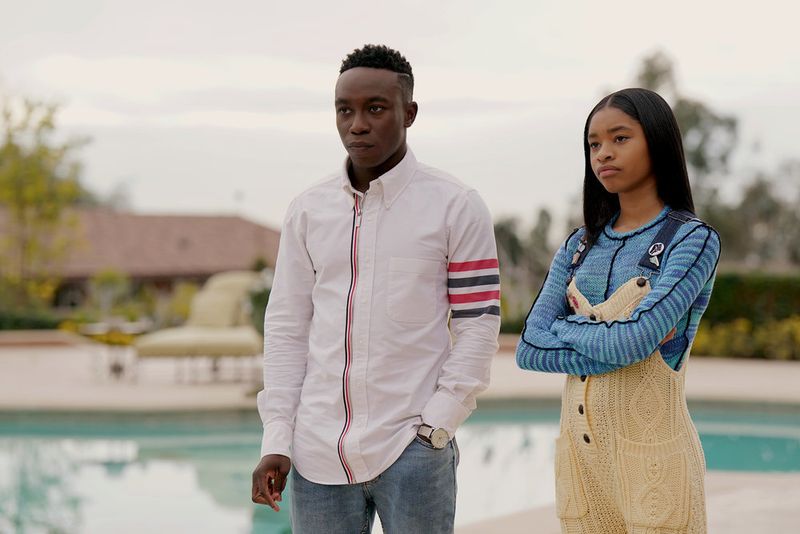
Will Smith’s Fresh Prince of Bel-Air was joyful, funny, and unexpectedly moving — a sitcom that balanced laughs with genuine emotional moments.
Bel-Air reimagined that story as a prestige drama, stripping away nearly all of the humor in the process.
The show is well-produced and Jabari Banks delivers a solid performance, but something essential got lost in the tonal shift.
Fans of the original tuned in hoping for warmth and found something colder and more serious instead.
Drama and comedy can absolutely coexist — the original proved that beautifully.
Bel-Air’s decision to abandon the sitcom’s playful spirit divided audiences and left many wondering why the reboot needed to exist at all.
Comments
Loading…