
 Chloe Peterson
12 Things Streaming Ruined Forever

Streaming was supposed to make entertainment easier, cheaper, and more fun, and in some ways it absolutely did.
You can watch almost anything from your couch, pause whenever life interrupts, and find niche shows you’d never see on traditional TV.
The problem is that convenience has a sneaky way of changing our habits, and not always for the better.
Somewhere between autoplay, “skip intro,” and an endless carousel of options, a few small joys quietly disappeared.
Even worse, some things we used to take for granted—like owning our favorites or having everyone watch the same episode at the same time—now feel oddly old-fashioned.
Here are 12 things streaming didn’t just change, but arguably ruined for good.
1. The magic of “movie night”
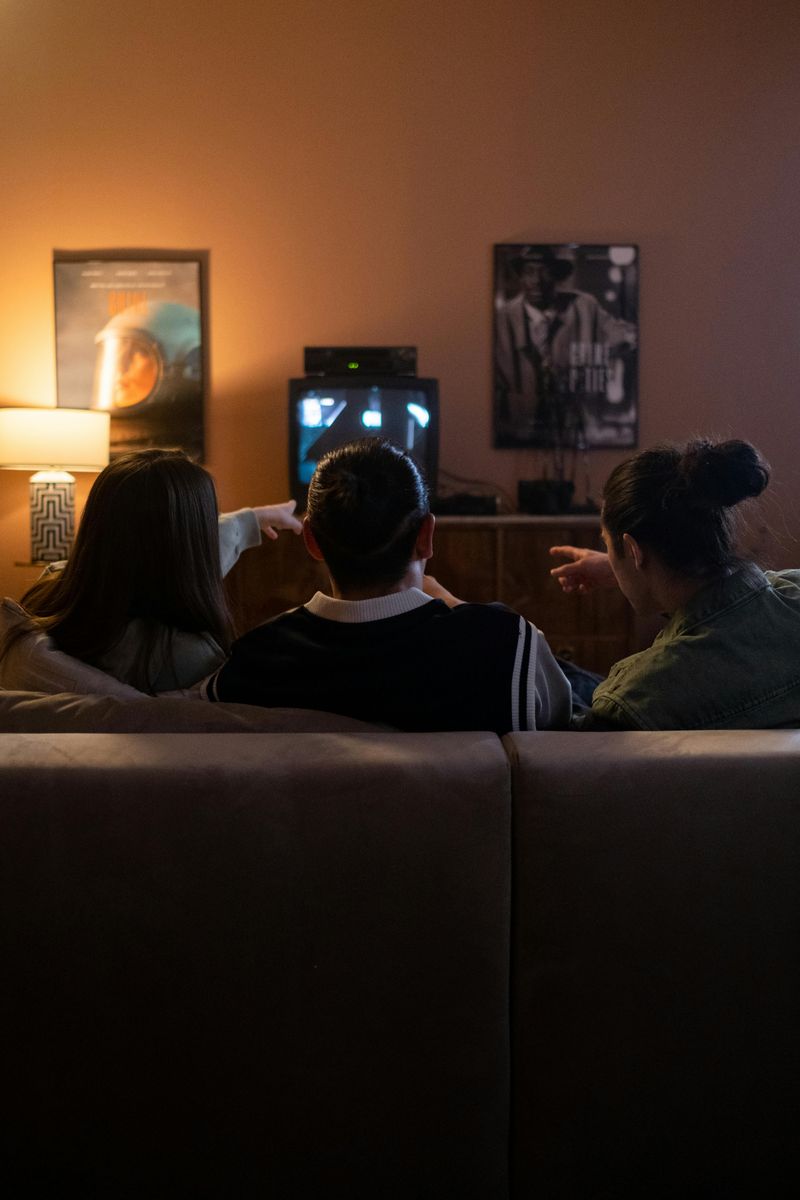
It used to take a little effort to pull off a real movie night, which was exactly why it felt special.
You picked a title ahead of time, coordinated with whoever was coming over, and made snacks that weren’t just whatever happened to be in the pantry.
The ritual created anticipation, and anticipation made the experience feel bigger than the screen.
Streaming turned movies into something you squeeze into leftover time, often while multitasking, checking your phone, or half-watching between chores.
When entertainment is always available, it stops feeling like an event and starts feeling like background noise.
You can still recreate the magic, of course, but it now requires intentional planning rather than happening naturally.
2. Channel surfing as entertainment
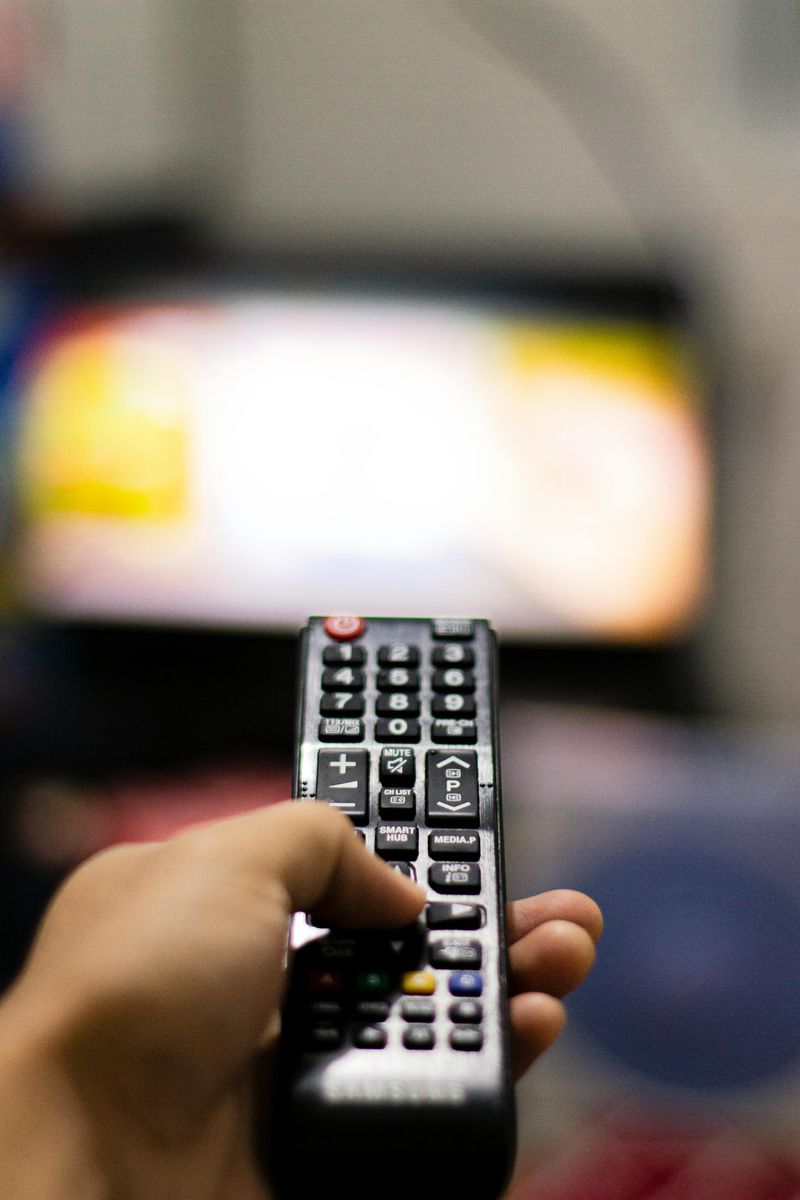
There was a weird, satisfying pleasure in flipping through channels with no real plan, letting the options surprise you.
You might land on a random sitcom marathon, a cheesy action movie, or a documentary you didn’t know you wanted until you stumbled onto it.
Streaming replaced that with a sleek interface that promises personalization, yet somehow still leaves you feeling lost.
Instead of discovery, you get a decision marathon, and instead of spontaneity, you get categories that all start to look the same after a few minutes.
Algorithms may recommend shows “just for you,” but they rarely recreate the joy of accidental finds.
The result is that browsing becomes exhausting rather than entertaining.
3. Waiting a week for the next episode
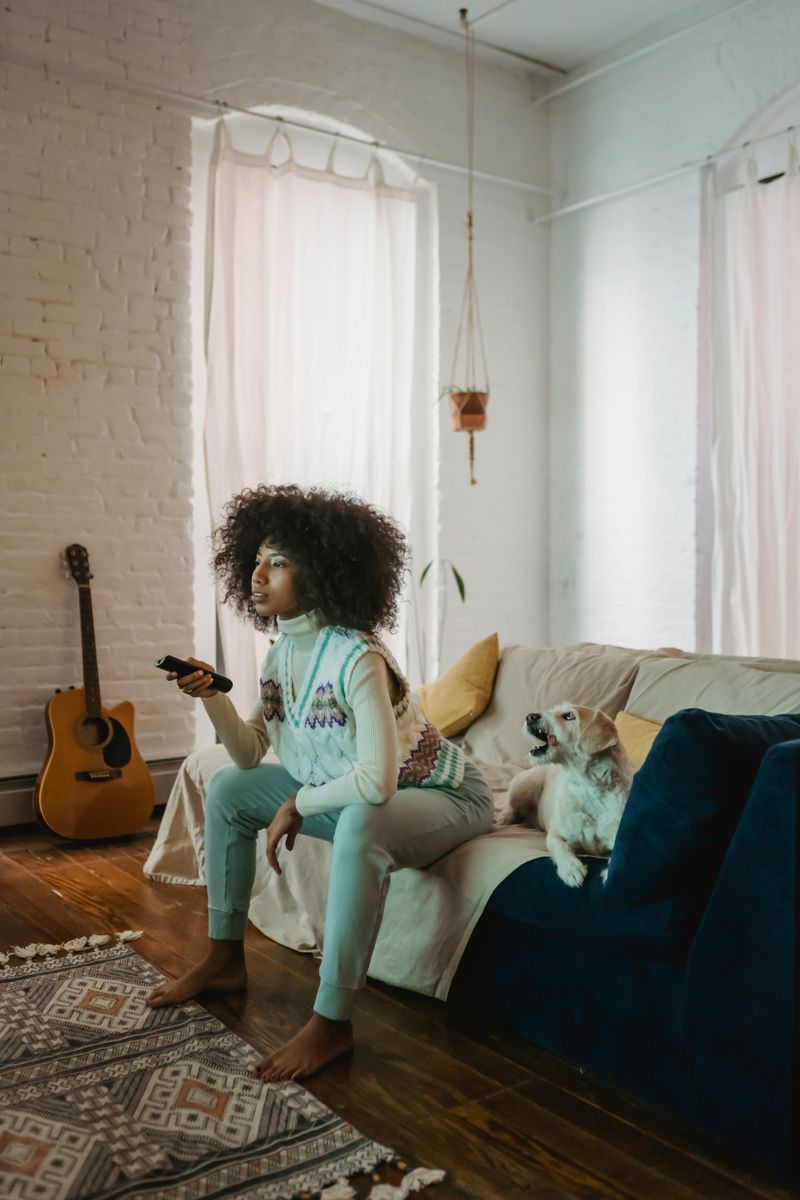
A weekly release schedule forced you to sit with a story, replay moments in your head, and speculate about what might happen next.
The wait wasn’t a flaw, it was part of the fun, because it gave the show room to breathe in your life.
Streaming normalized binge-watching, which feels great in the moment but often leaves less of an emotional footprint.
When you devour eight episodes in one weekend, the details blur together and the impact fades faster than you expect.
Even when some platforms return to weekly drops, the culture has shifted toward instant consumption.
Patience used to be built into entertainment, and now it feels like an optional upgrade.
4. Pop-culture “everyone watched it” moments

There was a time when you could walk into school or work and know that most people had seen the same episode the night before.
Shared viewing created instant conversation starters, inside jokes, and that fun sense of being part of something at the same time.
Streaming splintered that experience into a thousand separate timelines.
One friend is on season one, another is finishing the finale, and someone else “means to start it” but never does.
That makes it harder for a show to become a true cultural moment instead of a personal obsession.
Spoilers also become landmines, because you never know where anyone is.
Entertainment feels more individualized now, and sometimes less communal.
5. The joy of rewatching comfort shows
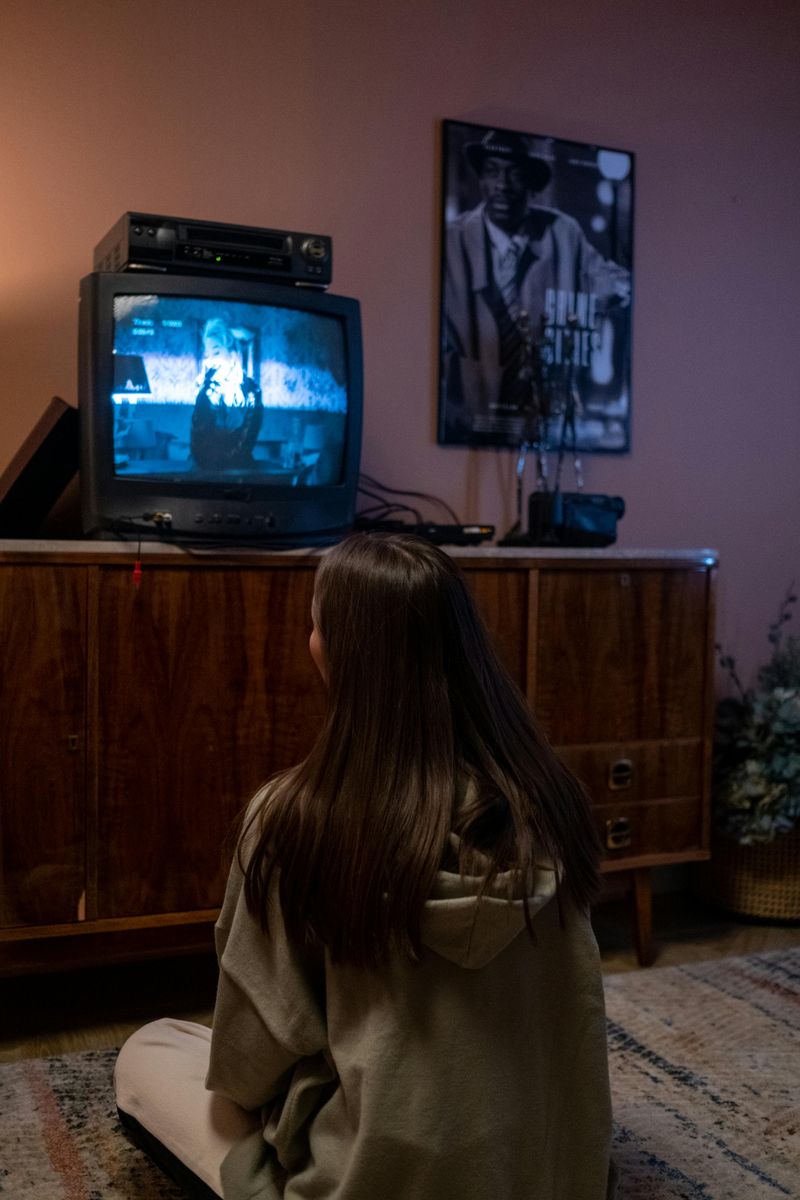
Comfort shows used to be reliable in a way that felt oddly comforting, because you knew exactly where to find them when you needed a mental reset.
You could throw on your favorite season, revisit beloved characters, and let the familiarity do its job.
Streaming introduced a new kind of anxiety: the constant possibility that your go-to show will vanish overnight.
Licensing deals change, platforms shuffle content, and suddenly the series you’ve rewatched five times is gone or moved behind another paywall.
That instability turns rewatching into a gamble, and it makes “comfort content” feel less dependable.
It’s hard to relax into a favorite when you’re always wondering if it will still be there next month.
6. The idea that subscriptions are cheaper than cable
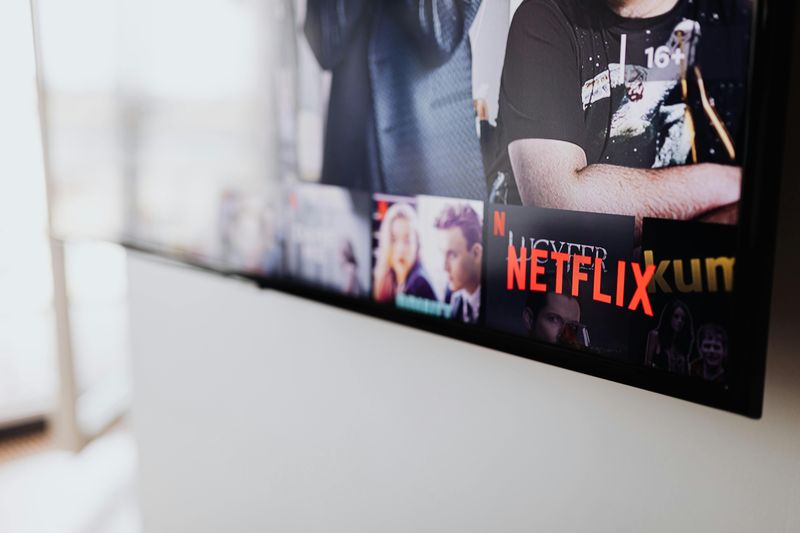
Streaming started as the affordable alternative, especially when one or two services covered almost everything you wanted.
Over time, the math stopped being cute.
Prices climbed, ad-free tiers became premium, and the content you actually care about got spread across multiple platforms.
Add in bundles, sports add-ons, “premium channels,” and the occasional pay-per-view movie, and you’re suddenly managing a mini cable bill—except now you’re the one doing the juggling.
The worst part is the constant feeling of being nickel-and-dimed, because each service has just enough must-watch content to make canceling painful.
It’s not always more expensive than cable, but it’s rarely the simple bargain it promised to be.
7. Owning your favorites
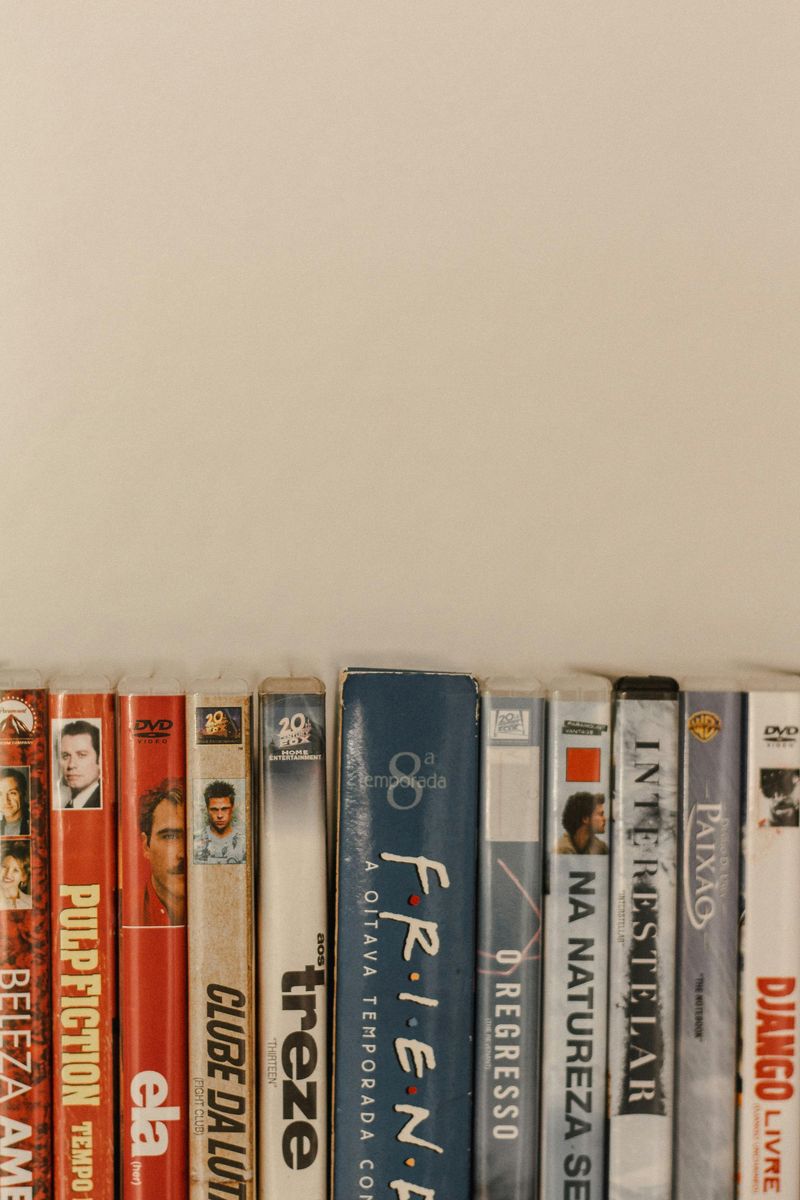
Buying a DVD or Blu-ray used to mean something simple: this is yours, and you can watch it whenever you want.
Even digital purchases once felt like a permanent library you were building over time.
Streaming changed the relationship from ownership to access, and access is conditional.
Titles disappear, catalogs rotate, and “available” can mean something different depending on your region, your subscription tier, or a licensing deal you never even knew existed.
It’s unsettling to realize you can pay for years and still not truly have your favorites secured.
Ownership feels old-fashioned now, even though it solves a very modern problem.
If streaming services can remove content at any time, your entertainment life starts to feel temporary by design.
8. Browsing a video store

The experience of walking through a video store wasn’t just about finding a movie, it was about the whole vibe.
You wandered aisles, laughed at ridiculous cover art, judged plots based on the back of the box, and sometimes ended up renting something totally unexpected.
There was also something oddly social about it, because you might run into friends, ask an employee for a recommendation, or debate choices with whoever came along.
Streaming made selection more efficient, but also more isolating.
The interface is quiet, and the choices are endless in a way that can feel numbing rather than exciting.
You don’t get the tactile “this looks interesting” moment that came from physically holding a case.
Discovery became digital, and it lost a little personality in the process.
9. Complete seasons that stay complete
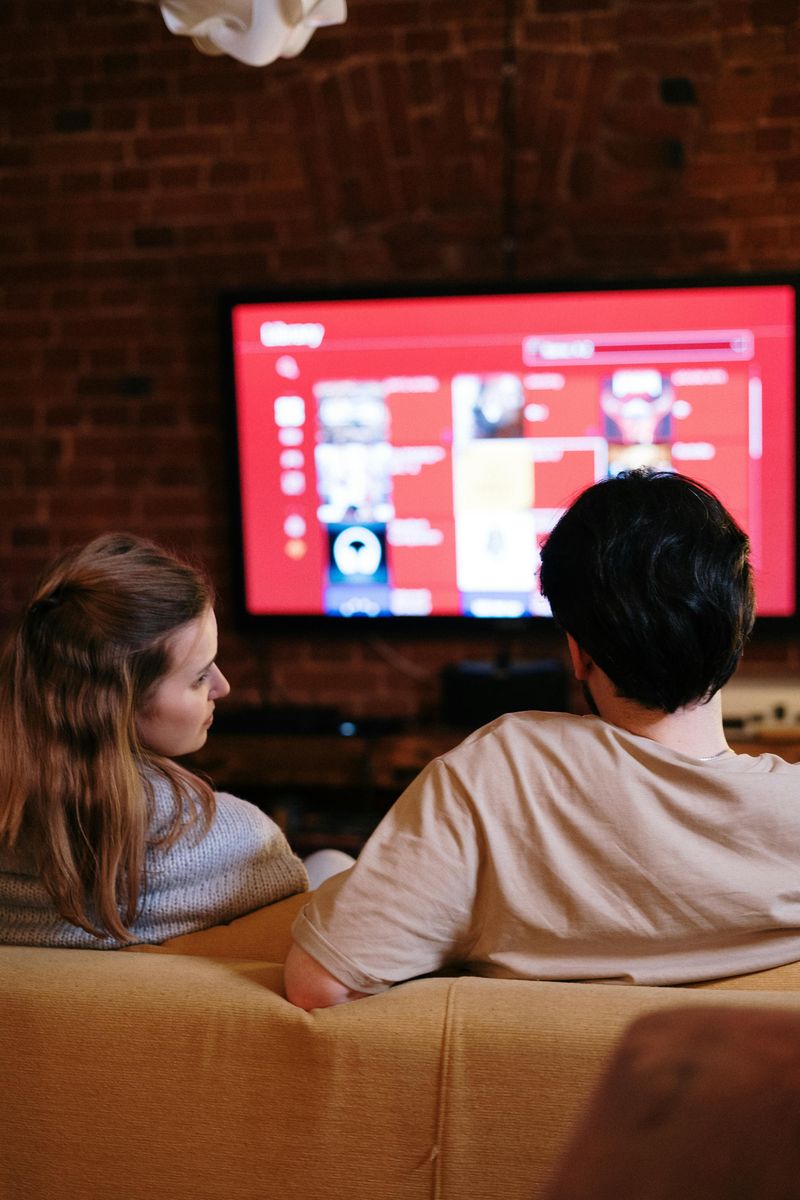
Watching a series from start to finish used to be straightforward, because once you had access, the season was the season.
Streaming introduced a frustrating new reality where shows can be incomplete without warning.
Some platforms have missing episodes, certain seasons unavailable, or entire series removed mid-rewatch due to rights disputes.
Sometimes episodes get pulled for music licensing issues, outdated content, or complicated legal agreements that have nothing to do with the viewer.
That makes streaming libraries feel unreliable, almost like living in a house where the furniture can disappear overnight.
It’s especially annoying when you’re invested in a story and the next episode simply isn’t there.
Entertainment shouldn’t feel like a scavenger hunt, yet here we are.
10. Movies that are allowed to be “mid-budget”
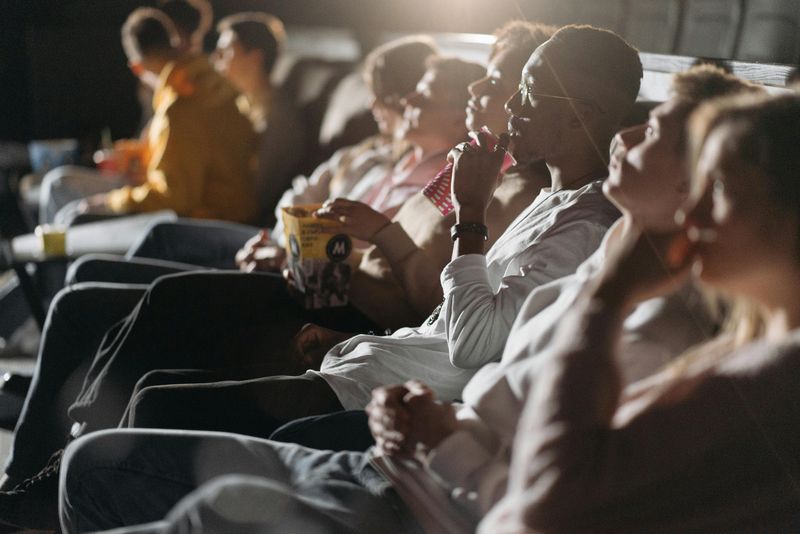
There used to be a steady stream of movies that weren’t massive blockbusters and weren’t tiny indies either, and those mid-budget films often became favorites.
They could take creative risks, feature interesting adult stories, and still look polished without needing superhero-level spectacle.
Streaming changed incentives in a way that pushes extremes.
Big franchises get huge budgets because they drive subscriptions, and cheap content gets made quickly because it fills the library.
Mid-budget movies can struggle to justify their existence when the success metrics are fuzzy and the competition is endless.
Some films go straight to streaming and vanish into the algorithm, never getting the cultural runway they might have had in theaters.
It’s not that mid-budget movies are gone, but they’re harder to notice and easier to forget.
11. Intros and theme songs
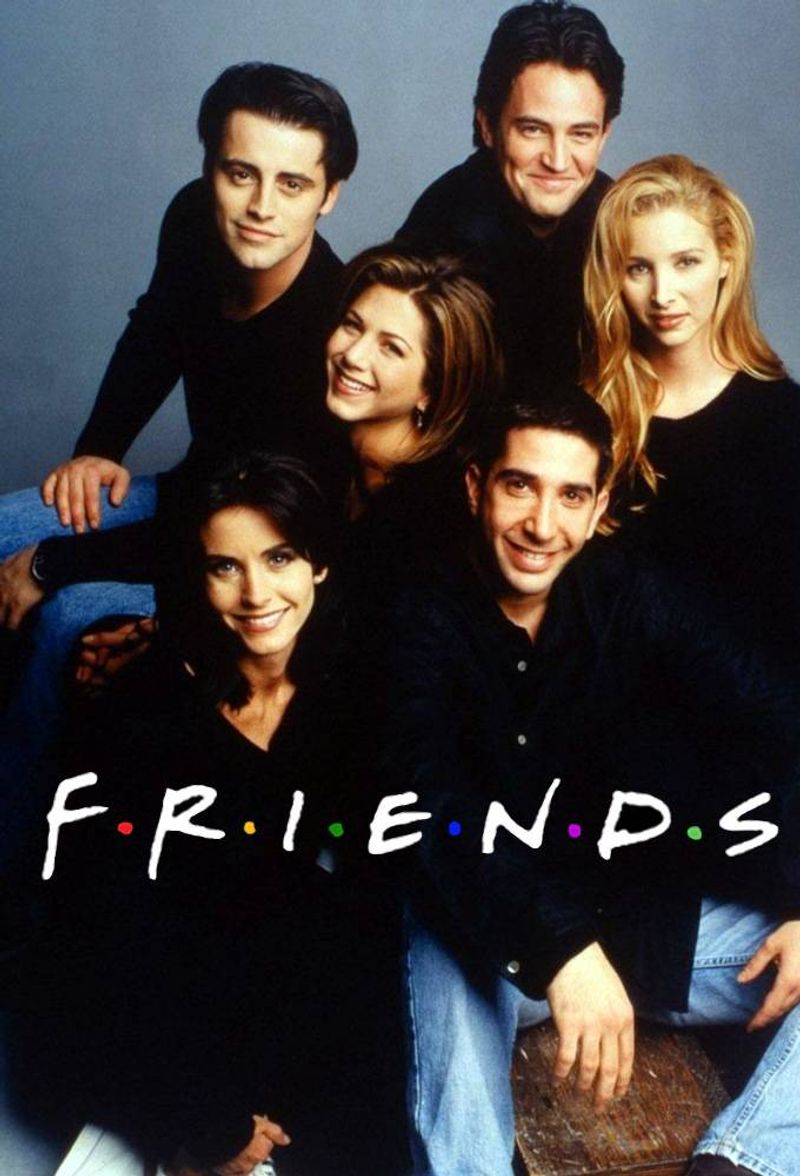
Theme songs used to be part of the identity of a show, creating instant nostalgia and setting the mood before the story even began.
They also gave you a brief moment to settle in, especially when the day was hectic and you needed a mental transition into “watch mode.”
Streaming turned intros into something you’re encouraged to skip, as if they’re an obstacle between you and the real content.
Over time, that trains you to treat the opening as disposable, even when it’s genuinely good.
It also changes how shows are made, because creators know viewers might never watch the intro anyway.
The result is fewer iconic openings that stick in your brain for decades.
Convenience shaved off a little charm, one “skip” button at a time.
12. The ability to just pick something and commit

Having too many choices doesn’t always make choosing easier, and streaming is the proof.
When you’re staring at thousands of options, every pick feels like it has to be the perfect one, because you could be watching something better.
That mindset makes it harder to commit, even when what you’re watching is perfectly fine.
You start second-guessing ten minutes in, then switching, then scrolling again, and somehow an hour disappears without real relaxation.
Streaming also makes quitting frictionless, which sounds good until you realize it shortens your attention span for slow-burn stories.
In the past, you were more likely to stick with a movie because you rented it or paid for it.
Now, entertainment is disposable, and commitment feels optional in the worst way.
Comments
Loading…