
 Chloe Peterson
12 Robert Duvall Classics You Probably Forgot About
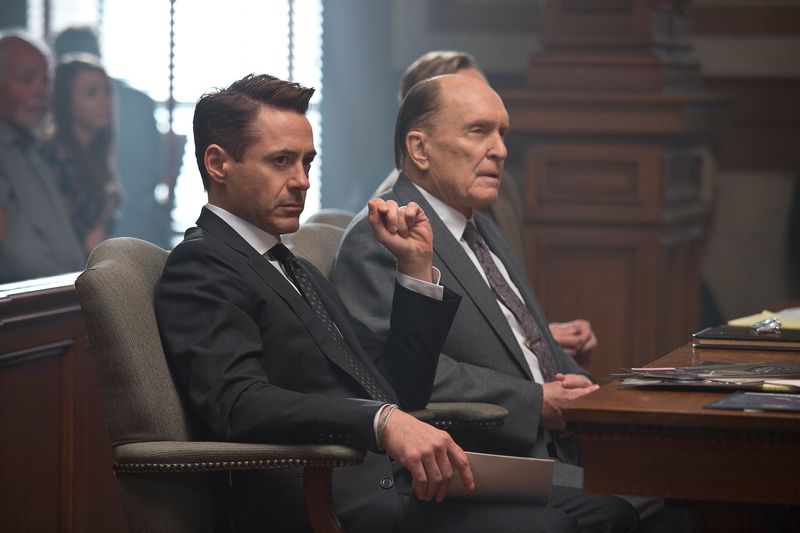
Robert Duvall has been in so many incredible movies that some of his best work gets lost in the shuffle. While everyone remembers him in The Godfather or Lonesome Dove, he has dozens of other performances that deserve attention.
This list celebrates those hidden gems where Duvall showed his remarkable range and talent, reminding us why he remains one of the greatest actors of all time. From quiet, character-driven dramas to gripping thrillers and modern Westerns, these roles showcase the subtle intensity and emotional depth that have defined his decades-long career.
1. The Apostle (1997)
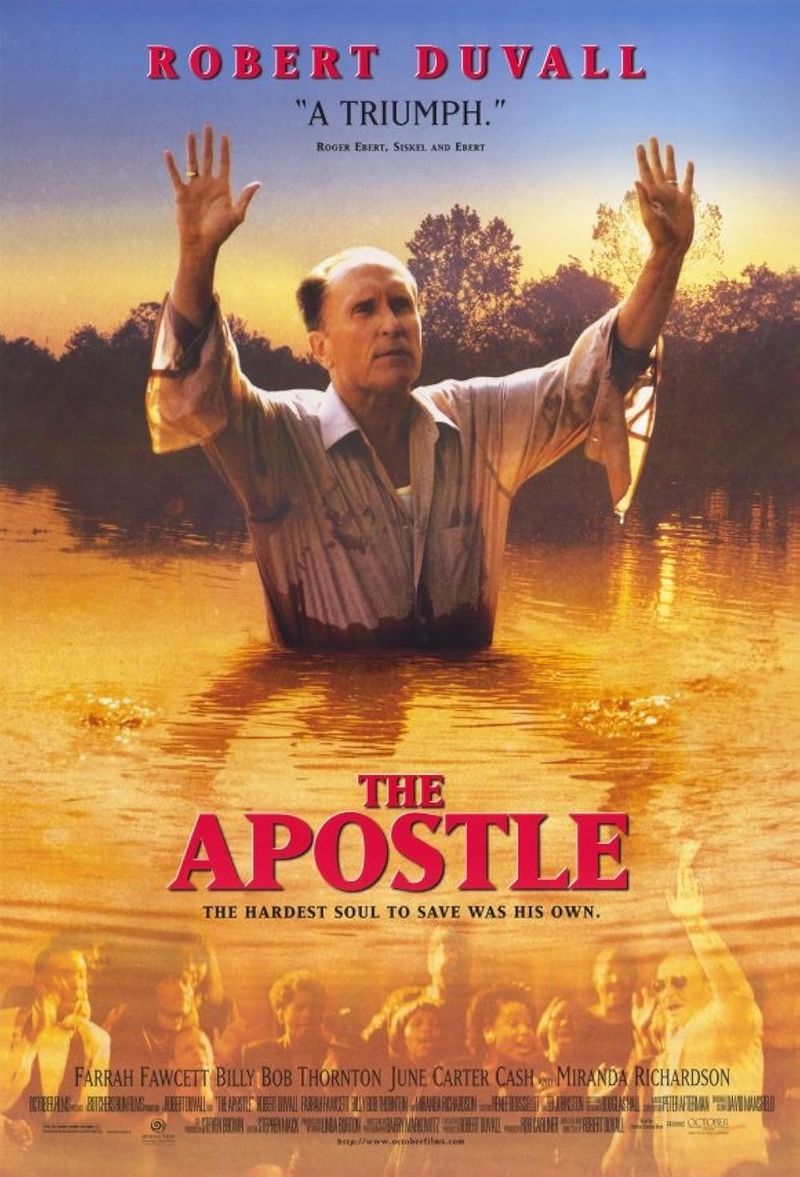
Duvall wrote, directed, and starred in this passion project about a Pentecostal preacher who flees Texas after a violent outburst.
His character rebuilds his life in Louisiana by starting a new church, wrestling with redemption along the way.
The performance earned him an Oscar nomination and remains one of his most personal works.
What makes this film special is how Duvall captures the complexity of faith without judgment.
He shows a flawed man who genuinely loves God while battling his own demons.
The authenticity comes from years of research Duvall did attending real church services across the South.
Critics praised the raw emotion and honest portrayal of religious life in America.
Audiences discovered a side of Duvall they had never seen before.
2. Tender Mercies (1983)
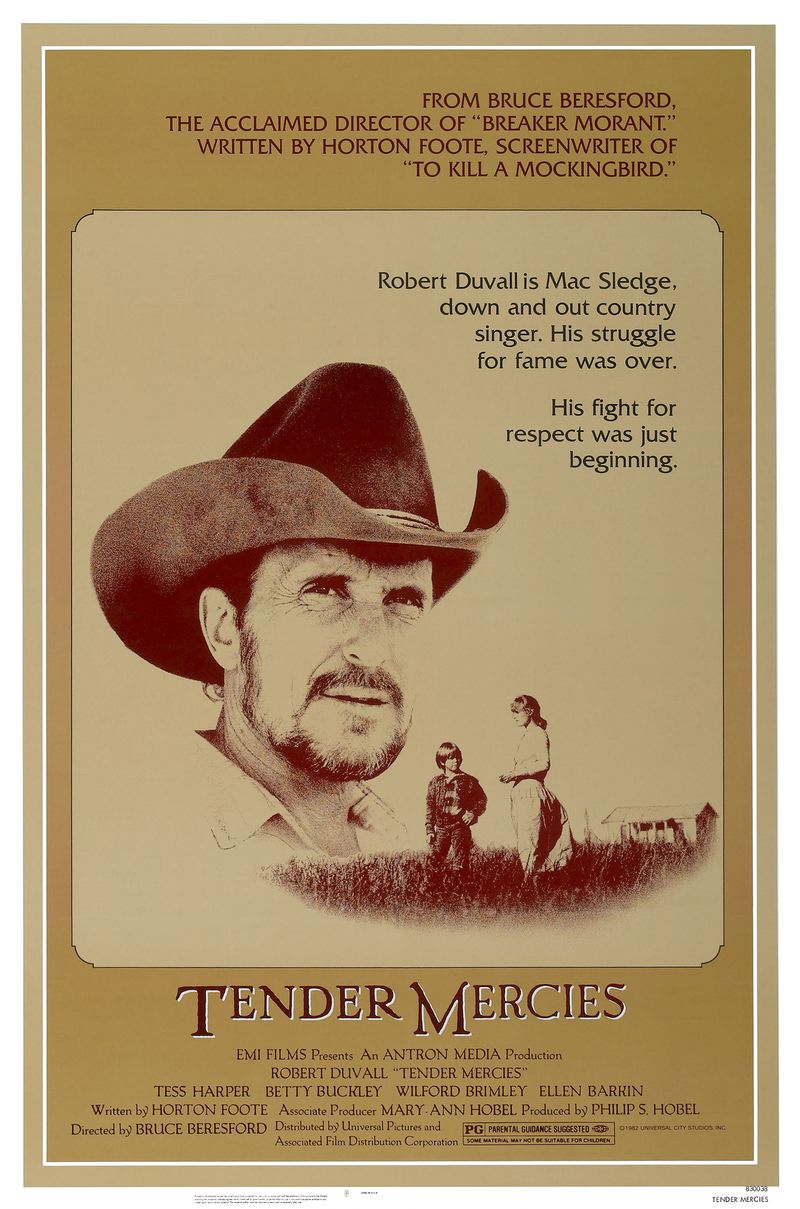
This quiet masterpiece won Duvall his only Academy Award for Best Actor, playing a washed-up country singer trying to start over.
Mac Sledge finds work at a small Texas motel run by a young widow and her son.
Their kindness slowly helps him rebuild his shattered life and find purpose again.
The film works because Duvall plays Mac with such understated grace and vulnerability.
He actually wrote and performed the songs himself, adding another layer of authenticity.
Director Bruce Beresford let the story unfold naturally without melodrama or forced emotion.
Many viewers overlook this gem because it moves at a gentle pace.
However, patient audiences discover one of the most beautiful redemption stories ever filmed.
3. The Great Santini (1979)
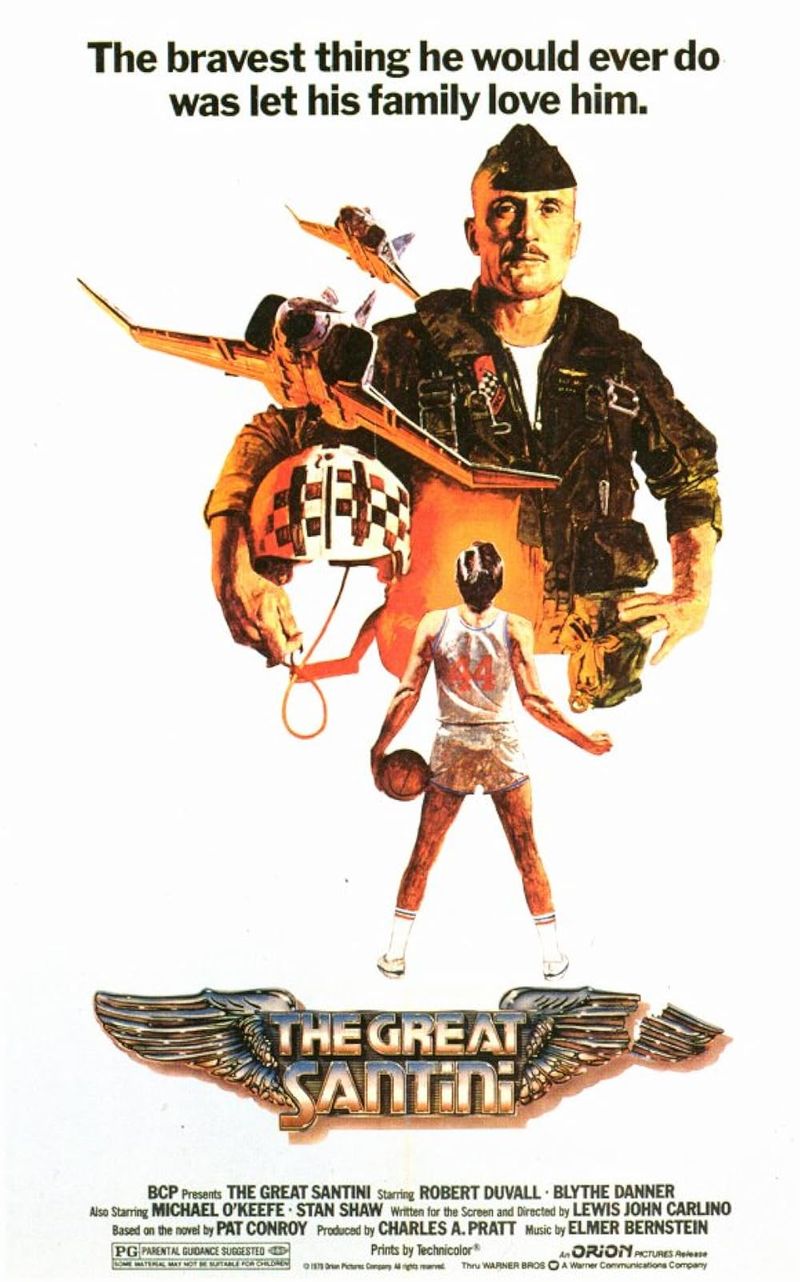
Bull Meechum is a Marine Corps pilot who runs his family like a military unit, and Duvall brings terrifying intensity to the role.
He pushes his oldest son relentlessly, unable to separate his warrior mentality from fatherhood.
The family struggles under his iron-fisted control while trying to maintain some sense of normalcy.
Duvall makes Bull both frightening and oddly sympathetic, showing glimpses of the insecurity beneath the bravado.
His basketball scene with his son remains one of cinema’s most uncomfortable father-son moments.
The performance earned him another Oscar nomination for its unflinching honesty.
Based on Pat Conroy’s novel, the film explores toxic masculinity before that term existed.
Modern viewers find it remarkably relevant today.
4. The Outfit (1973)
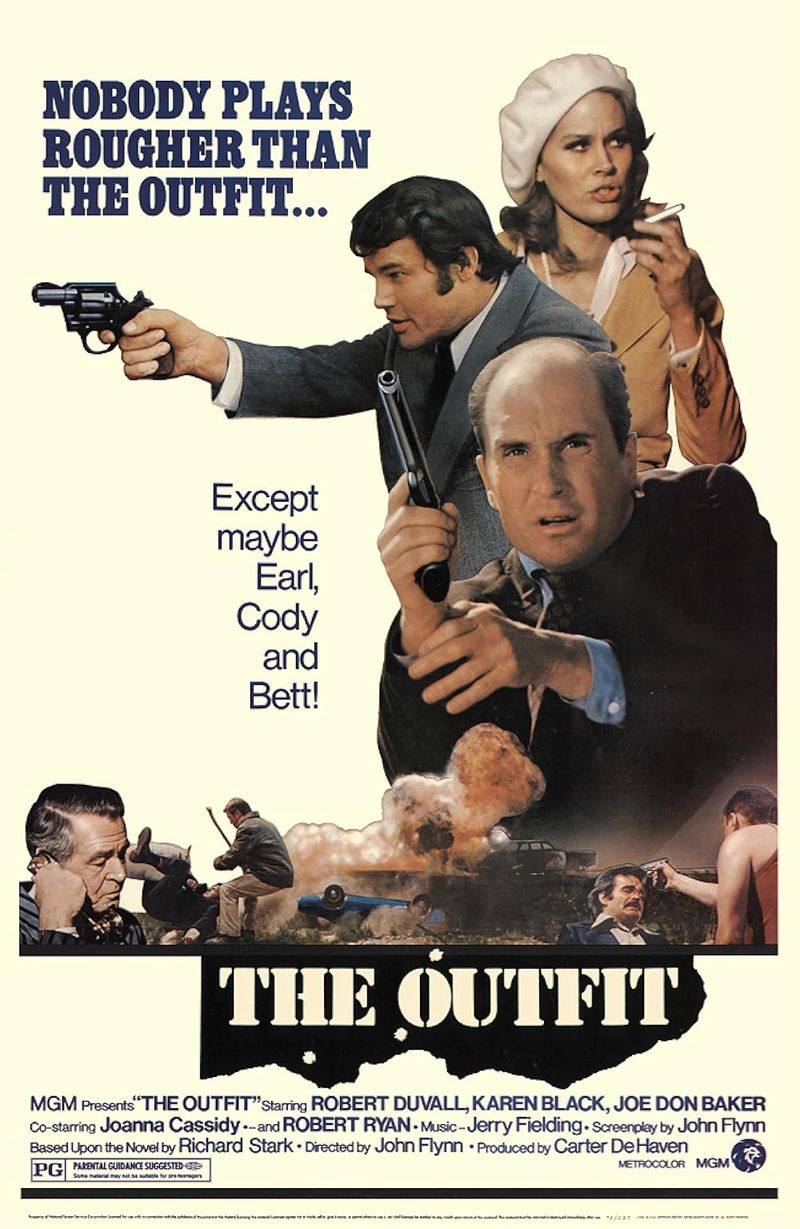
Duvall plays a professional thief seeking revenge against the mob in this gritty crime thriller that feels like a lost classic.
His character just got out of prison only to find his brother murdered by the organization.
He teams up with another crook to systematically rob mob operations and draw out the boss.
The film showcases Duvall’s ability to play tough, no-nonsense characters with quiet menace.
Director John Flynn crafted a lean, mean story without wasted moments or unnecessary dialogue.
Duvall’s intensity drives every scene as he methodically executes his plan.
Crime film enthusiasts consider this essential viewing, though it remains criminally underseen.
The hard-boiled style influenced countless heist movies that followed.
5. The Seven-Per-Cent Solution (1976)
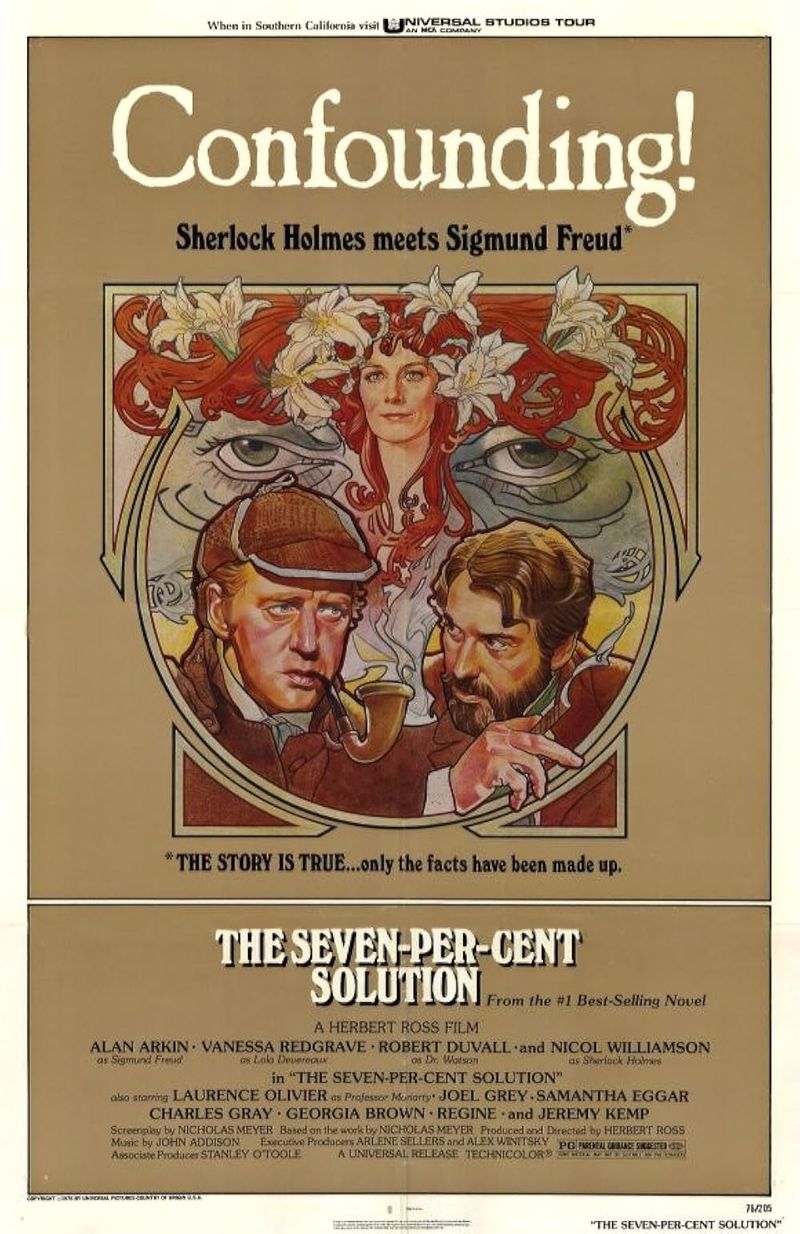
Playing Dr. Watson opposite Nicol Williamson’s Sherlock Holmes, Duvall brings warmth and intelligence to literature’s famous sidekick.
The story imagines Holmes seeking help from Sigmund Freud for his cocaine addiction in Vienna.
Watson orchestrates the meeting, hoping his friend can overcome his demons and return to detective work.
Duvall avoids making Watson the bumbling fool often portrayed in adaptations.
Instead, he’s a loyal friend genuinely concerned about Holmes while remaining capable in his own right.
The chemistry between the leads makes their friendship feel authentic and earned.
This clever mystery combines historical figures in unexpected ways.
Adventure and psychology blend together as the trio investigates a kidnapping case.
6. True Confessions (1981)
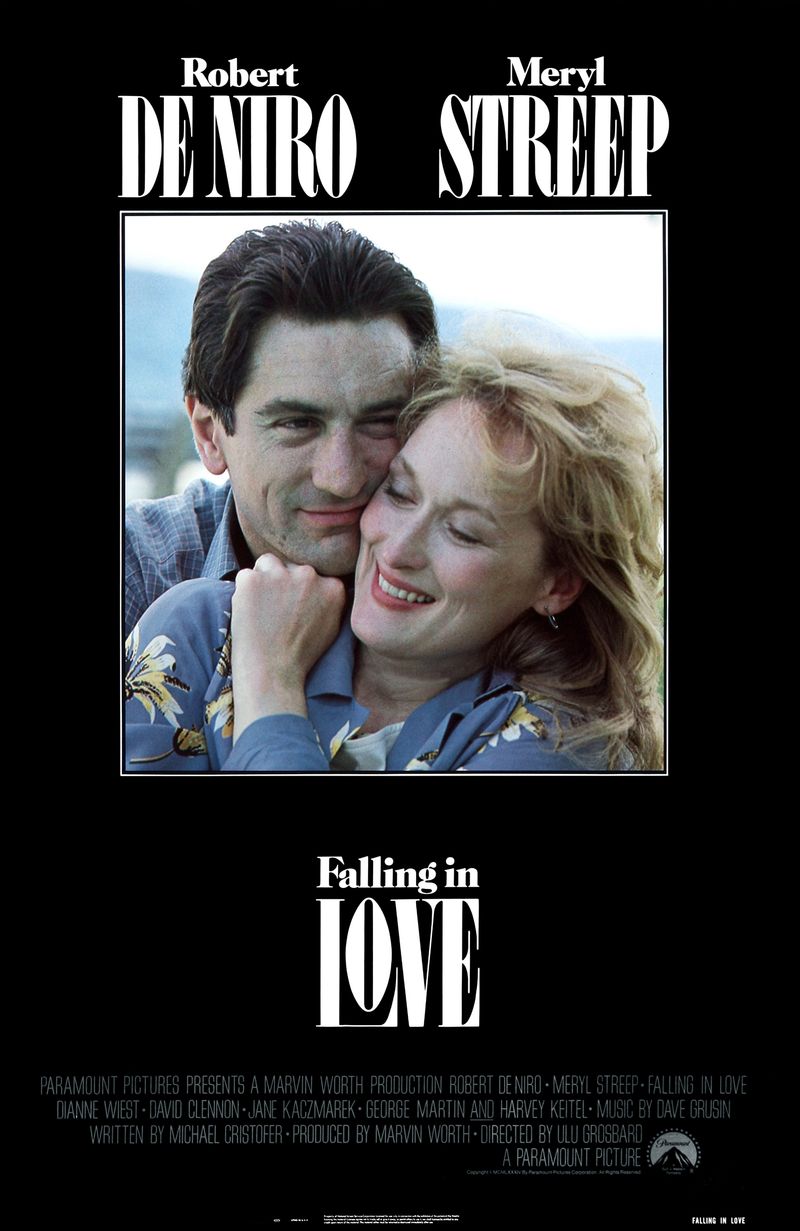
Set in 1940s Los Angeles, Duvall plays a homicide detective whose brother is a Catholic monsignor played by Robert De Niro.
Their relationship becomes strained when a murder investigation intersects with church corruption and political scandals.
Family loyalty clashes with professional duty as secrets come to light.
The film explores moral ambiguity through both brothers who compromise their principles in different ways.
Duvall brings world-weary cynicism to his cop while showing deep love for his brother.
His scenes with De Niro crackle with unspoken tension and shared history.
Director Ulu Grosbard creates a moody neo-noir atmosphere that enhances the ethical dilemmas.
Unfortunately, the complex plot confused some viewers upon release.
7. Open Range (2003)
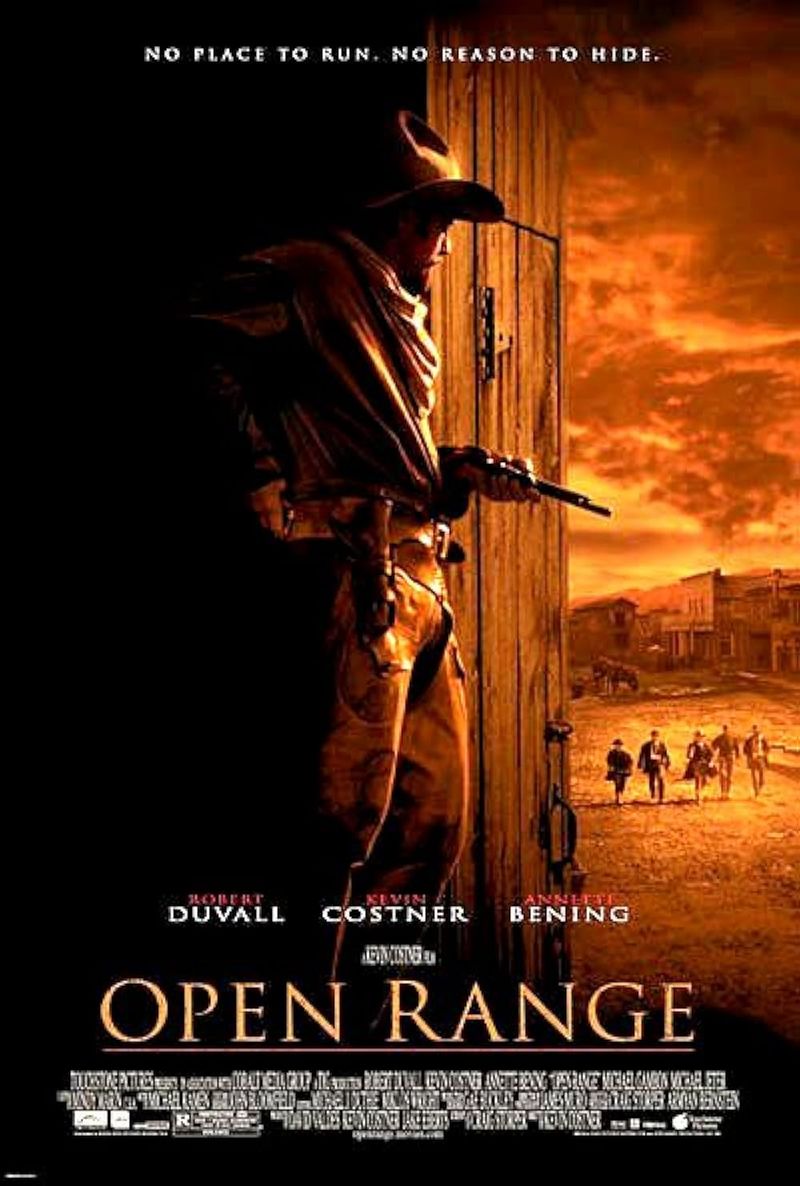
Boss Spearman leads a crew of free-grazing cattlemen across the frontier, and Duvall embodies the dignity of the Old West.
When a corrupt rancher threatens their way of life, Boss and his partner Charley Waite must take a stand.
Violence becomes inevitable as peaceful men prepare for a showdown they never wanted.
Duvall brings quiet authority and wisdom to Boss, creating a fully realized character in every gesture.
Kevin Costner directed and co-starred, crafting a traditional western with modern sensibilities.
The climactic gunfight ranks among the most realistic ever filmed, brutal and chaotic rather than glamorous.
Western fans treasure this film for its authenticity and respect for the genre.
Duvall’s performance reminds us why he excels in period pieces.
8. The Paper (1994)
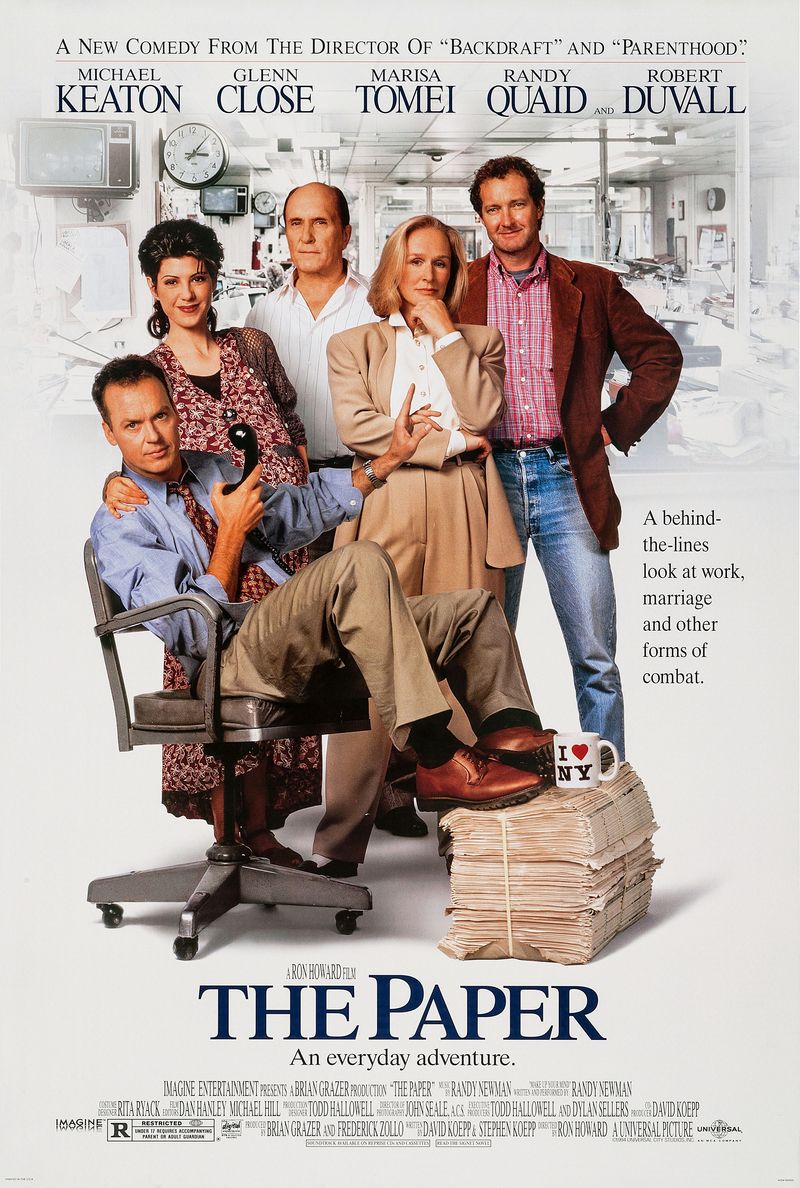
Bernie White is the managing editor of a New York tabloid facing his final days before retirement.
Duvall plays him as a newspaper lifer who still believes in real journalism despite corporate pressures.
He clashes with the publisher over budget cuts while mentoring younger reporters through a chaotic day of breaking news.
Director Ron Howard captures the frenetic energy of deadline journalism, and Duvall grounds the chaos with steady professionalism.
His character represents a dying breed of editors who value truth over profits.
The performance feels especially poignant now that newspapers struggle to survive.
Comedy and drama mix naturally as the staff races against time.
Duvall’s supporting role adds gravitas to the ensemble cast.
9. Geronimo: An American Legend (1993)
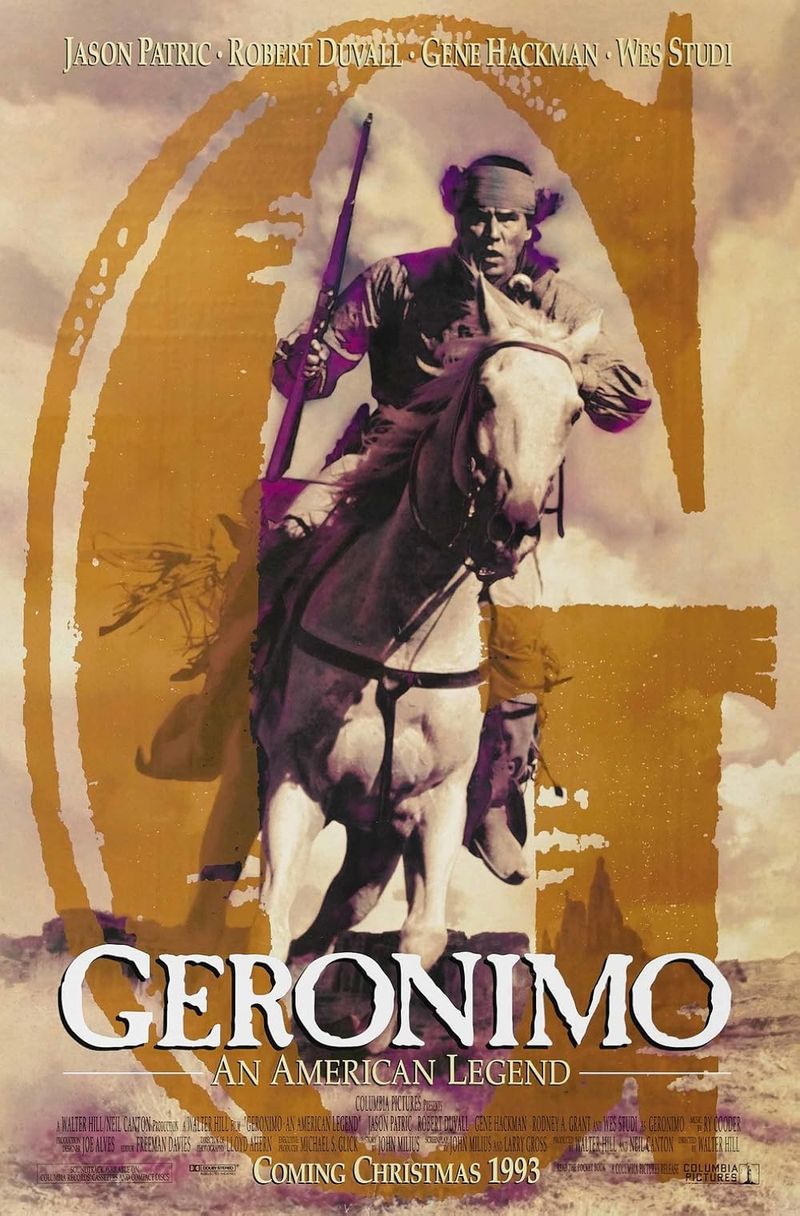
Al Sieber was a real-life Army scout, and Duvall portrays him with authenticity and respect for the historical figure.
He serves as a bridge between the military and Apache people during the campaigns to capture Geronimo.
His character understands both sides of the conflict, recognizing the tragedy unfolding across the Southwest.
Duvall researched Sieber extensively to honor the man’s complex legacy and moral struggles.
The film itself received mixed reviews, but critics consistently praised Duvall’s nuanced performance.
He brings humanity to a story often told in simplistic terms of good versus evil.
Western history buffs appreciate the attention to detail in costumes and settings.
Duvall elevates the material through his commitment to historical accuracy.
10. The Judge (2014)
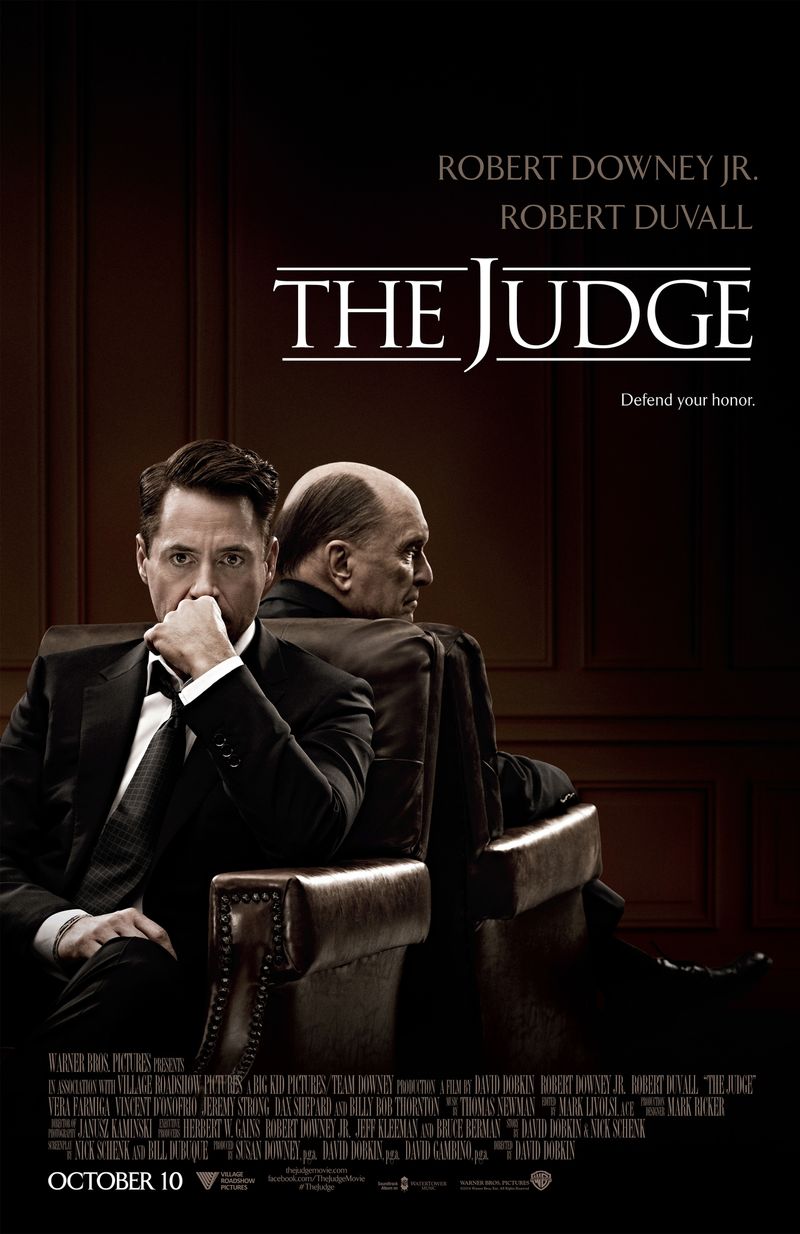
Judge Joseph Palmer rules his Indiana courtroom with iron authority, but Duvall shows the vulnerability beneath the stern exterior.
When accused of murder, he must rely on his estranged son, a big-city lawyer, for defense.
Their complicated relationship takes center stage as past wounds resurface during the trial.
Duvall earned his seventh Oscar nomination for this father-son drama opposite Robert Downey Jr. He portrays aging and stubbornness with heartbreaking honesty, refusing to make the judge entirely sympathetic.
Their scenes together crackle with decades of unresolved conflict and reluctant love.
The film works best as a character study rather than a courtroom thriller.
Duvall reminds audiences why he remains a powerhouse in his eighties.
11. Apocalypse Now (1979)
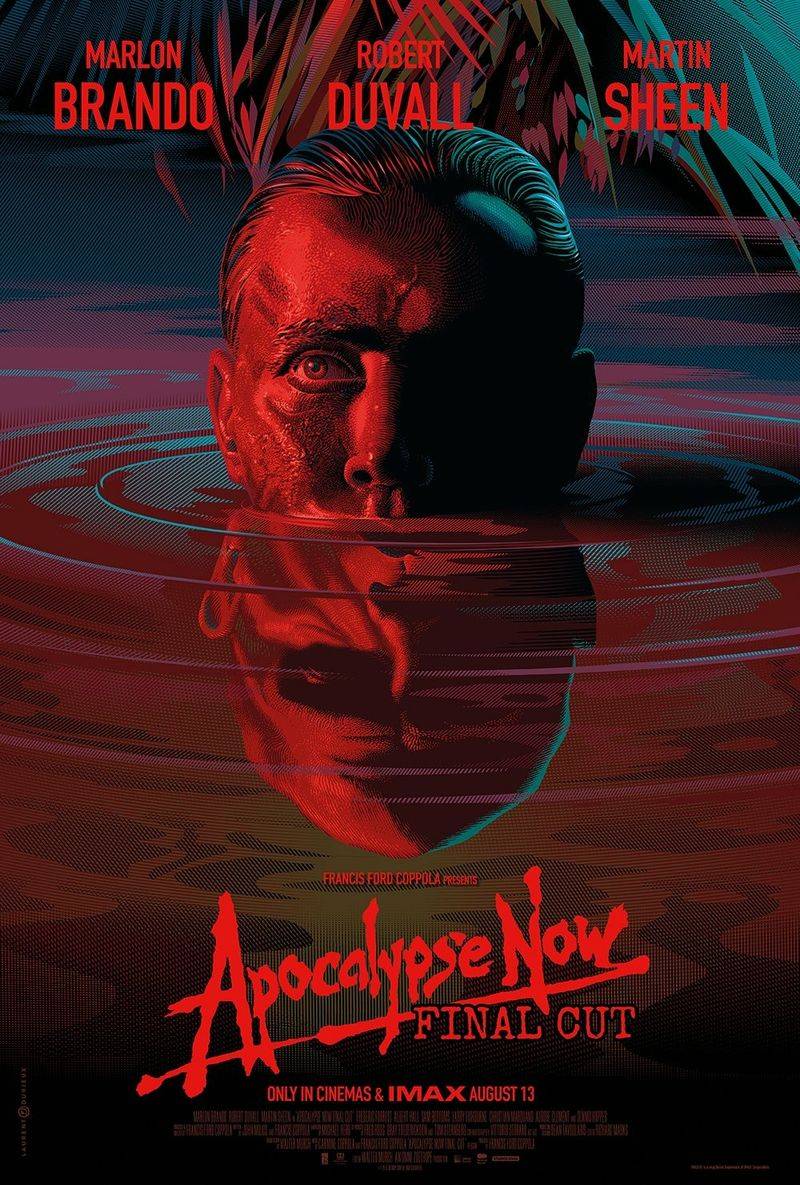
Lieutenant Colonel Kilgore loves the smell of napalm in the morning, and Duvall created one of cinema’s most quotable characters.
His surf-obsessed officer orders a helicopter assault on a Vietnamese village primarily to catch good waves afterward.
The absurdity of war crystallizes in this unforgettable supporting performance that steals the film’s first act.
Duvall improvised some of his most famous lines, including the iconic napalm monologue that defined the character.
His cavalier attitude toward violence makes Kilgore both darkly funny and deeply disturbing.
The performance captures how war can warp priorities and normalize horror.
Francis Ford Coppola’s epic overshadows individual performances, but Duvall’s scenes remain the most memorable.
His brief appearance left a permanent mark on film history.
12. Network (1976)
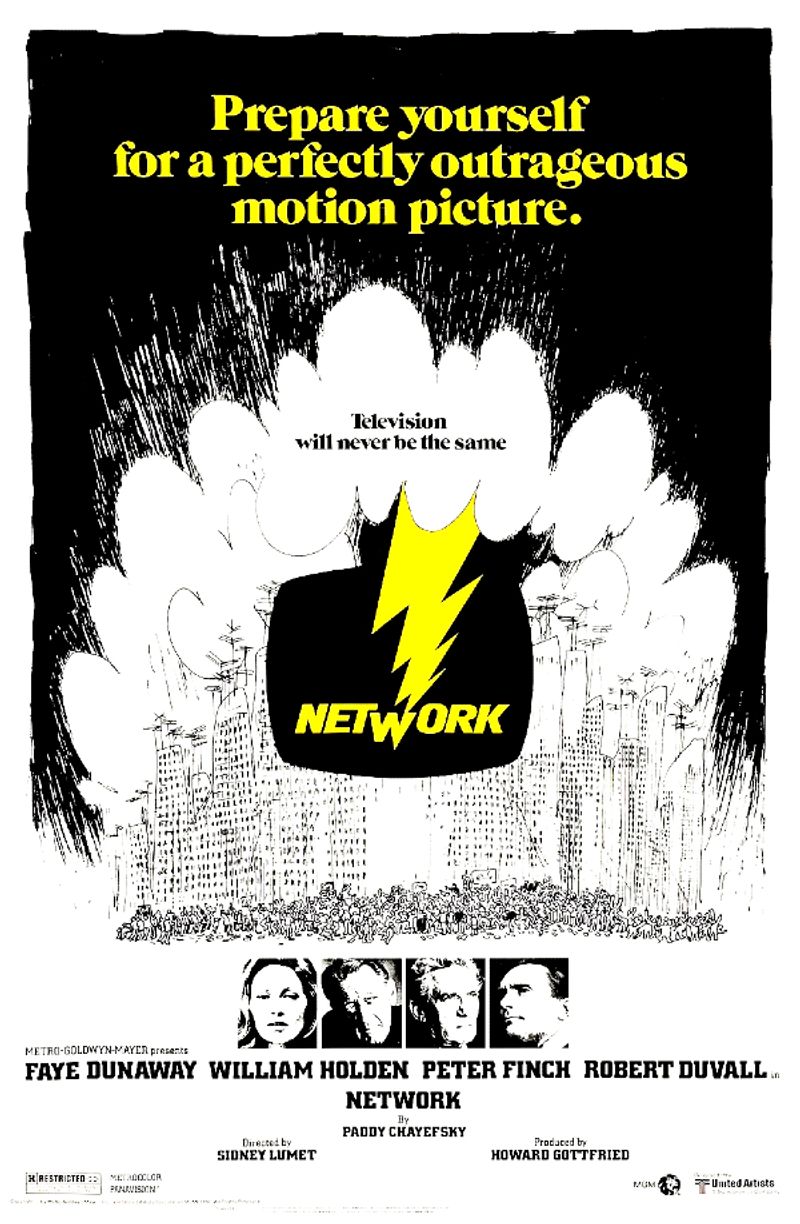
Frank Hackett is a ruthless network executive who sees news as entertainment and profits over journalism.
Duvall plays him as a cold corporate climber willing to exploit anything for ratings, including a mentally unstable anchor.
His character represents the future of television that Paddy Chayefsky prophetically satirized in his screenplay.
The role required Duvall to embody soulless ambition without becoming a cartoon villain.
He succeeds by playing Hackett as genuinely believing his vision benefits everyone, not just shareholders.
His boardroom scenes reveal the machinery behind television’s transformation into spectacle.
This Best Picture winner feels more relevant each year as media becomes increasingly sensationalized.
Duvall’s supporting performance adds crucial dimension to the ensemble cast.
Comments
Loading…