
 Harper Hall
12 Post-Apocalyptic Shows That Feel Uncomfortably Real
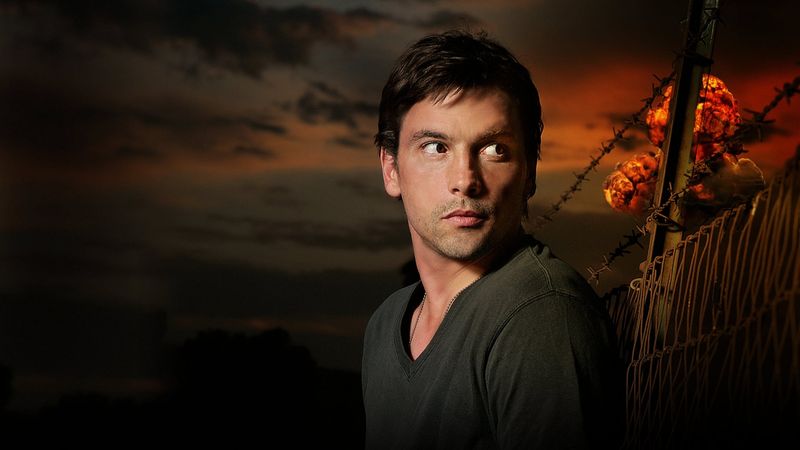
Post-apocalyptic dramas have a way of holding up a mirror to our real fears about pandemics, power outages, and social collapse.
The best ones do not just show zombies or explosions, they explore how ordinary people survive, make hard choices, and try to rebuild.
These 12 shows hit so close to home that watching them feels less like fiction and more like a warning.
1. The Last of Us (2023–present)
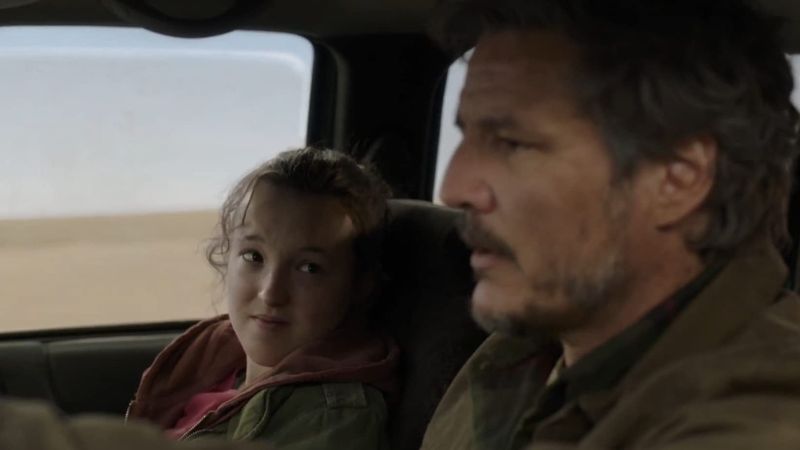
Few shows have made a fungal pandemic feel as terrifyingly plausible as HBO’s The Last of Us.
Based on the beloved video game, the series follows Joel and Ellie as they navigate a world shattered by the Cordyceps fungal outbreak.
Quarantine zones feel authentic, supply shortages are constant, and every moral decision carries real weight.
What separates this show from typical apocalypse fare is its emotional honesty.
Survivors are not heroes or villains, they are exhausted, grieving people trying to protect what little they have left.
Each episode leaves you thinking about how fragile modern society really is.
2. Survivors (1975–1977)
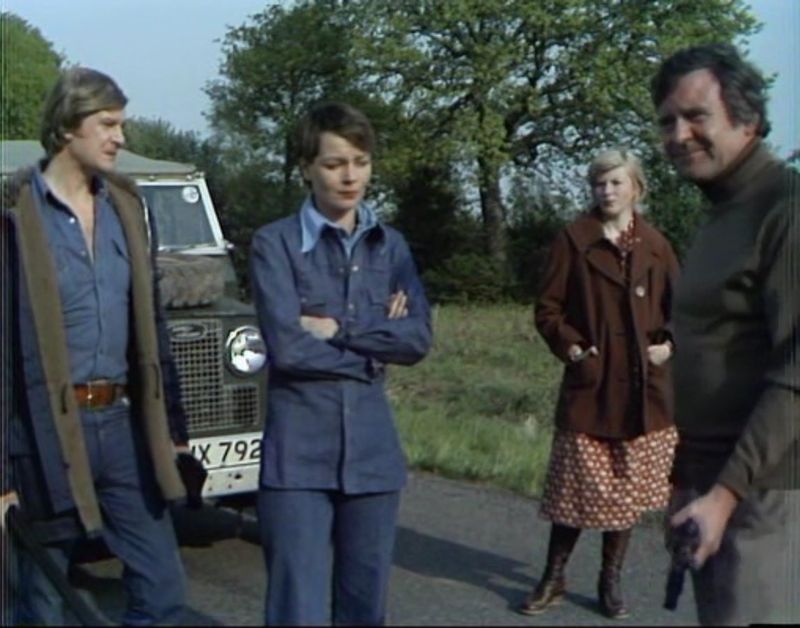
Long before zombie dramas dominated streaming, the BBC quietly produced one of the most grounded apocalypse stories ever made.
Survivors aired in the mid-1970s and depicted life after a lab-made plague wiped out the vast majority of humanity.
The drama focused on farming, clean water access, and the messy politics of rebuilding a community.
What makes it stand out even today is its refusal to glamorize survival.
Characters struggle with sanitation, crop failures, and leadership disputes, problems that feel far more realistic than any monster chase.
For a show this old, its honesty about human fragility is genuinely striking.
3. Survivors (2008–2010)
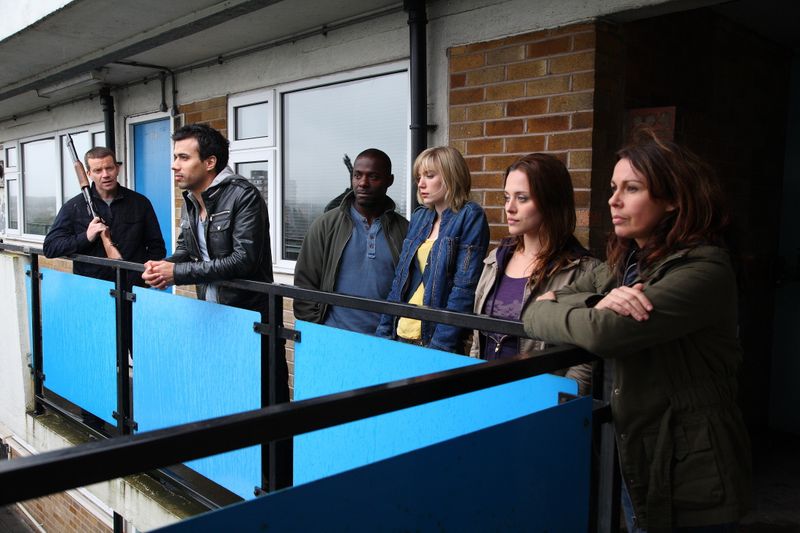
When the BBC revisited Survivors in 2008, the timing felt eerily prophetic.
This updated version leaned hard into pandemic realism, showing how quickly trust between strangers collapses when governments go silent and infrastructure fails.
Characters must figure out who to believe and who poses a danger, often with no good answers available.
Unlike action-heavy apocalypse dramas, this series is more interested in social tension than spectacle.
A neighbor becomes a threat.
A stranger might be a lifeline.
Watching the slow unraveling of everyday institutions, hospitals, police, utilities, feels like a dry run for scenarios the real world has since come uncomfortably close to experiencing.
4. Earth Abides (2024)
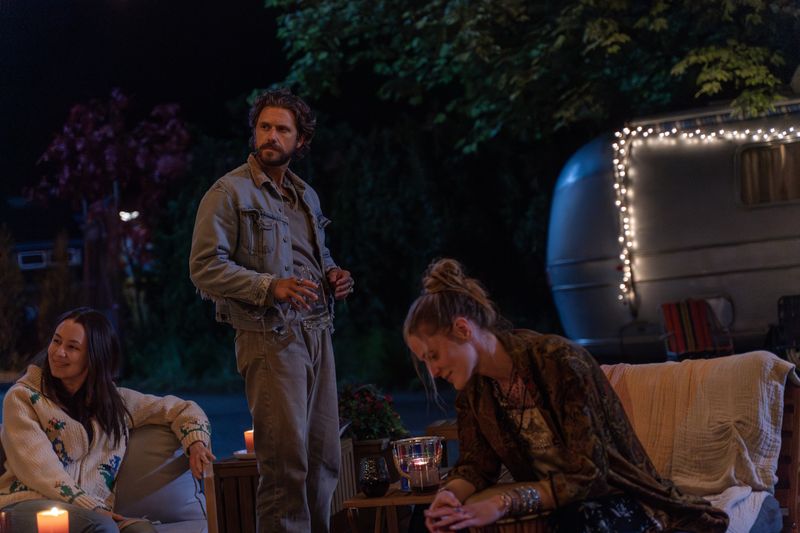
George R. Stewart wrote Earth Abides back in 1949, but the story feels shockingly modern in its MGM+ adaptation.
A global pandemic has silenced most of civilization, and a small group of survivors must decide how to preserve knowledge before it disappears entirely.
The show pays close attention to ecological shifts as nature quickly reclaims human spaces.
What gives this series its emotional punch is the question at its core: what is worth saving?
Books, skills, history, relationships, everything competes for priority when resources are scarce.
It is a thoughtful, slow-burning story that respects both science and human emotion in equal measure.
5. Jericho (2006–2008)
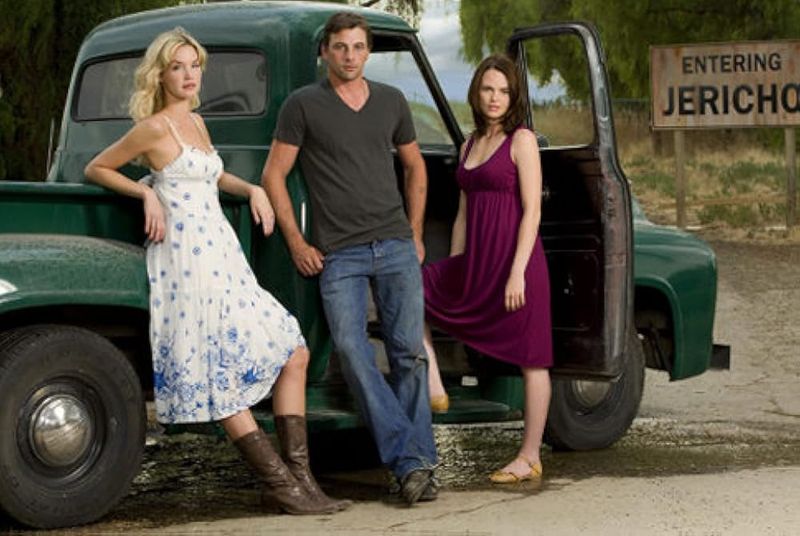
Picture waking up in a quiet Kansas town and watching a distant mushroom cloud rise on the horizon.
That is exactly how Jericho begins, and it never lets the tension drop.
After nuclear attacks devastate major U.S. cities, the small town of Jericho is left to survive on its own, cut off from news, supplies, and federal support.
The show excels at depicting how quickly local politics fracture under pressure.
Food rationing, water contamination, and armed neighbors all become real problems fast.
Jericho was actually canceled after one season, but fan campaigns brought it back, a testament to how deeply its realistic scenario connected with audiences.
6. The Walking Dead (2010–2022)
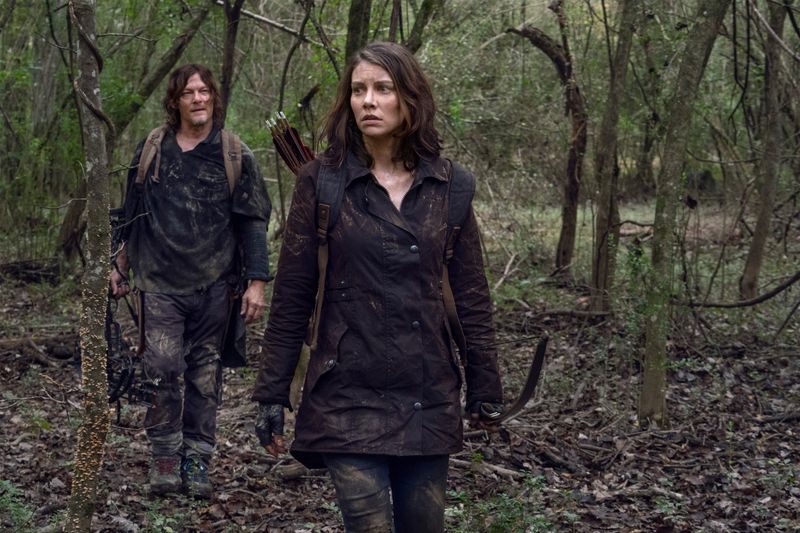
Yes, there are zombies, but the real horror of The Walking Dead was always the living.
Over twelve seasons, this AMC drama built one of television’s most detailed portraits of long-term survival stress.
Resource scarcity, shifting alliances, and the psychological cost of violence are all treated with surprising seriousness.
Communities rise and fall throughout the series, and the show never lets viewers forget how quickly social order collapses without trust.
Watching characters debate rationing food or negotiate with rival factions feels more relevant than any undead threat.
It is, at its core, a show about what holds people together when everything else breaks apart.
7. Fallout (2024–present)

Cold War paranoia gets a darkly comedic makeover in Amazon Prime’s Fallout adaptation.
Set in a post-nuclear America that never quite left the 1950s aesthetic, the show blends satire with serious commentary on class, corporate greed, and bunker-based survival.
Vault dwellers emerge into a world shaped by radiation, scarcity, and power struggles between competing factions.
What makes Fallout feel uncomfortably real is its critique of institutional trust.
Corporations and governments made decisions that doomed millions, while ordinary people were left to sort through the rubble.
Strip away the retro visuals and you have a sharp, unsettling story about who gets to survive and why.
8. The Last Man on Earth (2015–2018)
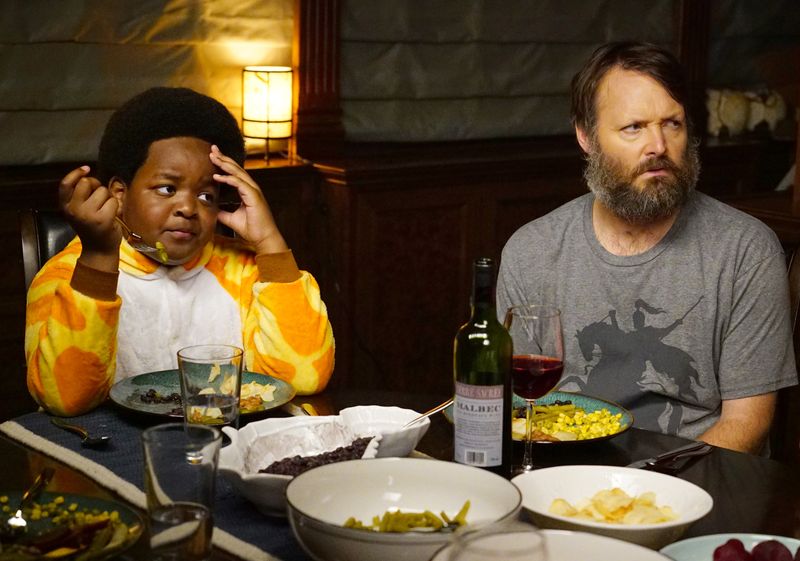
Not every apocalypse story needs to be grim.
The Last Man on Earth took a wildly different approach by making its virus-wiped world both funny and heartbreaking.
Phil Miller roams an empty America, looting museums and talking to sports balls, until he realizes isolation is its own kind of slow destruction.
The show handled mental health with surprising honesty.
Loneliness, paranoia, and the desperate need for human connection all surface naturally as more survivors appear and their tiny group tries to coexist.
Beneath the comedy is a genuine exploration of what psychological damage prolonged isolation causes, a theme that hit differently after 2020.
9. Apagon (2022)
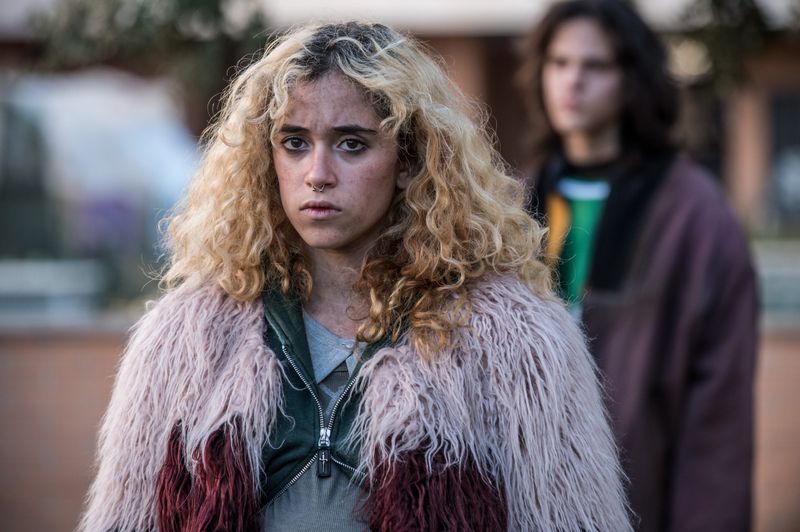
Spain’s Apagon asks a question most people do not want to sit with too long: what happens when the power simply never comes back?
A massive solar storm disables electrical grids across the country, and within days, modern civilization begins to crack.
The anthology format lets the show explore the blackout’s ripple effects across very different social groups.
Each episode captures a distinct type of panic, from urban food riots to rural communities discovering they are surprisingly better equipped to cope.
The series is remarkably grounded in real infrastructure vulnerabilities, making it feel less like fiction and more like a plausible scenario drawn from actual scientific concerns about solar weather events.
10. The 100 (2014–2020)
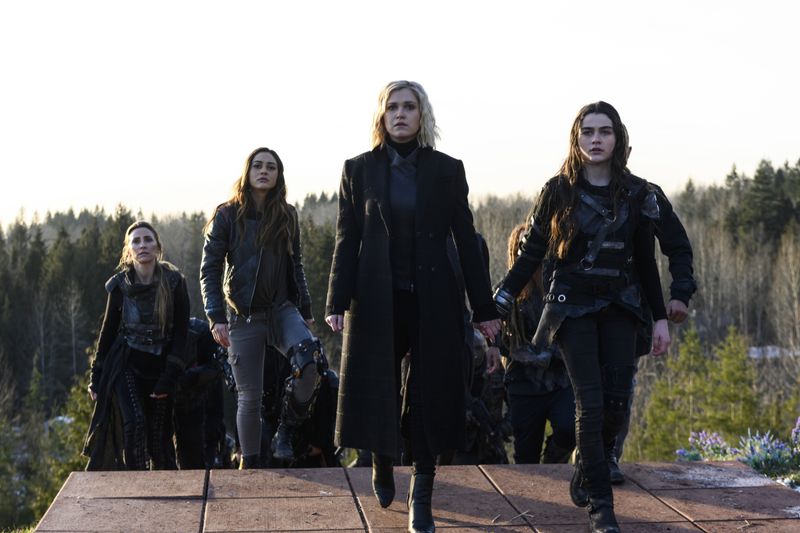
After a nuclear apocalypse renders Earth uninhabitable, the last of humanity survives in a space station called the Ark.
Nearly a century later, a group of teenage delinquents is sent back down to test whether the planet can support life again.
What they find is radiation, tribal warfare, and a world that has moved on without them.
The 100 gets credit for tackling difficult questions about resource limits and moral compromise without easy answers.
Who decides who survives?
What rules apply when survival is the only law?
The show grew darker and more politically complex as it progressed, rewarding viewers who stuck around for its harder questions.
11. The Eternaut (2025–present)
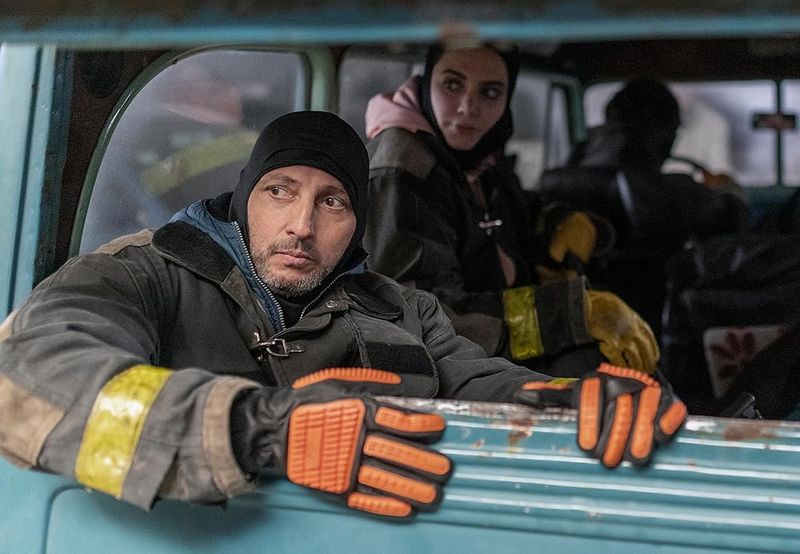
Argentina’s The Eternaut arrives on Netflix with the weight of a beloved graphic novel behind it, and it delivers something genuinely unsettling.
A mysterious toxic snowfall descends on Buenos Aires, killing anyone it touches, and a small group of neighbors must survive inside their homes while the city falls apart around them.
What makes this show stand out is its focus on fear and misinformation during the first chaotic hours of catastrophe.
Nobody knows what is happening or why, and that uncertainty drives the tension more than any monster ever could.
It is a story about collective survival, community solidarity, and how quickly panic can become more dangerous than the disaster itself.
12. Station Eleven (2021–2022)
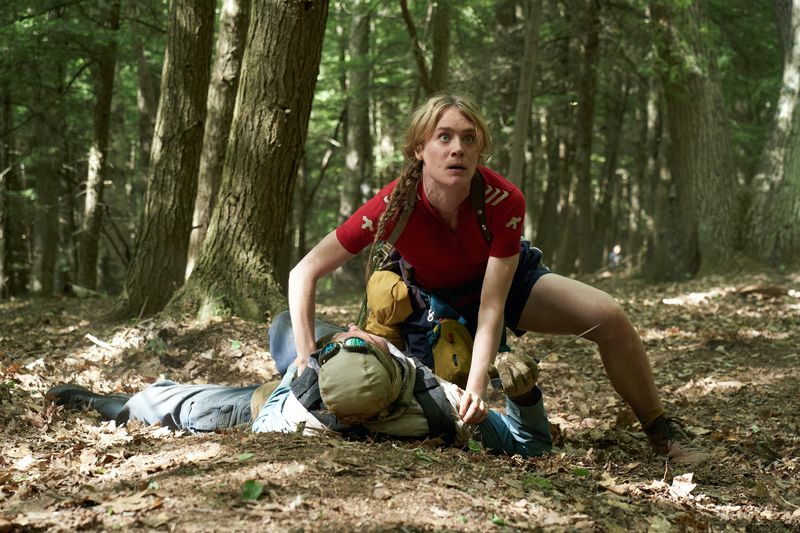
Station Eleven opens with a devastating flu pandemic and then jumps forward twenty years to show what survived alongside the people.
A traveling Shakespearean theater company moves between settlements, keeping art and memory alive in a world that lost nearly everything.
The show is less about the collapse and more about what humans choose to carry forward.
Told across multiple timelines, it weaves together the moments before, during, and long after the pandemic with quiet grace.
What lingers is not the horror of the die-off but the stubborn insistence on beauty.
Station Eleven makes a convincing case that culture and story are not luxuries but essential tools for human survival.
Comments
Loading…